
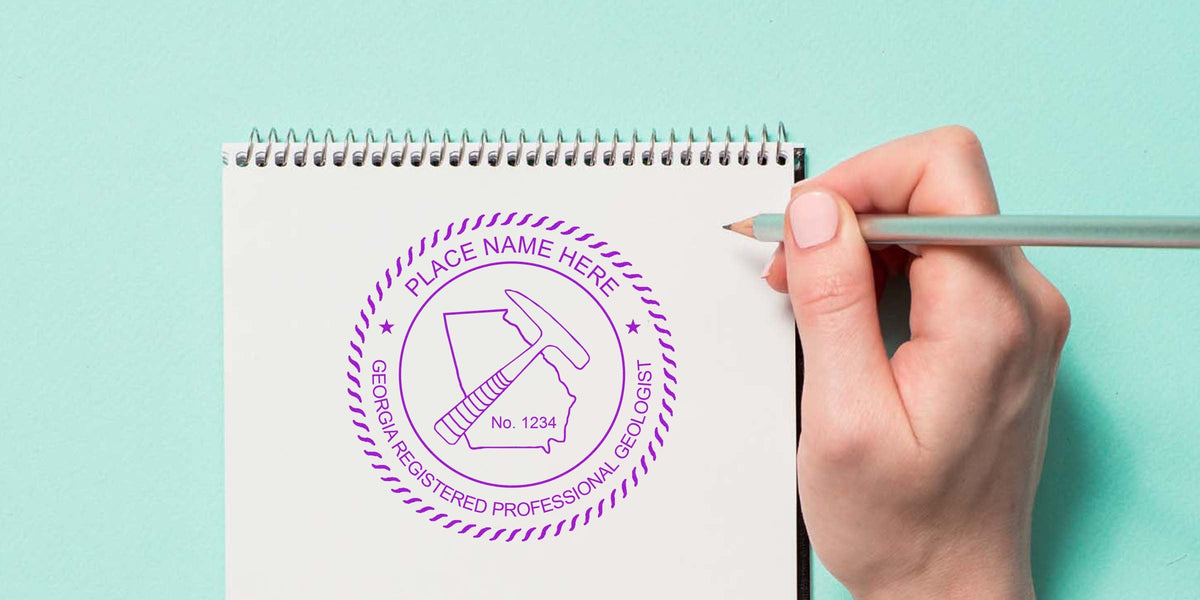
Choosing your Georgia geologist seal design can feel a bit overwhelming, right? There are specific rules to follow, plus you want something that looks professional and fits your personal style. In Georgia, professional geologists need a seal that meets official standards to validate reports, maps, and other geological documents. That’s a lot of responsibility for something that might look small on paper, but it’s actually a huge deal for your professional reputation.
In this post, you’ll learn how to navigate Georgia’s requirements for geologist seals, explore the key design elements you should look for, and discover tips on materials, clarity, and customization. Along the way, we’ll also talk about choosing a reliable supplier, because no one wants to replace their seal year after year. By the end, you’ll be fully comfortable selecting the right seal design for your professional needs.
Understand Georgia Seal Requirements
Before diving into specific design features, take a moment to familiarize yourself with the official guidelines. The Georgia State Board of Registration for Professional Geologists spells out what the seal must include—everything from diameter specifications to the exact wording around the edges. If you want to get deeper into the nitty-gritty, check out the georgia geologist stamp requirements. That resource will give you a thorough look at the details you need.
Georgia typically requires the seal to display:
- Your name as it appears on your license.
- Your license number (a crucial identifying feature).
- The wording “Registered Professional Geologist” or a similar official phrase.
Making sure these elements are accurate is essential. You want your seal to pass state inspection without any hiccups. It also protects you from potential legal issues, because an incorrect seal could raise questions about your professional credentials. When in doubt, always confirm with official resources or talk directly to someone at the Georgia state board.
Confirm Key Design Elements
Once you’ve got the state requirements clear, it’s time to think about the artistic and functional aspects of your geologist seal. Wondering if your seal can be visually appealing while still meeting official standards? Absolutely. The trick is to balance creativity with practicality.
Seal Shape and Size
Most Georgia geologist seals or stamps come in a circular design, roughly 1⅝ inches to 2 inches in diameter. That circle is more than a standard shape – it’s a clear indicator of professionalism. Many official entities expect to see that round imprint.
If you prefer a slight variation, ensure that any unique shape still meets the diameter rule. Going too big can create smudges, while going too small might hide key details. Chat with your supplier if you’re unsure. They usually have templates for the most common diameters.
Required Text Layout
You’ll see an outer ring or border with the official text (like “State of Georgia,” “Professional Geologist,” or both). Your name and license number fit neatly inside that ring. Place them so nothing gets crowded. A crowded seal can be tough to read, which might undermine its authority. Use a simple font – especially one that doesn’t get blurry when stamped.
Balancing Aesthetics and Legibility
Feel free to choose a font style that matches your personal taste, as long as it remains professional. Serif fonts can look scholarly, while sans-serif fonts have a clean, modern vibe. Either works, but keep in mind that fancy scripts or overly decorative elements might be harder to decipher. The best rule of thumb? If you have to squint to read it, it’s probably not the right choice.
Choose Sturdy Materials
While the design itself matters, so does the physical product bearing your seal. That’s where materials and manufacturing processes come into play. Stamps, embossers, and electronic seals each come with their own pros and cons.
Common Seal Options
-
Pre-Inked Stamp
These stamps have the ink stored in the body of the device. They’re quick, easy to use, and typically create crisp impressions. They’re also less messy than traditional rubber stamps. -
Self-Inking Stamp
Similar to pre-inked stamps, self-inking versions re-ink the die automatically. This choice is great if you anticipate using your seal multiple times a day. The impressions can be slightly lighter than pre-inked, but many geologists appreciate the convenience. -
Traditional Rubber Stamp
These need an external ink pad. They’re often cheaper, but can be less consistent if you don’t keep your pad replenished. They take a bit more coordination to ensure a clear impression. -
Embosser
Embossers create a raised impression, which looks really professional. They’re ideal for formal documents like certificates. However, they might not be required in every situation. In some contexts, an actual ink impression is a must, so double-check the official guidelines.
Matching Materials to Your Work Setting
Consider the field you work in. Do you spend more time in an office, or are you frequently out examining geological formations? If you’re mostly out in the field, a lightweight, compact self-inking stamp might be your best bet. For office-based geologists, an embosser or heavier stamp tool is fine. The key is picking something durable that won’t erode with frequent use.
Ensure Clear Legibility
When stamping a map or official report, the last thing you want is a fuzzy or barely readable imprint. That’s why clarity matters as much as design. Let’s be honest, if your seal looks faint or smudged, it doesn’t really serve its purpose.
Tips to Get a Crisp Impression
- Use High-Quality Ink: Cheap or old ink can blur your seal. Go for a proper refill or ink pad that’s recommended for professional stamps.
- Practice, Practice, Practice: Before signing off on official documents, do a few test stamps. Adjust your pressure until you get that ideal clarity.
- Store Your Stamp Properly: Stamps stored in hot or humid environments can wear down faster. Keep it in a cool, dry place, preferably in a protective case.
Electronic Seals and Digital Files
Some professionals also rely on digital seals for electronic submissions. A crisp, high-resolution seal can be layered onto PDFs or other files. That’s especially handy if your clients or colleagues prefer digital documents. At Acorn Sales, we offer a free digital seal with every order, so you can stamp or embed your geologist seal in both physical and virtual forms.
Customize for Your Needs
You might be tempted to just pick the standard seal template and move on, but a bit of personalization can go a long way. As long as you stay within Georgia’s regulations, you can still add unique touches.
Possible Customization Ideas
- Font Choice: A classic, easy-to-read font can lend a polished look.
- Extra Inner Border: Some geologists like a thin inner circle to help set the text apart from the graphics.
- Color Options: While black is a popular choice, you can always opt for blue or red ink if it’s acceptable in your practice. Just ensure it’s still easily legible.
One question you might have is: “Will these custom features up the cost significantly?” Generally, subtle customizations don’t break the bank, but prices vary by supplier. Always request a proof before you finalize the order. That proof is your reality check, so you can confirm you’re following guidelines and that your seal looks as polished as you imagined.
Find a Trustworthy Supplier
Even the best design will falter if the product itself is subpar. That’s why choosing a reputable supplier can save you a headache in the long run. Look for a company with a proven track record, positive customer reviews, and a clear return or exchange policy.
Why Acorn Sales?
Acorn Sales has been serving professionals like you since 1964. That’s over half a century of experience. We specialize in Georgia geologist stamps and seals, ensuring they meet the latest requirements set out by the state. We also provide that free digital seal, so you have both physical and electronic options ready. If you have any questions about design, materials, or Georgia mandates, we’re here to help. It’s not just about making a sale, it’s about ensuring you’re set up with a seal that will stand the test of time.
Questions to Ask Any Supplier
-
Do you offer proofs or samples?
A good supplier will let you see a draft of your seal to confirm accuracy. -
What’s the typical turnaround time?
If you’re in a time crunch, opt for suppliers that expedite the process without sacrificing quality. -
How do you handle replacements?
No one hopes for a defect, but it can happen. Your supplier should have a fair warranty or quick-fix policy.
By doing a bit of homework on the supplier end, you’ll avoid costly pitfalls like a seal that fades fast or fails to meet Georgia’s specifications.
Wrap Up Your Decision
All in all, your georgia geologist seal design should reflect both your professional standing and Georgia’s regulatory requirements. It might feel like a lot to consider, but by understanding the guidelines, confirming the right design elements, choosing quality materials, and working with a reputable supplier, you’ll have a seal you can proudly use for years.
Take your time to compare options, request a proof, and make sure your name and license number are spelled correctly. If you have any lingering questions, dive deeper into the georgia geologist stamp requirements or reach out to a seasoned stamp producer like Acorn Sales. It’s all about confidently stamping your documents with a seal that’s both professional and totally you.
Frequently Asked Questions
Do I need a specific diameter for my Georgia geologist seal?
Typically, the seal should be around 1⅝ to 2 inches in diameter. Always verify with state guidelines, because sizes can change over time.
Can I use fancy fonts or design elements?
Yes, within limits. Just keep the text clearly readable. If it’s too ornate, your seal might not pass official inspection.
Is an embosser acceptable, or do I need an ink stamp?
Both can be valid, but some documents require a clear ink impression for scanning or copying. Check relevant regulations before you decide.
What if I move to another state—can I still use my Georgia seal?
Each state has its own rules. You’ll likely need a new seal that meets the criteria of your new location, so research that state’s laws thoroughly.
Why does Acorn Sales offer a free digital seal?
We recognize that digital documents are increasingly common. Providing a digital seal ensures you’re covered for modern workflows without additional costs.








