
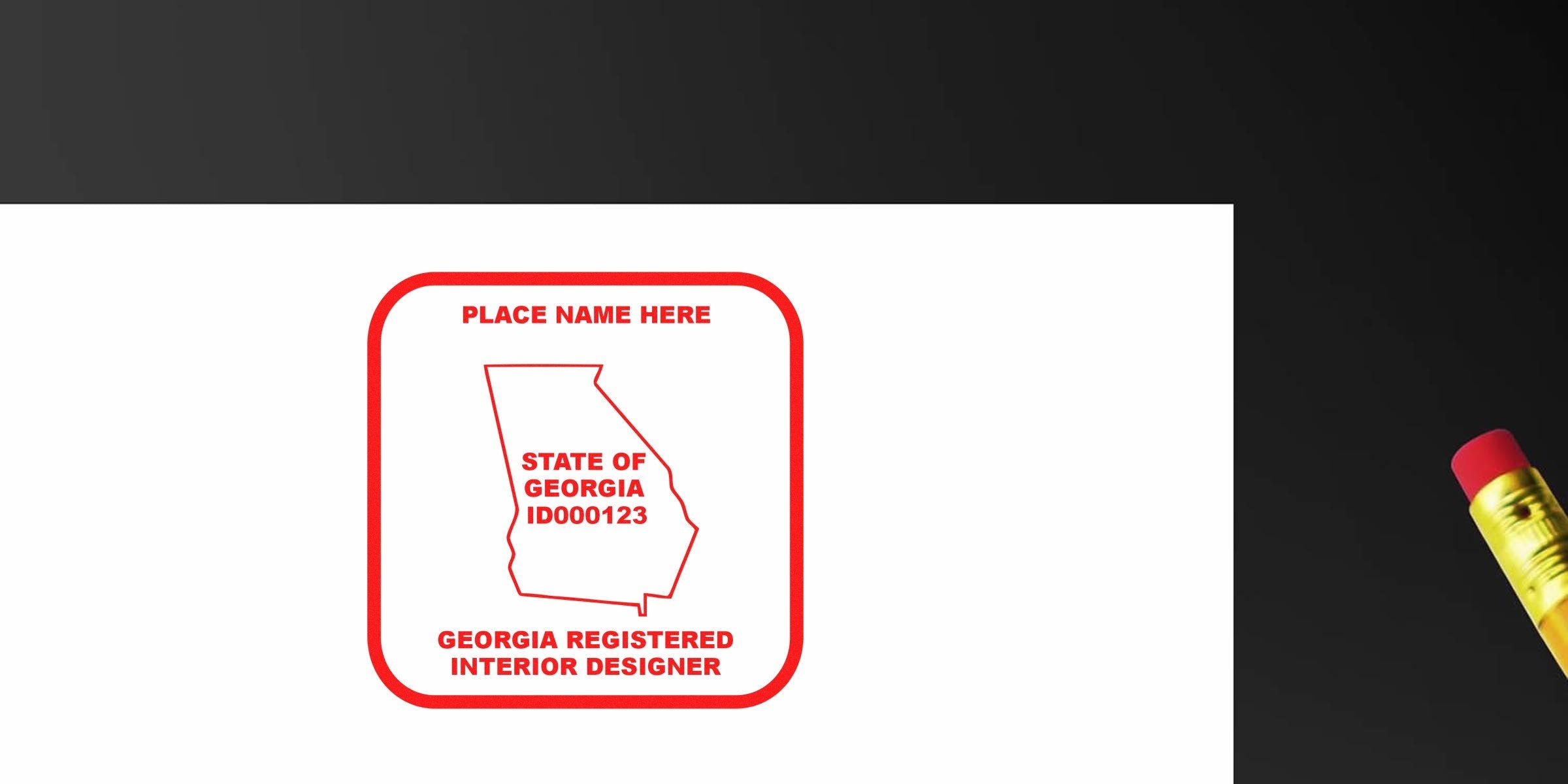
If you’re an interior designer in Georgia, chances are you’ve heard about the importance of having a proper stamp or seal to authenticate your work. In fact, making a Georgia Interior Designer Stamp online purchase can feel a bit confusing at first, especially if you’re not sure where to start. That’s what this guide is all about. By the end, you’ll have a clear handle on why these stamps matter, how to stay in good standing with Georgia regulations, and how to get set up in the easiest way possible.
Below, you’ll find handy tips and steps to guide you through the entire process. We’ll talk about compliance, choosing a supplier, and even how a free digital seal can come into play. Consider this your friendly, all-in-one resource for everything you need to know about obtaining a Georgia Interior Designer Stamp or Seal.
Recognize Your Stamp Needs
If you’re new to licensed design work, you might wonder why a stamp or seal is so crucial. Simply put, in Georgia, stamping your official drawings and documents shows that you’re qualified to do the work and that your designs meet state codes.
When you apply that stamp, you’re essentially saying, “Yes, I’ve got the professional training, and I’m standing behind these plans.” Clients, contractors, and other stakeholders breathe easier seeing your credentials in plain view. This sense of trust can set you apart in a crowded market and speed up reviews or approvals.
But let’s not overlook the everyday benefits. Stamped documents reduce back-and-forth paperwork, since city or county officials often need to confirm that designs are signed off by a professional. By displaying your official seal, you keep the process smoother and frustration-free for everyone involved.
- Show professional credibility with a stamped design.
- Meet local officials’ documentation requirements.
- Make your projects stand out as properly certified.
Navigate Georgia Requirements
Before you buy anything, it’s important to confirm you meet the current Georgia interior designer regulations. Each state has slightly different rules for which professions need a seal and how exactly it should be used. Georgia generally requires a licensed interior designer to stamp drawings, but it’s always smart to keep pace with the latest guidelines.
If you haven’t already brushed up on the basics, you might check out local legislation or city ordinances to see if your particular projects call for a formal seal. For more detail, you can also explore Georgia interior designer stamp requirements. This resource dives deeper into specifics like when to apply your seal or how to format it properly.
Here are a few things you’ll want to consider:
- Scope of Projects: Some jobs might not require a seal, while others absolutely do.
- License Status: You need a valid license (make sure you’re up to date).
- Seal Design: Specifics can include shape, size, and wording.
In some cases, the state’s professional board outlines exactly how the stamp or seal should look, including the placement of your name, license number, and your official title. Getting these details right is critical to staying compliant. Mistakes might mean reprinting, redoing, or even paying fines. Better to tackle it all upfront so you don’t waste extra time or money later.
Choose a Trusted Supplier
Finding the right place to order your stamp can make a world of difference in how quickly and accurately you get it. Not all suppliers will understand your specific Georgia requirements, and some might not offer the stellar customer support you deserve.
One supplier worth checking out is Acorn Sales. They’ve been in business since 1964, which means they’ve tackled countless stamp requests over the decades and have the expertise to guide you smoothly. With Acorn Sales, you can count on:
-
Experience and Knowledge
They’ve served professionals (including architects and engineers) for decades, so they know what’s needed for state-compliant seals. -
Quality Materials
The last thing you want is for your stamp to fade or feel flimsy. A durable stamp or embosser ensures you can use it for years without wearing out. -
Free Digital Seal
If you’re looking for speed and convenience, a digital seal can help you finalize and transmit documents online. It’s a huge plus in an industry that often juggles multiple design plans at once.
While cost is a factor, don’t chase the cheapest option if it means compromising quality. You need your stamp to look professional every single time. It should produce a crisp, clean impression with all critical details visible at a glance.
Explore Digital Seals
Maybe you’re used to the traditional wooden-handled stamp, or you prefer an embosser (the metal device that raises your seal design onto paper). But in today’s digital-driven world, a digital seal is also handy.
A digital seal (sometimes delivered as an image file or a specialized e-stamp format) can save you time and paper. Instead of physically printing and stamping every sheet, you can drop the digital seal into CAD drawings or PDFs. This allows you to share your signed documents instantly with clients, municipalities, or other pros on your design team.
-
Save Money on Shipping
No need to mail stacks of physical documents. -
Speed Up Client Approvals
Clients can review and accept designs faster since they’ll see your official, authentic seal. -
Keep a Backup
If your physical stamp is misplaced, your digital seal is still ready to go.
Georgia typically accepts digital seals, but always confirm that the municipality or reviewing authority you’re working with is on board with e-signed documents. Some places still insist on an actual embossed imprint, so having both a physical stamp and an electronic seal can keep your bases covered.
Follow the Buying Steps
Once you’ve nailed down your exact requirements and chosen a reputable supplier, you’re ready to place your order. Here’s a simplified process to help you:
-
Confirm Your Design Details
Before anything else, double-check your name, license number, business name, and any other info that must appear on your stamp. You don’t want to discover a misspelling or wrong digit after the fact. -
Select Your Stamp Type
Are you going for a self-inking stamp, an embosser, or both? Some pros like an embosser for official documents plus a self-inking stamp for day-to-day tasks. Revisit your local code to see if it specifies embossing versus inking. -
Choose Digital or Physical (or Both)
If the supplier offers a free digital seal along with physical products, why not have it all? A digital seal is a major convenience for last-minute changes or electronic submissions. -
Upload Your Info
Most online ordering platforms let you upload or input your text details. Carefully fill in any forms and keep an eye out for special instructions. If you’re missing something an official entity requires, your order may be delayed. -
Review a Proof
Many suppliers will email you a proof, a sneak peek of what your stamp will look like. Take a moment to zoom in and confirm everything is spelled correctly and the format is correct for Georgia’s standards. -
Complete Your Purchase
Finally, pay attention to shipping options, average turnaround time, and any deals on shipping if you’re ordering multiple items. If you have questions, reach out to customer support. Clear communication here can save you from headaches later.
When all these steps are done, expect your stamp or embosser to arrive ready to use (or your digital seal delivered via email). Store your physical stamp in a safe space. After all, you’ll be applying it to official documents, so you don’t want it floating around an open desk drawer or workshop floor.
Maintain Proper Documentation
Stamps, by nature, are a form of legal identification. That means it’s not just about getting the right seal, it’s also about using it responsibly and keeping good records.
- Keep a Log: It can help to maintain a log of when and where you apply your stamp. That way, if a question comes up about a set of drawings, you can reference your records.
- Regularly Check Compliance: Rules can shift over time. What was accepted when you first got licensed may have evolved. Stay in the loop with local boards or professional organizations for any updates.
- Secure Your Seal: If someone gets their hands on your stamp, they could apply it to documents without your permission. Keep your physical stamp locked in a drawer and your digital seal in a password-protected folder.
If you’re ever unsure about how to handle a specific situation, consider consulting Georgia’s regulatory board or talking with a fellow licensed interior designer. It’s always better to double-check, especially when professional credibility and legal standing are on the line.
Acorn Sales offers a free digital seal with many physical products. This perk is a real time-saver if you frequently submit design proposals or plan sets electronically. As you’re shopping, simply check if the product you’re eyeing includes the digital seal option.
These questions come up fairly often, but your scenario might still have unique twists and turns. If something doesn’t quite fit the typical rule of thumb, reach out for guidance. It’s better to take an extra minute verifying than to risk rejections or fines.
Wrap Up and Next Steps
Navigating Georgia’s guidelines might look complex, but once you understand the basics, it’s simpler than you think. Having your own official stamp or seal isn’t just something the state expects, it’s a visible sign you care about your craft and your clients.
Next time you’re ready to finalize a set of design documents, give yourself the peace of mind that you’re operating by the book. Connect with a reputable supplier like Acorn Sales, confirm your license details, and pick the style of stamp that best fits your profession. Don’t forget to take advantage of a free digital seal, which offers you a convenient way to handle e-submissions or quick client approvals.
That’s it, you’re well on your way to handling your Georgia interior designer stamp and seal like a seasoned pro. Good luck with your upcoming projects, and here’s to many successful designs that bear your official stamp of approval!
Frequently Asked Questions
Do I Really Need Both a Physical and Digital Seal?
In many cases, yes. Certain jurisdictions in Georgia are happy to accept a digital seal on electronic documents, while others want to see a physical impression on submitted plans. Having both options means you can adapt to whatever the project or agency requires.
Can I Share My Stamp With Another Interior Designer in My Firm?
Generally speaking, no. Your stamp is your own professional credential, tied to your license. Letting someone else use your seal can lead to legal or ethical issues, especially if a project is questioned down the line. Each licensed designer should have a unique seal.
What If I Move to Another State or My Firm Changes Names?
If you move states, license reciprocity may apply, but you may also need a new stamp that adheres to different rules. It’s best to check the target state’s guidelines. If your firm changes names, you’ll usually need an updated seal with the correct business details. Always keep your stamp current to reduce confusion and potential compliance problems.
How Do I Know If My Stamp Is State-Compliant?
Reputable suppliers like Acorn Sales typically create stamps and seals that match state regulations, and they’ve been doing so since 1964. If you see a proof that includes all required text, the correct layout, and your official license info, you’re almost certainly good to go. When in doubt, contact your supplier with any last-minute questions before approving the final design.








