
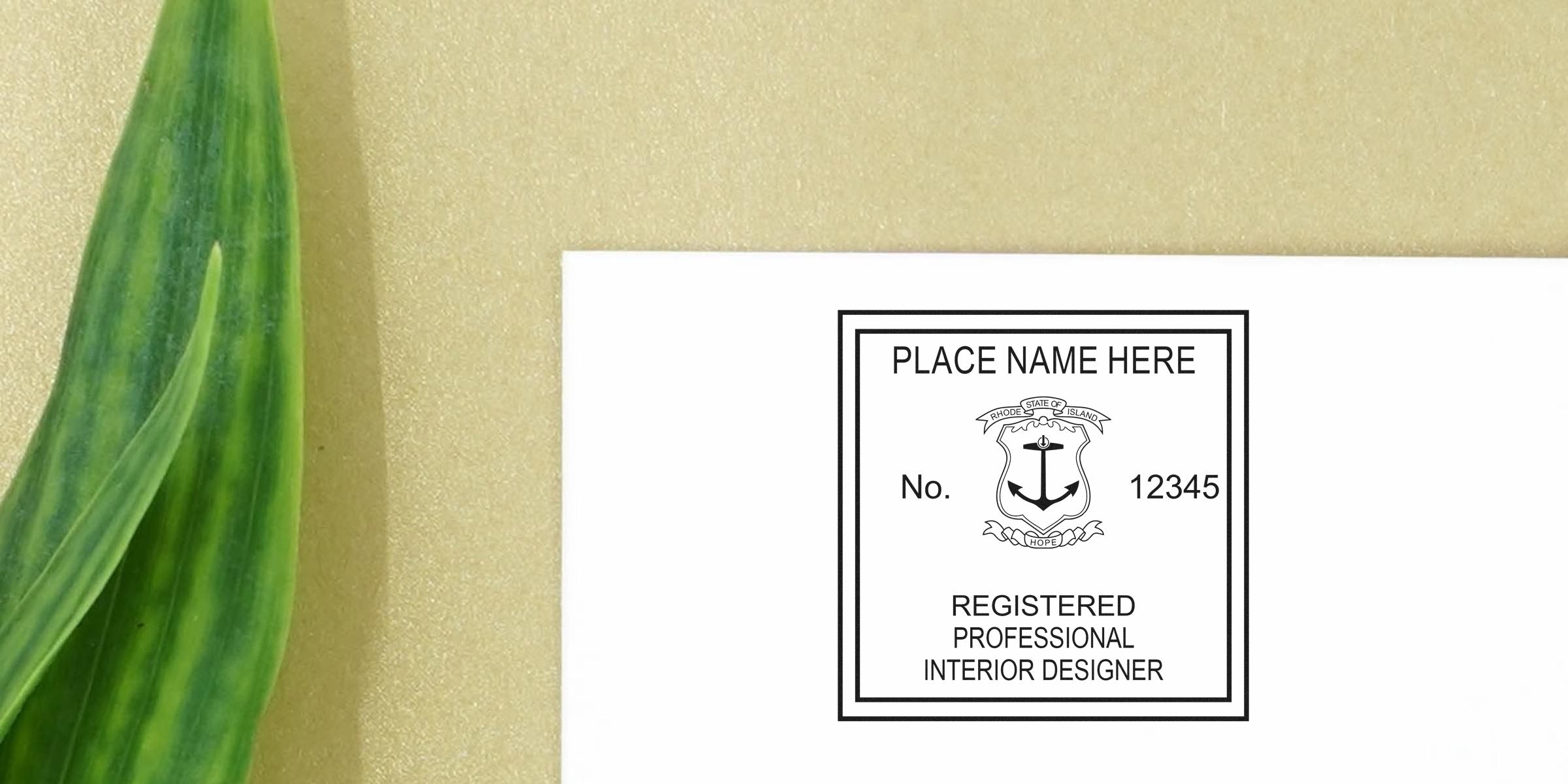
Navigate Rhode Island Interior Designer Licensing
Navigating Rhode Island Interior Designer Licensing can feel a bit intimidating when you’re just starting out. As an interior designer aiming to practice in Rhode Island, you need the right education, some practical experience, and official recognition of your skills. That last step often involves a license, plus the specific tools to demonstrate your professional status. In this post, you’ll walk through the basics, learn how to avoid common setbacks, and discover where to find your Rhode Island interior designer stamp and seal without hassle.
Before we dive in, here’s a quick promise of what you can expect: a clear overview of the licensure process, a sense of what materials you’ll need, a heads-up on the benefits of having all your credentials in order, and answers to frequently asked questions. So, let’s dig into the details.
Understand The Basic Requirements
Every state, including Rhode Island, has its own criteria for interior design licensure. At a glance, the state typically wants to ensure you’ve met certain standards in education, experience, and ethical practice. The specifics can vary depending on any recent changes in regulations, but here’s the usual breakdown:
-
Educational Background
You’ll generally need to complete a degree in interior design or a closely related field. Depending on your program, it might be a two-year or four-year degree, though the four-year track can streamline your licensing requirements later. -
Professional Experience
After you graduate, you’ll likely complete a set number of supervised work hours under a licensed interior designer. These hours help you sharpen your practical skills and gain on-the-ground knowledge about how Rhode Island regulations translate into real projects. -
Examination
Like many states, Rhode Island may require you to pass the National Council for Interior Design Qualification (NCIDQ) exam or an equivalent. Think of this as a thorough check on your technical and creative skill set, covering building codes, design principles, and professional practice.
Why These Basics Matter
Meeting these requirements is more than just a box to check. Once you have your license, you cement your credibility with clients, employers, and peers. You’ll also be well-positioned to handle projects involving public safety and compliance, which can expand your scope of work. Plus, a license can be a real game-changer if you ever plan to bid on government contracts or commercial work.
The Role Of The Rhode Island Interior Designer Stamp And Seal
If you’re wondering why you need a Rhode Island interior designer stamp or seal, think of it as the official signature that validates your drawings, plans, and other professional documents. When state officials, clients, or contractors see that stamp, they know your work meets the required standards and that you’re licensed to practice.
Where To Get Your Stamp And Seal
You can purchase a Rhode Island interior designer stamp or seal from several vendors, but you’ll want a provider known for quality and reliability. At Acorn Sales, we’ve been making professional stamps and seals for more than 60 years. Our products are recognized for durability, clarity, and convenience. We also include a free electronic seal with your purchase, making it easy to sign off on digital documents. If you’re looking for a straightforward way to get started, Rhode Island Interior Designer Stamp is worth checking out.
Why A Stamp Saves Time
Rhode Island may require you to stamp certain official submissions or final drawings. Instead of having to manually write disclaimers or sign everything by hand, your stamp or seal provides uniformity and efficiency. You’ll never have to worry about inconsistent signatures or, worse, missing a required seal on an important document. The stamp does the talking for you, signaling that you’re fully authorized to practice interior design in Rhode Island.
Key Steps For Your License Application
Once you understand the basics of Rhode Island’s approach to interior designer licensing, you’ll want a clear plan for gathering the right paperwork and forms. Here’s how you can tackle the process:
-
Collect Proof Of Education
- Gather your official transcripts.
- Make sure you have copies from any accredited institution, as required by Rhode Island.
- Double-check that the coursework aligns with the accepted curriculum for interior design.
-
Document Your Experience
- Record the details of your supervised practice hours under a licensed interior designer.
- Keep a spreadsheet or log with dates, projects, and responsibilities.
- Ask your supervisor for a signed letter verifying your work.
-
Pass The Required Exam
- Register for the NCIDQ or another approved exam, depending on Rhode Island’s guidelines.
- Study consistently by reviewing codes, lighting basics, space planning, and professional practices.
- Take practice tests to build confidence for exam day.
-
Complete The Application
- Fill in the official Rhode Island licensing forms thoroughly.
- Attach copies of your transcripts, experience logs, and exam results.
- Be mindful of deadlines, and send everything to the correct address or online portal.
-
Pay The Fees
- Expect application and exam fees. Budget accordingly so you’re not surprised by costs.
- Retain a receipt for each payment, in case you need proof later.
-
Wait For Approval
- Processing can take a few weeks or months, depending on how many applications the board receives.
- During this period, check your email or mailbox for any additional requests from the licensing board.
Make It Easier On Yourself
Start gathering your documents well before you plan to apply. The last thing you want is a frantic search for that missing paper the night before the submission deadline. Also, read the licensure guidelines carefully to avoid redoing any steps. It might help to create a small checklist of tasks, with each requirement spelled out. That way, you can check them off one by one.
Renewal And Continuing Education
Once you secure your license, you’re not off the hook forever. Most states, Rhode Island included, ask you to renew at set intervals. During renewal, you’ll likely confirm you’ve kept up with continuing education (CE) requirements. The exact number of CE hours can change over time, but typical topics include:
- Building codes and safety updates
- Accessibility regulations
- Sustainability and green design
- Emerging design trends
How CE Helps You
Yes, continuing education can feel like another “to-do” on your list. However, it keeps your practice current, fosters innovation in your work, and ensures you’re addressing the latest federal and state requirements. Also, clients appreciate a designer who’s up to date on new trends and software. Meeting CE obligations makes your resume and portfolio more appealing, too.
Renewing Step-by-Step
-
Track Your CE Hours
- Keep a digital spreadsheet or folder with certificates of completion.
- Note which providers are officially approved by the state.
-
Apply For Renewal
- Watch your mail or email for renewal reminders.
- Complete the renewal form, and attach any required CE documentation.
-
Pay The Renewal Fee
- Submit payment with your application to finalize the process.
- Keep the receipt, especially if you pay online.
-
Update Your Stamp Or Seal, If Needed
- While you typically don’t need a new stamp at each renewal, it’s still good to ensure your contact details and professional designation are correct.
- If there’s a revision in your license number or name, order an updated stamp.
Common Pitfalls And How To Avoid Them
No one wants to get bogged down with costly mistakes or rejections partway through the licensing process. Here are a few pitfalls to watch out for, plus some tips on steering clear of trouble:
-
Missing Deadlines
If you let an exam or application deadline slip, it can push your license approval back by months. Set phone reminders, or mark your calendar to stay on track. -
Insufficient Documentation
Submitting incomplete or incorrect forms can jam up your application. Double-check the instructions, and carefully arrange supplemental materials. -
Not Staying Updated
Regulations change. If you assume that last year’s process is the same as the current one, you might skip a new requirement. Monitor official Rhode Island board announcements, just in case. -
Status Confusion
Sometimes, professionals confuse certification with licensure. You want to confirm which one applies in Rhode Island and which paths matter for your professional goals. -
Forgetting The Stamp And Seal
A valid stamp or seal is often mandatory for final drawings or project approvals. Order yours early so you’re ready when an official request hits your desk.
Stay Connected With The Right Tools
At some point, you’ll likely juggle multiple projects at once, as well as routine administrative tasks. Investing in a reliable project management system or design software helps you handle everything smoothly. Also, having a well-organized stamp or seal means you won’t rummage through your desk when deadlines loom.
Acorn Sales At Your Service
If you’re searching for a trustworthy source for your Rhode Island interior designer seal, you can check out Acorn Sales. With over 60 years of experience, we understand the ins and outs of professional stamping. You’ll get a precision-crafted seal along with a free electronic version, allowing you to stamp both paper and digital documents. That little convenience can save you a bunch of time in the long run.
Wrapping Up
Securing your Rhode Island interior designer licensing is an investment that pays off in credibility, career growth, and peace of mind. It proves you’ve met the education and experience criteria, mastered key design skills, and are prepared to safeguard public welfare. With that license, you open doors to bigger projects and expand your professional resume.
You also won’t have to stress about official regulations because you’ll have a valid Rhode Island interior designer stamp or seal on hand, along with a free electronic seal if you purchase through Acorn Sales. This small detail can save you a world of confusion if a project’s final approval hinges on that embossed or inked mark. Once you’re licensed, keep your license status current by completing your continuing education. And don’t forget to stay in the loop on any regulatory updates that impact your career.
If you haven’t started yet, you could begin by sorting your transcripts or booking an exam date. Once you line up a few tasks and check them off, you’ll notice the entire process feels much more manageable. Have fun, stay creative, and get excited—earning your license shows the world you’re serious about bringing beautiful, functional spaces to life in Rhode Island. Good luck, and remember, you’ve got options for support each step of the way.
Frequently Asked Questions
Do I need a four-year degree, or will a two-year program suffice?
It depends on the credit hours and accreditation of your program. Some two-year programs, combined with supplemental coursework, may fulfill the education requirement. However, a four-year degree often makes the process smoother.
How many supervised work hours are typically required?
The number can vary, but expect something in the range of 3,520 hours (two years of full-time work) under a licensed interior designer or equivalent. Always verify the exact figure with the Rhode Island licensing board.
Is the NCIDQ exam mandatory for all applicants?
In many cases, Rhode Island wants you to pass the NCIDQ or a recognized equivalent. The state board’s website is your best bet for the latest information about acceptable exams.
What happens if I forget to renew my license on time?
You could face late fees or a gap in your licensure that prevents you from stamping new projects. It’s best to stay on top of your renewal dates and keep a firm calendar of deadlines.
Where can I find a high-quality Rhode Island interior designer stamp?
One reliable source is Acorn Sales, which has provided professional stamps and seals for over 60 years. When you order from us, you’ll also receive a free electronic seal, making compliance extra convenient.








