
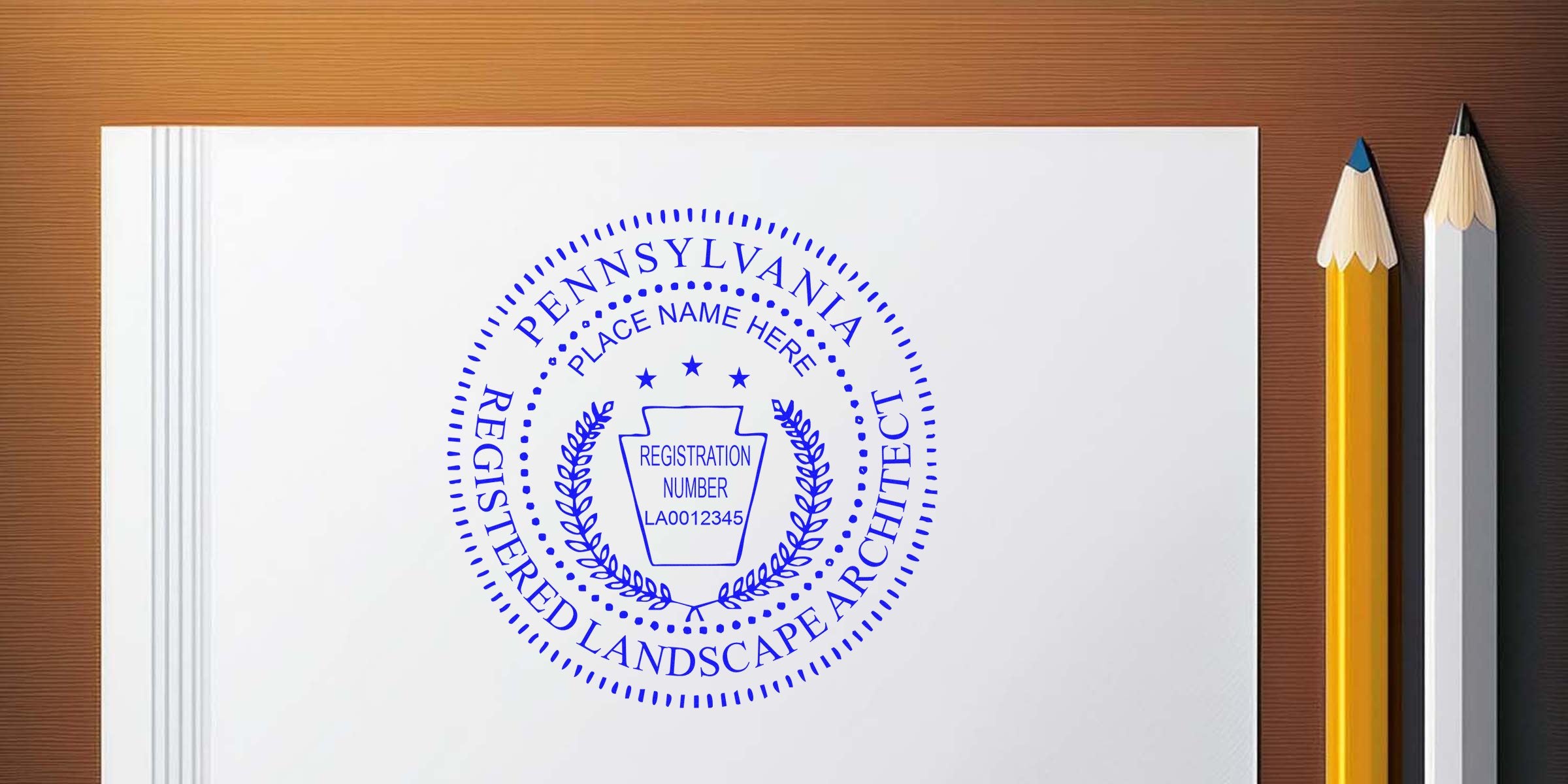
If you’re working as a landscape architect in Pennsylvania, you probably know there are some specific hoops to jump through when it comes to professional stamps and seals. One of the most important is making sure you comply with all relevant rules for your unique marking. Whether you’re brand-new to the field or you’ve been practicing for years, understanding the ins and outs of your state’s seal requirements can save you both time and stress. If you want to get a handle on Pennsylvania landscape architect seal design and use it effectively, read on for some clear, friendly, and practical tips.
Understand the Basics of the Pennsylvania Landscape Architect Seal
A landscape architect seal is more than just a decorative flourish. It’s your official sign-off that vouches for your professional identity and competence. In Pennsylvania, having the right seal means you can stamp your documents with confidence. What does “right” mean here? At the most basic level, it refers to meeting state guidelines for size, content, and overall layout. But it’s also about reflecting who you are as a licensed professional, ensuring clarity for clients, contractors, and regulatory bodies.
You might be wondering if every detail of the seal really matters. In short, yes. Pennsylvania, like many states, sets firm rules about the text you must include, as well as the arrangement and legibility of each element. These rules protect the integrity of the profession and ensure that every stamped document can be trusted. If your seal doesn’t meet the official standard, or if the format is off, your work might be questioned—or even rejected. That’s why it’s vital to explore your design options early on and keep everything aboveboard.
Follow State Regulations for Proper Use
Once you’ve nailed down your seal appearance, the question becomes: “When and how do I use it?” You’ll want to consult the official state board guidelines to know exactly which documents need to be stamped. Pennsylvania’s regulations typically require a secure and legible impression of your seal on final project documents—think drawings, specification sheets, and any official plan that moves through review or construction.
Below are a few key regulatory points to keep in mind:
- The seal must include your name, the words “Registered Landscape Architect,” and your license number.
- You should stamp or seal all final documents that you are responsible for, including any revisions made under your direct supervision.
- Digital seals can be acceptable if they meet secure electronic standards.
- Pennsylvania may update its requirements from time to time, so consider reviewing the guidelines annually.
For more details on up-to-date stamping rules, you can also check out pennsylvania landscape architect stamp requirements. It’s a handy resource for clarifying questions about seal placement, usage, and how your license information should appear.
The Purpose and Benefits of a Quality Seal
You already know your skills as a landscape architect are critical to designing outdoor spaces that captivate and function beautifully. But your clients, local jurisdictions, or even your peers might not get a chance to observe your entire process. The seal is a tangible assurance that an expert (that’s you!) took responsibility for the plans. Here’s why a well-crafted seal can make such a difference:
Professional Credibility
Placing your official stamp on the final drawings instantly shows you’re licensed, knowledgeable, and accountable.Legal Validation
Many states, including Pennsylvania, see the seal as a legal signature on your work. It proves that you stand behind every word and every line.Brand Identity
The seal doesn’t just meet regulations. It gives you a polished, professional image that sets you apart and might even help you attract repeat business.Clear Communication
A crisp, readable seal makes life easier for local authorities or anyone else reviewing your documents. It reduces confusion about whose work they’re looking at.
By investing some thought into how your seal looks and how you use it, you emphasize that you care about each project’s integrity from start to finish.
Designing Your Pennsylvania Seal
If you’re just starting out, it can feel overwhelming to figure out exactly what belongs on your Pennsylvania seal. Some folks might think, “Just stick to the basics and call it a day.” However, creating an eye-catching design that remains well within the rules is not only possible but encouraged.
In general, your landscape architect seal will include:
- The official board-approved layout (often a circle or oval).
- Your name exactly as it appears on your license.
- The words “Registered Landscape Architect.”
- Your license number.
- The state name, typically around the outer border.
Even though there’s not a ton of room for endless customization, there can be subtle ways to impart style. You can choose a font that’s easy on the eyes, ensure letters are crisp, and make sure the lines are clean and balanced. Above all, keep your focus on legibility. If a plan reviewer has to strain to read your seal, that’s a cue your design might be too fancy or cluttered. Aim for clarity and compliance first. After that, feel free to bring in a bit of personality if state regulations allow for it.
Layout and Format Tips
The shape, font, and spacing of your seal can do wonders to enhance readability and visual appeal. Even little tweaks—like adjusting line thickness or spacing out words—can make a huge difference when your seal prints on technical drawings. Below are some helpful guidelines:
Keep It Simple
A clutter-free design is easiest to reproduce. If you’re stamping physical documents, you want your name and license info to show up cleanly, even if the ink pad is on its last drop.Test Print Beforehand
It’s wise to test your seal on both plain paper and slightly rough surfaces (like blueprint paper) before finalizing. This process can expose issues, such as smudging or incomplete impressions.Ensure High Contrast
If you’re working with color, consider dark ink on a light background or vice versa. However, many states prefer a single color like black or blue to keep things standard.Mind the Dimensions
Pennsylvania typically defines specific diameter or size requirements for your stamp. Exceeding that size might look unprofessional, and going too small can lead to illegible text.Invest in Quality Materials
If you’re building a physical seal, poor-quality materials might cause inconsistent impressions. Look for professional-grade metal or rubber stamps from a reputable supplier.
A well-planned layout not only satisfies the rules but also helps you look sharp and reliable. When clients catch a glimpse of that official marking, you want them to see your professionalism shining through.
Tips for Ordering and Maintaining Your Seal
Once you’ve nailed down the design, you also need to figure out where to order your seal and how to keep it in tip-top shape. If you’re getting an old-school embossing seal, you’ll want a model robust enough to handle numerous uses while still pressing clearly. If you lean toward self-inking or pre-inked stamps, stock up on the right type of ink so you’re never caught off guard mid-project.
Compare Suppliers
Look for a supplier that specializes in professional stamps and seals. Check customer reviews, pricing, and how quickly they can deliver.Verify Return Policies
Mistakes can happen, so always ensure you can return or replace the seal if the final product doesn’t match your order.Store Your Seal Properly
Keep your seal or stamp in a dry place, away from too much humidity or extreme heat. This approach helps the metal components or rubber parts last longer.Periodic Cleaning
If you notice faint or spotty impressions, it might be time to clean the seal. Gently remove the ink or residue to ensure sharp lines.Renew as Needed
If your licensing status changes, or if the state updates its guidelines, you would need a new seal that reflects the most current information.
Yes, these steps take a bit of extra effort. But they help preserve the professional quality of your official mark. Remember: a sloppy or unreadable seal can hurt your reputation, not to mention cause trouble with regulators.
Leveraging a Digital Seal
Digital seals and electronic signatures are gaining ground in architecture, engineering, and landscaping professions. Pennsylvania has recognized the practicality of going digital, though you’ll want to ensure you comply with the relevant rules for electronic signatures. The main considerations are security and authenticity. After all, you don’t want anybody tampering with your digital seal or forging it on unauthorized documents.
What’s special about a digital seal? It’s typically embedded as part of a PDF or similar file. Most platforms require you to use specialized software that locks in the seal with encryption, creating a verifiable “fingerprint” that any reviewer can confirm. It’s an efficient way to speed up approvals and share documents online, especially if you consult with clients or agencies who prefer electronic files.
Still, digital doesn’t mean you ignore physical stamps. It’s often a good idea to have both—physical and electronic—so you’re ready for any client request. If your digital or physical seal meets Pennsylvania specifications, you should be well on your way to a flexible, forward-thinking practice.
The Compliance Side of Things
One question that pops up frequently is this: “What if I accidentally use the wrong seal or forget to stamp a crucial document?” Regulatory bodies in Pennsylvania can impose fines, or they might even challenge the validity of the unsealed documents. These issues can result in project delays, not to mention a tarnished reputation.
Compliance essentially boils down to two big steps:
-
Maintain Consistent and Proper Use
Create a checklist or a routine that you follow for every project. Ensure the official seal is used on final documents, and keep an eye out for any updates or memos from the state board. Stay Informed
Rules can shift. For instance, some states have tightened guidelines on what constitutes a legitimate digital stamp. Make it a habit to visit the board’s website or subscribe to their newsletters. Also, consider networking with other Pennsylvania landscape architects. They might share insights on changing regulations or new best practices.
If compliance ever feels overwhelming, remember you’re not alone. Many architects face these challenges, and your professional network can be an excellent resource for advice or references to official documentation.
Working With Acorn Sales
Choosing a reliable vendor is a major piece of the puzzle. After all, you don’t want a seal that breaks after just a few uses, or a digital seal that’s missing key details. That’s where Acorn Sales comes in. Trusted since 1964, we’ve specialized in providing high-quality stamps and seals tailored to Pennsylvania’s requirements. Our goal is to give you both the peace of mind and professional confidence you deserve.
When you work with us:
- You get a durable seal that meets state specifications.
- Our team checks the details of your license information to reduce errors.
- We offer a free digital seal option, which is handy for electronic documents.
- We’ve got decades of experience dealing with compliance updates and common pitfalls, so you benefit from our know-how.
It’s a small decision that can have a big impact on your day-to-day workflow. If you want a smooth experience from start to finish, consider ordering your Pennsylvania landscape architect seal through a company that’s been handling professional demands for more than half a century.
Hopefully, these pointers simplify the process of setting up or maintaining your Pennsylvania landscape architect seal. By paying attention to design, regulations, and quality, you’ll save yourself a load of hassle and keep your professional image running strong. Feel free to try out different stamping methods—just remember that compliance is king. And if you ever need a top-notch stamp or free digital seal, you know where to turn: Acorn Sales is here to support Pennsylvania professionals like you.
Frequently Asked Questions
Can I Design the Seal Myself?
Yes, but you must strictly adhere to state rules governing layout, text, and size. Pennsylvania regulations typically require specific wording such as “Registered Landscape Architect,” along with your name and license number. If in doubt, consult official guidelines or a professional supplier who knows the standards.
Do I Need Both a Physical and a Digital Seal?
It’s highly recommended—even if not always mandatory. A physical seal or stamp is great for paper-based documents, while a digital seal benefits you when sharing files electronically. Having both options can help reduce delays and keep clients happy in any scenario.
How Often Should I Update My Seal?
You only need to update your seal if your name changes, your license number changes, or the state modifies its requirements. Otherwise, you can use the same design indefinitely. Just remember to replace your stamp if the physical impression becomes too worn or unclear.
Is an Embossing Seal Better Than an Ink Stamp?
It depends on your preference and professional needs. An embossing seal produces a raised impression that looks very official, but it can be harder to capture in scans. An ink stamp is quick and clear, especially on copies or multiple pages. Choose the style that feels right for your daily workflow.
Where Do I Go for Official Rules and Verification?
Your first stop should be the Pennsylvania State Board of Landscape Architects. They publish the latest regulations and can clarify any points of confusion. For details on stamping documents, see resources like pennsylvania landscape architect stamp requirements. You can also check out suppliers like Acorn Sales, which keep up with regulatory changes and ensure their products align with state guidelines.








