
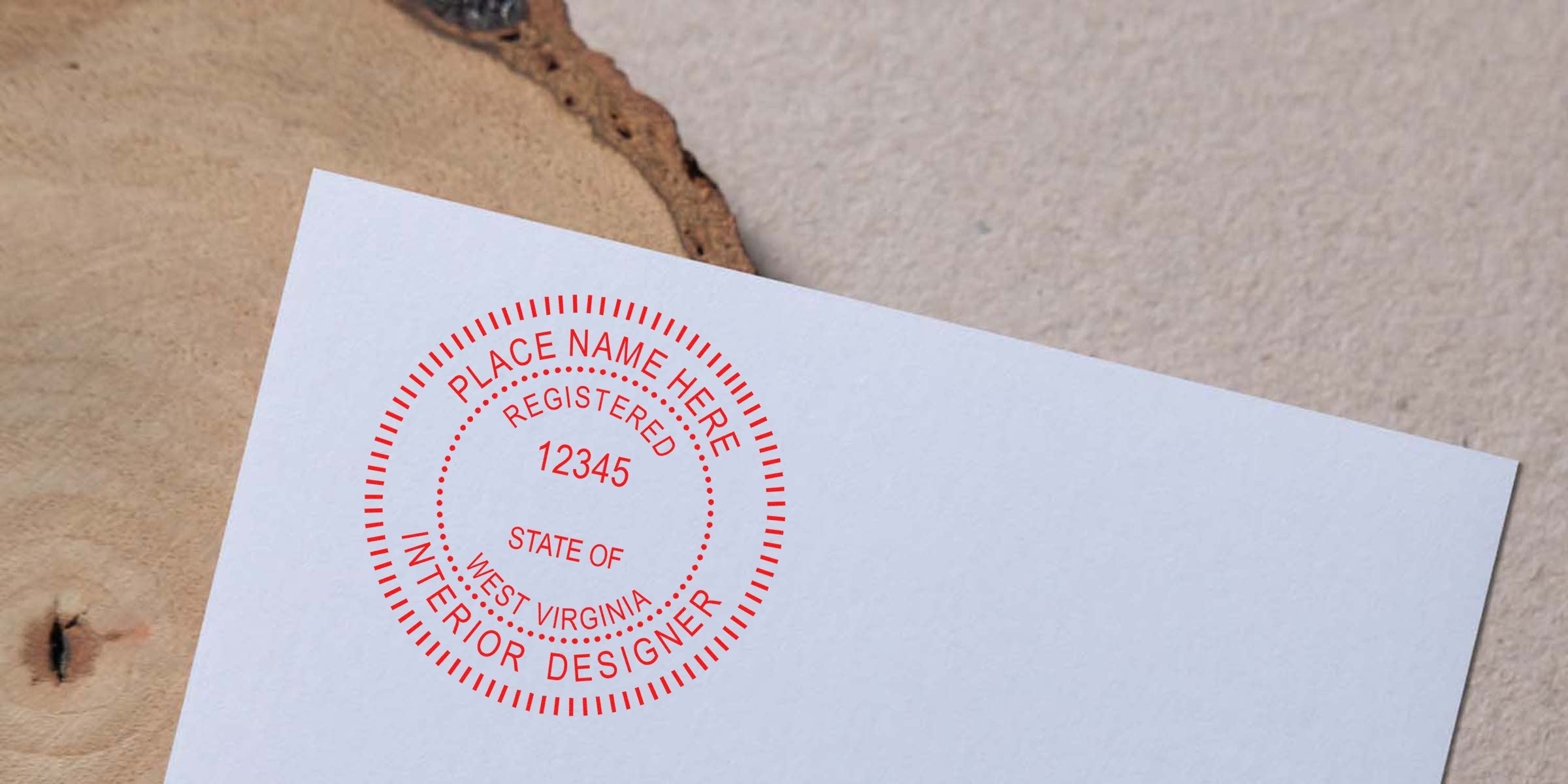
Are you wondering about West Virginia interior designer stamp requirements and how they apply to your practice? Whether you’re brand new to the field or just brushing up on guidelines, you want to ensure every detail is correct and fully compliant. With this friendly guide, you’ll learn which rules matter, how to meet them, and where to find a trusted supplier for your official seal and stamp.
You’ll come away with a clear roadmap to safeguard your projects and avoid any licensing mix-ups. Ready to get started? Let’s delve into the basics.
Understand The Importance Of The Stamp
The first step toward compliance is understanding why your professional stamp is essential. In West Virginia, interior designers need to authenticate critical documents with an official seal or stamp to show that your work meets state and industry standards. The stamp is not there just for looks—it’s a mark of your expertise and accountability.
Why Does It Matter?
- It affirms your legal authorization to practice as an interior designer in West Virginia.
- It demonstrates your commitment to following state codes, ensuring public safety.
- It fosters client trust, reassuring them that you have the credentials to plan, design, and oversee their spaces.
Stamp requirements also support transparency. Think of it like your personal signature—it’s unique to you and traces back to your professional identity. In a fast-paced industry, demonstrating authenticity can set you apart in a competitive market.
Meet The West Virginia Interior Designer Requirements
To align with state regulations, you need to confirm what local authorities expect. There’s no room for guessing. Official guidelines typically address the exact specifications of the stamp, its size, and where it should be placed. Understanding these details makes your design process smoother and boosts your credibility.
Seal Regulations And Legalities
Every state has specific rules, and West Virginia is no different. If you haven’t yet reviewed the policies around your seal, check out the West Virginia Interior Designer Seal Regulations. That page provides deeper insights into how your seal should appear in final documentation, plus an overview of any special rules for electronic versus physical seals.
Most rules revolve around three pillars:
- Clear and legible information.
- Accurate representation of your registration details.
- Compliance with West Virginia’s distinctive formatting standards.
Common Elements To Include
- Your legal name or the name associated with your license.
- “Registered Interior Designer” or any legally recognized term.
- State identification number or other required certification numbers.
- Proper sizing in proportion to your plans or layout documents.
If any of these elements are missing or incorrect, you risk complications—anything from project delays to potential legal issues.
How To Get Started With Your Stamp
You might be thinking, “So I need a stamp, but how do I get it?” Since West Virginia interior designer stamp requirements can feel like a maze, your best approach is step-by-step preparation. The first formal step is applying for your stamp through the appropriate licensing board or official channel.
Follow The Application Process
Begin by reviewing the West Virginia Interior Designer Stamp Application Process to confirm what documents you’ll need. Key items typically include:
- Proof of your interior designer registration in West Virginia.
- Completed application forms (online or paper).
- Any required fees.
- Design specs for your proposed seal or stamp, if requested.
Once your application is approved, you can proceed with creating your official stamp. Remember to keep copies of your application on file in case you ever need to reference them in renewal periods or if questions arise.
Document Control
Staying organized is crucial to your success. Here are a few tips:
- Maintain a digital folder for every piece of correspondence related to your stamp.
- Create reminders to check your license renewal date.
- Back up your documentation in a secure cloud-based system.
These steps might seem minor, but they streamline your record-keeping and reduce last-minute scrambles for paperwork.
Design And Size Guidelines
West Virginia guidelines often specify not only the content of your stamp or seal but also its appearance and dimensions. If you neglect these details, your stamp might be rejected. The best approach is to check the West Virginia Interior Designer Seal Design Guidelines to see exactly what’s required.
Fine-Tuning The Size
Size makes a difference in clarity. Too large, and it looks awkward on your documents. Too small, and the details are impossible to read. For general reference, compare your stamp’s dimensions with West Virginia Interior Designer Stamp Size Specifications so all text remains easily visible.
Aim for:
- Text that’s legible without crowding the design
- Proper spacing around the border so no words bleed off the edges
- Consistency across every project document, from drawings to final reports
Exploring Embosser Options
If you prefer an embossed look for your design documents, West Virginia Interior Designer Seal Embosser Options can guide you toward the right product. Many interior designers find embossers handy for physical copies because they create a tactile imprint that can be read even if ink or toner fades over time.
Comply With Professional Standards
In addition to the literal design of your stamp, you also want to uphold professional standards set by West Virginia’s regulatory boards. This includes ethical obligations—such as ensuring your work is done to code—and practical responsibilities, like keeping your registration details current.
Maintaining Professional Integrity
Professional standards often require:
- Ongoing education or training credits.
- Regular license renewals, which confirm your credentials remain valid.
- Updated contact information on file with state boards or licensing authorities.
For more insight, head over to the West Virginia Interior Designer Seal Professional Standards. If your registration lapses, your stamp privileges might be revoked, which could put your projects at risk.
Completing The Renewal Or Updates
Like any professional credential, your interior designer stamp may have a renewal date linked to your license. It’s essential to ensure your seal remains valid throughout the life of each project, especially when you’re submitting final plans or documentation to clients, contractors, or government offices.
The Renewal Procedure
The West Virginia Interior Designer Stamp Renewal Procedure typically involves these actions:
- Verifying your license status with the state.
- Submitting the renewal application and fee.
- Confirming no changes to your registration name or number.
- Checking that your seal or stamp design is still compliant with current requirements.
It’s a good practice to schedule renewal reminders several months in advance. You don’t want to discover an expired stamp in the midst of an important project.
The Acorn Sales Advantage
Now let’s talk about where to get your stamp. Acorn Sales is a trusted supplier for West Virginia interior designer stamps and seals, with a proven track record since 1964. That’s more than half a century of experience serving architects, engineers, notaries, and interior designers just like you.
Why Choose Acorn Sales?
- Free electronic seal with every physical stamp order—giving you digital flexibility.
- Wide range of embossers, self-inking stamps, pre-inked stamps, and more.
- Knowledgeable support staff ready to answer your questions about compliance.
- Quality craftsmanship that aligns with West Virginia’s official specifications.
Walking into a project with confidence is so much easier when you know your stamp meets local guidelines. By partnering with a company that’s been around for decades, you’re getting valuable industry expertise. Plus, you’re saving yourself potential headaches from subpar products that don’t meet West Virginia interior designer stamp requirements.
Feel free to keep these FAQs handy for future reference. They address some of the most common concerns, but every project is different. When in doubt, seek direct confirmation from West Virginia’s licensing board.
Once you’ve squared away these details, you’ll be in great shape for a smooth, hassle-free design process in the Mountain State.
By taking the time to learn the fundamentals behind West Virginia interior designer stamp requirements, you’re setting a solid foundation for your career. This isn’t just about following rules—it’s about showcasing your professional expertise and giving clients peace of mind. When you invest in a well-crafted stamp and sturdy embosser that aligns with local regulations, you’re also investing in your reputation.
Whether you’re actively working on a project or planning future expansions of your design services, make sure your registrations, stamps, and seals stay valid and up to date. It’s a small step with significant impact. And remember: if you want a seamless experience from start to finish, check out Acorn Sales for all your stamp and seal needs. You’ll get that free electronic seal too, giving you extra flexibility for both online submissions and physical documents.
If you have more questions or tips to share, don’t hesitate to reach out or comment below—it all helps to build a supportive community of design pros who love what they do, one properly stamped document at a time.
Frequently Asked Questions
Do I really need both a physical stamp and an electronic seal?
Rules can vary, but in most cases, yes. Physical stamps are used for officially signed and printed documents, while electronic seals let you sign digital files or submit plans online when allowed. Acorn Sales offers a free electronic seal with your physical stamp, so you can cover both bases easily.
How do I know when to place the stamp on my drawings?
Typically, stamps are placed on design documents after you’ve finalized all major revisions. Any preliminary drafts are usually marked “Not For Construction.” By stamping your last set of plans, you signal that they’re complete and code-compliant.
Can I design my own seal and just add the required text?
You can, but it must still follow West Virginia guidelines, which outline elements like font size, seal diameter, and your official registration wording. Check out the West Virginia Interior Designer Seal Design Guidelines for specifics, and ensure your final design matches state requirements before ordering.
Is the renewal process difficult or time-consuming?
Renewals are generally straightforward as long as you plan ahead. You’ll need to confirm your state registration is active, pay any fees, and reverify details such as your name, license number, and seal design. If you prep in advance, the process can be completed quickly.
Where can I learn more about new rules or updates?
Regulatory boards often update requirements, so it’s wise to watch official announcements and newsletters. You can also visit the West Virginia Interior Designer Stamp Legal Requirements or contact Acorn Sales for any clarifications about updated mandates.








