

When you begin planning your Georgia Landscape Architect Stamp purchase, there’s a good chance you have a few questions spinning in your head. Maybe you’re newly licensed and want to stay on top of Georgia’s professional requirements. Or maybe you’re an experienced landscape architect who’s simply refreshing your tools. Either way, having the right stamp or seal matters as much as your design skills. After all, you’ll need an official mark that meets state guidelines and reflects the professionalism you bring to client projects.
In this guide, you’ll find clear tips on how to navigate your purchase, maintain compliance, and choose a reliable supplier. The best part is that setting up your Georgia landscape architect tools doesn’t have to be complicated. Let’s get started on a practical approach to finding and using the right seal for your day-to-day work.
Understand Georgia Licensure
Georgia requires all licensed landscape architects to use a state-approved seal for certain submissions, like project drawings or technical documents. The idea is simple: your stamp acts as a unique identifier that shows you’re licensed, responsible, and prepared to vouch for the accuracy of your plans.
Why A Stamp Matters
Think of your stamp as both your signature and your promise. By placing it on official documents, you’re letting clients, agencies, and the public know you’ve met Georgia’s qualifications for professional landscape architecture.
- It marks you as a licensed expert.
- It aligns with state rules, which helps protect your standing.
- It builds trust by confirming that your designs are legitimate.
Your stamp proves you’re willing to stand behind every line on that blueprint. Essentially, it’s what locks in the professional credibility you’ve worked hard to earn.





Rules You Need To Know
Georgia’s Board of Landscape Architects sets specific guidelines on stamp design and usage. You’ll often see rules around the following:
- Seal Format: Georgia typically requires a circular stamp with a prescribed diameter.
- Wording: The text needs to include your name, license number, and the phrase “Registered Landscape Architect” or a close variant.
- Proper Placement: There are rules on which pages or documents need a seal, so confirm those details before stamping.
Always double-check the latest regulations in Georgia to stay compliant. If you’re still unsure about the correct dimensions or text, you can refer to the official state website or consult a trusted supplier for guidance.
Explore Key Stamp Features
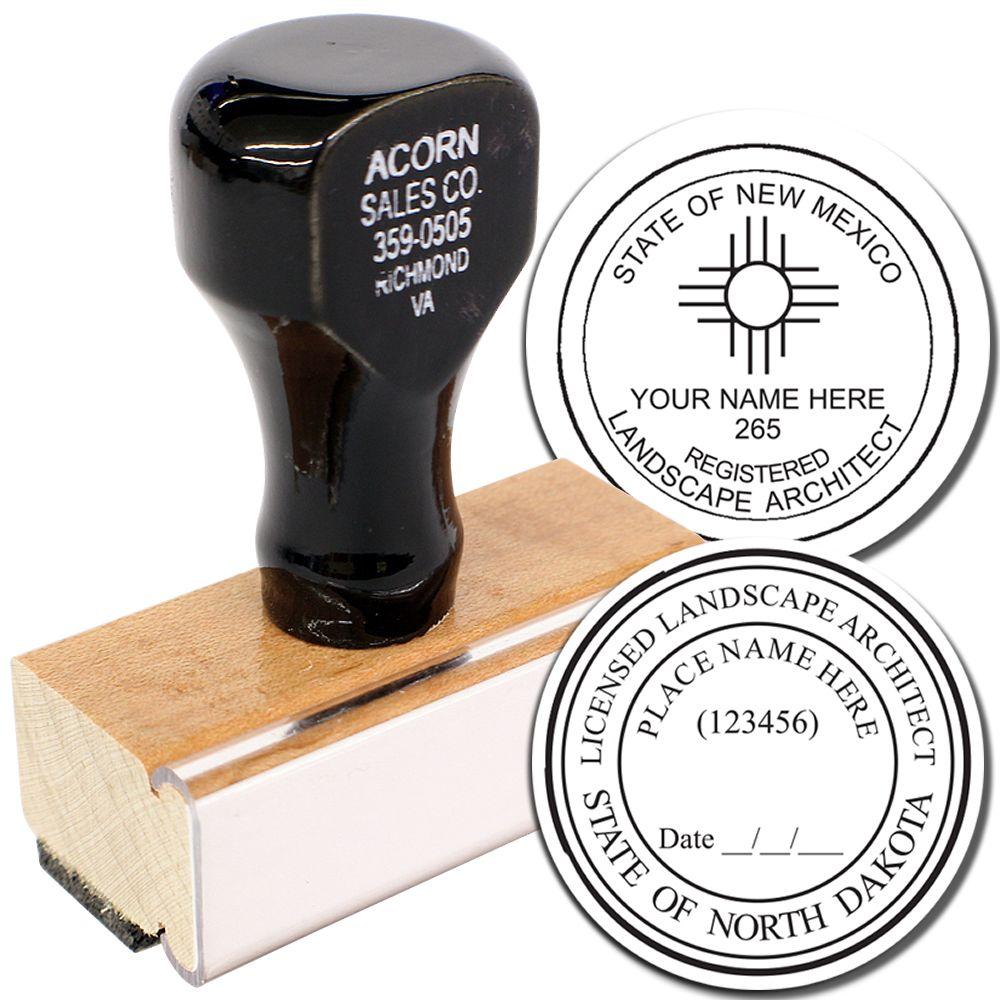
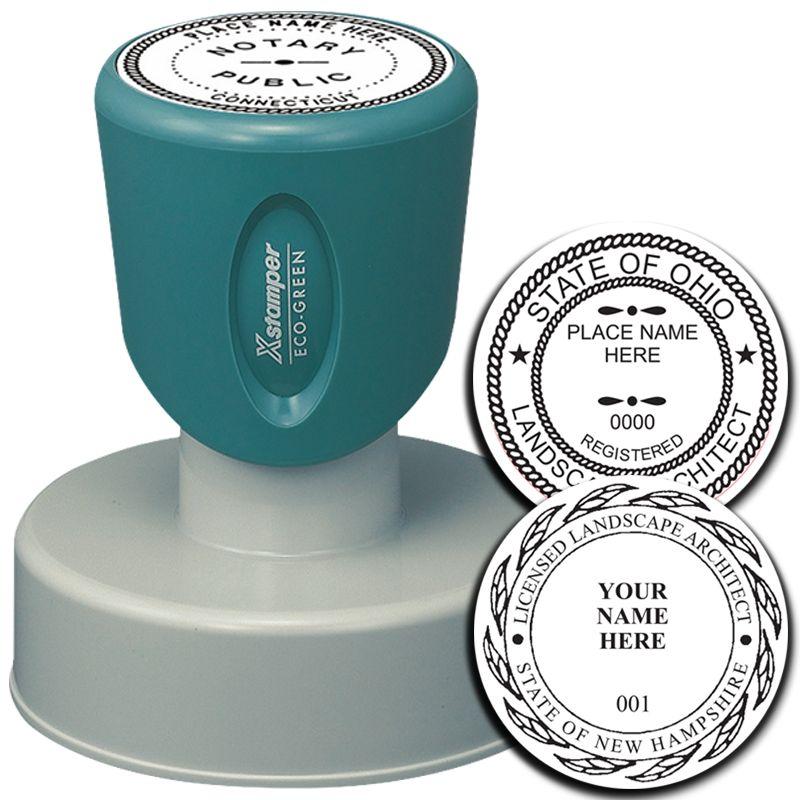
Not all stamps are created equal. When you shop around, you’ll likely spot multiple variations, each with its own pros and cons. Some landscape architects prefer an old-school wood-handle approach, while others like self-inking stamps that speed up the paperwork.
Physical Vs Digital Seals
The shift toward digital documentation is undeniable. You may have seen colleagues or agencies asking for e-submissions, which is where a digital seal comes in handy. Here’s a quick overview:
- Physical Stamp: Requires actual ink. Used to imprint on physical documents.
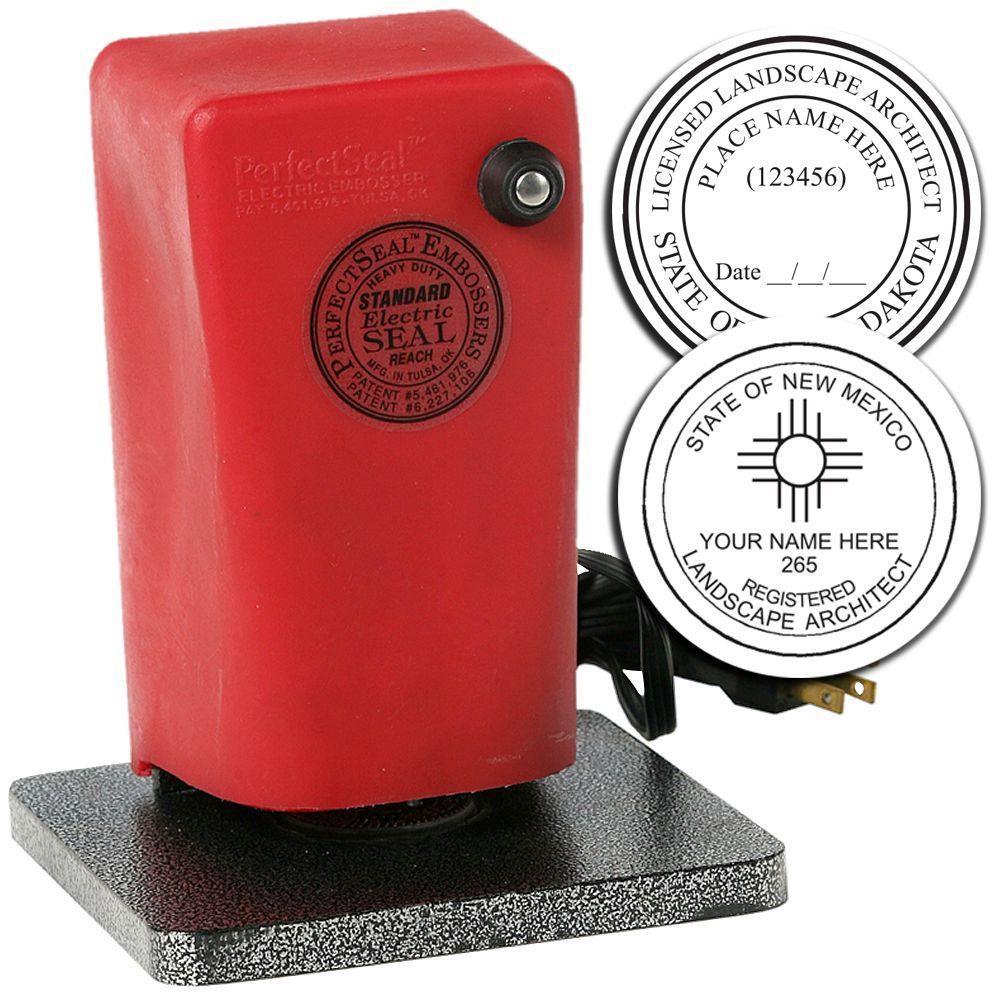
- Digital Seal: An electronic version of your stamp, often used within computer-aided designs or PDFs.
Many professionals in Georgia keep both on hand. You might sign and seal a paper plan with a physical stamp, then use the digital seal when you submit electronically. It’s a flexible system that covers all your bases.
Pre-Inked, Self-Inking, Or Traditional
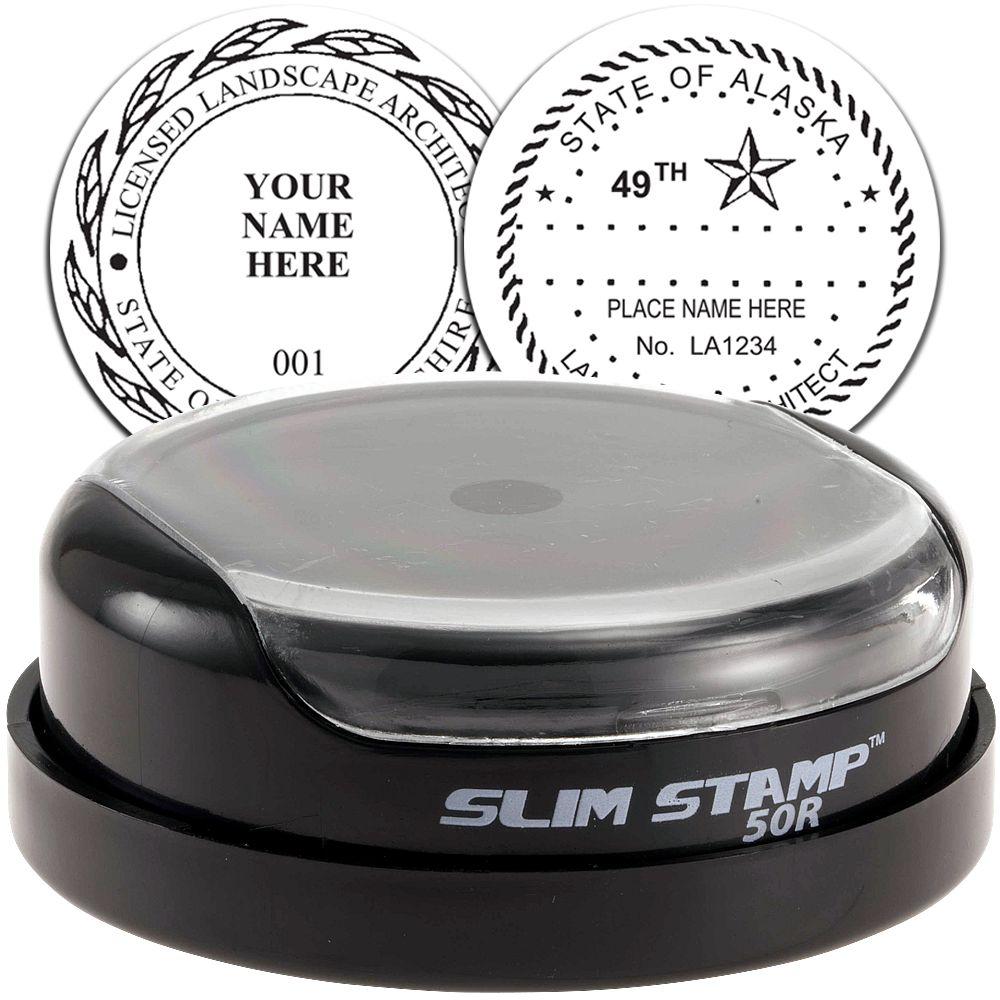
Choosing the right physical stamp ensures your mark looks sharp and consistent. Below is a quick side-by-side comparison of the common types:

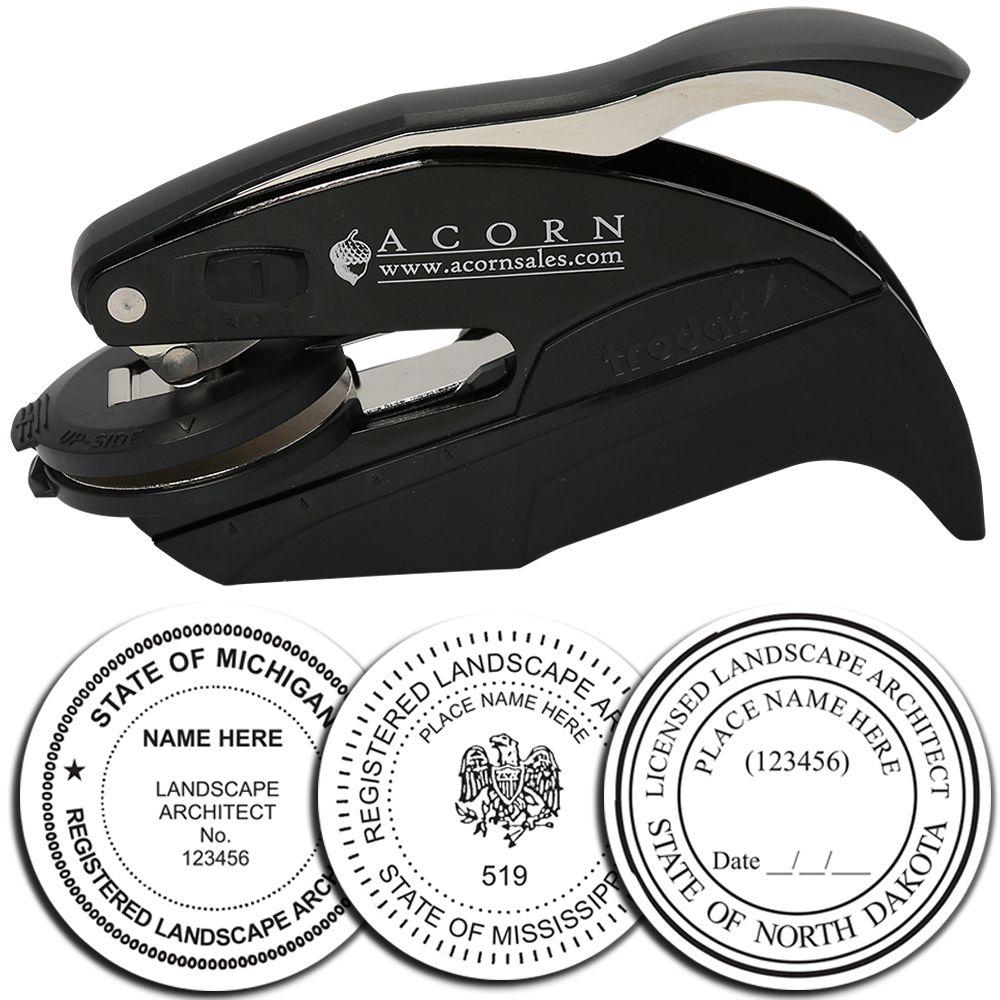

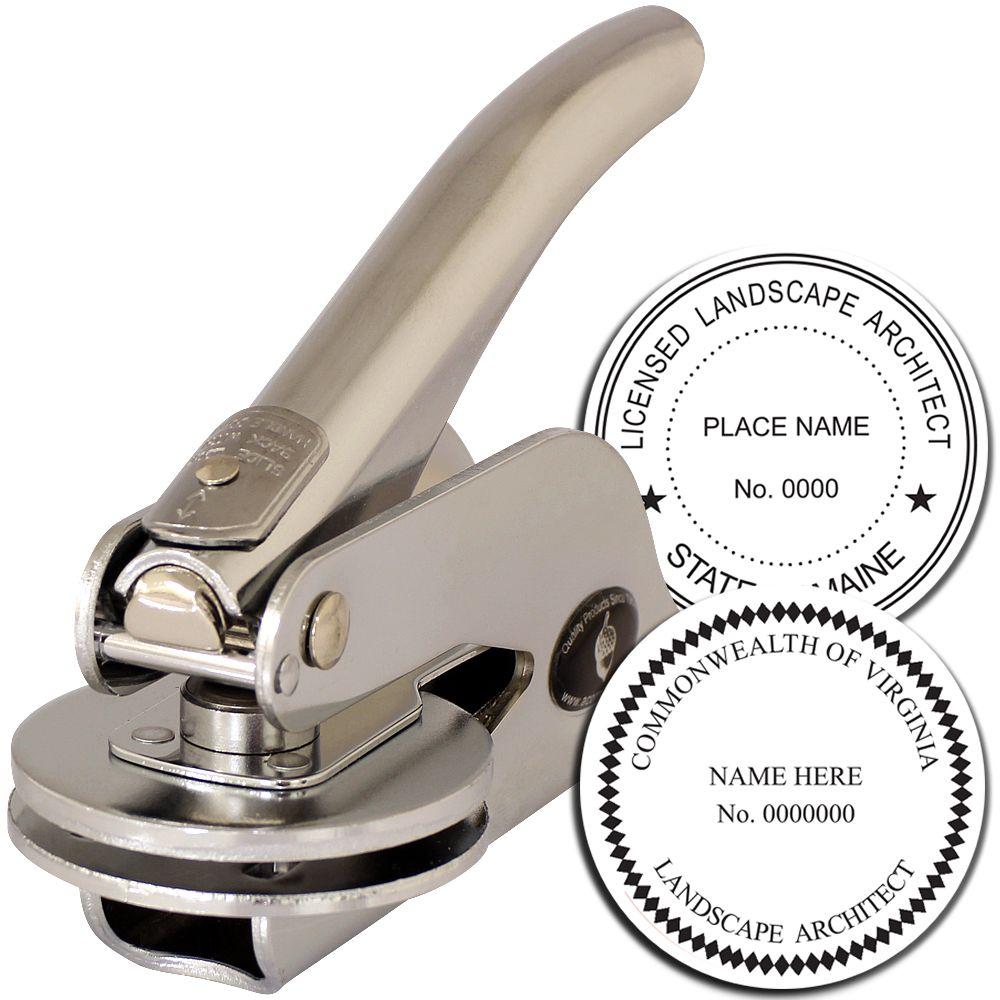
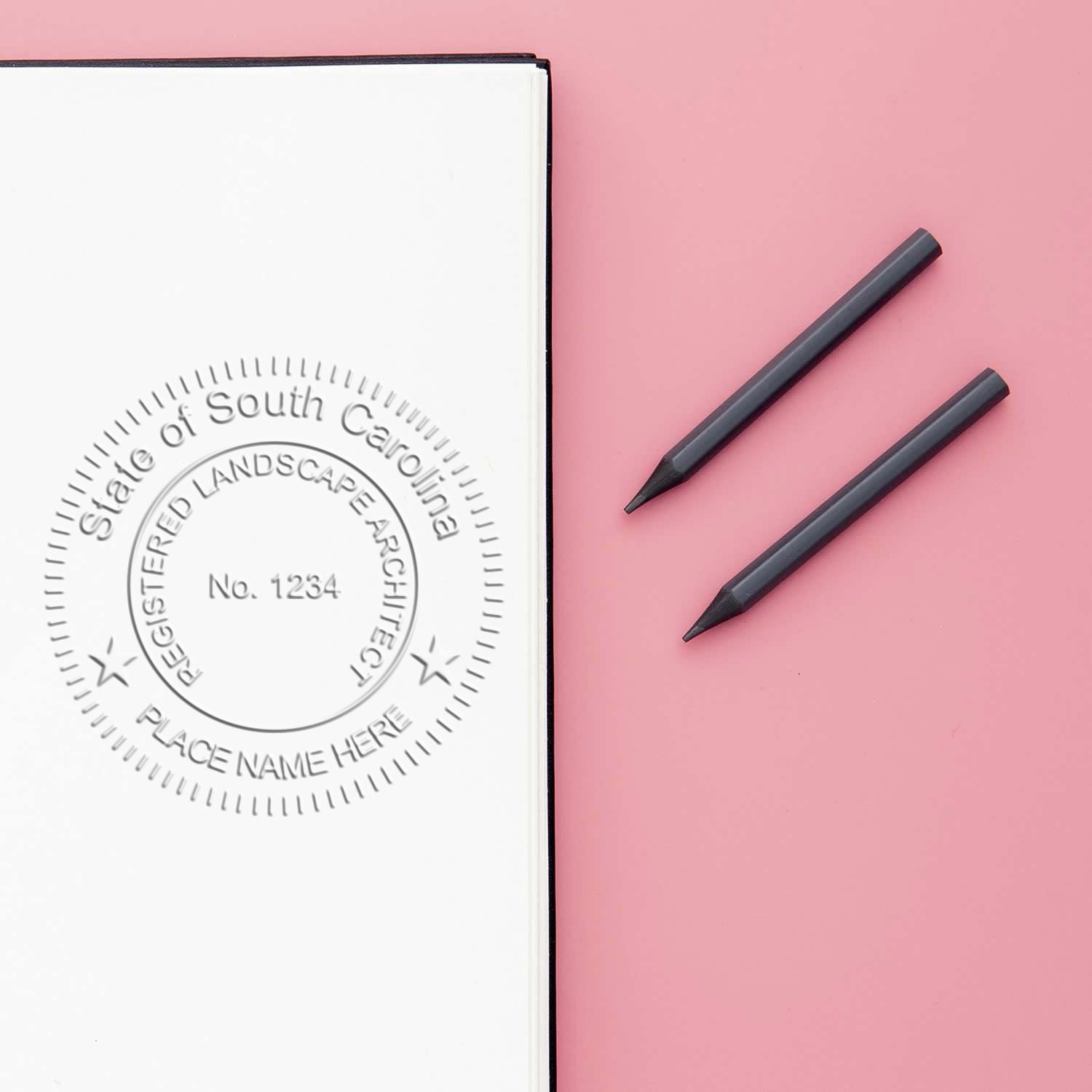
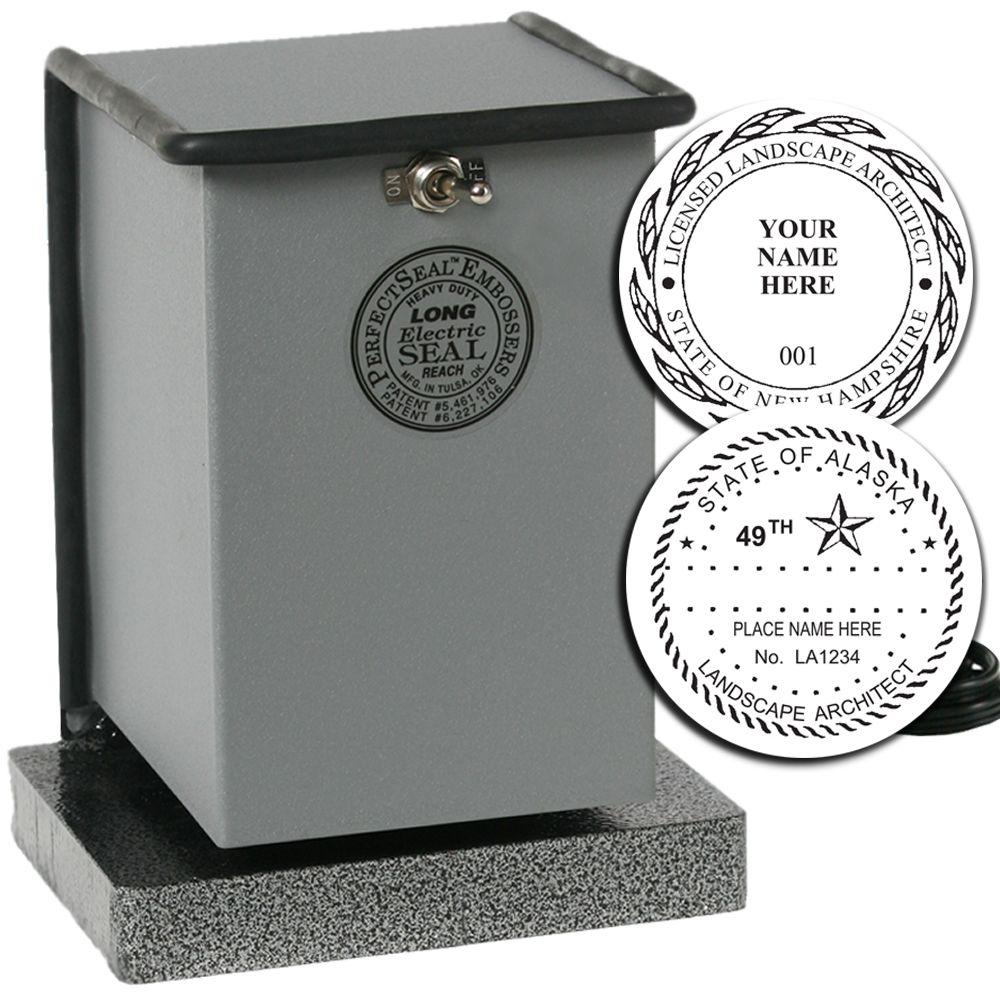

| Stamp Type | Ink Method | Maintenance | Best For |
|---|---|---|---|
| Pre-Inked | Built-in ink inside | Crisp, dark impressions, frequent usage | |
| Self-Inking | Internal ink pad | Replace internal pad periodically | Faster stamping without separate ink |
| Traditional | External ink pad | Classic approach, occasional usage |
- Pre-Inked: Offers clear impressions. Great if you’re stamping multiple sheets in one go.
- Self-Inking: Convenient, with fewer messy parts. Ideal when you need a quick, clean imprint.
- Traditional: Inexpensive and familiar, though you’ll juggle an external ink pad.
Picking a comfortable stamp style can speed up your workflow. Over time, that extra efficiency can be invaluable, especially if you frequently stamp large plan sets.
Pick A Reliable Supplier
Once you understand the type of stamp you need, the next step is deciding where to get it. This part can shape your entire experience. If you get a subpar stamp or wait too long for your order, it can throw a wrench in your project timeline.
One name you can trust is Acorn Sales. We’ve been in business since 1964 and specialize in providing official stamps and seals across multiple professions, including Georgia landscape architecture. Ordering from a well-established supplier can save you the guesswork of checking whether your stamp design meets the state’s exact specifications, because experienced vendors understand the rules inside and out.
If simple customer service is a priority, look for these features:
- Guaranteed Compliance: Does the supplier already offer stamps approved for Georgia’s Board of Landscape Architects?
- Timely Shipping: Quick turnaround times minimize the risk of project delays.
- Support & Replacements: Mistakes happen. A helpful supplier will replace any defective product swiftly.
- Free Digital Seal: As digital submissions become more common, having a free digital seal can be a huge advantage.
Acorn Sales provides those valuable add-ons, including quick order processing and a free digital seal option with your physical stamp. This means you can step right into your next big project feeling fully prepared.


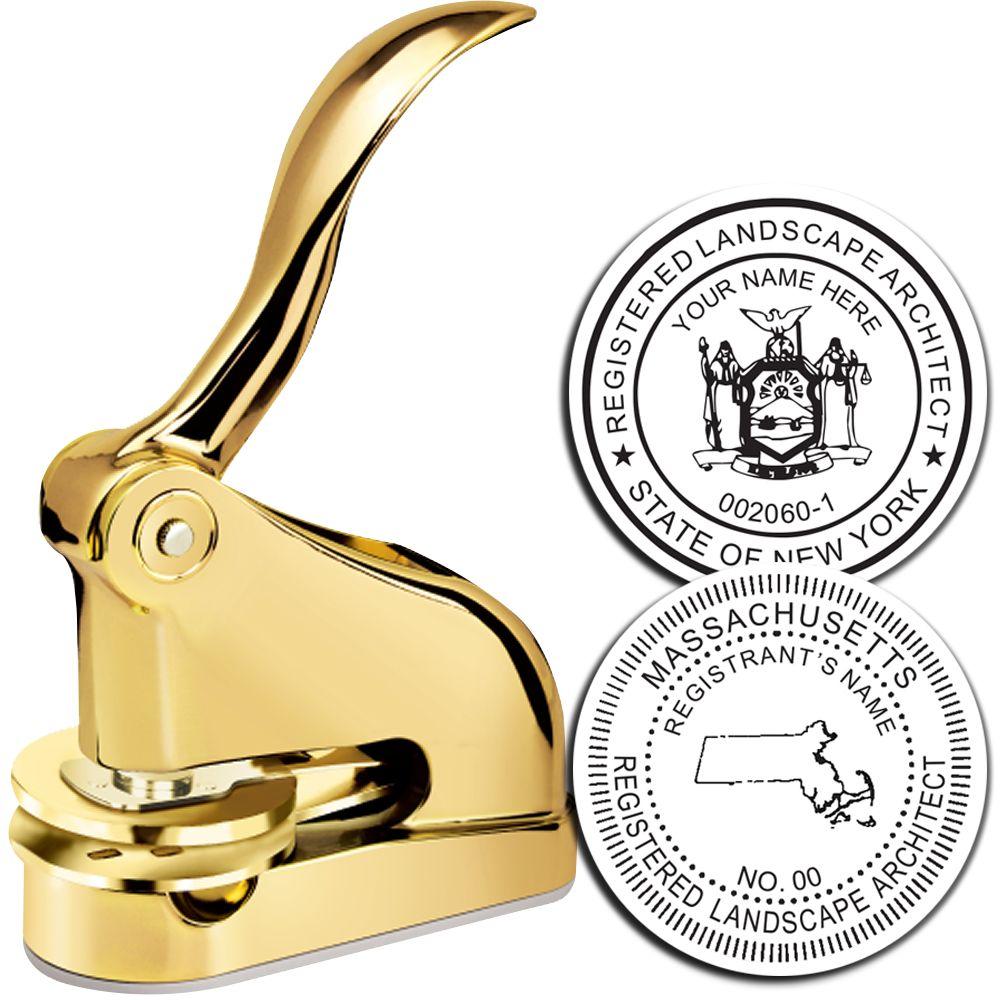



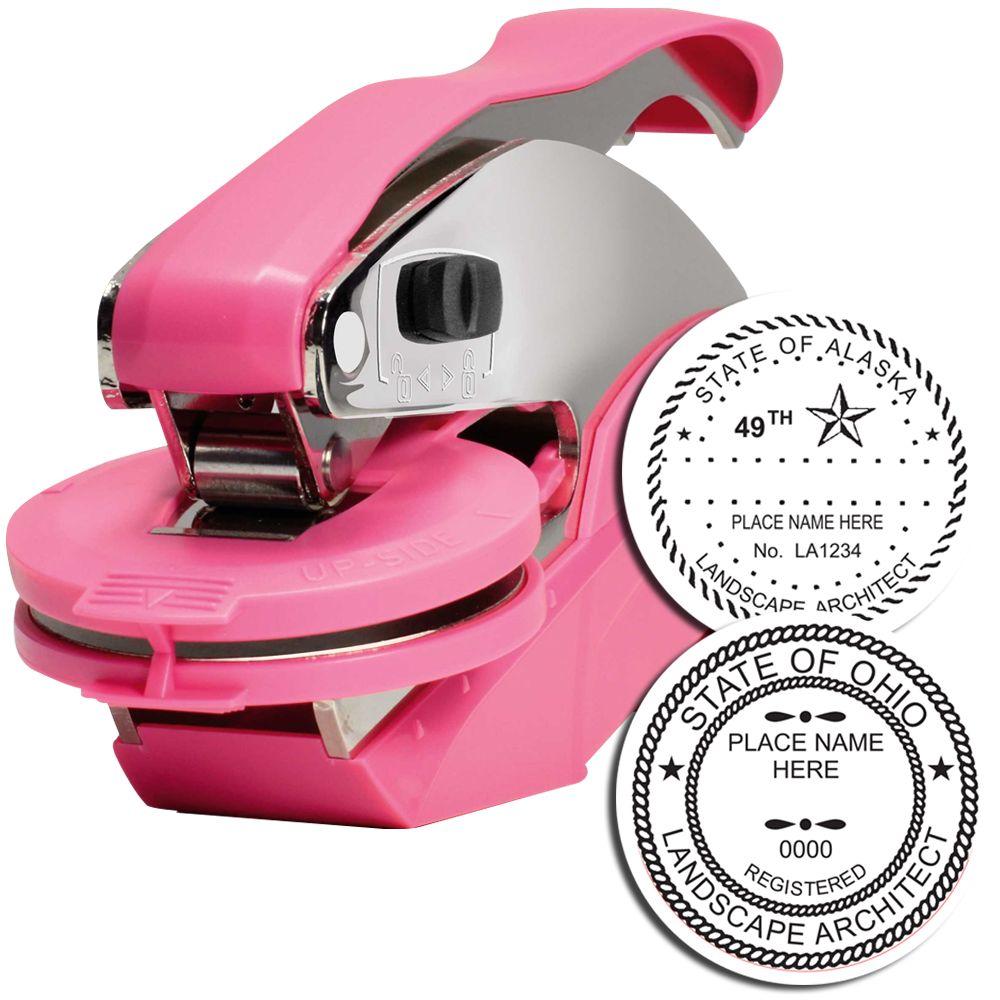
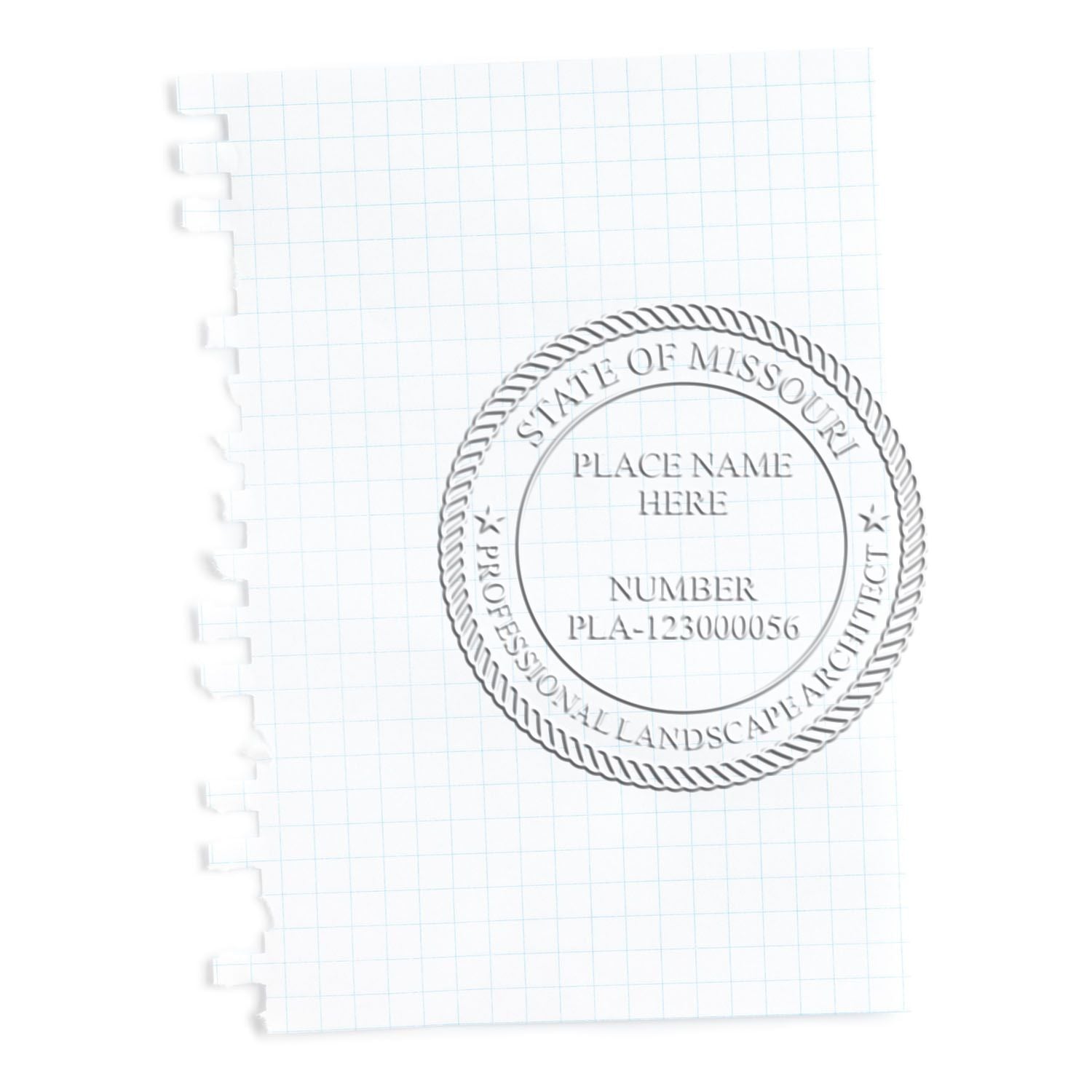
Complete Your Purchase
Maybe you’ve identified the type of stamp you want, and you’ve settled on a standby supplier. Now comes the fun part: placing your order. For many busy landscape architects, that final step can slip down the to-do list. Yet it’s one of the easiest tasks when you know exactly which boxes to check.
Step 1: Confirm Your Credentials
Before ordering, make sure you’ve got your licensing information handy. The supplier will often need:
- Your Full Name: Exactly as it appears in your state license.
- License Number: Double-check for accuracy.
- Confirmed “Registered Landscape Architect” wording for Georgia.
By providing this info in one go, you’ll ensure a smooth manufacturing process. If the vendor offers a form, complete those fields carefully so your stamp matches the official records.
Step 2: Choose Your Format
At this point, you already know your preferences for ink type and whether you’ll need a digital seal. Carefully select your style, whether that’s a pre-inked, self-inking, or traditional style stamp. For maximum versatility, pair your physical stamp with a digital version you can use on electronic submittals.
If you want to see how your finished stamp might look, some companies offer a preview or proof. This extra step can help you spot any errors in text alignment or layout before the final product ships.
Step 3: Check Approvals
Once your stamp or seal arrives, you’ll want to confirm it meets Georgia’s official guidelines. Compare the design to the state’s published requirements for size, text, and outer ring details. If it’s all correct, give it a test run on scrap paper.
- Verify the depth of the imprint. Your name and license number should be crystal clear.
- Make sure the circular border is obvious and meets any diameter requirements.
- If your free digital seal arrives by email, open it with a PDF or CAD tool to see that it displays properly.
Confidence in your stamp’s accuracy will make your next stamping session stress-free. If there’s any mismatch, contact the supplier to arrange a quick fix.
Now that you’re set, remember that you’re representing your professional brand each time you apply your stamp. A crisp, clean impression signals your dedication to quality and precision.
When you simplify your Georgia Landscape Architect Stamp purchase, you don’t just tick a licensing requirement. You’re also making sure you have the professional tools to stand out in your field. For sketching innovative garden layouts or designing large-scale public spaces, the right stamp or seal shows you’re committed to detail and precision.
If you’re ready to take the next step, gather your license details, decide on a preferred stamp type, and choose a trusted supplier like Acorn Sales. Before you know it, you’ll have both a physical stamp for paper plans and a free digital seal for electronic submissions. That way, your projects stay up to speed, and you keep delivering high-quality work to clients, day in and day out.
Frequently Asked Questions
Do I need to register my stamp with the state?
Georgia generally requires you to have the correct stamp that follows Board regulations, but you do not typically “register” the stamp itself. Instead, you show the official seal on professional documents. If you’re unclear on local rules, checking the Georgia Board of Landscape Architects website can validate which steps to take.
Can I use a digital seal instead of a physical stamp?
Many authorities accept digital documents signed and sealed electronically. Still, you should keep a physical stamp for instances where paper copies are required. It’s smart to have both at your disposal. Some suppliers, like Acorn Sales, provide the digital seal for free alongside your physical set, making it convenient to cover all bases.
How can I make sure I am getting a Georgia-specific stamp?
Reputable suppliers, especially those well-versed in professional stamps, will list specific products for each state. For example, a Georgia Landscape Architect Stamp typically includes the required wording and diameter for official use. Always check the product description or talk to customer support to confirm it aligns with Georgia’s regulations.
What if there’s an error on my stamp when it arrives?
Mistakes can happen, even with a high-quality supplier. The good news is that reputable companies will fix or replace the stamp quickly. If you notice a typo in your name or license number, contact them right away. Confirm you provided the right details in your order, then follow the vendor’s return or replacement policy.
Are stamps and seals the same thing?
Although the terms are often used interchangeably, the main difference is context. A “stamp” is usually a physical device you press onto an ink pad or that contains its own ink. A “seal” can be either the artwork itself or its digital counterpart. In everyday usage, the phrase “stamp and seal” often refers to identical designs produced in different formats.








