
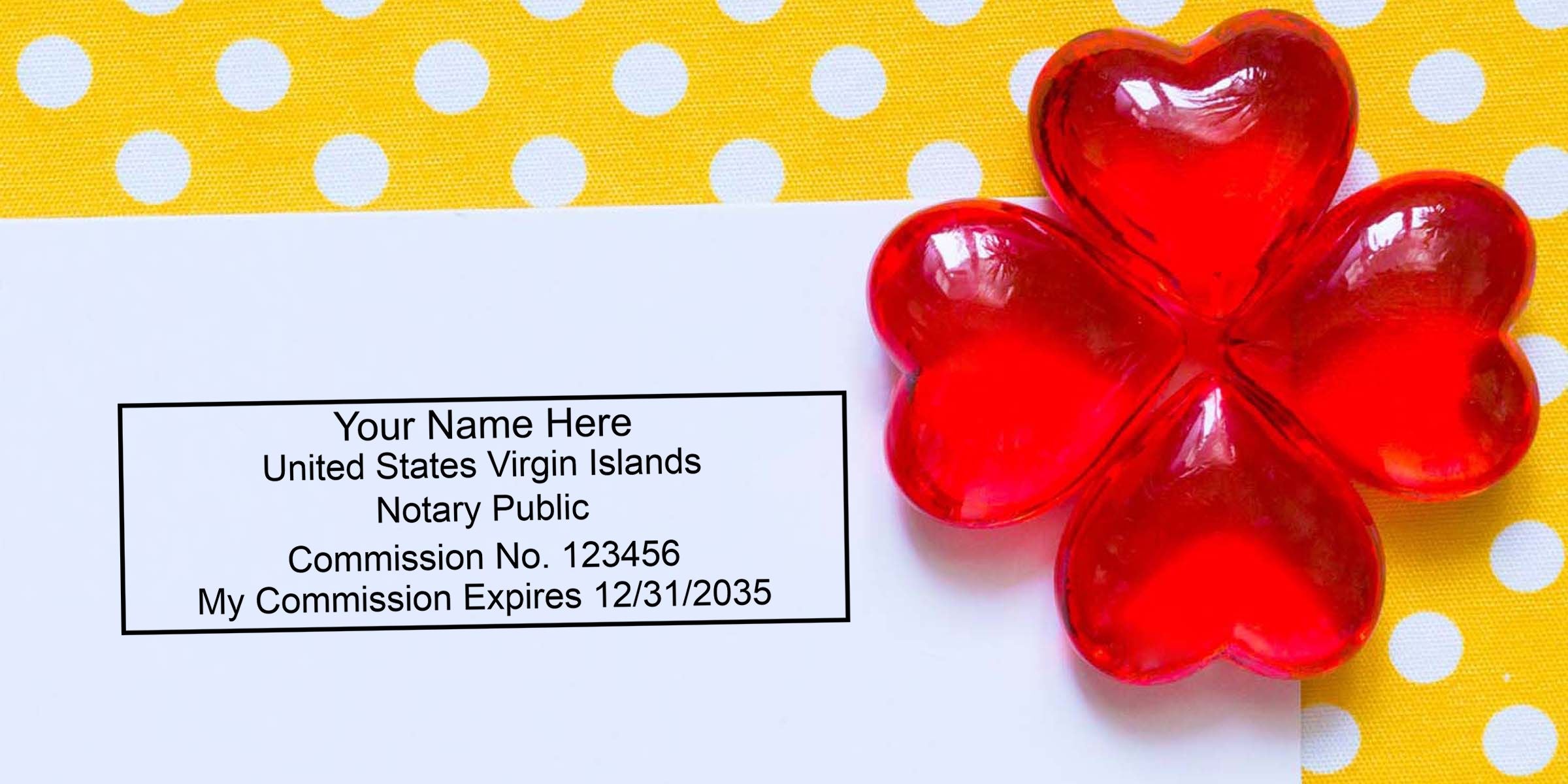
If you’re preparing to serve as a notary in the U.S. Virgin Islands, you’ve probably come across various resources on U.S. Virgin Islands Notary Public Seal Guidelines. These rules help ensure each document you notarize maintains its legal integrity, so it’s essential to know what’s required. Below, you’ll find the key points to keep in mind, along with tips on choosing the right seal and staying compliant throughout your commission.
Understand official guidelines
Every jurisdiction has its own notary regulations, and the U.S. Virgin Islands is no exception. You want to confirm that your seal includes your name exactly as it appears on your commission, plus the words “Notary Public” and “U.S. Virgin Islands.” Double-check any required borders, shapes, or phrases since details can vary depending on local laws.
- Confirm your specific commission name spelling.
- Verify if your seal needs a circular or rectangular shape.
- Keep updated on any design changes prompted by new laws.
Pick your notary seal
Once you’re clear on the official requirements, it’s time to choose the seal that suits your comfort and style. Seals come in two main forms: stamps and embossers.
Stamp or embosser
- Stamp: These rely on ink for each impression. Self-inking or pre-inked options offer quick, consistent stamping.
- Embosser: Uses pressure to create a raised impression. Though it looks professional, it can be harder to photocopy.
If you want a crisp image and simple portability, a stamp might be your go-to. An embosser can still be a solid option if you prefer the tactile style, especially for documents that benefit from a raised seal.
Key design features
- Ensure high-contrast ink (usually black or blue) for easy readability.
- Pick an embosser size that’s large enough without crowding your document.
- Choose durable materials to handle daily use.
Keep clarity and compliance
A blurred or half-inked seal can lead to document rejections. To avoid that hassle, store your seal in a dry space and test it regularly on scrap paper. Quick care will keep each impression legible and safe from wear.
- Re-ink stamp pads or replace them if impressions fade.
- Keep an embosser free from debris so lines remain crisp.
- Periodically compare your imprint against the specification you received when you were commissioned.
Choose a trusted supplier
Getting the right seal is simpler when you work with a reputable provider. At Acorn Sales, we’ve crafted notary stamps and seals for over 60 years with quick turnaround and a State Board Guarantee. We’re proud to be a go-to source for U.S. Virgin Islands Notary Supply, ensuring your tools meet local regulations and arrive on time.
If your stamp or embosser becomes worn or unclear, it’s time for a replacement. Otherwise, many last through several years of standard use, but check your impressions regularly to ensure they remain crisp and compliant.
By following these guidelines and investing in a high-quality seal, you’ll have everything you need to perform your duties with confidence. Whether you go with an ink stamp or an embosser, a flawless impression helps you maintain professionalism and credibility in every notarized document.
Frequently Asked Questions
Are electronic seals valid in the U.S. Virgin Islands?
Electronic notarization may be permitted if the territory adopts remote or online notary laws. However, laws evolve, so you’ll want to check current regulations or ask your local notary board for clarification.
Do I need separate seals if I hold multiple commissions?
Yes. Each commission typically requires its own distinct seal, especially if the commissions are in different states or jurisdictions. Make sure to label and store each seal so it stays tied to the right commission.








