
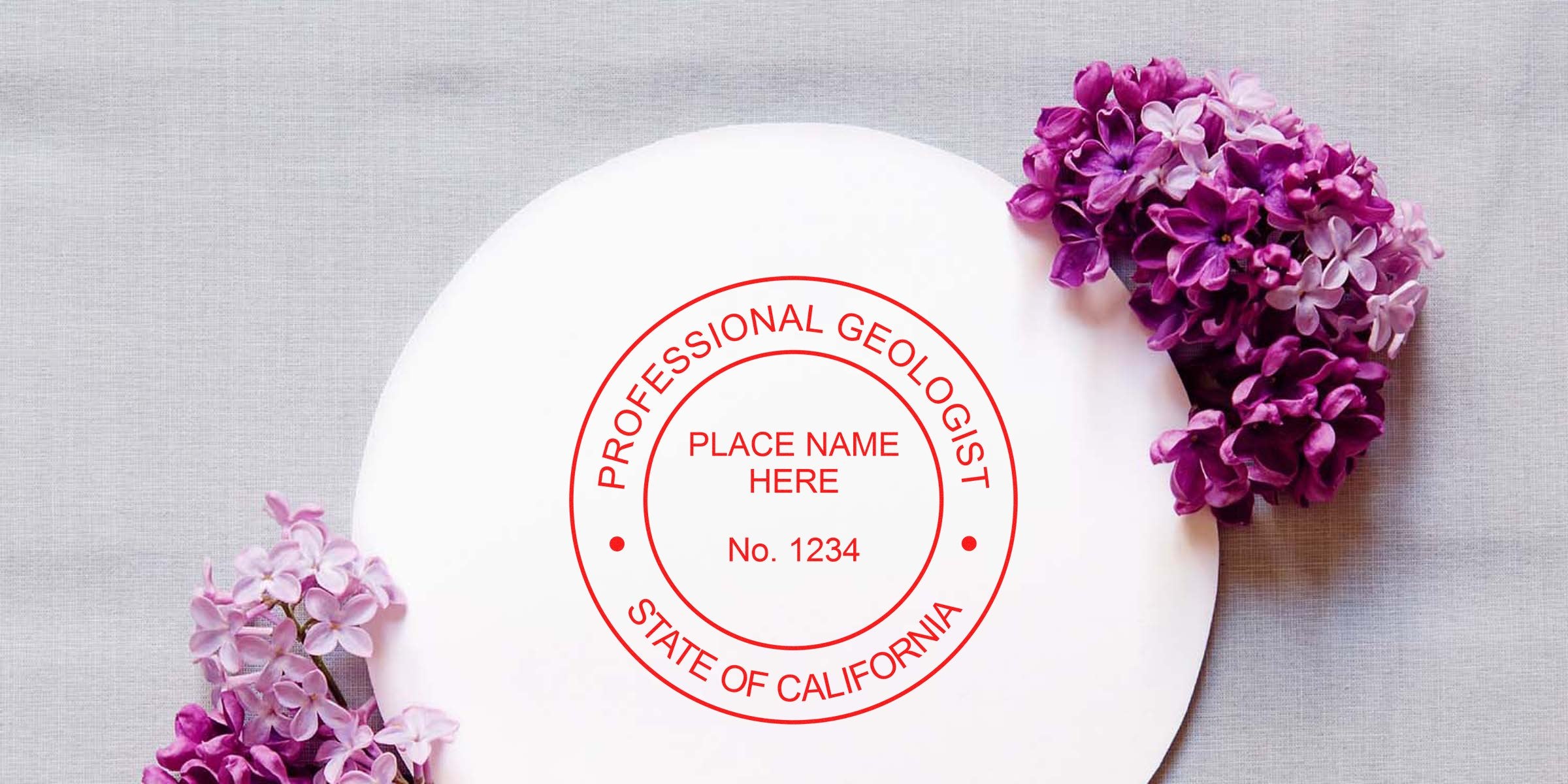
Need the scoop on California geologist stamp information? If you’re a licensed geologist in the Golden State, you already know there are quite a few rules about what your stamp or seal should look like and how it must be used. If you’re new to the profession or simply want a refresher, you’re in the right place. In this guide, we’ll walk through the essentials, from understanding the legal framework to picking the right supplier and making sure you stay compliant year after year.
Even if the details feel a bit overwhelming, don’t stress. It’s all about ensuring that your documents carry valid credentials and that your expertise is conveyed properly. Plus, you’ll discover how Acorn Sales can help you secure a dependable stamp or seal and access a free digital seal option so you can affix official impressions to your documents with ease.
Discover California Geologist Rules
Before you grab a stamp, it’s helpful to understand what’s behind the need for a California geologist seal in the first place. The state’s regulatory guidelines aim to protect the public and maintain professional standards. So, whether you’re working on ground studies, environmental reports, or official construction documents, you must apply your seal to confirm your qualifications and the authority of your work.
Who Regulates Them
The California Board for Professional Engineers, Land Surveyors, and Geologists (often shortened to BPELSG) is the main body overseeing geologist licensing, renewals, and discipline in the state. You’ll want to follow their guidelines closely. They specify how your seal should look, including the recommended text and graphics, as well as the official format to follow when stamping or signing geologist-related documents.
What Qualifies You For A Stamp
To qualify for a California geologist stamp, you need to hold a valid geologist license issued by BPELSG. That typically involves an approved degree, relevant work experience, and passing the proper exams. If your license is active and in good standing, you’re officially on track to get a seal that validates your professional documents. For more specifics on dimension, wording, and other state requirements, check out the California Geologist Stamp Requirements.
Choose The Right California Geologist Stamp
Next up is deciding whether you prefer a traditional ink stamp, an embosser, or both. You’ll actually see both options in the field, but each has pros and cons. If you frequently submit digital documents, you might want an electronic seal too, which many geologists now use for faster online approvals.
Typical Stamp Layout
A standard California geologist stamp usually displays:
- Your name as it appears on your license
- Your license number
- The words “State of California”
- The title “Professional Geologist” or a variation, as authorized
- The official round design as specified by the board
Ink stamps are quick, easy to re-ink, and perfectly legal as long as they include all required details. If you’re stamping a ton of documents daily, this might be the way to go since it’s straightforward and requires no heavy pressing.
Common Seal Vs. Embosser
Many geologists love the professional look of an embosser. It leaves a raised impression in the paper that’s harder to tamper with. On the flip side, embossers can sometimes be trickier to read on photocopies and scans. If clarity is your priority (especially for submittals that will be duplicated), a rubber or self-inking stamp may be better. Some professionals keep both on hand; that way, you can choose the style that fits each project’s needs.
Acquire Your Stamp With Confidence
Here’s where picking a reputable provider pays off. A properly engraved stamp or seal ensures you meet the state’s guidelines. It’s also a reflection of your credibility, so you want it done right. After all, no one wants to reorder because the text turned out blurry or the layout was off.
Why Use Acorn Sales
Acorn Sales has been in business since 1964, serving professionals who need high-quality stamps and seals. Our experience helps you rest easy—you won’t have to guess whether your stamp meets California’s geologist seal requirements. We also offer a free digital seal with your purchase, which is a lifesaver for e-documents or situations where you can’t physically stamp a page.
Business Since 1964
Wondering why that matters? Being around for decades means we’ve seen every regulation change imaginable. We’ve kept up with updates to the California geologist seal format, so you can trust us to craft a product that aligns with current guidelines. Plus, our long-standing reputation is rooted in customer satisfaction. We’re proud to help licensed professionals like you get stamps and seals that stand up to daily use.
Maintain Professional Compliance
After you get your stamp, there’s more to consider. You’ll need to keep track of license renewals, store your stamp or seal securely, and follow best practices every time you use it. A small oversight now can lead to bigger headaches later, especially if official documents get questioned.
Renewals And Record-Keeping
Your geologist license needs to be renewed periodically. Make sure you know your renewal date and complete the necessary continuing education hours well in advance. Once you have renewal approval, confirm that your stamp information is still accurate. If you’ve changed your name or license number, you’ll likely need an updated seal.
Keep a record of every document you stamp. Jot down details like the project name and date in a simple log. That way, if anyone asks about a certain sealed report down the road, you can pull up the info fast. Some geologists keep digital scans and a backup drive. Others prefer a physical notebook. Either approach can work, as long as it’s consistent and easy for you to maintain.
Avoid Common Pitfalls
It’s tempting to stamp documents on autopilot, but you’ll want to double-check each time. Make sure:
- Your license is current (not expired or suspended).
- The document content matches the scope of your licensure.
- You’re stamping only final or nearly final documents, rather than early drafts.
Never share your stamp or digital seal with anyone, even a colleague or supervisor. If multiple geologists in your office need stamps, each must have their own. Protecting your seal helps preserve the integrity of your license and ensures no one can misuse your credentials.
Follow Best Usage Practices
Beyond the basic regulations, there are everyday habits that will help you keep your stamp or seal in great condition and yourself above board. In a field like geology, you’re likely juggling multiple projects at once, so it pays to fine-tune your process for stamping, storing, and reviewing documents.
Organize Your Workflow
Think of your stamp as a final sign-off between you, your client, and the regulatory authorities. Before you press that stamp onto a sheet of paper or affix a digital seal, make sure:
- The report has been fully reviewed by you and any relevant peers.
- The data, figures, or conclusions are correct.
- You’re including any disclaimers or attachments required by law.
Once all those boxes are checked, stamping becomes your professional endorsement.
Keep Your Stamp Device Clean
If you’re using an ink stamp, keep extra ink and a small surface cleaner handy. Getting rid of dust or paper residue prolongs the life of the device. Storing it in a protective case or drawer also helps. For embossers, check the plates periodically for wear. If the impression starts to fade or the raised design no longer looks crisp, it may be time for an adjustment or replacement.
Strengthen Your Professional Standing
If you want to stand out in your field, consider going above and beyond the minimum. Regularly attend workshops or geologist association conferences to stay informed about rule changes, new methods, and best practices. Not only will you keep your knowledge fresh, but you’ll also write more impressive and authoritative reports. When your colleagues know you’re up to date, it boosts your credibility among clients and peers alike.
Document Control Systems
Think about creating a labeling system for your stamped reports. This can be as simple as adding a small, typed code in the corner of each page so you know exactly which version you’re reviewing. This system can also help you recall the day and time a document was stamped, minimizing confusion when big projects have multiple drafts. Getting organized now can spare you the headache of mixing up old and new data.
Team Communication
In multi-person offices, clarity is key. Make sure your team understands who is allowed to stamp documents and in what situations. A short policy or reference guide can help everyone stay aligned. The last thing you want is a non-licensed staff member stamping on your behalf. That might seem obvious, but in a busy office, tasks can get delegated unintentionally. Laying out expectations early prevents costly mistakes.
Consider Electronic Documentation
While physical stamps are still widely used, the shift to digital is growing. Electronic seals let you stamp a PDF or other digital format without printing, which can simplify record-keeping. If you need a recognized e-seal that mirrors your physical stamp, Acorn Sales can provide that free digital seal once you place your stamp order. It’s a huge timesaver for projects requiring multiple signatures or when you have to file documents online.
E-Stamp Security
Electronic files can also pose security challenges. Treat your digital seal like your physical stamp: store it securely and never share the file. If a project requires your e-seal, embed it into the final report and keep a backup copy offline. You might also encrypt your files or add a password-protected signature process. These precautions help ensure no one can alter your seal or affix it to unreviewed work.
Prepare For Legal Challenges
Sometimes, a project might come under scrutiny due to environmental regulations, boundaries, or other technical reasons. If you’ve stamped the documents, you could be called upon to explain your findings. Having a systematic approach to your stamp usage—plus thorough documentation—can be a lifesaver if you need to defend your conclusions.
Expert Testimony
You might be required to offer testimony on your geologist report, especially if it’s part of a legal or regulatory hearing. Make sure your stamp is valid, and your supporting data is well-organized. Judges and regulatory boards appreciate clarity, so be ready to walk through your process step by step.
Liability Protection
As a licensed professional, you have responsibilities that come with risk. Some geologists opt for professional liability insurance to help cover potential claims. Using your California geologist stamp responsibly and keeping updated logs of your work can support your case if issues arise. It also demonstrates your diligence in following official protocols.
Bonus Tips For Ease And Efficiency
No one wants stamping to become a chore. Try these tips to simplify your workflow:
- Pre-sort documents needing your seal, so you can stamp them in one session.
- Verify each page for correct references before stamping, rather than after.
- Keep a simple spreadsheet or cloud-based log of stamped documents.
- Review any emailed digital documents thoroughly before applying your e-seal.
If you find yourself stamping a lot of pages for a single project, a center-marker or a small piece of tape can help guide your placement, ensuring consistency across documents.
Final Thoughts
Navigating California geologist stamp information doesn’t have to be a headache. By following the established rules, renewing on time, and keeping accurate logs of your stamped documents, you’ll protect your professional license and deliver reliable results to your clients. Whether you opt for a classic rubber stamp, an embosser, or you appreciate the convenience of a free digital seal, staying compliant is straightforward with the right approach.
If you’re ready to pick up your new stamp or need a refresher on the latest guidelines, Acorn Sales is here to help. Our long history—and deep expertise—make us a trusted supplier for geologists statewide. You can focus on your fieldwork, reports, and analyses, while we supply a durable, properly formatted stamp. Here’s to many years of successfully stamping your professional signature on quality geologic work!
Frequently Asked Questions
Do I Need A Physical Stamp If I Have A Digital Seal?
While a digital seal is handy for electronic documents, you should still maintain a physical stamp or embosser. Many agencies and clients insist on a physical embossing or stamped ink impression on at least one set of official documents.
How Often Do I Need To Renew My Stamp?
Your stamp itself doesn’t renew, but your geologist license does. Once you renew your license, ensure the details on your seal (like your name or license number) match your current license status. If anything changes, you may need a new stamp with updated information.
Can I Share My Stamp With Another Licensed Geologist?
No. Even if you both hold valid licenses, each geologist must have their own seal. Sharing stamps can cause confusion and might even lead to disciplinary action if a document’s seal is questioned in the future.
What If My Stamp Impression Isn’t Clear?
Check the ink level (for a self-inking or rubber stamp) or the embossing pressure (for an embosser). If the stamp’s text is worn, or you can’t produce a crisp impression, consider ordering a replacement. Clear impressions are essential for legality.
Why Choose Acorn Sales For My California Geologist Stamp?
We’ve been in business since 1964 and understand how to create stamps that comply with current regulations. Our products are built to last, and we offer a free digital seal so you can handle electronic documents just as easily as paper ones.








