

Understand New Jersey Notary Stamp Law
If you’re searching for guidance on New Jersey notary stamp law, you’re in the right place. A notary stamp in New Jersey is a legal requirement that verifies and authenticates your official documents. For newcomers to the notary world and for anyone brushing up on the latest regulations, a clear overview of the rules helps. Let’s walk through the essentials so you’ll feel totally confident.
Basic Requirements
- You must hold a valid commission as a notary public in New Jersey.
- Your full legal name should appear on the stamp, matching the name on your commission certificate.
- The stamp’s imprint needs to be legible and placed near your signature when you notarize.
If you ever wondered, “Do I actually need a special stamp?” the short answer is yes. A compliant notary stamp ensures your notarization is easily recognized and legally binding in the state.




Authorized Notarial Acts
New Jersey notaries perform tasks such as administering oaths, taking acknowledgments, and certifying affidavits. Whenever you carry out these duties, you’ll need to attach or place your stamp imprint, so it’s smart to keep your stamp within reach at all times.
Choose a Compliant Stamp
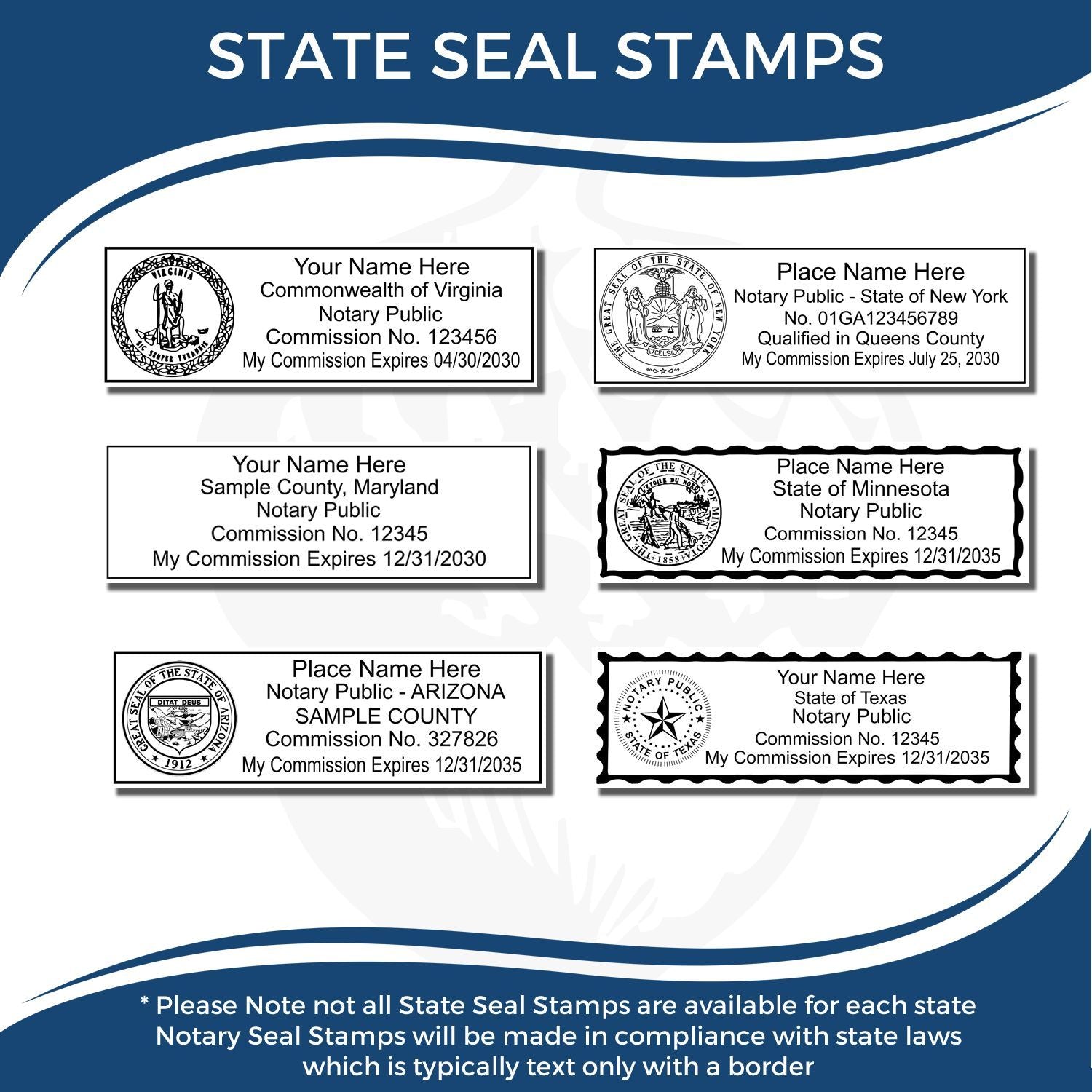
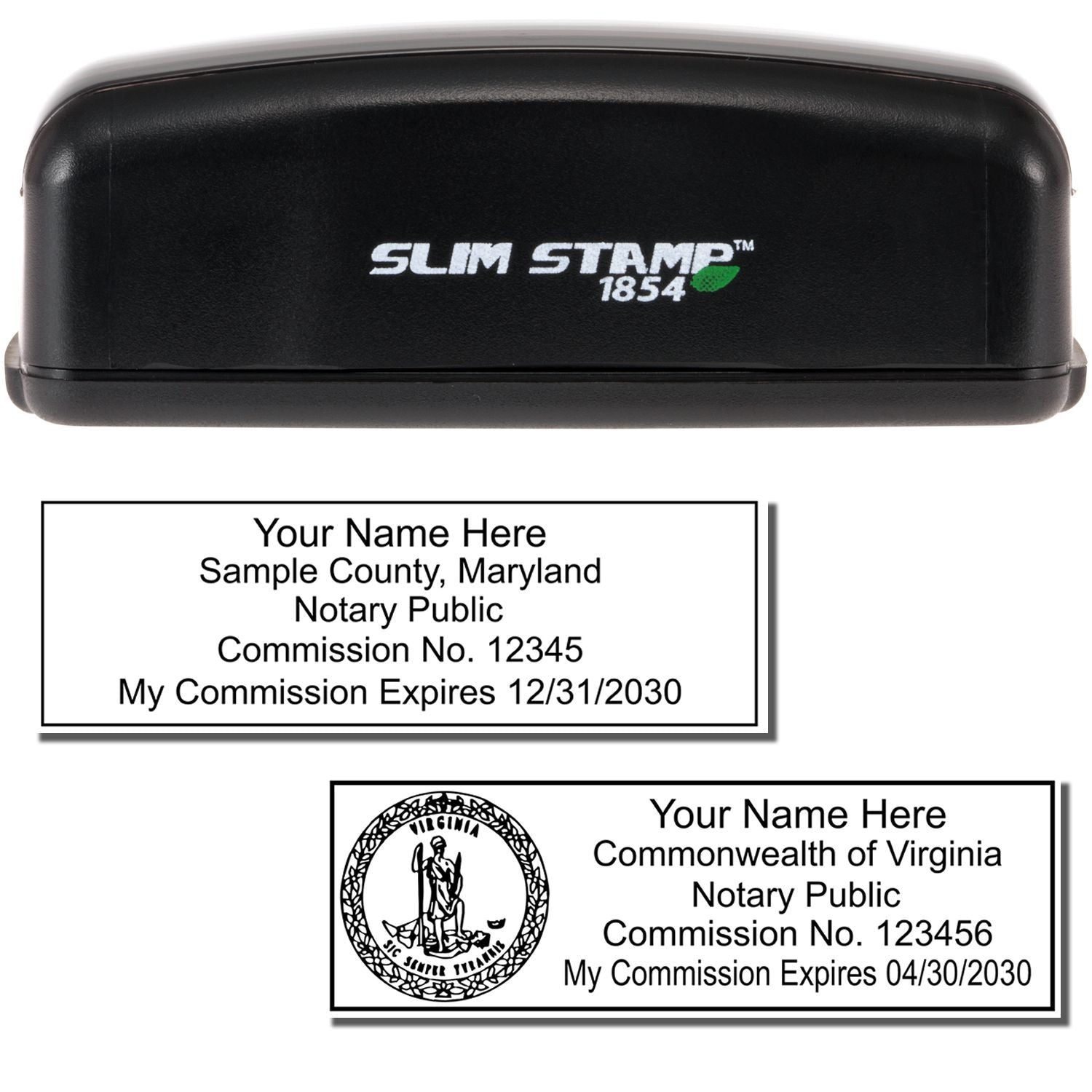
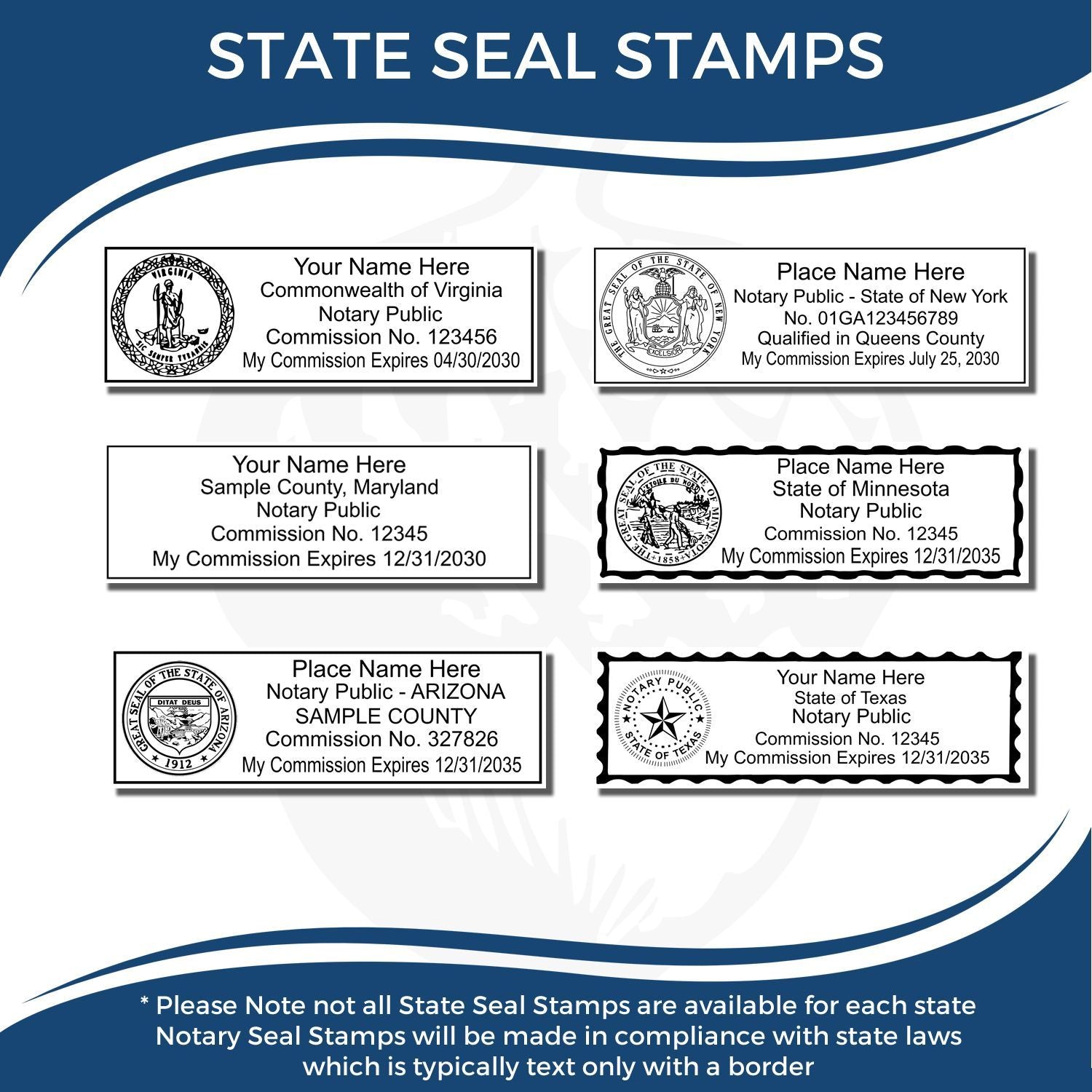
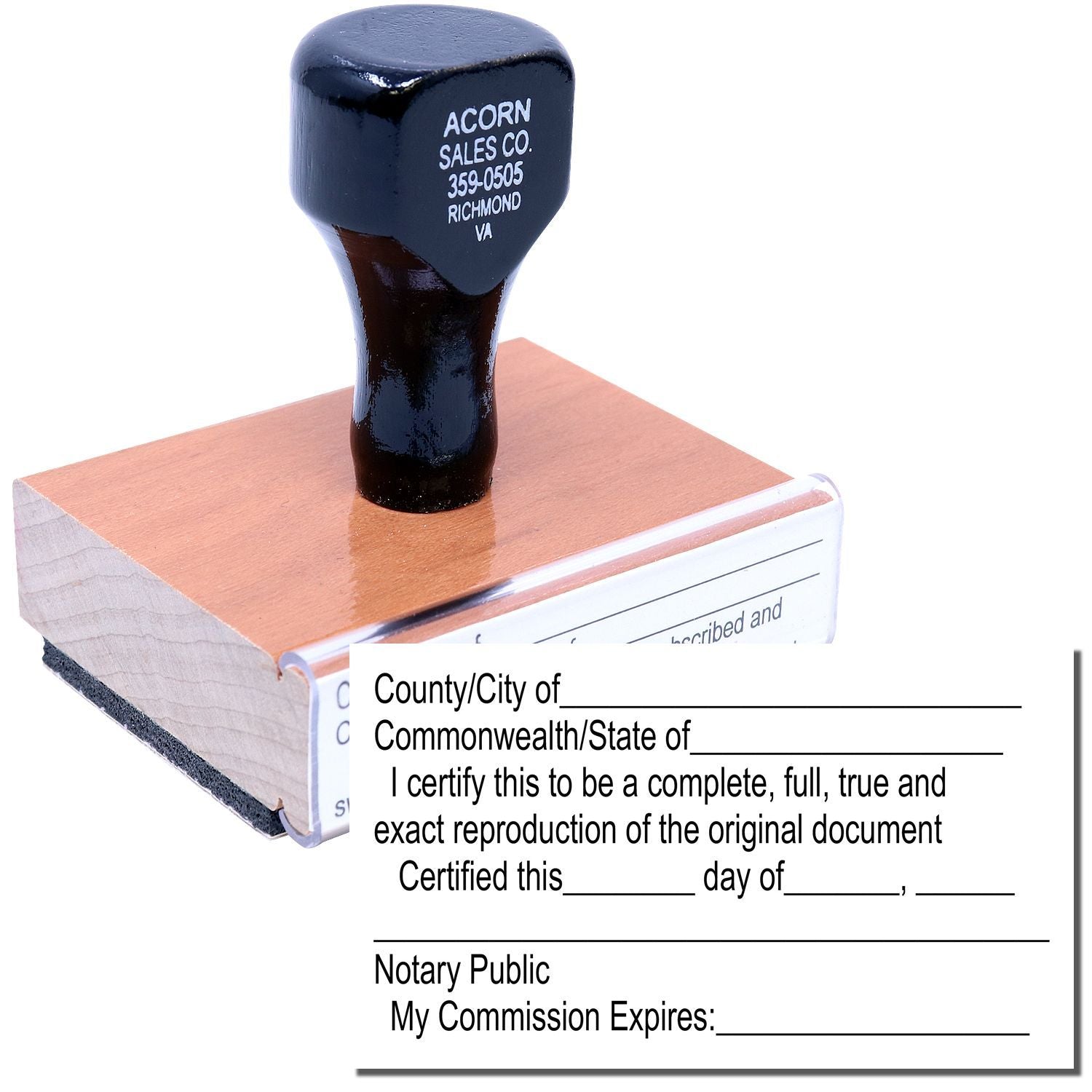
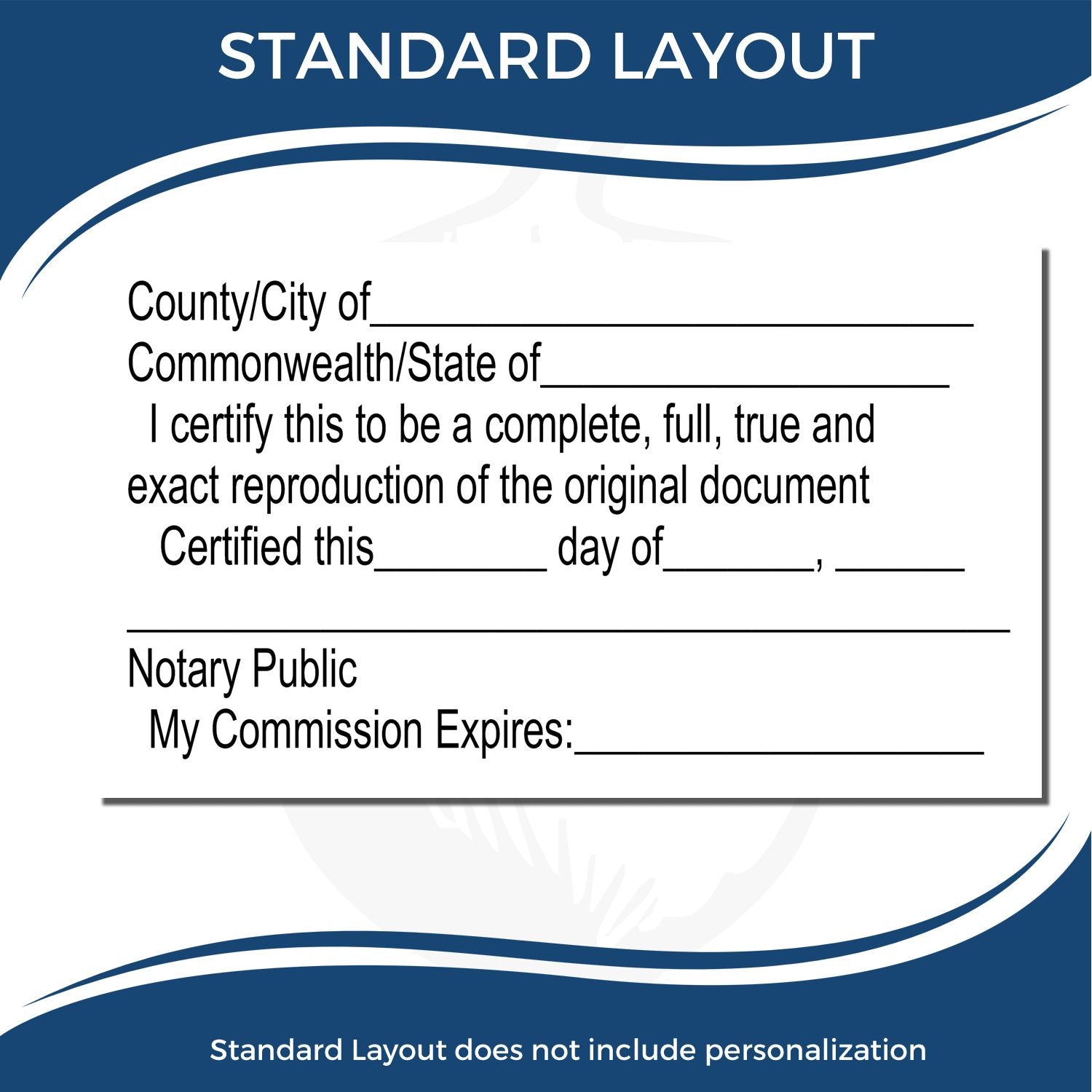
Once you’ve got your commission, the next step is finding a compliant notary stamp that follows New Jersey’s standards. The stamp must include your name and identify you as a New Jersey notary public. Seeking a sturdy, well-inked design is important too, because you want each impression to be crystal clear.
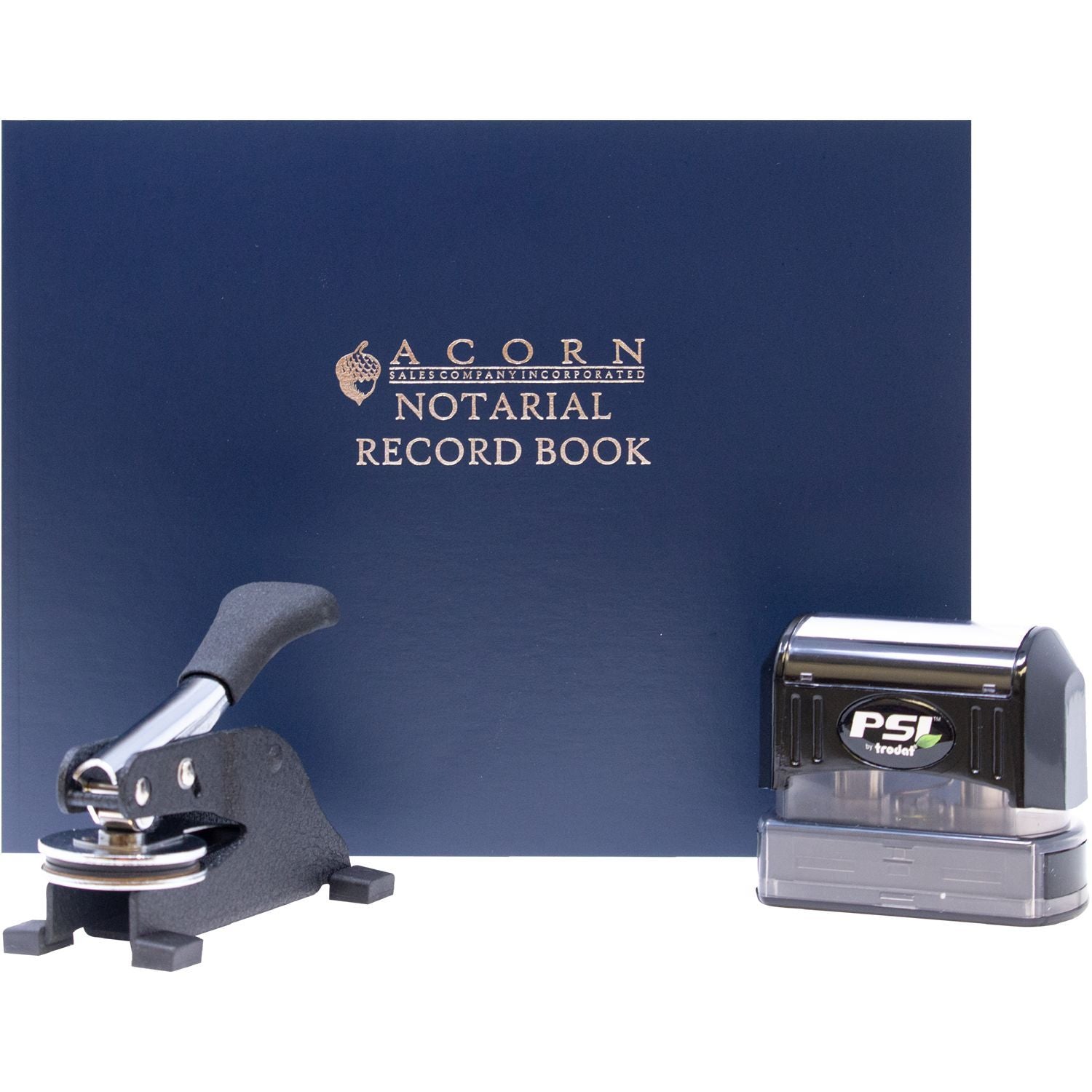
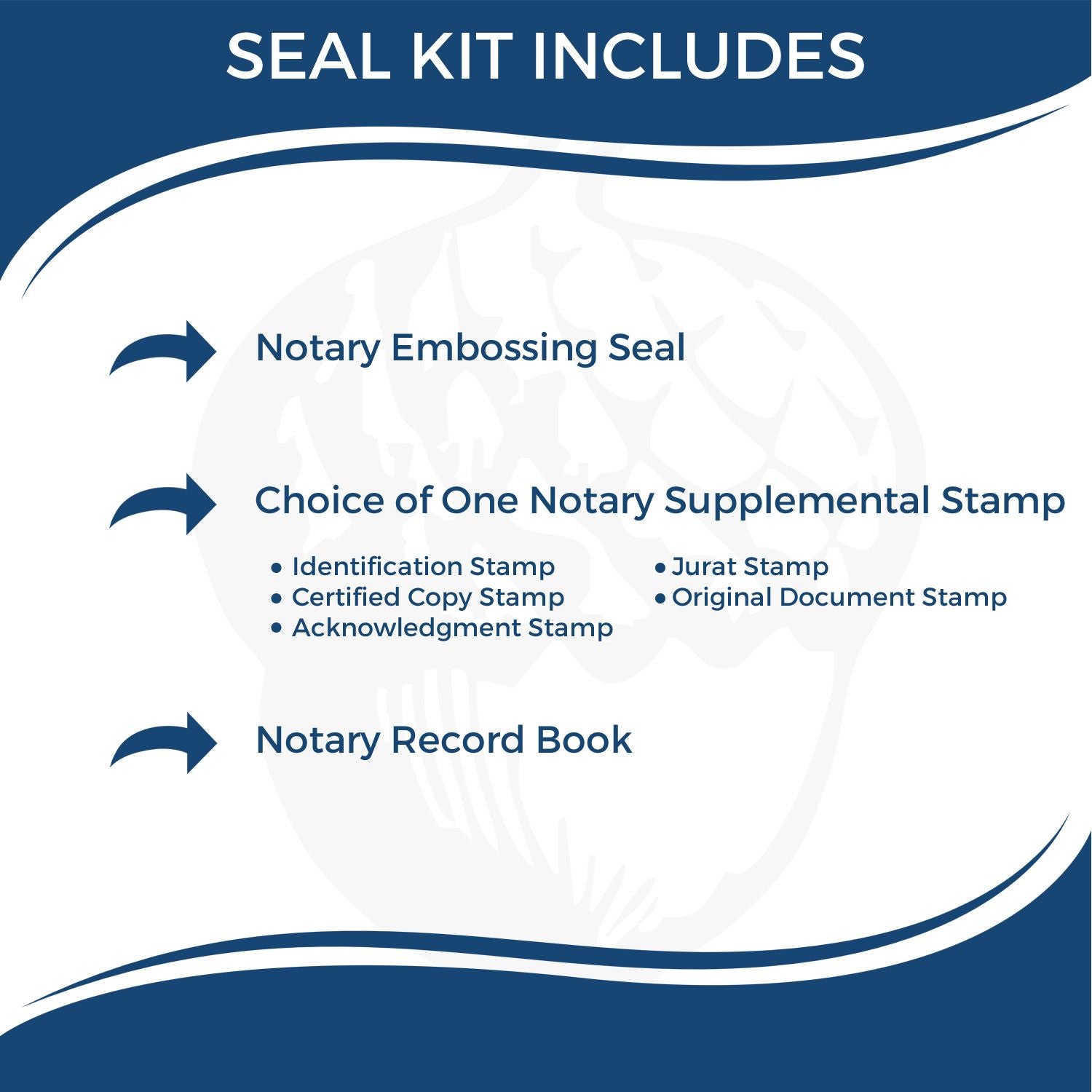
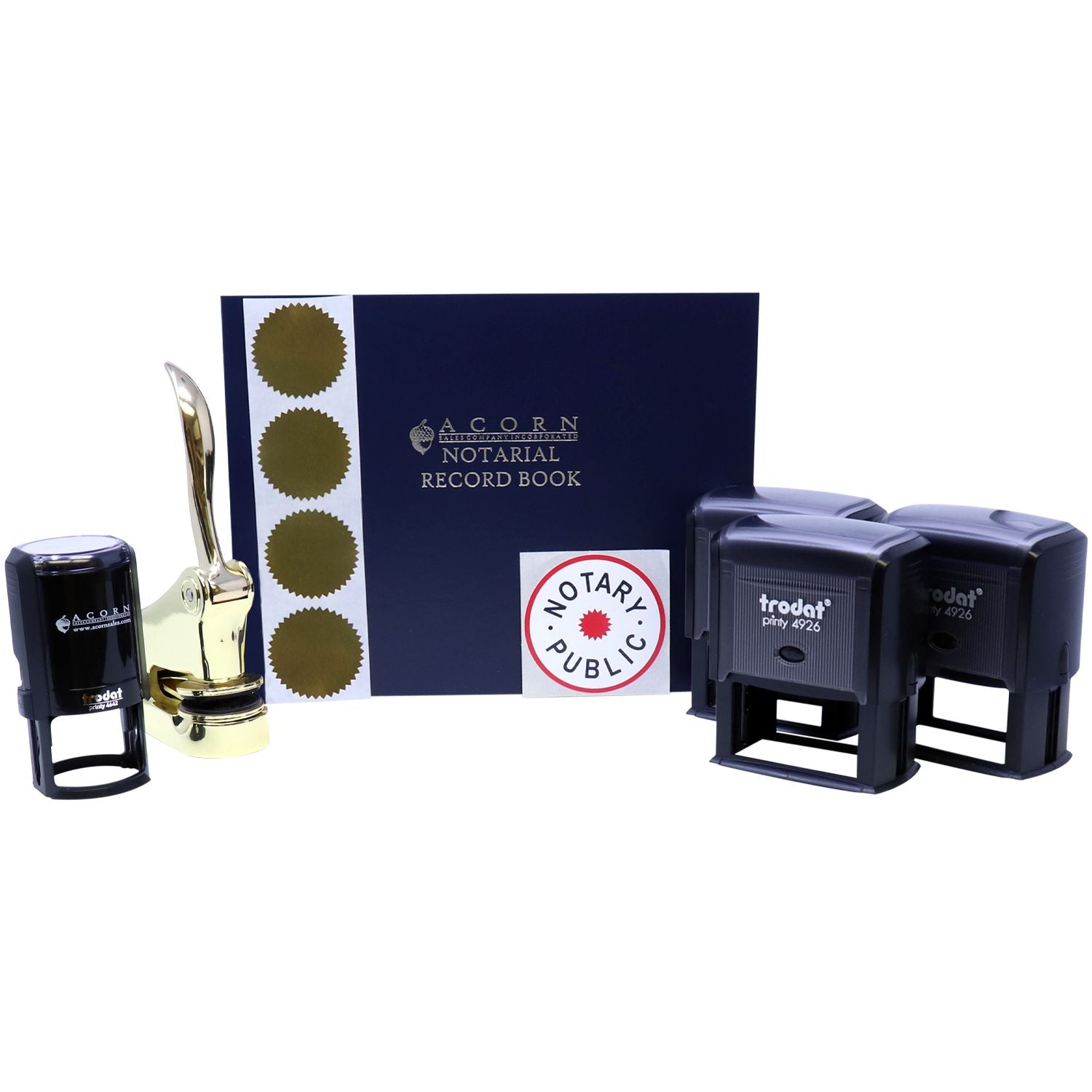
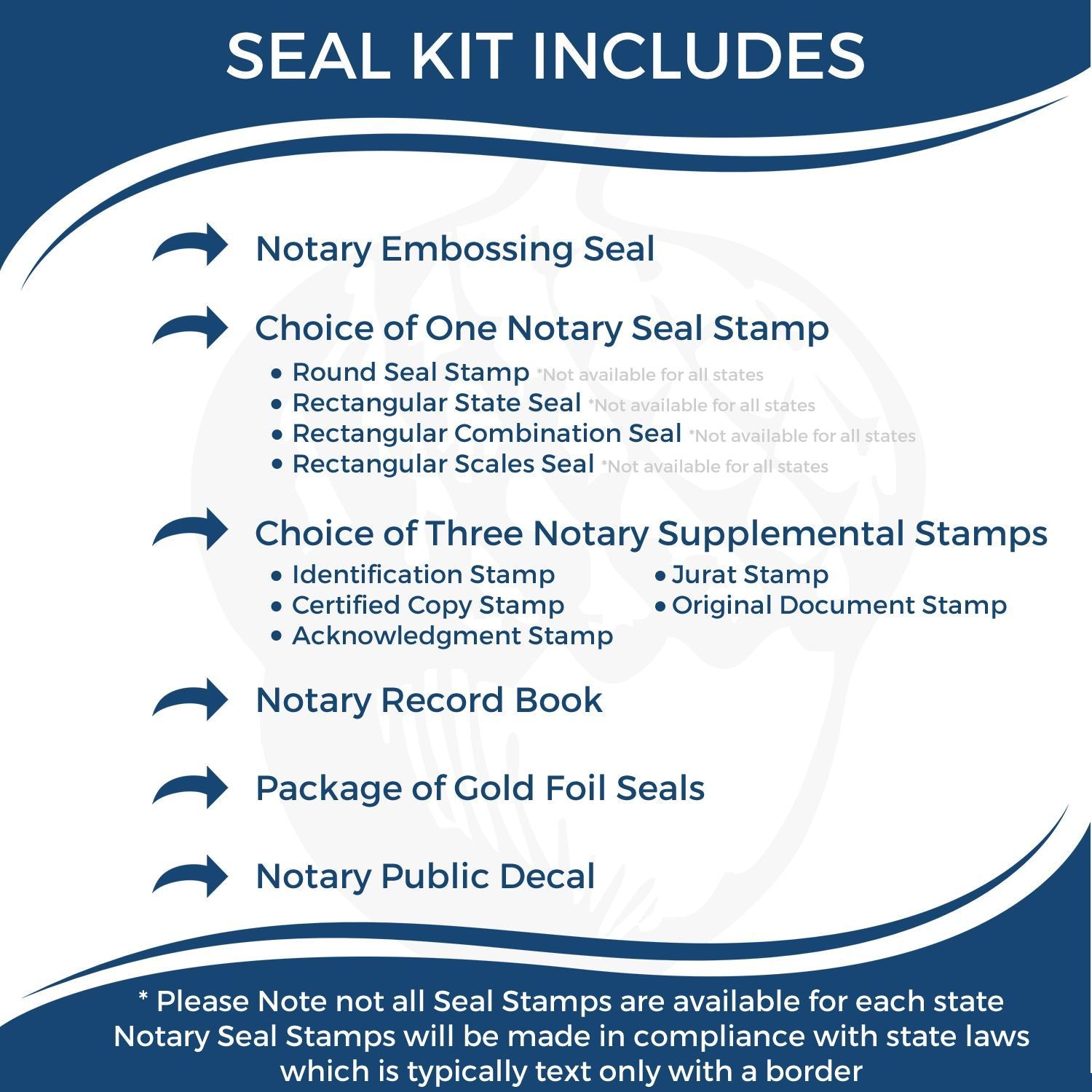
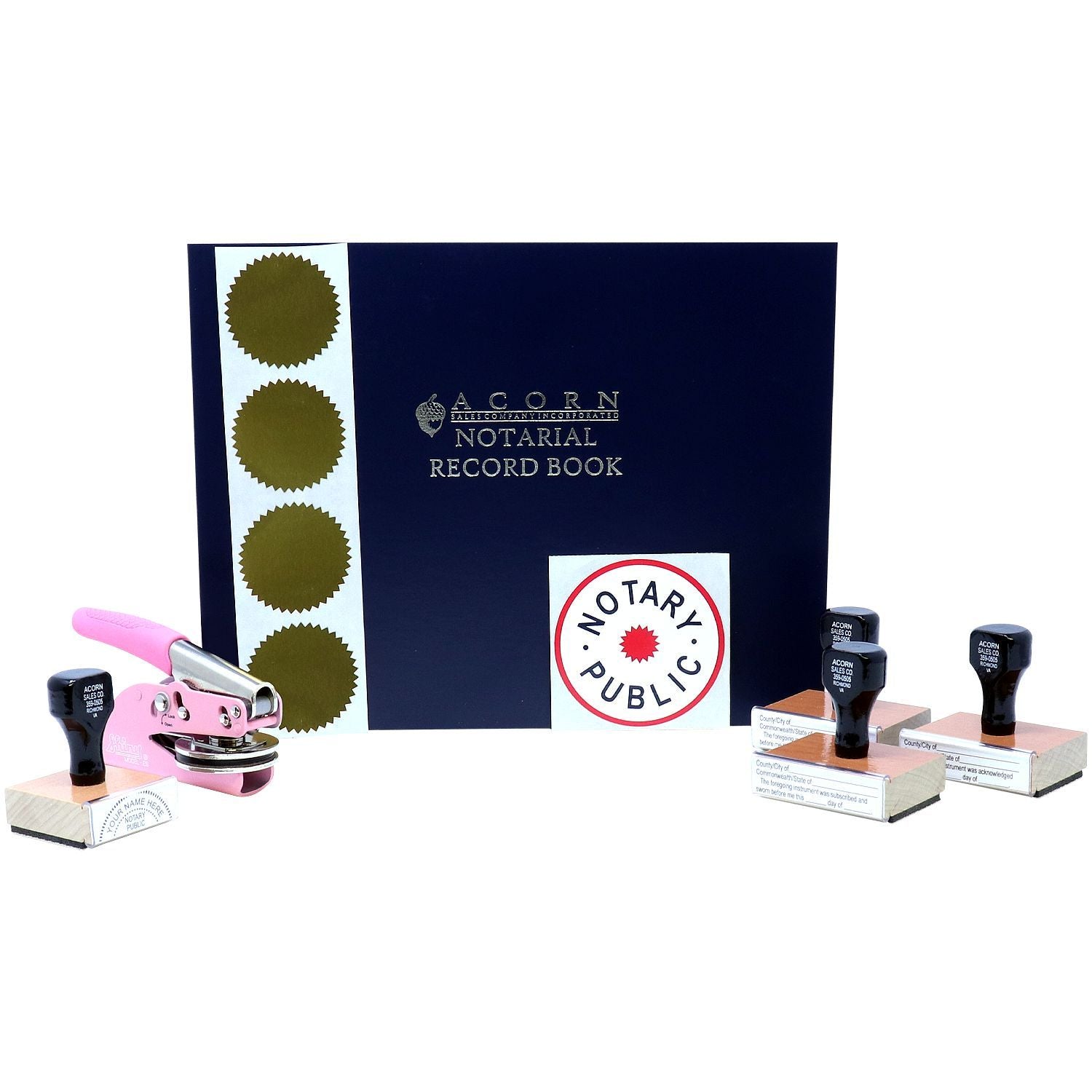
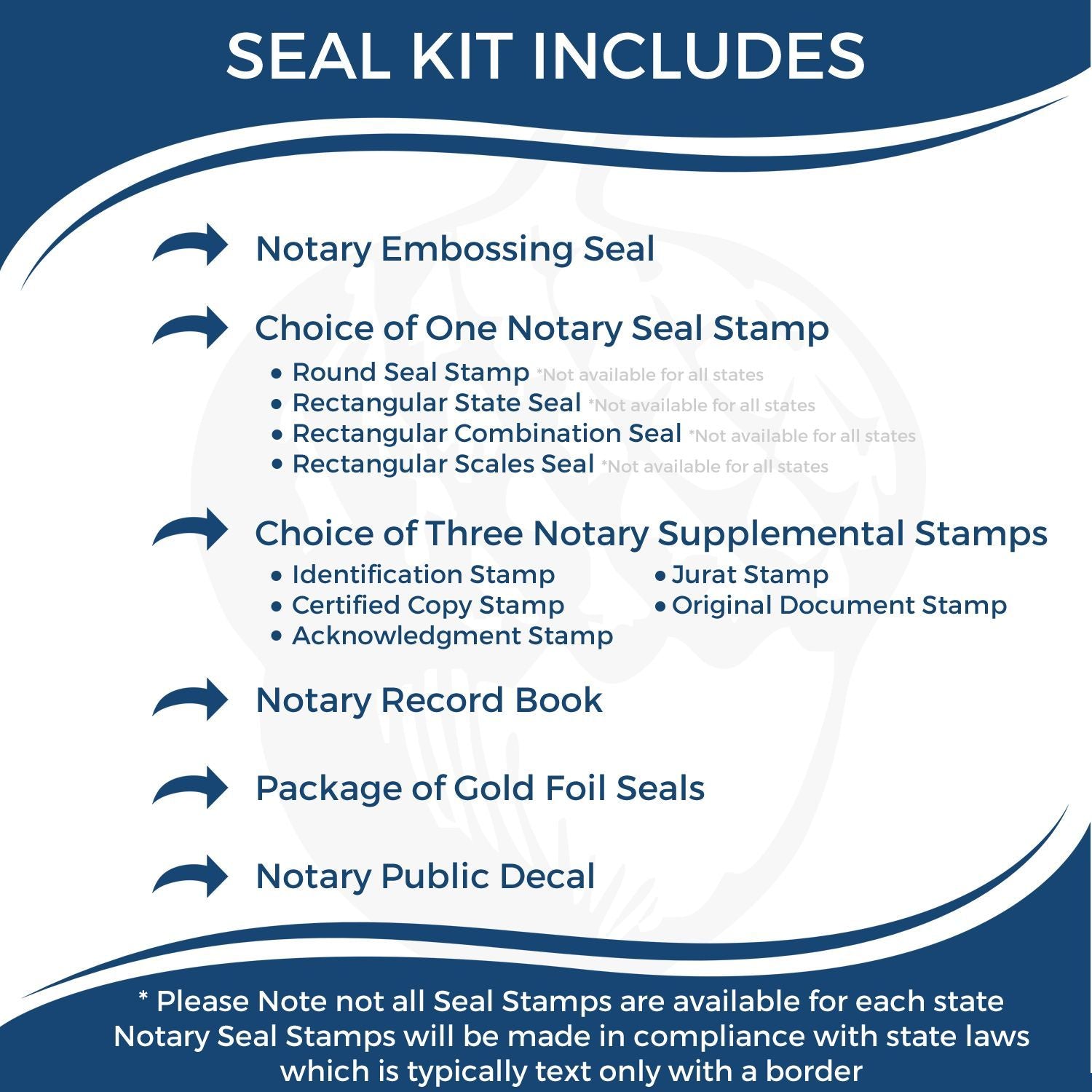

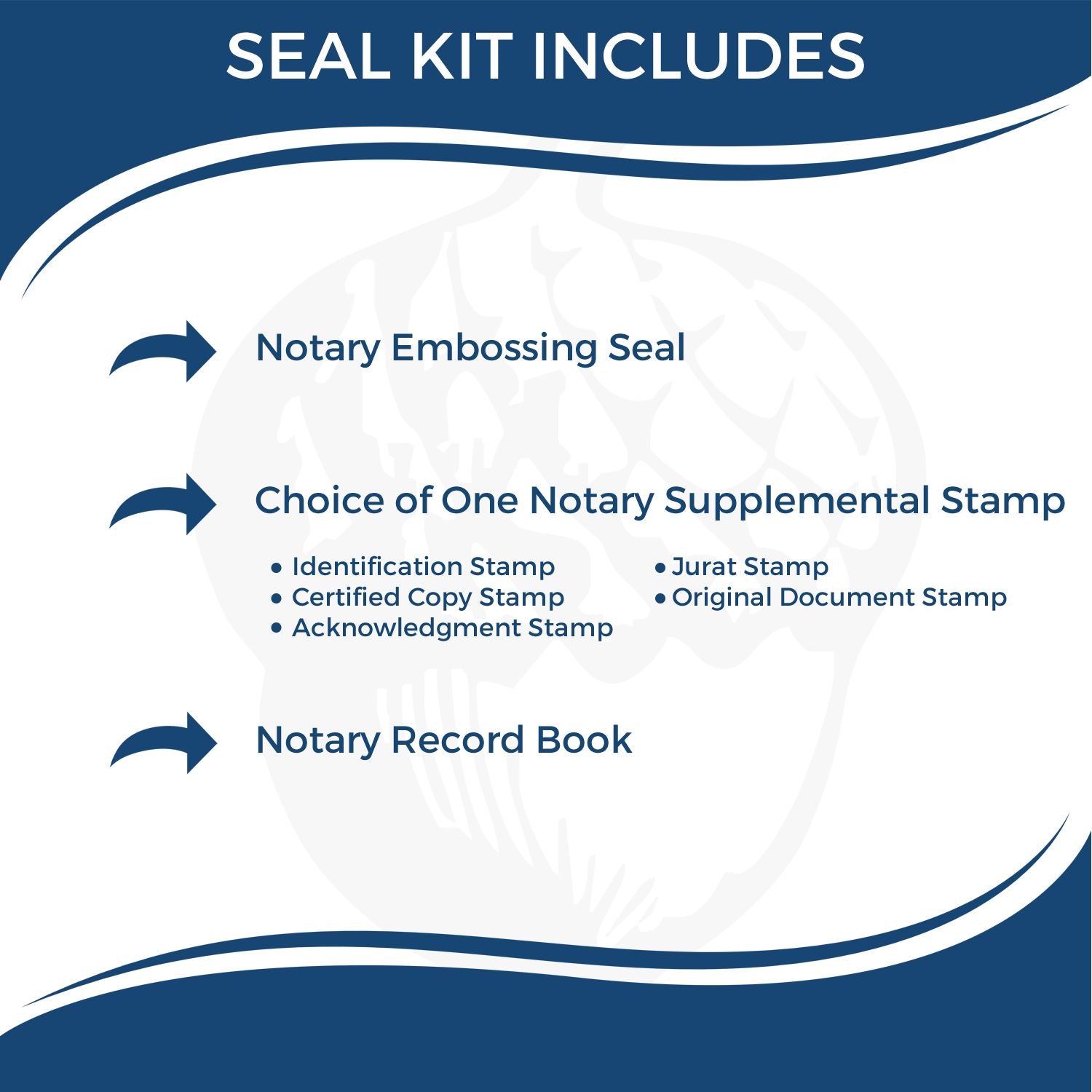
Stamps vs. Seals
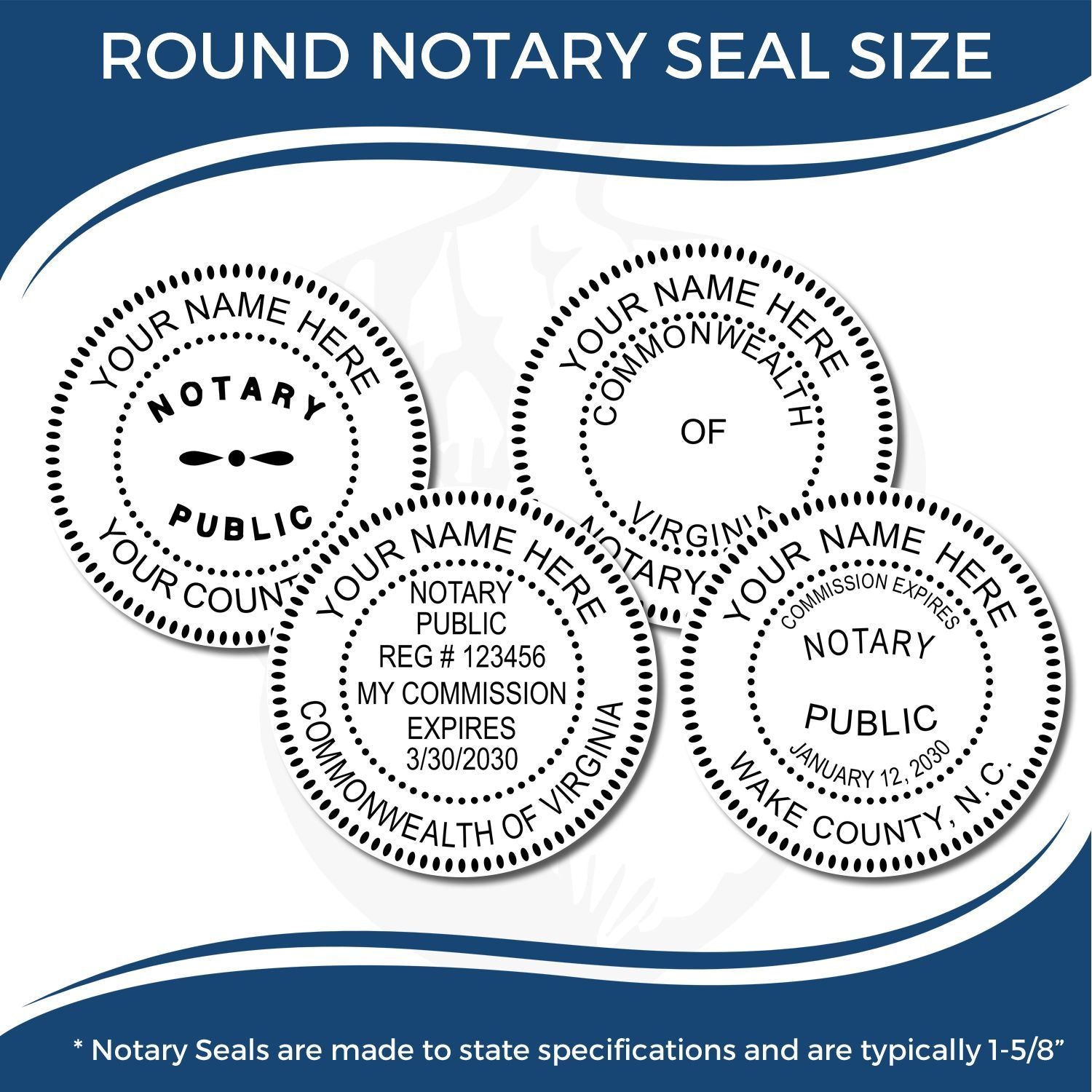
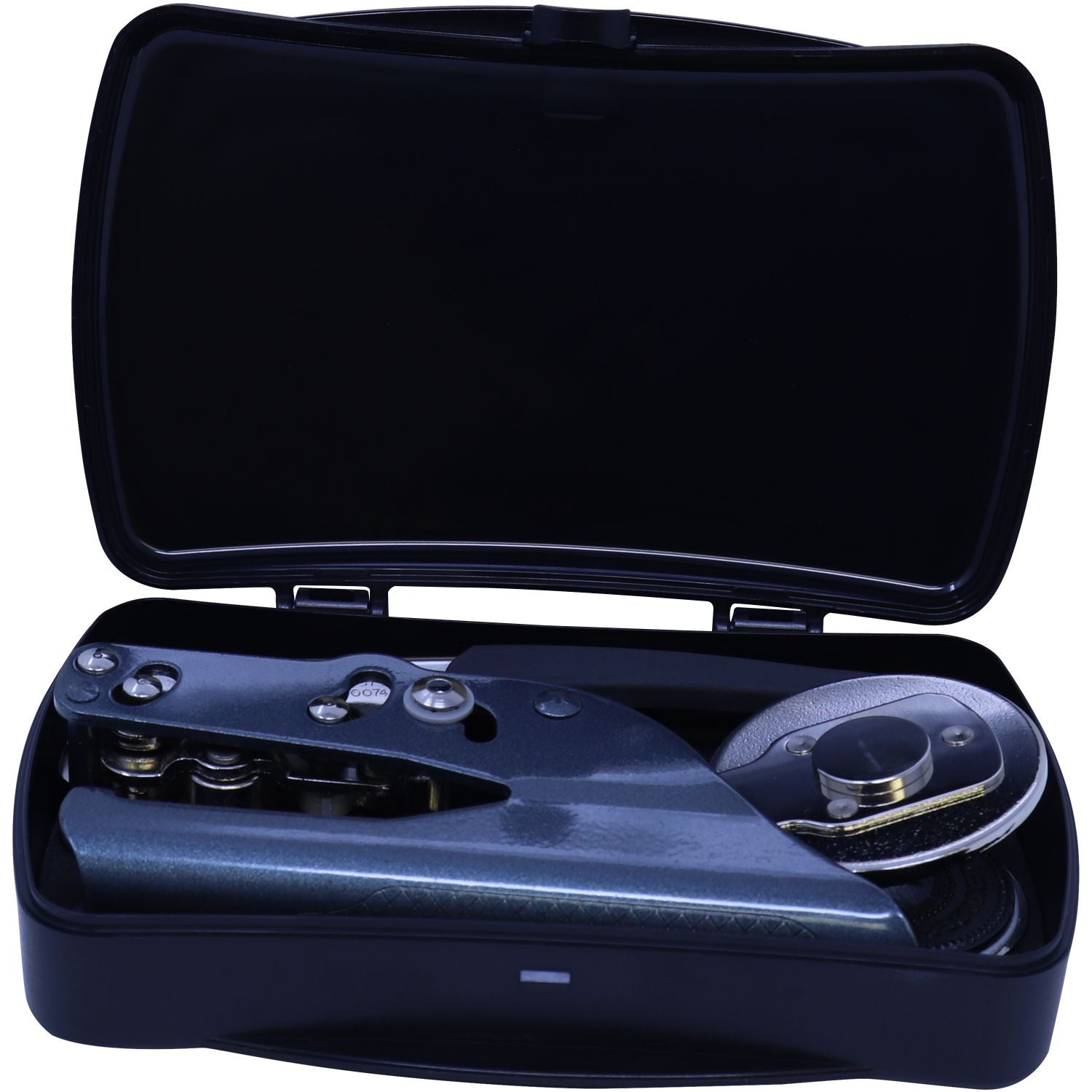
In some states, you’ll see the words “stamp” and “seal” used interchangeably. In many cases, both tools accomplish the same job, which is to leave an official impression on the document. However, a stamp uses ink to create a crisp mark, while a seal or embosser raises the paper surface. In New Jersey, a notary stamp is typically an ink-based device that meets the state’s legal guidelines.


Key Design Elements
- Name of the notary public.
- The words “Notary Public” and “State of New Jersey.”
- Clear and easy-to-read lettering.
Choosing the right size helps too. Smaller stamps are portable but can be harder to read, while oversized stamps might not fit neatly on some pages. Aim for a size that’s small enough to handle with ease yet large enough to be legible.
Rely on a Trusted Supplier
Shopping for a notary stamp shouldn’t feel stressful. Acorn Sales is here to make it simple. We’ve been in the stamp and seal business for over 60 years, supplying notaries with reliable and compliant products. We offer New Jersey notary supplies that follow the state’s regulations, so you can get your stamp and start notarizing quickly.
When you order from Acorn Sales, you’ll get:
- Quick turnaround on all notary stamps.
- High-quality impressions that fully meet New Jersey requirements.
- Friendly customer support if you have any questions or need a replacement.
After all, making your notary life easier (and your paperwork more official) is what we do best.
Feel free to reach out if you have any more questions. By knowing the basics of New Jersey notary stamp law and getting the right supplies, you’ll be set to perform your notarial duties with total peace of mind. Happy notarizing!
Frequently Asked Questions
Do I Need a Specific Design for My New Jersey Notary Stamp?
Yes. The law requires that your stamp or seal include your name, clearly indicating you are a notary public in New Jersey.
How Long Does It Take to Receive My Stamp After Ordering?
Acorn Sales typically ships notary stamps promptly. Many customers see them arrive within a few business days, but exact timing may depend on your location and shipping preference.
Am I Allowed to Use an Embosser Instead of an Ink Stamp?
Although embossers are allowed in some states, a clear ink stamp is usually recommended for New Jersey. Ink is easier for record-keeping and photocopying. Always check the latest regulations to be sure.
How Often Should I Replace My Stamp?
That depends on your usage. A properly maintained stamp will produce sharp, readable impressions for a long time.








