
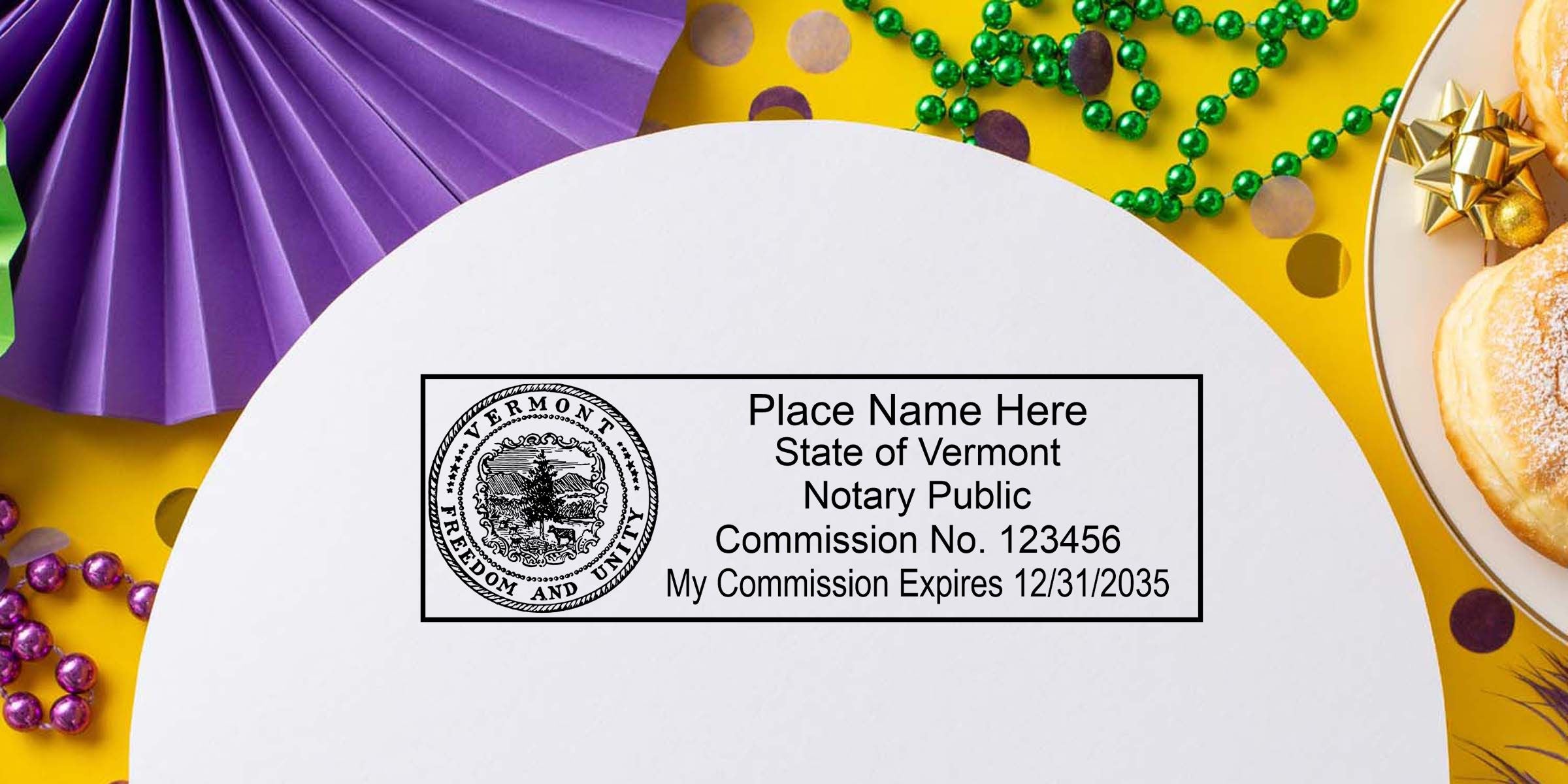
Have you ever wondered what all the fuss is about with notary public stamps? These small tools play a big role when you’re certifying documents. If you sometimes feel a bit lost navigating the stamping process, you’re not alone. In this overview, you’ll learn what these stamps are, how they’re used, and why they matter so much.
Discover notary public stamps
Notary public stamps are official marking devices that notaries use to validate signatures and important paperwork. They create a distinct impression or ink seal that confirms a document’s authenticity.
- Each stamp includes specific details, like your name and commission details.
- They indicate that you followed all the official procedures during the notarization.
- Stamps differ by state requirements, but they all serve the same core function: to lend credibility to a signed document.
When you see one of these stamps on a document, it tells everyone, “This document is legit.”
Pick the right features
If you’re shopping for your own notary stamp, you might notice different shapes, sizes, and ink colors on the market. Choosing the right fit often depends on your personal preference and your state’s guidelines.
- Self-inking vs. traditional rubber: Self-inking stamps are handy if you want consistent clarity and fewer messes. Traditional rubber stamps require an ink pad but can be more budget-friendly.
- Round vs. rectangular: Round designs often feature a more formal look, while rectangular stamps can save on space.
- Ergonomic handle: If you sign and stamp documents daily, picking a comfortable grip can make your workday easier.
When in doubt, check your state’s official guidelines or consult with a supplier to confirm that your design meets all requirements.
Understand typical uses
Notary public stamps come into play whenever you need to ensure a document is properly witnessed. They’re used across a wide range of paperwork, such as property deeds, affidavits, and power-of-attorney forms.
- Property transfers: Stamps help confirm the accuracy of property deeds, especially in real estate transactions.
- Affidavits: When you need to swear under oath that something is true, notary stamps certify that process.
- Financial documents: Loan forms, mortgage papers, and other financial agreements often demand a notary’s seal.
Because this tool has so many uses, it’s a staple for certified notaries who want to remain efficient and professional.
Check out Acorn Sales
Looking for a reliable partner for your notary stamping needs? Acorn Sales has been crafting notary public stamps and seals since 1964. We’re known nationwide for our quick production times and consistent quality. In a hurry? We ship orders fast so you can keep things moving.
Plus, our official notary seals and stamps include a state board guarantee, meaning they’ll be accepted wherever your commission is valid. If you’re curious about other customization options, feel free to explore our notary public seals to see how a seal might complement your new stamp.
Key points to remember
- Select a stamp that meets your state requirements and suits your workflow.
- Self-inking and traditional rubber are both popular choices, each with unique benefits.
- Remember that round stamps offer a classic look, while rectangular ones can save space.
- Notary stamps are essential for property deeds, affidavits, and more.
- Acorn Sales provides quick shipping and a state board guarantee to keep your paperwork hassle-free.
When you’re ready to buy, make sure you pick a notary public stamp that’s built to last. A high-quality, properly designed stamp won’t just look good on the page, it’ll also stand up to frequent use. Happy stamping!
Frequently Asked Questions
What information is required on a notary public stamp?
A notary public stamp typically includes the notary’s name, commission number, commission expiration date, and state of commission. Exact requirements vary by state, so it’s important to check your state’s official notary guidelines before ordering a stamp.
How do I choose the right notary stamp for my state?
The right notary stamp depends on your state’s design and content requirements. Start by confirming whether your state requires a round or rectangular seal, specific wording, or certain identification details. Then choose a stamp style, such as self-inking or traditional rubber, that fits your workflow and volume of notarizations.
Should I choose a self-inking notary stamp or a traditional rubber stamp?
A self-inking notary stamp has a built-in ink pad, making it fast, clean, and convenient for frequent use. A traditional rubber stamp requires a separate ink pad and is often a more budget-friendly option. Both can work well, but the best choice depends on how often you notarize and your preference for ease of use.
Which documents most commonly require a notary public stamp?
Notary public stamps are commonly used on property deeds, affidavits, power-of-attorney forms, loan documents, mortgage papers, and other legal or financial paperwork. The stamp helps verify that the notarization was completed properly and that the signer’s identity was confirmed according to legal requirements.
Which notary stamp mistakes should I avoid when ordering?
Common mistakes include using a stamp that doesn’t match state requirements, placing the stamp in the wrong location, using faded or unclear ink, and forgetting to include required commission details. To avoid problems, always make sure your stamp is legible, current, and approved for use in your state.
Where can I buy a high-quality notary public stamp that meets state requirements?
You can buy a state-compliant notary public stamp from a trusted supplier that specializes in notary supplies. Look for one that offers quick turnaround, durable materials, and a state board guarantee to help ensure your stamp will be accepted wherever your commission is valid.








