
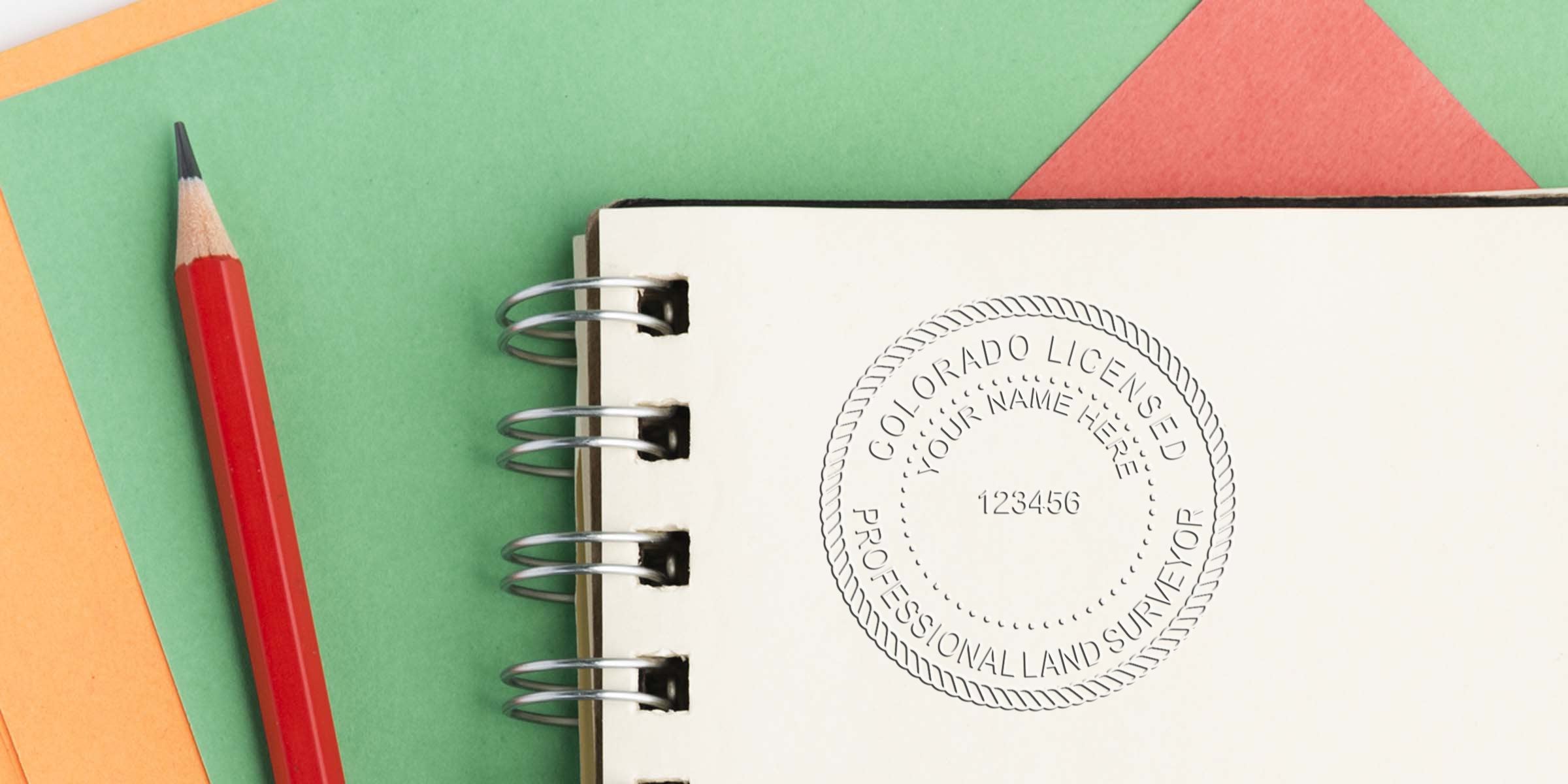
If you’re a licensed land surveyor in Colorado (or hoping to become one), chances are you’ve come across questions about Colorado land surveyor stamp size. This detail might seem small, but it can have a pretty big impact on how official your documents look and whether they meet state regulations. In the next sections, you’ll learn how to choose the best-sized stamp, what’s required by Colorado licensing standards, and why these details are worth getting right. By the end, you’ll feel confident about handling your land surveyor seal needs without a hitch.
Remember, your stamp or seal isn’t just another office supply. It represents your professional standing and your commitment to accuracy. Failing to follow the proper sizing guidelines could lead to confusion, rejection of your documents, or even questions about your credibility. So let’s make sure your seal is dialed in correctly and that you know all the ins and outs of the process.
Understand Colorado Land Surveyor Rules
Before we dive into sizing specifics, it’s good to understand the basic guidelines for Colorado land surveyors. The state has a licensing board dedicated to overseeing architects, engineers, and land surveyors. Together, these professionals shape the built environment and the accuracy of land boundaries, so their credentials must be crystal clear.
- The Colorado board sets forth the requirements for professional stamps and seals.
- You’ll typically need to display your name, your license number, and an indication of your licensure field on the seal.
- The design and text must be legible enough to make reading the information straightforward.
Legibility matters because your stamp will appear on official documents, including plats, maps, and reports. This is where sizing comes into play. Too small, and you risk an unreadable seal. Too large, and the seal might dominate the page or even blur if your stamp is not made with precision. Colorado wants you to find that sweet spot.
By understanding these rules first, you’ll have a better sense of why the next steps are critical. After all, land surveying is all about accurate measurements, so it only makes sense that the stamp used to certify your work is also precise and compliant.
Know Why Stamp Size Matters
You might wonder, does a single inch difference here or there really matter? Absolutely. Because your stamp includes vital details about you and your license, it needs to be neither too tiny nor comically oversized. After all, your clients, peers, and local authorities rely on your documentation, and clarity is a must.
Stamp size has a direct effect on:
- Legibility: A stamp that is too small can cram text into a tight space, making phrases like “Licensed Professional Land Surveyor” tough to read.
- Professional Appearance: Documents with a neat, proportionate seal look polished and trustworthy.
- Compliance: Colorado licensing rules specify the layout, spacing, and readability of your stamp design.
Getting the stamp size right also prevents administrative back-and-forth. Imagine mailing in an official plat for county recording, only to have it rejected because the seal is illegible. The lost time (and potential frustration) can hurt productivity. By investing in the correct size from the start, you streamline your workflow and avoid do-overs.
So, if you’ve been on the fence about whether or not to measure your stamp carefully, the answer is a definite yes. Minimize headaches by making sure your seal meets state guidelines the first time around.
Pick The Proper Dimensions
Even though the state’s rules might shift over time, certain dimensions are often considered standard or recommended. Most commonly, professional land surveyor stamps in Colorado come in diameters around 1 5/8 inches or 2 inches. Some use rectangular or square stamps, but circular ones are especially prevalent in surveying.
Below is a quick comparison table of potential sizes you might encounter:
| Stamp Diameter | Common Usage | Readability Level |
|---|---|---|
| 1 5/8 inches | Smaller projects, tight document layouts | Legible if designed carefully |
| 2 inches | Widely used standard for many Colorado surveyors | Clear, easy to read, highly popular |
| 2 1/2 inches | Less common, might accommodate more text | Can feel oversized for small pages |
While a 1 5/8-inch seal can work if you have minimal text and a crisp design, many surveyors find a 2-inch diameter hits the sweet spot. It offers enough room for the necessary text without monopolizing the blueprint or map space. Ultimately, pick the dimension that strikes a balance between legibility and space constraints on your specific documents.
If you aren’t sure, always check with the Colorado licensing board for the latest recommendations or consult the official design guidelines. You might also ask colleagues in your area what size they use, since local counties can differ in how they review your documents. A little extra research up front can save you time and money when it’s time to stamp official materials.
Evaluate Key Design Elements
Beyond just the size, pay attention to the design details that make up your Colorado land surveyor stamp. Your seal must include:
- A clearly displayed name (exactly as listed on your license)
- Your license number in numerals that match or align well with the text
- The words “Professional Land Surveyor” or a close variation required by state rules
- Any additional indicators mandated by the Colorado board
Design clarity depends on how these elements fit together within the stamp’s border. To ensure they remain readable, confirm that the font isn’t too tiny. If you’re using decorative outlines, maintain enough space so that the text doesn’t blend into the border.
Here are some tips for strong design:
- Choose a simple font that looks good in small sizes.
- Keep spacing consistent between each line of text.
- Confirm the seal’s outer ring doesn’t crowd the letters or your license number.
You’ll also want to consider whether you need an ink or embossed seal. Ink-based rubber stamps are typically more popular because they’re quick and easy to apply. Embossers create a raised impression, adding a touch of formality but sometimes being trickier to read if the paper is thin. Whichever you choose, make sure the layout remains crisp and easy to identify.
Follow Compliance Requirements
Every state has unique guidelines, and Colorado is no exception. Because your seal has legal significance, it’s essential to confirm that every element meets local codes. Most of the time, the requirements are straightforward: maintain the correct wording, use your legal name, and follow the proper layout. However, last-minute updates can and do happen.
Here are steps to stay compliant:
- Visit the Colorado licensing board website each year and check for updates or announcements.
- Ensure your contact information is correct so you can receive email notifications about rule changes.
- Keep a printed or digital reference of the official stamp rules so you can verify new orders or redesign any time you need a fresh seal.
You might also ask: “Do I need to sign or date across my stamp?” In many cases, yes. Colorado typically requires your handwritten signature (and possibly the date) overlapping the seal on official documents to demonstrate authenticity. Any confusion over whether a stamped document is legitimate can be resolved by a handwritten signature that’s partially on and partly off the seal.
Staying on top of these details ensures you won’t face rejections from local departments. It also keeps your license in good standing, reflecting your professionalism both to clients and regulatory bodies.
Partner With A Reliable Supplier
Choosing the right supplier goes a long way toward getting a stamp that meets all your needs. At Acorn Sales, we’ve been crafting professional stamps and seals since 1964, and we know exactly how to help land surveyors get the right size and design. We understand the Colorado guidelines and can customize your stamp to meet or exceed state requirements.
When you order a stamp or seal, you also want peace of mind. That’s why we offer a free digital seal with your purchase. It’s perfect for those times you need to submit electronic documents or simply want a backup. Working with a supplier that understands your profession can save you from frustration down the road.
If you need a straightforward place to order your official seal, you can check out our colorado land surveyor stamp page, where you’ll find options that fit the standard 1 5/8-inch or 2-inch diameter. You’ll also see embossers, self-inking stamps, and other accessories. Every order is crafted with precision, so you won’t have to worry about sloppy text or incomplete impressions.
We know that being a land surveyor isn’t just a day job. You’re capturing essential data, providing clarity on boundaries, and helping shape land use throughout the community. That’s why the equipment you use should be top-notch. We hope to share our expertise and make the process smoother, especially if you’re tackling these requirements for the first time.
Wrap Up The Details
Making sure you’ve got the right Colorado land surveyor stamp size might feel like a small job on your to-do list, but it’s an essential one. Your seal validates your professional standing and underlines the credibility of your work. From ensuring the text is easy to read, to using the correct diameter, these details reinforce your commitment to accuracy.
If you still have questions about which dimensions or design features best fit your needs, take a moment to consult the Colorado licensing board’s official guidelines or talk to your peers who’ve navigated the process. And if you need a reliable partner for stamps and seals, consider Acorn Sales. We’ve been doing this since 1964, and we’ll help you create a clear, compliant seal that stands the test of time.
By following the steps outlined here, you’ll set yourself up for smoother document approvals and a confidence boost that comes from knowing you’ve handled the details properly. After all, when everything is stamped and sealed correctly, you can pour more energy into the part that matters most—delivering high-quality land surveying services to every client you serve.
Frequently Asked Questions
How Quickly Can I Get MyColorado Land Surveyor Stamp?
Delivery times vary based on shipping methods and customization choices, but most orders from a reputable supplier, such as Acorn Sales, can be produced and shipped within a few business days. If you need something sooner, contact the supplier to discuss rush options.
Do I Need A 2-Inch Stamp, Or Can I Go Smaller?
Both 1 5/8-inch and 2-inch diameters are commonly accepted. A 2-inch diameter often provides the best readability, but if you have design constraints or need to fit the stamp into smaller margins, 1 5/8 inches might suffice. Always check with the Colorado board to ensure compliance.
Are Digital Seals Valid For Official Documents In Colorado?
Many regulatory agencies do accept digital seals, especially if they include a secure, traceable signature. However, it’s wise to confirm with the specific department or project manager before relying solely on a digital seal. You may need an original ink or embossed impression on certain documents.
What If I Lose My Stamp Or Move To A New Address?
If you misplace your stamp or your address changes, the first step is usually to notify the Colorado licensing board so they can update their records. Then, you’ll want to order a new stamp that reflects your up-to-date license info. Be sure to confirm that your name, license number, and any other details are correct before finalizing the purchase.








