
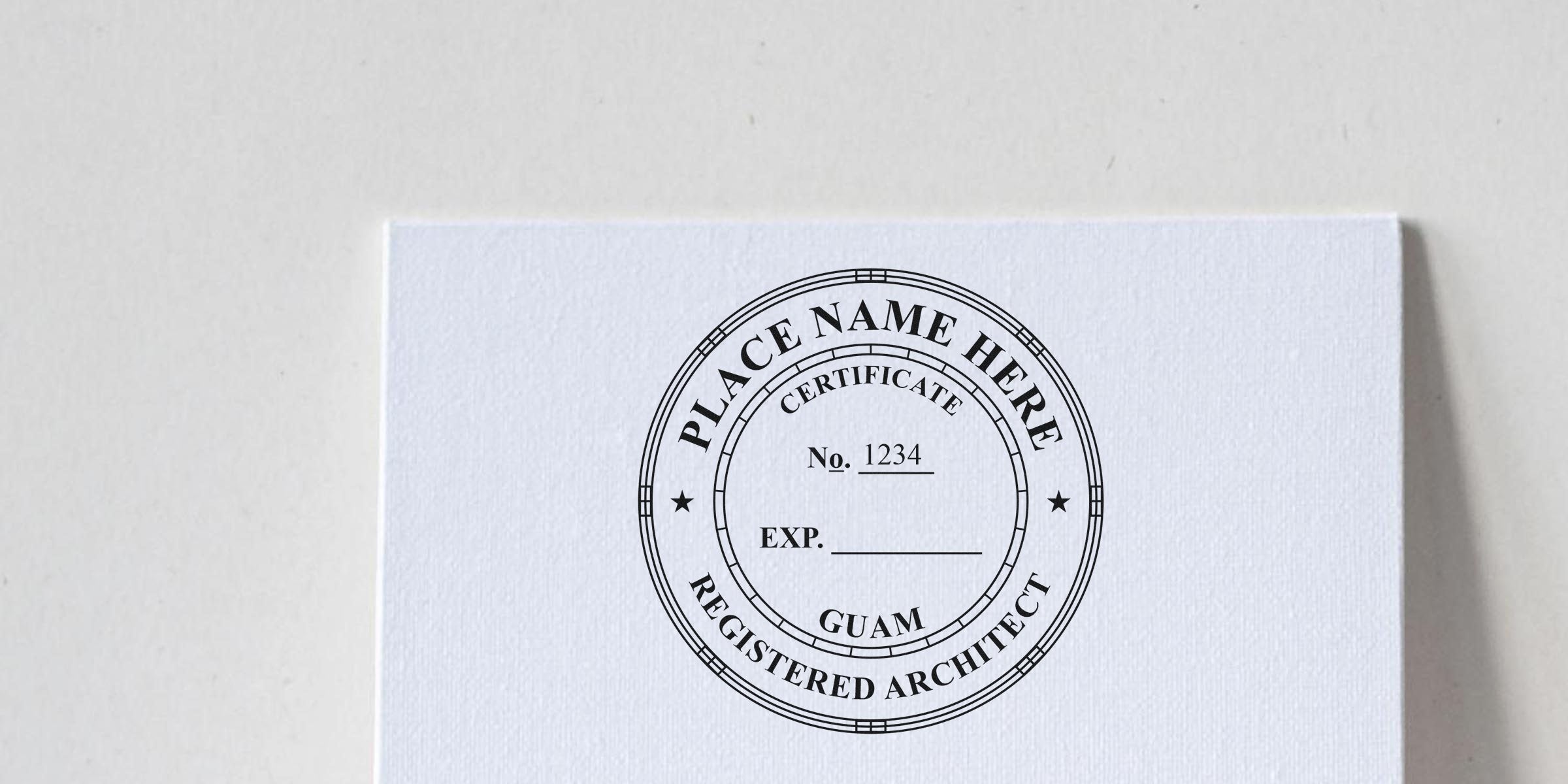
Wondering about guam architect seal requirements? If you’re planning on practicing architecture in Guam, or you simply want to keep your credentials in check, understanding the rules around your seal is a must. After all, it’s not just about stamping documents—it’s about safeguarding your professional reputation and complying with local regulations.
Understand Guam Architect Seal Requirements
A professional seal is more than a decorative mark on your drawings. In Guam, architects are required by law to use a state-compliant seal whenever they submit plans, specs, and other official documents. This seal verifies:
- Your authenticity as a licensed architect.
- The project’s compliance with local building codes.
- That your stamped documents meet regional standards for quality and safety.
Why The Seal Matters
Seals help ensure public trust. When you attach your official stamp to a blueprint, you’re saying, “Yes, I’m a licensed professional, and I stand by this work.” Guam’s regulations exist to protect consumers and local communities. The seal:
- Confirms that your design meets safety guidelines.
- Protects the validity of your professional status.
- Helps educate clients about your role and qualifications.
Key Elements Of The Guam Seal
Your Guam seal has specific design criteria. Although the look can vary slightly, most stamps include:
- Your full name as it appears on your license.
- The words “Registered Architect” or a variation required by Guam’s board.
- Your license number in an easily readable format.
- A circular or rectangular border with the official jurisdiction reference.
A digital seal, often referred to as a digital architect stamp, must incorporate these same elements if used for electronic submissions. Make sure any digital file you use is high-resolution and clear, just like a physical impression.
Selecting A Trusted Supplier
Getting your seal from a reputable provider matters as much as knowing the requirements. At Acorn Sales, we’ve been creating stamps and seals for over 60 years, offering reliable options for design professionals. Our quick turnaround times mean you’ll get your seal fast, without compromising on quality.
We also make sure our seals and stamps comply with all the latest regulations in Guam. Whether you need a physical seal or a digital version, you can choose from our:
- Guam architect stamp
- Guam architect seal (pre-inked or self-inking)
- GU architectural seal stamps
- Digital architect stamps and seals
Tips For Proper Usage
Once you have your official seal, the next step is using it correctly. A few best practices include:
- Stamping Clearly: Make sure every impression is readable, with no smudges.
- Double-Checking Documents: Keep an eye on each page that requires stamping, so you don’t miss any.
- Maintaining Ink Levels: If you use a self-inking stamp, top off the ink or replace it when impressions fade.
- Storing Securely: Keep your seal in a safe area to prevent unauthorized use.
Absolutely. Many architects order both a traditional stamp and a digital seal, providing flexibility for paper and electronic submissions.
By tending to the finer details of Guam’s official criteria, you’ll maintain smooth operations and uphold your professional integrity. If you’re ready for a quick turnaround on a new state-compliant seal, Acorn Sales is here to help. Feel free to explore our selection or reach out with your questions. We’re happy to make sure you get the perfect seal to power your practice.
Frequently Asked Questions
Are Digital Seals Accepted In Guam?
Yes. Digitally sealed documents are often accepted, provided they meet Guam’s design requirements and are produced by a verifying authority.
Do I Need A Separate Seal For Each Project?
Generally, one seal suffices. You stamp all relevant documents for each project. Just ensure your seal is current and matches your valid license.
Does My Seal Need To Be A Certain Size?
The Guam board typically mandates a specific diameter (or shape and dimension), so check the official guidelines. Make sure your seal meets those size specifications.
How Often Should I Update My Seal?
Update your seal if your name or license status changes. Otherwise, it remains valid as long as your license is in good standing.
What If My Seal Loses Clarity Over Time?
Replace it promptly. A blurry or faded seal can cause document rejections and slow down project approvals.








