
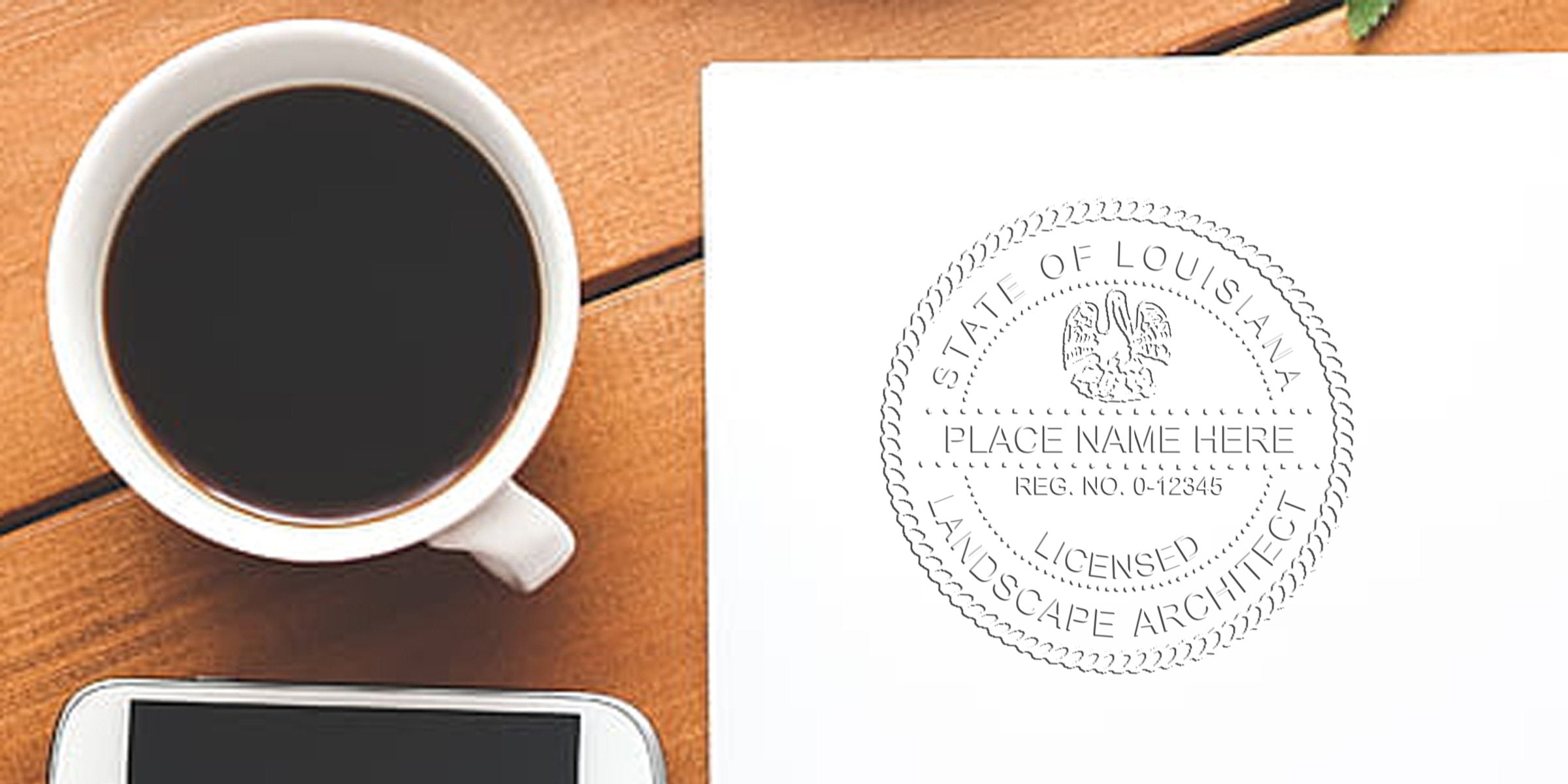
Are you wondering about Louisiana landscape architect stamp size and whether it really matters? Let’s be honest: there can be a lot of confusion around professional requirements, from official dimensions to proper usage. In this guide, you’ll find clarity on essential guidelines set by the state of Louisiana, discover how to secure a compliant stamp, and learn to apply it correctly. You’ll also get some practical tips on verifying your products, including a free digital seal option that can make your professional life a whole lot easier.
Understand The Louisiana Requirements
Louisiana takes professional licensing seriously, especially for landscape architects like you. When you’re registered and actively offering your services, you’re expected to stamp or seal certain documents before submitting them. The reason is straightforward: this stamp shows you take responsibility for the plan’s accuracy and authenticity. But how do you make sure you’re doing it right?
Why A Landscape Architect Stamp Is Essential
You might ask, “Can I just rely on my license number to prove I’m qualified?” In most cases, Louisiana’s regulations go beyond just a license number. Here’s why:
- The stamp validates that you’ve reviewed and approved a document.
- It gives clients, municipalities, and other relevant parties confidence in your professional credibility.
- It ensures accountability if there’s ever a question about the design’s legitimacy or safety.
Think of your stamp as your personal signature on a piece of art. Without it, your blueprint or plan could be considered incomplete or non-compliant. Plus, having a valid Louisiana landscape architect stamp at the ready streamlines your workflow by helping you avoid unexpected document rejections.
The Governing Authority
The Louisiana Board of Landscape Architects (LBLA) typically dictates the specifics around your stamp, from its dimensions to the exact wording or graphics. Always check the official regulations for the latest updates. If you accidentally use the wrong sizing or style, it could result in delays or resubmissions. Keeping pace with any requirement changes can save you a lot of time and hassle down the line.
Remember that while general rules apply, there can be additional recommendations depending on the nature of your project. For instance, if you’re working on a large-scale public park versus a private residential plan, the board might ask for more stringent stamping procedures.
Focus On The Correct Stamp Size
It’s easy to wonder how much difference a fraction of an inch makes on your stamp. But when it comes to official documents, precise measurements matter. You’ll need to ensure your seal is distinct enough to be clearly read and recognized. This isn’t just about following guidelines for the sake of formality, but also ensuring every detail on your project stands up to legal scrutiny.
Standard Dimensions And Clarity
In Louisiana, the recommended diameter for your seal—including text, border, and any identifying details—often falls between 1 3/4 inches and 2 inches. You should confirm any official requirement by checking LBLA documentation or speaking with an experienced supplier. That said, the most common choice tends to be around 1.75 or 2 inches in diameter, as it’s large enough for all the required text yet still compact on most printed sheets.
Dimensions for a typical Louisiana landscape architect stamp size often include:
- Sufficient space to display your name in a visible font.
- A clear circle or rectangular border region.
- Room for the words “Licensed Landscape Architect,” “State of Louisiana,” and your license number, if required.
One advantage of having a properly sized stamp is readability. Recipients of your drawings can verify the stamp instantly, eliminating any guesswork about its authenticity. This advantage comes in handy if a city clerk or project manager needs to confirm you’re operating under the correct state license.
Why Size And Placement Matter
Picture handing over a blueprint with a minuscule stamp or a blurred seal mark. That’s a recipe for confusion. If the stamp is too small, critical details might be overlooked. Conversely, an overly large seal can overpower the page, making it look unprofessional. Maintaining the right balance ensures the design stays tidy while meeting official rules.
Beyond aesthetics, proper placement is key. Generally, you’ll want to put your seal near your signature block or title block, ensuring that anyone reviewing the document can see both your name and the project details at a single glance. If you’re submitting multiple pages, repeat the correct stamp size on each sheet that requires your seal.
Purchase And Verification
Finding the right stamp for your Louisiana practice doesn’t have to be complicated. You can streamline the process by working with a trusted supplier that knows state regulations inside and out. After all, you want to place your order once and be certain it meets every rule.
Partner With A Trusted Supplier
Reputable vendors typically stay informed about any changes in Louisiana’s stamp and seal regulations, which is a huge plus for busy professionals. Acorn Sales, for instance, has been in business since 1964, helping registered professionals like you secure official stamps and seals. With decades of experience, they’ve set the bar for quality and reliability.
When you’re browsing their offerings, you can expect:
- Compliance with Louisiana’s dimension guidelines.
- Clear, crisp impressions.
- Durable construction so you aren’t frequently replacing your stamp.
- A free digital seal option included to help you manage electronic documents.
Digitizing your seal is especially practical if you’re submitting plans online or emailing them to clients. A digital format also ensures your stamp retains its correct size and layout in an electronic environment, minimizing the chance of files distorting or compressing incorrectly.
Check For Quality And Accuracy
Before you finalize any purchase, verify you’ve provided your correct licensing information and spelled everything perfectly. A single typo can lead to reprints or clarifications from the licensing board. It’s best to discuss custom designs or unique features with your supplier—some professionals prefer certain ink colors (like blue or green) that stand out on drawings. Regardless of color choice, never sacrifice clarity for style.
Pro tip: Always request a proof or sample impression. This way, you can confirm that your name, license number, and the wording meet Louisiana’s rules. A few minutes spent reviewing a proof now can save you days or weeks of delays if the final product needs adjustments.
Proper Usage Tips
Once you’ve secured a high-quality stamp that matches the recommended Louisiana landscape architect stamp size, how do you put it to good use? It might seem straightforward—you press the seal onto your document and call it a day—but there are a few best practices you’ll want to keep in mind.
Stamp Placement On Documents
Your seal should appear on every contract drawing or final document that requires legal validation. Typically, it’s positioned near or in the title block, but some practitioners prefer stamping near the bottom right corner where accession stamps and revision notes are added. Either spot is perfectly fine as long as you stay consistent for every page.
- Make sure the impression doesn’t overlap crucial design elements.
- Don’t stamp over your signature (it can make both illegible).
- Keep it upright, so text is easy to read and not cut off by page margins.
Handling Digital Submissions
With the rise of digital project management, you may find yourself submitting drawings and documents as PDFs or other electronic formats. The good news? Your free digital seal from Acorn Sales works just as well online as it does in print. Once you receive the official file, you can embed it in your documents at exactly the correct scale.
In many cases, you’ll be asked to provide an electronic signature along with your stamp. This step might require an additional security measure, such as a digital certificate, so that recipients know it truly belongs to you. Double-check the electronic sealing regulations in Louisiana to make sure you’re fully compliant.
Best Practices For Maintaining Compliance
Staying compliant in Louisiana requires occasional updates on your part—boards change or refine rules, technology shifts, and your own preferences may evolve. This is especially true if you plan to expand or pivot your services. A quick refresher can keep your stamping methods in peak form.
Documents Requiring Your Stamp
If you’re working on any official plans, drawings, or specs that will be submitted to clients, contractors, or public agencies, you’ll likely need your stamp. The main documents usually include:
- Official project proposals.
- Construction drawings for public or commercial spaces.
- Site plans for new or renovated residential areas.
- Permitting documents that require a professional’s endorsement.
Keep in mind that guidelines can vary based on a project’s scope. If you’re uncertain whether you need to place your seal on a specific sheet, check with the LBLA or your local permitting office.
Avoiding Common Pitfalls
Every once in a while, you see a plan with a faint, off-center seal or a severely smudged ink impression. These mistakes can hold up approvals, so it’s worth noting what not to do:
- Don’t apply too much pressure, which leads to ink bleed or ghost images.
- Don’t use an illegible color (light yellows or pastel inks are typically no-gos).
- Don’t forget to keep your stamp updated if you renew your license or change your name.
A little caution goes a long way. If you have a long day of stamping multiple pages, pause frequently to wipe off any excess ink from the stamp surface, ensuring each impression stays crisp.
Generally, no. Stamping someone else’s work implies you’ve taken professional responsibility for the content. If you didn’t create or thoroughly review the design, you shouldn’t stamp it. Doing so may violate ethical guidelines and could put your license at risk.
Wrapping It Up
When it comes to shaping beautiful outdoor spaces in Louisiana, your expertise as a landscape architect speaks volumes. But that expertise must be backed up by proper licensing, compliance with state guidelines, and a well-sized stamp that declares your authority on each sheet. A carefully chosen seal—complete with a clear, accurate impression—tells everyone who sees your work that you’re both professional and detail-oriented.
If you’re looking for a dependable partner in procuring your stamp, Acorn Sales has decades of experience (since 1964) and offers a free digital seal to make your workflow more efficient. It’s just one way to ensure your projects meet every state requirement, while still reflecting your personal touch. Go ahead, finalize your stamp details, keep an eye on any regulation updates, and enjoy the peace of mind that comes from delivering compliant, polished designs to your clients.
Frequently Asked Questions
What Is The Ideal Diameter For My Seal?
Most professionals opt for a 1.75-inch or 2-inch seal, which includes your license number, name, and state identification. These sizes balance readability on detailed design drawings. Always check with the LBLA for the latest guidance.
Can I Use A Customized Design?
You can often include a unique border or font style, provided the core details remain clear and match Louisiana’s rules. Any additional images or design elements should not distract from the stamp’s main text or create confusion for authorities or clients.
Do I Really Need A Digital Version?
A digital seal is incredibly helpful if you regularly submit electronic documents. It maintains proper sizing in e-files and can save you the hassle of printing, stamping, then rescanning pages. Acorn Sales provides a free digital seal with your purchase, making digital submissions more convenient.
Should I Reorder My Stamp If I Move Or Update My Name?
Yes, anytime major details associated with your license or business change, it’s best to order a new stamp that reflects your current information. Presenting outdated details on legal documents could complicate project approvals or your professional profile.








