
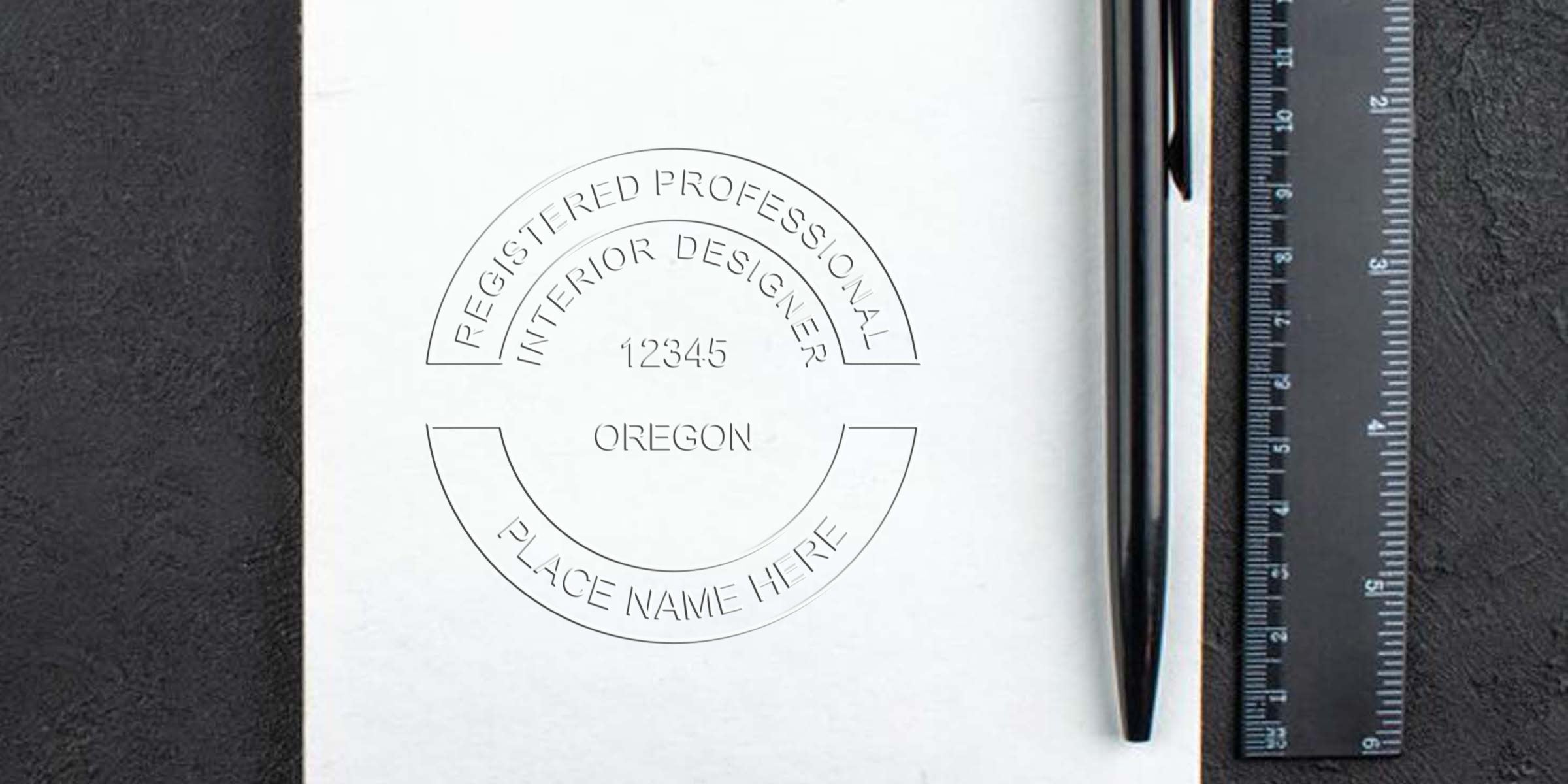
If you plan on working as a professional interior designer in Oregon, then you’ve probably heard about the need for an “interior designer stamp embosser Oregon.” This handy tool helps you authenticate your plans, proving that they meet state requirements and adhere to high standards. But what exactly goes into getting one, and why does it matter? In this post, you’ll discover how Oregon’s rules might affect your practice, why an embosser could be a smart investment, and how to make the most of your stamp or seal. Let’s clear the fog so you can focus on the creative aspects of being an interior designer.
Understand Oregon Requirements
Oregon recognizes interior designers who rely on professional seals or stamps to sign off on official documents. From floor plan approvals to renovation permits, these marks show that you’ve done your due diligence and you stand behind the work you produce.
Why Stamps And Seals Matter
Stamps and seals aren’t just bureaucratic hoops. They exist to ensure design quality and protect clients:
- They confirm your identity and qualifications.
- They help local authorities verify that documents meet regulatory standards.
- They reduce confusion by making it clear who’s responsible for the design.
By using a proper seal, you reinforce professionalism and a sense of trust. When someone sees that embossed imprint or stamped mark, they know you’ve followed Oregon’s protocols and meet the requirements for interior designers.
Paths To Certification
To become eligible for an Oregon interior designer stamp or seal, you’ll first need to secure any necessary certifications. Requirements may vary depending on your background, but you typically:
- Complete relevant education in interior design.
- Pass any required exams related to building codes or design ethics.
- Submit an application to the appropriate state board or authority.
Get these steps squared away, and you’re on your way to obtaining a recognizable Oregon interior designer stamp or seal for your practice.
Recognize The Value Of A Stamp Embosser
Once you’re registered, you’ll want to decide how you’ll present your official credential on design documents. You can choose an ink stamp or an embosser, or even both.
Physical Vs. Digital
Traditional stamps operate with ink, quickly marking your paperwork. Embossers crimp the paper, leaving a raised impression for a tactile and distinguished look. In Oregon, you might also use an electronic version, especially if you’re handling online submissions or digital documents. However, many interior designers still prefer a physical seal for:
- Document authenticity, giving a physical mark that can’t be easily altered.
- Enhanced presentation, showing clients and officials that you’re serious about upholding professional standards.
Key Benefits In Oregon
Oregon’s municipal offices sometimes require physically stamped or embossed documents, especially for building projects. Even where digital documents are allowed, a top-quality seal is wise. It demonstrates that you care about the finer details, and it leaves a professional mark on your files. If you’re exploring new ways to stand out in a competitive market, a crisp seal can help signal that you deliver a polished client experience.
Follow Oregon Interior Designer Rules
Before you press your seal on every file, it helps to understand the foundational rules that govern the design profession in the state. By keeping up to date, you avoid fines or rejections that can hold back your projects.
Staying Compliant
Your stamp is only valid if you adhere to Oregon’s interior designer guidelines. That means:
- Maintaining your license or registration with the state.
- Keeping your contact information current.
- Utilizing the seal responsibly and ensuring it’s not used by anyone else.
It’s a good idea to store your stamp or embosser in a safe place, so it doesn’t fall into the wrong hands. That’s especially true if you have multiple team members or share an office with colleagues.
Renewal Tips
Many professional requirements in Oregon involve periodic renewals, sometimes every two or three years. To stay in the loop:
- Set calendar reminders for renewal deadlines.
- Watch for official reminders from state boards or agencies.
- Keep records of any continuing education or training you’ve completed.
Regular renewal ensures your stamp or seal remains up to date. When you’re on top of renewals, you sidestep last-minute scrambles that can slow down your projects.
Select Your Ideal Stamp Or Embosser
With your official credentials in place, you’ll want to choose the right tool. Oregon interior designers can typically pick between:
- Traditional rubber stamps with ink.
- Embossers that leave a raised mark.
- Digital seals for online submissions.
Sometimes, you’ll need both a stamp and embosser to handle different types of paperwork. If you’re unsure whether you should get one or the other, let’s lay out a quick comparison:
| Feature | Stamp | Embosser |
|---|---|---|
| Appearance | Flat, inked impression | Raised, tactile imprint |
| Typical Use | Standard documents, quick approvals | Formal projects, official seals |
| Ease of Transport | Lightweight, compact | Slightly bulkier, needs sturdy grips |
| Impression on Copies | Reproduces on photocopies or scans | May be less noticeable in scans |
If you often submit documents in person, an embosser is a great way to give an official feel. Meanwhile, rubber stamps are fast and easy to share on paper copies. Depending on your workload, you might go for both to cover every scenario.
Tips For Proper Use
Here are a few pointers to get the best results from your stamp or embosser:
- Experiment with sample documents before stamping an official plan. Check alignment and readability.
- Press or crimp with consistent pressure, ensuring the design is crisp.
- Keep ink pads fresh. This helps the stamped text and design remain clear.
- Store devices in a clean, dry area. Moisture or dust can degrade the imprint.
Using your seal correctly gives you peace of mind. After all, you don’t want your documents turned down because the seal was smudged or incomplete.
Grow Confident With Acorn Sales
When you’re ready to purchase a professional Oregon interior designer stamp or embosser, it pays to choose a reputable supplier. That’s where Acorn Sales steps in. We’ve been in business since 1964, and we understand that reliability matters in your line of work.
Free Electronic Seal
While you may rely on a physical stamp or embosser for certain documents, there’s nothing like having a digital backup. Acorn Sales includes a free electronic seal with many of our stamp and embosser purchases for Oregon. This add-on lets you:
- Quickly mark e-documents without scanning or printing.
- Present a polished, professional look in digital-only submissions.
- Retain consistent branding across both online and traditional formats.
It doesn’t matter whether you prefer a classic handheld embosser or a sleek pre-inked stamp. You’ll still get that digital copy for those times you’re juggling documents online.
Trust Built Since 1964
We understand that your reputation is on the line every time you seal a document. That’s why Acorn Sales aims to make your stamp-buying process as seamless as possible:
- Our stamps and embossers meet Oregon’s guidelines for interior designers.
- Every product is built to last under consistent use.
- You’ll get dedicated support if you have questions or need help ordering online.
We know that rules and requirements can be tricky to navigate. So if you’re ever feeling unsure, our team is here to help you confirm that your chosen seal or embosser matches Oregon’s official specs.
Final Thoughts
Securing the right Oregon interior designer stamp or embosser might feel like just another task on your to-do list, but it’s one that underscores your professionalism. By staying up to date with the state’s requirements, keeping your credentials current, and investing in a reliable supplier like Acorn Sales, you can streamline the whole process. Then you’re free to focus on what you do best: creating impactful spaces that your clients love.
If you’re ready to get started, consider which style of seal best fits your work style, gather your registration information, and explore the available options. Once you have that perfect stamp or embosser in hand, it’ll be your finishing touch on every plan, presenting your commitment to quality and design excellence with absolute confidence.
Frequently Asked Questions
Do I Need An Embosser If I Already Have A Stamp?
Not necessarily. Many interior designers use just one or the other. However, some feel more confident having both. Embossers raise the paper, giving an official look and feel, while stamps offer quick ink impressions that copy well.
How Do I Know If My Seal Will Be Accepted By The State?
The best way to confirm acceptance is to check Oregon’s official guidelines and design requirements. You can also look at oregon interior designer stamp requirements or contact the relevant licensing board. If you order from Acorn Sales, we’ll work with you to ensure your seal meets state rules.
Can I Share My Stamp With A Colleague?
It’s generally discouraged to share a personal stamp or embosser. If another person applies your seal, it could appear that you approved drawings or documents you never reviewed. In Oregon, you should keep your seal for your own use to maintain professional accountability.
What’s Included With My Purchase From Acorn Sales?
You receive the actual stamp or embosser itself, plus a free electronic seal file for digital use if that’s part of the offer. We’ll also supply instructions on how to set up and maintain your seal. Should you encounter any issues, our support team is ready to assist.
Where Can I Learn More About Oregon Stamp Requirements?
A great place to start is your state’s licensing board resources. For a concise overview tailored to interior designers, check out oregon interior designer stamp requirements. You’ll find more detailed instructions there on everything from submission deadlines to the latest design regulations.








