
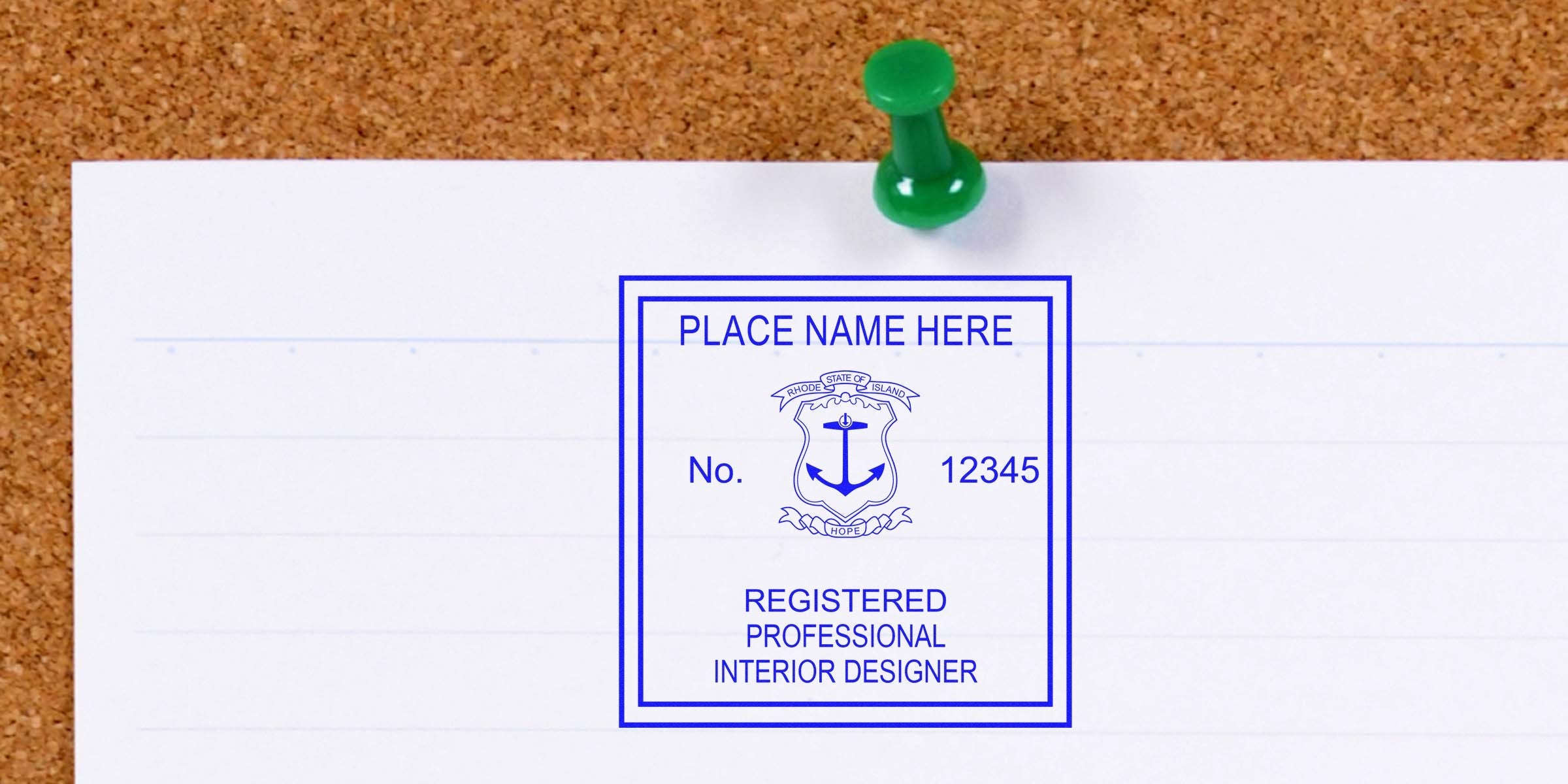
If you’re an interior designer practicing in Rhode Island, you’re probably juggling multiple projects, client meetings, and a seemingly endless list of tasks. At some point, you’ll come across Rhode Island interior designer stamp guidelines and wonder where to begin. You’re not alone, and it’s not as complicated as it might seem. With the right stamp, a clear understanding of the regulations, and a few organizational tips, you can streamline your documentation and stay fully compliant with state requirements. Let’s dig into what you need to know.
Understand The Stamp Guidelines
Rhode Island’s interior designer stamp guidelines exist to protect both the designer and the public. If you’re working on projects that involve official drawings, specifications, or other documents that require your professional sign-off, the stamp demonstrates your credentials and accountability. The state wants to ensure anyone presenting themselves as an interior designer truly meets the standards set out for this title.
Purpose Of A Rhode Island Interior Designer Stamp
The stamp or seal indicates you’re licensed or authorized to practice interior design in Rhode Island. When you apply it to your plans, you’re verifying that the work meets professional guidelines. It also provides a sense of security to clients and regulatory bodies because it confirms that you stand behind the accuracy and integrity of the design.
Most importantly, the stamp promotes trust. Clients count on you to create functional, safe, and visually appealing spaces. Your stamp says, “I’ve been approved by the state of Rhode Island to do this job right.”
Key Requirements And Regulations
While the specific regulations can evolve, you can expect a few standard must-haves:
- Your legal name and professional title should appear in or around the stamp.
- The stamp’s design must conform to Rhode Island’s laws on size, shape, and legibility.
- Each application of the stamp should clearly identify the interior designer on the project drawings.
If you have any doubts, it’s wise to confirm through the state’s licensing board or official regulatory agency. Keeping updated is crucial, especially if you’ve been practicing in other states with slightly different protocols.
Comply With State Regulations
You’ll want to remain on the right side of state regulations every time you apply your stamp. Doing so helps you avoid penalties and keeps your work aligned with Rhode Island’s professional standards. It might feel like an extra step, but compliance is a cornerstone of a successful interior design practice.
Official Rules For Stamp Usage
Interior designer seals in Rhode Island typically have official specifications, though the laws often mirror general guidelines across industries. You may need to ensure:
- The seal you use matches your official name and license number.
- The imprint remains clear and legible, without smudges or fading.
- All stamped documents reflect your direct involvement in the project.
Additionally, check for any mention of digital or electronic seals. Some states are moving toward approving electronic stamping options for a paperless workflow, so ask your regulatory board if e-seals are acceptable and whether they differ from physical stamps.
Ensuring Accuracy And Legibility
It’s not enough just to apply a stamp; it has to be perfectly readable. A faint or smudged impression can lead to confusion down the road, especially if the document ends up in the hands of a municipal building official. You never want your design to be delayed because someone can’t confirm your license information.
A quick trick is to practice stamping on scrap paper before applying it to the final document. If the ink runs low, replace it. If you see uneven impressions, adjust your pressure. While it may sound basic, these small details can prevent bigger headaches.
Choose The Right Stamp
You’ll find multiple types of stamps on the market. Selecting the right one will save you time and help you present a professional image to clients and regulators. Think about your day-to-day routine—if you stamp large volumes of documents, a certain style might suit you better than another.
Traditional Vs. Self-Inking Stamps
- Traditional Rubber Stamp: Often requires a separate ink pad. You manually press the stamp onto the pad, then onto the paper. This route can give you more control over ink distribution, though it can be messier if you’re not used to it.
- Self-Inking Stamp: Built-in ink pad that re-inks between impressions. These stamps can be quicker, cleaner, and easier to use in a fast-paced office environment. They’re convenient if you’re frequently stamping multiple documents.
Ultimately, the best choice depends on personal preference and budget. Self-inking stamps tend to cost more upfront, but they’re often the go-to for professionals eager to avoid fussing with separate ink pads. The key is readability, so whichever format you pick, confirm that it produces a clear impression.
Where To Order
High-quality stamps are typically available through reputable suppliers. Look for companies that specialize in professional and compliance-related stamps. You can often specify your license information and finalize a design that meets Rhode Island’s requirements.
If you need a direct place to start, you might consider the rhode island interior designer stamp offered by Acorn Sales. Acorn Sales has been making stamps and seals for more than 60 years, backing each product with long-standing expertise. You’ll also find they include a free electronic seal with your purchase, which can be a major time-saver if you’re filing any digital documents.
Maintain Proper Documentation
Stamps aren’t the only administrative pieces you’re juggling. As an interior designer, your projects typically produce copious notes, drawings, color boards, specifications, schedules, and more. If your work is scattered, it’s easy to lose track of which documents have been stamped and which haven’t.
Insight On Record-Keeping
Set up a system to track all your design files. You might adopt a simple folder hierarchy in cloud storage—one folder for each project, with subfolders for stamped documents and unstamped drafts. Label each document version clearly, including the date. Hint: “ProjectNameStamped2025-10-02” can work wonders if you ever need to look up a file under deadline pressure.
Hang onto stamped drawings for a defined retention period. Requirements vary, but many industry professionals keep them for a minimum of five years. It’s also wise to maintain a log of every stamp usage, especially for large-scale commercial projects. If you’re ever questioned about who stamped which page, you’ll have a handy record.
Work With A Trusted Supplier
All stamps are not created equal. A consistent, crisp impression is crucial, and you want a supplier who understands the precise specifications of a Rhode Island interior designer seal. With the right partner, you won’t be stuck in a never-ending cycle of returns or corrections.
About Acorn Sales
Acorn Sales is a long-standing supplier offering reliable, professional-grade stamps and seals tailored to industry guidelines. Their products are specifically designed to meet compliance standards in different states, including Rhode Island. Here’s what you can expect:
- A free electronic seal with each purchase, allowing you to quickly place e-seals on PDF documents or other digital files.
- More than 60 years of experience, meaning they’ve seen it all and can guide you if you’re unsure about sizing or design.
- Swift shipping and solid customer support, so you can get back to focusing on design instead of wrestling with stamp logistics.
You don’t want to gamble on a subpar stamp that might fail mid-project. Going with a proven source ensures your stamp meets all Rhode Island interior designer stamp requirements and continues to print sharp impressions over time.
Acorn Sales stands out for their proven track record and specialized knowledge. Their stamps are built with professional demands in mind, and they offer a free electronic seal for designers who handle digital documents. Their 60-plus years of industry experience give them insights into state-level variations, so you won’t run into compliance issues down the road.
Wrap Up And Next Steps
Paying close attention to Rhode Island interior designer stamp guidelines may not be the most glamorous part of designing a show-stopping office or trendy restaurant, but it’s essential. When you follow the rules, you boost your professional image, ensure legal compliance, and give clients confidence in your services. Whether you opt for a traditional rubber stamp or a convenient self-inker, be sure you use a design that meets Rhode Island’s regulations and gives a clean, legible impression every time.
If you’re on the hunt for a reliable resource, consider checking out Acorn Sales for your rhode island interior designer stamp. Their long history in the industry and free electronic seal can simplify your workflow, letting you focus on what you love: creating beautiful, functional interiors. With the right tools and a solid approach to compliance, you’ll find that stamping your drawings becomes a straightforward part of your daily routine. Happy designing!
Frequently Asked Questions
Do I Absolutely Need A Stamp To Practice?
Yes. If you plan to submit official documentation for review or permitting, you’ll typically need to place your stamp or seal on final drawings. This step verifies you are an authorized interior designer in Rhode Island and are responsible for the designs you present.
Can I Use An Electronic Seal Instead Of A Physical Stamp?
Rhode Island’s authorities may allow electronic seals, particularly for digital submissions, as long as they meet official state requirements. Always confirm current rules with the licensing board. Many designers use both—physical stamps for on-site papers and e-seals for online documents—especially if they handle large-scale or remote projects.
How Often Should I Update Or Replace The Stamp?
Stamps can last for years, but they do wear out. If you notice faint impressions or your commission details have changed (for example, a name change), you’ll need a replacement. Some professionals keep a spare on hand, particularly if they stamp documents daily.
What’s The Difference Between A Stamp And A Seal?
Often, the terms are used interchangeably. In Rhode Island, “stamp” generally refers to the physical device that inking works through, while a “seal” is the official image or design you press onto the document. The distinction can vary by state, but the main idea is the same: it officially identifies you as the interior designer of record.








