
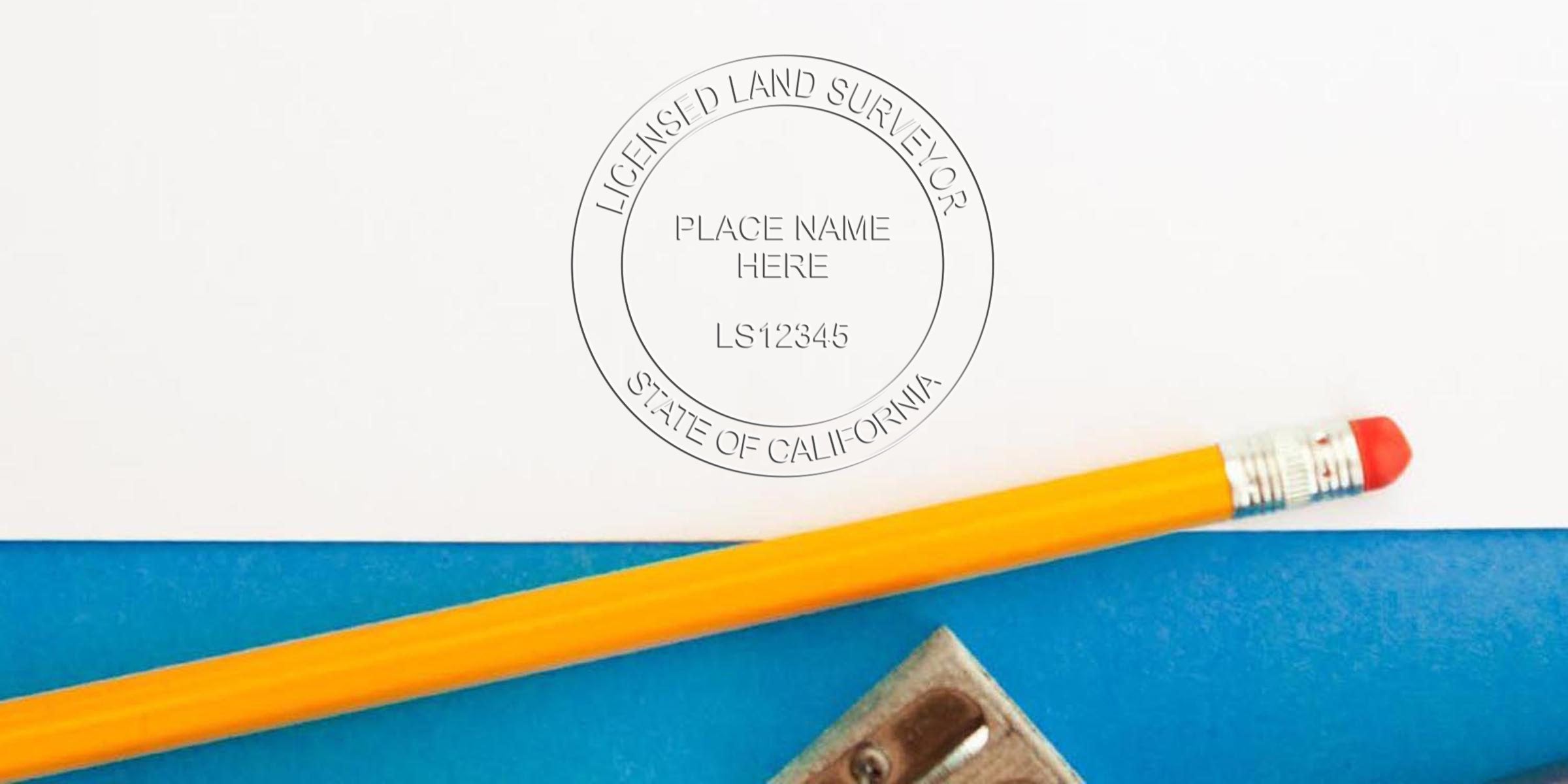
Whether you’re stepping into land surveying for the first time or you’ve been working in the field for years, you know how crucial it is to have the right tools. One such essential is the California Land Surveyor Seal. It’s more than just a rubber stamp on your paperwork. It’s an official marker of your professional qualifications, and it communicates to clients, colleagues, and regulators that you’re serious about what you do. In this post, you’ll find clear explanations of why the seal matters, how to meet state requirements, and tips on selecting the best options for your specific workflow. By the end, you’ll feel confident about choosing and using an approved seal that checks all the right boxes.
So let’s jump in, talk about those requirements with a friendly, straightforward approach, and help you avoid headaches down the line. After all, you want your documents to pass muster without any hiccups. And while the process can feel a bit intricate, rest assured that you’ve got support every step of the way.
Understand The California Land Surveyor Seal
You’ve likely spotted official land surveying documents stamped or embossed with a formal emblem. That emblem is the California Land Surveyor Seal, and it represents your professional identity. Think of it as a signature that verifies both your qualifications and the integrity of the work you perform. This seal exists to protect public welfare, ensuring that all surveying documents meet set standards for accuracy and credibility.
Why The Seal Is Non-Negotiable
In California, land surveying isn’t just any job. It’s a profession closely regulated by the Board for Professional Engineers, Land Surveyors, and Geologists (commonly referred to as BPELSG). They require the use of an official seal on survey drawings, maps, reports, and other formal documentation. If you skip that step, you risk having your work rejected or, in the worst case, facing penalties. Nobody wants that kind of worry looming over every project.
The seal is also a layer of trust. When your clients see it, they know you’re adhering to the legal and ethical benchmarks set forth by the state. It shows you’ve gone through rigorous education, training, and testing, and you’re now authorized to offer land surveying services. By sealing your documents, you’re saying, “Yes, I stand behind this work.”
A Quick Snapshot Of The Seal’s Role
- Ensures compliance with California regulations.
- Provides assurance to clients and government agencies.
- Verifies that a licensed professional performed or reviewed the work.
- Protects the public by reinforcing quality standards.
Meet State Rules And Requirements
One of the main stress points for newly licensed surveyors is keeping track of the official rules regarding seal usage. Luckily, the guidelines are straightforward once you break them down. You just need to confirm you’re applying your seal correctly, on time, and for the right kinds of documents.
Know The Official Guidelines
Yes, there’s paperwork that digs into the finer details, but these points can help point you in the right direction:
- The seal’s design has to meet specific standards set by BPELSG.
- You’re required to apply the seal to all final documents, whether they’re digital or printed, especially those submitted for governmental approval.
- An original signature is typically required alongside or across your seal format.
- Any additional text on the seal, such as your name or license number, must match exactly what’s on file with the board.
A simple rule of thumb: always double-check that the name, license number, and any other identifying information on your seal matches the documents you file with the state. If you change your name or license details, you may need an updated seal that reflects those changes.
Keep Your Seal Style Consistent
California expects your seal to follow a specific look. That means no wacky fonts or elliptical shapes that deviate from the official guidelines. You can’t just download a random template off the internet and hope it works. Instead, rely on a trusted vendor who knows all about the official format. This consistency helps regulatory agencies quickly spot legitimate seals and sign off on your paperwork with confidence.
Select Your Ideal Stamp
By now, you might be wondering how to pick from multiple styles of seals, stamps, and even electronic versions. The good news is that with a little guidance, you can narrow down your choices and invest wisely.
Difference Between Stamp And Seal
A common question is whether you need a physical stamp or an embosser. In many cases, California allows both options, but be sure to confirm with local agencies if one format is preferred. A traditional stamped seal uses ink, creating a crisp, easy-to-scan imprint. An embosser, on the other hand, leaves a raised impression on paper. Both convey official validity, so it often comes down to what feels most convenient for you.
You’ll also find digital seals vital if you submit documents electronically. They function as secure image files, ensuring that your marking appears on digital plans without losing authenticity. If you want further clarity on the stamp aspect, consider checking out a california land surveyor stamp to see how it differs from a seal in terms of design and usage.
Practical Tips For Choosing A Stamp
- Think about the number of documents you process daily. If you’re stamping a high volume, consider a self-inking unit so you don’t have to refill ink pads constantly.
- If you travel between multiple job sites, a lightweight, portable stamp could be a lifesaver.
- Digital seals serve as a great backup, especially when you need to email your surveys. They make the review process smoother by cutting out the wait for physical documents.
- Check that the vendor you choose follows California’s standards. Reliability is key, not just for the seal’s look but also for durability and long-term use.
Collaborate With Acorn Sales
Acorn Sales has been a trusted supplier of professional stamps and seals since 1964. That’s over half a century of experience in making sure surveyors, engineers, and other licensed pros have what they need to meet state regulations. If you’re worried about capturing every last detail in your seal, this is where someone else’s expertise really helps.
What Sets Acorn Sales Apart
- Free Digital Seal Included: If you purchase a physical seal or stamp, you get a corresponding digital file at no extra charge. This means you’re covered whether you submit documents electronically or by mail.
- Seamless Customer Support: You can ask questions about everything from ink compatibility to updated license details. They’ll help you find a product that fits your workflow.
- Decades Of Reliability: Operating since 1964, Acorn Sales knows how important it is for your seal to be accurate. Think of it this way, with that many years of experience, they’ve practically seen it all.
- State-Compliant Designs: The company understands the California Land Surveyor Seal guidelines, so they’ll produce a properly formatted seal that won’t trigger red flags when you file documents.
When To Reach Out
Whenever you realize you need a personalized seal fast, or you want to upgrade your stamping method, having a seasoned supplier on call saves time. You can also ask for tips on maintaining your equipment, especially if you use heavy-duty items in tough conditions. Acorn Sales can steer you toward the most durable options out there.
Wrap Up And Next Steps
Securing your California Land Surveyor Seal is a key milestone in your professional journey. It’s not just about stamping ink onto paper. It’s about building trust, meeting rigorous standards, and ensuring that the precise work you do is formally recognized. Once you have the right seal, you’ll be in a position to handle project approvals with less fuss and more confidence.
If you’re ready to take action, you might start by double-checking the state requirements and ensuring you’ve got your license details handy. Next, consider whether you need both a physical and digital seal. Once you know your preferences, you can connect with a reliable provider like Acorn Sales for a final product you’ll use for years to come.
Now’s the perfect time to make your decision. Your projects deserve a final professional mark that communicates your integrity and dedication. After all, when your clients and regulatory bodies see that official seal, they’ll know they’re working with a true professional who cares. Feel free to reach out, ask questions, and pick a seal that checks every box on your list. You’ve got this!
Frequently Asked Questions
What Is The Difference Between A Land Surveyor Stamp And A Land Surveyor Seal?
They both mark your documents as officially approved, but a “stamp” typically refers to an ink impression, while a “seal” can include embossers or even digital files. The state rules often group them under the same category, focusing mostly on design standards rather than which mechanism you use.
Do I Need Both Digital And Physical Versions?
With more files being submitted electronically, a digital seal is often essential for quick approvals. However, many agencies still require a physical seal on paper documents. Having both means you won’t have to scramble at the last minute to meet any new or unexpected requirement.
How Often Do I Need To Renew My Seal?
Legally, your seal remains valid as long as your license is active and in good standing. You don’t have to replace the seal stencil or stamp with every license renewal, but you must stay updated on any changes in your license information or state regulations that could require a redesign.
Where Can I Purchase A California Land Surveyor Seal?
You can buy one from a state-recognized supplier. Acorn Sales is a popular option because they provide a free digital seal alongside the physical one, and they’ve been mastering this art since 1964. Plus, you’ll know their templates align with California’s rules.
Does The Seal Design Ever Change?
It can, especially if California updates its standards or your license information changes (for example, you legally change your name). In those cases, you’d need a new seal that reflects the updated design or personal details. The best approach is to keep an ear to the ground for new directives from BPELSG.








