
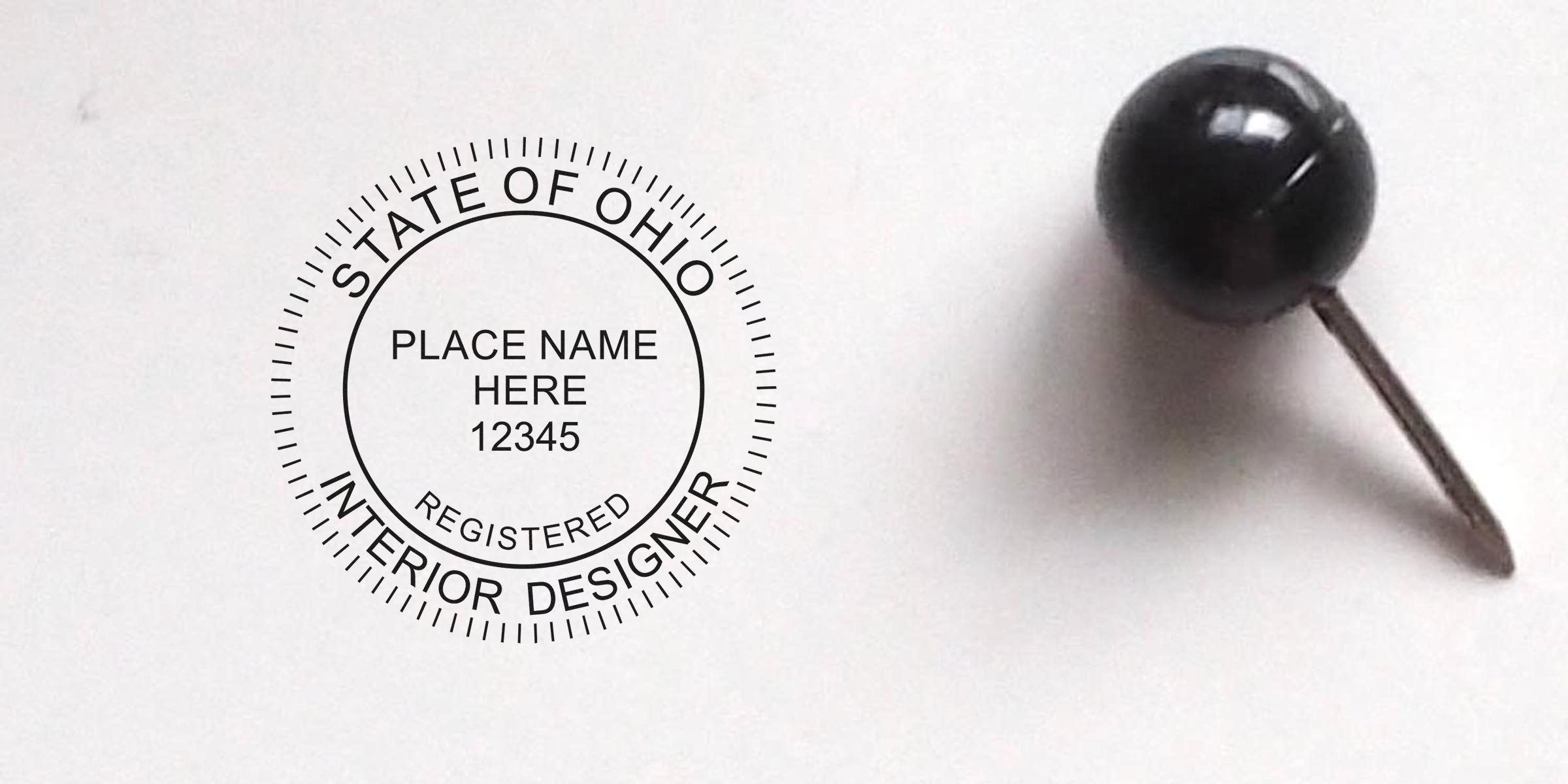
Imagine you’re in the middle of finalizing blueprints for a dream project. You’ve got the layout set, you’ve double-checked measurements, and now there’s one more step: securing the official Ohio Interior Designer Seal. It might feel like just another administrative checkbox, but this seal is actually a powerful symbol of your professional qualifications. So if you’re an interior designer practicing in Ohio, let’s walk through everything you need to know about getting and using this important credential.
Discover The Purpose Of The Ohio Interior Designer Seal
Your Ohio Interior Designer Seal might sound like a fancy rubber stamp, but it holds significant weight. In essence, it’s a secure way to confirm that the interior design plans you produce are your original work and meet Ohio’s professional standards. Once you apply this seal to your documents, you’re showing clients, contractors, and regulatory officials that you’ve met the state’s licensing requirements.
Plainly put, this small emblem can:
- Indicate your status as a qualified interior designer in Ohio.
- Provide authenticity and authority to your designs.
- Protect your work from unauthorized alterations or misuse.
When you include your seal on official drawings, you’re creating a clear distinction: you’re not just a decorator, but a registered professional who takes accountability for every detail. That confidence often translates into stronger credibility, enabling you to expand your portfolio of projects with ease.
Understand The Key Requirements
To ensure only qualified professionals can use the Ohio Interior Designer Seal, the state has established a set of rules. While detailed requirements can vary over time, the core remains consistent:
-
Education: You typically need to earn a degree in interior design or a closely related field. This foundation helps ensure you understand design theory, building codes, and blueprint reading.
-
Examination: Many designers are required to pass a nationally recognized test that evaluates professional knowledge. This step is crucial in demonstrating competency across diverse areas, from drafting to regulatory guidelines.
-
Work Experience: Depending on the state’s board requirements, you might need a certain number of supervised hours or years of practical fieldwork before you can call yourself a registered interior designer.
-
Compliance With State Laws: You must keep up with the rules set by Ohio’s licensing board. These laws may require you to renew your license or seal at set intervals, plus maintain documented proof of continuing education.
You’ll want to stay updated on these specific requirements through the Ohio board that oversees interior designer registration. Because regulations can shift over time, a quick yearly check helps you keep your credentials and seals in good standing.
Why You Need A Professional Seal
Facing a design review without an official stamp or seal can feel like walking into a meeting empty-handed. The Ohio Interior Designer Seal is more than just an inked mark, so don’t underestimate its power to boost your legitimacy.
-
Professional Integrity: Clients often look for markers of reliability and trust. A seal helps reassure them they’re dealing with someone who has met the standards the state deems acceptable.
-
Regulatory Compliance: Some projects must be filed with local building departments or code officials. Having the proper seal ensures your submissions are valid from the get-go. This step speeds up the approval process and can help you avoid rework or fines.
-
Consistency And Quality: If you have to produce multiple sets of plans, placing your seal on each design ensures consistency. A single, uniform seal helps your documents look professional, even when distributed to various individuals like builders, contractors, or clients.
In short, the seal is something only a registered or licensed professional can use, giving you an edge over non-credentialed designers. That benefits your reputation, but it also safeguards the overall standard of the interior design industry in Ohio.
How To Obtain Your Official Seal
Securing your Ohio Interior Designer Seal is a multi-step process, but none of it should feel overwhelming once you know what to expect. Here’s how to move forward:
-
Ensure You’re Eligible
Double-check you’ve met the education, exam, and practical experience benchmarks required by the state of Ohio. If you’re missing a step, prioritize completing it before applying for your seal. -
Apply To The State Board
Fill out the necessary application forms with your local licensing board. You’ll likely need to include proof of education, test scores, experience, and any other criteria. Some boards let you submit letters of recommendation from supervisors who recognize your professional capabilities. -
Pay Fees And Submit Paperwork
Each state board charges a processing fee, and you’ll likely pay a separate fee for the official seal or stamp. Keep a checklist of all your required forms, so you don’t leave any boxes unchecked. Tip: create a folder or digital file where you store all your references, certificates, and receipts. -
Receive Your Authorization
Once everything is approved, you receive official authorization to use the Ohio Interior Designer Seal. This is your green light to order a physical stamp or an electronic version for digital plans.
The process may appear lengthy, especially if you’re juggling multiple projects or further education, but it’s a one-time milestone that can open doors. Once acquired, your seal remains valid so long as you maintain your license with the state.
Effective Ways To Use Your Seal
After you obtain your Ohio Interior Designer Seal, you’ll likely be eager to try it out, but you want to follow best practices. That ensures your seal is used properly and retains its official weight.
- Place It Strategically: Typically, the seal goes on the cover page or title block of your design documents. Make sure it’s placed in a visible location so the reviewing authorities and clients can spot it right away.
- Use The Approved Format: Many boards specify exactly how the seal should look. Double-check that you’re applying the correct size, orientation, and ink color (when relevant). Some prefer an embossed design, whereas others are fine with a simple ink stamp.
- Keep It Consistent: If your design set has multiple pages, place the seal on all key documents. That might include the floor plan, elevations, sections, and any pages detailing code compliance.
To protect your seal from unauthorized use, never lend it out. Keep it stored in a safe place, both physically and digitally. This helps ensure that only your official documents bear your authentic signature and seal.
Staying Compliant With Ohio Regulations
Adhering to the rules in Ohio is about more than just having the right seal. It also involves consistent upkeep of your professional standing:
-
Renewing Your License: You may have to renew your license every couple of years. Mark your calendar in advance, so you’re not caught off-guard when the date rolls around.
-
Completing Continuing Education: Ohio and some professional organizations require you to keep learning. Prove you’re staying on top of best practices by completing a certain number of continuing education hours. Subjects often relate to safety codes, sustainable materials, and new design software.
-
Keeping Accurate Records: Save copies of your stamped documents to demonstrate you’ve met all technical and design requirements for each project. These records will be useful if any disputes or questions arise in the future.
-
Investigating Updates: Laws can change. If the state modifies any major requirements, find out early so you can adapt. One shift might be that you need to keep your seal and signature in digital format for electronic submissions, or that you need a new seal design. Regularly check with the Ohio interior design board to avoid surprises.
Where To Get Your Ohio Interior Designer Stamp And Seal
Now that you know how important the seal is, the next question might be: where do you get one? Look for a specialized vendor that offers official, state-approved stamps and seals to ensure you’re meeting all regulations.
One trusted supplier is Acorn Sales, which has been in business since 1964. They provide traditional stamps and electronic seals that align with Ohio’s requirements. When you order from Acorn Sales, you also get a free electronic seal included, making it simpler to manage paperless documents. If you’re curious about the official stamp itself, you can learn more at the ohio interior designer stamp page.
With a reputable vendor in your corner, you can relax knowing your seal will match the precise layout and dimensions approved by the state. Plus, you’ll be able to reorder quickly if you ever need a fresh stamp or want a spare to keep at another office location.
Wrapping Up And Looking Ahead
If you’re feeling a little more confident about using an Ohio Interior Designer Seal, that’s exactly where you should be. This seal is a necessary piece of your professional puzzle. Think of it as both a gateway to larger projects and a dependable symbol of quality. Once you have it, you can place your approved stamp on drawings, proposals, and other materials knowing you’re backed by the state’s official recognition of your expertise.
Looking ahead, don’t forget that the interior design industry keeps evolving. Materials, styles, and even local codes will change over time, and your seal is only as good as your ability to adapt. Stay updated, invest in continuous learning, and keep your licensure in good standing. That way, your seal remains a proud mark of your dedication to the art and science of interior design.
By focusing on the right steps, from education and licensing to maintaining appropriate documentation, you’ll use your Ohio Interior Designer Seal with confidence. In the end, that little emblem will serve as a big statement of your professional credibility. If you’re in the market for a new stamp or simply need clear guidance, consider reaching out to a trusted supplier like Acorn Sales, and keep your projects on the path to success.
Frequently Asked Questions
Do I Need Both A Stamp And An Embossing Seal?
You’ll normally choose one official seal format, although some interior designers keep both. Stamps are practical for quick applications, while embossing seals can lend a more formal aesthetic. Always confirm what the Ohio board recognizes as valid before ordering your supplies.
How Often Do I Renew My Ohio Interior Designer Seal?
Your seal doesn’t expire, but your license or registration might. If you let your license lapse, it could invalidate the seal. Mark any renewal dates on your calendar so you stay compliant year after year.
What If My Physical Stamp Is Damaged Or Lost?
If the stamp breaks or goes missing, contact your supplier to reorder a new one immediately. You must ensure that no one else can use your seal fraudulently. Storing it securely is key, and if your old seal turns up later, discard it so there’s no risk of duplication.
Is A Digital Seal Accepted For Electronic Submissions?
Many Ohio agencies and private clients do accept a digital version, provided it follows the specified guidelines (for instance, size, clarity, and format). Acorn Sales includes a free electronic seal with each order, so you can easily attach it to your PDF documents.
Can I Use This Seal Outside Of Ohio?
Typically, seals are specific to the state that issues them. If you plan to practice in multiple states, research the individual license and seal requirements in those locations. You might need multiple seals, each designed to meet the standards of a particular state.








