
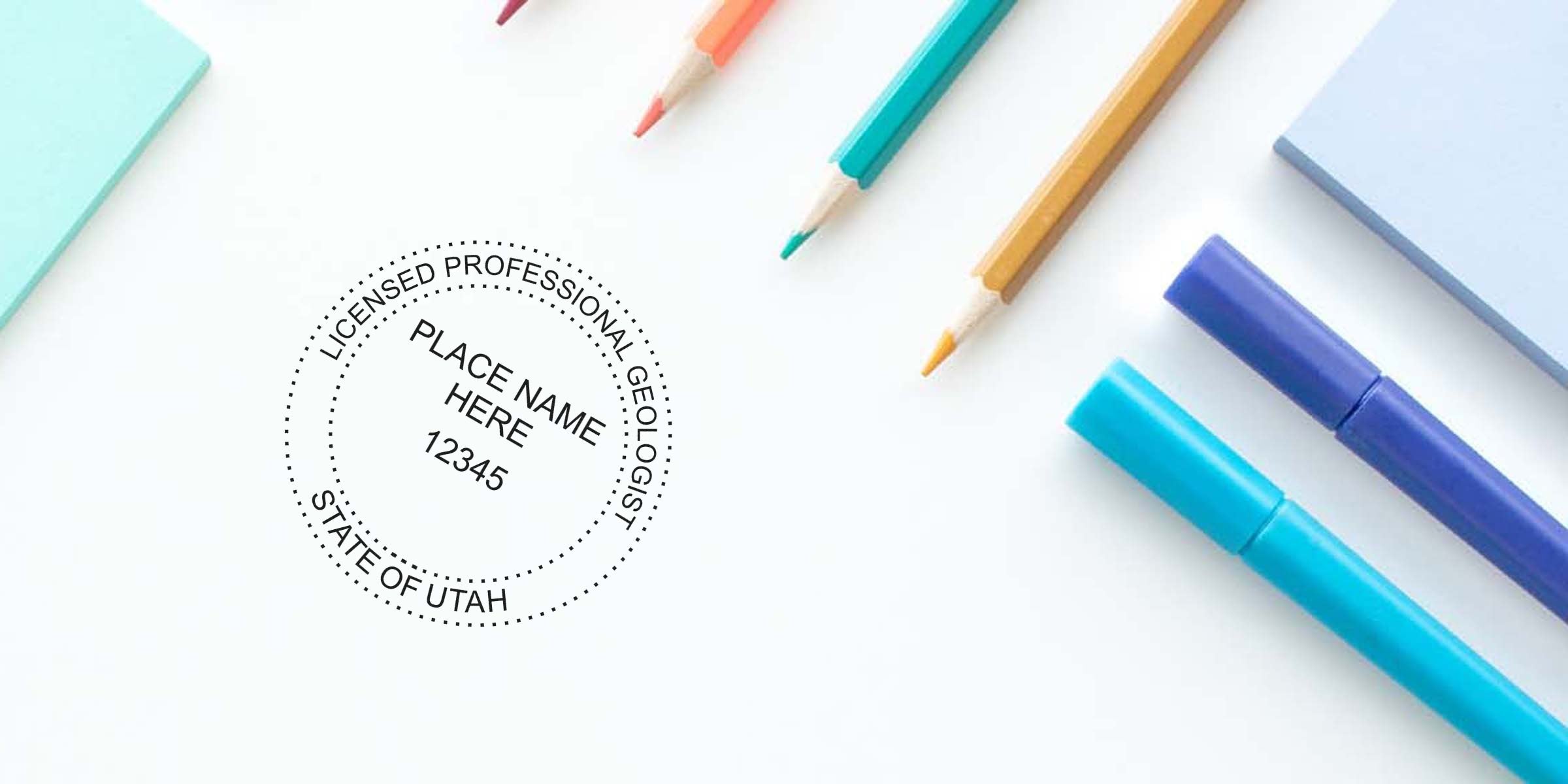
Discover The Utah Geologist Stamp Template
If you’re looking for a Utah geologist stamp template, you’re probably trying to understand precisely what you need to create a valid professional seal. As a licensed geologist in Utah, you’re required to authenticate your plans, evaluations, and other official documents using a stamp or seal that aligns with state guidelines. These standards exist to protect the public interest and maintain professional accountability.
In this post, you’ll find a clear, conversational overview of what goes into the Utah geologist stamp template, why compliance matters, and how to secure a reliable, ready-to-use design. You’ll also learn about best practices, usage scenarios, and some key tips to simplify your stamping process. By the end, you should have a practical roadmap that helps you meet every requirement with confidence.
Review The Key Requirements
State regulations in Utah impose specific parameters on geologist stamps and seals. These rules outline size, wording, and layout so your seal remains consistent with professional standards. Before ordering or making your own template, it’s helpful to know the essentials.
- Size And Shape: Most Utah geologist seals have a circular design between 1 1/2 and 2 inches in diameter.
- Text Placement: Typically, your name, license or certification number, and the phrase “Licensed Professional Geologist” (or similar) are included.
- Signature Line: Some stamps incorporate a space for your own signature, though positioning can vary.
If you need more detail on what the state expects, you can read about utah geologist stamp requirements. The official guidelines break down everything from acceptable fonts to the exact wording that needs to appear on your stamp.
Choose The Right Format
Once you know the basics, your next step is to decide which stamp or seal format best suits your workflow. You have a few options, each offering unique benefits for different applications.
Rubber Stamp
A rubber stamp is straightforward to use and can fit neatly on a desk. You press it onto an ink pad, then onto the document. It’s budget-friendly and easy to maintain, but it might not come out perfectly on certain glossy paper types.
Self-Inking Stamp
A self-inking stamp includes an internal ink pad. When you press down, the stamp’s die plate hits the pad, then prints your seal onto the page. It’s one smooth motion. This option saves time and keeps your hands free of ink residue. The built-in pad also tends to last for thousands of impressions before needing a refill.
Pre-Inked Stamp
A pre-inked stamp uses an oil-based ink reservoir within the stamp body. It produces crisp, clear details, which is great when your seal or signature has intricate line work. This type usually creates less mess, and the impressions can last for a high volume of uses before you have to refill the ink.
Embossing Seal
For a more traditional feel, you could use a metal embosser. It creates a raised impression on paper, making your seal difficult to tamper with or replicate. Embossers are popular for official documents. However, scanning or photocopying embossed images can sometimes be tricky because the raised design doesn’t always show clearly in copies.
Below is a quick summary to compare these options:
| Format | Pros | Cons |
|---|---|---|
| Rubber Stamp | Cost-effective, simple to resupply | Ink pad needed, less crisp detail |
| Self-Inking | Built-in pad, neat impressions | Pad eventually needs replacing |
| Pre-Inked | Sharp detail, long-lasting ink | Typically more expensive |
| Embosser | Professional, tamper-resistant | Harder to photocopy, bulkier |
Spend a moment thinking about how frequently you’ll stamp documents and what environment you’ll be working in. That usually dictates which format will make your life easier.
Explore Common Usage Scenarios
You might wonder when exactly you’ll need to use a Utah geologist stamp template. The short answer is: whenever you sign off on official documents requiring proof of your licensure. That can include:
- Geological Reports: If you’re submitting analyses on soil composition, mineral deposits, or project feasibility, your stamp affirms that a licensed expert stands behind the findings.
- Maps And Drawings: A professional stamp on site plans or excavation layouts assures others that your maps meet state standards for accuracy.
- Certifications: Suppose you’re verifying the safety of a proposed quarry location or evaluating a property’s ground stability. Your seal indicates that you’ve done the due diligence.
- Regulatory Compliance: In some cases, local agencies or environmental boards require your stamped signature for land development or hazard assessments.
Every place you use your stamp helps establish your authority throughout the project. It also protects you by showing that you’ve met the obligations of your license.
Meet Acorn Sales Advantage
When you’re ready for the real thing, you want a reliable supplier who understands Utah’s regulations and delivers consistent quality. That’s where Acorn Sales comes in. We’ve been in the stamp and seal business since 1964, and that long tenure means you’re dealing with a vendor that truly understands professional stamping requirements.
Here’s what you can expect from Acorn Sales:
- Expertise In Utah Requirements: We know the specific text, layout, and dimensional guidelines so your seal matches local standards.
- Free Electronic Stamp: Every geologist stamp or seal order includes a complimentary electronic version. That’s fantastic for remote projects or digital reports where you want to add a professional signature layer.
- Quality Materials: Our stamps are made to last. Pre-inked or self-inking options keep your workflow efficient. Rubber stamps and embossers are also built to produce clear, professional impressions for thousands of uses.
- Tailored Support: Unsure which tool is right for your situation? Our friendly team can walk you through the pros and cons to ensure you get the best fit.
If you prioritize longevity, clarity, and compliance, choosing a well-established supplier can take a huge load off your mind. You’re sure your stamp meets all the guidelines, plus you cut down on guesswork.
Follow Practical Compliance Tips
Staying on top of compliance can feel like juggling a million small details. But once you’ve set up your professional seal, using it correctly gets much simpler. Here are a few tips to keep in mind:
-
Confirm Registration Every Year
Depending on your licensure, you may need to renew or verify your registration at regular intervals. Make sure your stamp or seal remains valid by checking whether the licensing board has updated any design requirements. -
Keep Your Seal Secure
Your seal, whether physical or electronic, represents your professional authority. Keep your physical stamp in a secure place, and password-protect any digital files. This precaution prevents misuse if someone else tries to apply your seal without permission. -
Align Your Signature Accurately
If your stamp includes a designated signature line, practice aligning your real signature inside the box or lines. Crisp alignment looks more professional, and it prevents confusion about which portion is official. -
Use High-Quality Paper
Printing or stamping on flimsy paper can smudge or fail to reproduce details clearly. When possible, choose standard office stock or a suitable cardstock for embossed seals. -
Document Each Use
If you’re dealing with sensitive or high-stakes projects, log the documents you stamp. You can note the date, project name, and reason for stamping. This record can be invaluable if questions ever arise about which versions were officially sealed. -
Check Digital Standards
Your free electronic stamp is a timesaver, especially for proposals that need a fast turnaround. Just confirm the file format (often PNG, JPG, or PDF) meets your archiving or client-submission requirements.
A little extra vigilance can prevent headaches down the road. You’re demonstrating professionalism every time you apply your stamp, so it’s worth taking a few simple steps to do it right.
Wrap Up And Next Steps
Understanding the Utah geologist stamp template is a key step in staying compliant as a licensed professional. You learned how stamps or seals should be sized, what text must appear, and how often they come into play for official documents. With the right stamp format and a solid supplier on your side, you can handle your projects more confidently.
If you’re looking to order a customized geologist stamp, Acorn Sales has you covered. With expertise in Utah’s regulations, a free electronic stamp, and a proven track record since 1964, we’re committed to helping you leave a crisp, professional mark on every document. Feel free to explore utah geologist stamp requirements for even more details, or reach out if you have additional questions. It’s your license—make sure your seal showcases it accurately and reliably.
Frequently Asked Questions
Do I Need A Separate Stamp For Multiple States?
” If you’re licensed in multiple locations, you usually need a separate seal for each state. Each region tends to have its own mandated text and design, so it’s smart to order a unique seal that fits each jurisdiction’s rules.
Can I Design My Own Stamp Template?
” Yes, you can, but it’s generally easier to work with a professional vendor who has experience in your field. Designing your own might lead to overlooked or incorrectly sized text. That’s why many geologists choose a supplier that’s already familiar with official instructions.
What If My Licensing Number Changes?
” If your license number changes due to renewal or an upgrade, you’ll want a new stamp. You can’t simply alter the digit on your old stamp. The official record must match what’s on the stamp, so it’s best to replace it for accuracy and ethical practice.
How Long Will My Stamp Last?
” This really depends on the type of stamp and how often you apply it. Self-inking and pre-inked models can make thousands of impressions before needing to be re-inked. Embossers tend to stay functional for many years as long as you keep them properly stored.
Can My Stamp Expire?
” The physical stamp doesn’t expire, but your right to use it is tied to your active professional license. If your license lapses, you must stop applying the seal until you renew. Keep track of renewal deadlines and any rule changes that come along so your stamp remains valid.








