
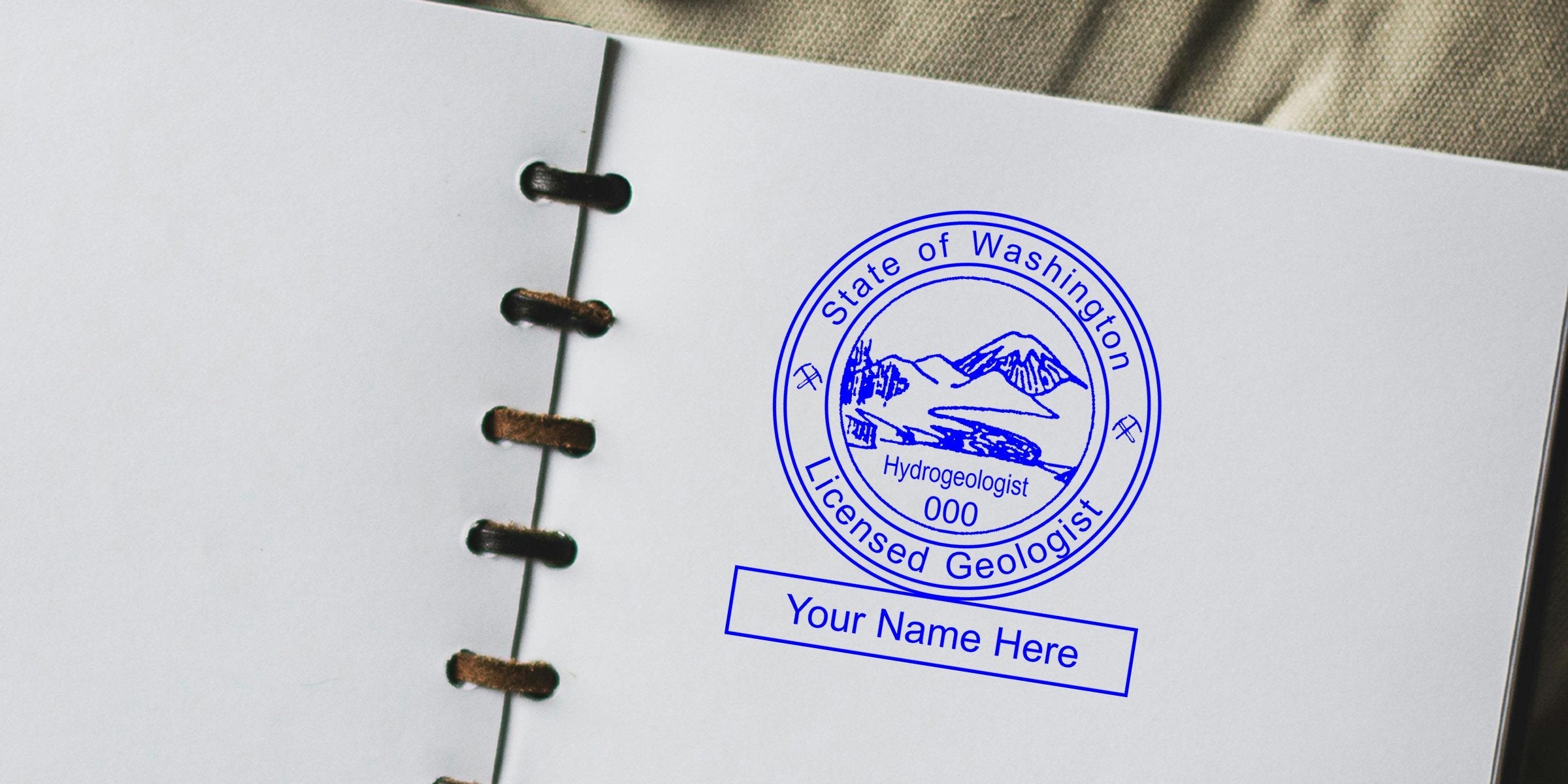
Navigating the details around Washington State geologist seal design might feel overwhelming at first. You might wonder how the entire process works, from verifying the official guidelines to choosing a supplier that won’t steer you wrong. The good news is that once you understand the basics, creating, ordering, and using your seal becomes much simpler. And the best part? Having a well-designed seal not only meets your legal obligations but also gives your professional work a more polished and credible look.
So, let’s walk through everything you should know. This guide covers the key design elements you need to pay attention to, how to stay compliant with state requirements, and tips for choosing a reliable stamp or seal. By the end, you’ll feel confident about your responsibilities and your seal’s journey from creation to actual daily use.
Understand the Significance of Your Stamp
When you become a licensed geologist in Washington, you’re taking on a serious commitment to your profession. Part of that commitment includes stamping or sealing final documents you prepare for clients, regulatory agencies, or other stakeholders. That stamp instantly signals that:
- You’re a licensed professional in good standing.
- You assume responsibility for the accuracy of the information.
- You follow all relevant codes, statutes, and regulations.
Essentially, your seal acts like your professional signature. It tells people that any report, map, or plan you produce meets high standards of diligence and ethics. You’re telling readers, “Yes, I stand by this data. I’ve put my professional reputation behind it.” That type of trust is incredibly powerful, and it becomes even stronger when your seal design follows the guidelines that Washington State expects.
What It Covers
Your geologist seal is typically used on final versions of geotechnical reports, environmental assessments, or any official planning documents that require a licensed geologist’s review. If you’re sharing resources, analysis, or surveys with clients or government departments, plan to place your stamp or seal on them before they go out the door.
Why Even the Design Matters
If you’re wondering why the style or layout is so important, here’s the deal: Washington authorities have specific rules aimed at standardizing seals, making them easily identifiable. A consistent format leaves no doubt about whether a document was officially reviewed and approved by a licensed professional. Complying with these state standards doesn’t just keep you out of regulatory trouble, it shows you care about doing things right.
Recognize the Elements of the Design
Your seal’s design is more than a pretty circle or rectangle. The layout usually includes key wording and symbols that establish your name, your license number, and your status as a licensed geologist. Many states, including Washington, prefer a circular design that reads “State of Washington” around the perimeter. Inside that perimeter, you’ll often find “Licensed Geologist” plus your full name and license number in a smaller ring.
Common Components
- Outer Ring: Typically includes “State of Washington” or “Licensed Geologist, State of Washington.”
- Inner Ring: May indicate “Licensed Geologist” or “Professional Geologist,” plus your full legal name.
- Center: Usually contains your license number.
Double-check the exact text, spelling, and punctuation required. Typos or missing words can render your seal invalid. If you’re uncertain, it’s wise to visit the official state board website or consult the Washington Board of Licensing for precise text.
Size and Formatting
Washington might require a specified diameter, often between 1⅝ inches and 2 inches. Pay close attention to these measurements because you don’t want your seal to be disallowed due to incorrect sizing. The shape is typically circular, but again, confirm with official guidelines to be sure.
- Diameter: Often 1⅝ inches or 2 inches (verify with the state board).
- Legibility: Choose fonts that are easy to read at smaller sizes.
- Resolution: If you go electronic, ensure the file size is high resolution (300 dpi or more) so text appears crisp on official documents.
Follow State Rules and Guidelines
Every licensed professional in Washington, including geologists, must comply with state regulations. These regulations ensure that the seal you use on official documents isn’t just a decorative logo, but an official stamp that meets legal standards.
Know the Regulatory Authority
In Washington, geologists are typically regulated by a state board or department. The board sets rules surrounding what wording your seal must contain, how it should look, and even how and when you apply the seal. Make sure you review the most current guidelines available. If you have any doubts, contacting the board or consulting an up-to-date handbook can clarify things in a few minutes.
Documenting Your Seal Usage
You might need to maintain a record of every official document you stamp. This helps protect both you and your clients if questions ever arise. Generally, you’ll note:
- Date of sealing the document.
- Name of the project or file.
- Any relevant disclaimers or footnotes.
By keeping organized logs, you’re prepared if the state board ever audits your paperwork or if clients come back with additional questions.
Choose Stamps and Seals Wisely
Once you know what your seal should look like, you need to decide on the format. The two most common options are a physical rubber stamp or an embosser. These days, many geologists also use an electronic version for digital documents.
Rubber Stamps
Rubber stamps are popular because they’re cost-effective, portable, and easy to use. You simply ink the stamp pad, press it onto your document, and you’re done. They work well for in-office and in-field tasks. However, pay attention to your ink. Office supply stores provide inks in a variety of colors, but you might be required by local regulation to use a certain color. Black or dark blue are typical for official documents.
Embossers
Embossers create a raised impression, giving your documents a very professional look. They can be especially handy for physical copies. Though you might still need to use ink for scanning or copying purposes, some professionals prefer that raised seal as an extra mark of authenticity.
Electronic Seals
Electronic files are everywhere now, and many geologists do their work online. That’s why having an electronic seal on hand is a must. In many situations, you can apply your digital seal to PDFs, engineering software outputs, or other documentation. If you order from a reputable supplier, you can often get a free electronic seal included, so you always have a high-resolution image ready.
Work With a Trusted Supplier
Choosing the right supplier matters more than you might think. An unreliable supplier could ship a seal that fails to meet official guidelines. Or, they might not provide the exact fonts or spacing you need. It’s crucial to find a company that knows Washington’s specific requirements and has a track record of delivering compliant, high-quality products.
Acorn Sales Expertise
For more than 60 years, Acorn Sales has been a go-to source for licensed professionals in Washington and beyond. Our product line includes the Washington geologist stamp, embosser options, and a free electronic seal with most orders. We’re proud to keep up to date on the latest requirements, so your seal or stamp adheres to state regulations.
Questions to Ask When Choosing
- Experience: How long has the supplier been in business?
- State-Specific Knowledge: Do they understand Washington’s design rules?
- Product Guarantee: Is there a warranty or easy return policy if you spot an error?
- Customer Feedback: Will they show you reviews or client testimonials?
- Electronic Options: Do they provide a free digital file for modern uses?
By addressing these points before buying, you can avoid headaches and ensure your stamp or seal meets every legal standard.
Use and Maintain Your Seal
Once you get your Washington geologist stamp or embosser, it’s time to make sure you use—and care for—it properly. Like any tool, your seal requires some upkeep to stay functional and clean.
Applying the Seal
Whenever you finalize a document, place your seal in a spot where it’s easy to see but doesn’t obscure the text. Most professionals put the seal near their signature block or in the lower left or right corner of the document. That way, whoever reads it can instantly identify your credentials.
- Pressure: If you’re using a physical stamp, apply enough pressure for a crisp, full impression of the text.
- Ink Consistency: Re-ink your pad regularly. Faded stamps don’t look professional and may complicate document verification.
- Embossing Depth: Make sure your embosser is set to the right tension so the impression is visible without piercing or tearing the paper.
Storing Your Stamp
Always store your stamp or embosser in a dry, dust-free area. Constant exposure to moisture and dust can degrade the materials or cause the mechanism to jam. If you’ll be traveling to worksites, invest in a protective case. Not only does this guard against physical damage, it also helps prevent accidental stamping.
Updating Your Information
If anything changes—name, license status, or an updated license number—be sure to order a new seal. Using an outdated stamp can cause confusion at best and legal issues at worst. Even if the wording changes slightly, you need a new version that meets the current rules.
In the end, your official Washington geologist stamp is a powerful tool—one that underscores your expertise and credibility. By paying attention to the specific design requirements, you’ll fulfill your legal obligations and present a professional face to clients and regulatory agencies. Always keep your seal in good condition, and remember to stay up to date with any state rule changes. That way, you can keep practicing geology with confidence and peace of mind.
If you have any lingering questions, explore the Washington geologist stamp options available or contact Acorn Sales directly. Our team has spent decades perfecting stamps, seals, and embossers for professionals just like you. Our goal is to make every step—design, ordering, and use—as convenient and clear as possible. And with that free electronic seal thrown in, you’ll be all set for whatever document challenges come your way.
Frequently Asked Questions
What Size Does the Washington Geologist Seal Require?
Many geologists in Washington use a seal of about 1⅝ inches in diameter. Still, check with the state board for the technical specs to ensure there’s no mismatch.
Can I Use an Electronic Seal in Washington?
Yes. In many cases, electronic seals are recognized for official documentation. Just confirm that the final electronic file meets state guidelines. Acorn Sales provides a free, high-resolution digital seal file with most orders, which makes compliance easy.
How Do I Verify My Seal Design Is Correct?
You can typically find the official text on the board’s website or in updated licensing handbooks. Compare your proof to the official wording, punctuation, and format. If it’s identical (with your own name and license number), you should be good to go.
How Often Do I Need to Renew My License or Seal?
Renewal cycles depend on how Washington structures its professional licensing. Most states require periodic license renewal (every one or two years). The seal itself doesn’t “expire,” but if your license lapses or is revoked, you must stop using it until your credentials are reinstated.
Do I Need a New Seal If I Change My Name?
Yes. If your name on the license changes, your seal should reflect that. Ordering a new seal ensures you’re not stamping documents with an outdated name or license detail.








