
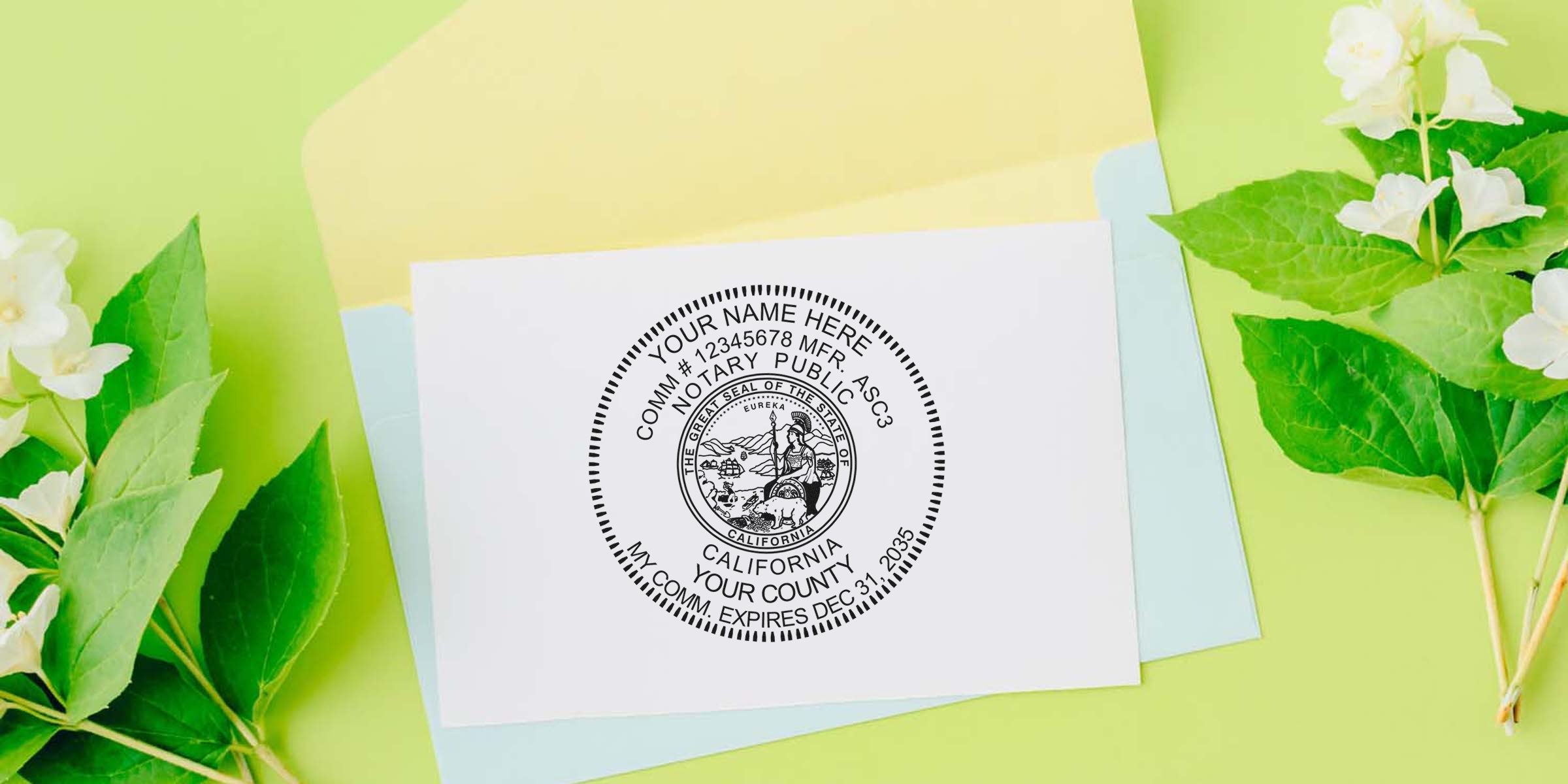
If you’re on the hunt for top California notary supplies, you’ve come to the right place. Getting all the right tools for your role as a California Notary Public can feel overwhelming, especially if you’re not sure which stamps, seals, or extra accessories you really need. But don’t worry. By focusing on compliance, practicality, and the specific features that make your job easier, you’ll be set up to handle your official duties confidently.
Below, you’ll find a friendly guide covering everything from basic notary requirements to detailed hints on choosing a stamp that matches your style. We’ll also talk about which add-ons might be worth adding to your toolkit. Plus, you’ll get tips on how to stay in line with California notary regulations so you can serve your clients without a hitch. Ready?
Understand California notary essentials
You might be wondering, “Why are California notary essentials so important in the first place?” Well, you’re responsible for verifying identities and maintaining accurate public documents. That’s a serious job with plenty of rules attached. Honestly, it’s easier to stay on top of these responsibilities when you have the right supplies in your corner.
Starting with the fundamentals
Before you fill your cart with notary gear, it helps to know which supplies are absolutely necessary. At a minimum, you should have:
- A notary stamp that meets California guidelines
- A notary journal for recording each transaction
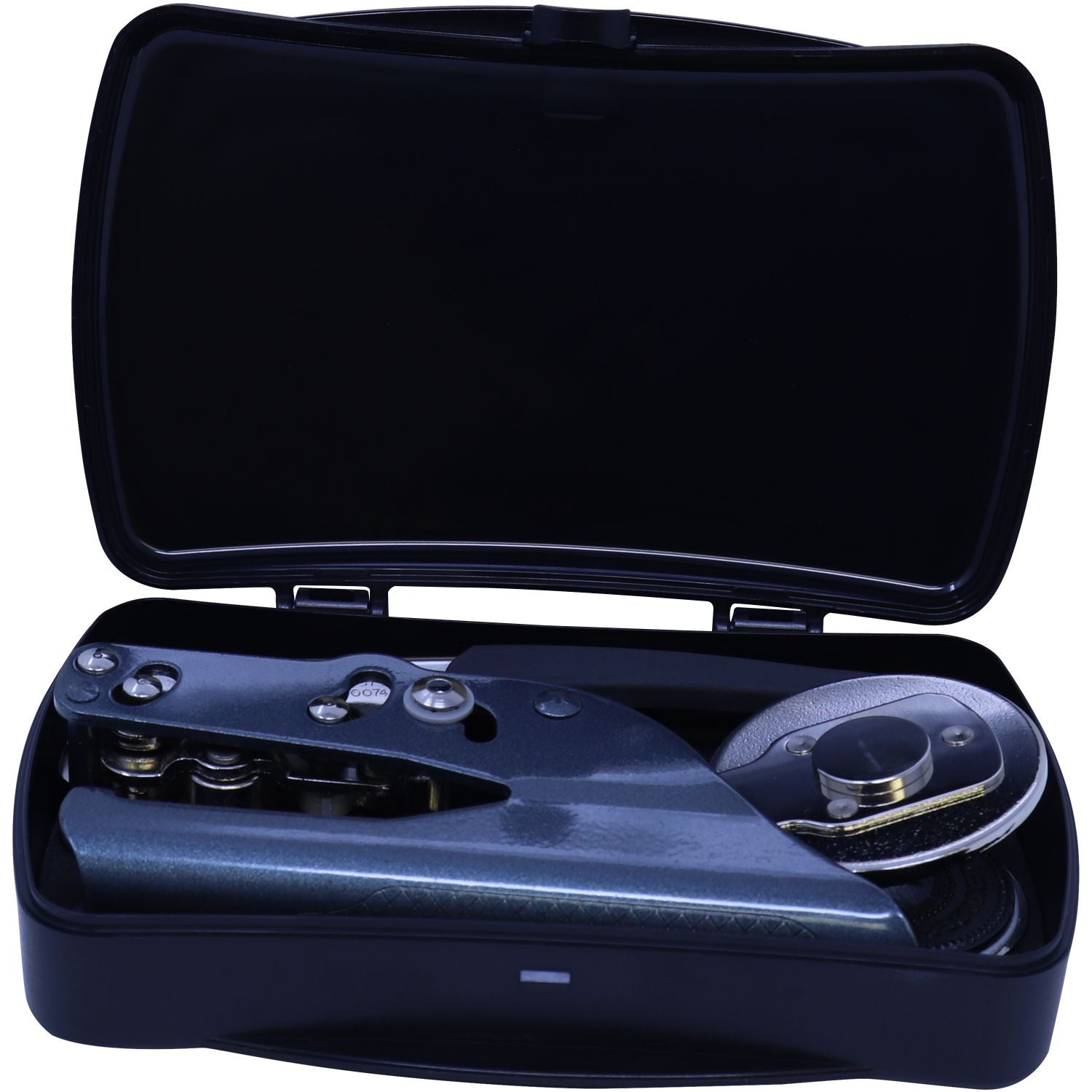
- A seal if you choose an embosser (some prefer both a stamp and a seal)
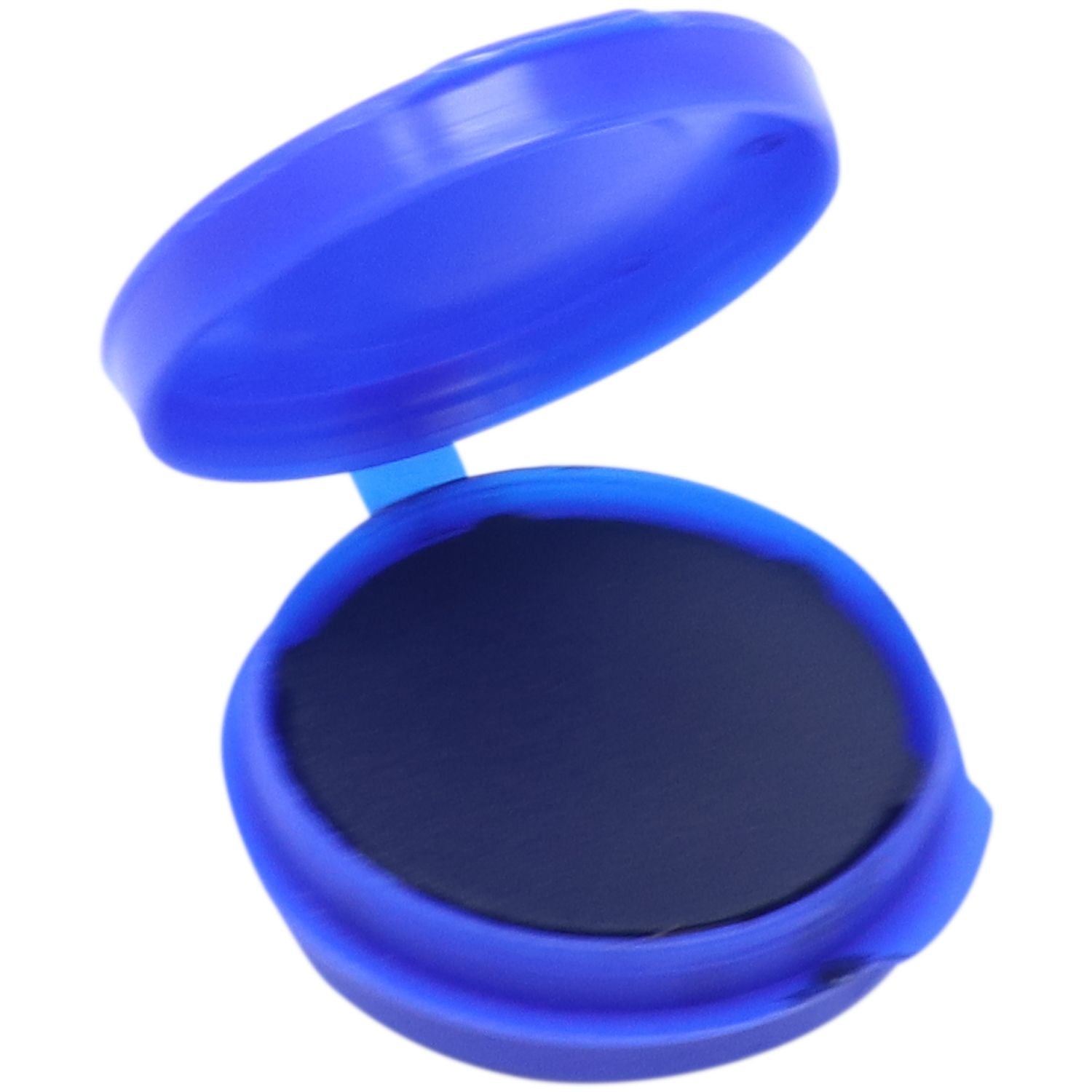
- A reliable ink pad if your stamp is not self-inking
The notary stamp is important because it ensures official documents carry your authorized marking. The journal protects you as well as the public, making sure all transactions have a written record. And a seal can add an extra layer of security to your notarized documents.
The legal context
California has its own notary regulations that outline how a stamp or seal should appear. The state is strict about dimensions, layout, and specific text. If you want to double-check official guidelines, you can always look at resources such as the California notary stamp requirements and California notary seal requirements. Paying attention to these rules is huge. One minor error in your stamp or seal could invalidate an entire document if you’re unlucky.
Jargon check (just in case)
- Commission (the official authority to perform notarial acts)
- Acknowledgment (a formal declaration by a person signing a document)
- Jurat (a type of notarial certificate involving an oath)
If any of those terms sound intimidating, don’t worry. They’ll become second nature as you take on more notarizations.
How your supplies fit into the bigger picture
Think of your California notary supplies as the backbone of your day-to-day tasks. Each time you stamp a contract or log a new entry in your journal, you’re taking on legal responsibility. Having correct and high-quality supplies can help you manage that responsibility with fewer headaches. You’ll also give clients a great first impression, showing them you’re organized and fully prepared.
Choose the right notary stamp
When you imagine a notary at work, you probably see them stamping documents with a clean, crisp impression. That’s the essence of a solid notary stamp: it should leave a clear mark that’s easy to read and complies with state requirements.
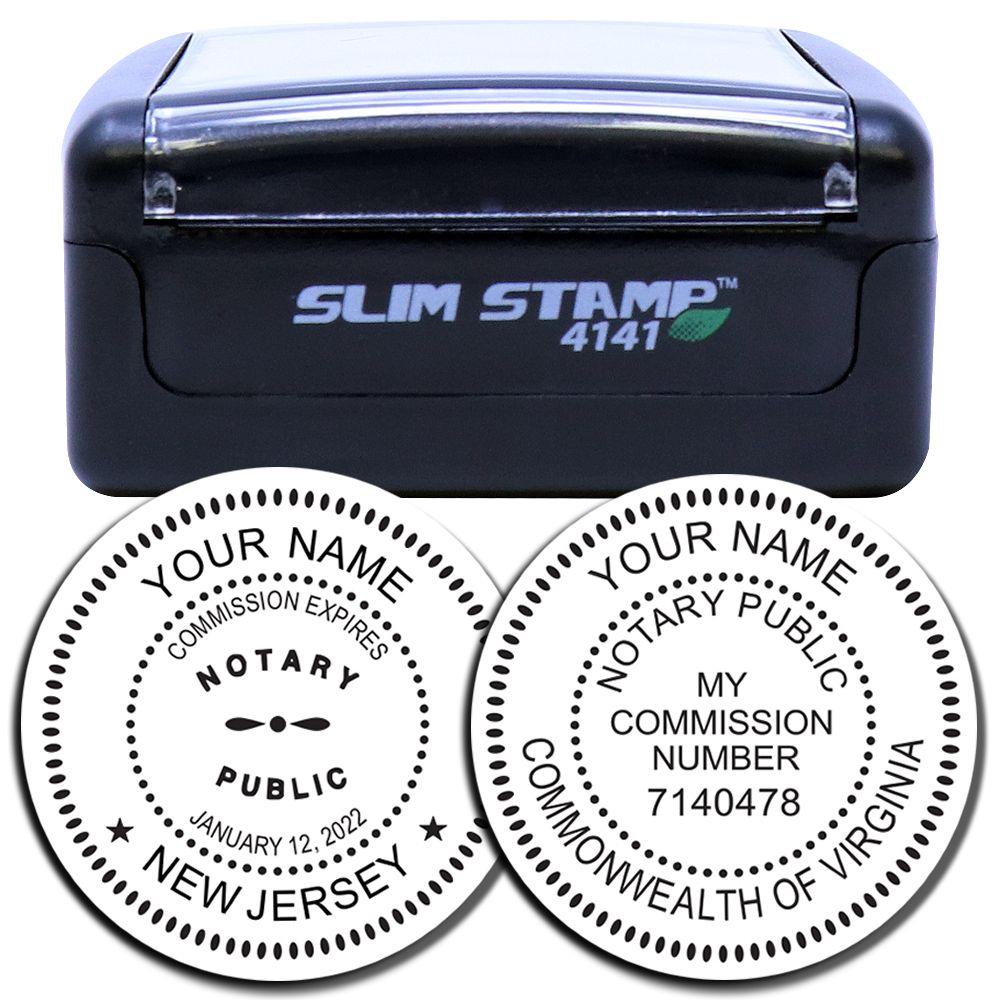
Types of notary stamps
-
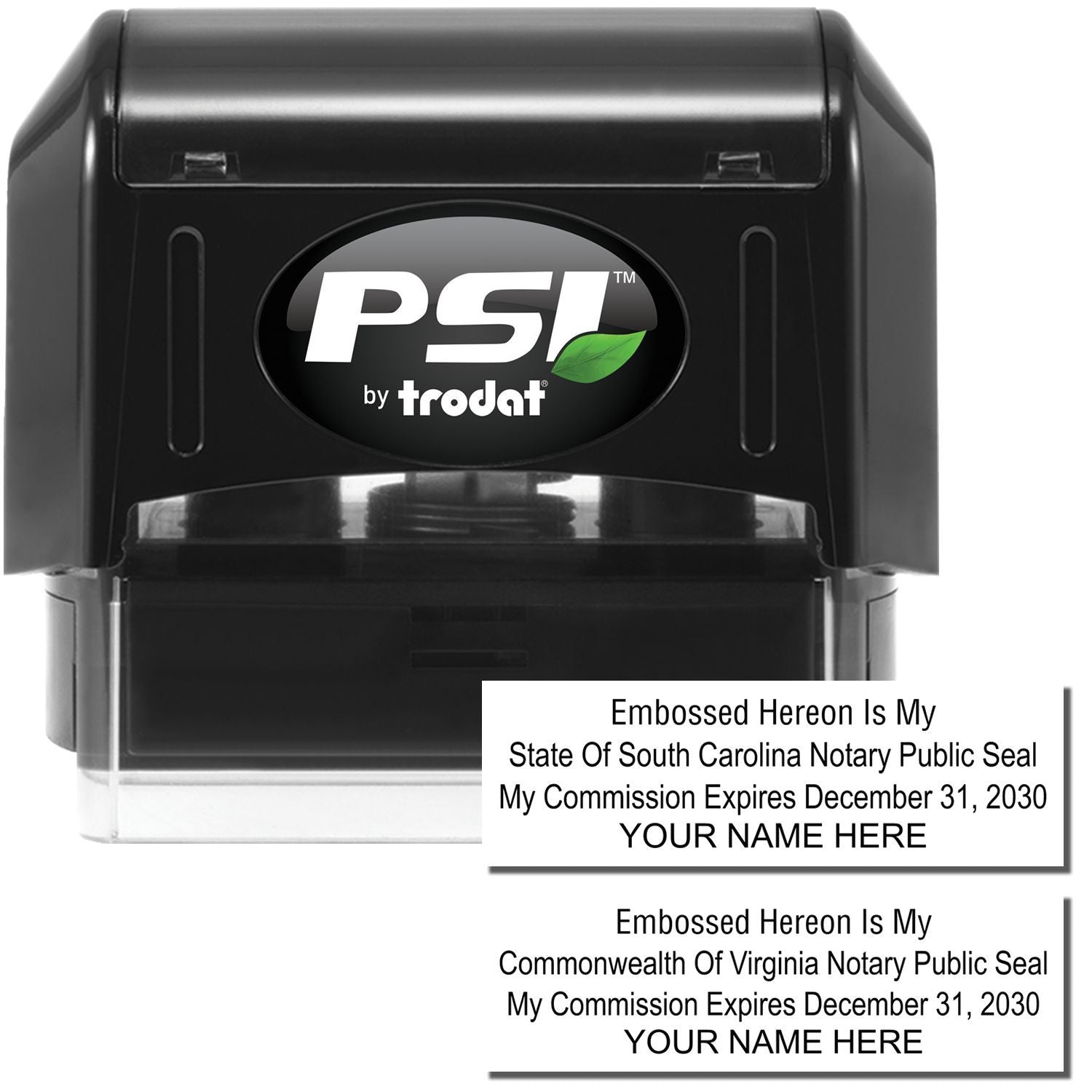
Self-inking stamp
- Contains an internal ink pad
- Quick and easy to use
- Typically lasts thousands of impressions
-
Pre-inked stamp
- Offers very sharp imprints
- Generally more expensive than self-inking stamps
-
Traditional rubber stamp
- Requires a separate ink pad
- Can cost less upfront
- More manual steps (might slow you down if you have back-to-back notarizations)
Each type has pros and cons. If you need speed and convenience, a self-inking stamp or a pre-inked stamp might be your best friend. If you don’t mind a slightly slower process to potentially save on costs, a traditional rubber stamp could work. However, keep in mind that using a separate ink pad can be less convenient.


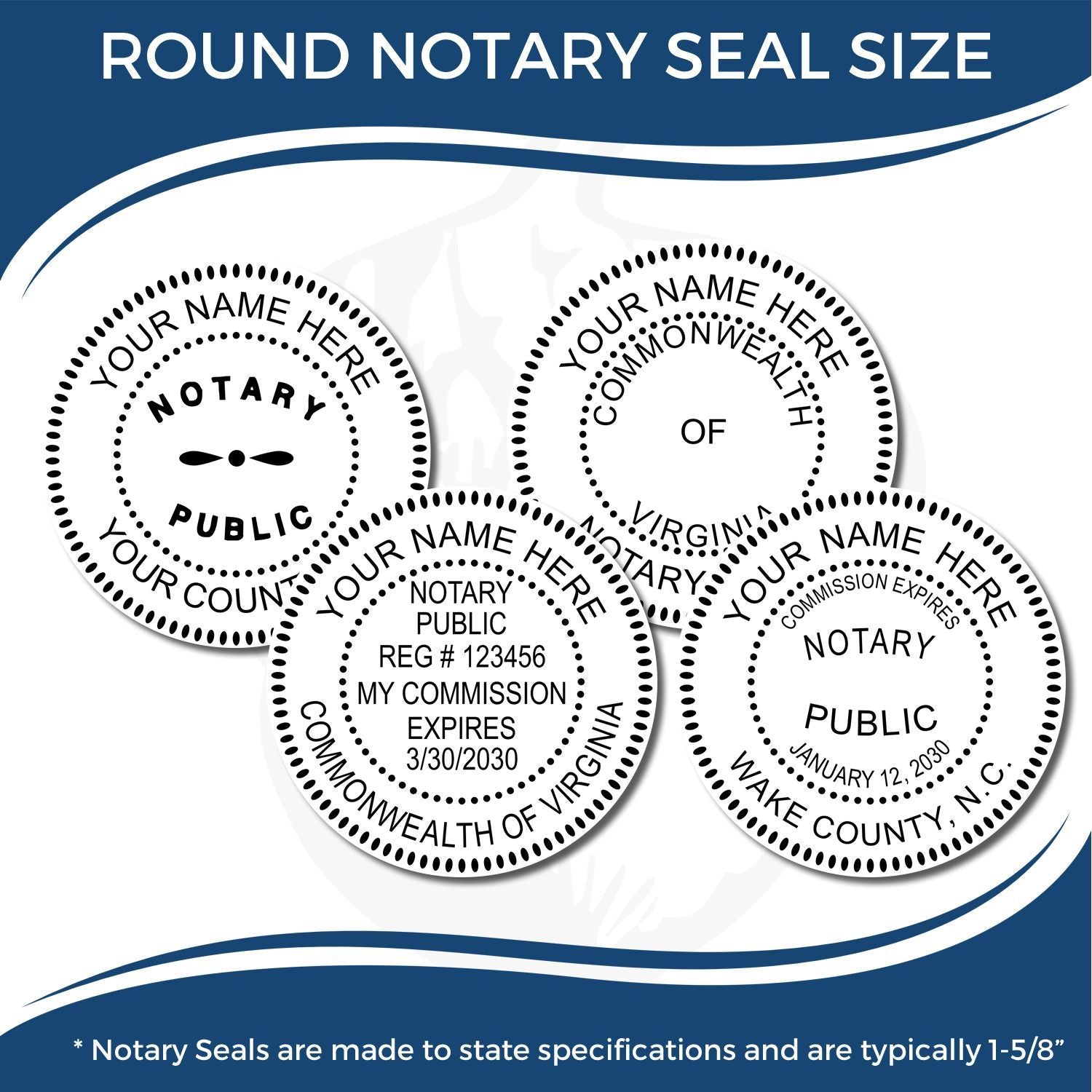


California’s stamp specifications
California law isn’t overly flexible on what the notary stamp can include. In general, you’ll have:
- Your name as it appears on your commission
- The words "Notary Public"
- The county name listed on your notary bond (if applicable)
- The state seal or relevant emblem if required
- Your commission expiration date
If you need a visual reference, you can look at examples like the California notary stamp format sample. By following these specifications, you’ll avoid a scenario where someone rejects your notarized documents because your stamp is out of compliance.
Quality matters
Think about how often you’ll be stamping documents. You don’t want smudges or partial images. A stamp that’s made from top-quality materials can save you from frustrations like blurred lines or pad streaks. This is where a reliable supplier like Acorn Sales can really help out, since they specialize in state-compliant, crisp stamps that stand the test of time.
Long-term considerations
If you plan to stick with notary work for multiple years, you might want to consider:
- Durability: Will your stamp survive constant use?
- Future updates: If your commission or your address changes, how easy is it to get an updated stamp?
Some notaries even keep multiple stamps to avoid downtime if one runs out of ink or encounters a mechanical glitch. It’s also a good idea to confirm you have an updated impression that reflects your current commission info. If you plan ahead, you’ll be less likely to panic when that last impression starts to fade midappointment.
Select a proper notary seal
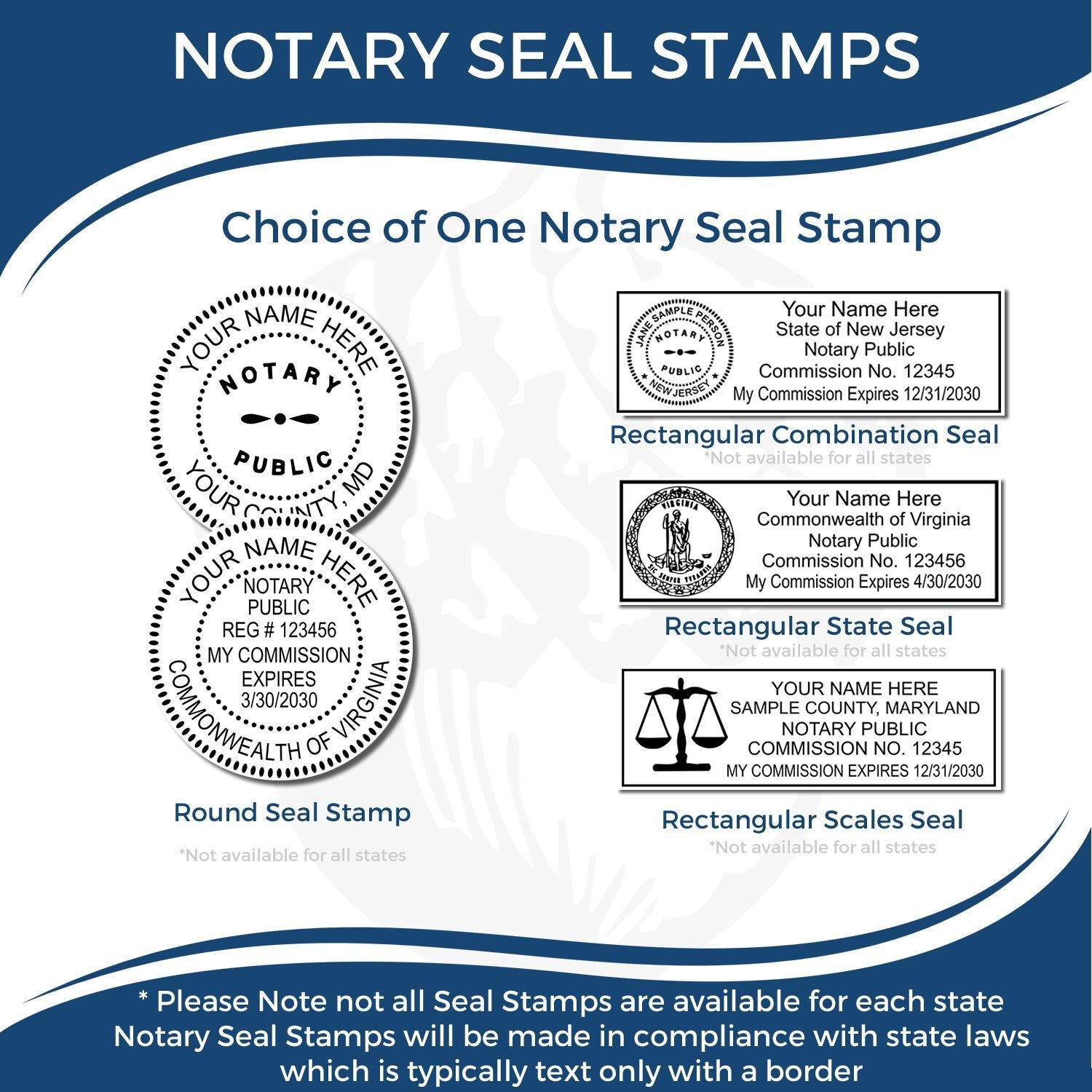
Next up is the notary seal. Often, you’ll see the term “seal” used interchangeably with “stamp,” but in practice, a seal can refer to the raised, embossed image some notaries prefer to place on official documents. Depending on your preference, you could use a seal alone, a stamp alone, or both. In California, stamps are far more common, but seals can add an extra touch of security or authenticity if you’d like one.
The embossed approach
A notary seal typically leaves a raised mark with specific text and design that identifies the notary. While it looks professional, an embosser’s impression can sometimes be faint if you’re not applying even pressure. For that reason, some notaries prefer a combined approach: they use a seal for aesthetics and a stamp for clarity. This option can be especially valuable if your jurisdiction or client group is used to seeing a traditional embossed mark.
Essential seal details
What should your seal include? Typically, you’d have:
- Your name
- The words “Notary Public” and “State of California”
- Possibly your commission expiration date
California does require that the notary’s official seal is properly designed. Sometimes that design is the same as the stamp’s layout, but instead of ink, it’s pressed into the paper. If you’d like to see examples of variations, you can explore references like the California notary seal dimensions for a more detailed breakdown.
Balancing form and function
When deciding if you want a seal, ask yourself how formal your client base expects your documents to look. Some legal and financial institutions might prefer an embossed seal for that extra sense of legitimacy. On the other hand, everyday notarizations for general public documents might be fine with a simple stamp. Getting a seal might be a worthwhile investment if you expect to handle official papers that demand a more formal presentation.
Avoiding seal mistakes
- Make sure your seal design is spelled correctly, especially your name and commission details
- Practice using your seal on scrap paper until you get the hang of proper pressure
- Store your seal in a secure place to prevent unauthorized use
A notary embosser or seal is more than a pretty gadget. It’s an official tool with strict guidelines. Treat it well, and it’ll serve you effectively for years to come.
Explore other must-have supplies
While the notary stamp or seal might be the spotlight items, you’ll find plenty of other relevant supplies that can make your day-to-day duties run more smoothly. Some of these are optional, but they’re worth knowing about in case you decide you need them down the road.
Record-keeping essentials
-
Notary journal
- Absolutely mandatory in California
- Logs each notarization with client info, type of ID, date, and signature
- Helps you prove you performed duties properly if any legal question arises
-
Thumbprint pad
- While not required for every document, certain transactions (like real estate deeds) may need a thumbprint
- Helps confirm the signer’s identity
Office tools that simplify your life
- High-quality pens: You’ll be signing, stamping, and writing notes regularly
- Envelope seals or stickers: Some notaries use custom stickers to mark official envelopes or attach receipts
- Protective cases: A small carrying case for your stamp, seal, and journal keeps everything in one spot
- Sturdy bag or briefcase: If you make house calls as a mobile notary, you’ll want an easy way to transport items
Security measures
Because you handle sensitive documents, it’s smart to protect your supplies:
- Locking carrying case or box for your stamp and seal
- Password-protected electronic records if you digitize your notary journal
- Clear labeling of your notary items so they don’t accidentally get used by someone else
It might sound like overkill, but these steps can guard against fraud. You don’t want just anyone to access your stamp or seal and start notarizing documents in your name.
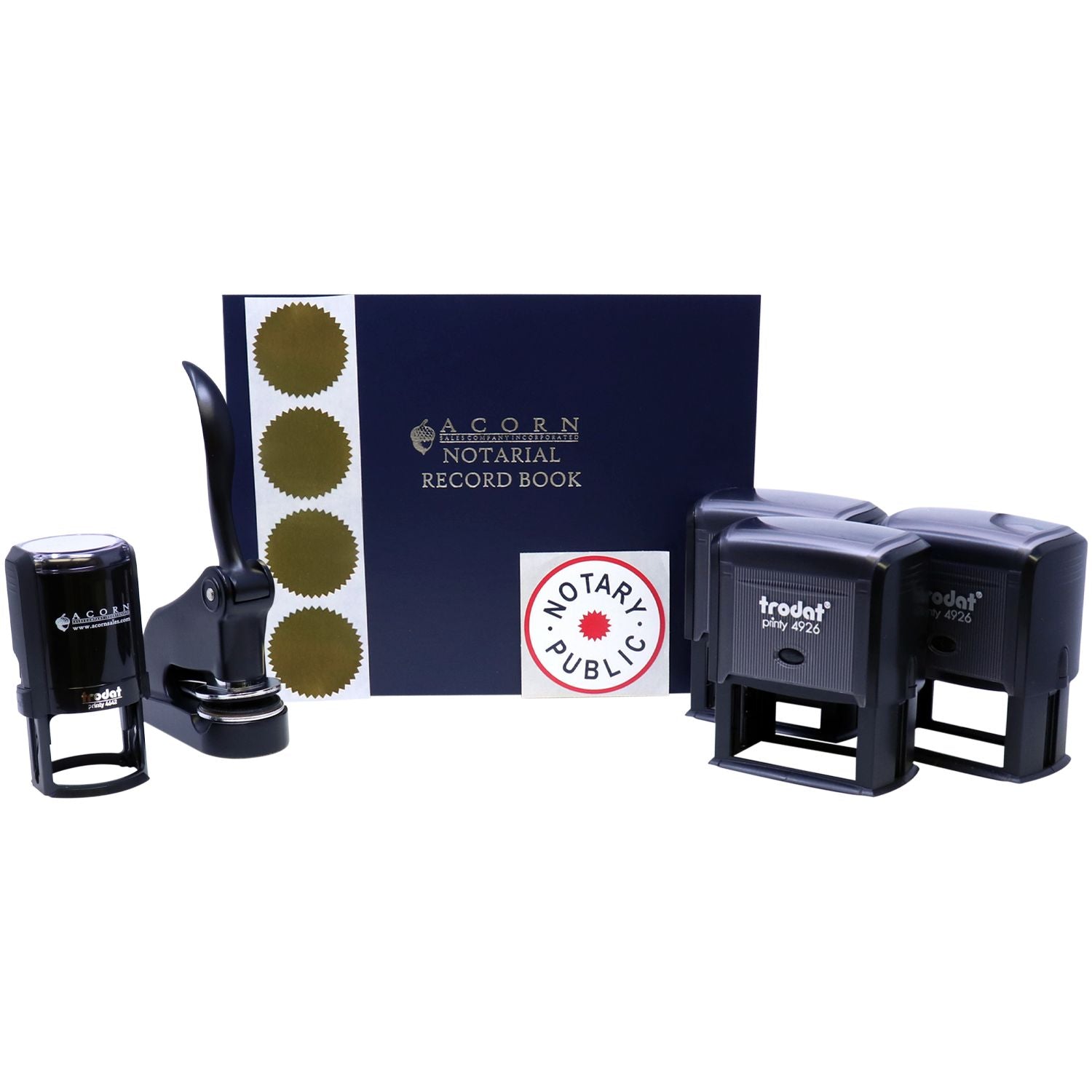
Consider a complete notary kit
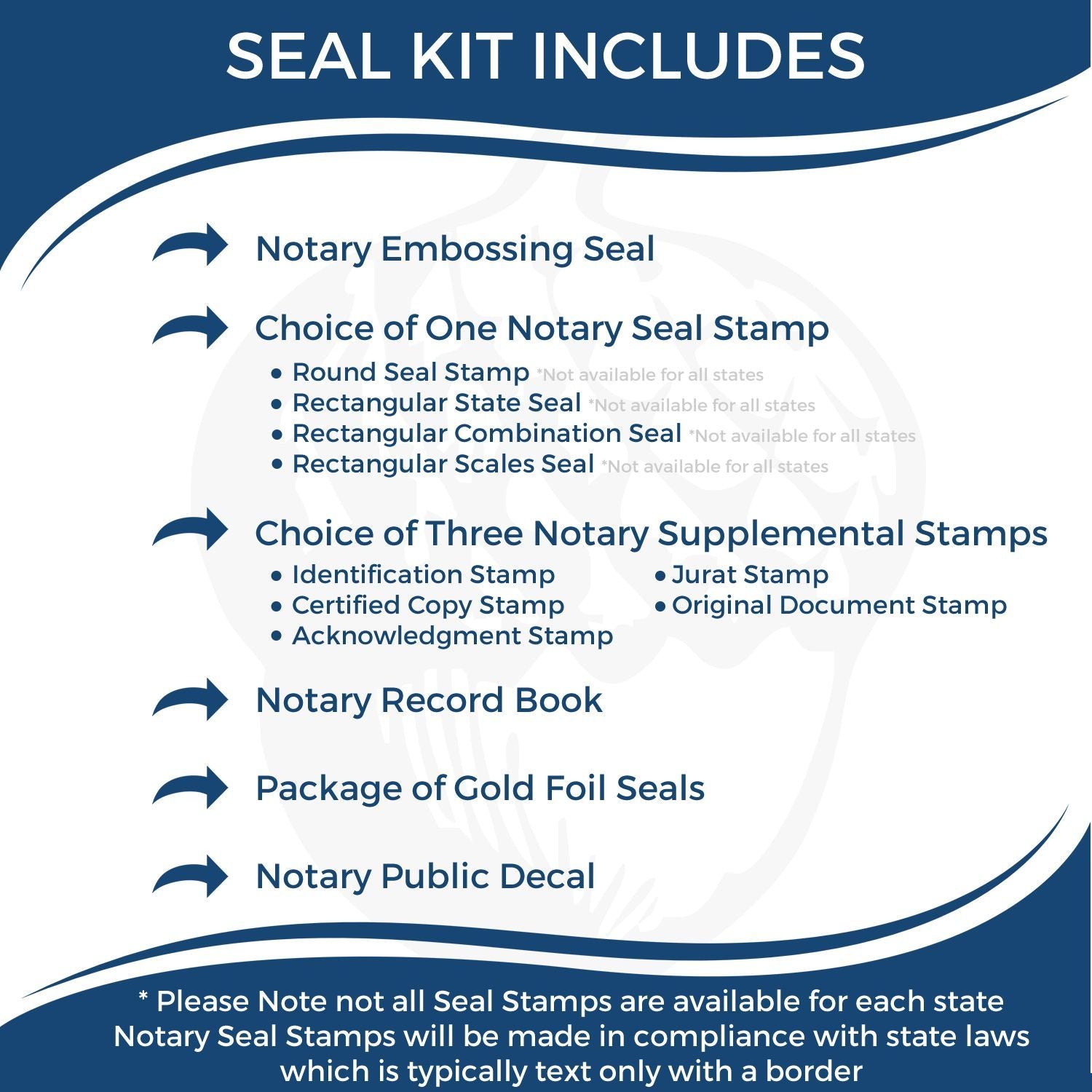
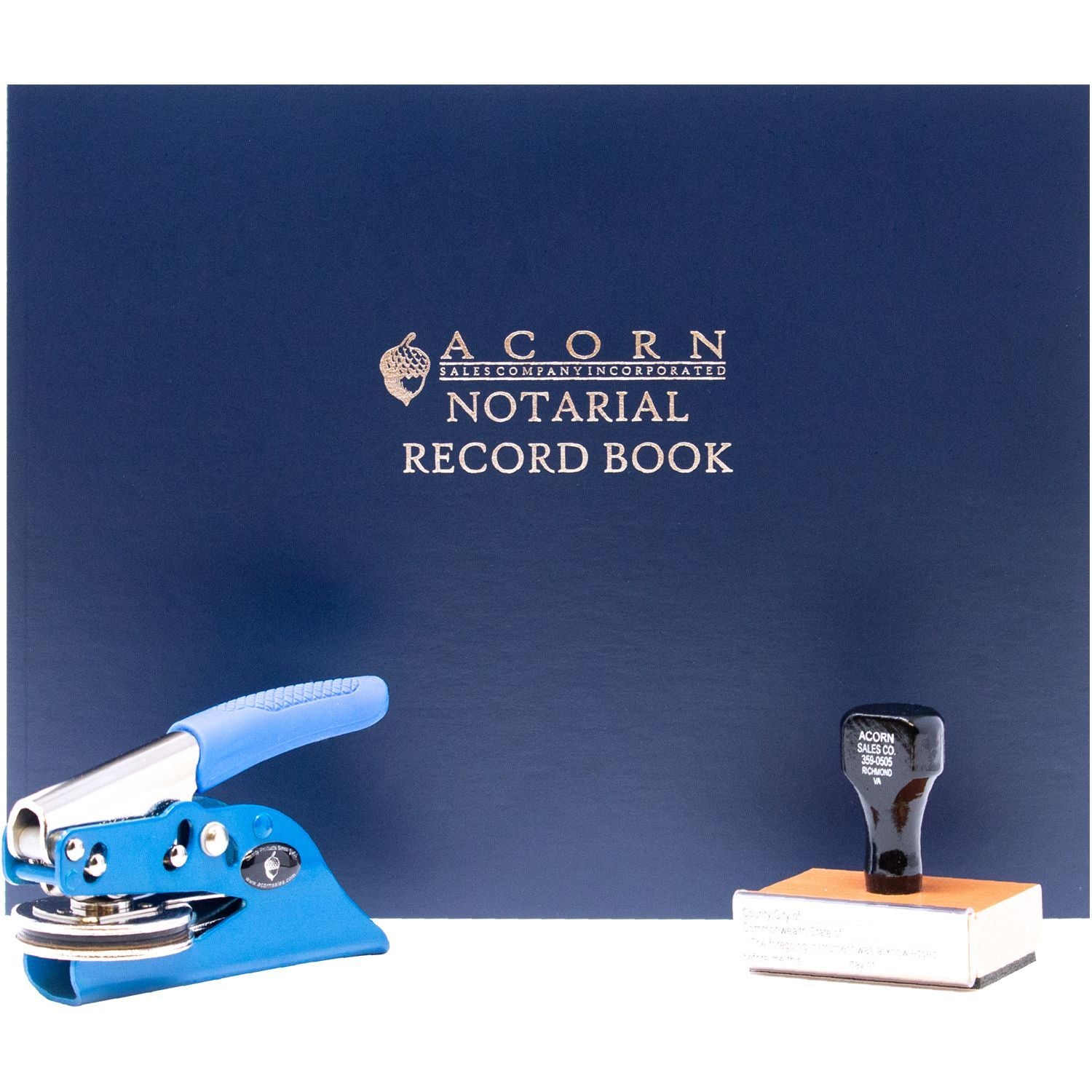
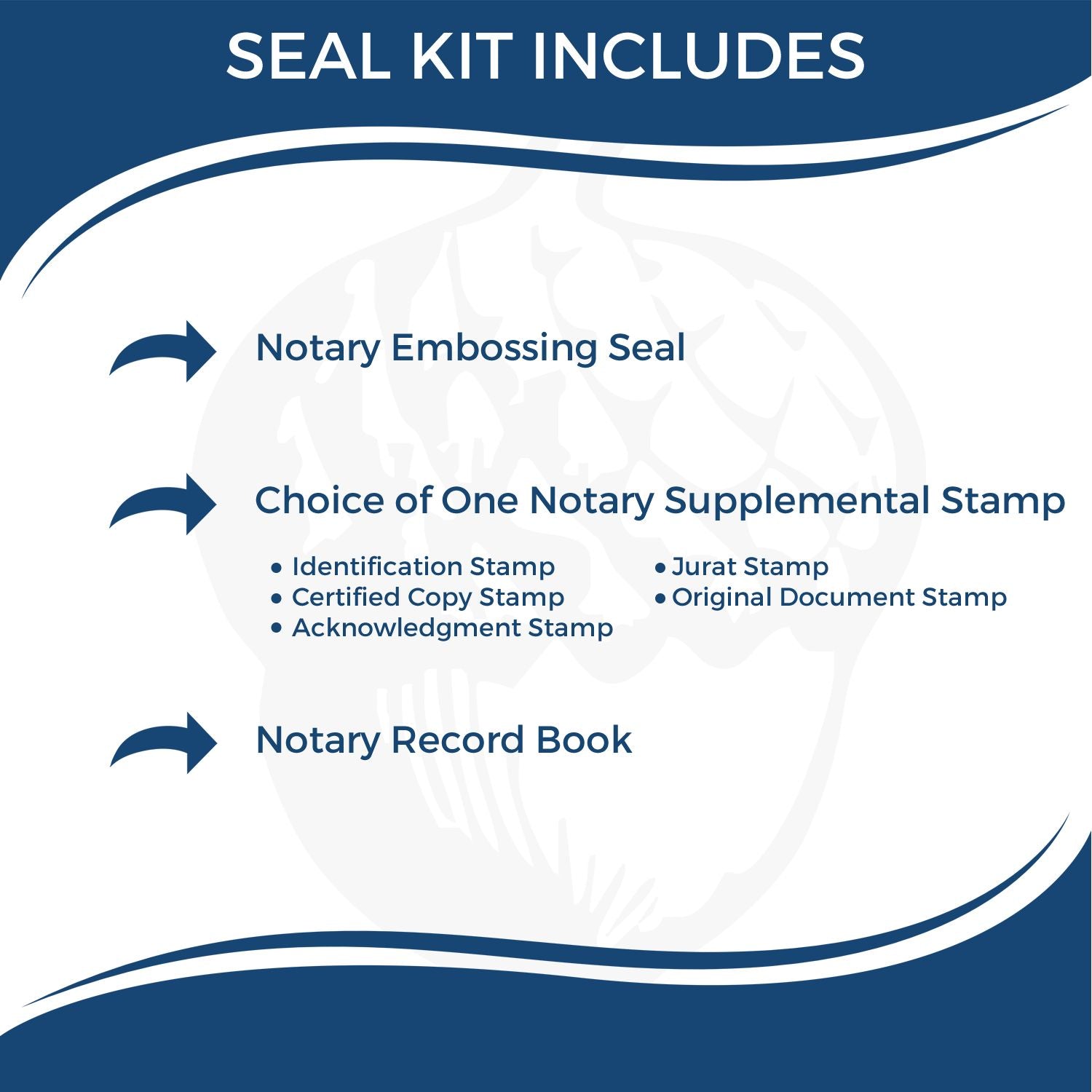
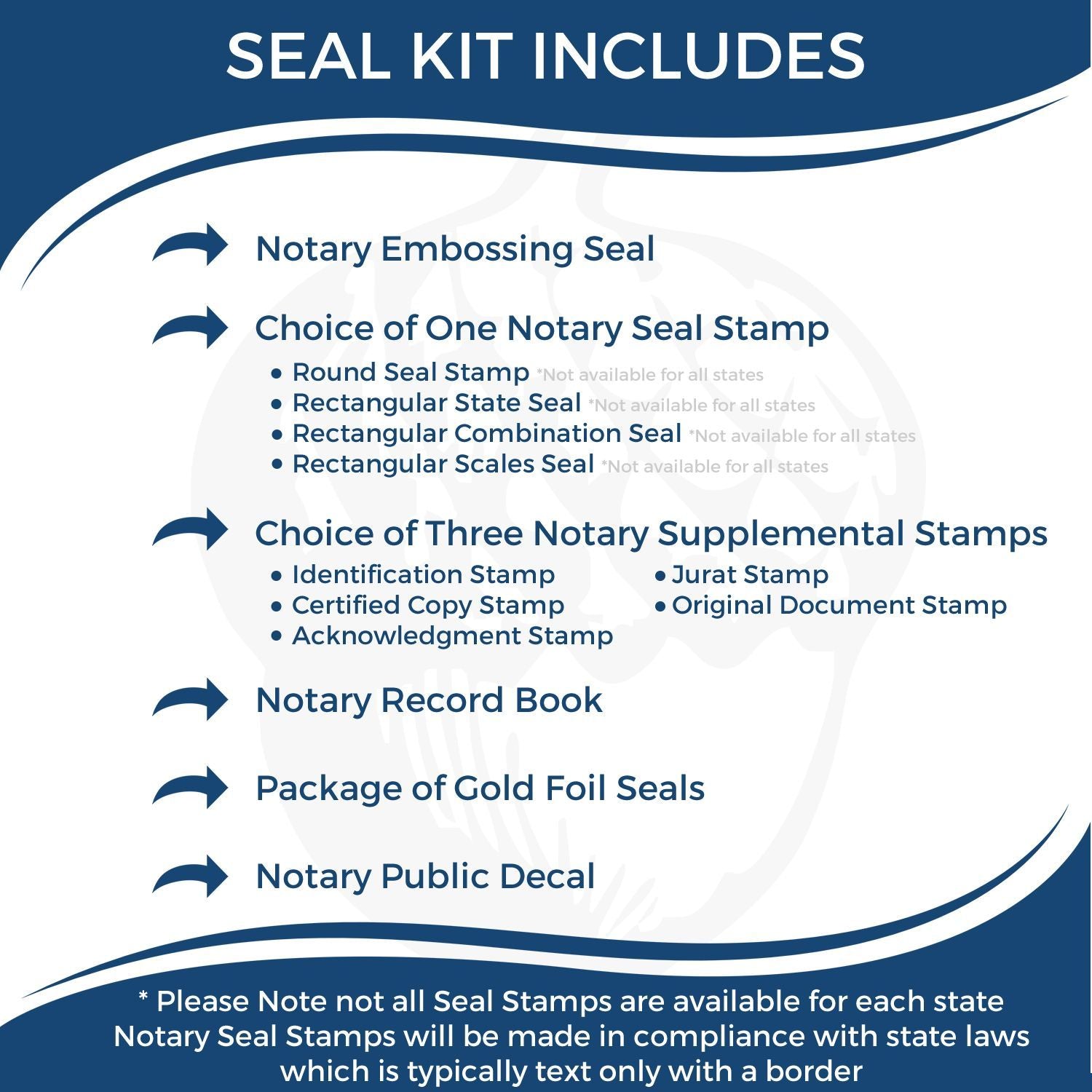
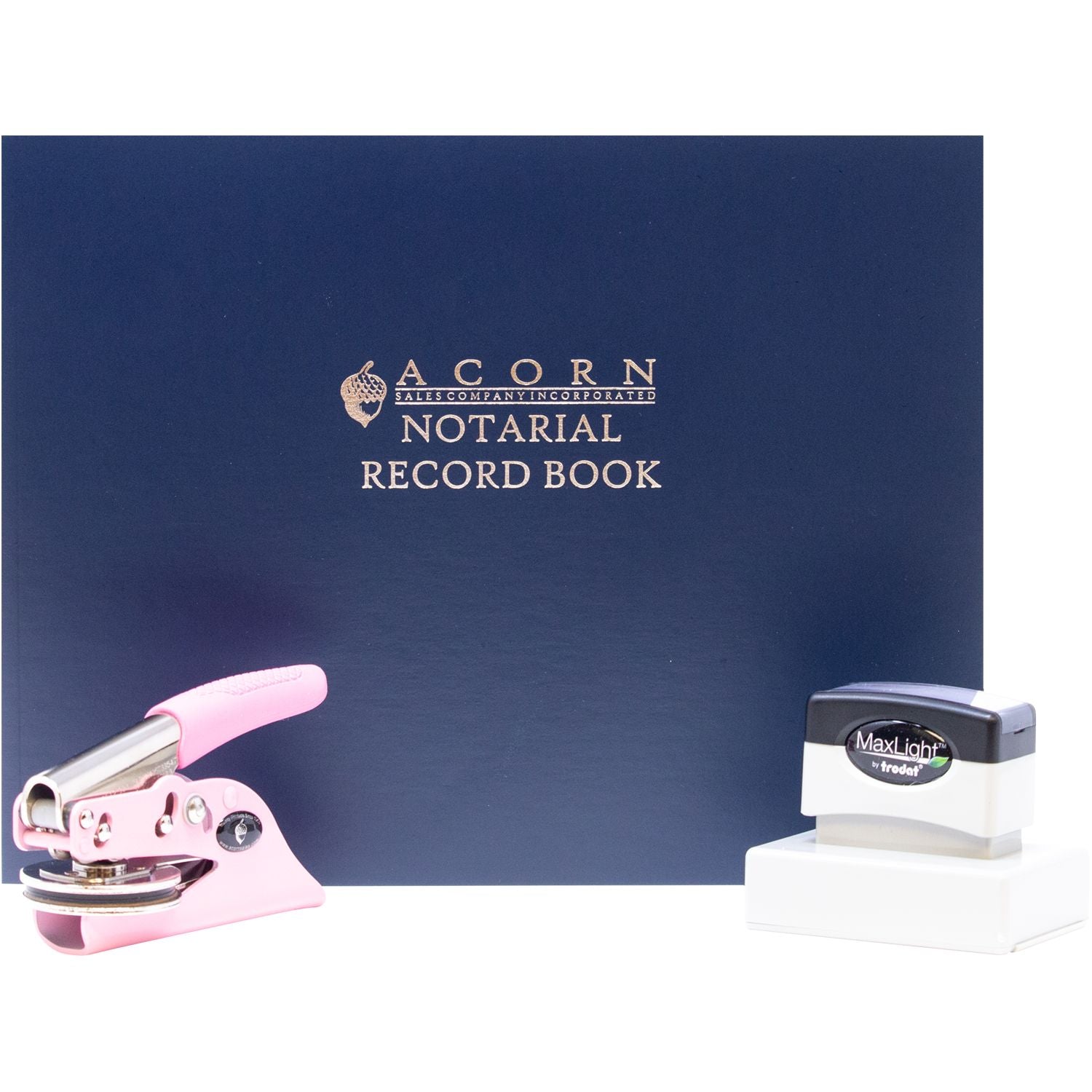
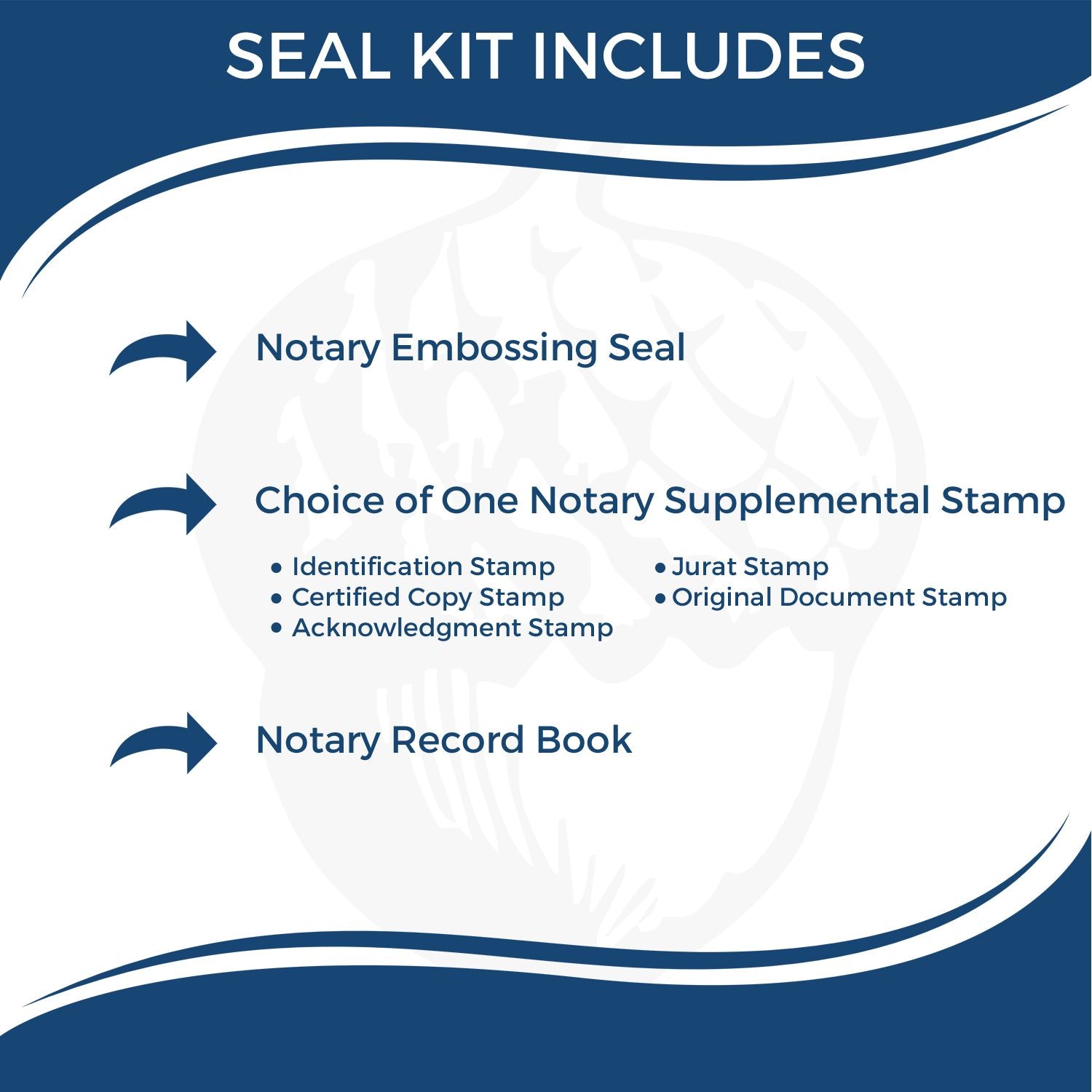
If you’d rather skip the process of piecing together each supply individually, you can buy an all-in-one package, often called a California notary kit. These kits typically come with the essentials:
- State-compliant notary stamp
- Embosser (optional in some kits)
- Notary journal
- Thumbprint pad (in certain bundles)
If you’re wondering whether a kit is worth it, consider the convenience factor. With a notary kit, you knock out multiple birds with one stone. Some kits even include a carrying case or additional guides to help you navigate common notary scenarios. Browsing options like a California notary kit could give you a quick sense of how these sets can simplify your shopping.
Customizing your kit
Not every kit is created equal. Some focus on budget-friendly basics, while others offer premium stamps or leather-bound notary journals. Before adding a kit to your cart, think about whether you need:
- A fancy or professional-looking journal for client-facing scenarios
- Extra stamps in various colors (sometimes helpful if you want to differentiate documents)
- Digital add-ons like e-notary tools (if your state allows remote notarizations)
A well-rounded kit can be a sanity saver, but if you already own a few items, you might prefer buying just the missing pieces a la carte.
When to restock or renew
California notary commissions typically last four years, after which you’ll go through a renewal process. It’s wise to double-check your kit before each renewal to ensure:
- Your stamp is up-to-date with the correct commission expiration
- Your notary journal still has enough pages
- Your seal or embosser remains in good working order
If you’re curious about the timeline, take a look at any guidelines on California notary stamp renewal requirements. Being proactive cuts down on last-minute stress that might come from overlooking renewal deadlines.
Rely on a trusted supplier
For official tools like stamps and seals, it’s key to find a supplier you trust. Some online shops might offer dirt-cheap bundles, but you could risk subpar quality, misprints, or even noncompliance with state standards. With so many potential pitfalls, it pays to connect with a respected company that’s been around for a while.
Why Acorn Sales?
California restricts who may make the seal. The Secretary of State publishes a list of authorized notary seal manufacturers, and the commission packet says those are the only manufacturers permitted to make a California notary public seal. Acorn Sales is on that list under manufacturer code ASC3, so a seal ordered here is made by an authorized manufacturer.
Acorn Sales has been in the stamp-and-seal-making business for over 60 years, producing top-quality products that meet state requirements. Their quick turnaround times mean you won’t be stuck waiting weeks for your supplies to arrive. Need a reliable California notary stamp or a new seal? They’ve got you covered. They also offer resources to help you navigate rules and keep your stamp in prime condition. With that kind of expertise, you can worry less about compliance and focus more on providing excellent notary services.
Checking for quality certifications
When evaluating any supplier, look for:
- Clear note that their stamps comply with California guidelines
- Ability to provide custom text (e.g., your notary name spelled correctly)
- Positive customer reviews or testimonials
- Detailed instructions on product care
A top-tier supplier invests in high-grade materials and easy-to-read stamp fonts. You don’t want your imprint to fade or smear after minimal use. Also, watch out for a helpful customer service line or email, chances are you’ll need them at some point if you run into a technical snag.
The cost of cutting corners
While you might be tempted by a low price tag from an unknown source, always consider the risk. If your stamp is rejected due to noncompliance, you’ll have to reorder anyway, wasting both money and time. Worse, a misprint could tarnish your credibility. A single notarization gone wrong can hurt your reputation and potentially lead to legal complications. Investing in trusted California notary supplies from a reputable company is a choice that can save you big headaches later.
Stay on top of compliance
California holds notaries to a high standard, and each piece of equipment you use reflects on your professionalism. It’s not just about following the letter of the law, it’s also about building trust with your clients and the public. Staying compliant protects you legally and ensures every notarized document stands up in court if challenged.
Regularly review regulations
Given that state laws can change, it’s wise to periodically glance at the current rules and guidelines. If there’s a revision to California’s notary laws, you might need to update your procedures, forms, or supplies. Keep an eye on official state websites or consult resources like the California notary public seal guidelines to see if anything shifts.
Maintain proper records
Your journal entries can make or break a legal defense if someone questions a notarization. You’re required to note tons of information:
- Date and time of the notarial act
- Type of document and signer’s details
- Form of ID or credible witness used
- Signer’s signature
- Thumbprint for certain documents
Keeping neat, accurate records not only satisfies the law but also ensures you have a clear paper trail if an issue arises down the line.
Renew your commission on time
Failing to renew your notary commission before it expires can land you in hot water. Even if you’re fully stocked with the best supplies, you won’t be authorized to notarize anything without a current commission. Staying vigilant about your renewal timeline (and ensuring your stamp or seal reflects current data) helps you avoid confusion or accidentally performing acts outside your commission period.
What to check before you order
California notary supplies aren’t just random office items, they embody your professional identity. A state-compliant stamp, a secure seal, and a thorough notary journal are the trifecta for smooth, legitimate notarizations. To tie it all together:
- A notary stamp or seal must match California’s guidelines, including correct text and expiration details
- Consider a separate embosser if you value extra security or a more formal look
- Stock up on helpful add-ons like thumbprint pads and high-quality pens
- Evaluate whether an all-in-one notary kit simplifies your search
- Team up with a reputable supplier such as Acorn Sales for peace of mind
- Keep your records accurate, renew your commission on time, and stay informed about regulation changes
If you take these steps, you’ll have no trouble performing your notarial duties responsibly. After all, thorough preparation is half the battle, and it goes a long way toward making your notary services stand out in the best possible way.
Yes. Many suppliers, including Acorn Sales, let you tailor packages to fit your preferences. A California notary kit might contain a state-compliant stamp, seal, journal, and a thumbprint pad, all in one convenient bundle. Make sure to confirm the correct commission details at checkout so every component reflects your current info accurately.
Feeling ready? With the right California notary supplies, you’ll sail through notarizations and deliver professional results that align with state law. Whether you opt for a single stamp or a full notary kit, preparation is your ally. Take a moment to double-check your current supplies, then choose items that best serve your notarial responsibilities. If you take that extra step to ensure quality, compliance, and organization, your clients will appreciate it, and you’ll gain the peace of mind that you’re doing everything by the book.
Frequently Asked Questions
How often do I need to refresh my notary stamp?
You should refresh your stamp if your commission information changes. In California, you generally renew your commission every four years, which is also a convenient time to order a fresh stamp.
Is it better to use a notary seal or a stamped impression?
California mostly relies on notary stamps, but a seal can be an extra flourish that some clients appreciate. An embossed seal offers a raised mark that’s visually distinct. However, if clarity is your priority, a self-inking stamp typically works best. You can also combine both for maximum security, but it’s essential to confirm your seal meets California guidelines. If you’re unsure, look at the state’s official California notary stamp and seal criteria.








