
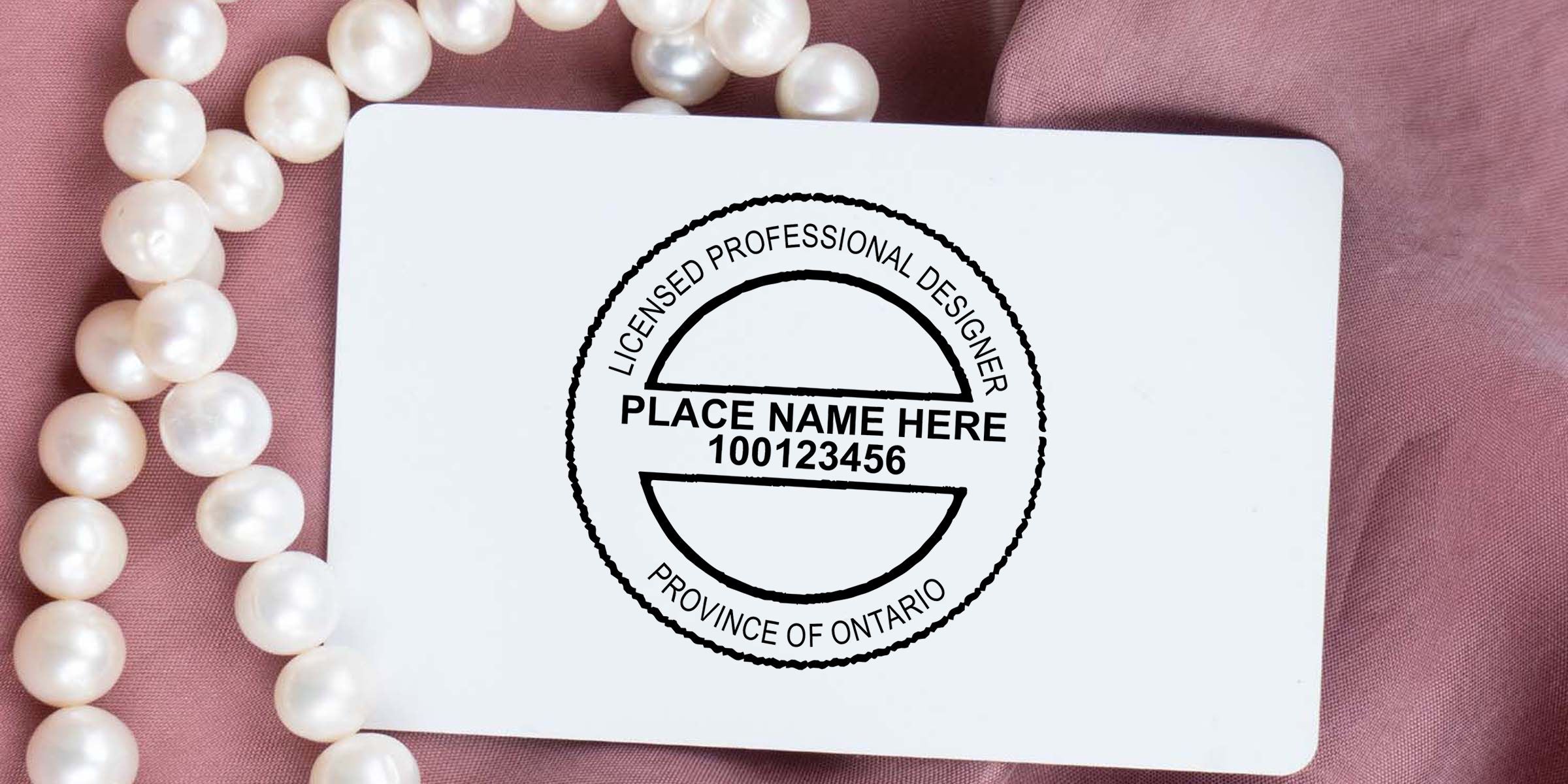
If you’re on the hunt for a dependable Canada land surveyor stamp maker, you’re probably juggling multiple concerns: meeting official requirements, staying within budget, and getting a durable product that’ll last. After all, your stamp or seal represents your professional credibility. Why not get it right the first time?
Below, you’ll find everything you need to know about getting the right stamp for Canada Land Surveyors. We’ll cover regulations, design options, and tips for prolonging the life of your stamp. Plus, we’ll look at how Acorn Sales, in business since 1964, can help you secure a high-quality impression every time.
Understand Canada Land Surveyor Stamps
What These Stamps Represent
A Canada Land Surveyor Stamp (or seal) is no fancy piece of rubber. It’s a tool that verifies your authority and expertise in all things surveying. When you press that stamp onto official documents, you’re essentially saying, “I’m a qualified professional, and this work meets the highest standards.”
Because each province may have its own guidelines for how a land surveyor stamp or seal should look, the specifics can vary. The overall logic is consistent, though: your stamp validates that your drawings, measurements, and reports adhere to regional or national regulations.
Why Quality Matters
A blurry or inconsistent stamp impression can raise eyebrows. If part of your seal is unreadable, your official documents might be questioned, which is the last thing you need. Clear lines and consistent ink flow, those details matter. A high-quality maker ensures precision in your stamp’s lettering, spacing, and seal design, helping you avoid misunderstandings or rejections down the line.
If you ever want to dig deeper into the specifics of a Canada Land Surveyor Stamp, remember you can check Canada Land Surveyor Stamp for more insights and purchase details.
Follow Official Requirements
Importance of Accurate Impressions
scenario: you’ve just finished a significant survey project that involved multiple weeks of fieldwork and hours of drawing up final plans. You apply your stamp, only to discover half of the wording is smudged. That small detail can lead to delays or even rework. Accuracy is important. Each impression needs to be consistently legible, displaying your name, license number, and provincial identifiers as required.
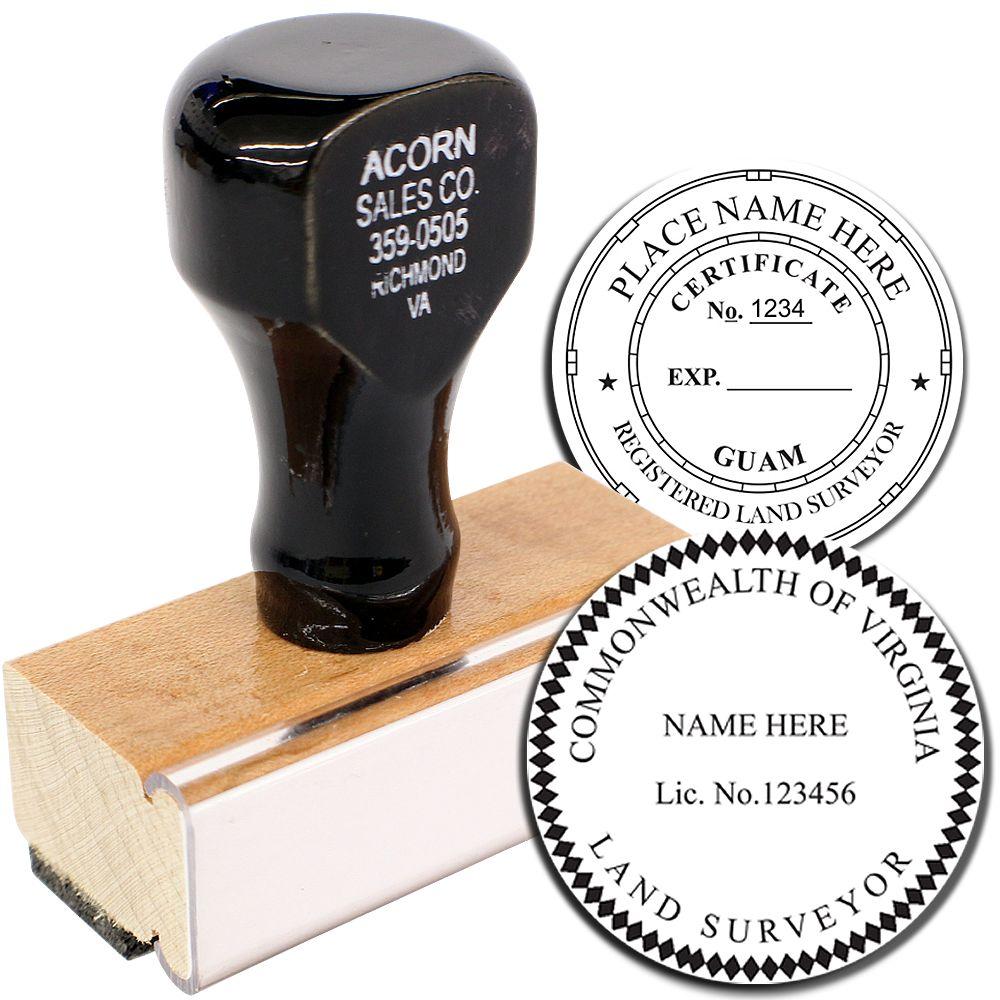
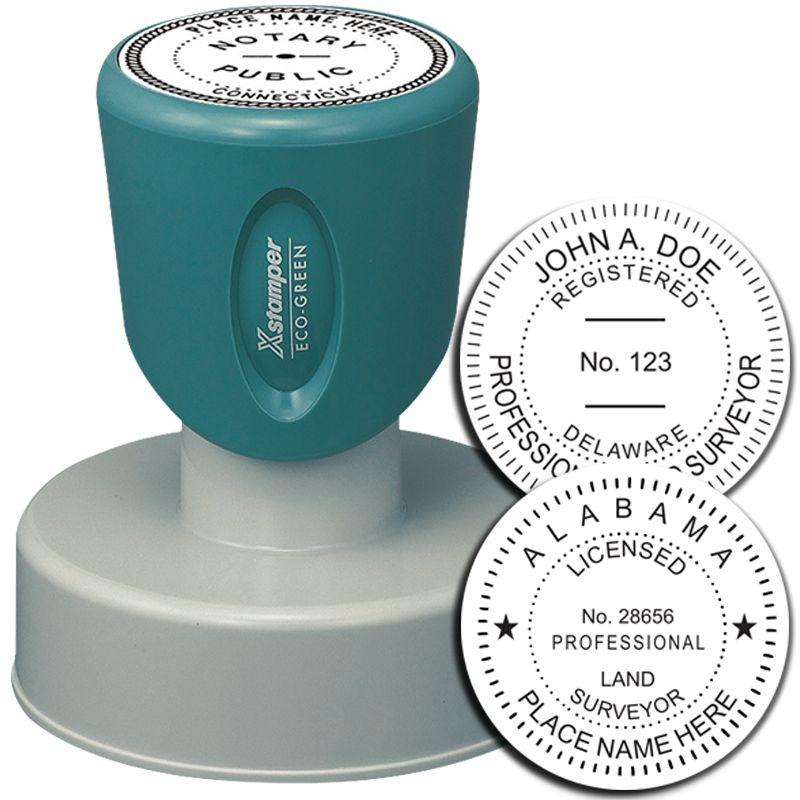
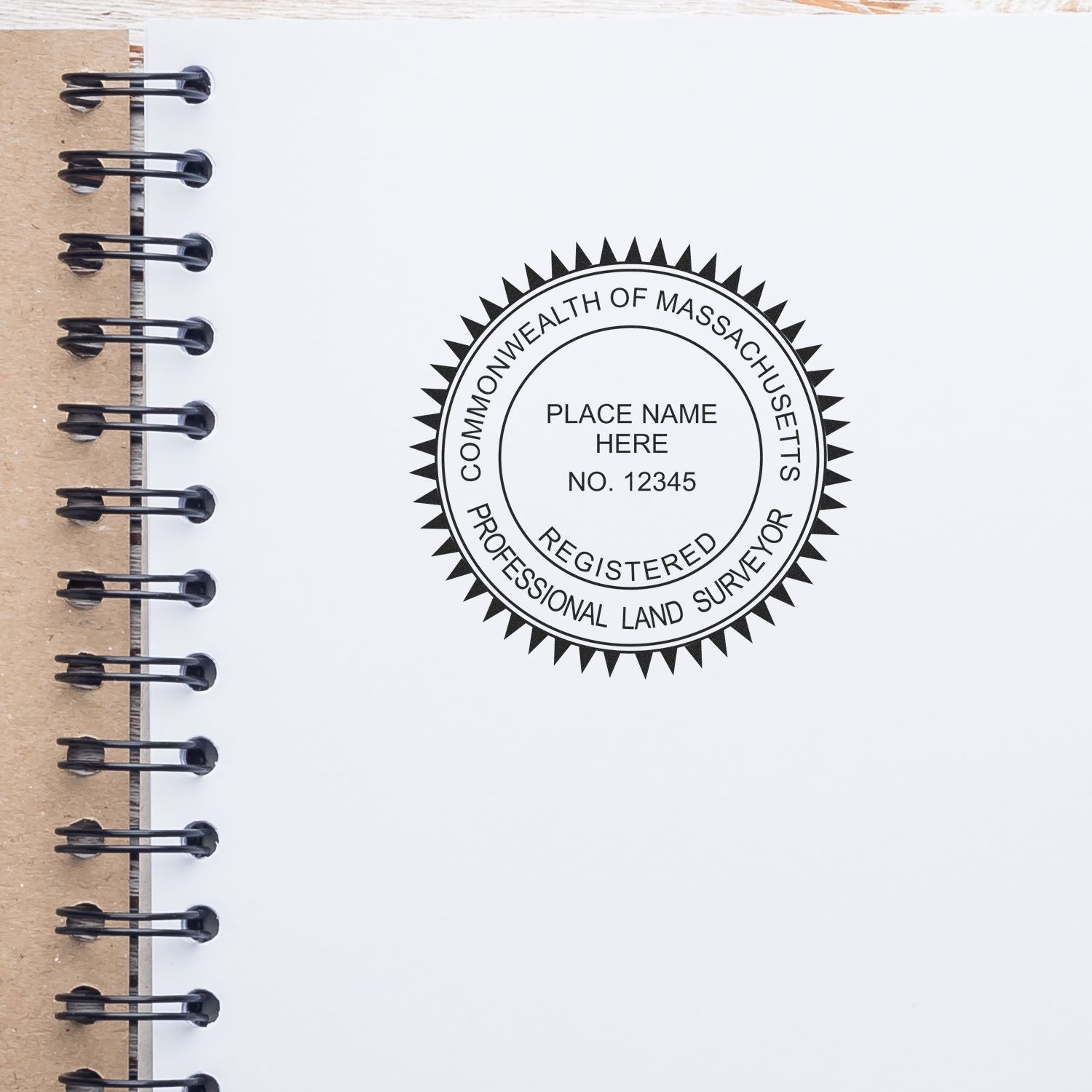
Here’s the thing: certain provinces or territorial authorities might require specific border shapes, diameter sizes, or the presence of certain text. These details can differ slightly between, say, Ontario and Alberta. That’s why it’s wise to verify local guidelines before you invest in any stamp.



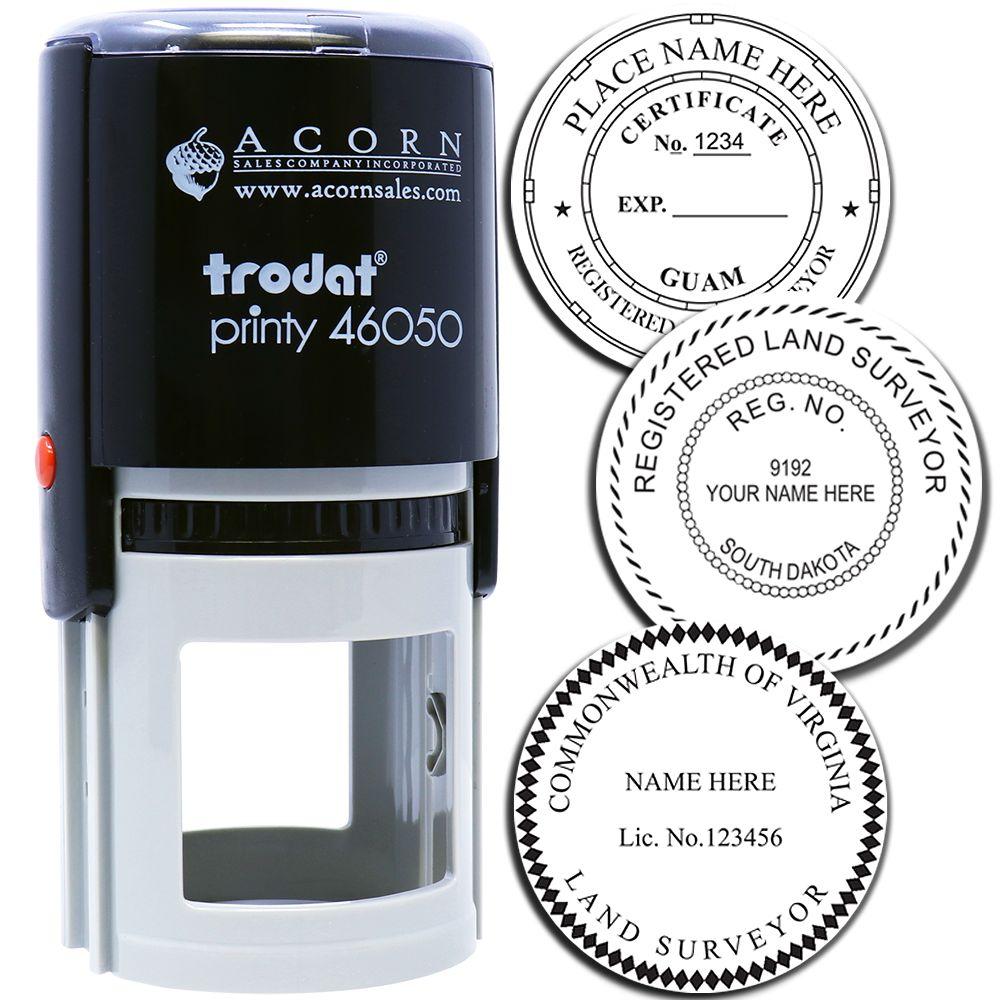

Provincial and Surveyor Guidelines
While national associations provide a broad framework, local surveying boards also set forth detailed instructions. Most mandate that the seal includes:
- Your legal name in full
- Your license or registration number
- The official provincial designation (such as Ontario Land Surveyor or Canada Land Surveyor under a national scope)
Some provinces even require you to have both a stamp and an embossed seal. Make sure you’ve read the full guidelines before pressing the “Order” button. It might seem like extra steps now, but doing so prevents frustration later.
Choose a Reliable Supplier
Why Acorn Sales Stands Out
With so many online shops offering surveyor stamps, it’s easy to feel overwhelmed. However, you want a company with a proven track record. That’s where Acorn Sales comes in. We’re talking decades of expertise, beginning in 1964. Over the years, Acorn Sales has refined the art of crafting precision stamps for licensed professionals across Canada.
Ever worried about a short product lifespan? Acorn Sales focuses on durable materials and sturdy construction, so your stamp or seal can handle repeated use. Even better, they provide a free digital seal along with your physical stamp. That’s a win-win if you ever need to certify documents digitally.
Compare Different Stamp Methods
Traditional and Self-Inking Options
Some surveyors swear by traditional rubber stamps paired with a separate ink pad, while others love the convenience of self-inking models. Here’s a quick breakdown:
Traditional rubber stamps:
Can produce sharp impressions.
Often have a lower initial cost.
Self-inking stamps:
Each impression is quick and consistent.
Faster if you need multiple stamps in one sitting.
Slightly higher upfront cost.
Choosing between these often boils down to personal preference and your workload. If you stamp documents all day long, a self-inking style might save you time and hassle.

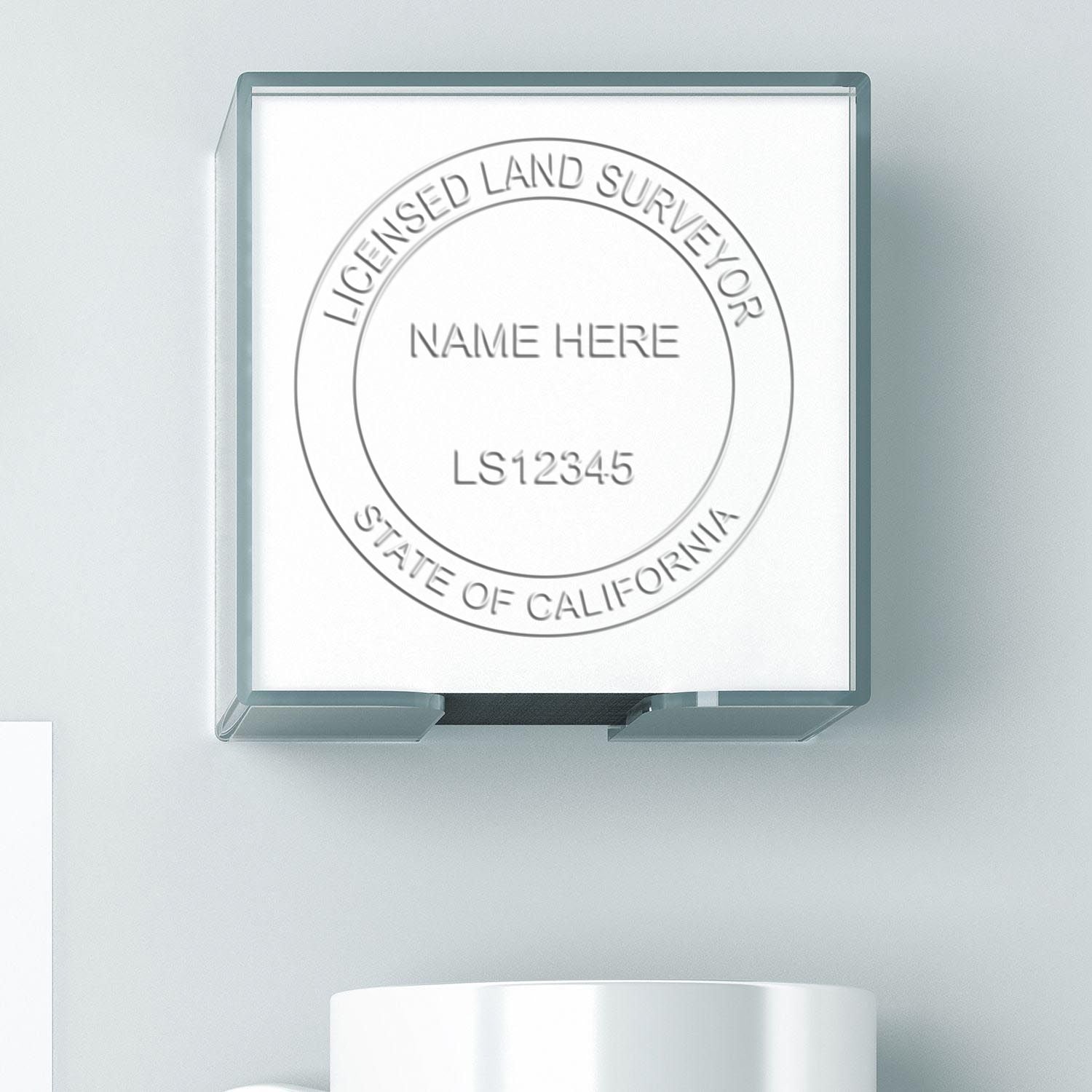
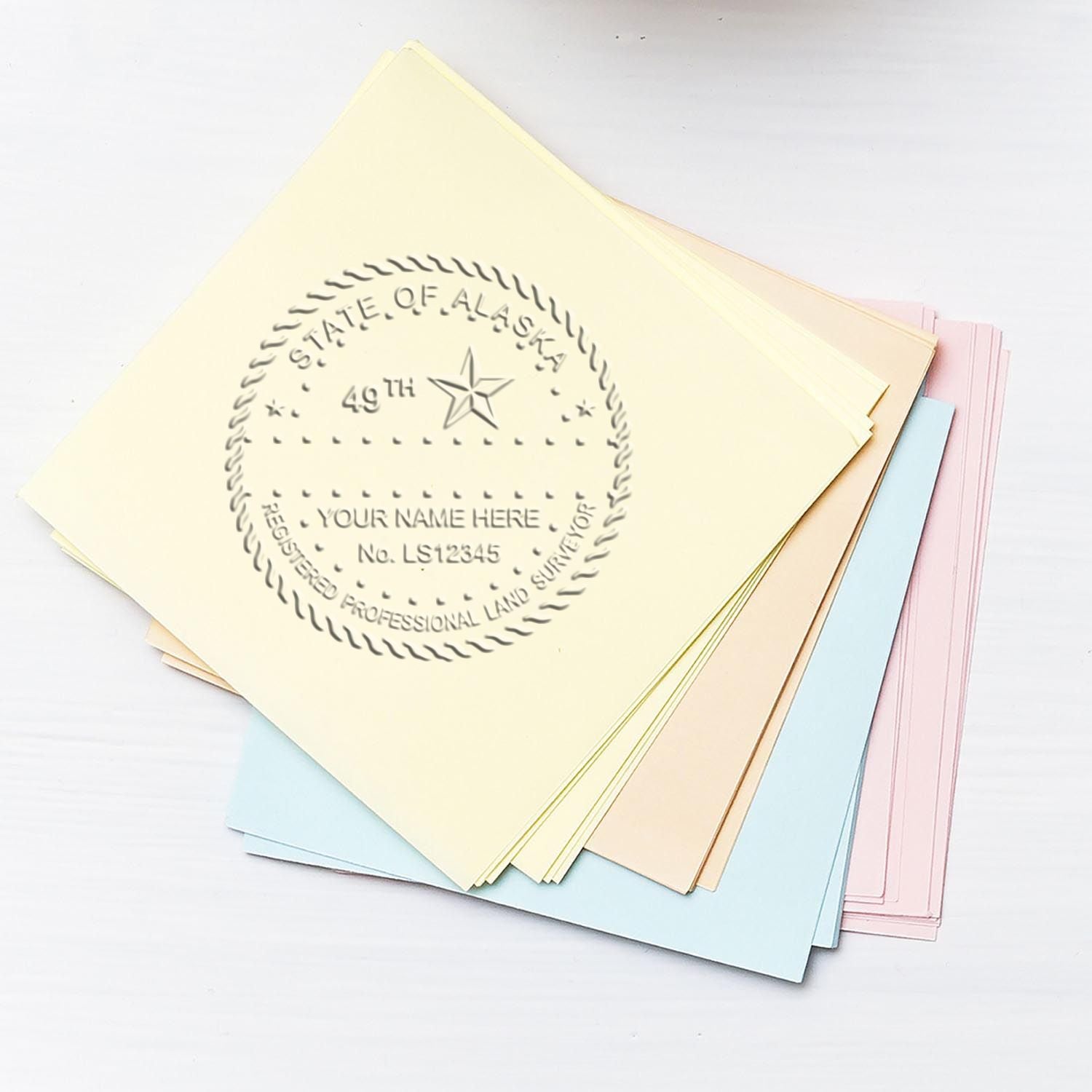

The Perks of a Digital Seal
Today’s world is increasingly digital. A digital seal can be a lifesaver when sending documents for review and when archiving them for future reference. Instead of going through the process of printing, stamping by hand, and then scanning, you can apply an electronic version of your seal directly to the file.
Acorn Sales offers a free digital seal with your physical stamp purchase, so you can confirm authenticity both online and offline. This digital element proves especially handy when rapid turnaround times are important, say, for urgent land surveys or last-minute permit applications.
Understand the Ordering Process
Steps to a Smooth Purchase
Ordering a Canada Land Surveyor Stamp might feel complicated, but it doesn’t have to be. Here’s a simple checklist for you:
- Confirm regulations:
Make sure you’ve read the guidelines for your specific province and for your professional association. - Gather details:
You’ll need your license or registration number, as well as the exact text your stamp must display. - Choose a reputable maker:
Look for a company, like Acorn Sales, that understands Canadian surveying standards. - Pick your style:
Self-inking, traditional, or even a custom embossing press. - Double-check your design:
Before finalizing, verify spelling, spacing, and formatting are correct.
If you follow each step, you’ll avoid the most common mistakes, like printing the wrong name or missing an important piece of text.
What to Look For in a Vendor
Apart from experience, a great vendor will clarify shipping timelines, offer easy reorders, and deliver strong customer support if something goes wrong. Also, keep an eye out for any extras included in the price. A free digital seal is a major plus because it spares you the headache of buying a separate digital solution down the line.
Do they provide realtime previews of your seal or stamp design before it goes into production? That’s a huge help when you want to confirm that every detail appears precisely the way you need it. Basically, it’s all about transparency and support.
Maintain Your Stamp Over Time
Cleaning and Storage Tips
Once your new Canada Land Surveyor Stamp arrives, you’ll want to keep it in prime condition. A quick wipe with a damp, lint-free cloth can remove dust or excess ink. For self-inking stamps, check the ink pad regularly and clean out any clumped-up ink. If you’re using a separate ink pad, ensure you store it closed and away from sunlight to prevent the ink from drying out prematurely.
In terms of storage, keep your stamp in a cool, dry place. High heat can cause the rubber to warp, while excessive moisture might degrade its surface. Proper care means you’ll get crisp, readable impressions day after day.
Replacing Parts
Even the sturdiest stamp will need upkeep. Eventually, you might have to replace small components, such as springs in self-inking models. Before ordering new parts, confirm you’re getting the right fit for your stamp type. It might help to jot down the model number in a safe place, like a note in your phone, so you don’t forget it down the road.
If your stamp’s design ever changes because of an updated regulation or a legal name change, you can typically request a replacement die (the rubber or polymer plate that carries the design). This way, you won’t have to buy a brand-new setup when only a portion of your existing stamp needs altering.
Explore Additional Seal Options
Beyond Basic Rubber Stamps
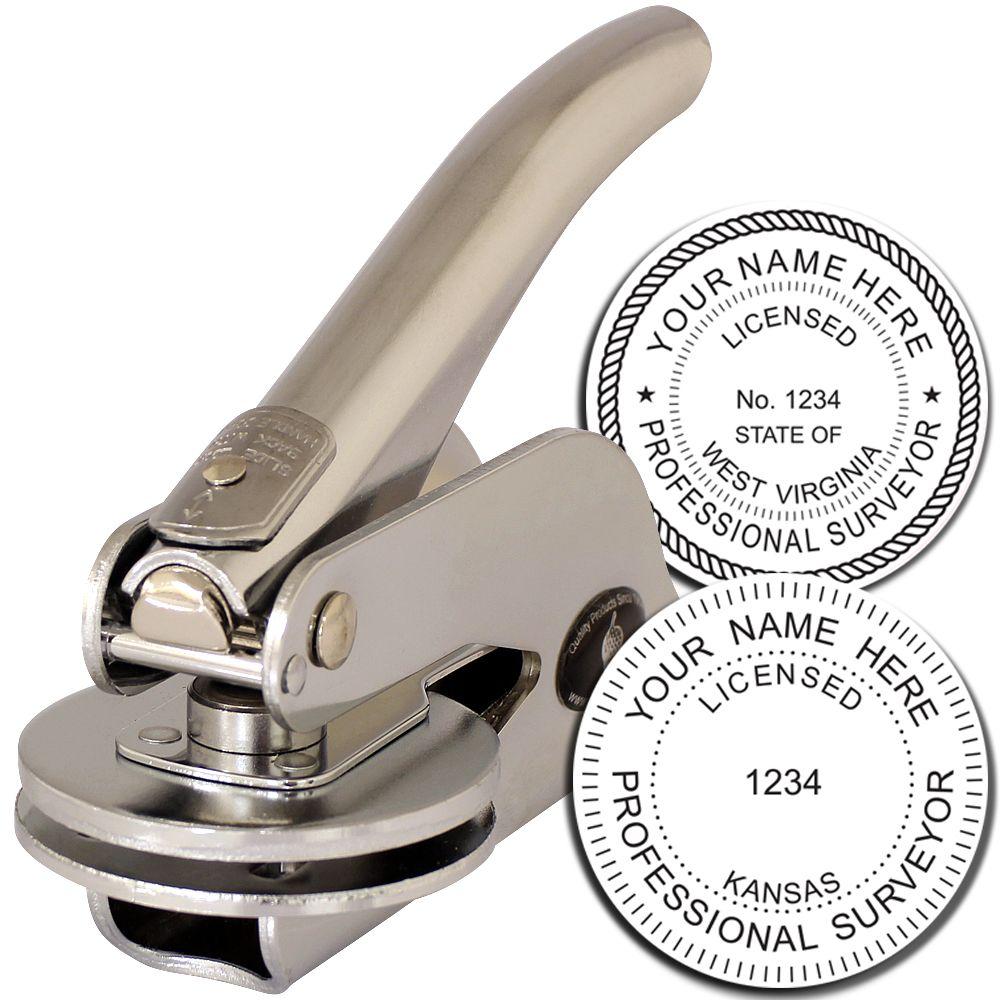
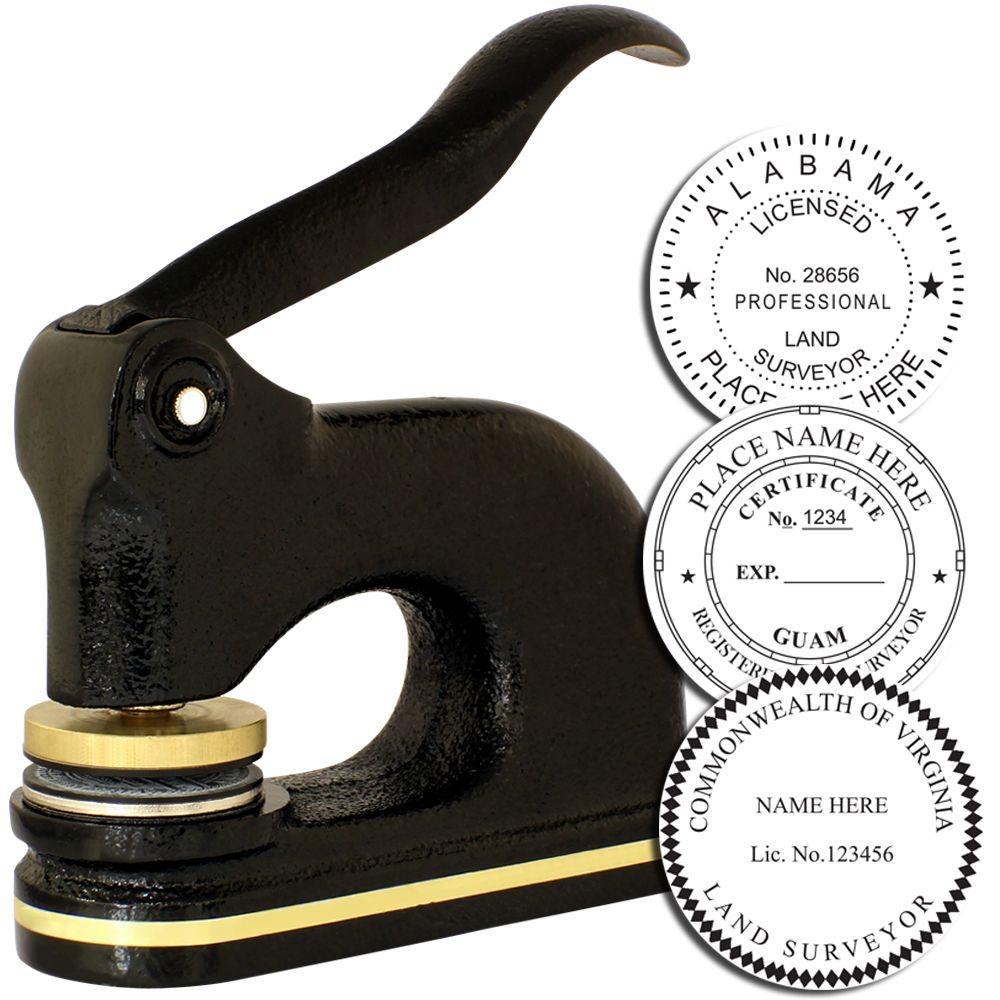
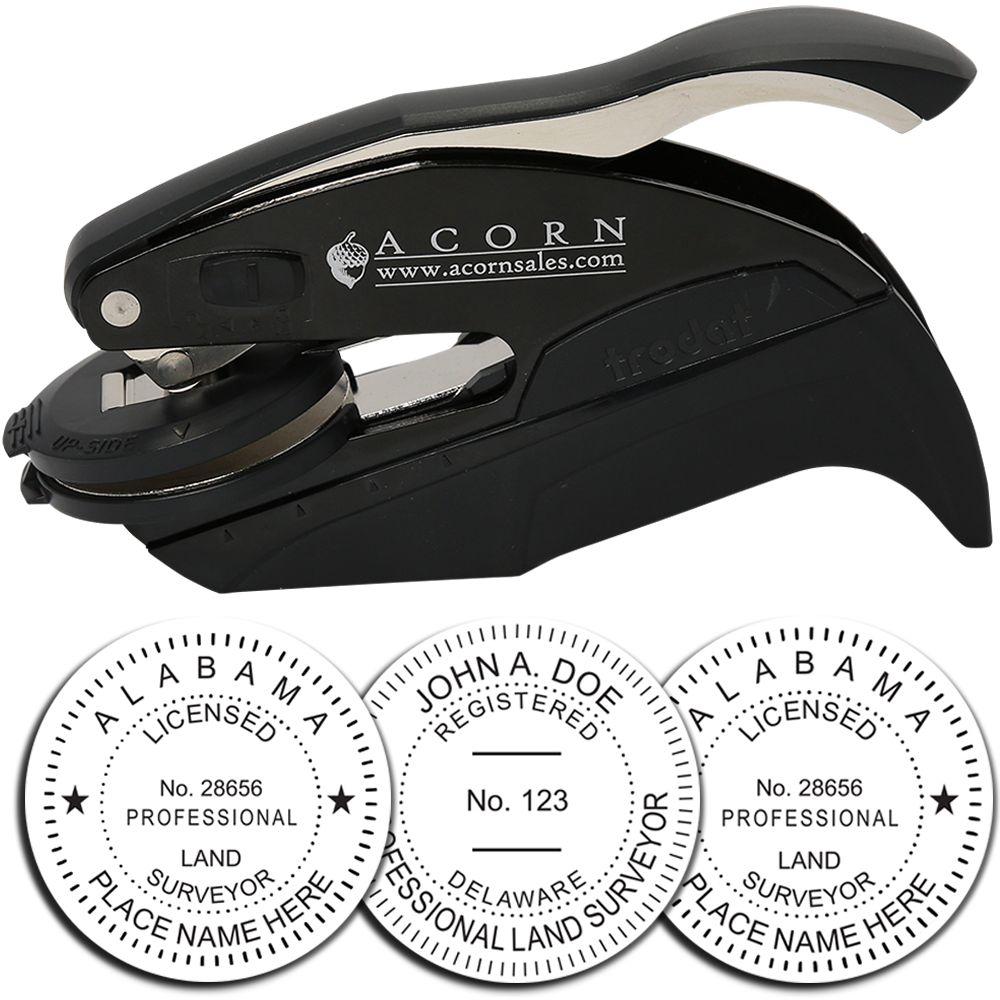
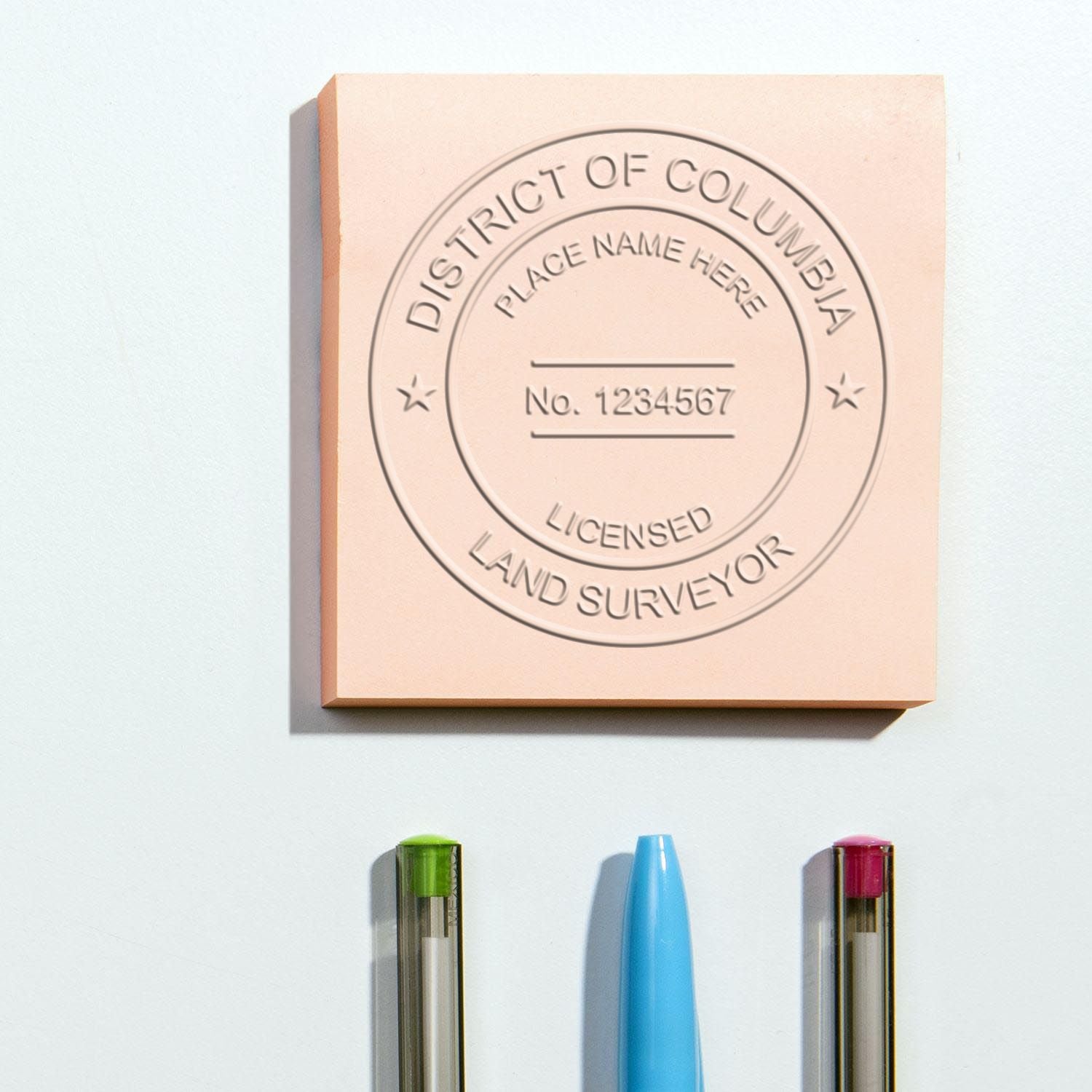
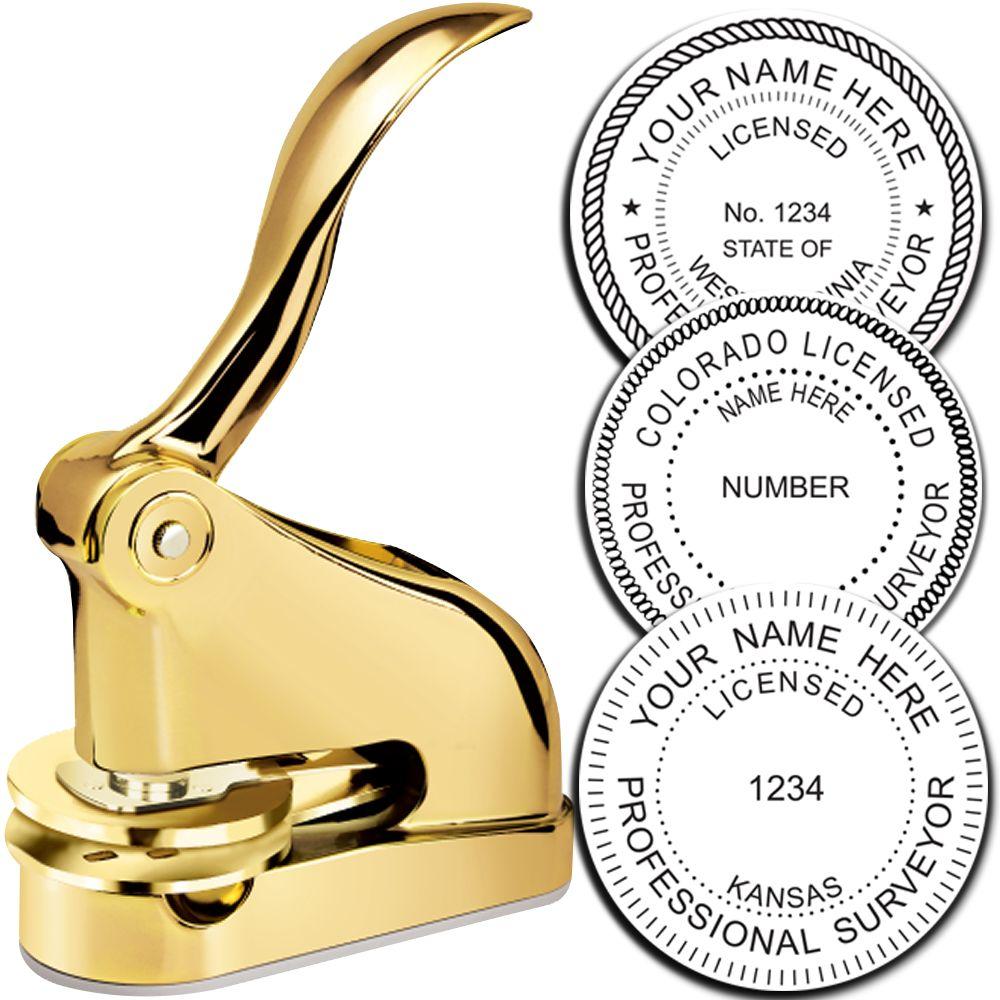
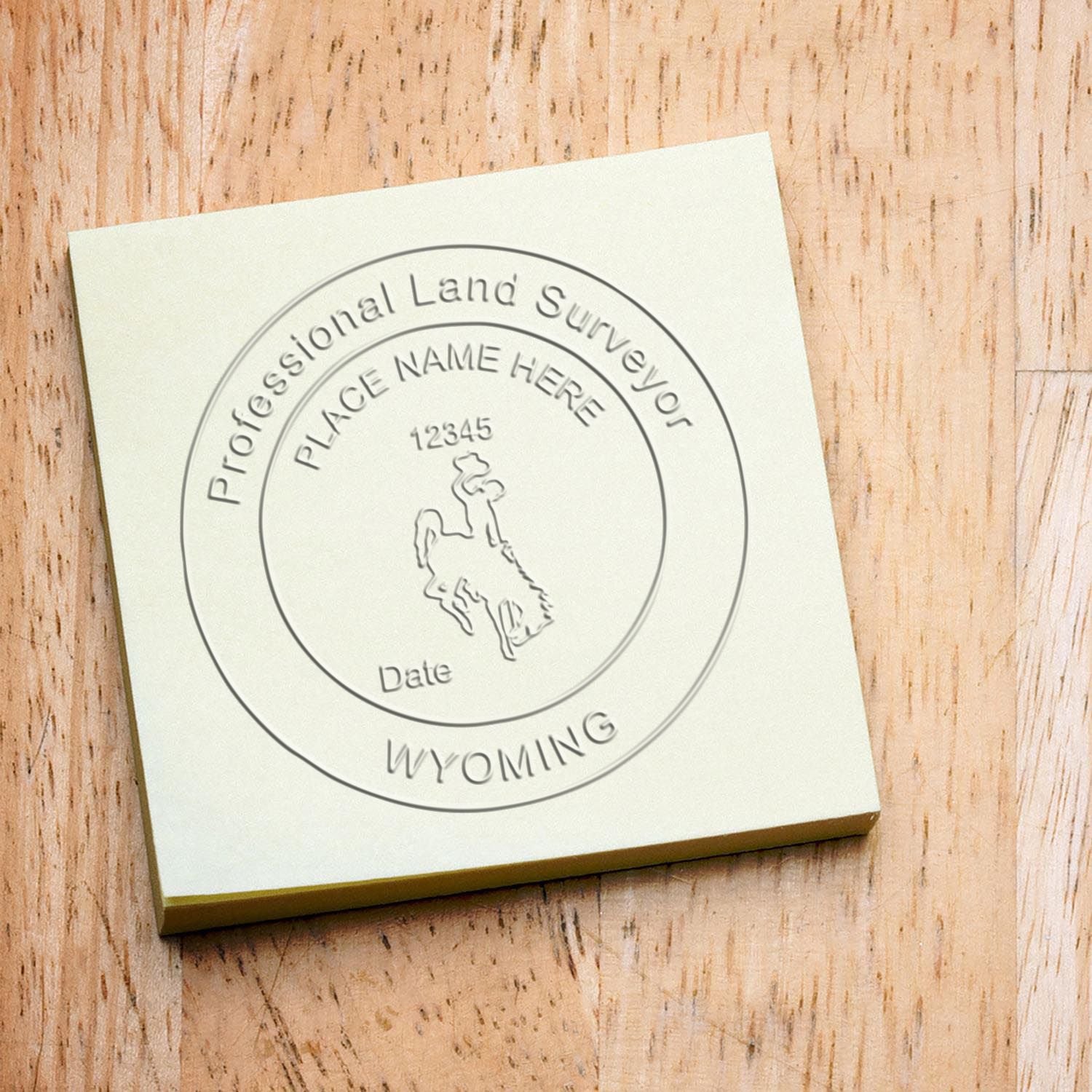
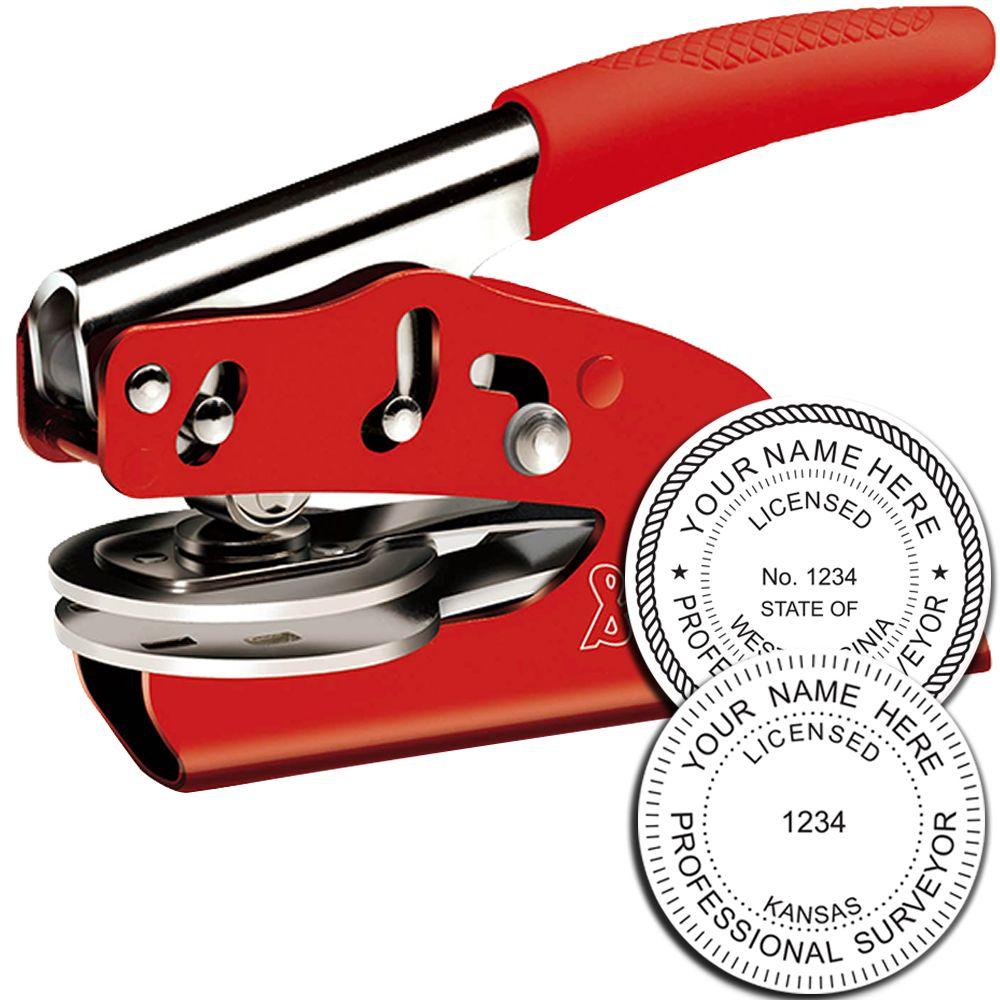
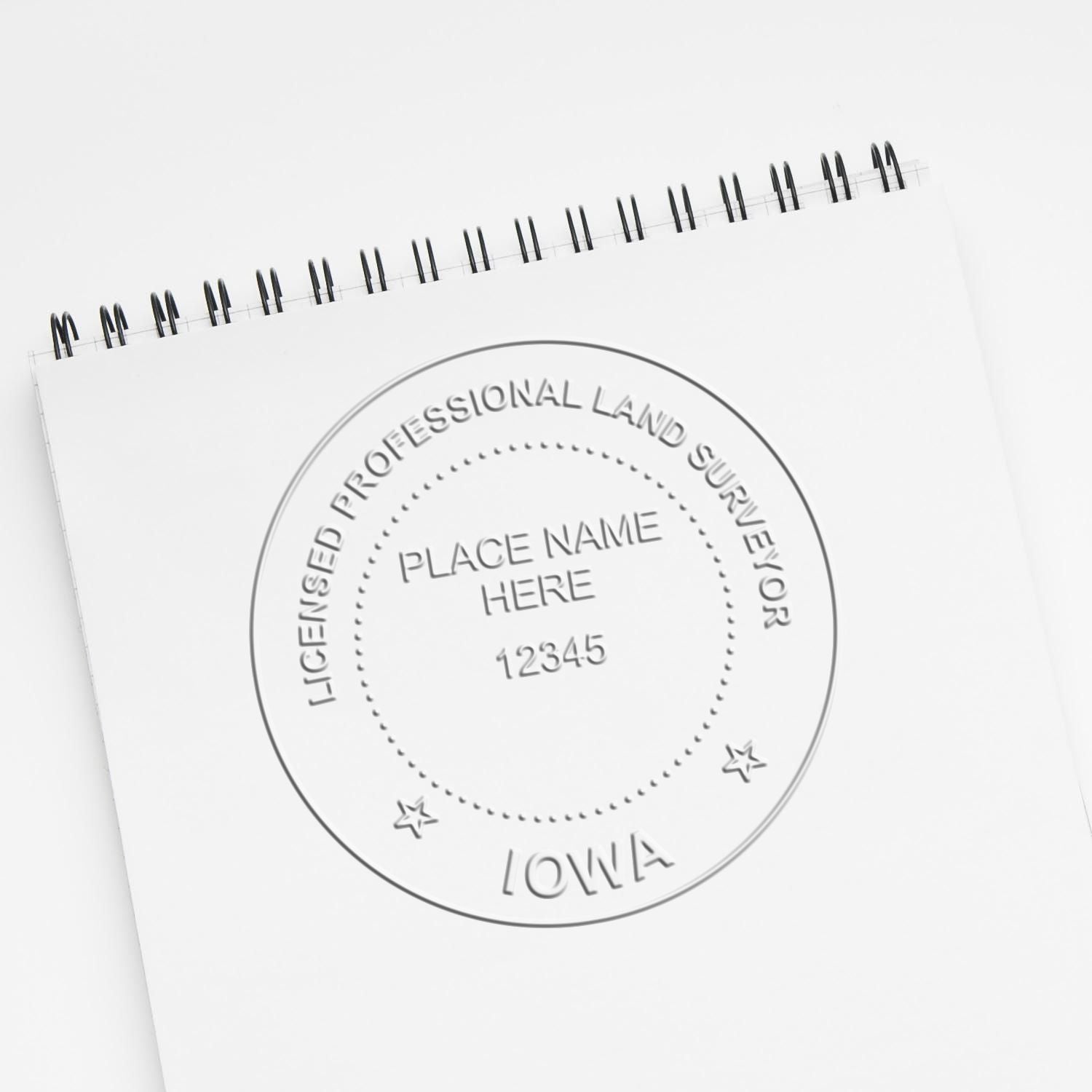
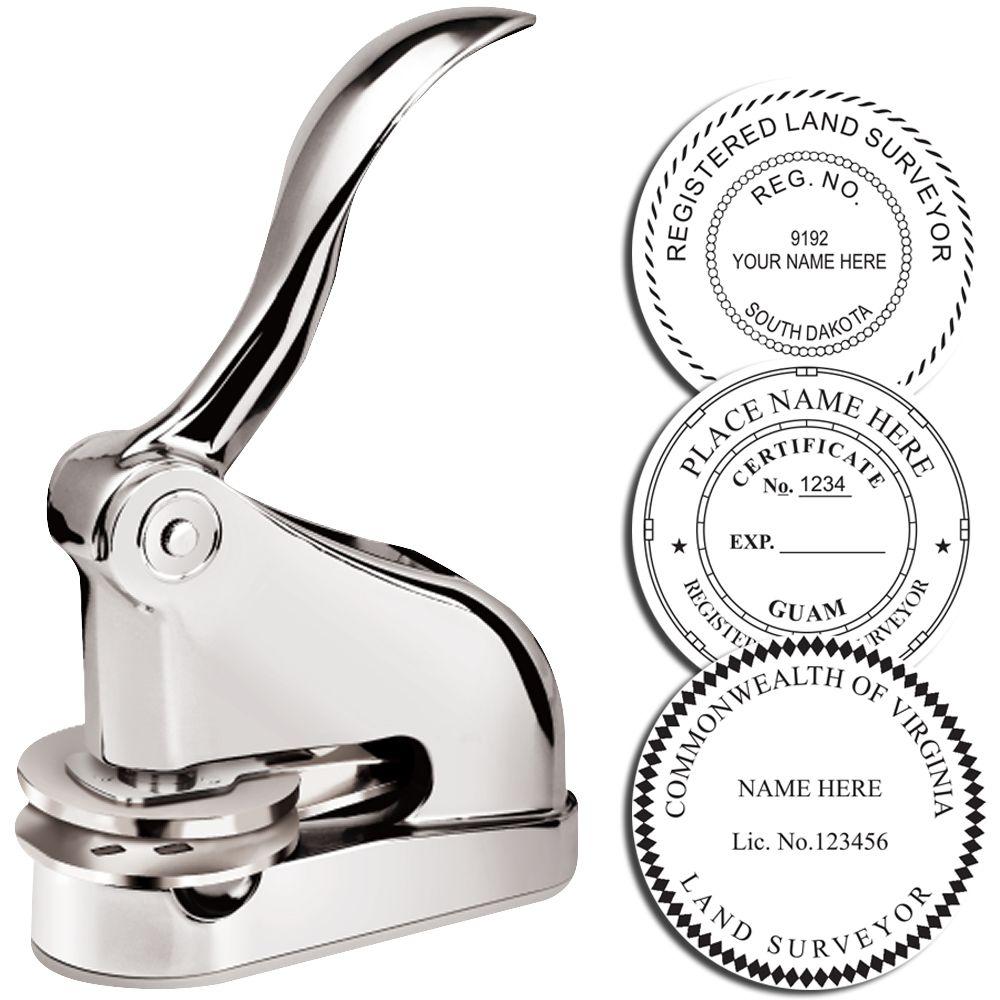
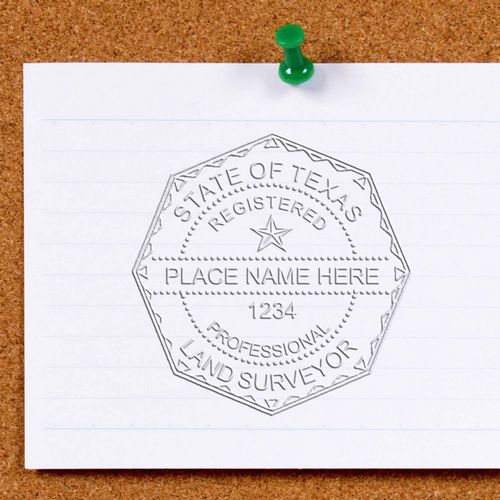
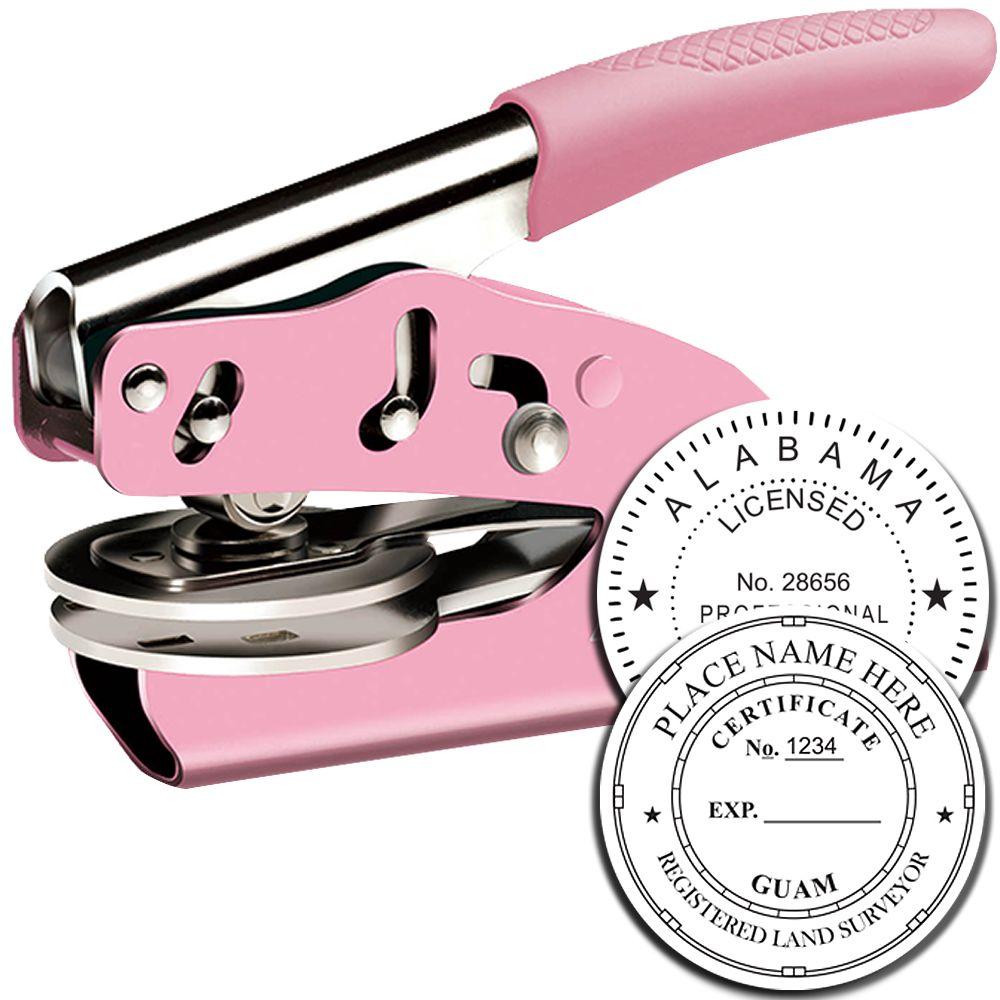
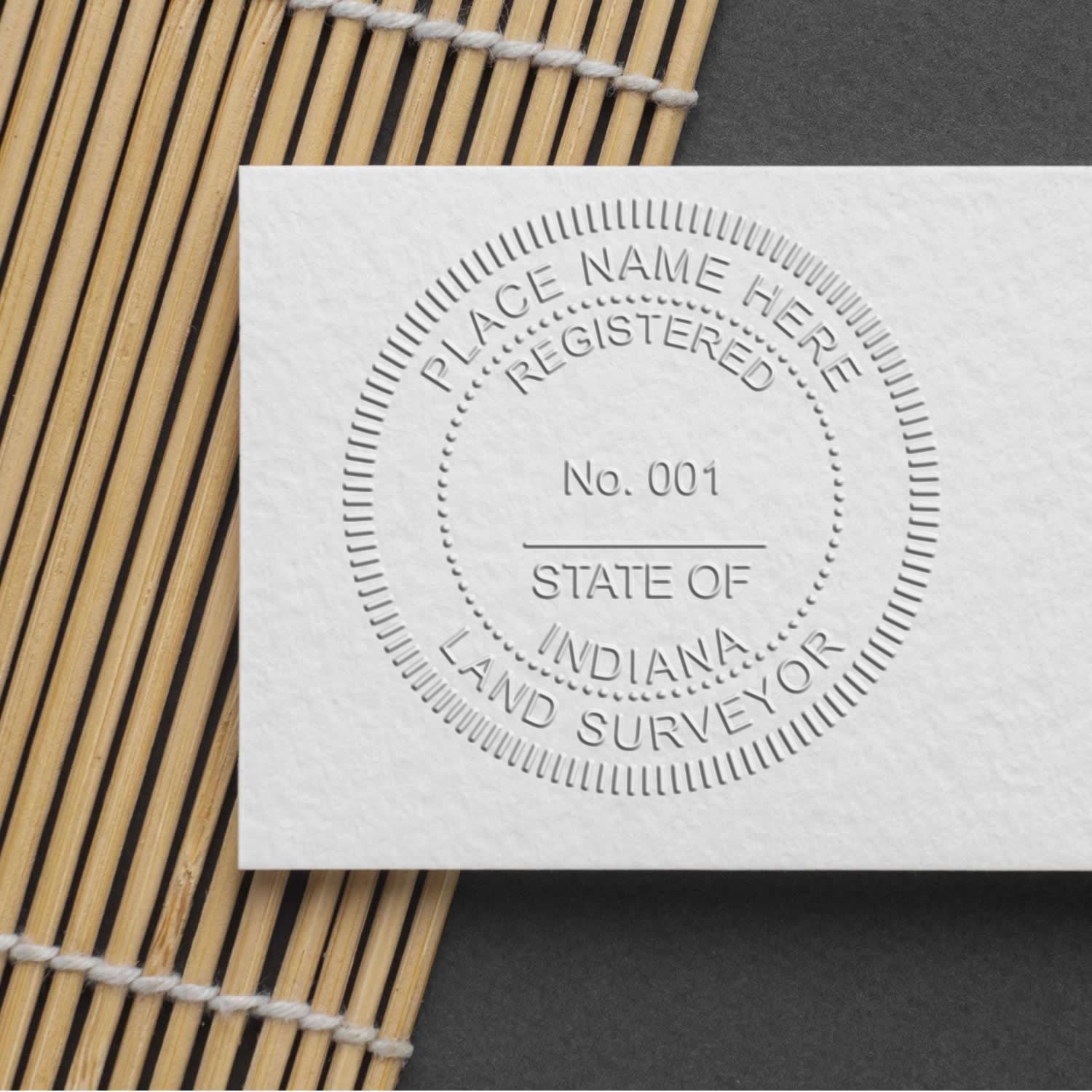
Some land surveyors prefer an embosser for certain documents or prefer a combination of stamping and embossing. With an embosser, you get that raised impression pressed right into the paper, creating a tactile, professional touch that’s hard to replicate in any other way. While an embosser alone might not fulfill every provincial requirement, it can serve as a strong companion to your ink stamp for more official documents.
If you’re in Ontario, for instance, you might use your Ontario Land Surveyor Stamp regularly but also invest in an embosser for formal letters. Think of it like having both a signature pen and a fountain pen: you can choose which tool best suits each scenario.
Accommodating Different Provinces
Moving across provinces or expanding your services? You might need multiple stamps tailored to each jurisdiction’s guidelines. Some professionals carry a separate stamp for each region to ensure they’re always in compliance. Pay attention to the shape and text required. If you’re branching out to new territories, be proactive. It’s far simpler to be prepped with the correct stamps than to scramble at the last minute when you’re already deep into a project.
Acorn Sales: Your Trusted Partner
At this point, you might be thinking, “All of this sounds great, but where can I reliably get it?” Here’s where Acorn Sales truly shines. Since 1964, they’ve been crafting high-quality stamps for professionals, including surveyors, notaries, and more. Their designs meet exact Canadian standards, and they take the time to confirm all necessary details so you don’t wind up with an unusable product.
Better still, Acorn Sales offers a free digital seal for Canada Land Surveyors who purchase their physical stamp or seal. That means you can instantly certify digital documents without buying additional software or licenses. And if you ever need a reprint or an adjustment to your design, their friendly support team has you covered.
Choosing the right Canada Land Surveyor Stamp goes beyond picking a design; it safeguards your professional reputation. With precise guidelines, multiple stamp styles, and a trusted supplier like Acorn Sales, you can confidently create accurate, authoritative impressions on every document. Take the time to confirm provincial requirements, decide on your preferred stamp style, and always keep your investment in good shape. That way, your work remains as professional on paper as it is in the field.
Frequently Asked Questions
How Long Does It Take To Get My Stamp?
Typically, shipment times depend on your location and customization details. Once the design is finalized, you can often get your stamp in a week or two. Confirm with the vendor for exact timelines.
Can I Use One Stamp For Multiple Provinces?
Usually, each province has its own specific stamp guidelines, including text and layout. You likely need dedicated stamps for each region to stay compliant with local regulations.
What About A Name Change Or Updated License Number?
You can request a replacement die so you don’t have to buy an entirely new stamp. Contact your provider, let them know the updated details, and they’ll guide you from there.
Is Embossing Required Along With The Stamp?
That depends on provincial rules. Some authorities want both an ink stamp and an embossed seal on official maps or plans. Check your local guidelines to see if embosser use is mandatory.








