
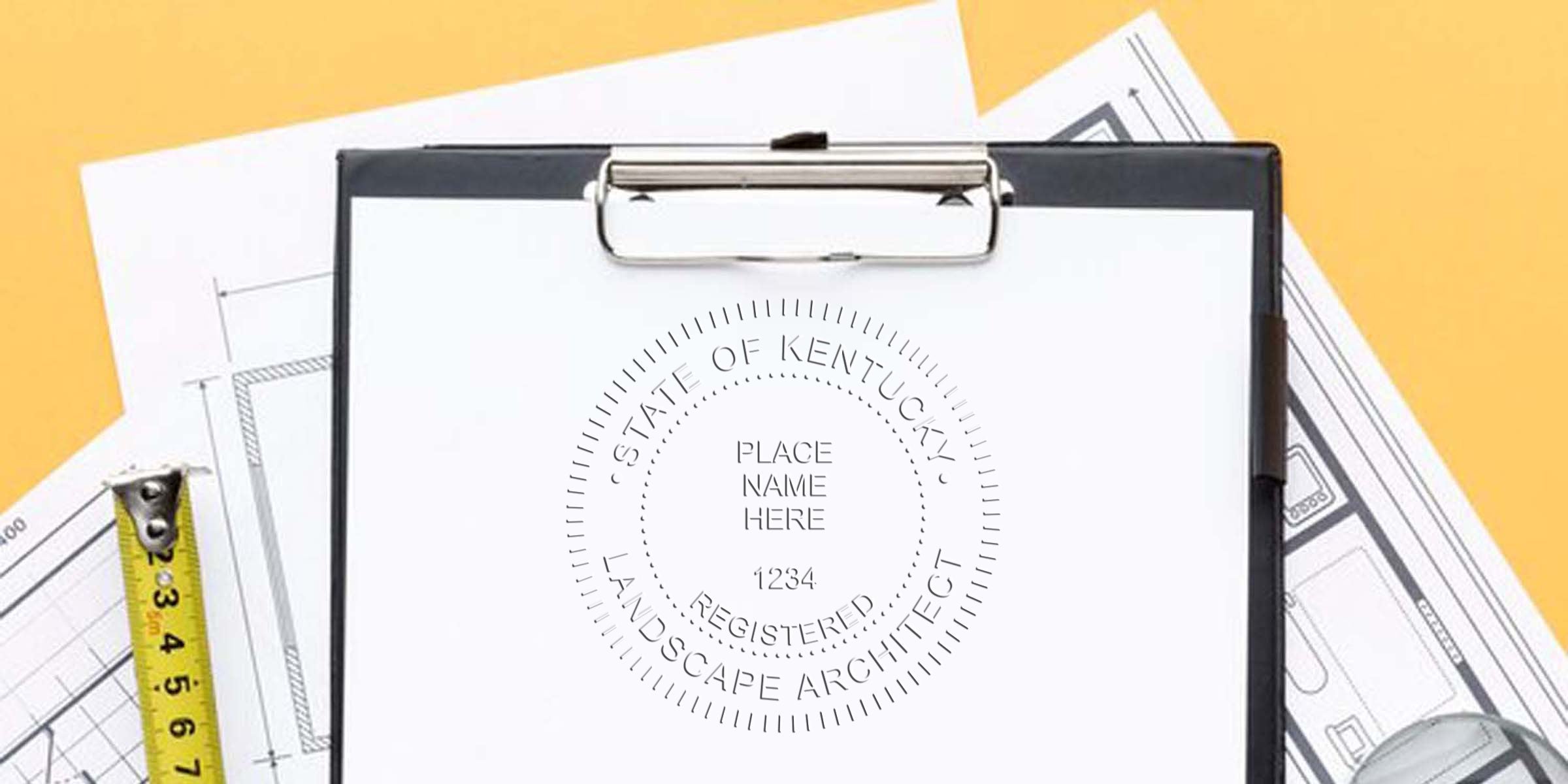
Finding the right Kentucky landscape architect seal embosser can feel like a small detail, but it makes a big impact on your professional identity and compliance. You want a reliable, high-quality tool that fulfills state regulations and looks crisp on official documents. At the same time, you might be juggling questions about design, format, and which suppliers you can trust. Let’s explore the ins and outs of Kentucky’s requirements, and discover how you can choose an embosser that fits your specific needs without breaking a sweat.
Beyond just the practical regulations, an embosser symbolizes your expertise in landscape architecture. You’ve worked hard to become a licensed professional, so presenting that credential with a neat, raised impression can feel pretty gratifying. Plus, Kentucky’s rules for landscape architects are fairly straightforward once you get to know them. In this article, you’ll walk through relevant guidelines, compare embosser styles, and pick up helpful tips to keep your stamping process smooth. You’ll also learn about Acorn Sales, a trusted supplier since 1964, that offers free digital seals and a range of handy options to make your work easier.
If you’re ready to simplify your stamping routine and ensure you’re meeting Kentucky’s official standards, you’re in the right place. To everything you need to know about preparing your seal and embosser so you can focus on what you do best, shaping outdoor spaces that delight clients and follow the law.
Understand Kentucky Landscape Architecture Regulations
Before you invest in any new tool, it’s essential to get a basic handle on the Kentucky rules for landscape architects. Relax, you won’t need to memorize any dense legal jargon. Instead, let’s break down the essentials so you know why the right embosser matters and how it fits into your overall credential process.
Kentucky’s Board Requirements
The Kentucky Board of Landscape Architects governs who can practice in the state and how official documents should be sealed. While the specific codes can change over time, the board typically expects licensed professionals to mark final drawings, plans, and other relevant documents with a legible seal or stamp. This seal confirms that you stand behind the document’s accuracy and that you’re properly licensed in Kentucky.
You might see references to a “Kentucky Landscape Architect Stamp” or a seal, but the core function remains the same: to provide proof of your legal authority to sign off on professional landscape architecture work. If you’d like a deeper look at what goes onto the seal’s design, you can visit official state resources or check out the Kentucky Landscape Architect Stamp options.
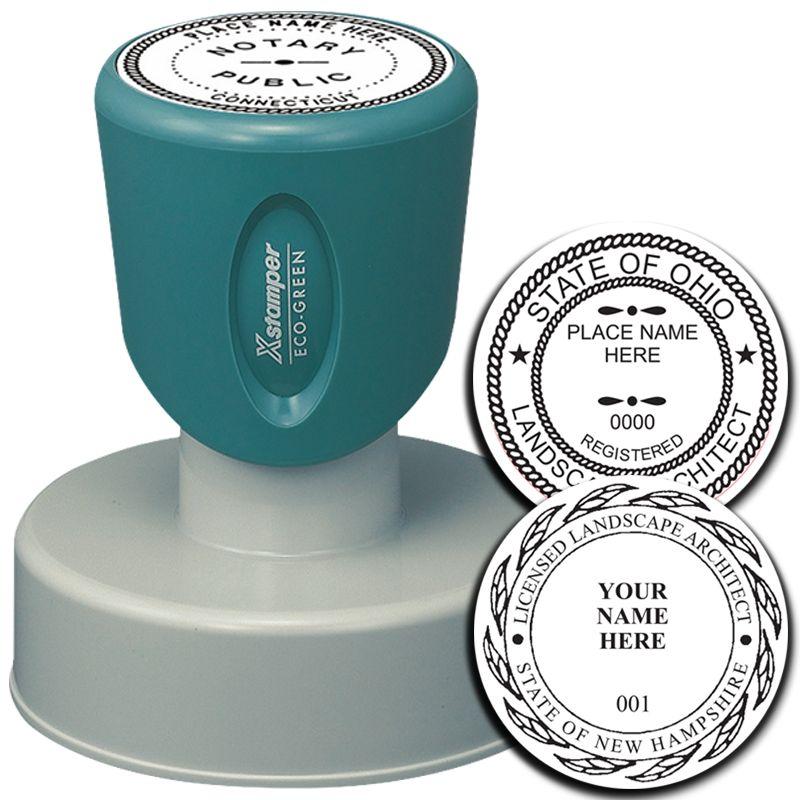



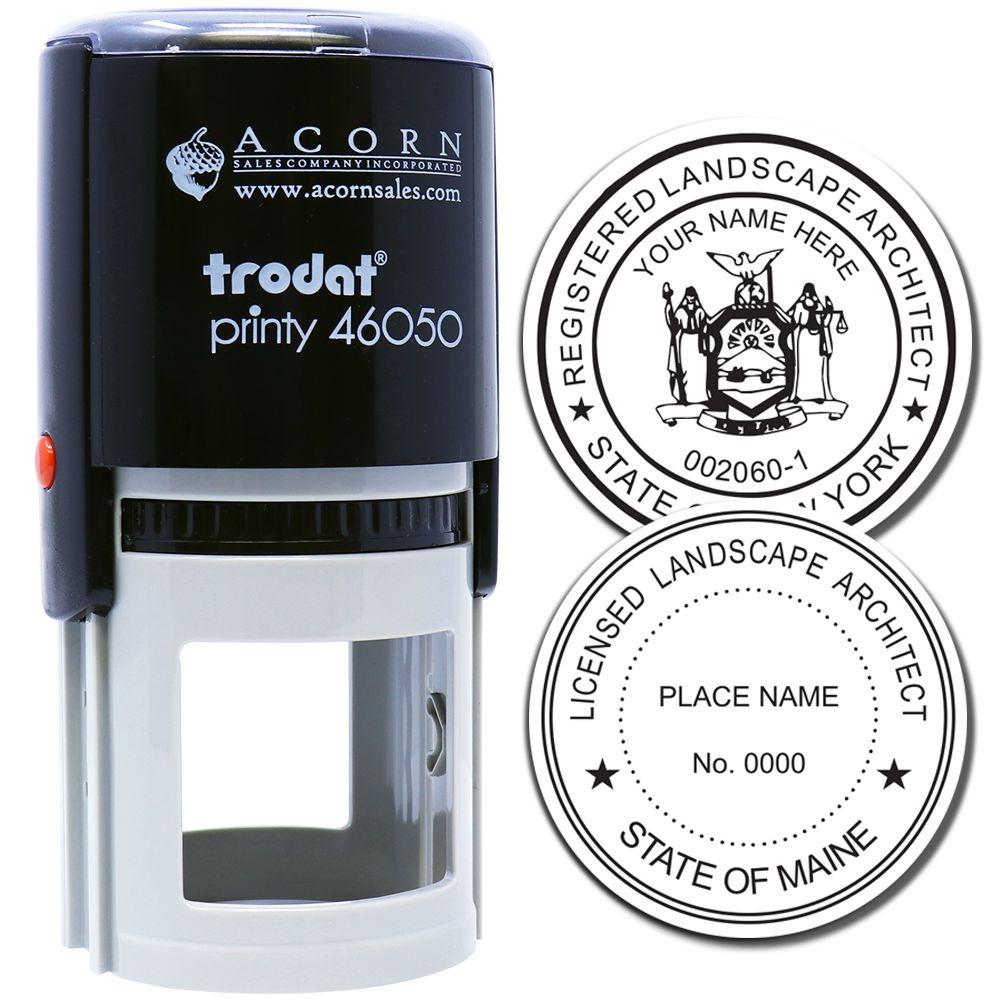

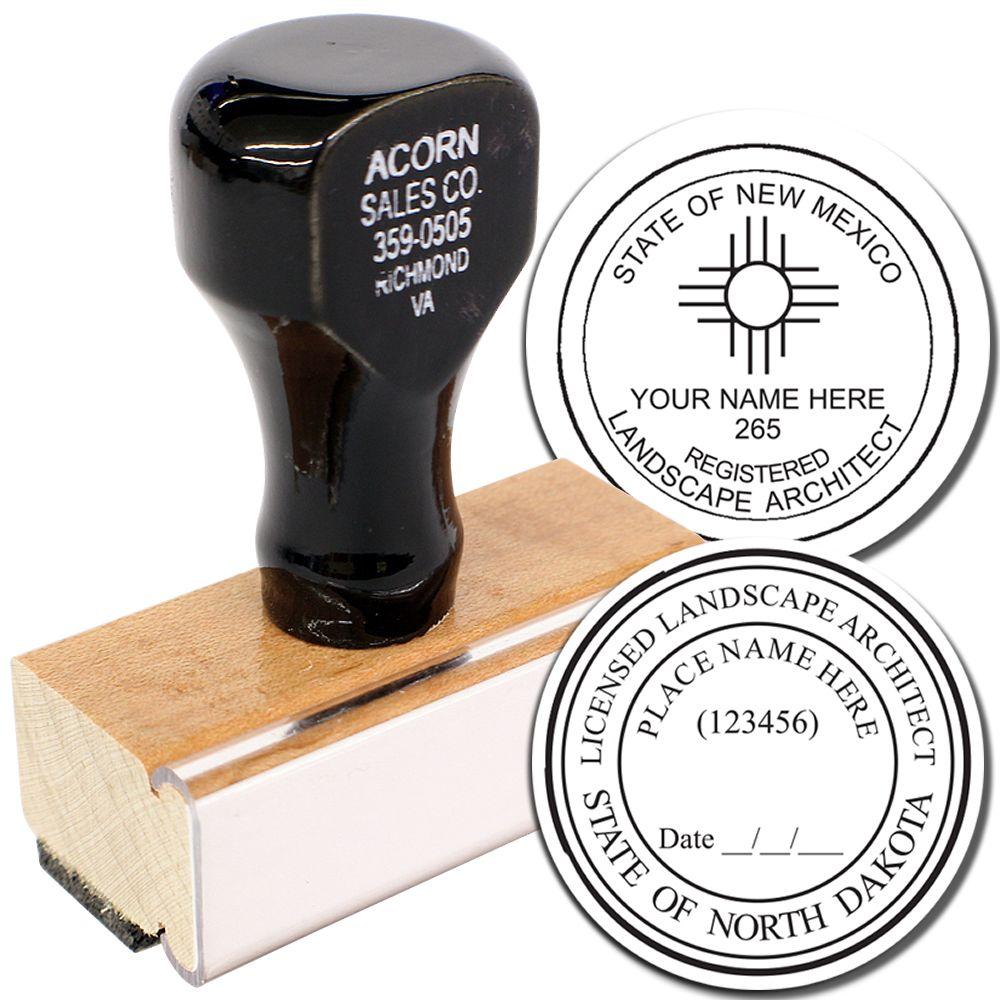

Why Seals and Embossers Matter
You might be wondering if a seal or embosser is really necessary. After all, can’t you just sign your name to confirm your approval? In many cases, the state board insists on an official marking precisely because a seal is tough to counterfeit and easy to recognize. If an inspector, client, or fellow professional sees that raised seal, they know you’ve met Kentucky’s standards.
Embossed impressions also hold up well over time. They won’t smudge or fade, and they’re typically considered more formal. When you’re working on architectural drawings that might be shared, archived, or enlarged, a consistent embossed stamp can help maintain professional standards across different projects.
Compare Stamp vs. Embosser
If you’re new to this process, you’ve likely come across two main ways to mark official papers: an ink stamp and an embosser. Both can be valid, but each type has its own charm and practical considerations. So which one suits your workflow best?
Traditional Rubber Stamp
A rubber stamp uses ink to leave your seal’s impression. It’s quick and straightforward: just press it onto your paper and, ta-da, you’re all set. Rubber stamps can be crisp, but they do rely on the quality of your ink pad. If your pad is drying up, your stamp might look patchy. Some people love rubber stamps for their convenience, while others prefer the timeless feel of a raised impression.
Kentucky Landscape Architect Seal Embosser
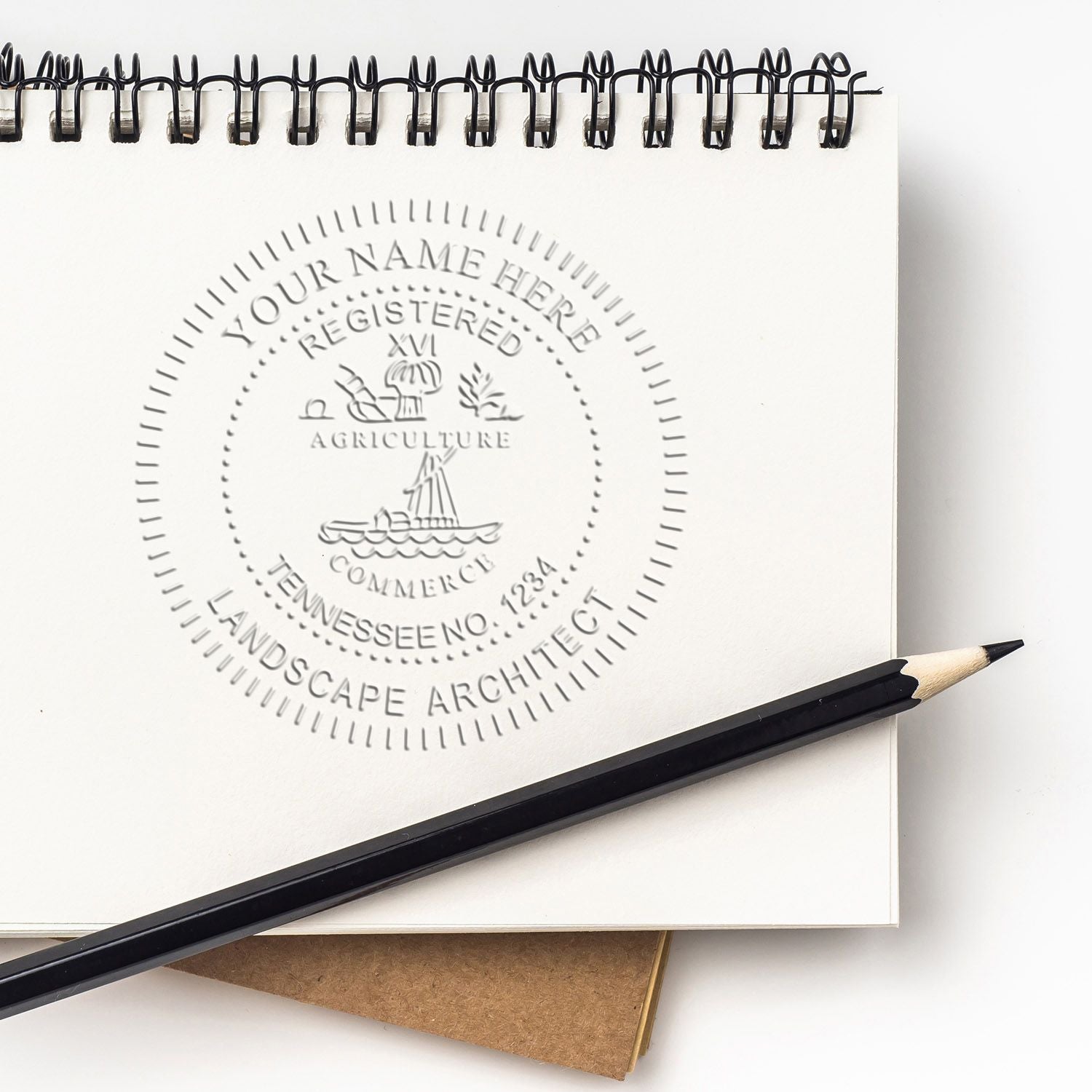
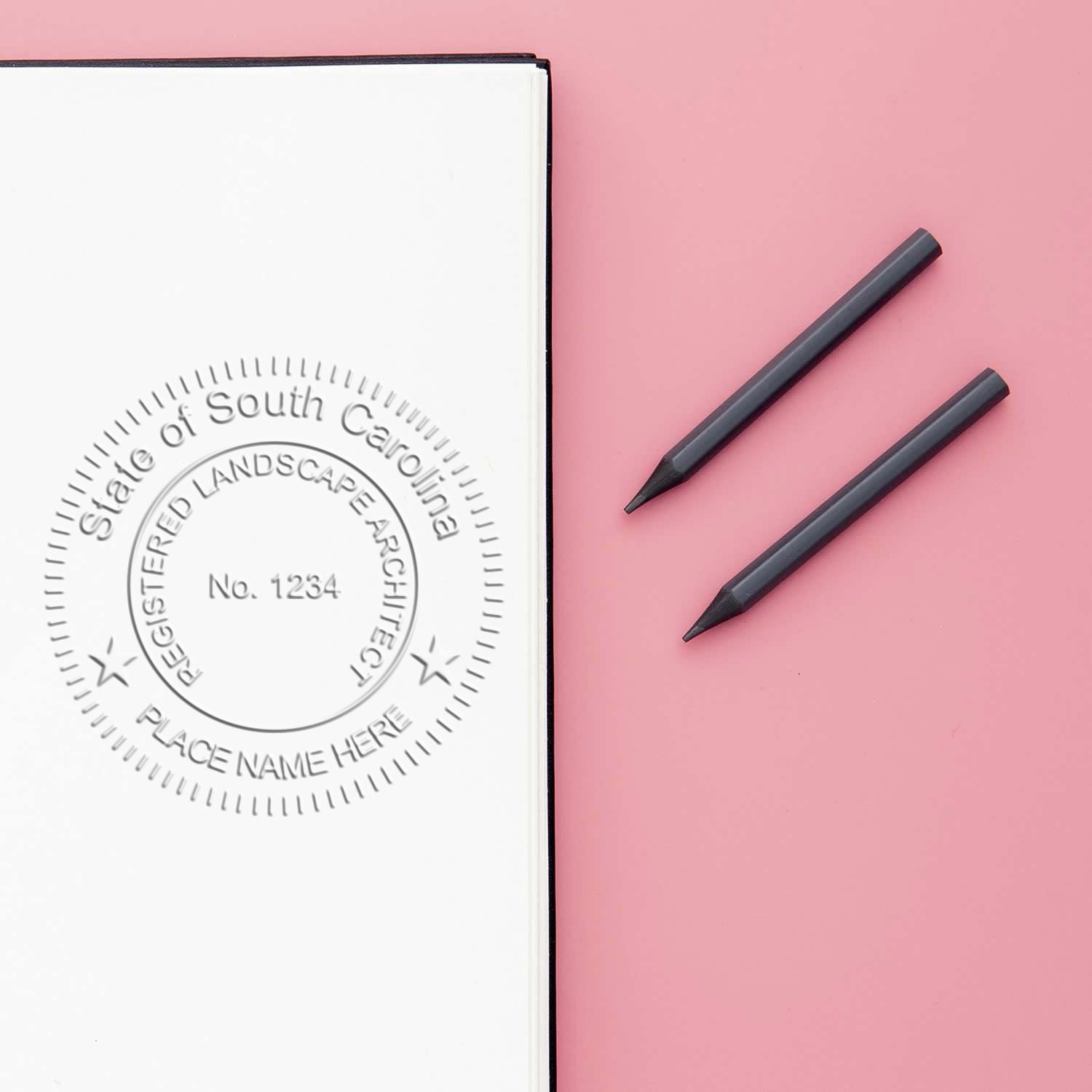
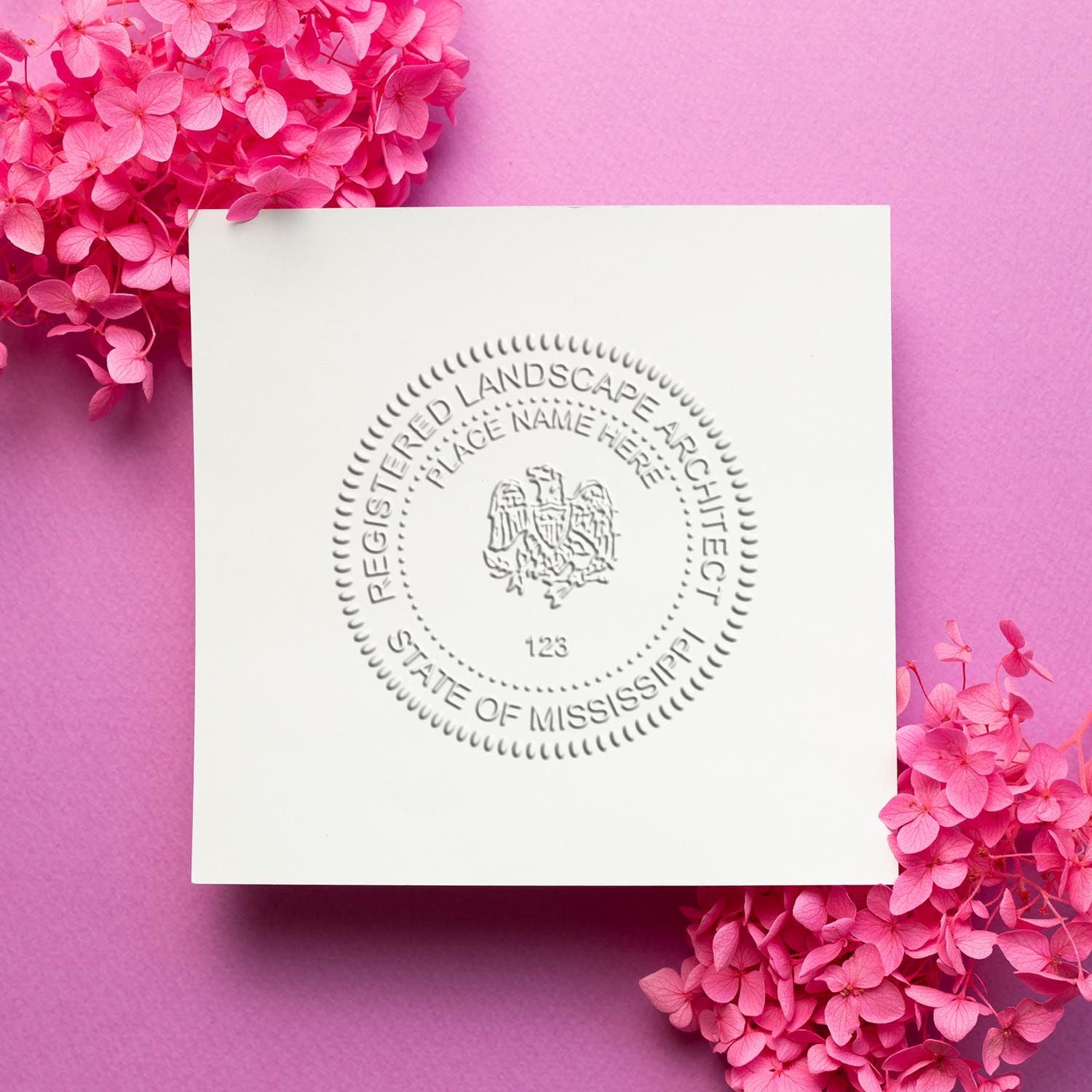
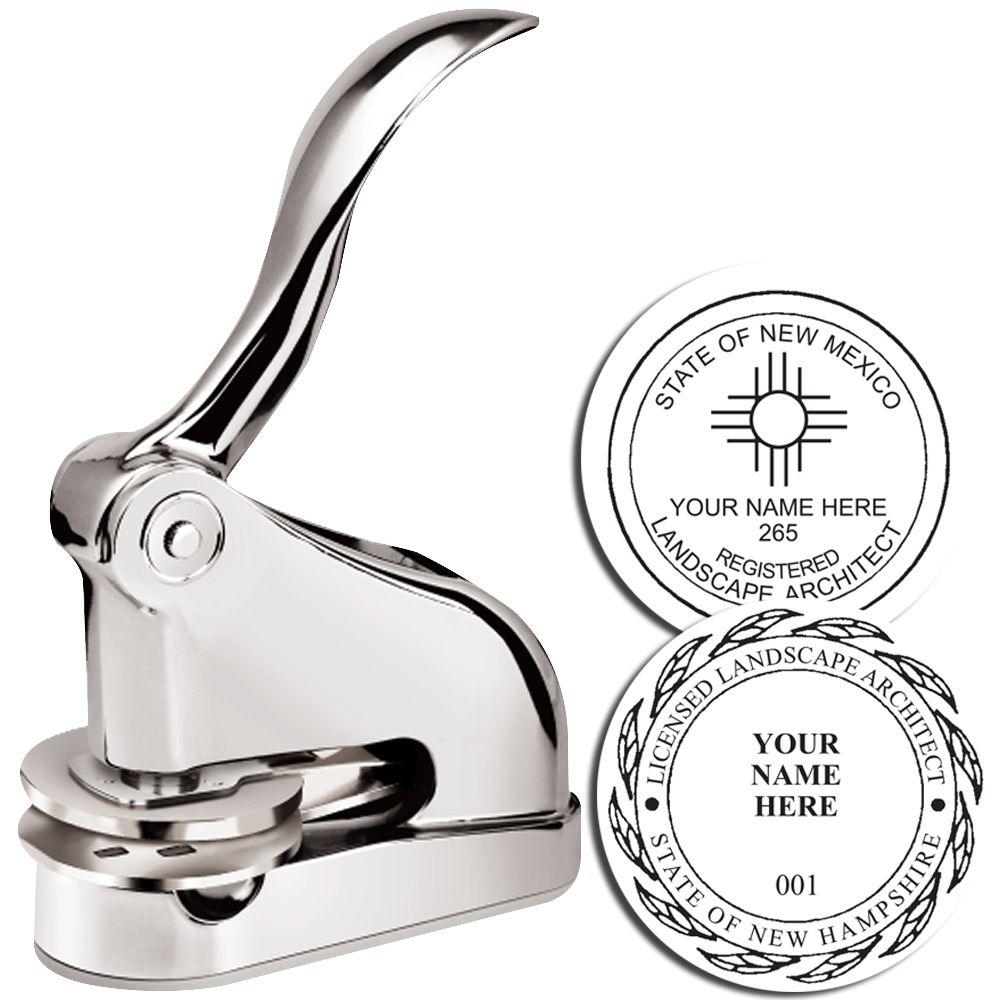
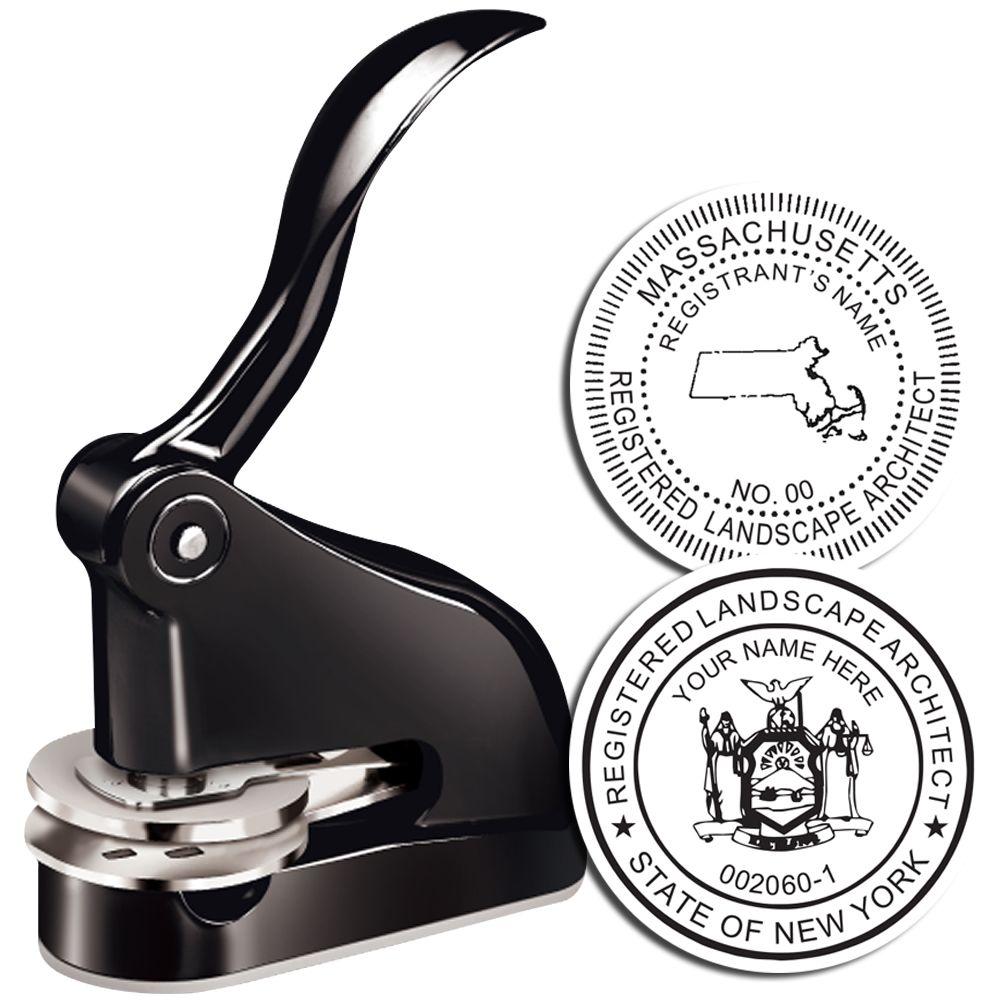
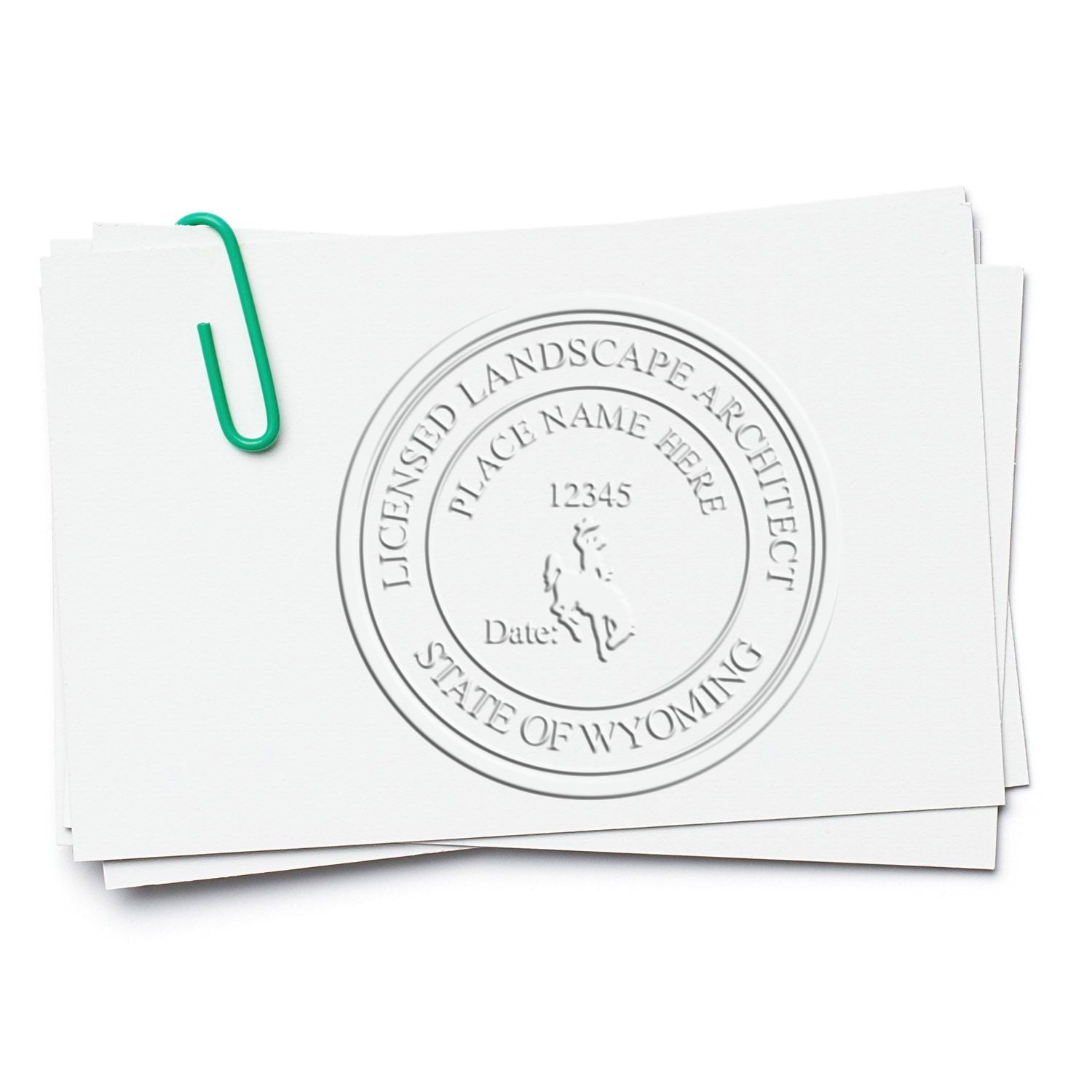
An embosser, by contrast, physically raises the paper’s surface. It’s ideal if you want a tactile, professional look. Typically, you position your document in the embosser, press down, and the metal die imprints the seal. Visualize the official notary seal on important legal documents, and you’ll get an idea of how it appears. Embossers are especially popular among those who prioritize a distinctive, polished finish.
For official Kentucky documents, an embosser absolutely meets the standard requirement, provided the design of your seal is correctly formatted. Plus, the raised texture can’t be easily scanned or reproduced without effort, making it more secure.
Choose the Best Embosser Style
So you’ve decided an embosser is right for you or at least worth a closer look. Great choice. Now, you’ll find that embossers mainly come in two forms, handheld models or desk models. Let’s walk through each, so you can decide which suits your workspace and routine better.
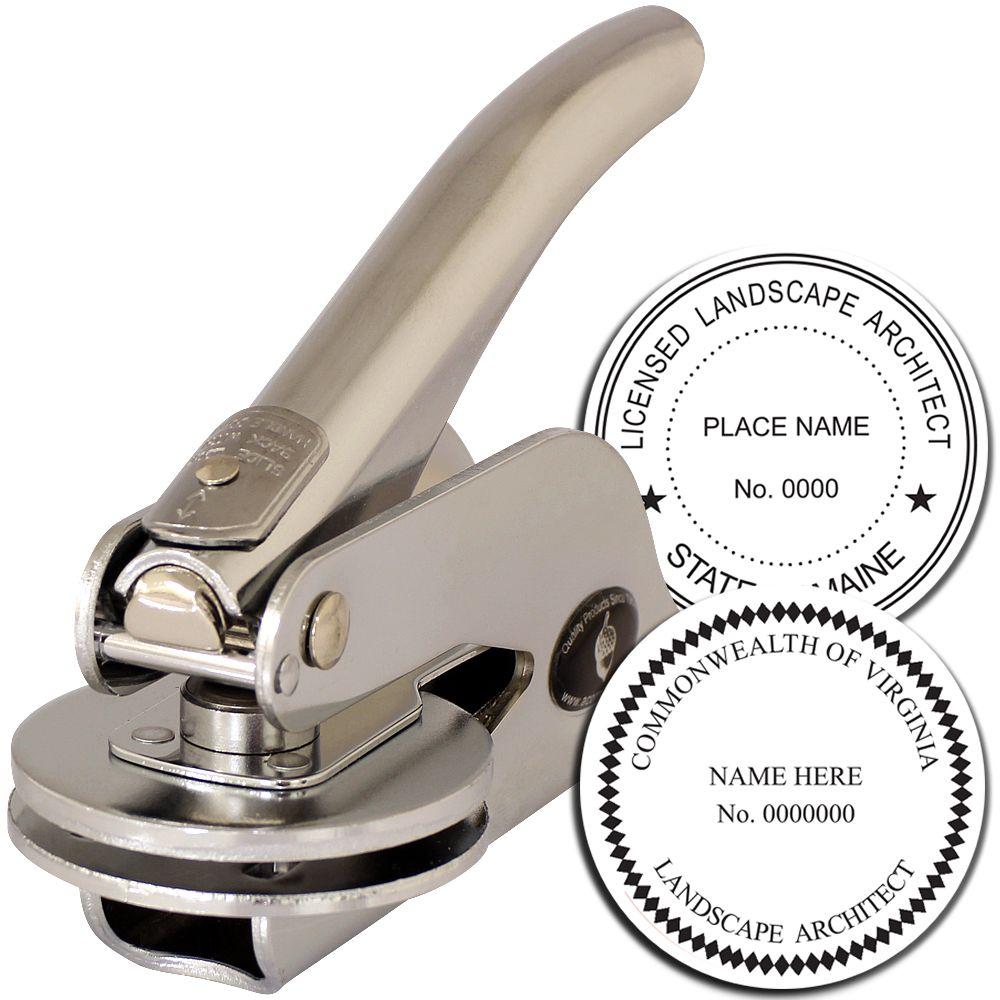
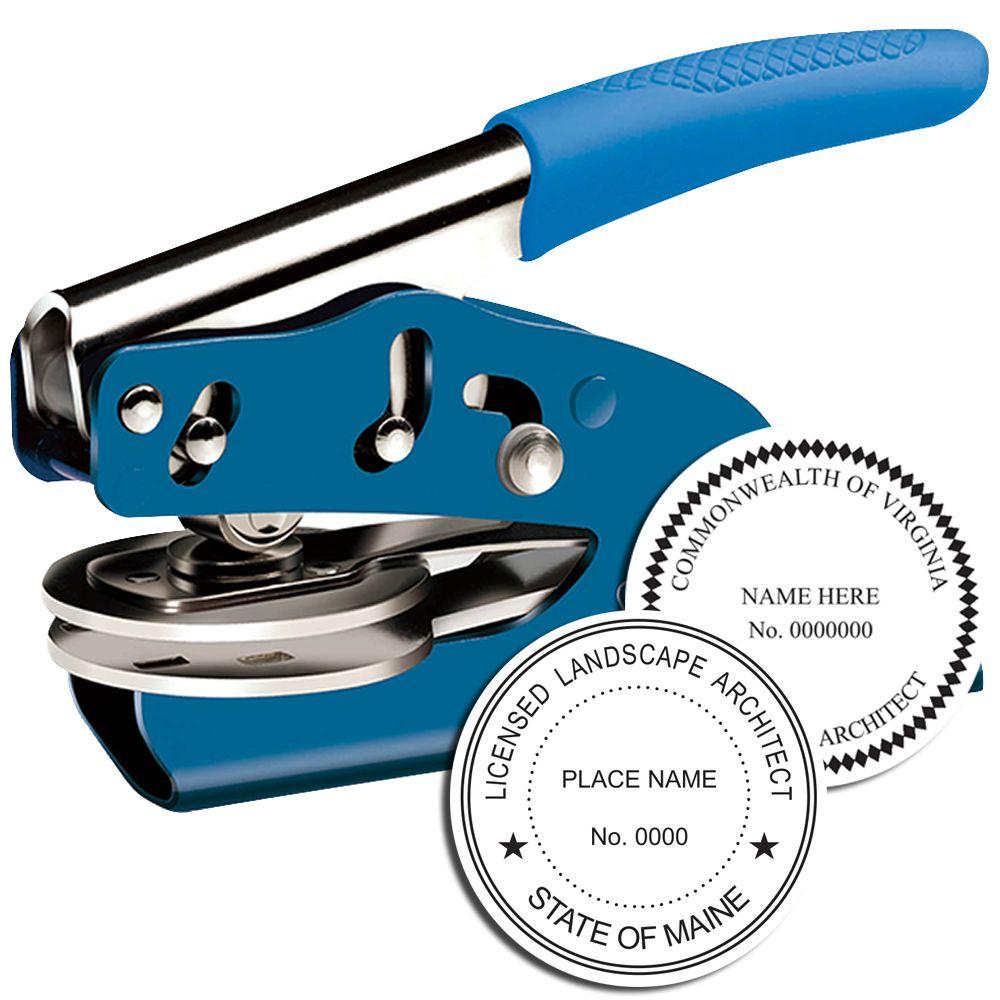
Handheld Seal Embosser
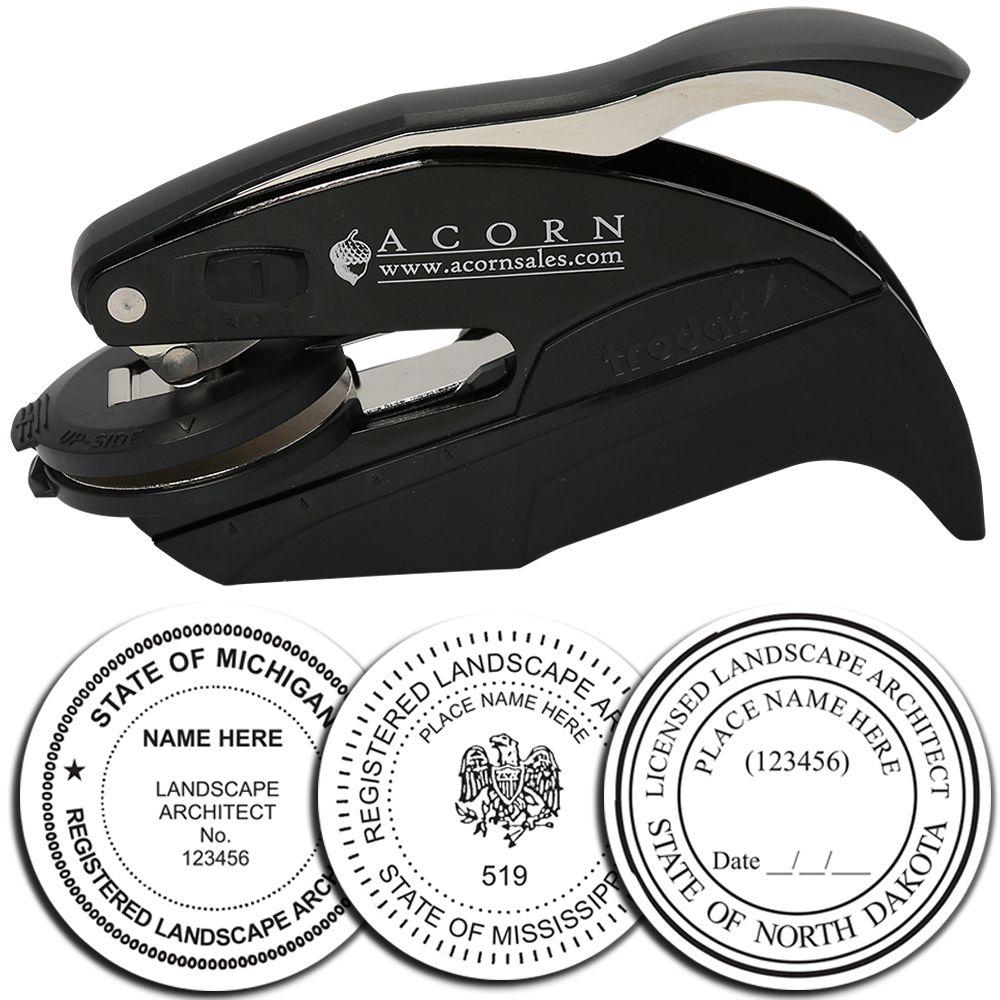
- Compact Size: Handheld embossers occupy minimal space, making them easy to slip into a bag if you travel between job sites.
- Ease of Use: In most cases, you line up your paper, squeeze the handles, and you’re done.
- Limited Depth: If your designs require sealing further into the page (not near the edge), you might find a handheld embosser trickier to maneuver since it has a smaller throat depth.


Desk Seal Embosser
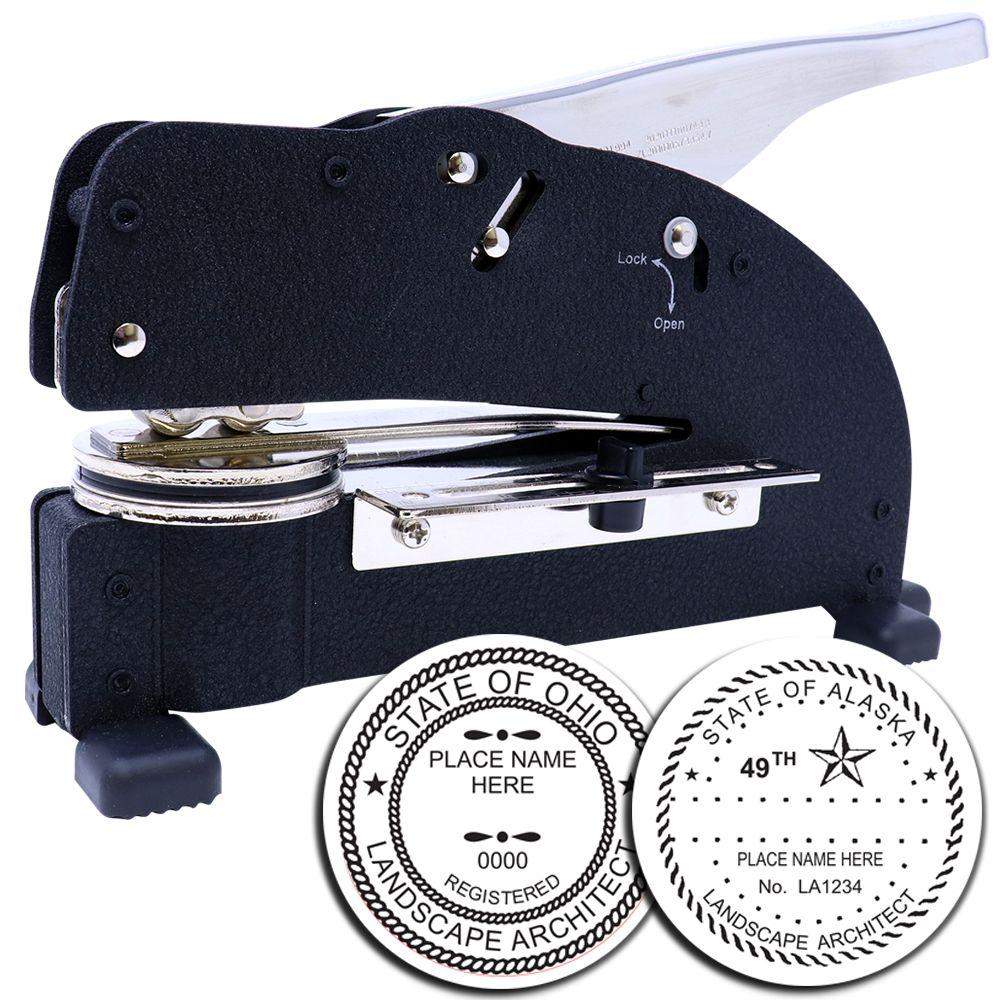
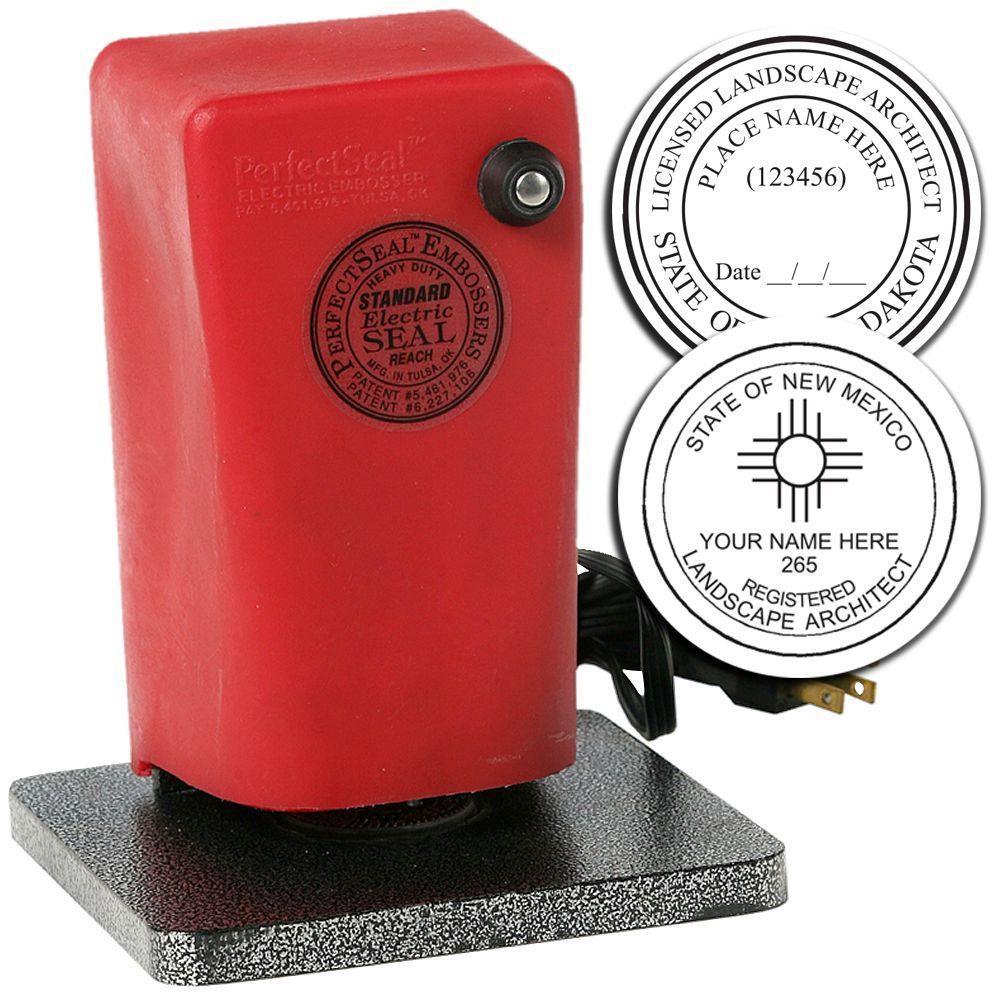
- Stability: Desk embossers rest securely on a flat surface, so they’re great if you have a home office or designated workspace.
- Greater Reach: These typically feature a wider throat, letting you place the impression farther from the edge.
- Heavier Build: Because they’re larger and heavier, these models aren’t as portable, so if you’re on the go, a desk embosser might not be the most convenient.
Both can produce a crisp embossed seal. It truly boils down to your workflow. If you rarely leave your desk, a sturdy, desk-based option will probably feel more comfortable. If you’re in and out of client offices, you might prefer the portability of a handheld seal.
Features to Consider Before Buying
Embossers vary in small but important ways, such as the metal die quality, handle style, and alignment guide. Choosing carefully can ensure you end up with a tool that suits you for the long haul.
Die Material and Shape
When shopping, check if the die (the engraved plate that creates the seal) is made from high-quality metal. Brass is a favorite for its durability and consistent impressions, though stainless steel might be an option too. The shape can differ, either circular or rectangular, based on Kentucky’s specifications. Always confirm you’re matching the state’s guidelines before purchasing.
Imprint Direction
Some people prefer a bottom-loading embosser (so you slide the top of your page in), while others like a top-loading version. If you’re left-handed or working in tight spaces, the ergonomics can be a big deal. Make sure you’re comfortable pressing the handles, so you don’t strain your wrist with repeated use.
Depth of Reach
Consider how far you can place the stamp from the edge of a sheet of paper. If your drawings require an official mark closer to the center, look for an embosser with a deeper throat. Desk embossers often have more reach, but you can also find specialty handheld versions if deeper reach is essential for your documents.
How to Properly Use and Store Your Embosser
Once you have your perfect Kentucky landscape architect seal embosser, the last thing you want is a poorly pressed impression or a worn-out die. This simple guide will help you keep the tool in tip-top shape.
Pressing Tips
- Line Up the Paper: Make sure the design portion of your die aligns with the area you want to seal.
- Apply Even Pressure: Press down smoothly but firmly. A slow, steady grip often produces a crisp, raised mark.
- Check the Impression: After you release, check for clarity. If it’s faint, you might need slightly more pressure, or your device might need a quick checkup to ensure no parts are loose.



Storing and Maintenance
- Keep It Dry: Store your embosser in a dry space to avoid rust or tarnish on the metal parts.
- Dust Regularly: If your embosser sits on an open desk, a simple wipe with a soft, lint-free cloth removes dust.
- Protect the Die: If possible, store it in a case or pouch, so the engraved metal doesn’t get scratched.
Partner With a Trusted Supplier
Navigating the world of professional seals can get a bit confusing. You might find generic vendors or suspiciously cheap online listings that don’t necessarily meet Kentucky’s guidelines. That’s where choosing a reputable supplier makes all the difference.
Why Acorn Sales?
Acorn Sales has been in business since 1964, providing high-quality stamps and seals to professionals like you. This long history speaks volumes about our reliability and dedication to customer satisfaction. We focus on ensuring each product meets specific state guidelines, including Kentucky’s, so you can stamp or emboss your documents with total peace of mind.
Free Digital Seal and More
At Acorn Sales, you don’t just get a physical embosser. You also gain access to a free digital seal that matches the official design. That means when you need an electronic format, maybe for a PDF or an online submission, you’ve got an easy solution at your fingertips. Our range of seal embossers includes both handheld and desk models, so you can pick what aligns with your daily routine.
If you’re a newcomer or have been sealing documents for years, our team is here to guide you. If you have questions about which design meets Kentucky standards or how to use your embosser properly, you can reach out for expert help. After all, our goal is to remove the stress from this vital administrative task, letting you focus on your creative landscape planning.
Ensuring Compliance Amid Evolving Rules
Regulations aren’t always carved in stone. Over time, the Kentucky Board of Landscape Architects might update the specific requirements for how your seal should look or where it must be placed. That’s why staying up-to-date is important.
Subscribe to Official Updates
Keep an eye on Kentucky’s official board website, newsletters, or bulletins. A small tweak in design might mean you need a new seal or an updated digital format. By staying ahead of these updates, you reduce the risk of having incorrectly stamped documents on file.
Replacing Worn Parts
Because you’re using a physical tool, normal wear can occur over time. Even the best embosser might need a new insert or adjustment. If you notice your impression is losing clarity, it might be time for a replacement die or a tune-up. Since each state’s seal must match specific guidelines, always confirm that your supplier is providing the correct layout for replacements.
Practical Tips for Day-to-Day Use
Sealing your plans might feel routine, but there are a few everyday best practices that can make the process simpler, keep you organized, and ensure your clients see only your professional best.
- Keep a Spare: If sealing is important to your workflow, consider having a backup embosser or stamp, in case you misplace or damage one.
- Label Your Tools: It’s easy to mix up your personal seal with another professional’s if you share an office. Use a small label or sticker so you know which is yours.
- Practice on Scrap: If you’re stamping an especially important document, take a moment to test your embosser on a scrap piece of paper. Make sure alignment is spot on.
- Log Your Documents: Keep track of every major plan or document you seal. This habit can protect you if any questions arise about your work down the road.
Summarize Your Takeaways
When shopping for or upgrading your Kentucky landscape architect seal embosser, your checklist should focus on compliance, quality, and a style that fits your day-to-day routine. Aim for an embosser with a sturdy metal die that meets Kentucky’s design standards, and choose the right style, handheld if you’re on the move, or desk-based if you prefer stability and a deeper reach.
Remember that using the seal properly does more than make you look professional. It’s also a legal obligation that underscores your responsibility for the documents you create. By keeping your embosser well-maintained, staying updated on board regulations, and partnering with a trusted supplier like Acorn Sales, you’ll breeze through the administrative side of your practice. That leaves more time for the creative aspects of landscape architecture that got you excited about the field in the first place.
From properly pressing your embosser handle to saving hours on compliance headaches, a high-quality Kentucky seal embosser is a must-have tool. With the right guidance and a reliable supplier, you’ll confidently stamp your official drawings and focus on the creative tasks that define your craft. And with decades of experience, and free digital seals. Acorn Sales is here to partner with you every step of the way. Happy sealing!
Frequently Asked Questions
Is a Kentucky Landscape Architect Seal Required or Just a Recommendation?
You’re required to carry a proper seal if you intend to practice landscape architecture and submit official documents in Kentucky. The state board sets this standard to ensure accountability and professional consistency.
What’s the Difference Between a Rubber Stamp and an Embosser for Landscape Architects?
A rubber stamp uses ink to mark your documents, while an embosser physically raises the paper to create a distinct impression. Both are valid ways of showing your credentials, but an embosser often looks more formal and is harder to replicate fraudulently.
Are Desk Embossers Better than Handheld Models?
It depends on your preferences. Desk embossers offer more stability and can often reach further onto a page, while handheld models are portable and easier to store. Think about where and how frequently you’ll be stamping before making a decision.
Why Choose Acorn Sales for My Embosser Needs?
Acorn Sales has been in business since 1964, offering professional stamps and seals that comply with Kentucky’s rules. We also provide a free digital seal, so you can handle every part of your marking process conveniently.
Do State Regulations for Seals Change Often?
They don’t usually shift drastically, but tweaks and updates can happen over time. Staying subscribed to official Kentucky Board newsletters, or periodically checking the board’s website, helps you catch any changes and stay compliant.








