
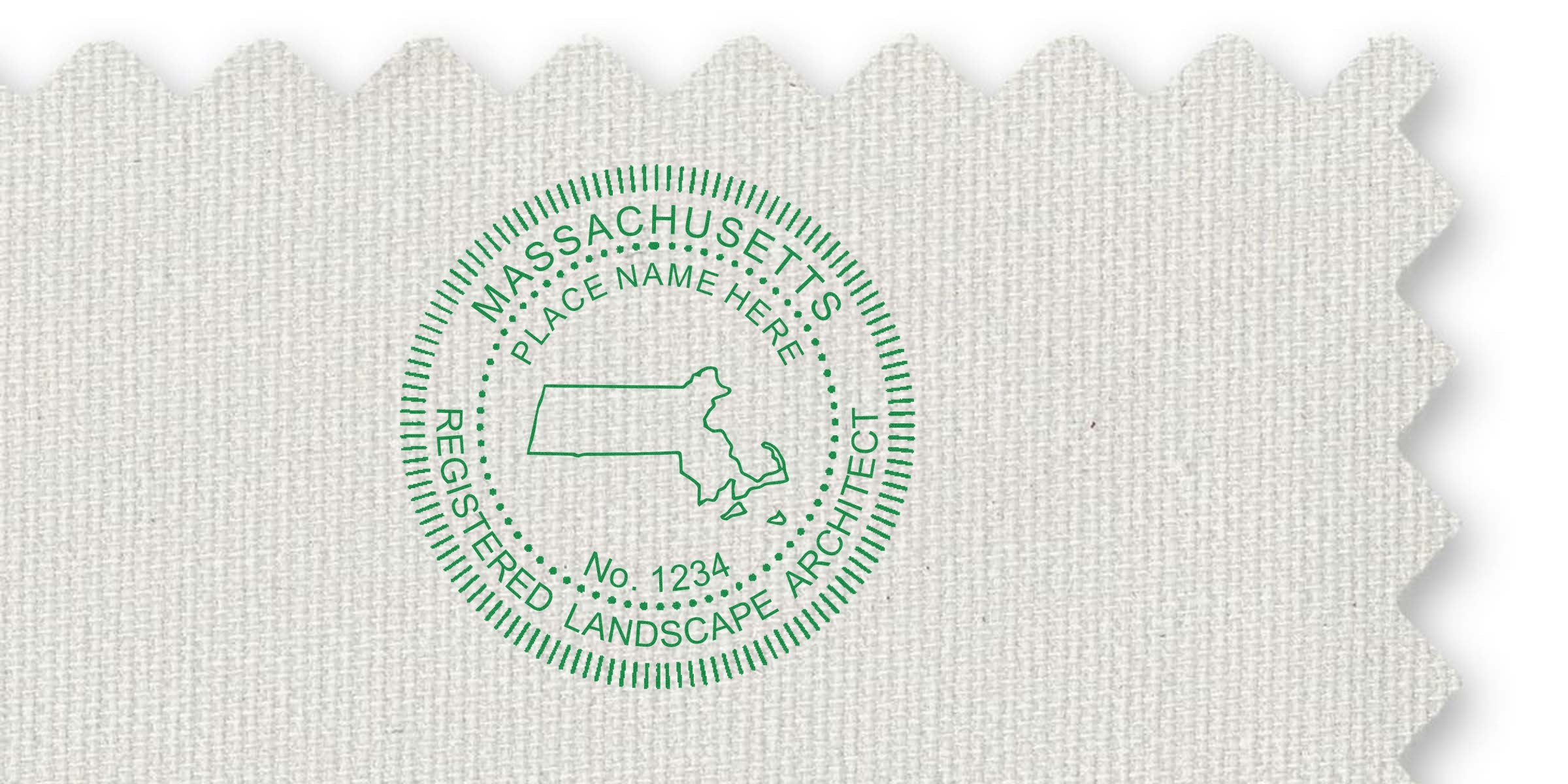
If you’ve been searching for a custom landscape architect stamp in Maine, you’ve probably noticed how crucial it is to have the right seal. After all, your stamp represents more than a piece of rubber and ink—it’s your official mark of trust and credibility. Whether you’re finalizing plans for a public park or signing off on a private residential garden design, you want a stamp that meets Maine’s regulations, looks professional, and stands the test of time.
Chances are you already understand how important it is to follow state guidelines, but maybe you’re unsure about the specific design elements. Or perhaps you’re weighing the pros and cons of different stamp styles. Let’s walk through the essentials so you can confidently select, use, and maintain your Maine-approved seal.
Understand Maine Stamp Basics
A landscape architect’s stamp is more than just a nifty tool—it’s a powerful symbol of accountability. When you apply your seal to official drawings or documents, you’re signaling that each detail meets professional standards. In Maine, this seal proves you’re authorized by the state’s licensing board to practice as a landscape architect.
Why a Stamp Matters
Your stamp does more than personalize your paperwork, it also:
- Shows Compliance: Maine’s Board of Licensure requires that you sign and seal official plans to confirm your qualifications.
- Establishes Professionalism: Clients and government agencies look for the seal to ensure your credentials are legitimate.
- Protects Public Safety: A sealed design indicates you’ve considered critical factors like runoff control, native vegetation, and structural site elements.
Whenever you sign a project, your seal confirms you’ve done your due diligence. It’s a level of professional oversight that helps protect both you and your clients.
Key Maine Requirements
Rules vary from state to state, but Maine typically expects landscape architect stamps to display:
- Your Full Name
- Your License Number
- A Clear Reference to “Licensed Landscape Architect, State of Maine”
Some states merge the term “stamp” with “seal,” but in Maine, the concept is usually similar. The essential thing is readability. Maine’s guidelines often require a circular or oval shape, but always check the latest board updates to be sure you’re meeting their standards exactly.
Fulfill Licensing Requirements
Before you finalize your design, make sure you’ve verified your license with the Board of Licensure. Skipping or rushing through this step can put all your work at risk. If you’re new to Maine’s licensure scene, set aside time to read up on current regulations. They sometimes change, and it’s worth staying in the loop to avoid compliance issues down the line.
License Number Placement
A vital piece of your stamp is the display of your license number. It shows that the state recognizes you as a qualified landscape architect. If you place the number incorrectly or omit it, your documents could be rejected during permit approvals or client reviews. No one wants to scramble at the last minute, so always confirm the final positioning—it should be visible, neat, and consistent.
Board Requirements
The Maine licensing board website usually outlines each specification, including dimensions and file formats if you’re submitting digital versions. If you have questions, you can often find a FAQ section or email them for clarity. Make sure you keep proof of any official communication in case you ever need to show you followed directions. That bit of documentation can save you from legal headaches later on.
Explore Your Stamp Options
Now for the fun part: choosing a custom stamp style that fits both your personal preference and Maine’s requirements. You’re not limited to a single design approach. Different types of stamps can work beautifully, as long as they include the correct text and meet size guidelines. This is where you get to merge compliance with a touch of personal flair.
Traditional Rubber Stamps
Traditional rubber stamps require a separate ink pad. They’re often affordable, and you can easily re-ink the pad once it starts to dry out. Although they might take an extra second or two to ink, some architects appreciate the classic look. This style can be a good option if you don’t mind an extra piece of equipment in your bag or desk drawer.
Self-Inking Stamps
Self-inking stamps have a built-in ink pad that re-inks itself automatically. They’re incredibly convenient—no separate pad to worry about, so you can seal multiple documents quickly. If you frequently stamp pages on the go, you may find a self-inking design especially handy. Just be sure to buy a refill so you can keep stamping even when you’re knee-deep in paperwork.
Pre-Inked Stamps
Looking for a crisp image every time? Pre-inked stamps can produce high-detail impressions. They’re a favorite among professionals who want ultra-sharp lines, especially on textured paper. While they may be slightly more expensive, the ink reservoir typically supplies thousands of impressions before running dry. For a busy landscape architect, that reliability can be a game-changer.
Select Quality Materials
Choosing the right stamp style is only part of the puzzle. You’ll also want to pay attention to the materials used in the manufacturing process. High-quality materials mean fewer smudges, more consistent impressions, and a longer-lasting stamp overall.
Rubber vs. Polymer
Rubber and polymer are two common materials for stamp faces. Rubber is known for its durability and can withstand repeated use over a longer period, while polymer can create sharper edges and finer details. Ultimately, you might notice minimal difference in everyday performance, but if you’re after the cleanest lines possible, you might lean toward polymer. If you need a stamp for years of consistent use, rubber feels like a classic go-to.
Factors Affecting Longevity
Several details can affect how long your stamp stays in prime condition. Exposure to heat or direct sunlight can weaken adhesive layers, so store your stamp in a cool, dry spot. If you use a separate ink pad, always choose a refill brand that’s compatible with your stamp. Going with the cheapest ink you can find might save a few dollars now, but it could shorten the life of your stamp.
Order From Trusted Suppliers
Sure, you can find a quick-fix stamp, but when authenticating vital documents, it pays to rely on a reputable company. If you’re shopping around for a new Maine landscape architect stamp or seal, consider factors like turnaround time, commitment to quality, and customer reviews. The right stamp is an investment. You’ll work with it daily, so it needs to look good and hold up over time.
Acorn Sales Overview
One trusted name you can turn to is Acorn Sales. We’ve been in business since 1964 and have built a solid reputation for dependable stamps and seals that meet Maine guidelines. With years of experience, we understand the nuances of official regulations inside and out. When you’re picking out a custom stamp, you can be sure the end product lines up with the specifications your license requires.
An added bonus: Acorn Sales offers a free digital seal with your purchase. Digital seals can come in handy when you’re submitting electronic documents for review. Instead of manually stamping, you can attach a professional digital version, which is especially helpful if you’re filing materials online or emailing drawings to clients.
Steps in Ordering
Ordering your custom stamp should be a breeze. If you’re new to the process:
- Confirm Your License Details: Have your name, license number, and other information accurate and ready.
- Choose Your Stamp Type: Pick between traditional, self-inking, or pre-inked, and decide if you want rubber or polymer.
- Review State Regulations: Double-check size and text requirements for Maine so you don’t miss a detail.
- Place Your Order: Provide your correct information and finalize payment.
- Inspect Your Stamp: When it arrives, make a few test impressions to ensure everything is correct.
Depending on the supplier, you might receive a proof to approve before the final stamp is created. Look it over carefully. A single misspelled name or incorrect license number could cause major headaches if you have to reorder.
Review Helpful Tips
Even the most knowledgeable landscape architect can use a few practical pointers. Storing your seal correctly and routinely cleaning it can help preserve the details. Here are a few quick tips:
- Keep It Covered: If you have a self-inking or pre-inked stamp, store it in the locked or closed position. This tactic keeps dust away and can extend the ink’s life.
- Test Before a Big Project: If you haven’t stamped anything in a while, do a test impression on scrap paper. Smudges or faded ink might mean it’s time for a refill.
- Protect the Face: Keep the stamping surface safe from sharp edges or friction that could distort the design.
- Use Compatible Ink: Mixing different ink brands might affect clarity or even damage the stamp material over time.
In the end, a well-designed stamp is a must-have for any Maine-licensed landscape architect. It not only meets the board’s regulations but also helps you to look polished, organized, and ready to tackle every project that comes your way. By ordering from a trusted supplier—even better if they provide additional perks like a digital seal—you’re setting up a streamlined process for your documentation. With the right planning, you’ll spend less time worrying about technicalities and more time focusing on what you do best: creating well-designed, sustainable outdoor spaces for clients across Maine.
Frequently Asked Questions
Do I really need a stamp if I already sign my name on documents?
Yes. Maine state regulations typically require licensed landscape architects to use an official seal in addition to a personal signature. Your stamp signals that you’ve reviewed and approved the final set of plans before submission.
How often do I need to update or renew my stamp design?
Usually, you don’t have to update the stamp itself unless the board modifies the mandatory layout or you change your name or license details. Keep an eye on any licensing board announcements just in case.
Is a digital seal accepted for all submissions?
Acceptance of a digital seal can depend on the specific agency you’re dealing with. Many modern permitting offices do allow digital seals, especially if they have an online submission system. Still, it’s wise to confirm with the relevant agency before filing.
What if I run out of ink in the middle of a large project?
For self-inking and pre-inked stamps, you can purchase refills specifically designed for your stamp model. Make sure you use a compatible brand to avoid damaging the stamping mechanism or altering the color intensity.
Why should I choose Acorn Sales over other suppliers?
Acorn Sales has served professionals since 1964, understands Maine’s requirements thoroughly, and offers high-quality artistry. As an extra perk, you’ll receive a free digital seal with your order, making it easy to stay flexible in a rapidly digitizing field.








