

When you’re looking into landscape architect stamping sizes, it’s easy to get overwhelmed by all the dimensions, materials, and regulations. You might be wondering which size works best for your projects or how to stay compliant with state requirements. In this guide, you’ll discover the essential factors to consider, plus a few insider tips for choosing the perfect stamp or seal. Let’s get started.
Understand Basic Stamp Requirements
Before you look at specific sizes, it helps to know the basic guidelines. Most states have rules on how large the professional seal should be, generally outlining diameter, legibility, and layout requirements. These rules ensure that anyone who sees your stamp can read your credentials right away. When you stick to your state’s recommendations, you sidestep compliance headaches and project delays.
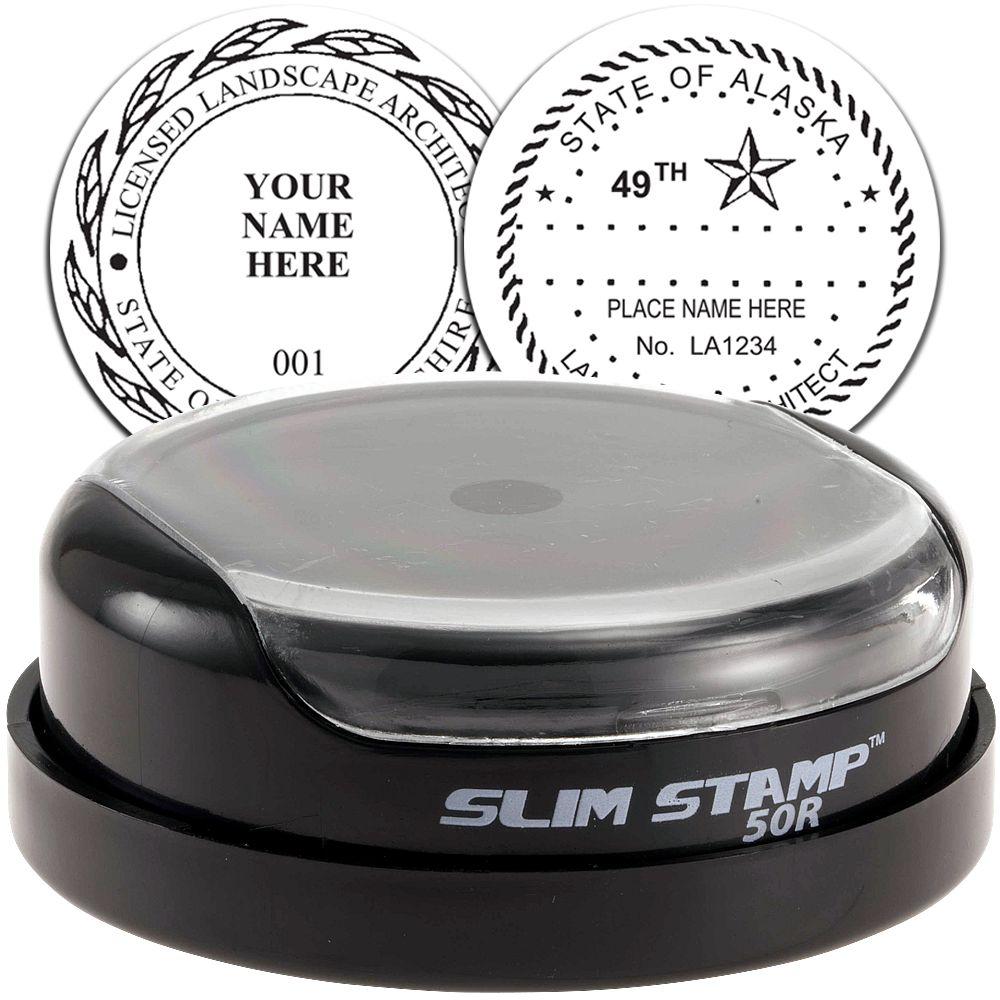
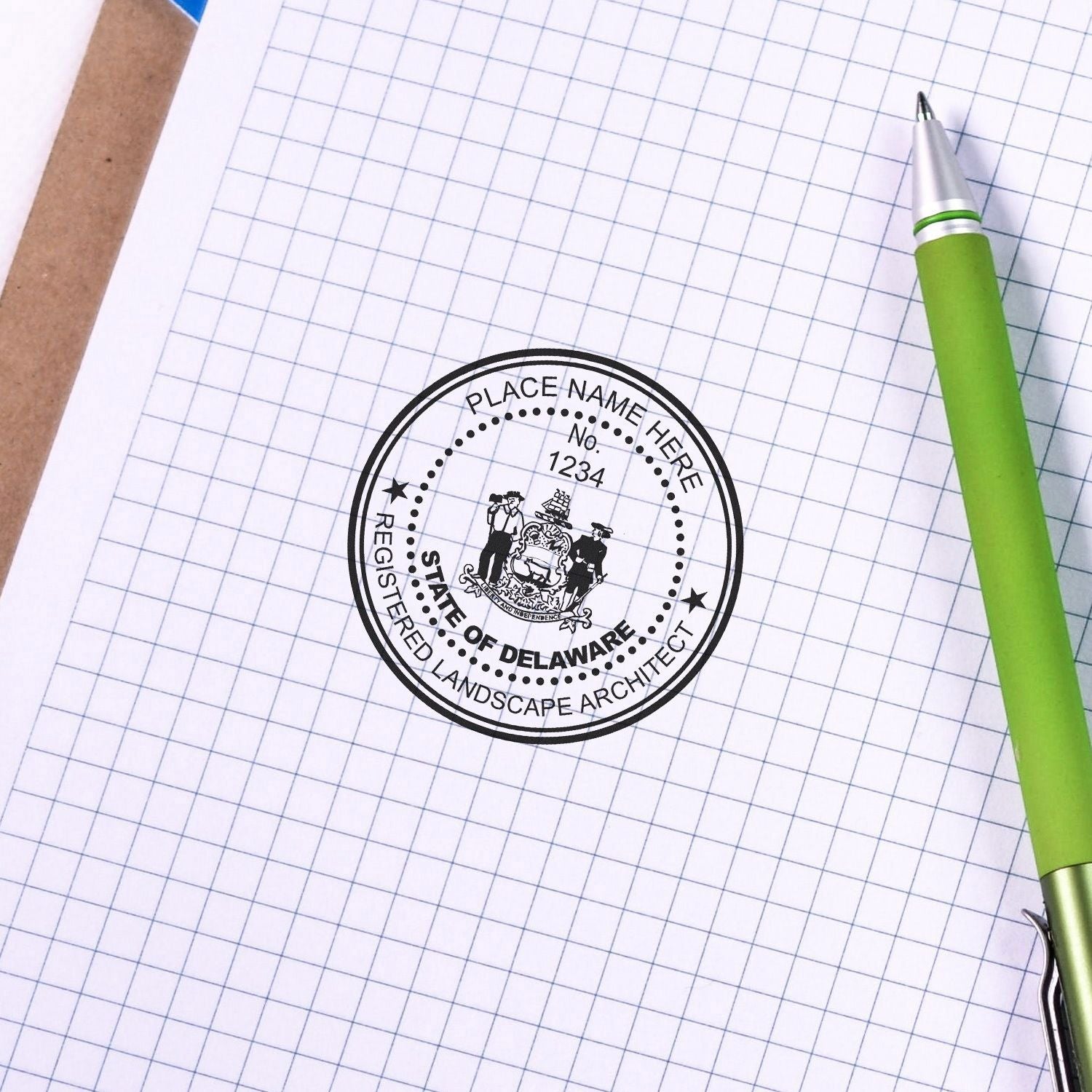
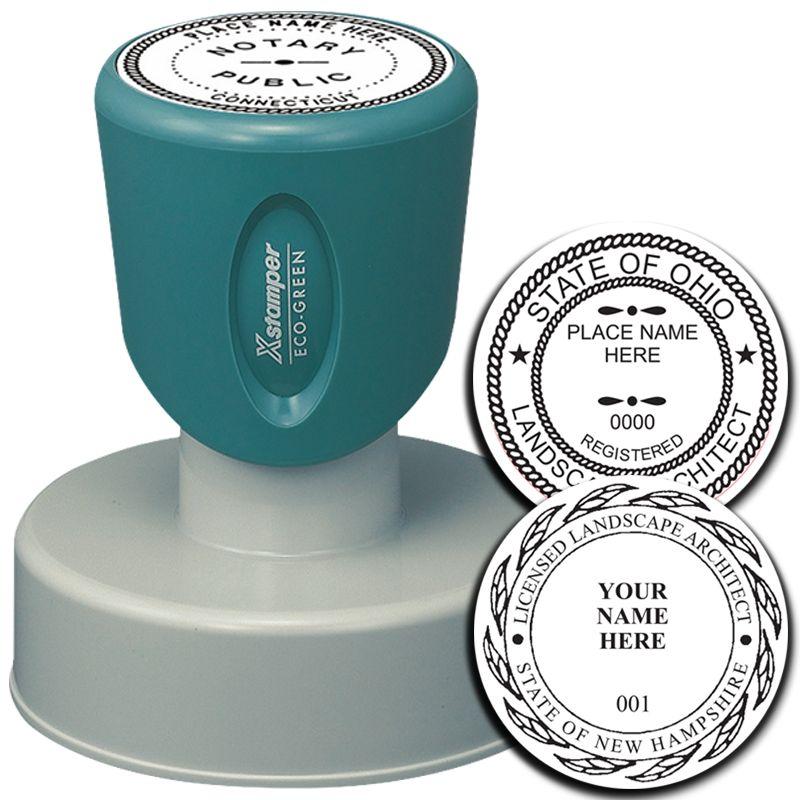



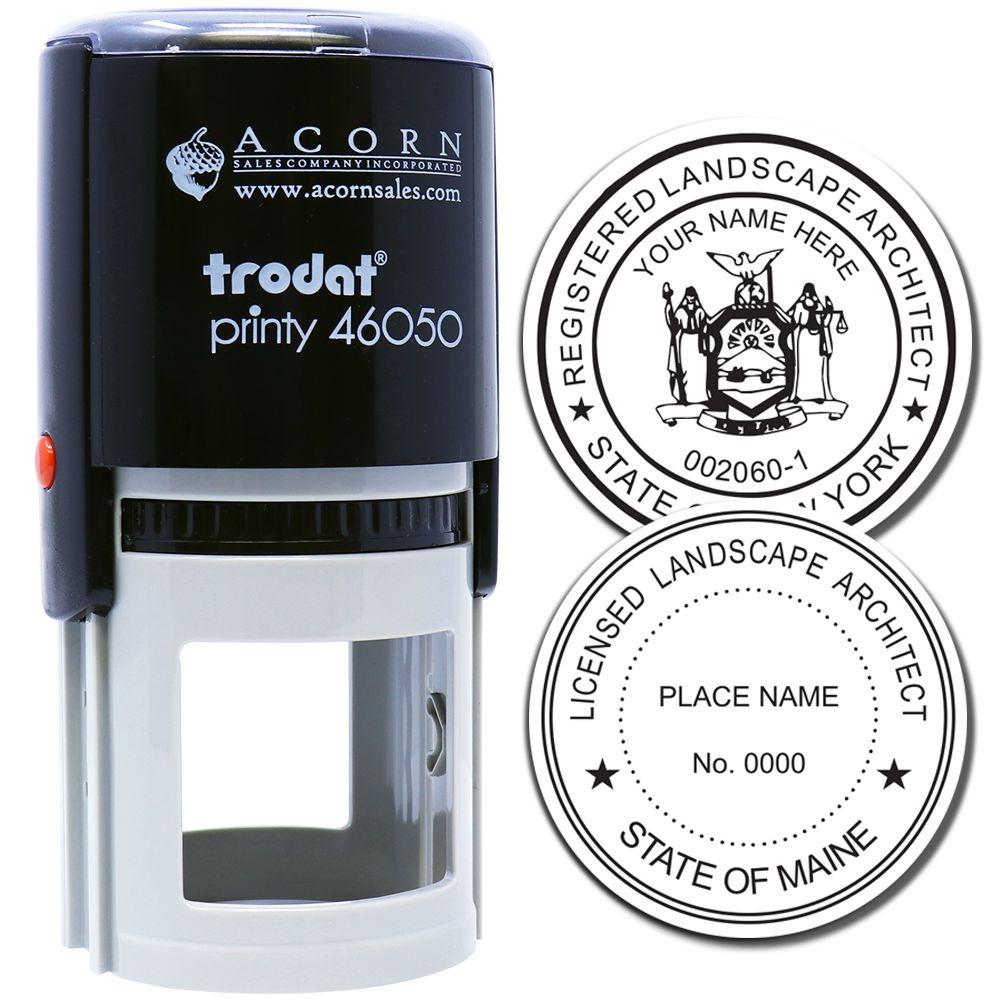

Choose The Right Dimensions
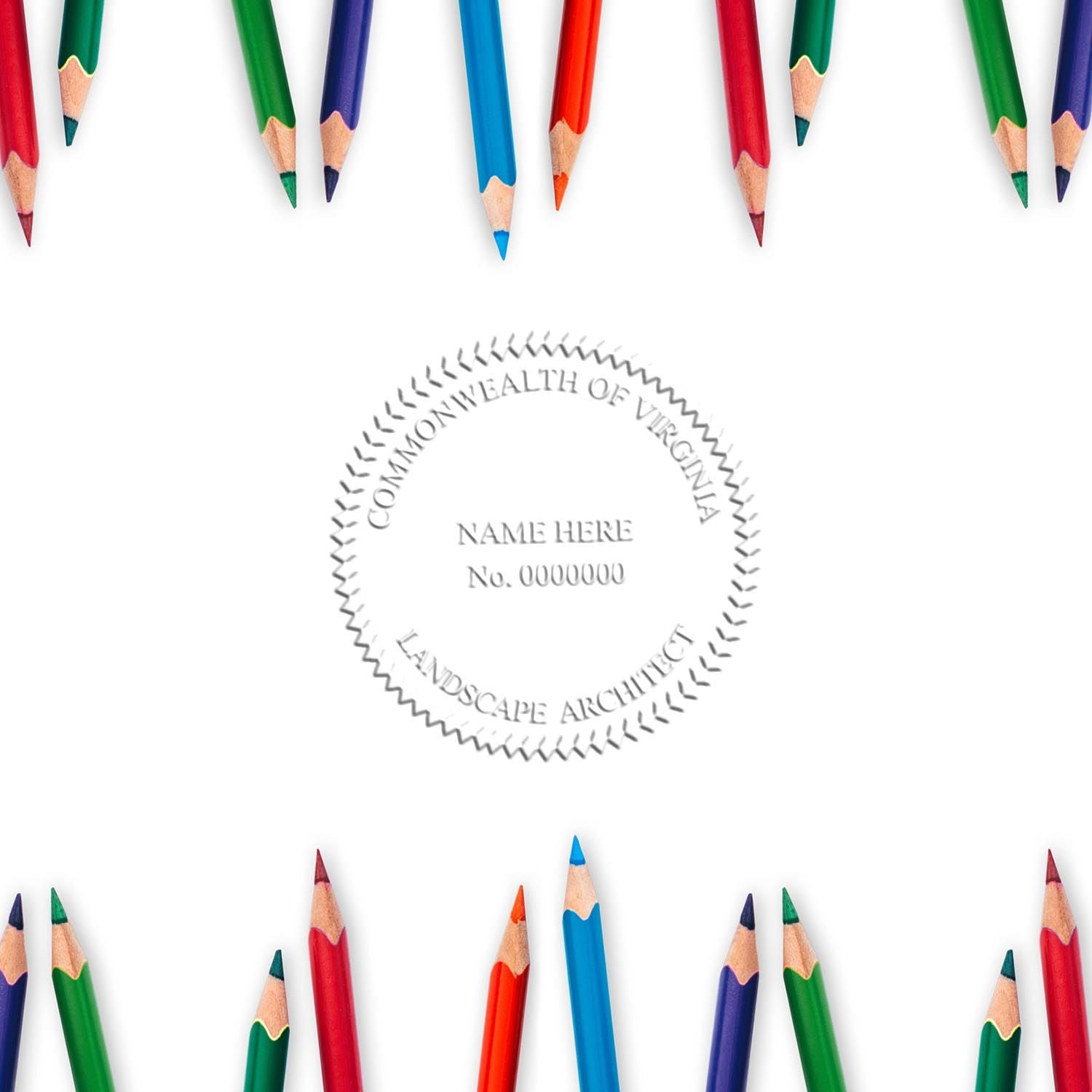
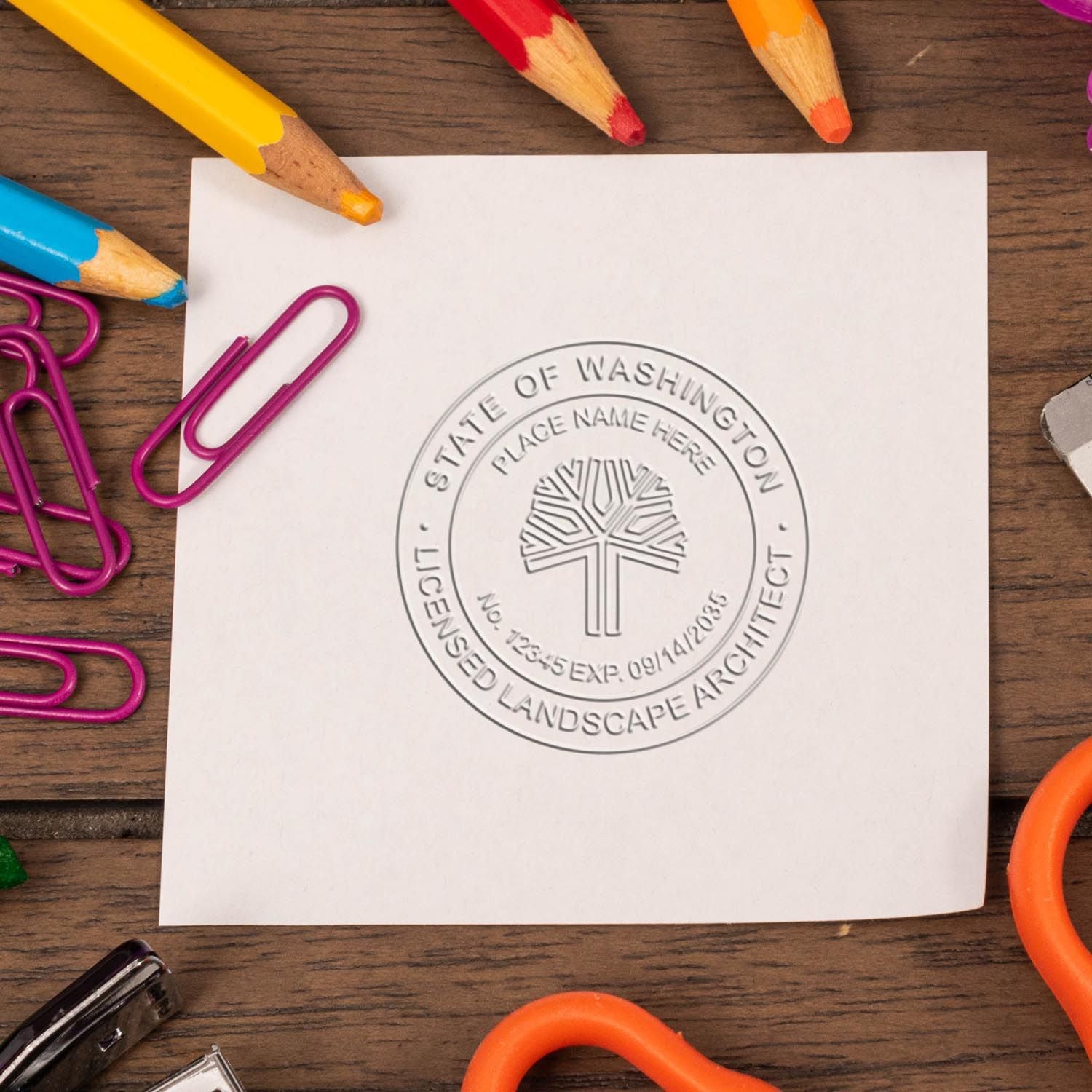
Picking the correct seal size for your drawings or documents is about balancing clarity with practicality. A seal that’s too large might crowd the page, while a smaller impression could compromise readability. As a general reference, many states accept a 1¾ to 2-inch circle. However, it’s important to stay up to date on your specific state’s standards.
Common Diameter Options
Below is a quick comparison of popular sizes, helping you see which might fit your needs:
| Stamp Diameter | Typical Use Cases | Notes |
|---|---|---|
| 1⅝ inches | Tighter layout spaces | Less text, but still legible |
| 1¾ inches | Standard dimension in many states | Common balance of clarity and spacing |
| 2 inches | Work with smaller text or logos | Allows for the most legible details |

Key Factors To Consider
- Your state’s regulations (double-check diameter, layout, and wording).
- The complexity of your stamp design (logos or seals with intricate details may need more space).
- The types of documents you stamp (smaller plans need a more compact seal).
Explore Seal Materials
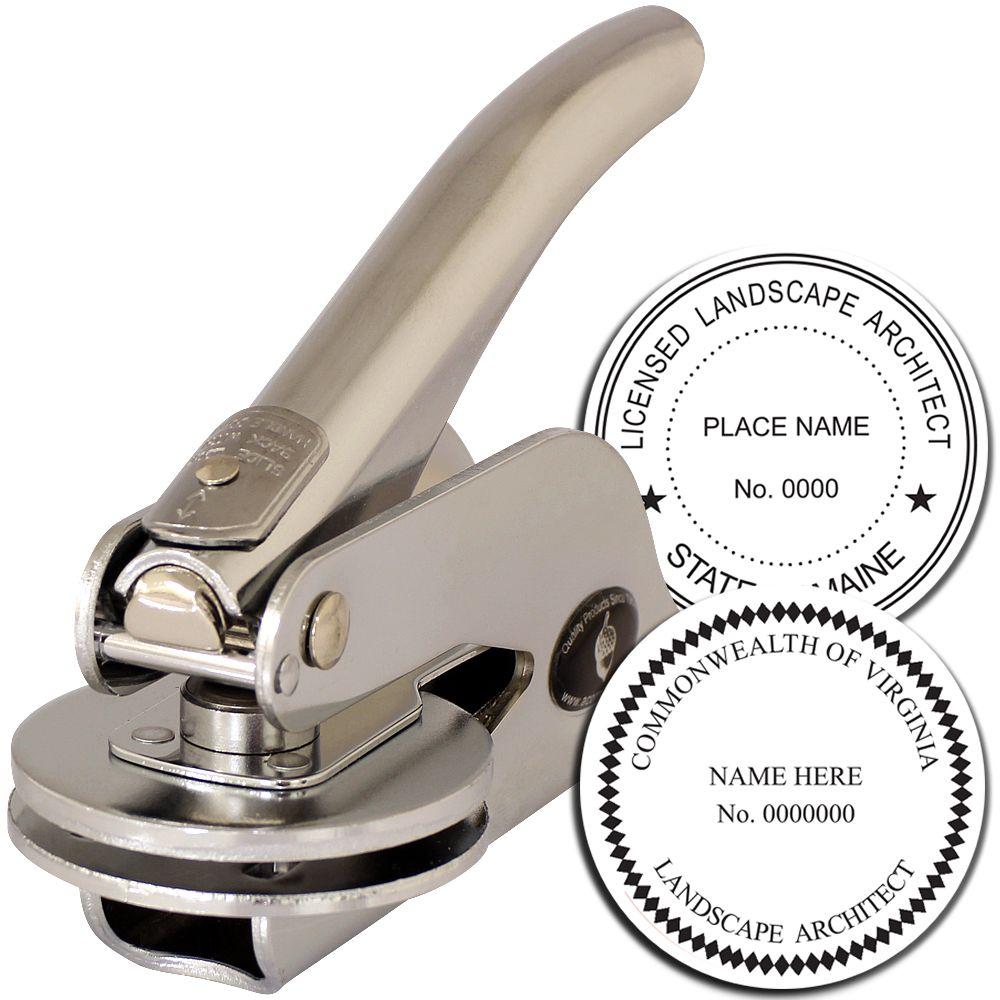
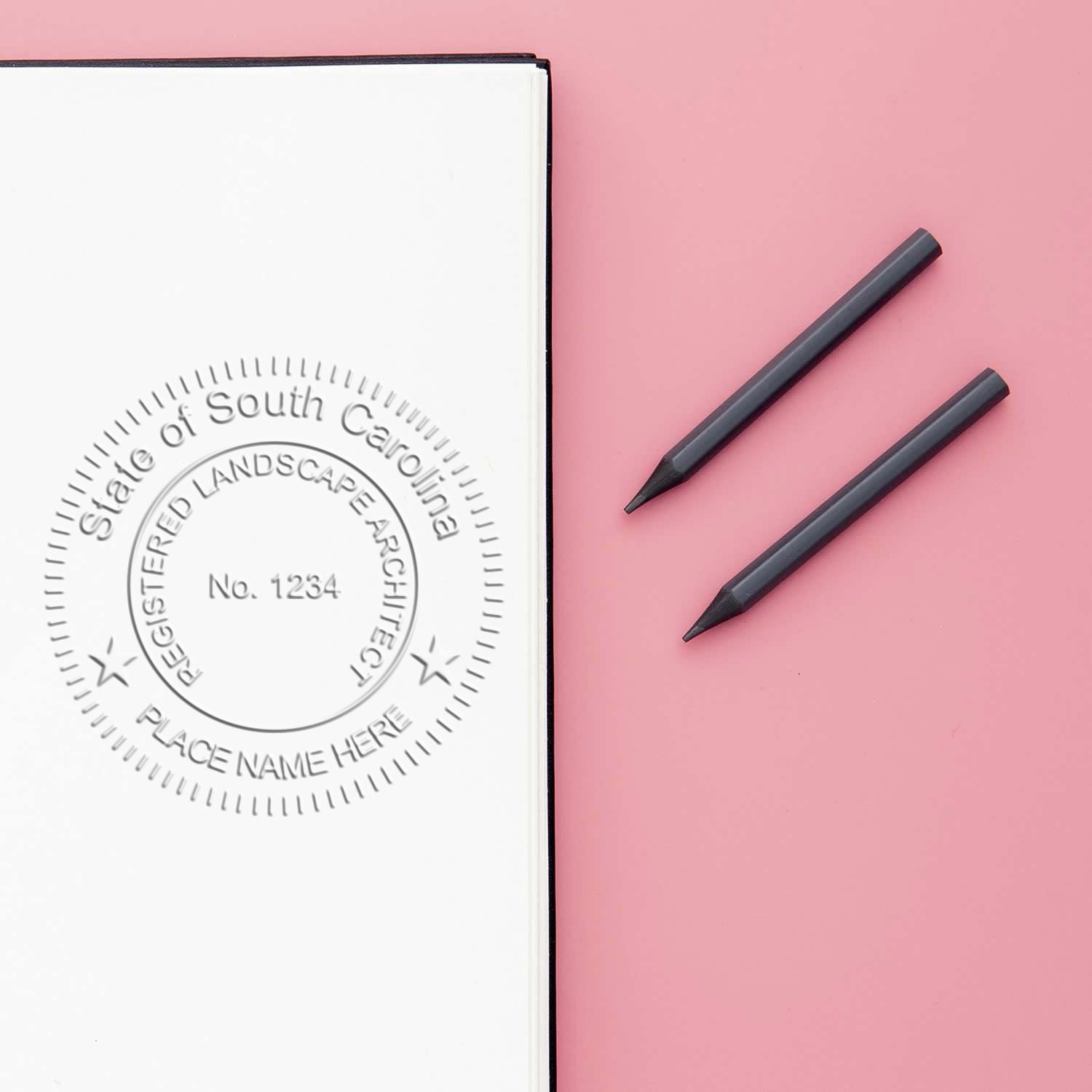
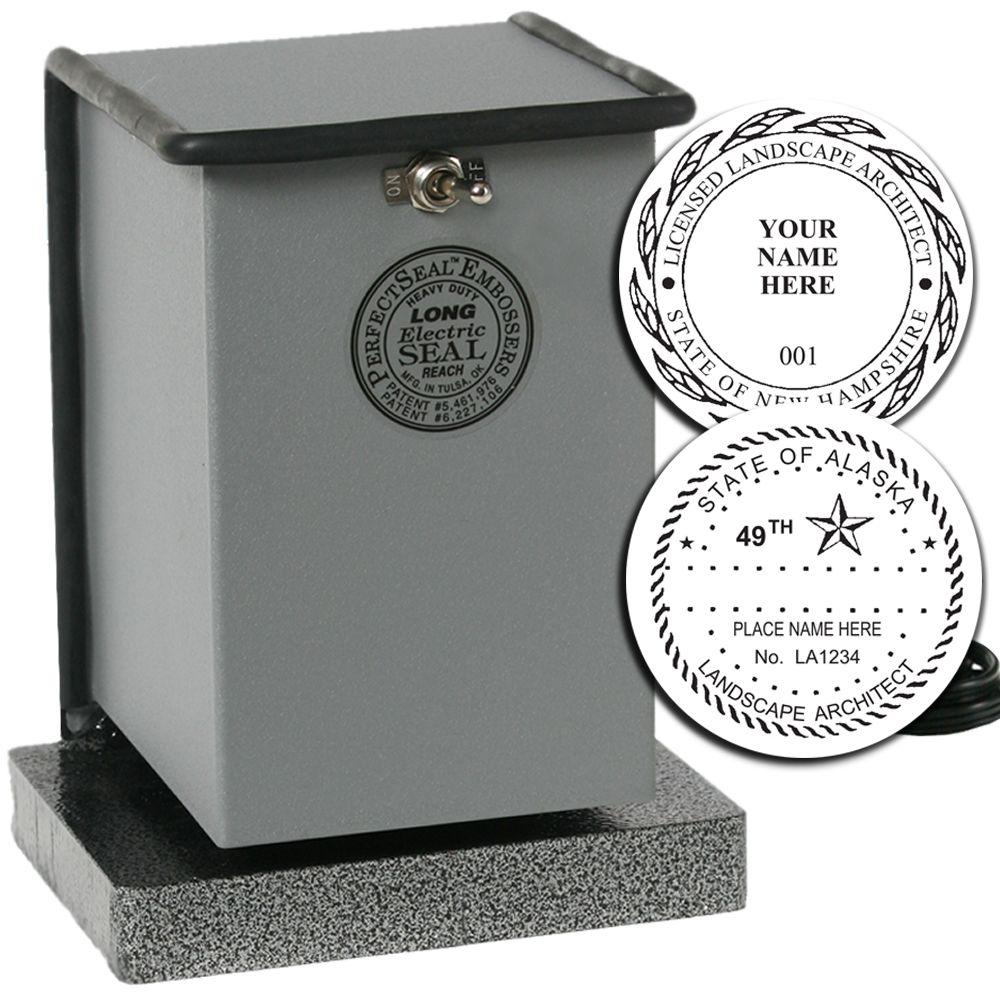
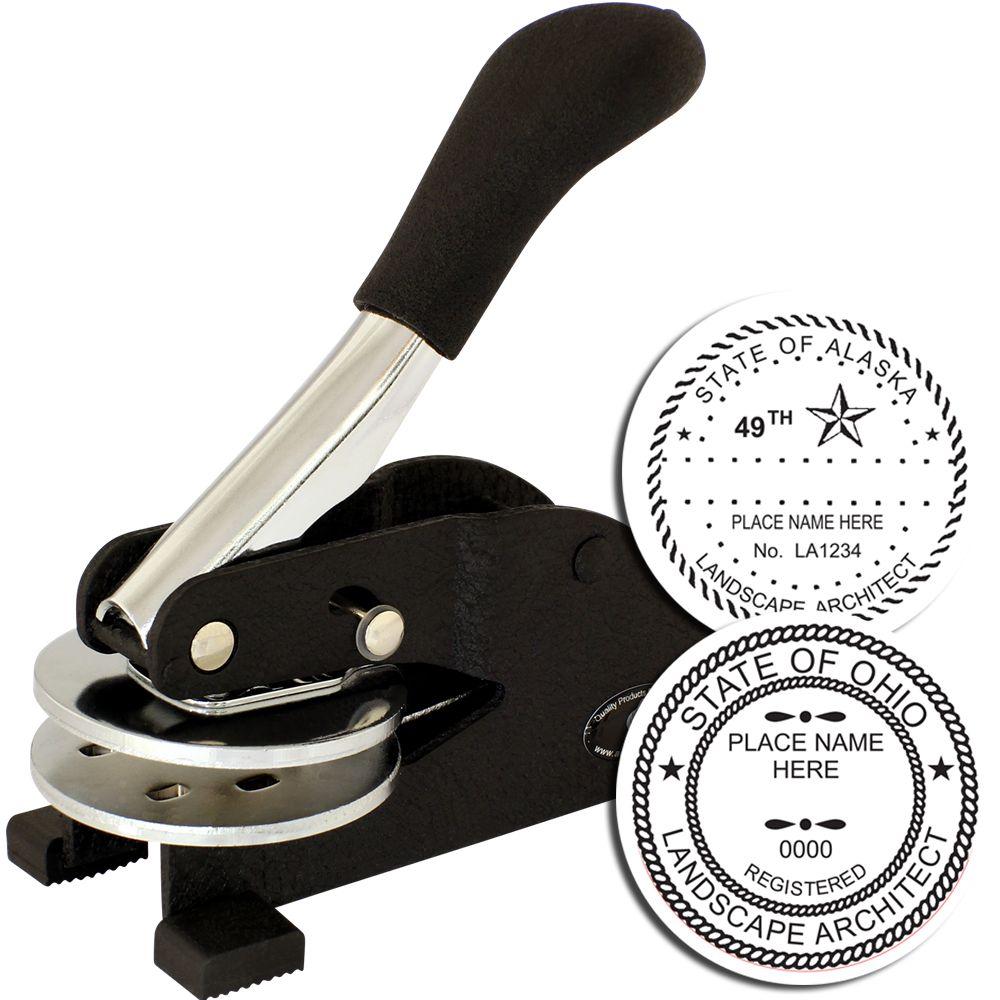
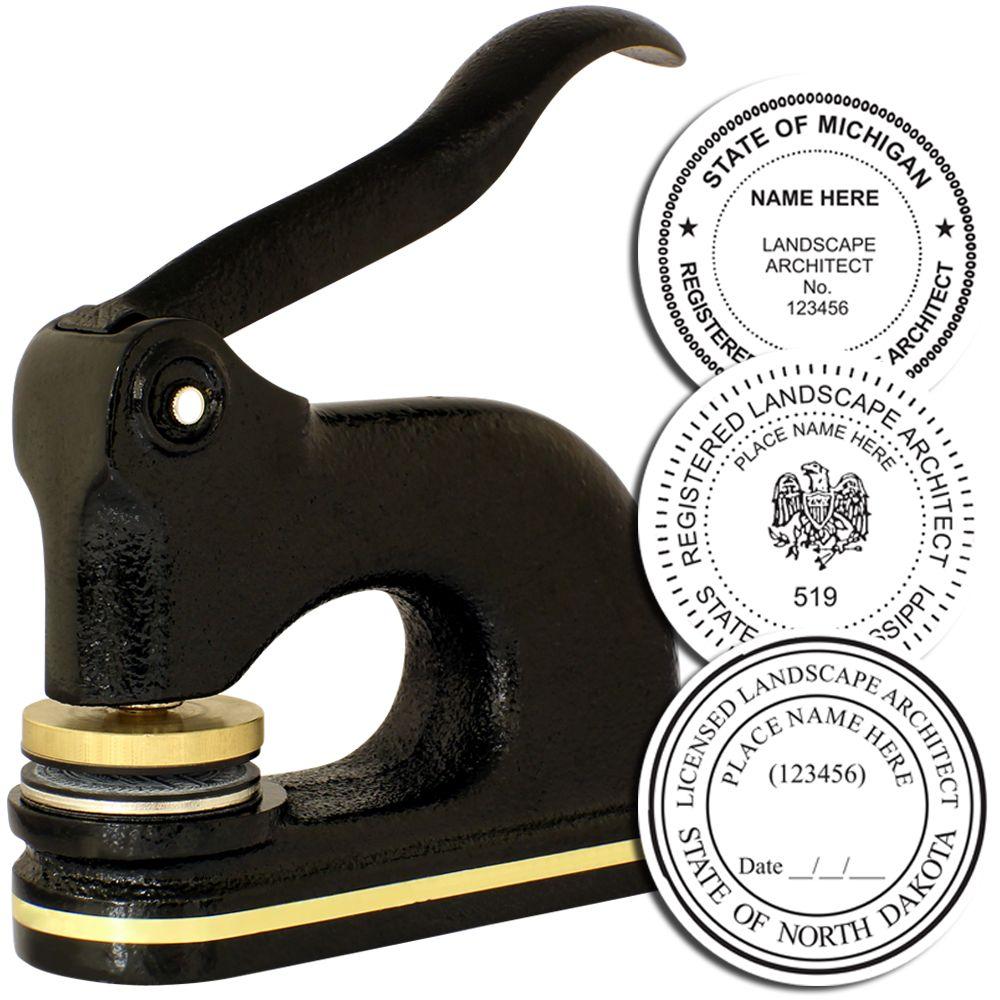
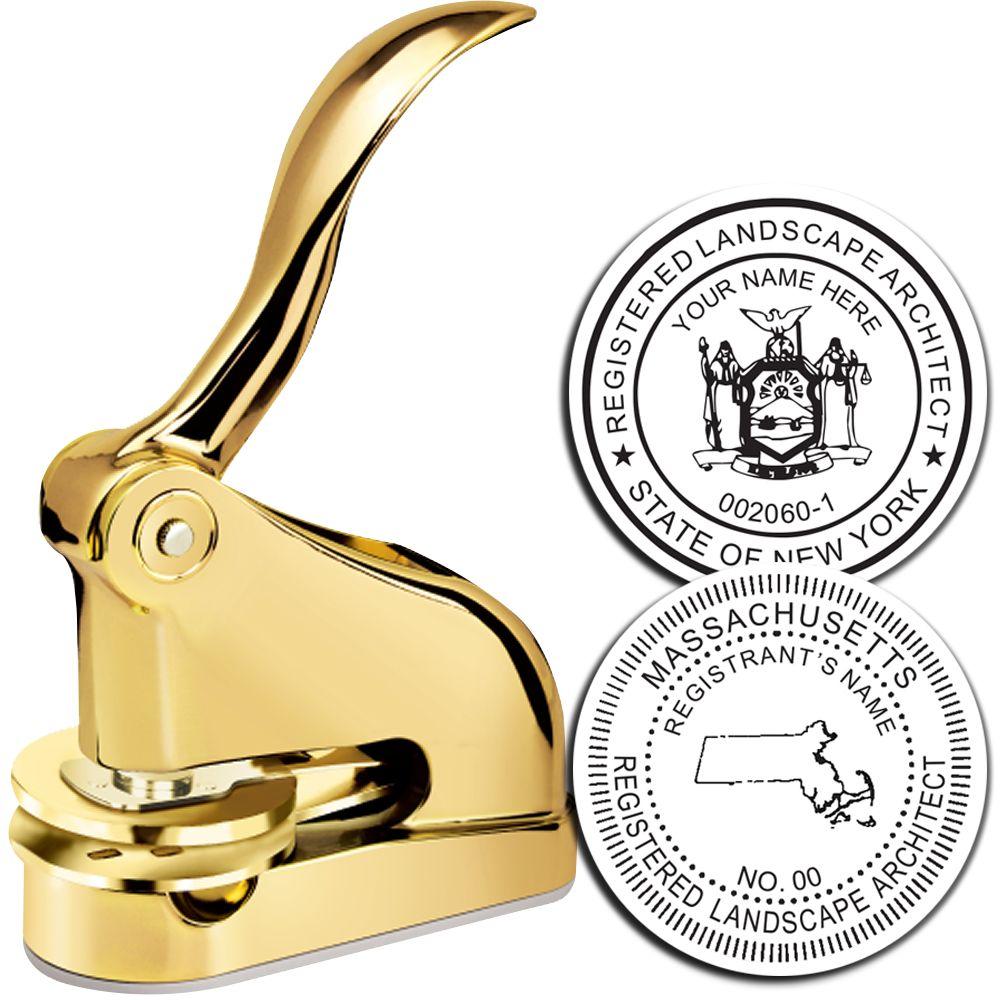
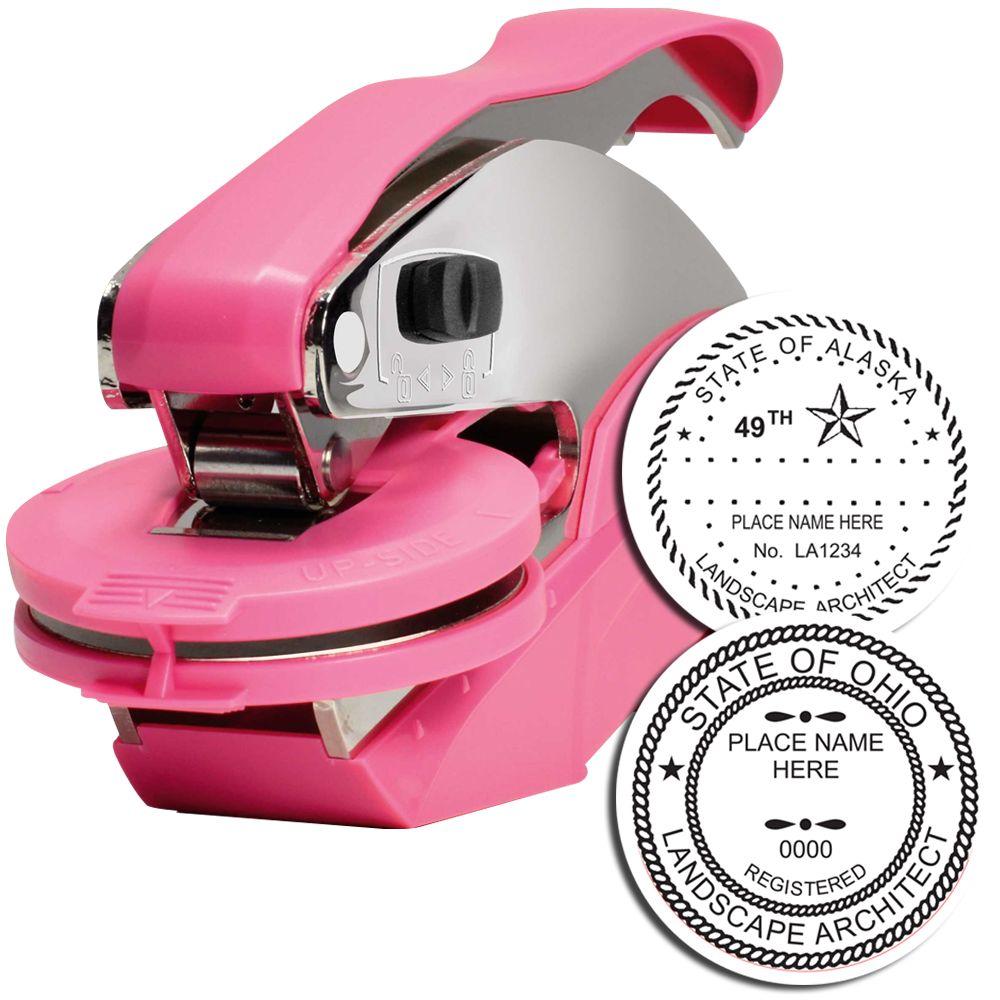
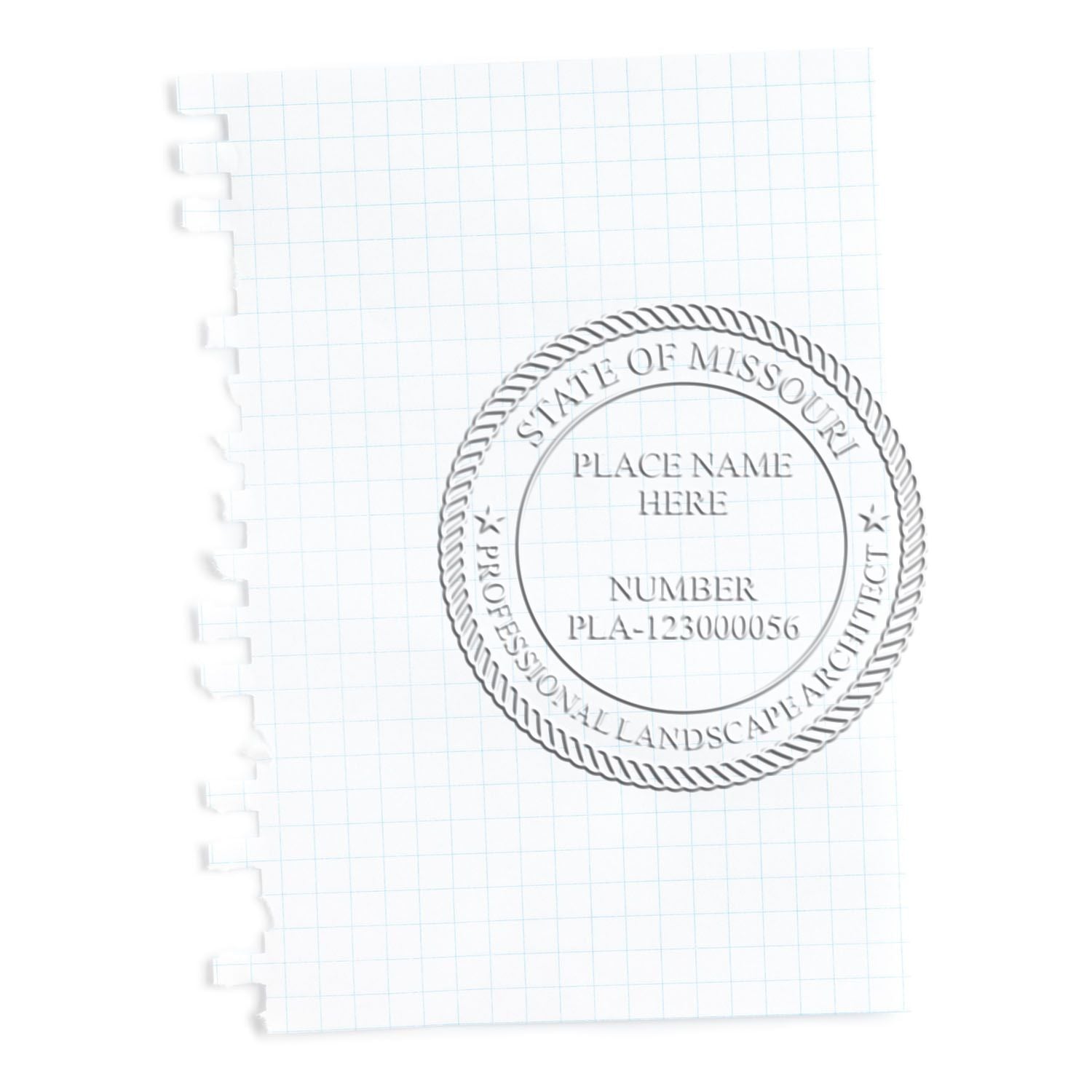
Beyond the size, you’ll want to think about how your stamp or seal is constructed. Rubber stamps are lightweight and convenient for day-to-day use, while metal embossers produce raised imprints that look official and refined. Overall, your choice comes down to frequency of use, personal style, and the kind of impression you want to leave on your clients, literally.





Work With Acorn Sales
Once you’re clear on your size and style, ordering from a trusted supplier can save you time and stress. Acorn Sales has served as a stamp and seal maker for over 60 years, offering landscape architect seals that meet state guidelines. You’ll find:
- Quick turnaround times so your projects aren’t delayed.
- A free digital seal with every purchase, letting you digitize your stamp for electronic plans.
- Comprehensive compliance checks to make sure your seal meets local regulations.
If you want to explore designs and materials in more detail, visit the landscape architect stamp page for more options and insights.
Feel free to tweak your stamp size to align with your specific needs, and be confident that a professionally made seal boosts your credibility. If you have lingering questions or just want a second opinion, you can always talk with the team at Acorn Sales. Happy stamping!
Frequently Asked Questions
What Size Is Most Common For Landscape Architect Stamps?
The standard size is often 1¾ or 2 inches in diameter, though this can vary by state. Always verify exact requirements to ensure compliance.
Do All States Accept The Same Stamp Dimensions?
No. Each state sets its own guidelines, so a stamp that works in one area might not be acceptable elsewhere. Double-check your state board’s website for exact details.
How Do I Order A Custom Stamp?
You can typically order online. Just upload your information and the supplier handles the rest. With Acorn Sales, you also get a free digital version for electronic use.
What’s The Turnaround Time On A Custom Stamp?
It varies based on production and shipping. Acorn Sales offers quick processing so you can start stamping sooner.
Are Digital Stamps Accepted As Official Proof?
Some states allow digital seals on electronic documents, while others may still require a physical impression. Check your state’s rules on electronic signatures and seals.








