
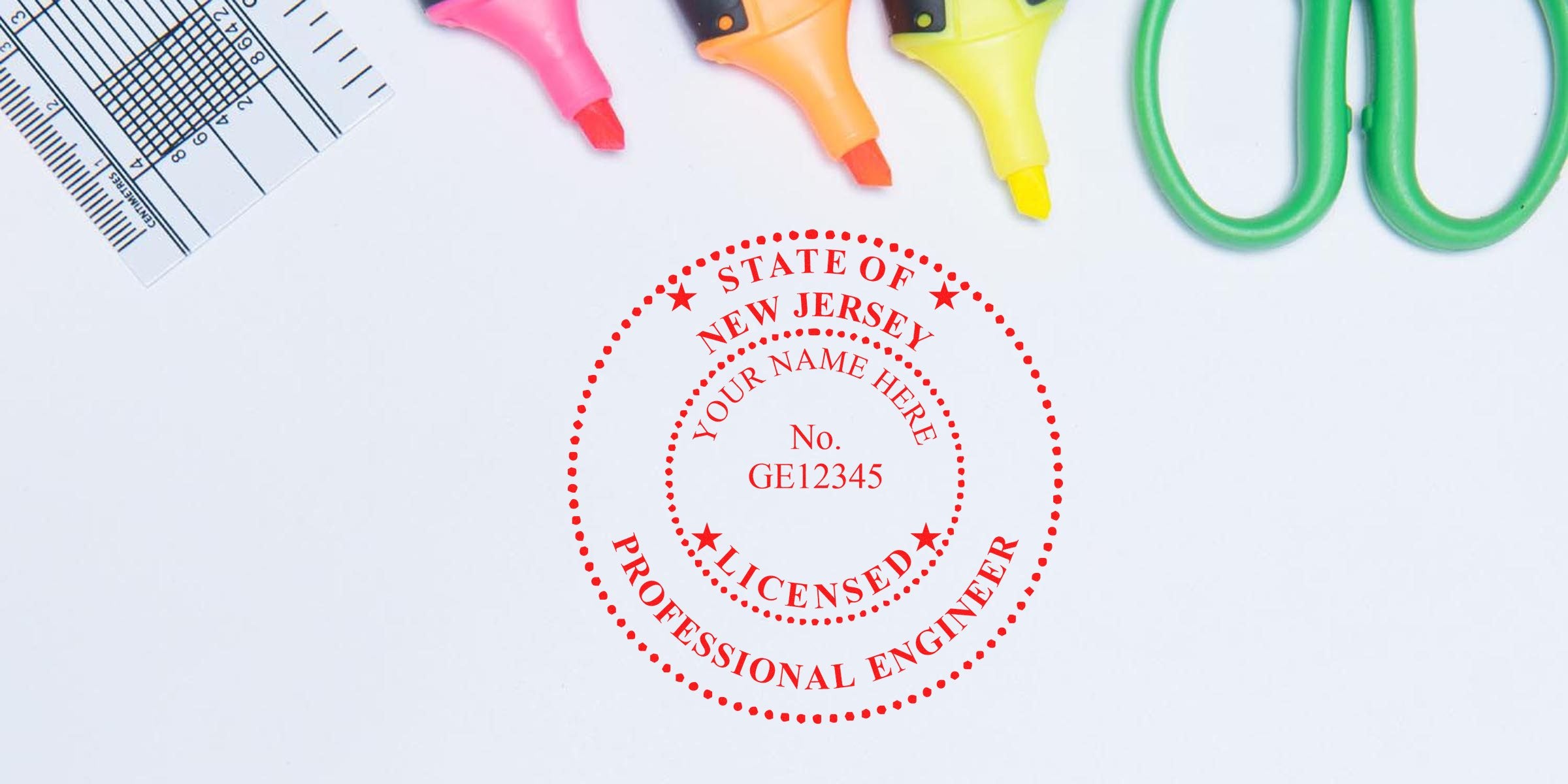
If you’re looking for a New Jersey PE Seal that meets state regulations and makes your engineering documents look polished, you’ve come to the right place. It’s not just about placing a stamp on your drawings. You need a seal that highlights your professional credibility while also checking all the boxes required by New Jersey laws. By understanding the correct design features, choosing reliable materials, and partnering with a trusted supplier like Acorn Sales, you’ll get exactly what you need, often with added perks such as a free digital seal and fast service.
Below, we’ll explore how to pick the right option for your practice. We’ll also walk through the different types of seals, compare features like ink color or embossing depth, and address anything else you might be wondering about. By the time you’re done reading, you’ll know how to order the perfect seal, as well as how to keep it in excellent working condition for years.
Understand the purpose
Before diving into the details, it helps to know why a professional seal is so important. A New Jersey PE Seal serves multiple functions. It identifies you as a licensed engineer in the state. It also verifies that the documents you seal are indeed your work, ensuring authenticity and accountability. In New Jersey, you typically mark engineering plans, drawings, calculations, or any official documents that require a licensed engineer’s oversight.
Legal compliance you can’t ignore
Whether you’re working on a residential construction project or a commercial design, state regulations often require an official stamp or seal. If you skip this step or use a seal that doesn’t comply with New Jersey rules, you could face scrutiny—or worse, legal trouble. You don’t want to risk your hard-earned license because of a simple oversight. That’s why selecting the correct seal layout and using it properly should be a top priority.
Why precision matters
Precision in a seal’s design is about more than aesthetics. When the text, license number, and stamp boundary align perfectly, your credentials look credible. Moreover, many clients, government agencies, or contractors expect clarity in official documents. A faint or smudged impression can confuse people who rely on the seal for proof of validity. A crisp, readable impression helps everyone understand that the documents are from a qualified professional.
Aligning with industry standards
New Jersey has specific guidelines about what your PE Seal must contain. Generally, it includes:
- Your name exactly as it appears in your license records
- Your license number
- Wording that identifies you as a Professional Engineer in New Jersey
While the fundamentals stay the same, you still have room to choose design options such as embossing or stamping in ink. Each approach can be valid, but the choice sometimes comes down to personal preference and practicality.
Explore seal types
Many engineers assume that a “stamp” and a “seal” are different names for the same item. In reality, they’re slightly different tools that produce similar marks. If you want to check out a new jersey engineer stamp, that usually entails a pre-inked or self-inking device that leaves an impression in ink. Meanwhile, a seal might refer to a traditional embosser that creates a raised imprint on paper. You can also find electronic seals for digital documentation.
Rubber stamps or self-inking options
Ink-based tools provide a clear, quick mark. A self-inking stamp often incorporates a built-in ink pad. Once the stamp runs out of ink, you can easily replenish it. These stamps come in different sizes, which matters if you need to keep documents neat and uncluttered. Some engineers also prefer the convenience. You press down, and the seal is done in one swift motion. No separate ink pad necessary, no fumbling around.
Pros of ink-based solutions
- Fast and easy to use
- Clear, high-contrast impression
- Easy to re-ink or replace
- Handy for large volumes of documents
Cons of ink-based solutions
- Ink can smear if not fully dry
- Might not look quite as “official” as an embossed seal
- Takes up a bit more space on the page
Embossers for a traditional feel
An embosser creates a raised design that you can feel by running your fingers over it. These tools often come as hand-held or desk-mounted gadgets. The “official” look is unmistakable, giving your documents a more formal appearance. Some clients prefer or even request an embossed seal for important paperwork. While embossers can be slightly bulkier to store, many professionals still love that timeless look. If you appreciate a classic style and don’t mind putting a bit more pressure on the device, an embosser could be right for you.
Pros of embossers
- Classic, professional appearance
- Hard to forge or replicate the raised design
- No ink to worry about running dry or smearing
Cons of embossers
- Requires extra effort to press down
- Not always as visible in photocopies or scans
- May take a bit more space to handle and store
Electronic seals for digital documents
With the rise of remote work and paperless offices, electronic sealing is on the upswing. Many engineers opt for a digital seal file that they can place on PDFs or other electronic documents. In certain jurisdictions, you still need a physical seal for official recordkeeping, but digital versions can speed up your workflow. Plus, you can layer an e-seal over plan sets, proposals, or specs without having to print them out first.
Balancing requirements
As technology advances, you might be tempted to go entirely digital. However, check your local rules. Some public agencies may still want a physical seal impression (ink or embossed) on critical documents. A hybrid approach—keeping both a digital seal and a physical stamp or embosser—might be your best bet. And if you order your seal from a supplier like Acorn Sales, you can often get a complimentary digital seal alongside your physical device.
Identify key features
When you’re comparing different types of New Jersey PE Seals, there are several features to keep in mind. Each aspect can affect cost, ease of use, or even the longevity of your seal. By weighing these factors, you’ll end up with a seal that fits your workflows and clearly marks your credentials.
Impression size
In New Jersey, the average seal impression is around 1⅝ to 2 inches in diameter. That’s big enough to contain all the required text yet small enough to fit neatly on most documentation. Always confirm the exact diameter recommended by the state or by any specific project requirements. You generally don’t want an oversized seal that dominates your page, nor one so small it’s hard to read.
Material and construction
Some stamps feature sturdy plastic casings, while others come with a metal frame. The durability you need depends on frequency of use. If you’re constantly stamping drawings for big construction projects, a heavier metal device might handle wear and tear more effectively. For occasional use, a lighter plastic stamp could be sufficient. Embossers typically have metal components to apply stronger pressure, ensuring the raised design is crisp.
Ink colors
For ink-based stamps, black and blue are standard for professional documents. Red can be useful for certain disclaimers, but it’s not typical for official PE Seals. Double-check with your local building department or relevant agencies if they have color preferences. In most cases, black ink is a safe bet because it reproduces well in photocopies.
Ergonomics matter
You might not think about ergonomics until you’ve stamped your 20th set of drawings in a day. If you expect heavy daily use, look for a device with a comfortable grip or easy-lever action. While this might sound like a minor detail, it really helps reduce hand strain over time.
Digital file formats
If you opt for a digital seal as well, be sure you can receive it in multiple file types, such as PNG, JPG, or PDF. Vector formats like EPS or AI provide high resolution, especially if you’ll resize your seal at some point. Having versatile, high-quality file formats means you won’t deal with fuzzy images when you import your seal into CAD drawings or other design software.
Rely on a trusted supplier
You can pick the perfect design and features, but if your seal isn’t made to quality standards, you’ll see problems fast. That’s why choosing a reputable supplier stands out as one of the most important steps in finding the ideal New Jersey PE Seal. A well-made seal should last for years with the right care, giving you a consistent impression every time.
Why Acorn Sales stands out
For over 60 years, Acorn Sales has been producing seals and stamps for professionals just like you. That track record alone says a lot about our expertise. We don’t just churn out generic products. We craft each seal with attention to detail, ensuring the text and design lines are spot on. When you invest in a New Jersey PE Seal through Acorn Sales, you also get:
- A free digital seal with your purchase
- Fast service to accommodate tight deadlines
- Knowledgeable customer support to answer questions about state-specific rules
Our goal is to help you get the right seal quickly, so you can concentrate on your real work—engineering solutions that make a difference.
Personalized guidance
If you’re not sure whether you want an embosser or a self-inking stamp, or you can’t decide on a certain diameter, it helps to talk to someone. The team at Acorn Sales knows the ins and outs of each seal type. By calling or emailing, you’ll get personalized advice, whether you need a standard pre-inked stamp, a classic desk embosser, or a combination of both.
Verifying compliance
Different states have different rules, even if they share general guidelines. Acorn Sales stays up to date with changing regulations. That means if New Jersey modifies any seal requirements, we handle those design details so you don’t have to. You’ll receive a seal that meets the latest specifications, so you submit your paperwork with absolute confidence.
Order your seal
When you decide to order your New Jersey PE Seal, it helps to walk through a simple process that keeps your information organized. A few minutes of prep can prevent typos and ensure you get exactly what you need. Below is a quick step-by-step overview.
1. Gather your license information
First, confirm exactly how the name on your seal should appear. Cross-check with your official documents from the New Jersey licensing board. If your license name includes a middle initial or suffix, be sure to include it. Accuracy is key here, since your professional identity is on the line.
2. Choose your stamp or embosser model
Decide if you want a:
- Self-inking stamp
- Pre-inked stamp
- Hand-held embosser
- Desk embosser
- Combination set (for maximum flexibility)
Think about your daily usage. If you frequently stamp large volumes of documents, a self-inking stamp with easy re-ink features might be best. If you need a formal look for official presentations, an embosser delivers that extra flair.
3. Pick any extra features
Are you leaning toward a specific ink color? Do you want an embossing seal with a unique handle style? Are you planning on ordering a custom digital seal with multiple file formats? Make these decisions now, so you don’t have to go back and reorder later.
4. Submit your details
When you fill out the order form, double-check for typos in your name or license number. This step is where small mistakes can creep in. If you have concerns about the layout, request a proof to see exactly how your seal will look before production.
5. Review shipping and turnaround times
If you’re in a rush, look for expedited shipping options. Acorn Sales often provides fast service, but it’s always good to confirm if you have a hard deadline approaching. You don’t want to end up with a crucial project delayed because you’re waiting on your official seal.
Maintain your seal
You want your New Jersey PE Seal to last for years, and with the right care, it can. Proper maintenance keeps the impression clear and ensures the moving parts don’t wear out prematurely.
Cleaning basics
For an ink-based stamp, wipe off any excess ink from the edges with a soft cloth if you notice buildup. For embossers, remove any tiny bits of paper that might get stuck, especially if you use thick stock or special finishes. Avoid using harsh chemicals or soaking your device in water. A gentle cleaning approach is usually enough to keep things running smoothly.
Storing your device
When you’re done for the day, store your stamp or embosser in a cool, dry spot. Extreme temperatures and humidity can affect the adhesives and plastic components. If your seal has a protective cap, remember to snap it back on. Avoid stacking heavy objects on top, because constant pressure might warp the stamping surface or imprint mechanism.
Re-inking or replacing consumables
If you have a self-inking or pre-inked stamp, it will eventually need a fresh dose of ink. Pay attention to the clarity of your seal each time you stamp. If you start seeing lighter impressions, that’s your cue to open up the stamp and add new ink. Always use the recommended brand or type of ink, because mixing incompatible inks can produce smudges or damage the stamp pad.
Checking for wear and tear
Even the best-made stamp or embosser can wear out after thousands of uses. Inspect your seal periodically. If you notice cracks or bent components, reach out to your supplier for replacement parts or to discuss a new device. Staying on top of those small maintenance tasks ensures your seal won’t fail you when you’re in the middle of important submissions.
By now, you’ve seen how easy it is to find a New Jersey PE Seal that meets state guidelines and holds up over time. Whether you lean toward self-inking stamps, embossers, or a combination of both, your ultimate goal is to present your professional credentials in a clear, credible form. Paying attention to design, materials, and regulatory requirements ensures that your seal is never in question.
Acorn Sales has your back with 60+ years of experience, quality craftsmanship, and reliable support. You can take advantage of the free digital seal option, too. When you order from a trusted partner, you can focus on what you do best—engineering solutions that shape the world—knowing your official documentation is good to go. If you have more questions or need a seal fast, feel free to reach out. Happy sealing!
Frequently Asked Questions
What if my name changes after I receive my seal?
You’ll need to order a new seal that reflects your new name. Once you legally update your name with the New Jersey licensing board, update your seal as well. Always match license records to avoid confusion.
Will an embossed seal show up in digital scans?
An embossed seal might appear faint in scans or photocopies. To make it more visible, you can lightly shade the raised impression with a pencil before scanning. Alternatively, keep a digital seal file on hand for purely electronic documents.
Which seal type is best for client presentations?
It depends on your style preferences. Many engineers feel an embossed seal looks more “official” and impressive for face-to-face presentations. However, a clean ink-based mark is perfectly valid and often quicker for larger volumes.
Do I need special authority to use a digital seal?
You generally need to ensure that electronic signatures or seals comply with the relevant rules. Some agencies will specify their guidelines for digital submissions, including how they want the digitally sealed document authenticated. Check with the New Jersey licensing board or the relevant municipality to be sure.
How soon can I expect my order?
Many suppliers, including Acorn Sales, offer fast turnaround. Actual shipping times vary based on stock levels, customizations, and your location. If you need expedited delivery, mention that when placing your order.








