
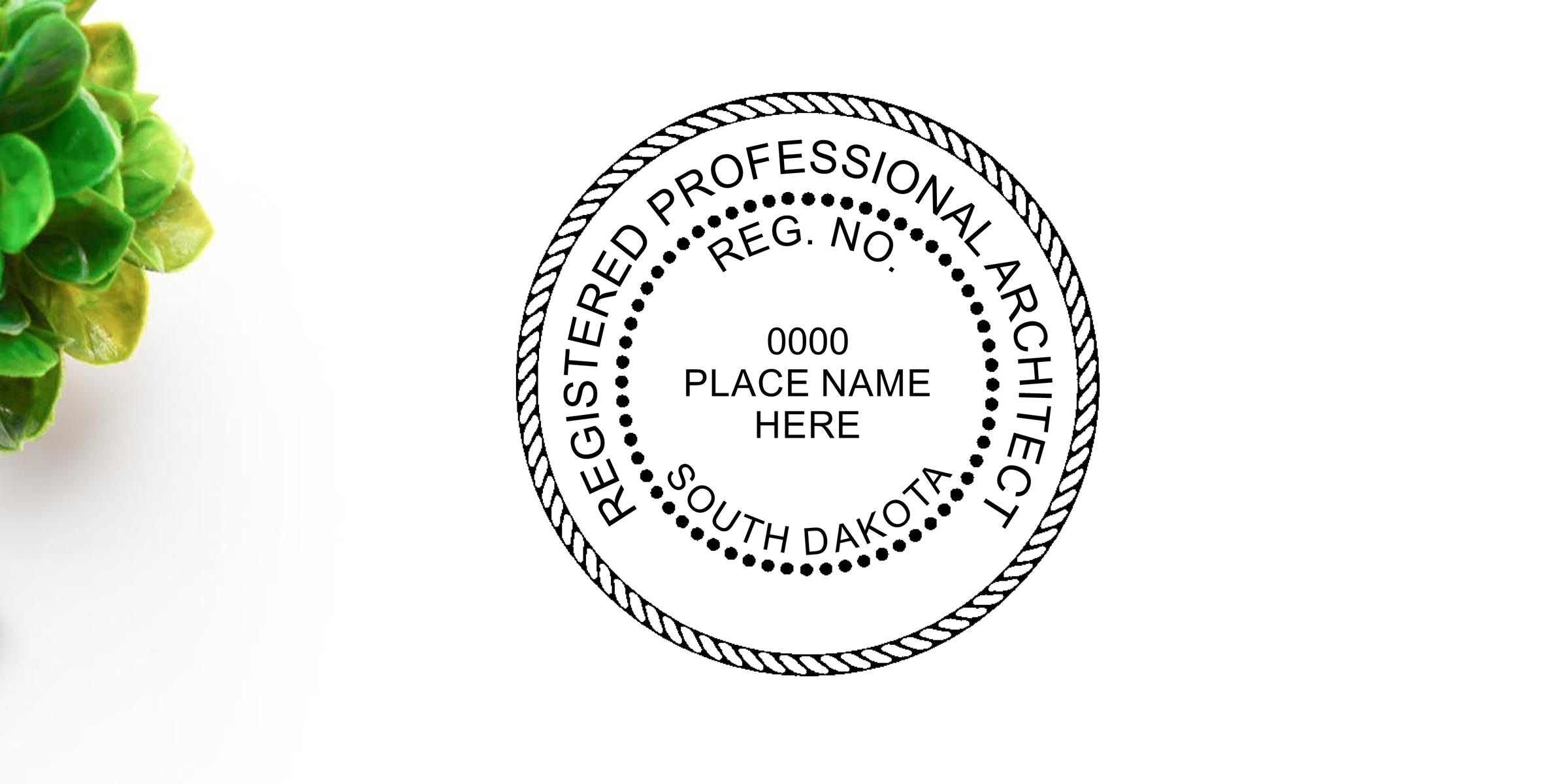
Introduction: Why a custom architect seal is important
Finding the right architect seal custom to your needs can feel like a puzzle, right? You want something that meets state regulations, looks professional on all your drawings, and saves you time in your day-to-day work. And, of course, you need it to represent you and your practice authentically. After all, an architect seal is more than ink on paper, it is a statement of your professional credibility. So, how do you cut through the clutter and pinpoint exactly what will work for you? That is what this guide is all about.
By the time you finish reading, you will have a clear picture of how a custom architect seal works, why state board compliance matters, and the steps to choose the perfect style. You will also learn about Acorn Sales, a trusted brand since 1964, that provides quick service, free digital seals with a stamp purchase, and thoroughly state board compliant options. Let us dive right in.
Understand the legal and professional value
An architect seal holds more significance than just a stamp. It is a formal mark that certifies the documents you produce. In many states, regulations dictate a specific layout, size, and information to include on your seal. This requirement protects both you and your clients, ensuring each party knows the documents come from a licensed professional.
Why compliance matters
- Validity of your documents: A properly designed seal makes your plans official in the eyes of local authorities.
- Protection from liability: Compliance demonstrates your professional diligence, helping avoid potential legal disputes.
- Uniformity: State boards often standardize seals, so municipal reviewers and clients know what to expect.
Even if your state’s regulations seem strict, they are there to hold everyone to the same high standard. Hitting these requirements on the nose means your seal stands up to scrutiny wherever you submit your plans.
Explore types of architect seals
So, what types of seals should you consider? Generally, most stamping solutions for architects fall into three main categories: traditional rubber stamps, self-inking stamps, and pre-inked stamps. Each has its own pros and considerations.
Traditional rubber stamps
- Uses a separate ink pad
- Often cost-effective and straightforward
- Useful for large-volume stamping if you keep your ink pad ready
Traditional rubber stamps can be a perfect fit if you only need occasional impressions. You simply press them onto an ink pad, then apply to the document. The downside is fussing with the ink pad. You will need to store it separately, refill it when it gets dry, and ensure you keep it from smudging your plans.
Self-inking stamps
- Built-in ink pad for quick impressions
- Usually yields thousands of impressions without pad re-inking
- More convenient than traditional rubber stamps
If you want something faster than rummaging around for an ink pad, a self-inking stamp could be a great bet. Press down, and the seal is immediately inked. With consistent use, you can produce thousands of crisp imprints before you need to refill or replace the ink cartridge.
Pre-inked stamps
- Offers the sharpest detail and crisp impressions
- Ink is stored within the body of the stamp
- Requires minimal re-inking, often after thousands of uses
A pre-inked stamp uses a special mechanism that releases ink as pressure is applied. This type is often more expensive, but it provides very clean, professional-looking results. Pre-inked is generally your top choice if you prioritize a clean imprint and rarely want to fuss with cleanup or re-inking.
Consider the core elements of an architect seal
When designing an architect seal custom for your work, you will notice certain elements appear on practically every compliant seal. While the specific wording and layout may vary across states, here are some typical details you will see:
- Your name as it appears on your license
- License number
- The words “Licensed Architect” or a state-specific variation
- The state or jurisdiction of licensure
- Additional wording required by your licensing board
A closer look at state-by-state differences
Each state’s board spells out unique standards, from acceptable abbreviations to mandatory disclaimers. One state might require a circle design with the phrase “State of X, Licensed Architect,” while another might insist on a rectangle layout listing your license number in a specific spot. Before you finalize your design, confirm you have the correct wording for your state.
If you are unsure about the official guidelines, it is best to check your state board’s website. Many boards have sample layouts that show you exactly how the seal should look. Or, you can work with a reputable supplier like Acorn Sales, which has been making custom seals since 1964 and stays up to date on all the rules.
Know your requirements before you order
This may sound obvious, but you would be surprised how many people order a seal without double-checking it meets state regulations. Follow these steps to ensure your new custom seal passes muster:
- Confirm your professional name: Use the exact name on file with your licensing board.
- Gather your license number: Double-check the digits, especially if your board issues leading zeros.
- Check orientation and dimension guidelines: Some states require a diameter of two inches, others specify beehive or rectangular shapes.
- Verify any mandated text: For instance, some boards say “State of Florida” or “Registered Architect,” while others use “Licensed Architect.”
Once all these details are in your pocket, you are ready to place that order confidently.
Why Acorn Sales stands out
Choosing the right supplier can make your life much easier. With Acorn Sales, you get:
- Decades of reliability: They have been in business since 1964, so they understand the ins and outs of state board rules.
- Free digital seal with stamp purchase: You get an electronic version ready for digital documents.
- Quick service: They prioritize turnaround times, so you typically get your seal fast.
- State board compliant designs: Their expert team checks each style to ensure it meets your region’s requirements.
If you have ever been burned by a supplier that got your seal wrong, you know how much frustration that causes. With Acorn Sales, your stamp or seal typically arrives exactly as ordered, ready for immediate use.
Customize your seal design for a personal touch
Sometimes architects want to incorporate a slight design flourish, within the limits set by licensing boards. While you still need to keep it official, there might be room for small personal tweaks. For instance, you could opt for a specific font style (approved by your board), or choose a color of ink that stands out on blueprint paper.
Ink color considerations
- Black ink: Standard and widely accepted, easy to read on most papers
- Blue ink: Often used for differentiating original documents from copies
- Red ink: Can provide a strong contrast, but check if your board has restrictions
Before you get carried away with a unique color, ensure your board agrees. Some states say black is the only permissible hue. Others are more flexible, letting you use any color that does not obscure the text.
Factors that impact stamp quality
When you are getting an architect seal custom, you also want consistent, high-quality impressions. How do you ensure you are not stuck with an inconsistent, blurry seal?
- Quality of the die: A deep-etched, laser-engraved impression generally yields sharper results.
- Number of lines or elements: More crowded seals can sometimes lose crispness, so ensure the spacing is correct.
- Ink pad quality: If you go for a traditional or self-inking stamp, look for premium ink that adheres well to your documents.
- Shell durability: For self-inking and pre-inked models, a sturdy shell means fewer breakages over time.
A top-tier supplier will guide you through these details, often recommending the best combination of design and construction for an optimal seal.
Compare formats in a handy table
To help you choose, here is a quick comparison of popular stamp formats, their advantages, and potential drawbacks.
| Format | Pros | Cons |
|---|---|---|
| Traditional Rubber | Affordable, simple to use, easy to replace | Requires separate ink pad, more cleaning |
| Self-Inking | Faster stamping, internal ink pad | Limited color variety, needs occasional pad swap |
| Pre-Inked | Sharpest impression, consistent quality | Higher cost, re-inking can be pricier |
If you want immediate convenience, self-inking or pre-inked might be right. If you are on a budget or rarely stamp, a traditional rubber stamp might do the trick.
How to ensure longevity of your seal
Once you have your custom architect seal, it is important to keep it in excellent condition. Buying a high-quality seal is step one, but your care and maintenance habits also matter.
Storage tips
- Keep it in a cool, dry place, away from direct sunlight
- Store stamps upright or face upward to prevent accidental ink leaks
- Avoid stacking heavy objects on top of it, which might press the stamp and drain ink
Cleaning routine
Wiping away any spills or ink buildup can prolong the life of your stamp. This is especially crucial for self-inking models. Dust or dried ink can prevent smooth operation. A quick gentle wipe once a week helps maintain clarity.
Think about digital seals too
Today, a digital seal can be just as crucial as a physical one. Many architects need to submit drawings electronically, especially when working with remote clients or large teams.
- Official digital seal: This is often a high-resolution image that replicates your physical seal.
- Electronic document stamping: Some states or municipalities allow you to embed your seal in PDFs or CAD files.
- Security compliance: In some cases, you will need a digital signature protocol to ensure authenticity.
With Acorn Sales, you get a free digital seal when you purchase a physical stamp. That means if you want to place your seal onto electronic documents, you will have everything you need at your fingertips.
Let’s talk about ordering from Acorn Sales
It is one thing to know what you need, but another to actually place the order. Here is how the process typically goes:
- Gather your license info: Name, license number, and any special state text.
- Select your stamp format: Choose from traditional, self-inking, or pre-inked.
- Decide on details: Ink color, handle type, and whether you want any small decorative touches (if allowed by your board).
- Submit requirements: On the Acorn Sales website or by contacting their support, you provide the specifics.
- Wait (briefly) for creation: Their team quickly crafts your custom seal, verifying compliance.
- Receive the physical product: Once it arrives, test it out on scrap paper, then store it for daily use.
Before you know it, you will be sealing your architectural plans with a tool that feels truly yours.
Speed matters: Get it fast
As an architect, you probably juggle multiple deadlines at once. The last thing you want is to wait weeks for your new seal. A big perk of using Acorn Sales is how quickly they turn projects around. They prioritize short lead times, which can be a lifesaver if you are in the middle of a tight project schedule. If you need an update on your order, their customer service is friendly and responsive.
Double-check for state board compliance
You might already know some states have complicated designs. You do not want to do guesswork here. Fortunately, Acorn Sales checks your state’s guidelines to ensure your seal is 100 percent correct before they finalize production.
Tips for verifying your seal’s compliance
- Look up your state’s official stamp requirements.
- Confirm any special statements or disclaimers.
- Cross-reference your final design with the sample provided by your board.
- Check the spacing and outer circle diameter (or rectangle size) carefully.
If something seems off, do not hesitate to speak up. A small adjustment, such as shifting text or scaling the design, can make the difference between acceptance by your local authorities and a frustrated reprint.
Integrate your seal seamlessly into your workflow
Once you have your architect seal, how do you use it effectively in your day-to-day routine?
Simple ways to streamline stamping
- Keep your stamp in your main drafting area or desk drawer, so you do not have to hunt for it everytime.
- If you have multiple states’ licenses, label each seal clearly. The last thing you want is to stamp a Colorado seal on a New York plan.
- Use the non-skid side of your desk mat or a stable surface for stamping to get crisp impressions.
- Stamp documents in a consistent location or margin area, so everyone knows where to find your seal.
A small ritual of stamping all your final documents, either just before emailing or physically shipping them out, ensures nothing slips through the cracks.
Consider companion tools
An architect seal custom might be the star of the show, but a few companion tools can simplify tasks even more.
- An embosser: If your state also allows raised embossing, you can pair a seal embosser for formal documents or special presentations.
- Extra ink pads: Keep an extra or two in different colors if you often differentiate final prints versus preliminary ones.
- Replacement ink cartridges for self-inking stamps: Avoid any last-minute panic by having a spare on hand.
Speaking of helpful companions, you might explore an architect seal stamp if you are collecting multiple variations or need to see what other architects are using. Each type has its own best-use scenario.
Troubleshooting issues with your seal
Occasionally, you might run into hiccups. Here is a quick table to guide you:
| Symptom | Possible Cause | Fix |
|---|---|---|
| Faint or uneven impressions | Low ink level or dirty die | Re-ink your stamp or clean excess ink/debris |
| Text too small to read | Design mismatch | Redesign with appropriate sizing, ensure compliance |
| Ink smudges | Pressing too hard | Apply light, even pressure, let ink dry fully |
| Stuck mechanism | Dust or ink buildup | Gently wipe the stamp’s internal components with a soft cloth |
A little bit of care (and occasional maintenance) can spare you a lot of frustration.
Save time with a well-chosen seal
Ultimately, your architect seal should make life easier. If your official stamp is consistently readable, easy to manage, and meets all regulations, you save valuable minutes each time you prepare documents. Over the span of a busy year, those minutes add up significantly.
If your seal helps you avoid rejections or re-submissions, that is even more time back in your day. The best part is you are presenting a polished, professional image, reassuring clients and officials that they are dealing with a licensed architect who respects the process.
Summarize your next steps
If you are eager to order an architect seal custom to your exact needs, here is your quick checklist:
- Pin down your state’s official seal requirements.
- Choose between traditional rubber, self-inking, or pre-inked.
- Decide on extra features, such as color or slight design tweaks (within board compliance).
- Contact a reputable supplier like Acorn Sales to ensure you get state board-compliant designs.
- Receive your free digital seal with your purchase, set it up for your electronic documents.
- Keep your seal in top shape and enjoy quick, reliable stamp impressions.
Key takeaways
- A compliant architect seal helps protect you legally and shows you adhere to recognized standards.
- Pay attention to details like font, size, and mandated text to meet state regulations.
- Types of seals range from traditional rubber to pre-inked. Pick the one that suits your workflow.
- Acorn Sales, in business since 1964, provides quick service, free digital seals, and thorough compliance checks.
- For extra convenience, store your stamp in a central spot, and keep a digital seal for electronic documents.
Feel free to explore the different stamps, embossers, and digital seal options until you land on what feels right for your projects. With the correct seal in your arsenal, you will be confidently stamping your architectural plans and documents, ready for submission anywhere. If you have more questions or experiences to share, go ahead and join the conversation. You have the power to make your professional stamp shine, and it starts with choosing the perfect custom architect seal today.
Frequently Asked Questions
How long does a self-inking stamp last?
Generally, you can get thousands of impressions before needing to refill or replace the ink pad. When you start seeing lighter impressions, that is your cue to re-ink.
Can I customize the layout beyond what my state board wants?
Typically, you may alter certain decorative nuances, but you must include all the mandatory text, size, and shape. Always confirm limitations with your board.
What if I move to a new state?
You will need a new seal that reflects the new state’s license number and design. Keep your old seal for reference, but avoid mixing them up.
Will the digital seal match my physical stamp exactly?
In most cases, yes, especially if you are working with a reputable provider like Acorn Sales. The point is to replicate the exact layout and details digitally.
Do I need multiple seals if I have multiple licenses?
Often, yes. Each state issues a unique license number and has its own required seal text.








