
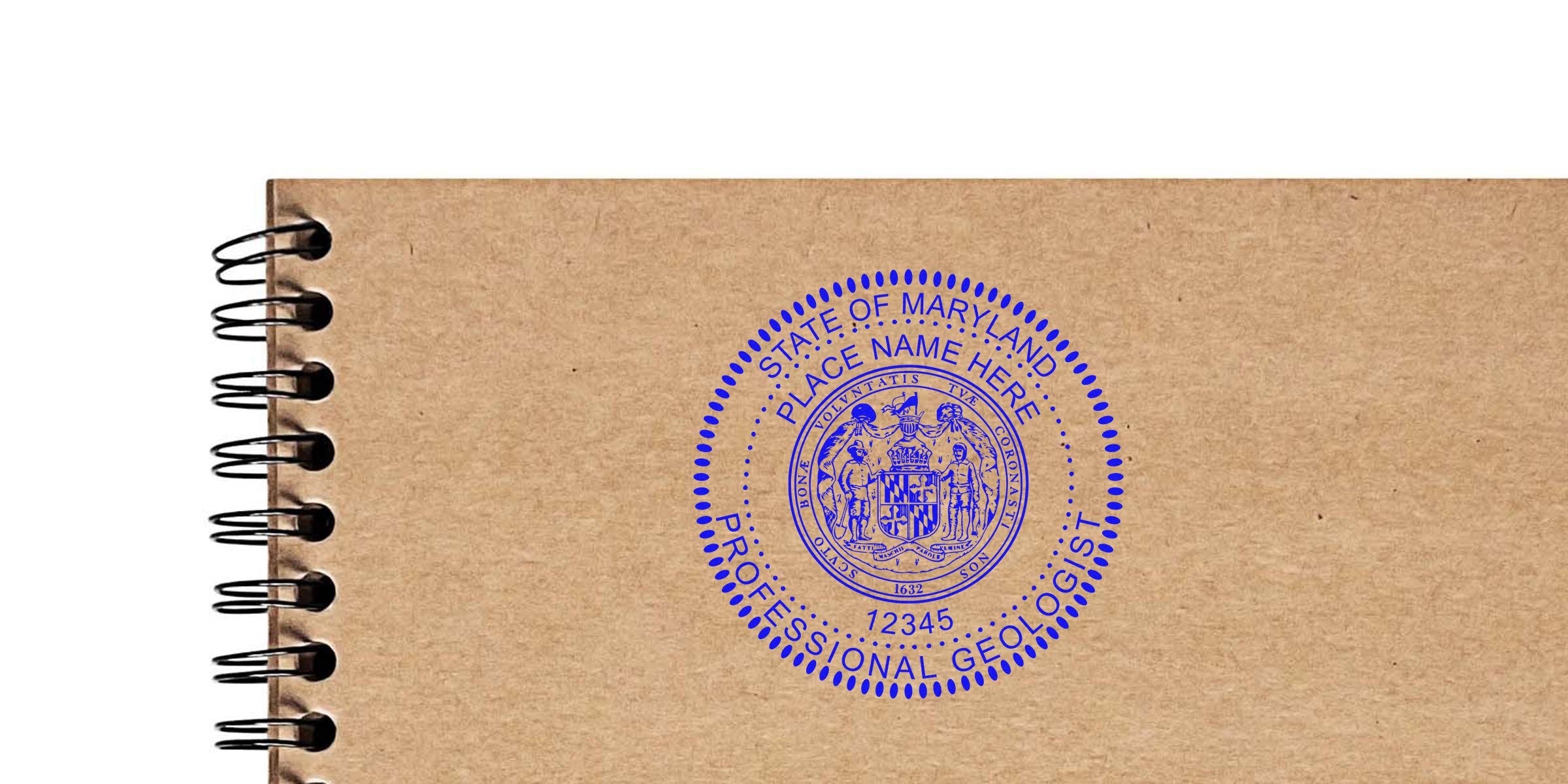
Looking for a Maryland Geologist seal that meets the official guidelines and feels effortless to use? You’re in the right spot. Whether you’ve just received your geologist license in Maryland or you’ve been practicing for years, having a properly formatted seal is crucial. It’s not just about formality; it’s about upholding professional standards so you can demonstrate your qualifications at a glance. In this guide, you’ll discover helpful tips on choosing, ordering, and caring for a seal that perfectly suits your needs.
Understand The Maryland Geologist Seal Requirements
Before you do anything else, it helps to know why a Maryland Geologist seal is more than a rubber stamp. It’s a marker of your professional credentials. Every time you place that seal on a report, diagram, or set of geological findings, you reinforce trust in your work and confirm that you’re licensed to operate in Maryland.
Why Licensing Matters
As a licensed geologist, you’re responsible for accurate, reliable analyses that guide public and private projects. Local regulations in Maryland require a distinct seal or stamp to identify your work. This ensures that anyone reading your documents knows a qualified professional has signed off on the data.
To stay above board, check with Maryland’s official licensing board for up-to-date standards on seal design, size, and format. You’ll want to make sure your seal is recognized as valid whenever it appears on your reports.
The Role Of The Seal
Sure, you could just sign your name, but adding that professional seal is like giving your signature a megaphone. It clearly communicates to clients, colleagues, and government offices that your expertise carries official weight. Plus, the seal design itself often includes important details such as your name, license number, and the words “Professional Geologist,” making it easy to verify at a glance.
Compare Stamps And Seals
Choosing the right seal device isn’t one-size-fits-all. Some geologists like the classic look of an embosser, while others want a quick-loading stamp for fast-paced work. Here’s a quick breakdown of your main options so you can decide what fits you best.
Traditional Rubber Stamp
A classic rubber stamp works by transferring ink when you press it down. Here’s what you can expect:
- Requires a separate ink pad, which can dry out over time if not properly and regularly stored.
- Produces a crisp impression on most types of paper, as long as ink levels are good.
- Typically smaller or lighter weight, making it easy to store in a briefcase or desk drawer.
If you prefer a straightforward setup with minimal moving parts, a rubber stamp could be your go-to. Just remember to keep the ink pad fresh so each seal is easy to read.
Modern Self-Inking Stamps
Self-inking stamps are built to simplify your workflow. Instead of needing a separate pad, these stamps have ink inside the device:
- Faster stamping, since you don’t have to pause for an ink pad.
- Tidy process, with less chance of accidental ink smudges.
- Quick re-inking when the internal reservoir runs out, so you can easily purchase refill ink.
If you’re stamping multiple documents in rapid succession, a self-inking option helps save you time and keeps everything neat.
Using A Metal Embosser
An embosser visually alters the paper by imprinting a raised or recessed impression. While an embosser typically won’t include ink, it does provide a permanent seal that’s tough to counterfeit:
- Creates a tactile mark that’s easy to feel and see.
- Often brings a more formal appearance to your documents.
- May require a bit more force to press, especially on thick paper.
Embossers are ideal if you want that unmistakable, professional look on important reports or certificates. However, some agencies may ask for an inked impression as well, so check the guidelines before committing solely to an embosser.
Choose The Right Supplier
Let’s be honest, not all seal suppliers deliver the quality or speed you need. Before you buy a device for your Maryland Geologist seal, do a bit of background checking. Here’s what to look for when choosing a supplier you can trust.
Reliability And Quality Checks
Precision is key. You want your name, license number, and any required wording to appear perfectly on each impression. Errors could invalidate your documents or cause confusion. A reliable supplier has:
- Clear ordering forms to ensure correct license details and text.
- Multiple proof checks, so you catch any errors before production.
- Options for different layouts or device types to match both official regulations and your personal preference.
Free Digital Seal Option
Sometimes you need a digital file of your seal, especially if you’re uploading documents to electronic portals. Look for a supplier that offers a complementary digital seal. This can be placed on PDFs, images, or any digital documentation without sacrificing the professional branding.
A free digital seal can be a lifesaver when you’re finalizing electronic reports from home or while traveling. You’ll save yourself from scanning or trying to replicate your physical seal, and you’ll stand out for always meeting every official requirement.
In Business Since 1964
When you go with an established company that’s been around for decades, you typically enjoy peace of mind. Acorn Sales, for instance, has been in the stamp-and-seal business since 1964 and has cultivated a reputation for quality and consistency. This track record also means they’ve seen regulatory changes come and go, so they can guide you through any questions about compliance.
Steps To Order Your Seal
Placing your order should feel like a breeze, not a chore. Follow these steps to secure the right Maryland Geologist seal, and you’ll be stamping or embossing your documents in no time.
-
Confirm Official Requirements
Make sure you have the latest specifications from Maryland’s licensing board. Requirements can shift, so it’s best to double-check any font sizes, wording, or layout rules. -
Gather Your Details
Your name, your license number, and your official title—Professional Geologist—are typically required. Keep these on hand so you can enter them accurately. -
Decide On A Device
Do you want a Maryland Geologist Stamp or a metal embosser, or maybe both? If you’re not certain, ask your supplier for input or read up on the pros and cons mentioned earlier. -
Order With A Trustworthy Supplier
Pick a provider such as Acorn Sales to ensure you get quality manufacturing, plus a free digital seal. Check for shipping times, return policies, and potential discounts or bundles. -
Review The Proof
Once you receive your proof, take a few moments to confirm everything matches your license details. Catching a misspelling now saves headaches later. -
Finalize And Wait For Delivery
After approving your proof, your order goes into production. Delivery times can vary, so plan ahead if you have a project deadline around the corner.
Maintain Your Professional Compliance
It’s not enough to just have the seal. You should also understand when and how to use it, along with ways to preserve it for the long haul.
-
Keep It Clean
Wipe down ink-based stamps gently so you don’t end up with smudged impressions the next time you use them. For embossers, try to keep dust or debris away from the metal plates to avoid any misalignment. -
Stay Updated On Regulation Changes
Regulations might shift, particularly around the details you must include. If something changes, you’ll likely need to update your seal or order a new device. Keep tabs on official announcements through the Maryland licensing board website. -
Handle It With Care
Seals may be sturdy, but they’ll still appreciate a bit of respect. Store your device in a cool, dry place, away from direct sunlight or extreme temperatures that can degrade ink or warp metal over time. -
Plan For Renewals
Your geologist license in Maryland may need periodic renewals. Each renewal cycle is also a good time to verify your seal is still valid and reflects your current licensing details.
Strengthen Your Professional Image
Once you have your Maryland Geologist seal, it’s tempting to think you’re all set. But there’s more to building a professional reputation than stamping pages. Consider these ways to level up how you present yourself:
-
Use Consistent Branding
If you operate a private practice or consulting firm, match your seal design with your letterhead, website, and business cards. A cohesive look makes you more memorable and conveys competence. -
Organize Your Project Files
For each project, keep a digital folder that includes your digital seal, relevant job details, and your final reports. This makes it easy to reference your work later or provide updates if a client or reviewing agency requests additional documentation. -
Be Accessible
Make sure clients know how to reach you for follow-up questions or clarifications. A stamp or seal can legitimize your work, but open lines of communication also build genuine trust. -
Grow Your Credentials
As you gather more experience or additional certifications, update your professional profiles and marketing materials. Let the world see that your skills expand beyond geology, if applicable.
Remember, your Maryland Geologist seal is one of the best ways to showcase your professionalism. Each impression or emboss reflects the care and expertise you bring to the field of geology. By choosing a reliable supplier, verifying every aspect of your seal, and staying on top of state guidelines, you’ll have no trouble maintaining clarity and compliance in all your official documents.
Frequently Asked Questions
Can I Use My Maryland Geologist Seal Online?
Absolutely. If you get a free digital seal from a place like Acorn Sales, you can affix it to electronic documents. Just be sure that digital seals are allowed under Maryland’s rules for document submission, especially if you’re signing or sealing forms to be filed electronically.
Do I Need A Separate Seal For Each State Where I’m Licensed?
Typically, yes. Each state sets unique standards for what must appear in a professional seal. If you’re licensed in multiple states, you’ll likely need a separate device for each jurisdiction.
When Should I Replace Or Update My Seal?
You should replace a worn device as soon as it stops producing clear impressions. Also, if your license number changes or if Maryland updates their rules, it’s time to order a new seal. Updating your information promptly keeps your documents legitimate.
Are Self-Inking Stamps Acceptable For Official Use?
In most cases, yes, as long as the seal design meets state requirements. Self-inking stamps often produce clean, consistent impressions. Just verify the lettering is precise enough to be read easily by agencies and clients.
How Long Does It Take To Receive My Stamp Or Embosser?
Shipping timelines depend on your supplier, but many aim for a quick turnaround, particularly if you have an urgent project. Ask in advance about typical production times and expedited shipping options.








