
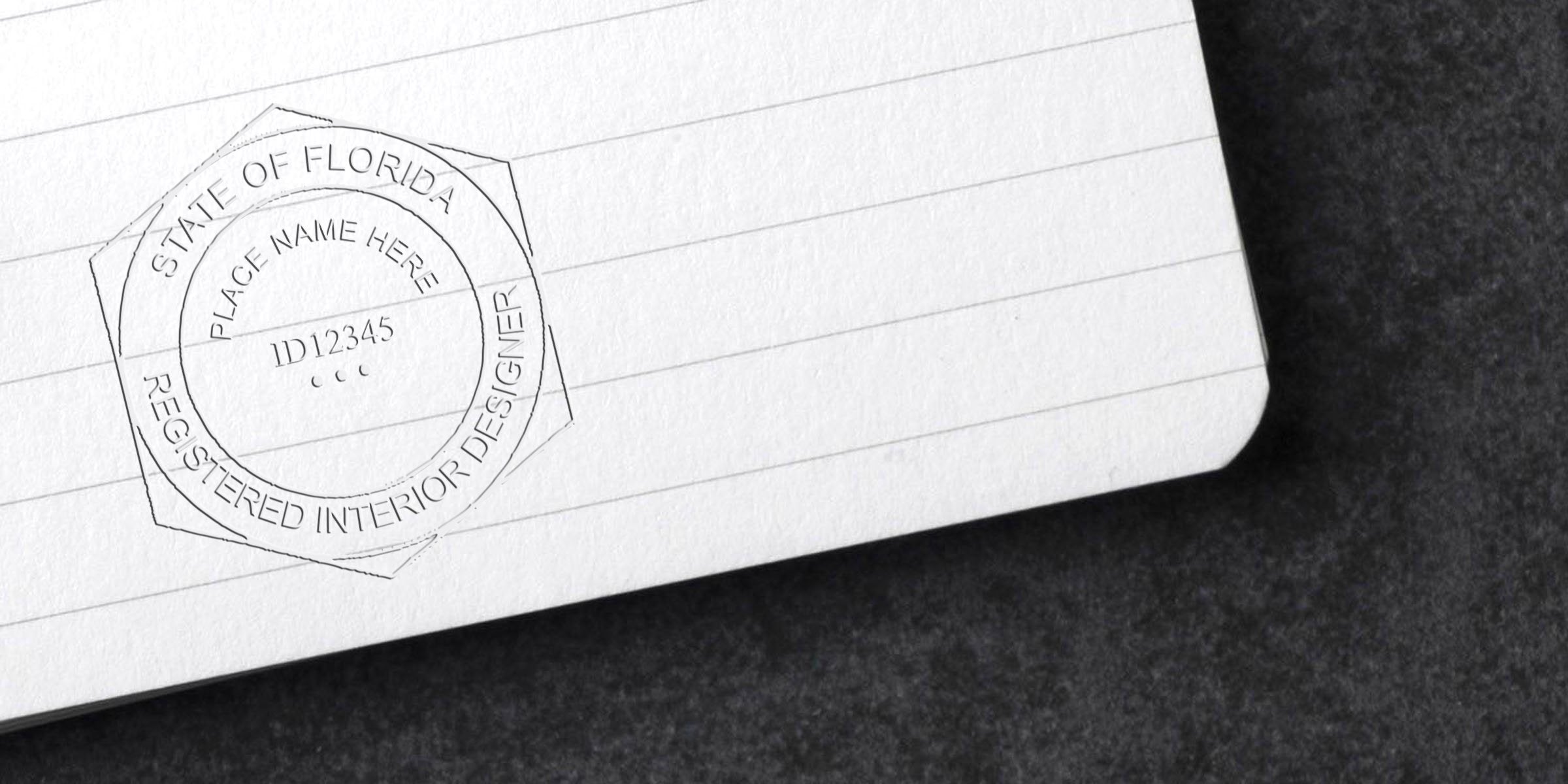
In today’s fast-paced world of design, you might feel overwhelmed by all the details involved in meeting Florida interior designer stamp requirements. But don’t worry, you’re in the right place. In this post, you’ll get a clear picture of what’s expected of you as a professional interior designer in Florida, from regulations all the way down to what your stamp should look like. Let’s jump in and explore exactly how to stay compliant, maintain high standards, and showcase your credentials.
Meet Florida Requirements
You already know that Florida takes licensing and certification seriously, especially for interior designers. But how do these rules translate into real-world situations? Florida is home to specific guidelines for interior designers, covering everything from educational prerequisites to the stamps and seals you need to authenticate your work.
To keep things simple, think of your Florida interior designer stamp as an official “seal of approval.” When you place this stamp on drawings or project documents, you show local authorities, clients, and regulatory boards that your designs meet state standards. You’ll want to consult any updates from the Florida Board of Architecture and Interior Design (under the Department of Business and Professional Regulation, or DBPR) to make sure your stamp stays valid.
Recognizing Your Responsibilities
- You are responsible for ensuring that each project follows Florida code.
- Your stamp certifies that you personally oversaw the design process.
- Failing to use the proper stamp or seal can lead to fines or disciplinary action.
Learn About Legal Standards
What sort of rules does Florida have for your stamp? Generally, the state outlines requirements for size, layout, wording, and overall design. These guidelines help ensure uniformity and credibility. At the end of the day, it’s about showing professionalism and consistency in every plan you stamp.
Florida Stamp Legalities
Maybe you’ve asked yourself: “How do I verify that my stamp is perfectly legal?” Florida statutes define the purpose and appearance of your seal, so you should check your local administrative codes for references to shape, wording, and official recognition. You can also browse through resources like Florida Interior Designer Stamp Legalities to see the latest information on what you can and can’t include.
Navigating the DBPR
The Department of Business and Professional Regulation is the place to go for licensing inquiries, renewals, and stamp regulations. If your interior design license is up for renewal, or if you’re unsure whether your stamp design meets official standards, the DBPR’s site can clarify it. Keep in mind that laws may shift over time, so it’s a good habit to double-check at least once a year.
Design Your Stamp
Not all stamps are created equal, right? When you’re working on your Florida interior designer seal, you’ll notice that the state usually requires certain phrasing: your name, your professional designation, and something that clearly identifies Florida. That way, building officials and clients can quickly verify that you’re licensed in that state. If you need guidelines, you can reference recent policy documents or check out Florida Interior Designer Seal Design Guidelines.
Key Elements Of A Florida Interior Designer Stamp
- Your Name: Must match exactly how it appears on your license.
- Your License Number: Double-check for accuracy to avoid any confusion.
- State Identifier: Often a requirement, ensuring that readers know you’re licensed in Florida.
- Designation: “Interior Designer,” “Registered Interior Designer,” or any official title Florida mandates.
Ensuring Correct Formatting
Should your seal be a circle, or is a rectangular layout acceptable? The shape often depends on the established norms set by Florida law or professional boards. Sometimes, you’ll see a circle with a certain diameter, but Florida might allow alternatives as long as the text is readable and includes specified elements. For a deeper dive, consider looking at Florida Interior Designer Seal Specifications. It’s always better to double-check than to guess.
Obtain An Approved Supplier
Wondering where to get your professional stamp once all the details are squared away? You’ll want a trusted supplier who knows Florida’s standards inside and out. That’s where Acorn Sales enters the picture. Acorn Sales has been serving professionals like you since 1964, providing high-quality stamps and seals that comply with Florida regulations. Even better, when you purchase a stamp through Acorn Sales, you’ll receive a free electronic seal and free digital seal. That means you can make quick electronic submissions without worrying about extra price tags.
Why Acorn Sales?
- Over 50 years of experience with stamps and seals.
- Knowledgeable about Florida rules and Florida interior designer stamp requirements.
- Offers free digital seals, saving you time and money.
Whether you need a handheld embosser or a sleek self-inking stamp, a supplier like Acorn Sales can provide you with the right tool to meet regulatory standards. To learn about specific product types, check out Florida Interior Designer Stamp Embossers.
Follow Application And Cost Steps
Once you’ve nailed down the design, it’s time to obtain your stamp in an official capacity. Did you know that Florida can require specific forms and fees before you’re allowed to use your seal? It’s not just a matter of personalizing a stamp; you also have to ensure you’ve followed all state rules for registering and using it.
Handling The Application Process
You may need to complete specific forms with Florida’s licensing authorities before your seal is considered official. That often includes providing proof of licensure, verifying your business address, or signing an affidavit about your professional conduct. If you’re curious about the process, Florida Interior Designer Stamp Application Process outlines the typical steps.
- Confirm you have an active Florida interior design license.
- Submit the required paperwork for your stamp or seal.
- Pay any state-specific fees (if applicable).
- Receive your official approval to start using your stamp.
Estimating The Cost
Stamps are pretty affordable, but you should still factor those costs into your annual budgeting, especially for multiple team members in your design studio. According to many Florida professionals, the price of a standard rubber stamp can vary, especially if you opt for specialized designs or embossers. Check out Florida Interior Designer Stamp Cost to get a sense of what you might spend. Keep in mind that the added benefits, like free digital seals from Acorn Sales, can save you money in the long run.
Maintain Professional Compliance
Just having a stamp doesn’t mean your journey ends there. Florida interior designers must keep up with changes to stamp regulations, renew their licenses, and confirm that each project indeed meets the code. If you fail to do so, you might land in hot water during an audit or building inspection. Who wants that?
Best Practices For Ongoing Compliance
- Schedule calendar reminders for license renewal deadlines.
- Check every few months for DBPR updates to ensure you’re still compliant.
- Standardize your stamping process with procedures for who uses the stamp, and when.
What About Seal Embossing?
You might wonder if an embossed seal is still relevant. In many cases, an embossed seal on official documents enhances credibility, and building departments appreciate that extra layer of authenticity. For more insights on this, you can explore Florida Interior Designer Seal Embossing. Sometimes, a crisp embossed impression can make your submissions look even more polished and professional.
Use Your Stamp Confidently
You’ve got your stamp, you’ve followed the guidelines, and now comes the fun part: stamping your drawings! A well-placed stamp speaks volumes about your professionalism. It tells clients that you’re serious about your craft and that your designs meet Florida’s rigorous standards.
Tips For Effective Stamp Use
- Stamp all your key documents consistently and neatly.
- Keep multiple ink colors on hand if you frequently run out.
- Store your stamp in a protected spot to prevent wear or misuse.
If you’re juggling multiple projects, you may also need to keep track of which documents have been officially sealed. Using project management software or a simple checklist could save you from confusion down the line. By maintaining a neat record of each stamped document, you’ll streamline any future reference or inquiries from building officials.
Explore Extra Stamp Features
If you’d like to go beyond the basics, consider adding extra features that enhance the security or appearance of your stamped documents. Techniques like color ink, custom layouts, or advanced security holograms can sometimes be used to deter tampering. Of course, check local regulations first to make sure you’re not violating any Florida rules.
Digital Seals: The Modern Touch
With electronic filing on the rise, digital seals have become quite popular. When you purchase from Acorn Sales, you get free digital seals, which are handy for architects and designers who regularly submit e-plans. These stamps serve the same function as physical ones while providing convenience for online paperwork.
- Great for quick submission of design documents by email or portals.
- Ideal for remote collaboration with clients or contractors.
Check Florida Interior Designer Seal Regulations
Still have questions about specific legal details? You can always review the official statutes or Florida Interior Designer Seal Regulations. Just be sure to stay updated. Regulatory language isn’t always the most thrilling read, but it’ll prevent costly mistakes or misunderstandings in the long run.
A Quick Approach For Clarity
- Bookmark the Florida Board of Architecture and Interior Design’s updates page.
- Review new legislative acts each year or when alerted by professional associations.
- Talk to peers or mentors who have navigated the same process.
Rely On Trusted Resources
Whether you’re a seasoned pro or a newcomer to Florida’s design community, it’s nice to have reliable resources on standby. Because stamp requirements might change, you’ll do well to maintain a small network of people and organizations who can keep you in the loop. Joining professional associations or attending virtual seminars also helps in building your knowledge base.
Building A Support System
- Stay active in design forums or LinkedIn groups dedicated to Florida professionals.
- Attend continuing education events that focus on the legal side of interior design.
- Keep contact info for experts like Acorn Sales in case you need a quick stamp replacement.
Summarize Your Key Actions
By now, you’ve probably noticed that there’s a straightforward roadmap for handling the Florida interior designer stamp. To recap, here’s your short-and-sweet summary:
- Verify your eligibility with the Florida DBPR.
- Design your stamp following the state’s specifications, including your name, license number, and official designation.
- Purchase from a trusted supplier like Acorn Sales, where you can benefit from free electronic seals and free digital seals.
- Follow any required applications or fees with the DBPR or relevant local board.
- Maintain compliance by renewing your license, tracking legal changes, and properly stamping all project documents.
When you incorporate these steps into your daily workflow, you’ll stay on top of Florida’s requirements. It might feel like extra work at first, but once you have a routine going, using your stamp becomes second nature.
You’ll need to notify the Florida DBPR and then purchase a new stamp that accurately reflects your updated information. Simply altering your old stamp isn’t advised because any mismatch could cause confusion. Once you officially change your name or license details, get in touch with a supplier, like Acorn Sales, to ensure your new stamp follows Florida’s guidelines.
That’s it. By understanding the key elements, applying for your stamp correctly, and keeping everything up to date, you’ll meet Florida’s expectations and present a professional image every time. If you have more questions, feel free to check official Florida regulations or connect with fellow interior designers who’ve navigated this journey. And if you’re ready to purchase your stamp, consider Acorn Sales as your go-to resource for reliable, high-quality products that follow Florida standards. Good luck, and happy designing!
Frequently Asked Questions
Do I Need A Stamp For Every Project?
Yes, you should use your stamp on every plan or document that requires official certification according to Florida’s rules. The point is to validate that you, as a licensed professional, have reviewed and approved the documents’ content. Even if a project seems small, verifying its compliance can save you a headache later.
Can I Use A Digital Seal Instead Of A Physical Stamp?
Absolutely. Many interior designers prefer digital seals for online submissions, especially when working with out-of-state clients or managing remote projects. A digital seal holds the same legal significance when used properly. If you buy from Acorn Sales, you’ll enjoy a free electronic seal and a free digital seal, making the process a breeze.
How Much Will This Stamp Cost Me?
Costs vary, but typical prices for a physical stamp range from around $30 to $60, depending on the style and features you want. Embossers might cost a bit more. For a deeper breakdown, check out Florida Interior Designer Stamp Cost. Remember, any extra savings on digital options can offset the initial price.








