
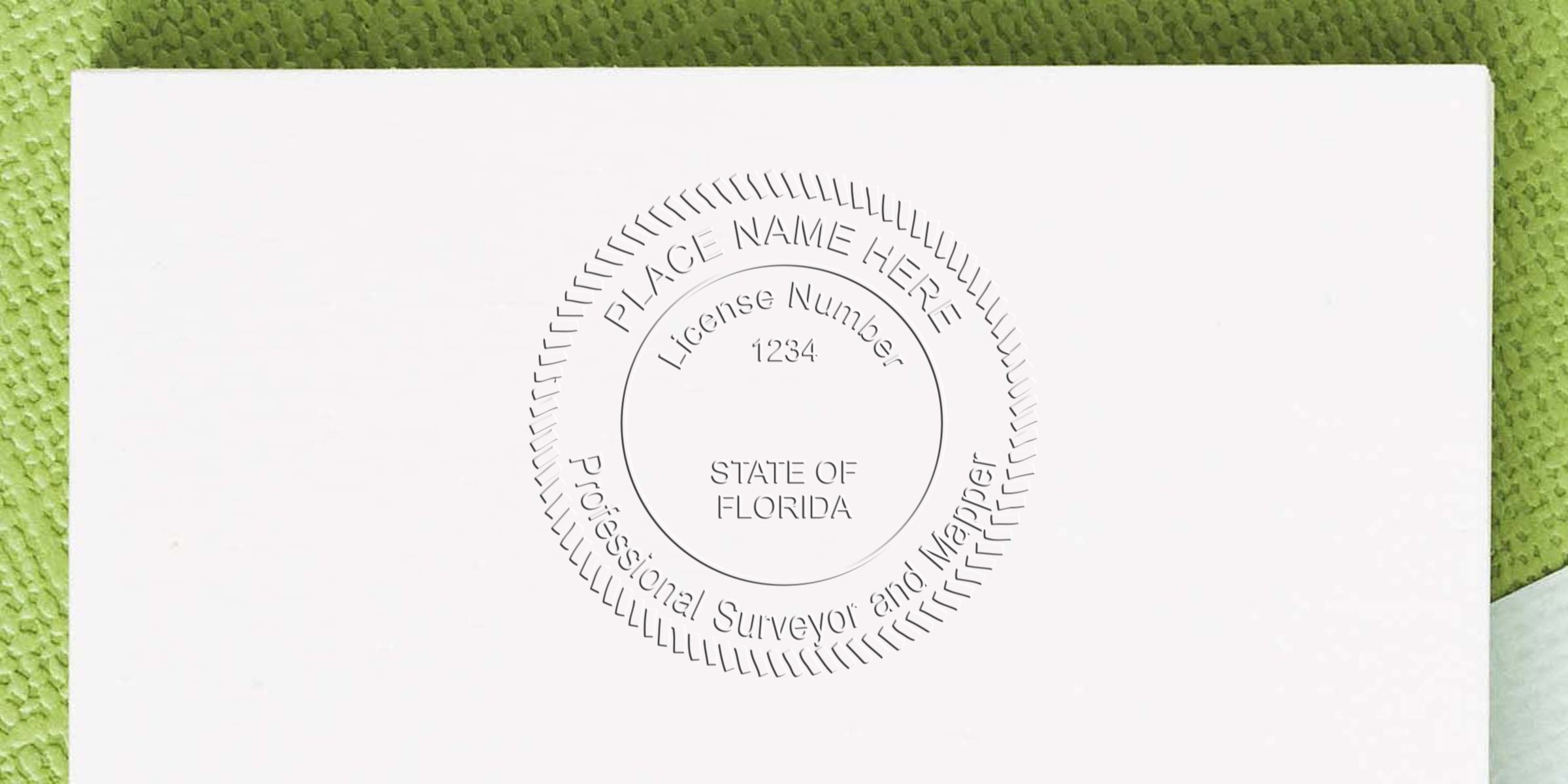
Welcome! If you’re searching for clear guidance on Florida land surveyor stamp regulations, you’re in the right place. Whether you’re new to land surveying or simply need a refresher, understanding these regulations helps you stay compliant and ensures your work remains credible. This guide will walk you through why Florida requires professional stamps and seals, outline the main rules you need to follow, and show you exactly where to get a trusted, approved stamp.
It’s a bit like driving with a proper license—you need the right credentials to operate, and your Florida land surveyor stamp or seal effectively proves you have them. Let’s explore everything you need to know so you can focus on delivering high-quality survey work without worrying about administrative snags.
Explore Florida Surveyor Stamp Rules
Every state has its own approach to regulating surveyors, and Florida is no exception. The Florida Board of Professional Surveyors and Mappers sets guidelines to ensure accuracy, professionalism, and accountability in land surveys. This includes specifying the design and use of official stamps or seals that appear on your final documents.
You might ask, “Why are these stamps so important?” Think of it like a chef’s signature dish. Without the chef’s unique flair, you can’t guarantee who created that dish or if it meets any standard. A surveyor stamp works similarly—it’s your professional mark. Here are a few basic concepts to keep in mind:
- It must clearly identify who you are (licensed Florida surveyor).
- It certifies that you personally oversaw or conducted the survey.
- It confirms the survey meets Florida’s official requirements.
Stamps are not merely decorative. They’re foundational to your practice, offering a quick way for clients, government officials, and even other surveyors to verify the source of your work. If you’re an established pro or just starting, having a properly designed surveyor stamp will streamline many of your day-to-day tasks.
Discover Why Florida Requires Seals
Why does Florida require you to stamp or seal your survey documents? The state’s top priority is public welfare. Survey maps and reports often influence significant decisions, like property lines, construction plans, or environmental impact assessments. When you place your stamp on a document, you’re essentially saying, “I vouch for the quality and accuracy of this work.”
- Protecting Clients: Whether it’s a homeowner building a fence or a developer launching a new neighborhood project, your seal assures them you’ve met all professional regulations.
- Mitigating Fraud: A regulated seal reduces the risk of counterfeit or unauthorized documents floating around. It’s easy for someone to create a random image on a computer, but an official stamp with unique details is much harder to fake.
- Maintaining Industry Standards: Florida’s surveying community thrives when everyone follows the same rules. Stamps and seals create consistency and uphold the profession’s reputation.
It might feel like extra paperwork at times, but remember it’s ultimately about accountability. When you sign and seal your work, you’re confirming each detail is as precise as possible.
Follow Key Requirements
Florida sets clear guidelines on how your stamp or seal should appear. These guidelines help maintain uniformity across the state, so anyone glancing at a sealed document knows it’s legit. Below are some general best practices, though you can dive into more detail in this resource: Florida Land Surveyor Stamp Requirements.
Basic Format
- Shape: The majority of Florida surveyor stamps follow a circular layout, typically around two inches in diameter.
- Wording: Your full name should appear as it’s listed on your license. The text “Licensed Professional Surveyor and Mapper” or a similar approved variation usually goes around the border.
- License Number: Make sure your license number is displayed, so there’s no confusion about which professional is responsible for the work.
Usage Rules
- Placement: Always stamp on the final page near your signature and date. Some prefer to stamp every sheet of a multi-page drawing, but check Florida’s official guidelines to see if that’s mandatory in your case.
- Legibility: Smudges or incomplete impressions can raise red flags. A crisp, clear stamp is crucial, especially since everything must be easily readable.
- Digital Seals: With more remote work these days, many surveyors use a digital seal. Just ensure it meets the same requirements as a physical stamp, and always confirm with your local regulatory authority if an electronic version is acceptable for official submissions.
Stamp Vs Seal
In Florida, you might see the words “stamp” and “seal” used somewhat interchangeably. Both point to your professional mark, but there can be minor differences:
| Feature | Physical Stamp | Embossing Seal |
|---|---|---|
| Appearance | Ink-based, good for clear impressions on documents | Creates a raised impression on paper without ink |
| Application | Quick to place if you already have a stamp pad on hand | Often used for more traditional or formal documents |
| Legibility | Depends on ink quality and pressure | Very legible, but can be hard to photocopy |
| Maintenance | Replace ink pads as needed | Keep the seal parts clean to maintain a crisp emboss |
Either method is acceptable in many cases, as long as the result meets Florida’s rules. Some surveyors keep both around—an ink stamp for everyday convenience and an embossing seal for official documents that require a more formal look.
Avoid Common Pitfalls
Working with official credentials can feel overwhelming. Fortunately, a few common slip-ups are totally preventable with a bit of proactive effort.
-
Stamping Before or After Expiration
Make sure your license is up to date before placing that seal on your prints. Using an expired license date or letting your stamp gather dust for too long can result in invalid documents. Overlooking Document Quality
Ensure the surface you’re stamping is smooth and free of dust or debris. A blurry or incomplete impression can lead to rejections or, worse, a professional complaint.Forgetting to Sign
Your seal alone won’t cut it. Florida typically requires a handwritten or digital signature placed near the stamp. Both serve as a double confirmation of your involvement.Mixing Old and New Stamps
Maybe you updated your name or license number. Resist the urge to keep using your old stamp because it was already paid for. Switch immediately to the new, correct one.
If you keep these points in mind, you’ll find that official compliance goes hand in hand with a professional look and minimal headaches.
Find Your Trusted Supplier
Naturally, the next question is: “Where do I get my Florida surveyor stamp?” That’s where Acorn Sales comes in. We’ve been in business since 1964, and we’ve seen just about every style, requirement, and design change out there. Our goal is to make your stamp or seal creation as smooth as possible.
- Friendly Expertise: Our team understands Florida’s guidelines, so they can guide you toward exactly the right size, wording, and layout.
- Free Digital Seal Included: These days, many surveyors need a digital version for online submissions. We provide this at no extra cost, ensuring you’re prepared for modern workflows.
- Quality You Can Count On: Our physical stamps are made with durable components, so you won’t be replacing them every six months.
A good supplier shouldn’t feel like an afterthought. Because your stamp is such a crucial part of every report or plat you produce, it’s worth investing in one that meets Florida’s standards and holds up over time.
Final Thoughts
Meeting Florida’s regulations is easier than you might think. It boils down to choosing the correct stamp design, keeping your license up to date, and consistently using your seal whenever you finalize project documents. By doing so, you project a sense of professionalism and give clients the peace of mind that their land surveys are in capable hands.
If you ever need personalized help, Acorn Sales is here to answer questions and deliver precisely the stamps and seals you need. When you’ve got the right tools and knowledge, you’ll breeze through your surveying work confident that every report, plan, and plat fully meets Florida’s standards.
Frequently Asked Questions
How often do I need to renew my seal?
You don’t exactly “renew” the physical seal itself, but you do need to keep your license valid. That means renewing your license according to Florida’s schedule. As soon as your license expires, your seal is no longer valid for official use.
Can I use an embossing seal and an ink stamp interchangeably?
Generally, yes. Both can serve as your official mark, provided they meet Florida’s layout requirements. Just make sure the impression or ink is clearly legible to anyone reviewing the document.
Do I need to stamp every page of my survey?
This depends on the type of document. Some require a seal on every page, while others only require the last page or a signature sheet. You should verify with Florida’s Board of Professional Surveyors and Mappers or your local jurisdiction.
Is a digital seal acceptable for all documents?
In many cases, a digital seal is fine, especially for electronic submissions. However, you should confirm with the relevant county or municipality to ensure an electronic version holds the same weight as a physical stamp.
What if my name or license number changes?
You need to order a new stamp that reflects your updated name or license number right away. Using a stamp with outdated information could cause confusion and violations of Florida’s rules.








