

When you think about your Canada Interior Designer Stamp or seal, you probably picture that crisp impression on official drawings or paperwork. But have you ever considered the creative possibilities behind your stamp’s look and feel? These days, you can move beyond the generic layouts and test out fresh interior designer stamp design ideas that not only meet requirements but also highlight your personal style. With a little creativity, you can blend professionalism and flair in one neat impression.
Below, you’ll find some practical tips, inspiring design pointers, and real-world considerations to help you craft an one-of-a-kind stamp. You might discover how color elements, layout choices, or decorative flourishes can completely transform your mark. Ready to get started?
Understand The Basics
Before you look at all the fun design details, it’s important to clarify what a stamp does for you as a Canadian interior designer. In a nutshell, your stamp verifies that you are qualified, follows the specifications of your region, and certifies your professional involvement on a project. It’s both a seal of approval and a personal signature on the job at hand.
Learn Stamp Requirements
Regulatory policies vary, but almost all Canadian provinces that require an interior designer’s stamp set guidelines around dimensions and wording. Try to confirm the acceptable text (like your name and registration number) along with any mandatory disclaimers. Err on the side of caution, and if you’re in doubt, check the official requirements or consult your provincial design board. For a closer look, consider reading up on the Canada Interior Designer Stamp details that can guide you in the right direction.
Keep It Functional
Yes, it’s a creative piece, but it must still perform its official role effectively. If it’s too large, your stamp might overshadow important design documents. If it’s too small, it could be tricky to read. Keep legibility in mind, which means picking a clear typeface and ensuring no detail gets lost in a complicated layout. Function is always the priority.
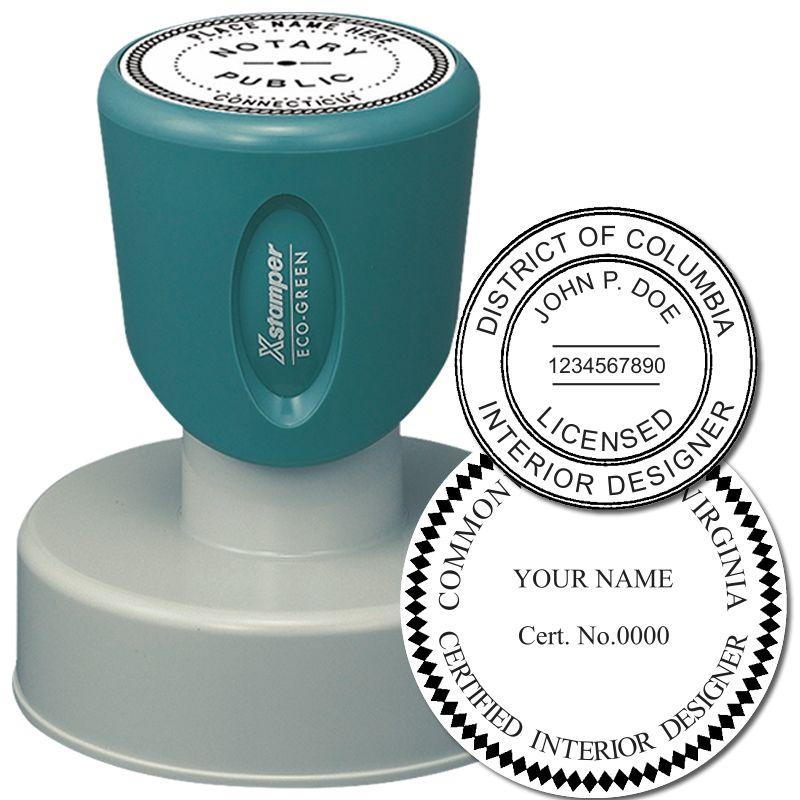



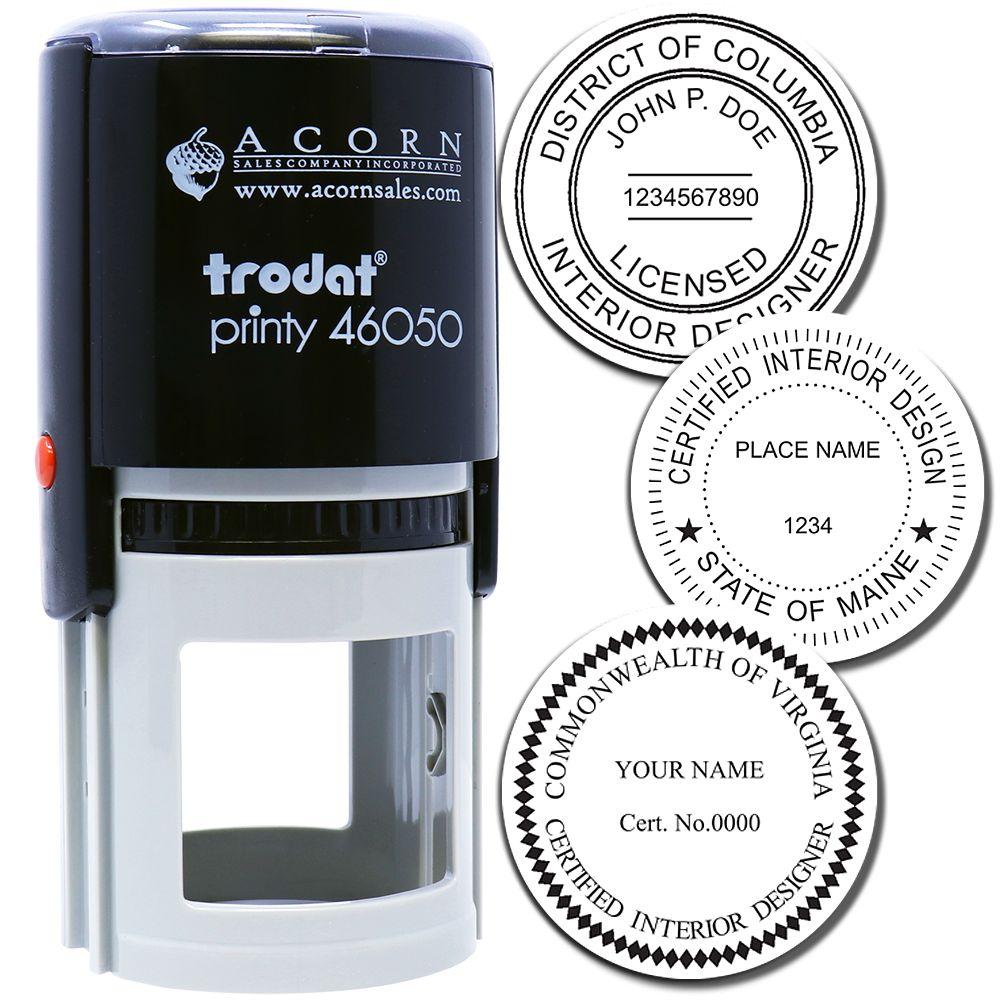
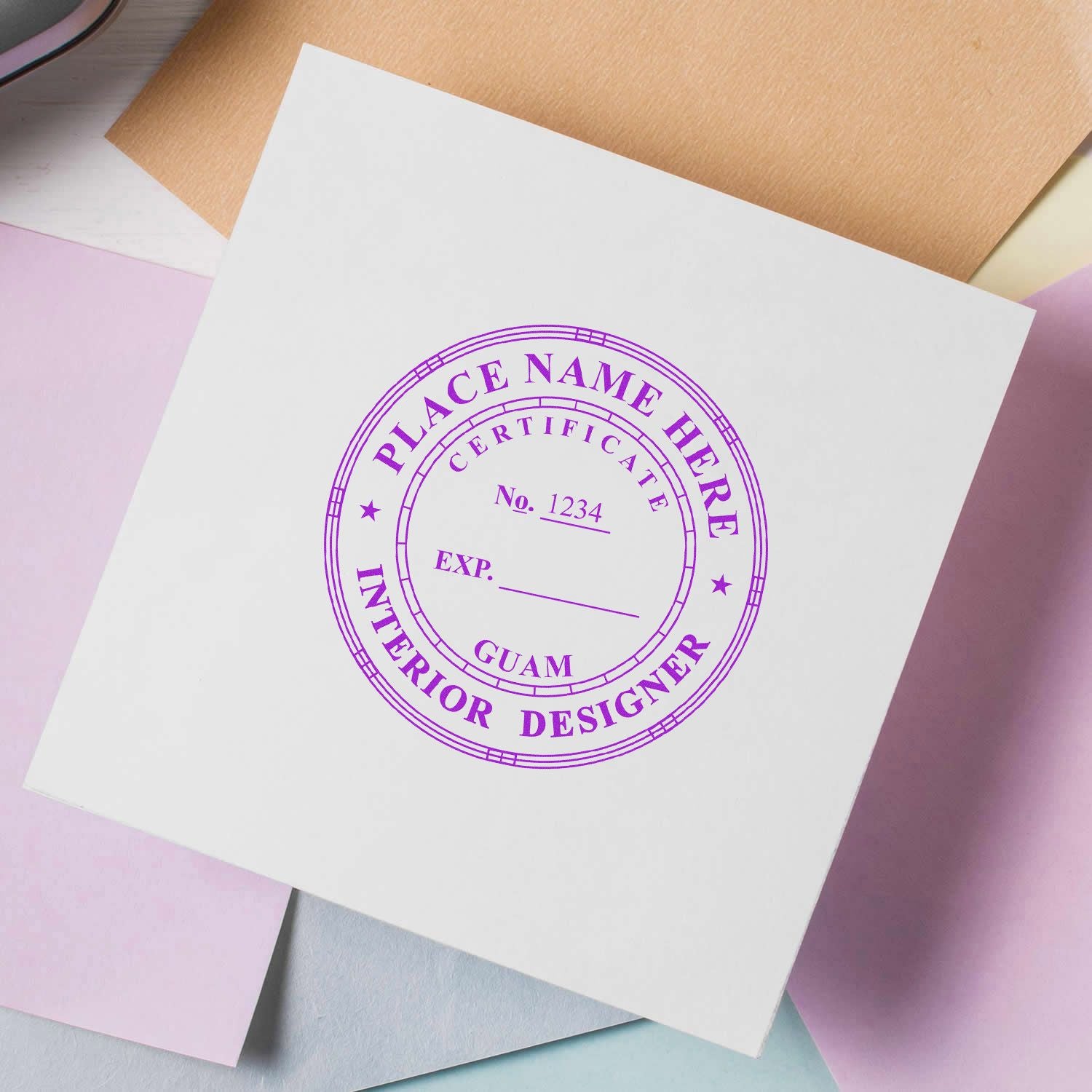
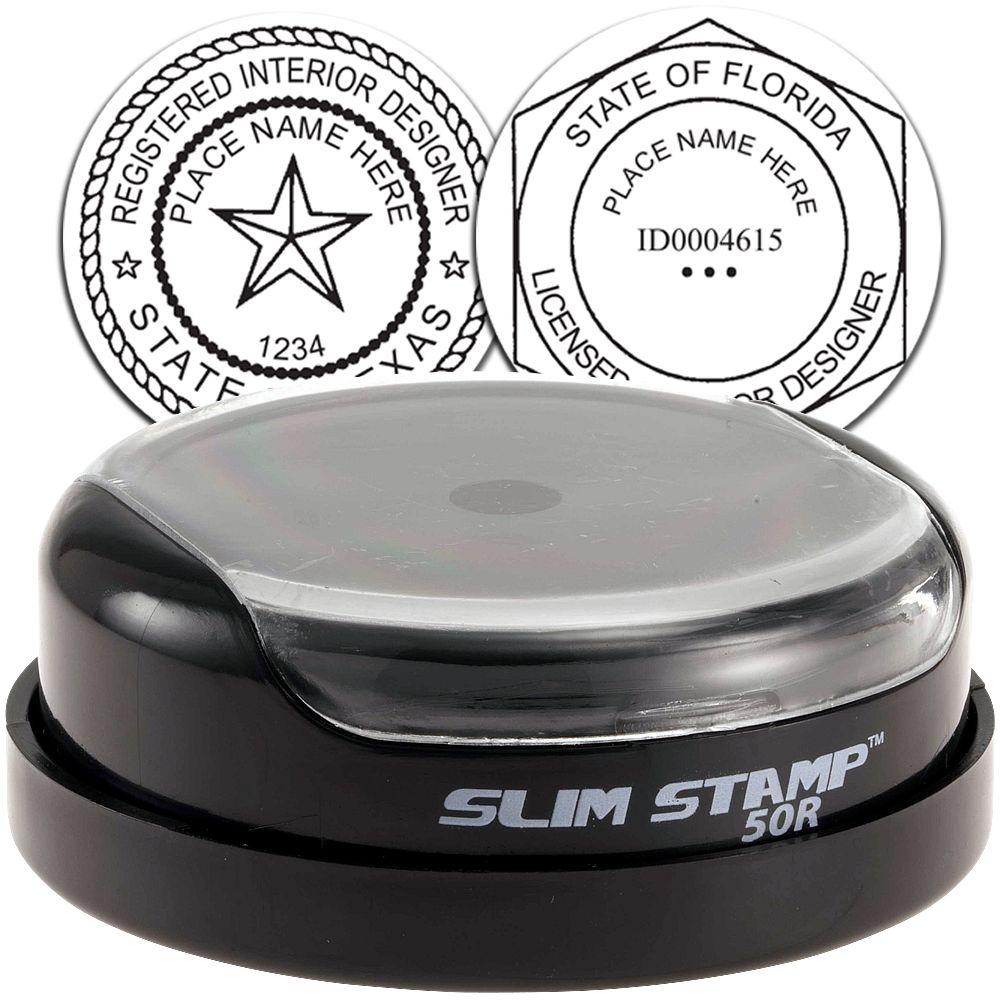
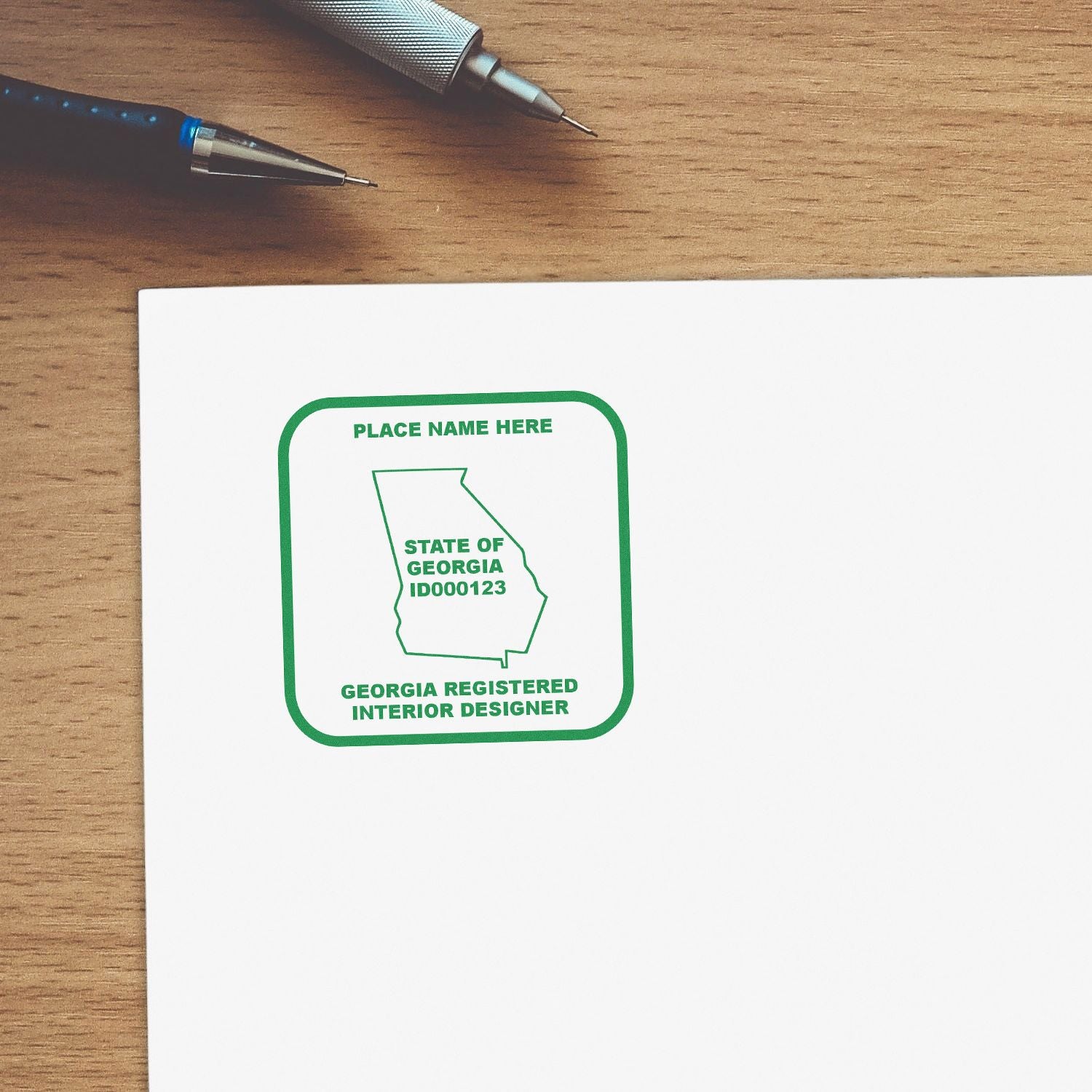
Brainstorm Your Aesthetic
Your stamp communicates more than your name. It can showcase elements of your unique design philosophy. Because traditional stamps often look uniform, injecting a hint of style can help your work stand out and reflect who you are as a designer.
Consider Color Variations
While many designers opt for standard black ink, you might explore subtle color choices (for example, a dark gray, navy, or even earthy brown) to let your stamp pop. Just ensure your local board allows extended color usage. Colors that match your branding or business card can form a cohesive brand look, even in something as small as a mark on a plan.
Choose Fonts Wisely
When you’re juggling multiple design elements, it’s easy to pick a fancy typeface and hope it adds elegant flair. However, make sure your chosen font remains easy to read. Pair a standard sans serif for your stamp’s core text with a more decorative typeface for your name or tagline. This two-font approach often delivers polish without losing legibility.
Incorporate Personal Touches
Once you’ve nailed the functional aspects, feel free to emphasize personality. Think about subtle, tasteful elements that say something about your style, perhaps a geometric motif or a nod to your favorite design era.
Bring In A Simple Logo
If you already have a personal or business logo, consider integrating it into the stamp. This small addition can unite your stamp with the rest of your brand. A circle layout works well for logos, but rectangular or square shapes can also look professional. If you’re incorporating a logo, remember it shouldn’t overshadow essential text, like your name or registration number.
Use Themed Icons
Some interior designers insert a minor icon or silhouette to help identify their niche. For instance, if you specialize in minimalistic space planning, a tiny outline of a minimalist chair or modern lamp might hint at your focus. Keep these icons subtle, avoiding visual clutter.
Align With Canadian Standards
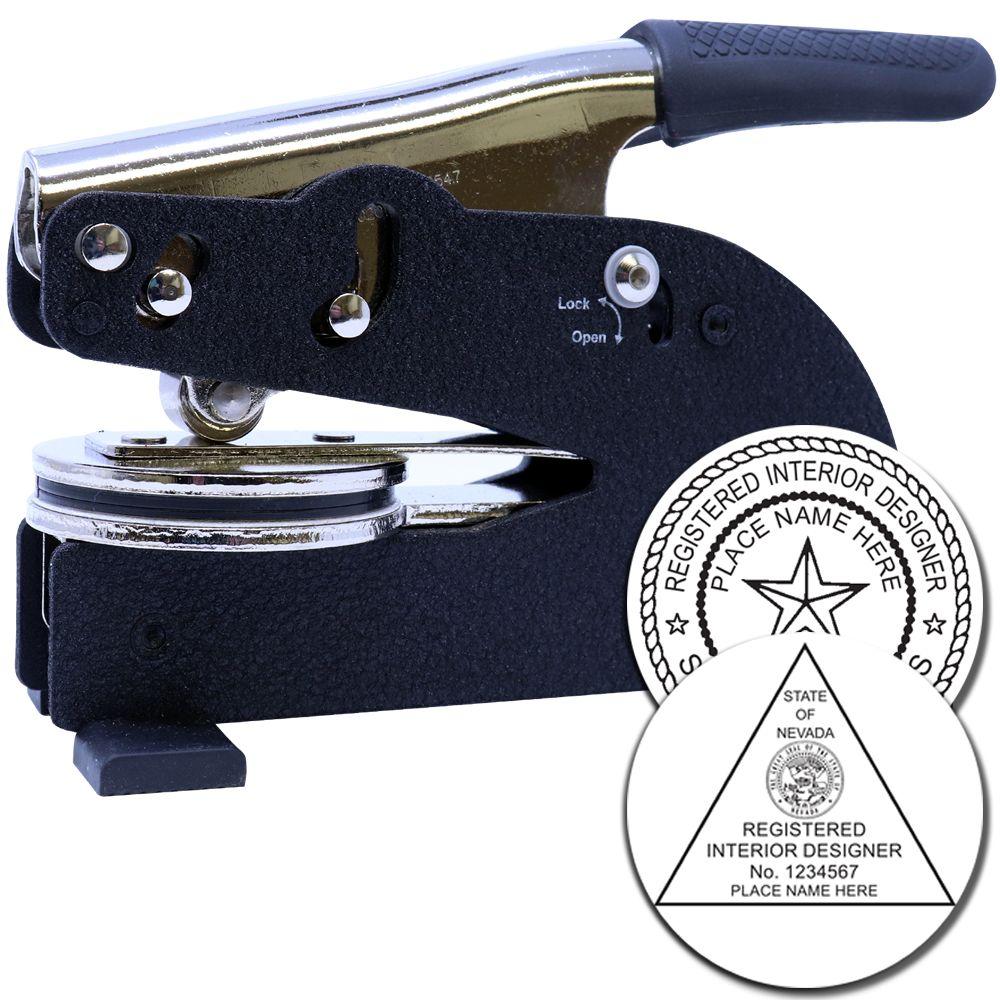
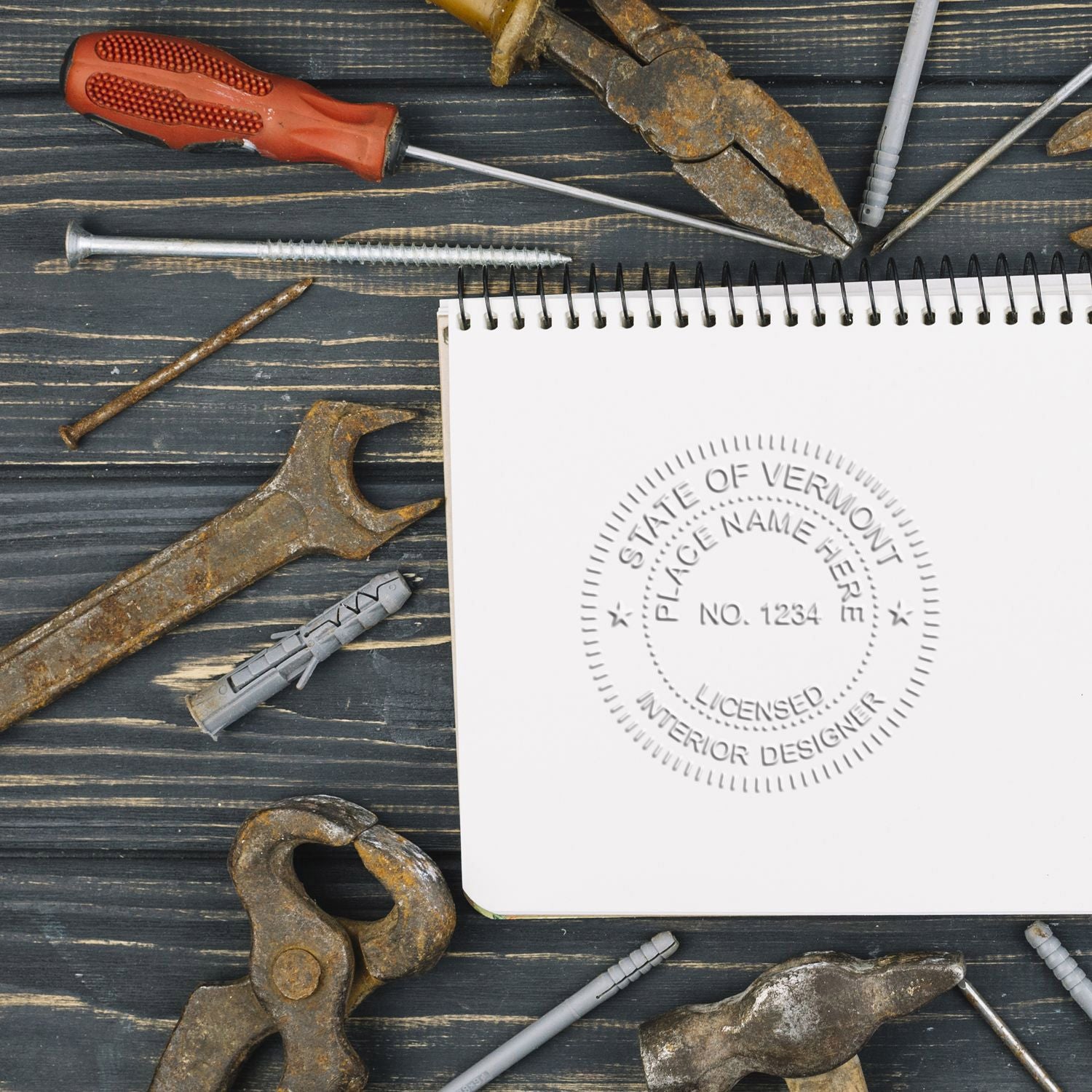
Different provinces in Canada may have distinct specifications about interior designer seals and stamps. You’ll want to confirm everything from image size to wording. While creativity is fantastic, it needs to fit within the boundaries of your regulatory environment.
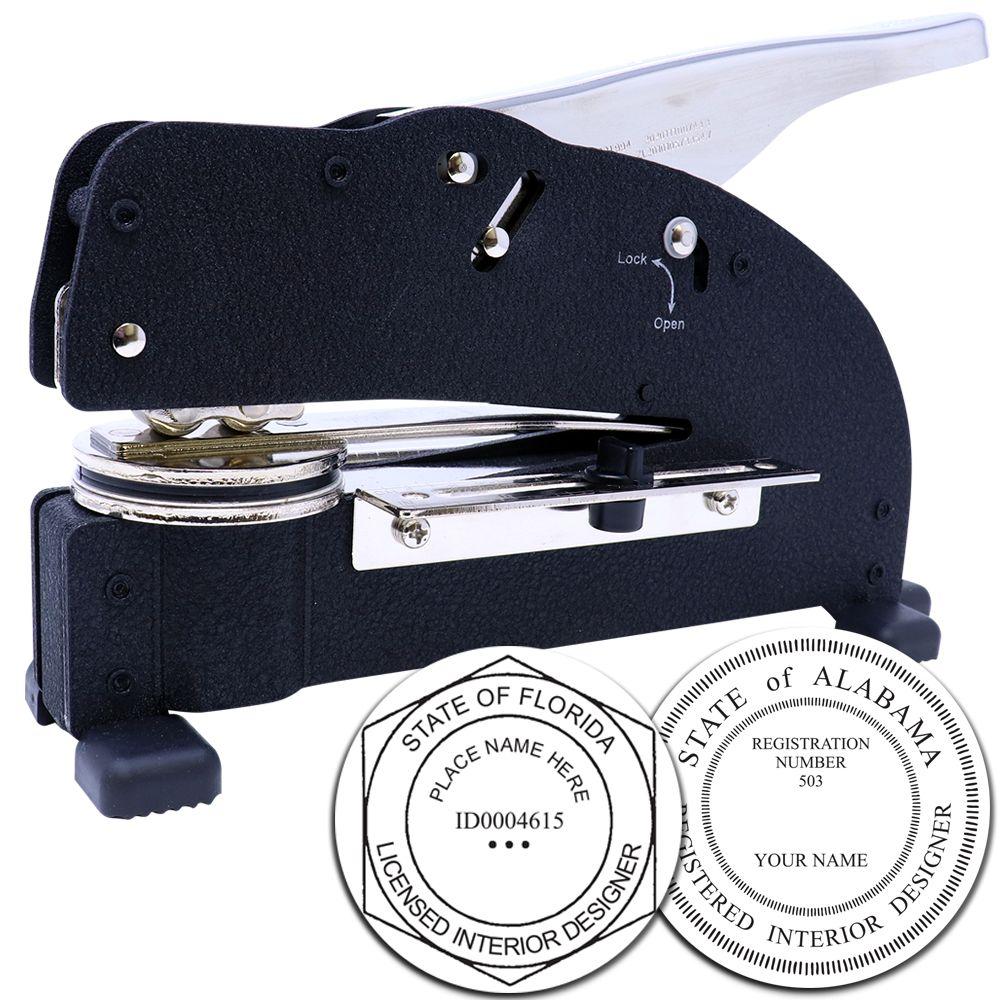
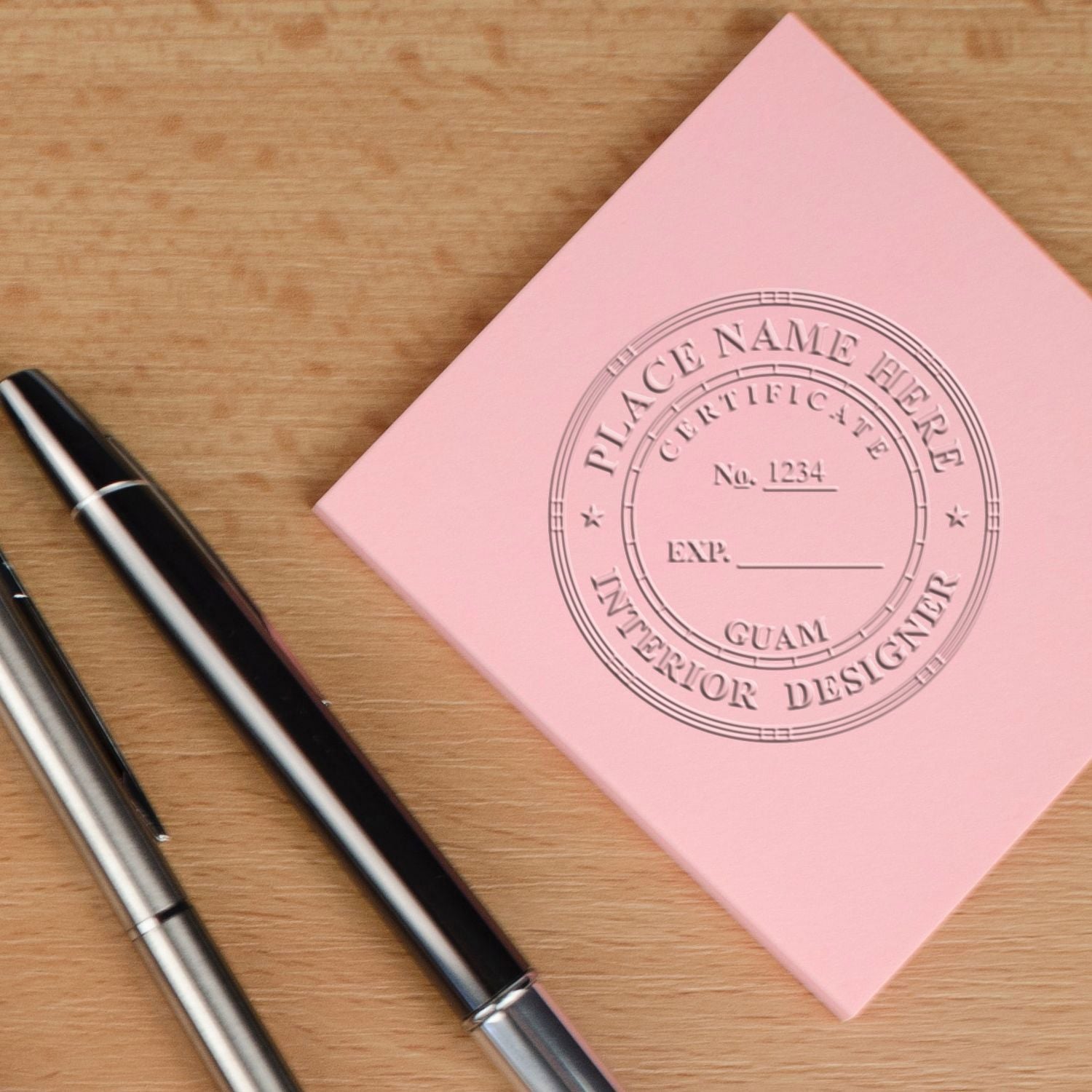

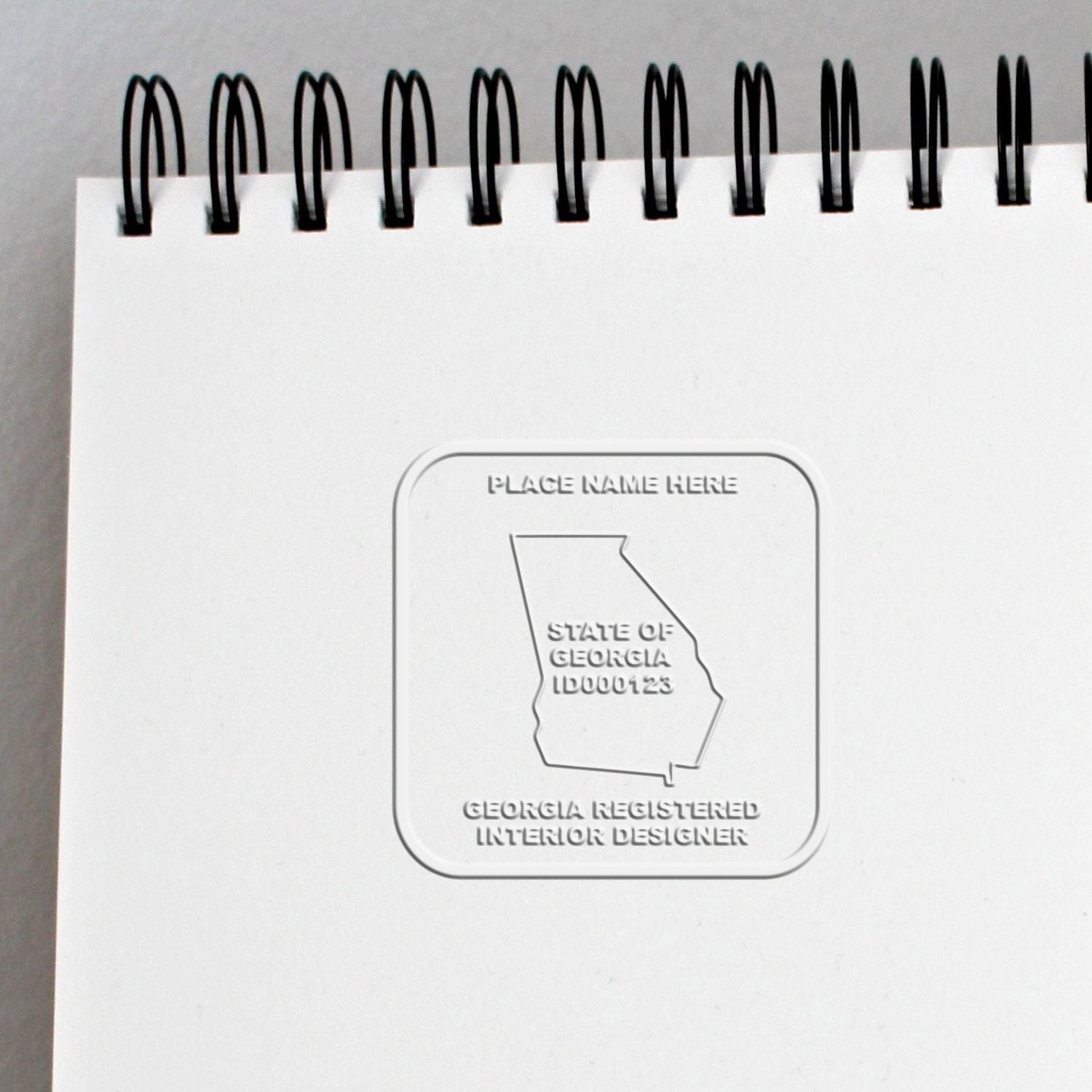


Confirm Dimensions And Wording
Every official stamp requires a specific diameter or dimension, typically measured in millimeters. Double-check official guidelines so you don’t end up redesigning your stamp. Some regions even specify exactly where your name, registration number, and signature line go. It pays off to follow these rules from the start.
Document Your Compliance
Even if your stamp ends up looking artistic, make sure you keep proof that it meets all provincial mandates. A quick call or email to confirm your approach can save time and money in case you need an official sign-off before production. Being proactive helps you avoid reprints due to overlooked guidelines.
Explore Physical And Digital Seals
Canadian interior designers often need both a physical stamp for paper-based documents and a digital seal for electronic submissions. If that sounds like extra work, be confident that having digital and physical versions can simplify the entire certification process. Plus, many professionals appreciate not having to rely solely on snail mail, especially for last-minute design updates.
Traditional Rubber Stamp
A physical rubber stamp remains vital when you’re dealing with printed drawings or proposals. It doesn’t rely on technology, it’s relatively inexpensive, and you can store it easily. Look for a durable rubber mold that replicates fine details, ensuring your creative design shows up nicely. You might also pick a self-inking model to avoid ink pads in messy studio environments.
Embrace Digital Options
In today’s working environment, digital stamping is becoming a must. For instance, Acorn Sales has been in business since 1964 and provides not only stamps but also a free digital seal. This is handy when you need to send PDF documents quickly and want your official mark in place. With a digital variation, you save paper, reduce mailing costs, and can finalize last-minute project revisions from anywhere.


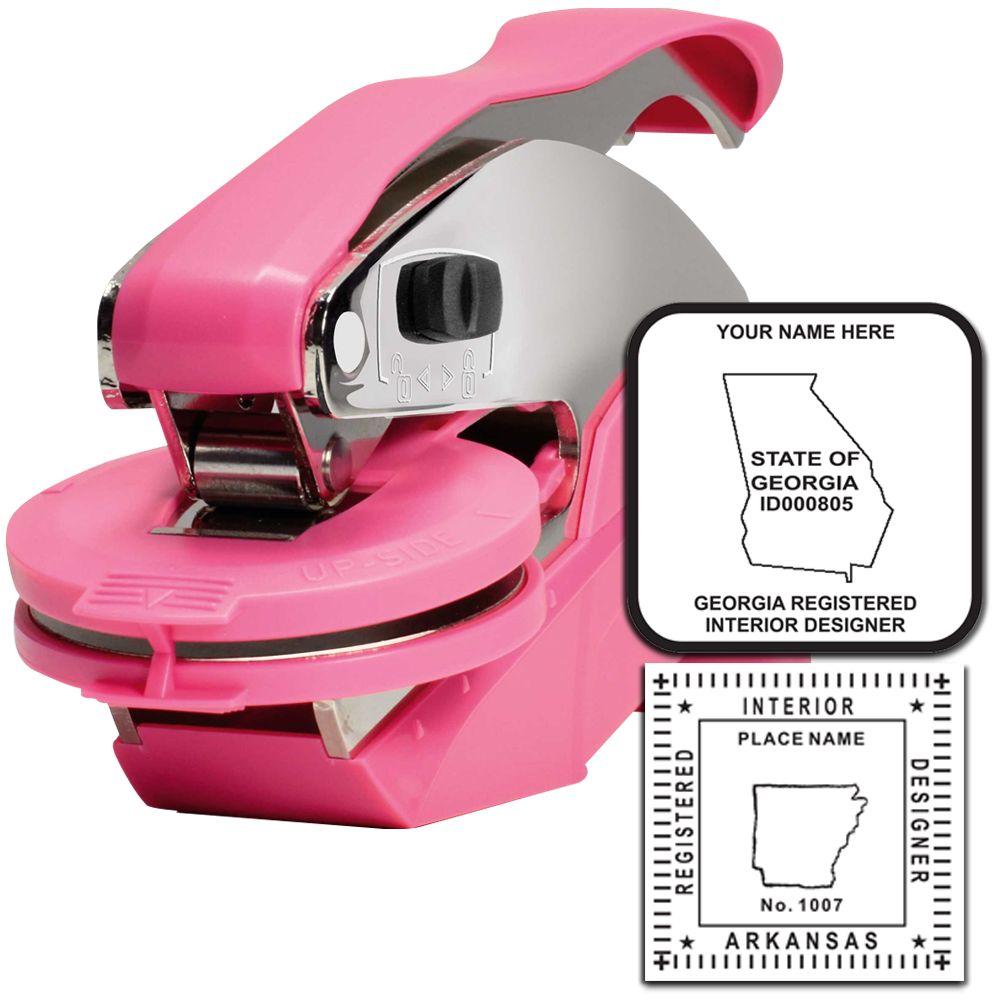

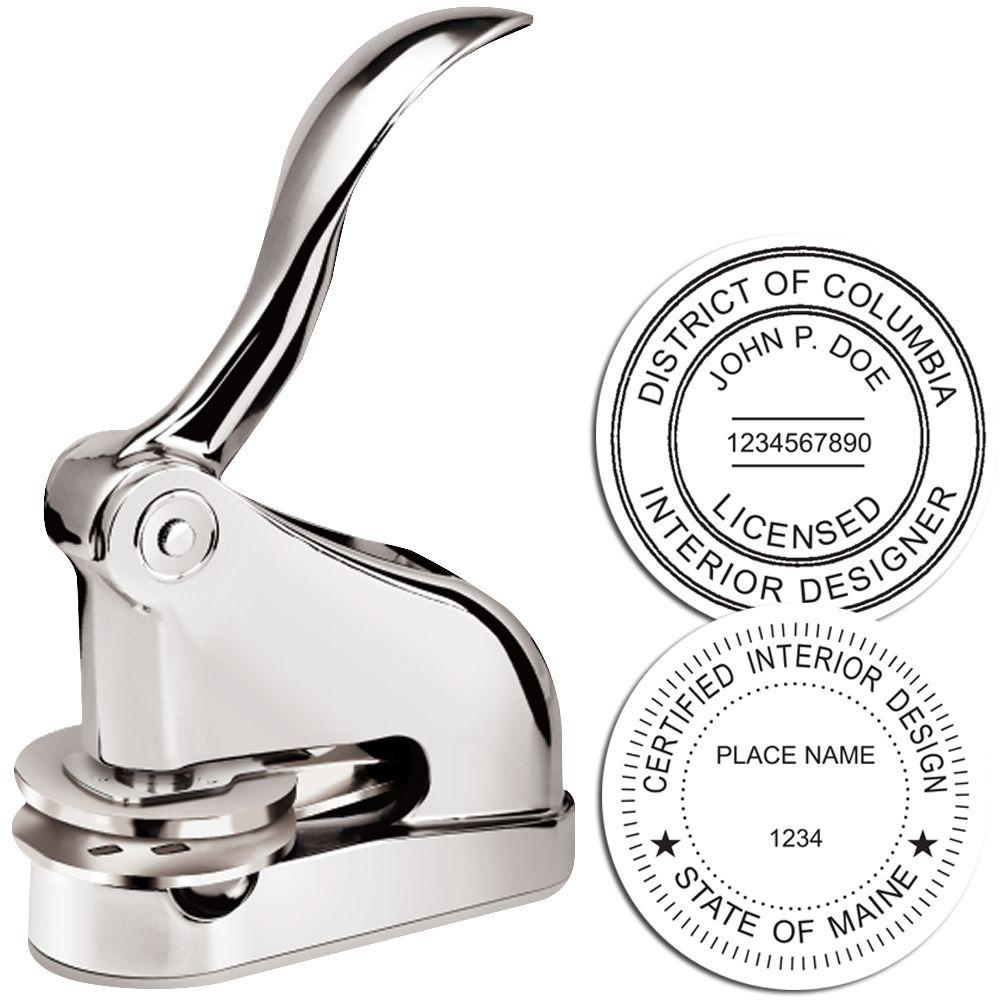
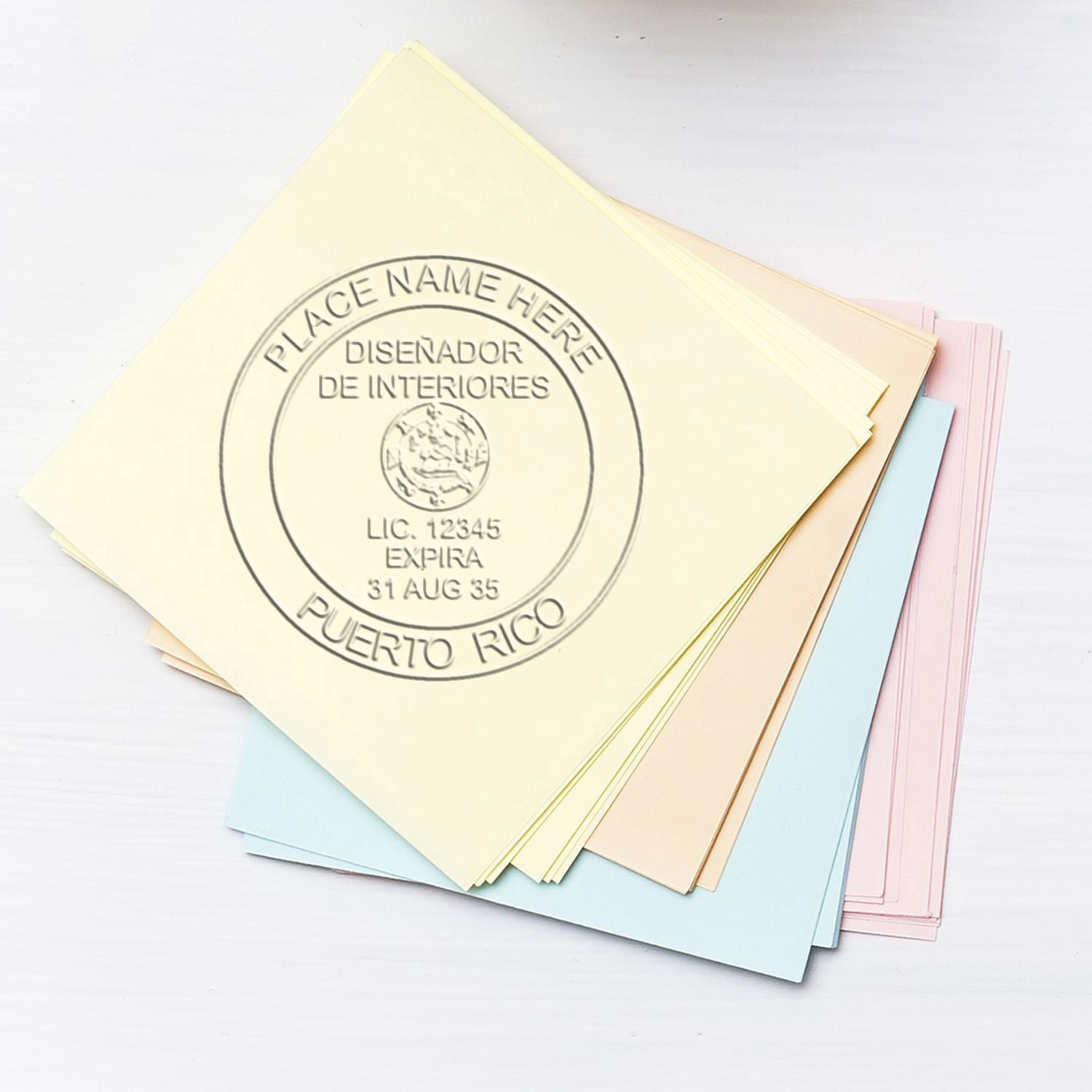
Get Creative With Layout
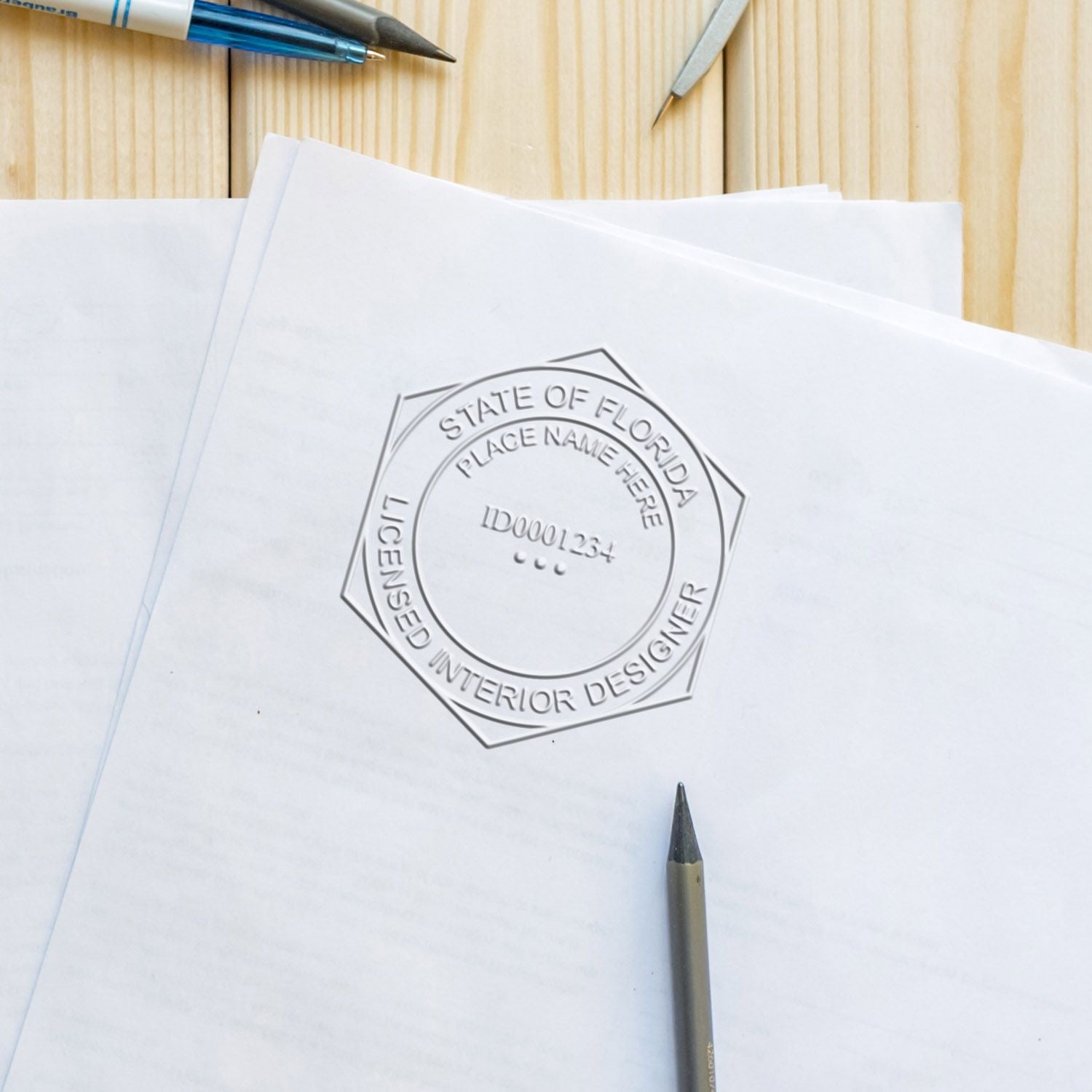
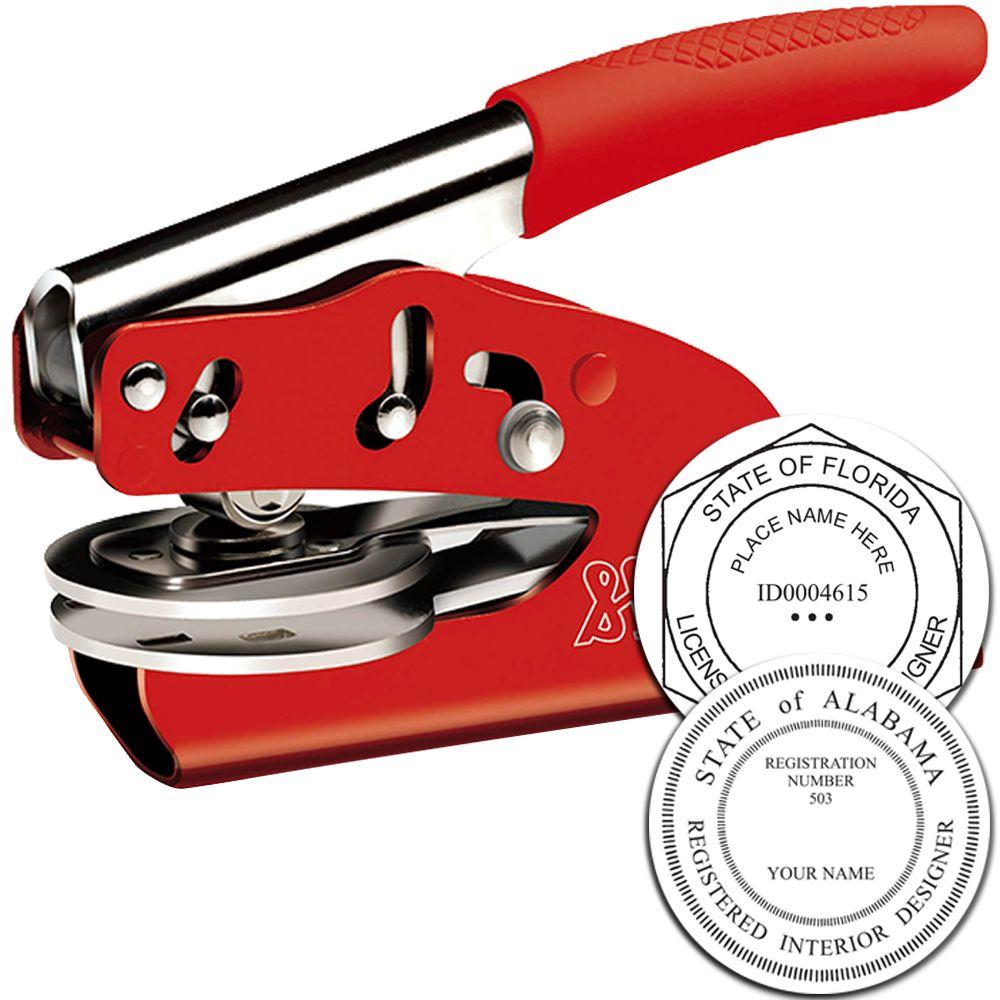
Even though you’re dealing with a formal stamping tool, there are fashionable moves you can make to keep it fun. The layout of your elements, your name, your registration info, optional logo, matters. Experiment on scrap paper or in a design software until you find something clear, balanced, and interesting.
Circular vs. Rectangular
- Circular: Many official seals come in a circular layout. Circles naturally draw the eye to the center, making your name or icon the focal point. Circular designs can also look neat when paired with arcs of text along the top or bottom.
- Rectangular: A rectangle often gives you more space for text, which might be helpful if you need to include multiple lines (like your license number, specialty, or website). Consider a horizontal rectangle if you plan to place an icon to the left and text to the right.
Symmetry And Spacing
Make sure the text doesn’t appear too cramped or too spaced out. Symmetrical layouts often look clean, but don’t be afraid to offset an icon if it still feels balanced. Use guiding lines when you’re designing in software so nothing looks tilted or uneven.
Focus On Stamp Materials And Durability
Now that you have a design idea, think about how it’ll transition into the physical product. Not all stamp materials are created equal, and you want something that can stand up to repeated use.
Pick The Right Rubber
Quality rubber or polymer can handle detailed lines without smudging or breaking down quickly. Ask potential suppliers about recommended rubber hardness. If it’s too hard, the stamp might not capture fine lines well. If it’s too soft, you risk a muddled impression.
Consider Anti-Slip Options
If you’ll be stamping on a variety of surfaces, an anti-slip base for your mount can help. This prevents those slight shifts that cause double images or partial impressions. Look for a stamp that feels comfortable in your hand, so you can apply even pressure easily.
Trust A Reliable Supplier
Once you’ve nailed the design, the supplier you choose is key to ensuring quality and consistency. Acorn Sales is a trusted supplier for Canada Interior Designer stamps and seals, and they’ve been around since 1964. With years of experience, they understand the balance between meeting regulatory requirements and offering design freedom. Whether you need a first-time layout or simply want to refresh an existing stamp, a knowledgeable vendor can guide you from concept to final product.
Tips For Document Organization
Aside from design, it’s a good idea to think about how you’ll use and store your stamps. Having a game plan will keep your professional documents tidy and ensure your impressions look neat every time.
- Store your physical stamp in a cool, dry place. Excessive heat can warp rubber or cause ink to dry prematurely.
- Keep an extra ink pad on hand. If you notice the impression fading, switch to a fresh pad right away.
- Digitize your stamped documents. After stamping, scan the pages so you can keep track of your files easily and share them online without losing that official mark.
- Go over a practice sheet: Before stamping an important drawing, do a quick test stamp on scrap paper to ensure the ink transfer is crisp.
Choosing a design for your stamp
An interior designer stamp is more than a mere piece of office gear. It’s an essential tool that balances the official demands of Canadian regulations with the personal flair that sets you apart. By spending a little extra time on design details, like fonts, icons, or color variations, you can transform a basic seal into something that embodies your design voice. Whether you prefer a classic circular format or an eye-catching rectangular style, your stamp should check all the boxes: legal compliance, practicality, and a dash of you.
Enjoy the creative process, and don’t forget that the right supplier can make all the difference. With companies like Acorn Sales, you’ll find expertise in handling regulatory requirements while keeping your individualized design front and center. So go ahead, dream up something stylish, and get ready to leave your signature literally stamped on every project you touch.
Frequently Asked Questions
Do I really need multiple versions of the stamp?
Often, yes. You may need a physical rubber stamp for official paper documents and a digital seal for online submissions. Each serves a different purpose but covers all your professional bases.
Can I use any color ink for my stamp?
Some regulatory boards allow you to choose your color, while others ask for specific guidelines, typically black. If you’re unsure, check your province’s rules before picking a colorful ink.
Does Acorn Sales offer digital seals for free?
Yes, Acorn Sales offers a free digital seal when you order a physical stamp. This means you can have both a traditional and an electronic version without extra cost.
How do I keep my stamp in good condition for years?
Simple: store it properly and keep it clean. If you stamp on rough materials, clean the rubber surface gently afterward. Avoid direct sunlight and high temperatures.








