
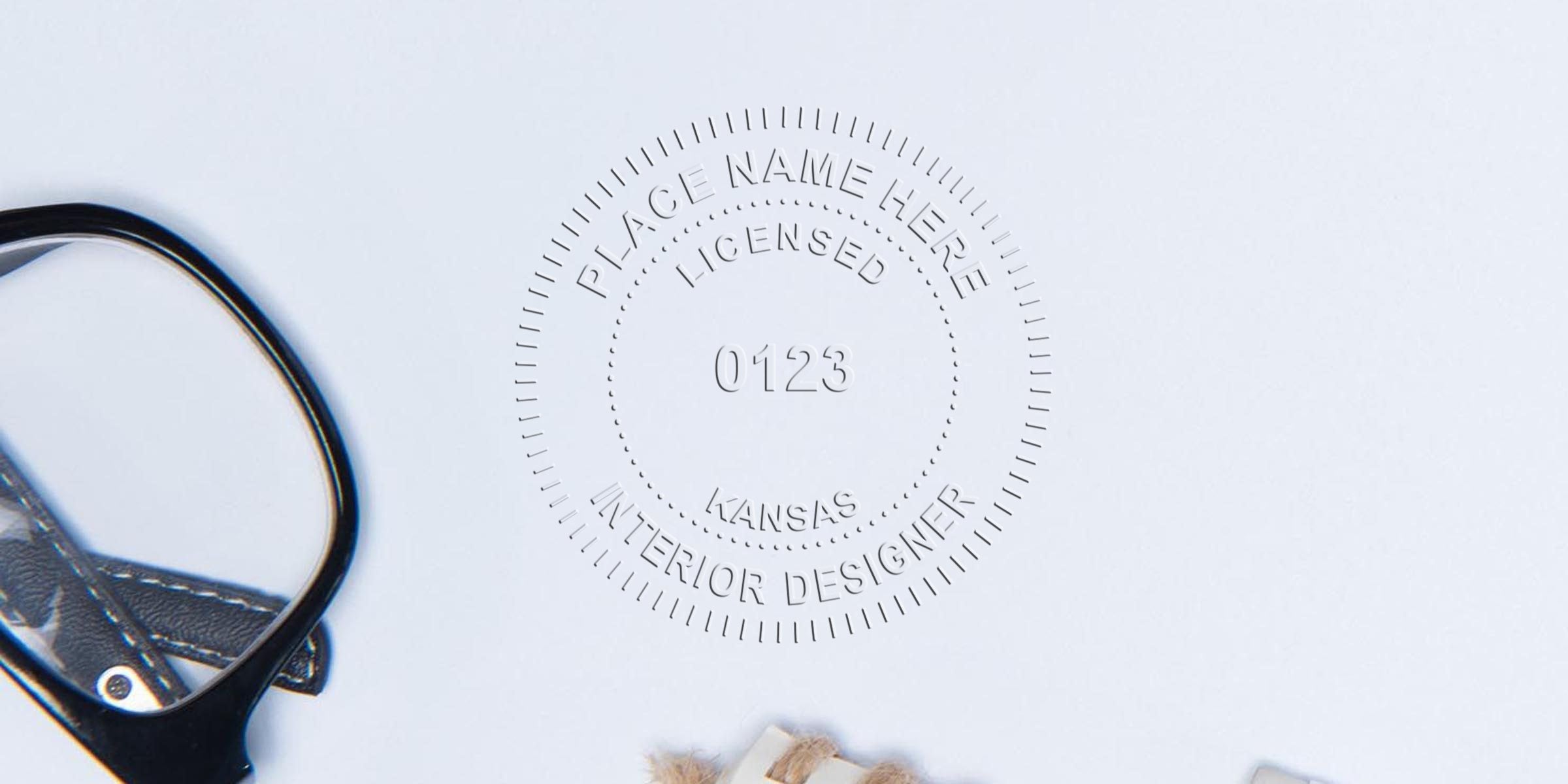
Whether you’re brand-new to the field or a seasoned pro, navigating Kansas interior designer seal specifications can feel a little confusing at first. After all, a proper seal isn’t just a fancy stamp. It’s a critical element ensuring that your plans and documents are official, legally recognized, and ready to be filed. In Kansas, you need to follow specific guidelines to get that seal right, so you don’t run into any hiccups when submitting your work. In this article, we’ll walk through the essentials—from the seal’s appearance to the approvals you’ll need—so you can stamp every project with confidence.
You’ll also discover how to keep your seal valid over time, plus get some buyer’s tips on choosing the right supplier. If you’re curious about related regulations, feel free to check out the kansas interior designer stamp requirements. By the end, you’ll be ready to order, maintain, and apply your Kansas interior designer seal in a way that checks all the official boxes and sets you up for success.
Understand Kansas Interior Designer Seals
Before you start ordering or designing your seal, let’s look at why seals matter so much in Kansas. Once you understand their purpose, you’ll see how vital it is to get every detail right.
Why Seals Matter
In the interior design world, professional seals are all about validation. When you stamp a set of design plans or specs, you’re essentially vouching for the work’s authenticity and quality. This seal shows that you have the licensing and expertise to back up your design decisions. It also reassures clients, contractors, and approval boards that your documents meet recognized standards. In Kansas, a properly formatted seal helps you stay on the right side of state regulations and gives your projects that authoritative flair.
A seal also takes on a practical function. Certain government agencies and building departments won’t even look at your plans if they’re missing a valid seal. So think of it as your golden ticket to getting your work reviewed, approved, and implemented on time. Plus, that extra layer of professionalism can help you stand out in a competitive industry.
Official Requirements Overview
Each state has its own seal requirements, and Kansas is no exception. Generally, you’ll need:
- A circular or round layout, although the exact dimensions might vary slightly.
- Your full name as it appears on your license.
- Your license number, which confirms you’re properly registered in Kansas.
- The words “Registered Interior Designer” or a similar legally recognized title.
Rules can shift over time, so it’s good practice to check updated guidelines regularly. You might find new labeling requirements or dimension changes from one year to the next. Adhering to each detail not only keeps you compliant but also shows you’re committed to professional standards.
Identify Key Specifications
When it comes to Kansas interior designer seal specifications, the shape, wording, and dimensions all play a crucial role. The state wants uniformity, so government offices and building departments can verify your credentials at a glance.
Design and Layout
Kansas typically mandates a circular or round seal, though they might allow slight variations in overall size. You’ll often see recommended diameters ranging from around 1½ to 2 inches, giving you enough space for text while maintaining a neat look. Inside the circle, you’ll place your name, license number, and any required phrases.
- Name Placement: Your name should appear exactly as it appears on your official license records.
- State Identification: Many states require the name of the state, so be prepared to include “Kansas” prominently.
- Profession Label: Phrases like “Licensed Interior Designer” or “Registered Interior Designer” help people verify your role.
When you finalize the design, remember clarity is everything. Opt for fonts that are easy to read, even at reduced sizes, and provide enough spacing so no letters appear squeezed. If you ever wonder about grabbing a decorative font, consider how often officials will want to read that text quickly. Legibility generally wins out over flair.
Legal Considerations
Design alone won’t make your seal valid. Once you have the final look, you’ll need to ensure it aligns with Kansas legal standards, which can include:
- Proper wording: Double-check that you have the state’s approved title for interior designers.
- Correct numbering: Make sure your registration or license number is accurate.
- Signature Lines: Some states also require a signature in conjunction with the seal, although Kansas specifics can differ.
If in doubt, you can always reach out to the Kansas State Board of Technical Professions or the licensing body for interior designers in Kansas to confirm you’re hitting all the right notes. It’s best to ask now rather than risk a major revision later.
Acquire Your Approved Seal
With the specs in hand, you’re ready to get your Kansas interior designer seal made. But where do you turn for a legitimate product that won’t break the bank? And how do you ensure your seal hits every legal mark?
Partner With a Trusted Supplier
Working with a well-established supplier can save you a lot of trouble. At Acorn Sales, we’ve been providing seals and stamps to design professionals and other licensed experts since 1964. A long history indicates consistent quality and know-how in tailoring each seal to fit local regulations. Plus, you’ll typically have access to a knowledgeable staff who can walk you through the ordering process. After all, you want a custom seal that meets the state’s standards, not a generic design that leaves out important details.
When you order through a reputable company, you’ll also get:
- Durability. High-quality materials mean your seal will keep making crisp impressions for years.
- Clear imprint. The text and numbers stand out, so officials have no trouble reading each detail.
- Honest support. Many trusted suppliers stay updated on the latest state regulations and can alert you to any changes.
At Acorn Sales, we also include a free digital seal, which is useful in a digital-forward world. That way, you can add your seal to electronic drawings without losing clarity or resolution. It’s a handy backup when printed documents aren’t an option, and it helps you maintain consistency across all your design deliverables.
Stay Compliant
Getting your official seal is only the first step. As you progress in your interior design career, you’ll need to keep an eye on renewal deadlines, license updates, and new rule changes that pop up.
Maintain Validity
Your seal is tied to your license status. If your license lapses, that seal effectively becomes invalid. Make it a habit to renew your license on time, following any continuing education or administrative steps Kansas requires. Even if you’re on top of your game, local regulations can shift, so it doesn’t hurt to schedule a yearly check-up on any updated guidelines.
One tip is to set calendar reminders for each renewal period so you’re never caught off guard. Also, keep an up-to-date folder (physical or digital) that houses your essential documents: license proofs, continuing education certificates, and any official correspondence from the board. With everything in one place, you’ll find it easier to renew your license and keep that seal in good standing.
Renewals and Updates
At some point, your license number or professional title might change—maybe because of a name change, new legislative act, or an upgrade in your classification. If so, you’ll need to update your seal accordingly. While it might seem like extra work, keeping your seal accurate and current saves hassles down the line if an agency questions your professional credentials.
If your seal needs updating:
- Verify the new details with the relevant licensing board.
- Contact your seal supplier, explain the changes, and ask for a revised design.
- Discard or stop using any old seal versions to avoid confusion.
- Make sure your new seal is ready before you turn in official documents or designs.
A quick refresh may be all that’s needed, but the key is to not rely on outdated information. Maintaining close contact with your supplier—and the Kansas board—ensures that any changes happen smoothly.
Wrap-Up and Next Steps
Staying compliant with Kansas interior designer seal specifications is simpler than it sounds, especially once you pin down the exact size, layout, and text required. By choosing a reputable stamp and seal supplier—like Acorn Sales, which has been around since 1964—you’ll have peace of mind knowing your seal meets Kansas standards. Plus, that free digital seal means you’re covered for both paper and electronic docs.
Remember, your seal is a reflection of your professionalism. Keeping its details up to date and your license current shows clients and officials you prioritize quality and credibility. Now that you know the ropes, you can confidently apply your seal to each project, ensuring that your hard work gets the recognition and approval it deserves.
If you’re looking for more details about Kansas interior designer stamps, remember to check out our quick guide on kansas interior designer stamp requirements. It’s a breeze to stay compliant once you know exactly what you need. From here on out, you can focus on creating stunning, functional designs—without second-guessing whether your seal game is on point. Happy stamping!
Frequently Asked Questions
Do I need a digital version of my seal?
While Kansas generally requires a physical stamp or seal impression on printed documents, a digital seal can be invaluable when you’re submitting electronic files. At Acorn Sales, we include a free digital seal with your order, so you can use it for online submissions or quick client presentations.
What happens if my license number changes?
You’ll need a new seal that reflects the updated number. Using an outdated seal can result in rejected paperwork. Double-check with the licensing board, then ask your supplier to create a fresh seal template.
How do I confirm the exact size required for Kansas?
Kansas often prefers a seal diameter around 1½ to 2 inches, but any minor dimension guidelines are usually posted on the Kansas State Board of Technical Professions’ website. It’s also smart to confirm these specs with your supplier, especially if you worry about readability.
Do I have to sign across the seal, or just near it?
Requirements can vary based on the documents you’re filing. Some local offices want your signature near the seal rather than directly on top of it. Others might ask for a signature line that partially overlaps the seal to prevent tampering. Check with the relevant body before you finalize your documents.
Is there a penalty for using an incorrect seal design?
In many jurisdictions, using a noncompliant seal or including incorrect details can lead to project delays or even fines. It’s far easier to verify all the specs before stamping anything. Working with a trusted supplier helps you stay aligned with the rules, so you don’t risk invalidating your submissions.








