
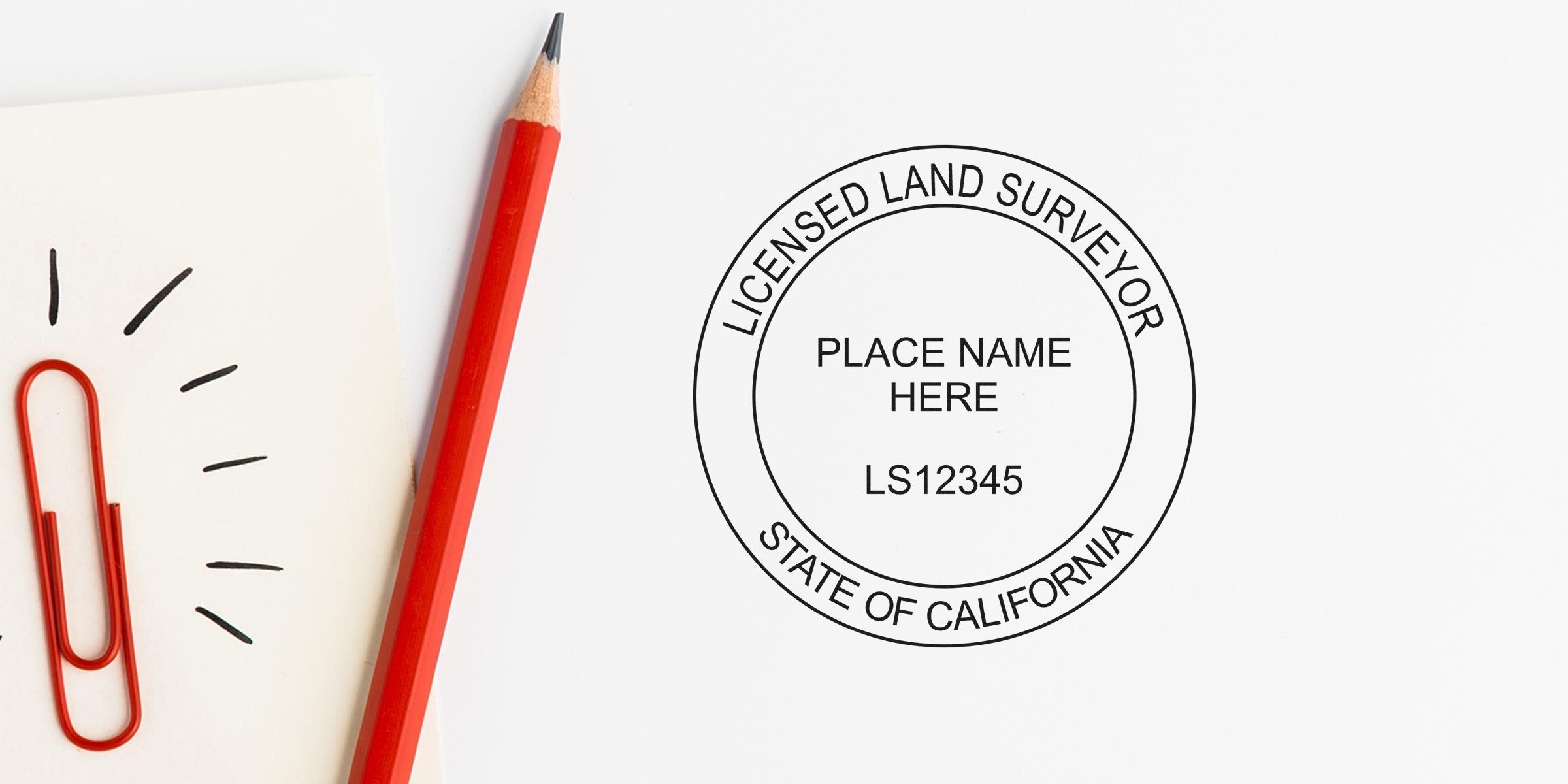
Have you ever found yourself reviewing California’s land surveying regulations and feeling a tad overwhelmed? It’s natural to have questions, especially when you need a properly certified stamp or seal. When you’re looking for a California professional land surveyor stamp that meets the state’s strict guidelines, it’s essential to know what the rules are, how to personalize your stamp, and where to get a reliable one. This article breaks it all down in a friendly, straightforward way, so you can focus on what you do best: delivering quality surveys and top-notch maps for the people who rely on your expertise.
Many California-based land surveyors want clarity on how to design and use their official mark. After all, your stamp represents your professional signature. Whether you’re already well-versed in the regulations or just starting, you’ll discover practical tips here to fine-tune your stamp details and avoid headaches with compliance. Along the way, you’ll also learn why choosing the right supplier matters, plus how you can benefit from both a physical embosser and a digital seal. By the end of this read, you’ll know exactly where to start and how to keep your land surveyor stamp in top shape for years to come.
Sound good? Let’s dig in and get you confident about meeting California’s land surveying requirements. This conversation-style guide covers each step to help you make the right choices for your business, starting with the fundamental rules laid out by the state.
Understand California Survey Requirements
Before you invest in a stamp or seal, it helps to have a clear grasp of the California rules that govern land surveyors. These regulations help protect public safety, ensure accuracy in official documents, and provide a consistent standard of quality. When you operate under these guidelines, you show clients and colleagues that you take your professional responsibilities seriously.
Why You Need a Stamp or Seal
Your stamp isn’t just another item in your toolbox. It’s a legal requirement that verifies the authenticity of the documents you produce. Once you affix your seal to a plat or report, you’re essentially saying, “I approve this work and stand by its accuracy.” California’s Board for Professional Engineers, Land Surveyors, and Geologists (BPELSG) outlines how your stamp should look, what text is incorporated, and how it’s used. Failing to meet these requirements can lead to misunderstandings or worse, potential legal complications.
The Key Statutes to Note
California has specific guidelines for land surveyor stamps, which dictate:
- Your name must appear exactly as it does on your license.
- The wording should reflect your professional title.
- The stamp or seal must include your license number.
- Legibility and clarity are vital, as worn-out or smudged stamps can raise questions about authenticity.
You can find detailed rules in the California BPELSG reference materials. But in everyday practice, you just need to ensure your stamp meets these required elements and that you’re using it on all certified documents. If you’re ever in doubt, double-check the cited state regulations or consult with seasoned colleagues who’ve resolved these same questions.
Identify Key Design Features
Once you know the basics, it’s time to translate those requirements into a workable design. Your stamp should be straightforward, durable, and easy to apply. This is your professional mark, so it should be instantly recognizable, whether it’s on a final boundary survey or a topographic map. Most designs follow traditional circular or rectangular shapes, but pay close attention to the required text layout.
Components of a Professional Stamp
While your exact layout may differ slightly depending on your preference, most California land surveyor stamps contain the following:
- Your full name, matching your licensing documentation.
- Your license number, generally placed near the center or bottom.
- The phrase “Professional Land Surveyor” or a recognized variation to indicate your qualifications.
- The word “State” or “California” to clarify your jurisdiction.
If you’re developing custom art or prefer a unique motif, check the state’s stipulations first. Some states have specific rules about decorative elements or phrases that can clutter the design. In California, clarity is essential. If your decorations distract from reading your license number, you might need to simplify.
Avoid Common Pitfalls
Mistakes often happen when professionals rush the process or assume every supplier automatically follows state guidelines. Below are a few typical missteps:
- Omitting required text: Leaving out your license number or “Professional Land Surveyor” can render the stamp invalid.
- Illegible print: Tiny, stylized fonts can be appealing but difficult to read. Go for a bold, clean typeface.
- Poor-quality materials: Low-end rubber or adhesives might wear out fast, smudge your documents, or produce inconsistent impressions.
- Incorrect shapes or sizing: Don’t create a fancy shape that doesn’t align with regulations. Dimensions should meet the recommended specifications, ensuring your seal is easy to verify.
Avoiding these pitfalls keeps you aligned with local laws. Plus, you’ll save yourself the trouble of reordering a corrected stamp if your first one isn’t up to par.
Compare Physical and Digital Stamps
As technology evolves, more surveyors seek efficient ways to verify documents online. That’s where digital seals come into play. However, there’s still a good chunk of traditional paper-based documentation. Figuring out how each approach supports your workflow can help you remain flexible in a mixed environment.
Physical Stamp: Trusted Classic
For decades, the physical stamp or embosser stood as the gold standard to confirm a land survey’s legitimacy. Here’s why it remains valuable:
- Tangible Proof: A raised seal or ink impression is hard to replicate without the actual tool.
- Easy Recognition: Clients and government agencies alike know the look and feel of an official stamp.
- No Tech Required: You don’t need special software, just a steady hand and an ink pad if you opt for a self-inking design.
Digital Seal: Modern Excellence
Digital seals, on the other hand, cater to a world of electronic filing and remote work. You can create an official seal image, typically in PDF format, that’s password-protected or embedded with a digital signature. Here’s why it’s gaining popularity:
- Speed and Convenience: You can seal files in seconds without printing.
- Secure Verification: Many digital solutions contain metadata or encryption that verifies authenticity.
- Eco-Friendly: Less paper, ink, and shipping needed.
This table helps you see how physical and digital options stack up:
| Feature | Physical Stamp | Digital Seal |
|---|---|---|
| Material Cost | Requires ink/embosser purchases | Software or design costs |
| Document Handling | Paper-based, manual signing | Fully electronic, remote capable |
| Security | Hard to counterfeit without the stamp | Can include encryption & metadata |
| Reproducibility | Each impression must be made physically | Easily added to multiple digital files |
| Regulation Fit | Widely accepted by agencies | Growing acceptance, check local rules |
In many cases, you’ll want both options handy. You might do the bulk of your daily tasks digitally, but certain clients or agencies still prefer a good old-fashioned paper copy. In those instances, your physical stamp remains essential.
Choose a Trusted Supplier
Sourcing your California stamp from a reputable supplier matters more than you might think. You deserve peace of mind that you’re receiving something that follows state laws, lasts through repeated use, and shows up well on official documents. The right supplier is not just selling you a generic product, but partnering with you for the long run.
What Sets Acorn Sales Apart
We know that picking out a stamp or seal can feel daunting, especially when regulatory details hang in the balance. Acorn Sales has been in business since 1964, and we’ve built our reputation by walking professionals like you through their stamp orders with minimal hassle. Here’s why surveyors trust us:
- We know the California regulations. We constantly update our templates to stay in line with state guidelines, so you don’t have to guess about design compliance.
- We only use top-notch materials, ensuring crisp impressions time after time.
- Every order includes a free digital seal option, so you can handle electronic documents, too.
- Our dedicated support team answers your questions at any stage, from design tweaks to post-purchase concerns.
To explore some of our recommended designs, check out our california land surveyor stamp. It’s a direct link to what you need for the Golden State, making your search easier. Whether you want a self-inking stamp or an embosser, there’s a design for every preference.
Prepare and Maintain Your Stamp
Once you have your stamp, step one is to practice using it. Sure, it sounds basic, but you’d be surprised how many professionals try it out for the first time on an important document. Take a piece of scrap paper and line up a few test impressions. Tweak your pressure, placement, and technique until you get a consistent seal.
Best Practices for Usage
- Apply Firm, Even Pressure: If you’re using a self-inking model, push down firmly so the ink transfers evenly.
- Align Carefully: Place the stamp at a right angle to the page to avoid smudges or partial impressions.
- Protect the Stamp Surface: Store it in a dry, room-temperature area, especially if you have a rubber or self-inking stamp. Moisture can degrade the stamping surface.
- Label It Clearly: If you have multiple stamps for different states or roles, mark them to avoid confusion in a busy office.
Storage and Upkeep Tips
Proper maintenance of your California professional land surveyor stamp can extend its life. Here’s how:
- Keep the Stamp Clean: Ink buildup can cause blotchy prints. Gently wipe the rubber or metal surface if you notice residue.
- Re-Ink When Faded: If the impression lightens, add a few drops of the recommended ink. Using the wrong ink type can damage your stamp.
- Secure Your Seal: It’s wise to lock up the stamp or keep it in a designated office drawer. Unauthorized use could leave you liable if someone else stamps inaccurate documents.
- Inspect for Wear: Over time, the rubber or other materials might develop cracks. Order a replacement if you can’t achieve sharp clarity with your current stamp.
If you opt for a digital seal, keep the image file secure by setting up unique passwords or encryption codes. You never want your seal to circulate freely, and that’s especially true if you’re emailing documents to third parties.
Wrap-Up: Your Next Steps
You’re now in a solid position to choose or upgrade your California land surveyor stamp with confidence. When you understand the state’s requirements, design the stamp carefully, and maintain it properly, you significantly reduce compliance risks. Plus, you won’t waste money on ineffective designs or worry about redoing official paperwork. Here’s a quick recap of the process:
- Know the Rules: Familiarize yourself with California’s specific guidelines.
- Verify Design: Include the correct text and license number in a clear, legible format.
- Choose Physical or Digital: Or better yet, opt for both to handle varied client needs.
- Trust a Reputable Supplier: Look for proven materials and knowledgeable customer support.
- Maintain Your Stamp: Clean it, store it securely, and handle re-inking as needed.
If you find yourself juggling between physical documents and electronic files, remember that Acorn Sales provides free digital seals with every traditional stamp. It’s a convenient perk that streamlines the entire process, so you can save time and impress clients with quick turnarounds.
—
Below, you’ll find answers to a few frequently asked questions about California land surveyor stamps. If you have more questions, don’t hesitate to reach out. We’re here to help you get it right every step of the way.
Hopefully, this guide clears up the main points about selecting, using, and caring for a California professional land surveyor stamp. When you align with the state’s requirements, trust a proven supplier, and maintain your seal carefully, you’ll be ready for any project without missing a beat. If you have more questions, feel free to ask. We’re all in this together, making sure California’s landscapes are mapped and measured with precision and care.
Frequently Asked Questions
Do I need separate stamps for boundary surveys and topographic maps?
Typically, no. One valid California land surveyor seal covers all forms of surveying work, provided it contains your correct name, license number, and professional designation. Just make sure the imprint is always legible.
How often should I replace my stamp?
That depends on usage and maintenance. If your stamp impressions start fading or the design warps over time, it’s likely time for a replacement. Many surveyors replace theirs every few years, while others go a decade or more with careful upkeep.
Is a digital seal legally valid in California?
Yes, as long as you follow the state’s criteria for electronic signature and seal usage. Many professionals use digital seals for convenience. However, always confirm whether specific agencies or clients require a physical stamp.
What if I need changes to my existing stamp or seal design?
Contact your supplier. A reputable company like Acorn Sales can work with you to make any necessary adjustments. Whether you’ve changed your name or had an update to your license details, it’s wise to keep your stamp fully aligned with current regulations.
Can someone else use my stamp if I’m not available?
Technically, no. You, as the licensed surveyor, are responsible for its use or misuse. Letting another person stamp documents in your name could lead to serious legal ramifications, even if it’s just for convenience.








