

Early in a new career as a Kansas land surveyor or while refreshing an existing toolkit, you’ve probably come across the term “Kansas land surveyor seal embosser.” This handy device can make your official documents look professional and leave no doubt about their authenticity. But what exactly do you need to know before you invest in one? Let’s walk through the essentials, from legal requirements to proper maintenance and a few insider tips that will help you use your seal efficiently.
By the time you finish reading, you’ll have a clear understanding of why a seal embosser matters, how to select the right style, and how to keep it in great working shape. Let’s dig in.
Understand the Purpose of a Seal
When you’re working as a licensed Kansas Land Surveyor, you’re responsible for ensuring accuracy, transparency, and adherence to professional standards. One of the most visible ways you do that is by marking your documents with a clear seal. But why does it matter, and why do clients, colleagues, and government agencies care so much about it?
The core purpose of your seal is to confirm that any plans, maps, or reports you produce are truly yours. In other words, your seal establishes validity. You’re officially taking responsibility for the work contained in those pages. This accountability is a huge part of why states require surveyors to own and use a properly designed stamp or embosser. When you press or stamp that seal on a document, it says, “Yes, I stand by these findings.”
Why You Might Prefer an Embosser
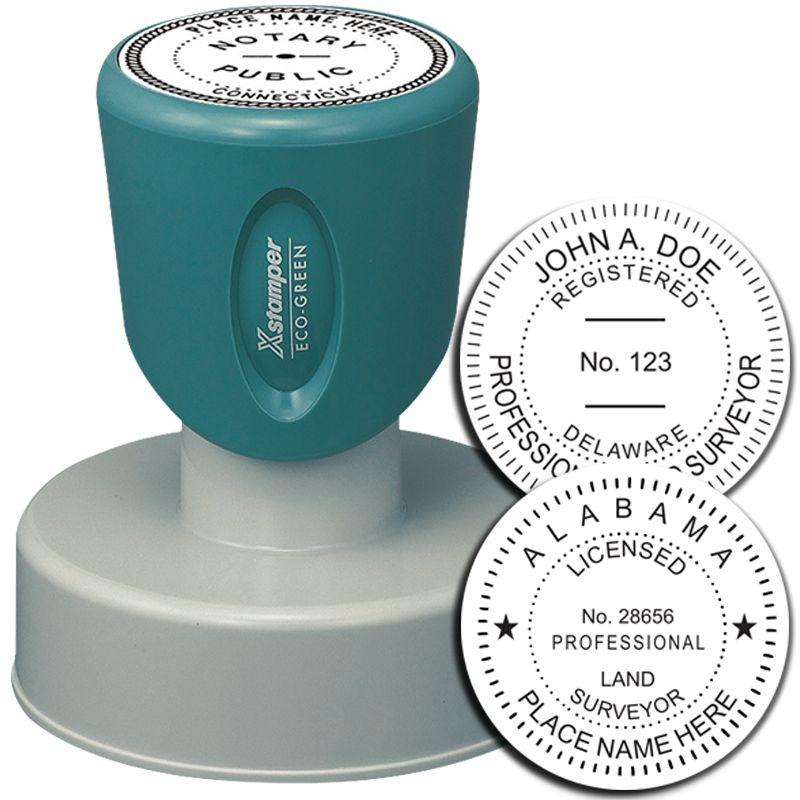
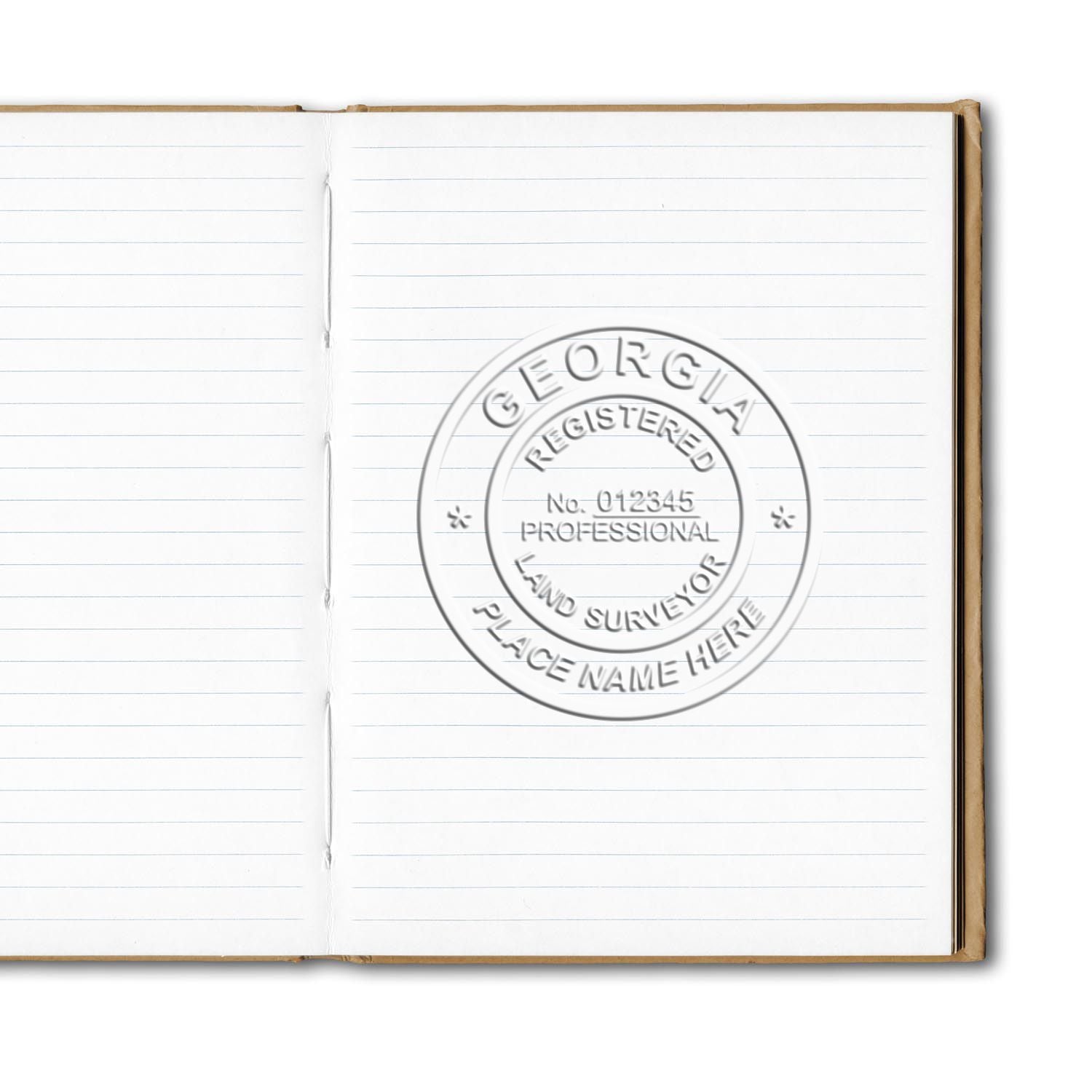
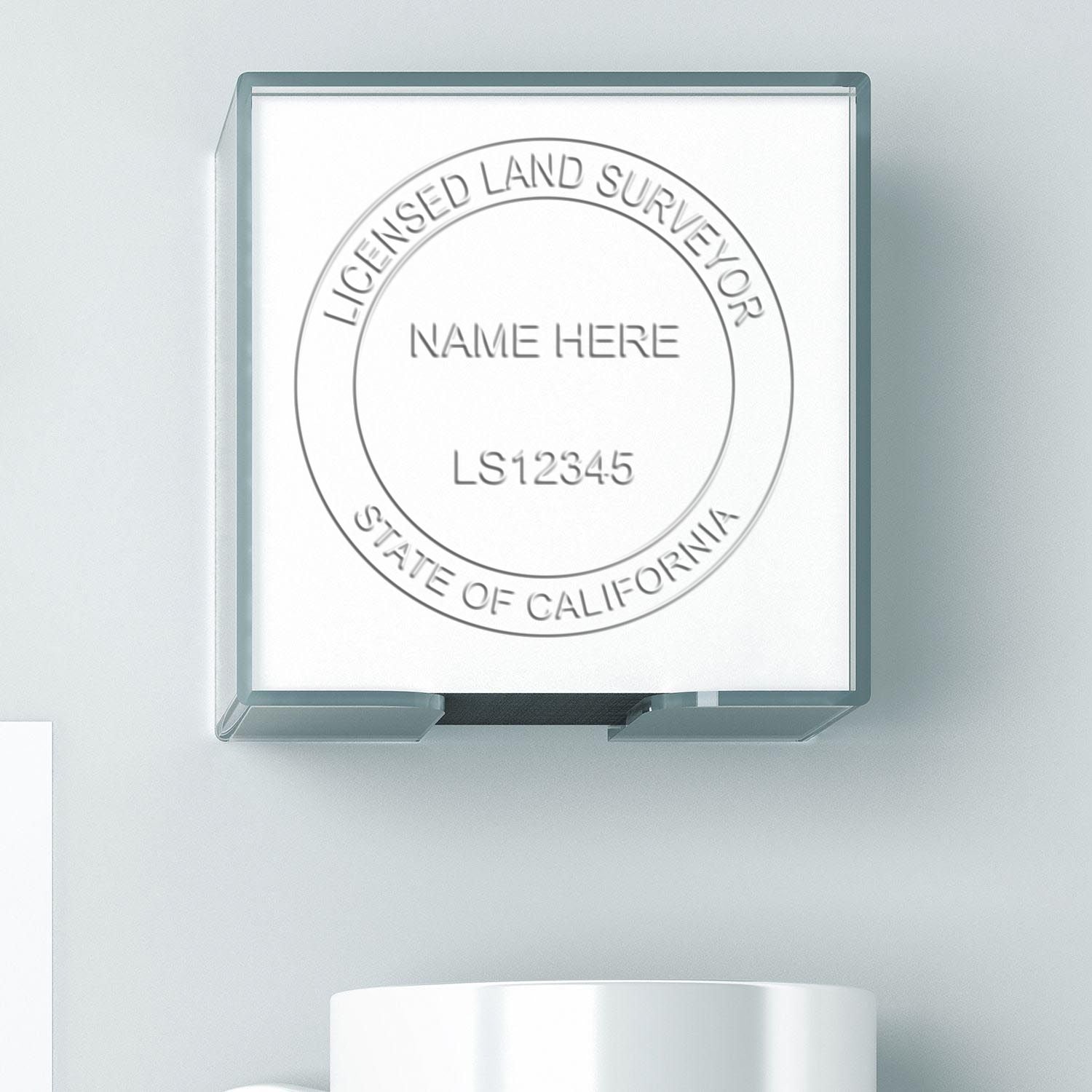
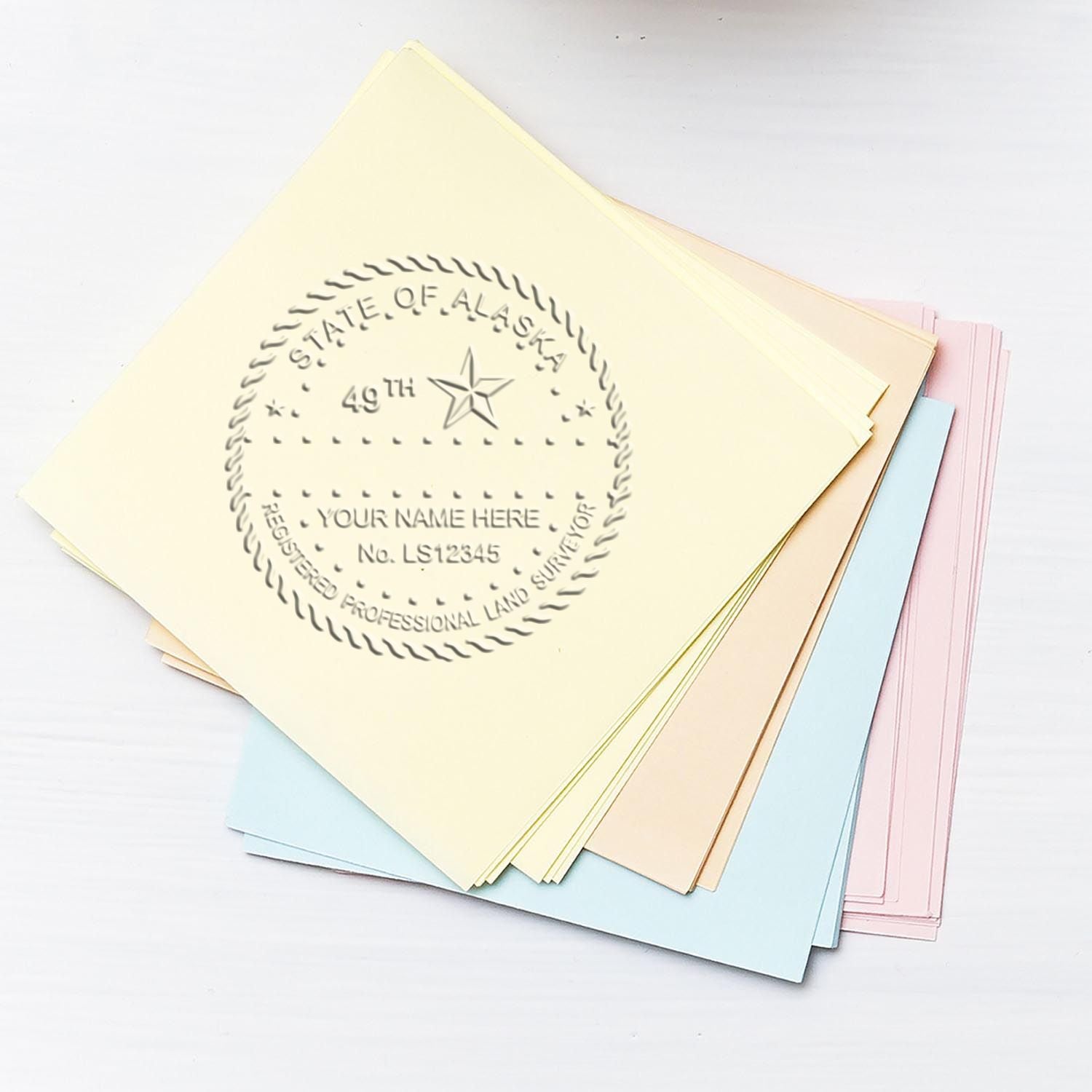
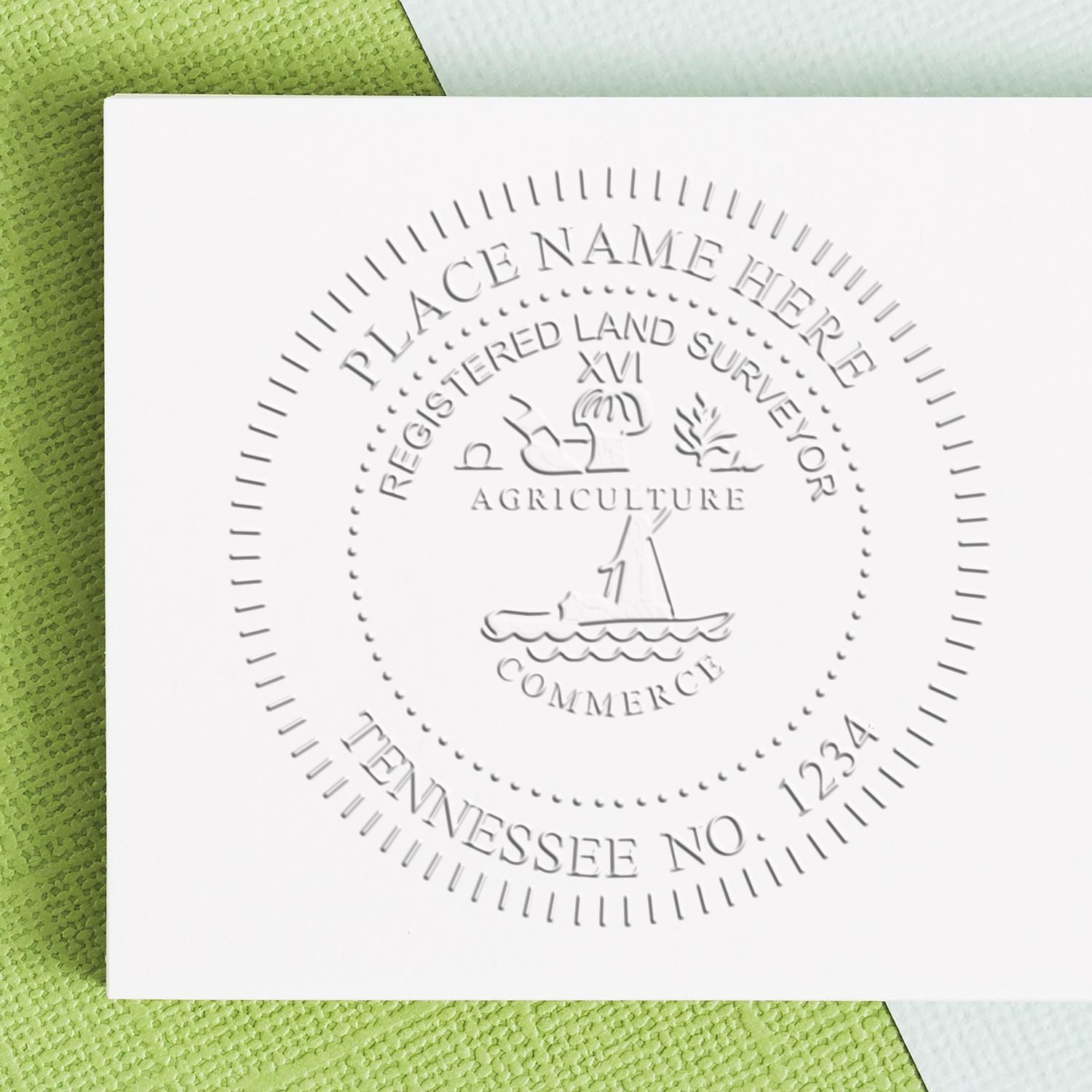
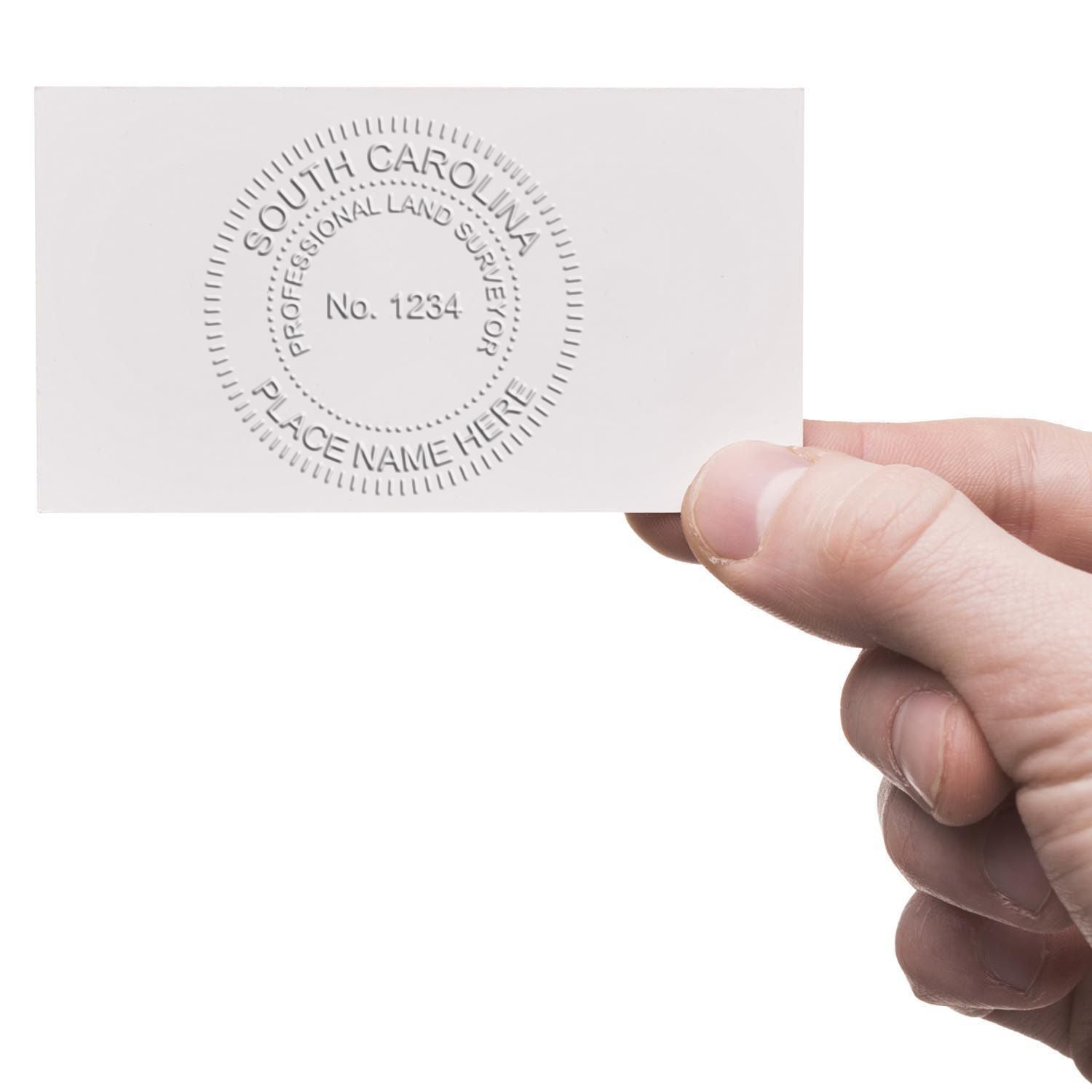
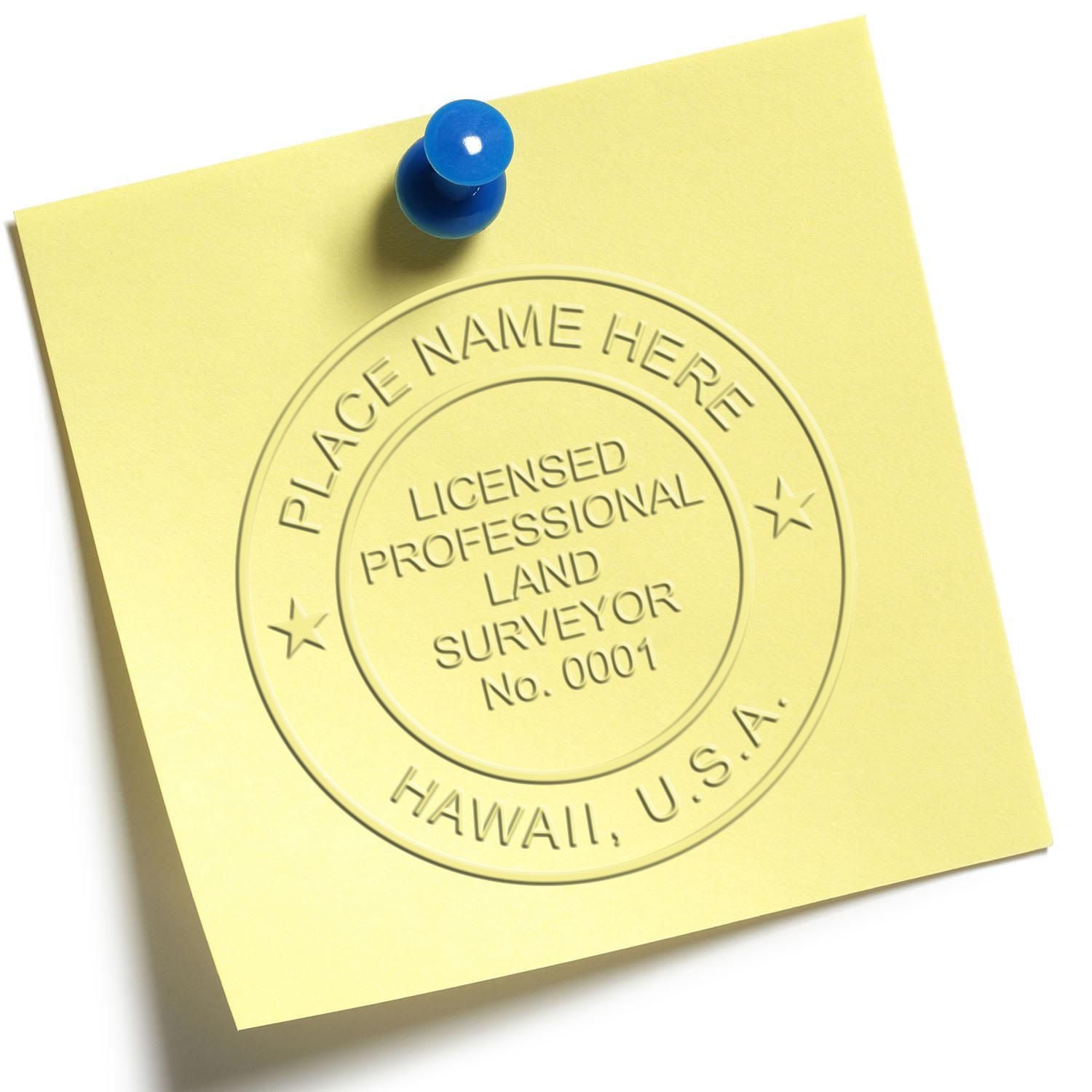
You have a couple of options for sealing your work: a traditional rubber stamp or a raised-impression embosser. An embosser uses applied pressure to create a raised impression on the paper. Many surveyors appreciate the tactile assurance of an embossed seal. It looks and feels more “official,” and you can run your fingers over the design to verify authenticity. Stamps can smudge, especially in humid environments, but an embosser tends to hold up well over time. If you want durability and a crisp, professional look, an embosser is a great call.
Know the Kansas Requirements
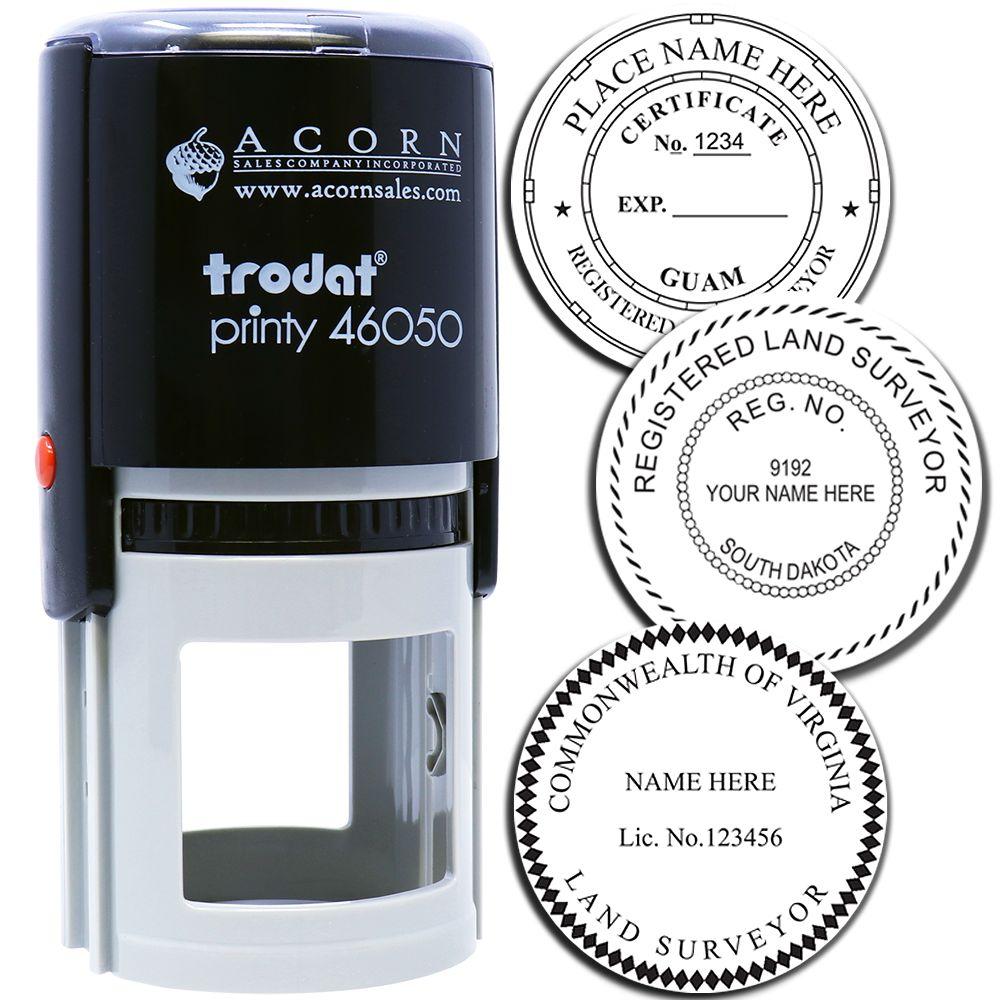
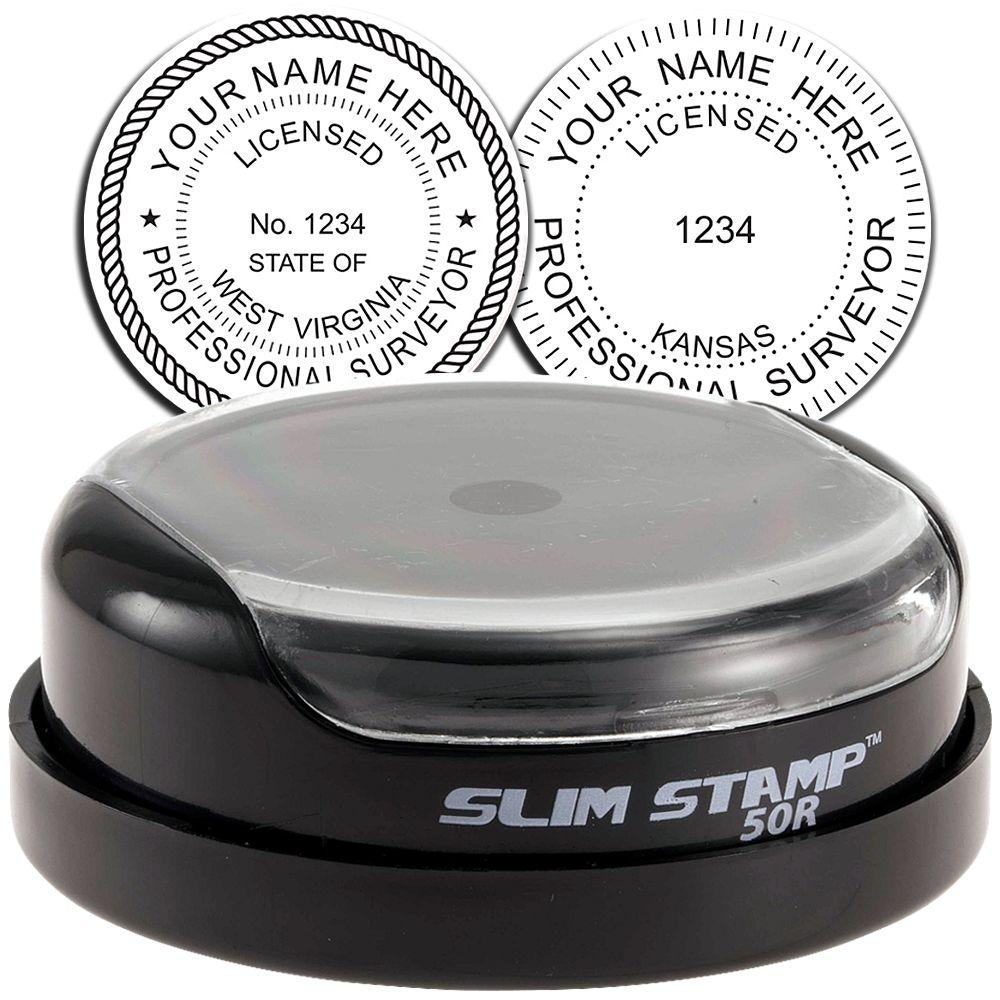
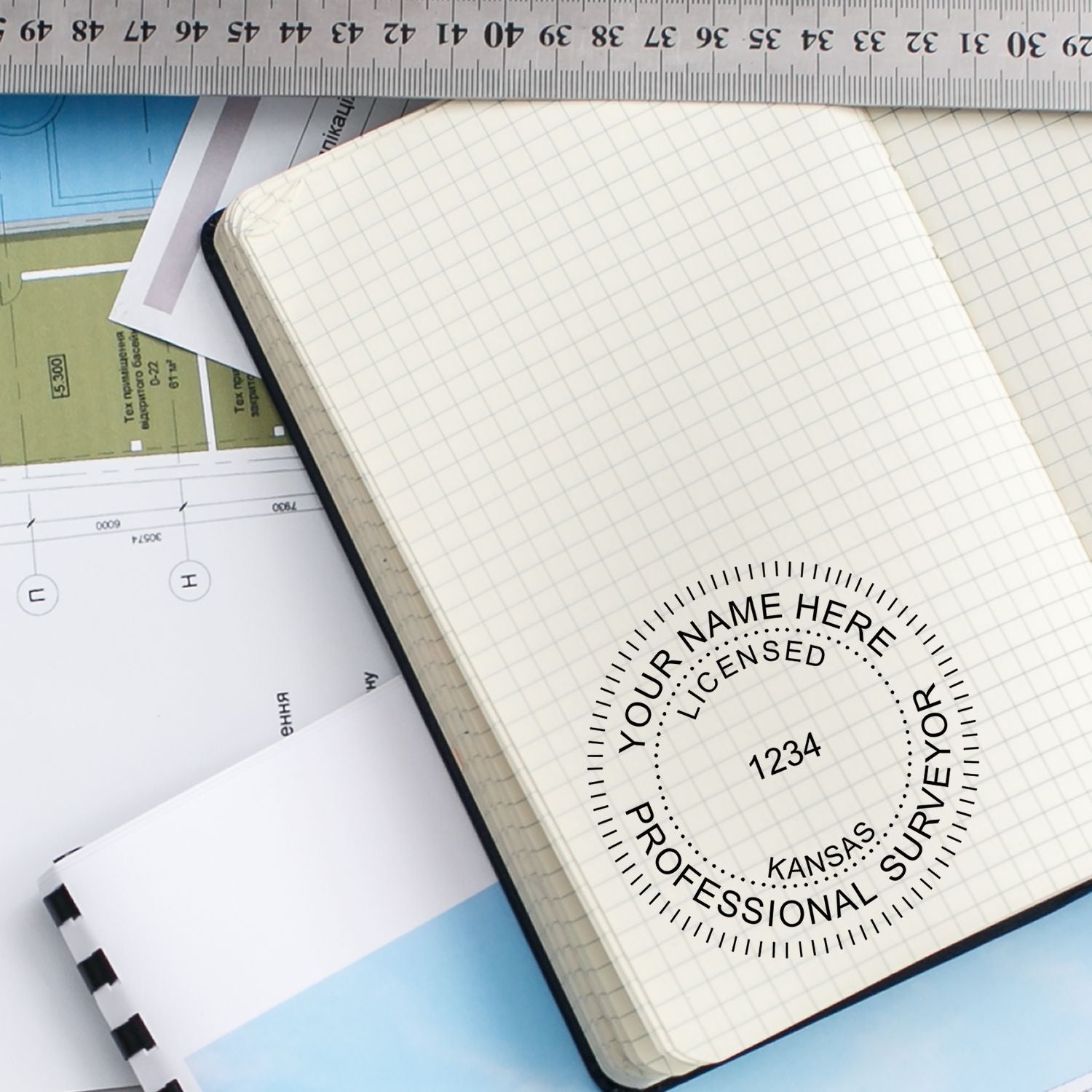
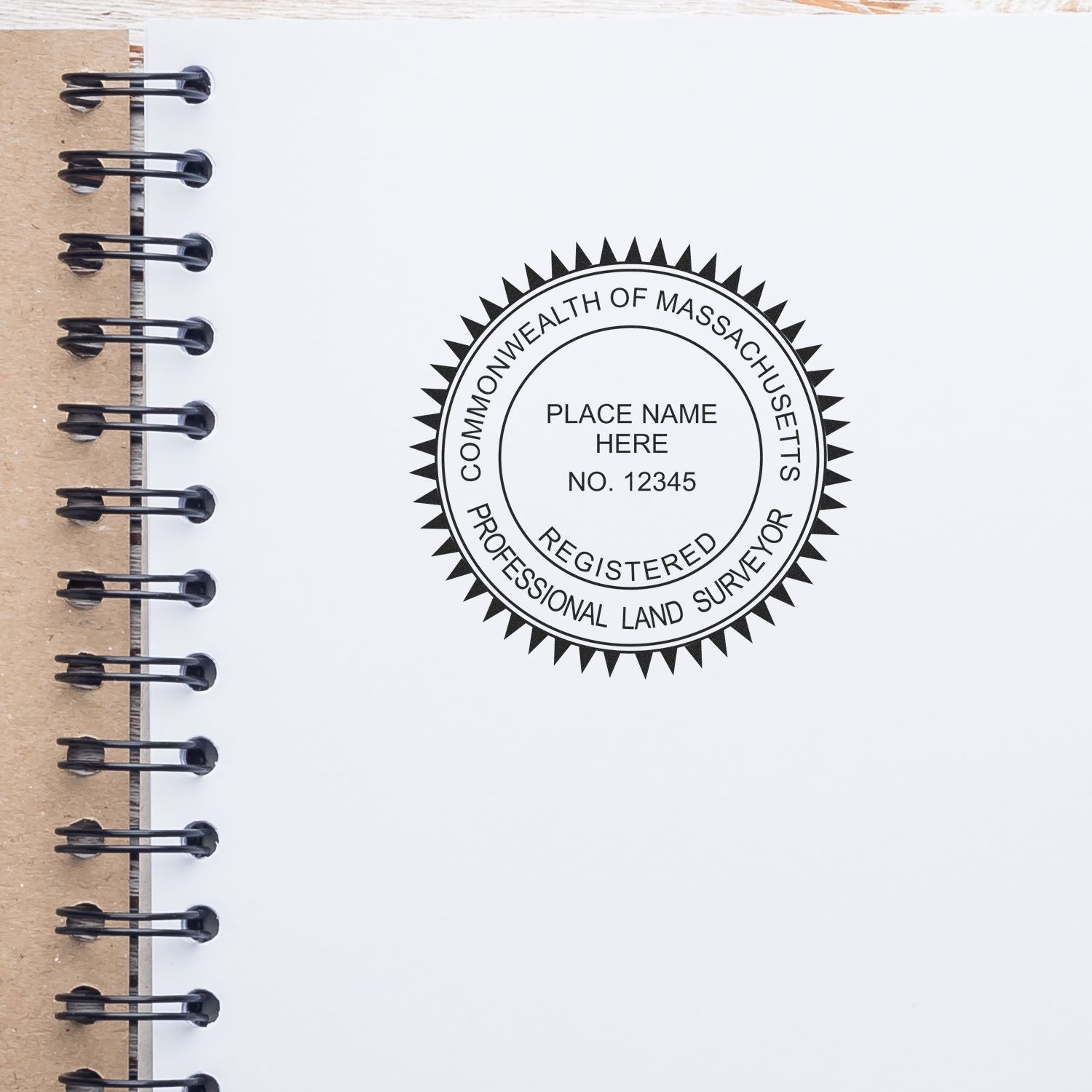
State regulations aren’t just suggestions, they’re legal guidelines. If you’re working in Kansas, you have to comply with rules for land surveyor stamps and seals. This often includes specific details like seal dimensions, shape, and the wording that appears on the seal, such as your name and license number. If you need a refresher on the exact details, you can find more specifics in the Kansas Land Surveyor Stamp Requirements. That resource can guide you through dimension details and any up-to-date changes from Kansas authorities.

Keeping the Seal Current
One detail sometimes overlooked is the need to keep your seal current. If you change your name, renew your license, or face any special circumstances (like moving to another state and then returning to Kansas), you’ll need an updated seal. Because your seal is a legal statement of who you are as a professional, you always want the information on it to match what’s on file with state regulators. Don’t risk giving the impression that your credentials are out of date.
Knowing Where and When to Use It
You might already have a sense of which documents need to be sealed. However, it’s always wise to confirm that you’re marking everything properly. Some common papers that typically warrant the official seal include:
- Finalized Plats and Surveys
- Boundary Reports
- Site Plans
- Subdivision Documents
When in doubt, seal it. You reduce any chance of dispute or confusion about whether a document is truly finalized. It shows that you’ve reviewed the content and are ready to stand behind it.
Differentiate Stamp and Embosser
You might wonder, “Do I really need an embosser if I already have a stamp?” The short answer: it depends on your preferences, clients’ demands, and how strict you want to be with document reproducibility. Here are some practical distinctions:
Embosser Advantages
- Produces a raised impression that’s tough to replicate.
- Looks professional and leaves a lasting tactile mark.
- Won’t fade or bleed if pages get wet or exposed to sunlight.
Stamp Advantages
- Quicker to apply, especially when dealing with high-volume paperwork.
- Generally less expensive.
- Can include colored ink that stands out on the page.
If you want your seal to leave a powerful visual impact, then an embosser might be worth the extra effort. If you’re pressed for time, a pre-inked stamp could be a more convenient fit. In many cases, surveyors use both. They’ll rely on the embosser for final, official documents and keep a stamp handy for draft copies or internal records.

Choose the Right Embosser
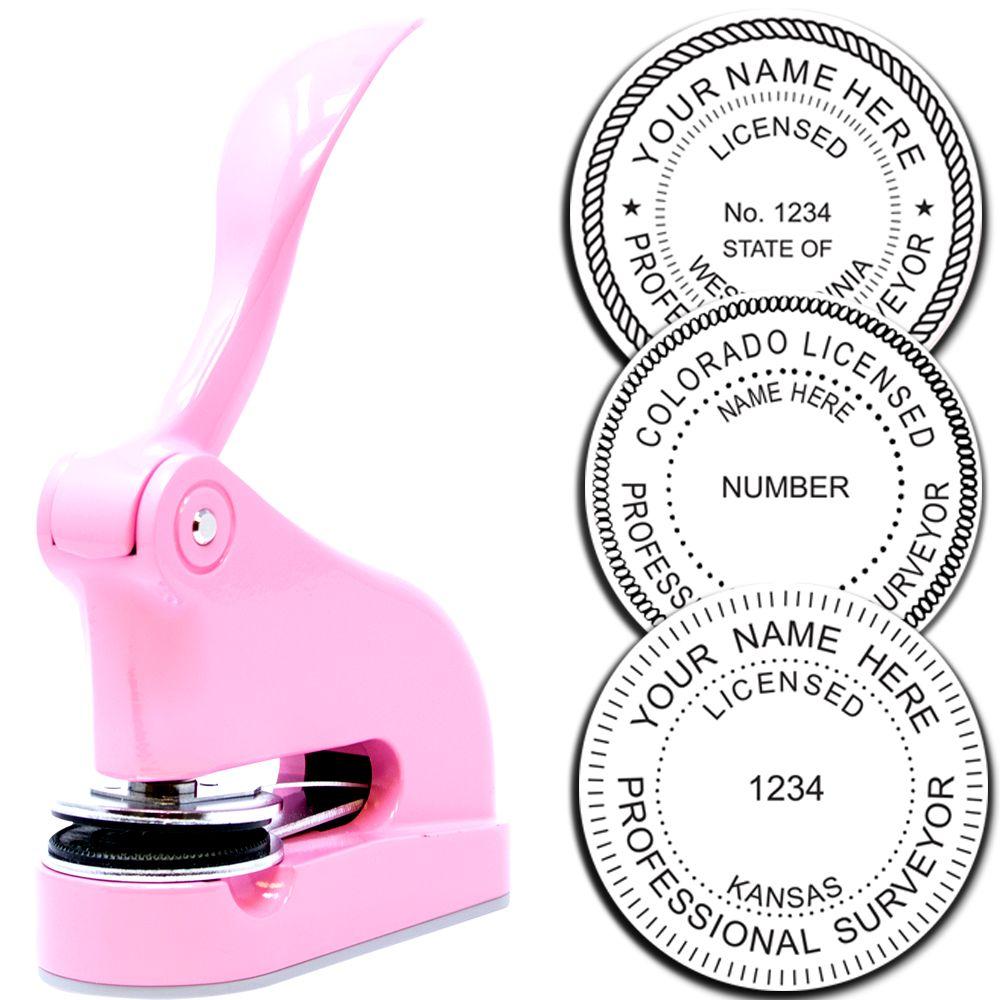
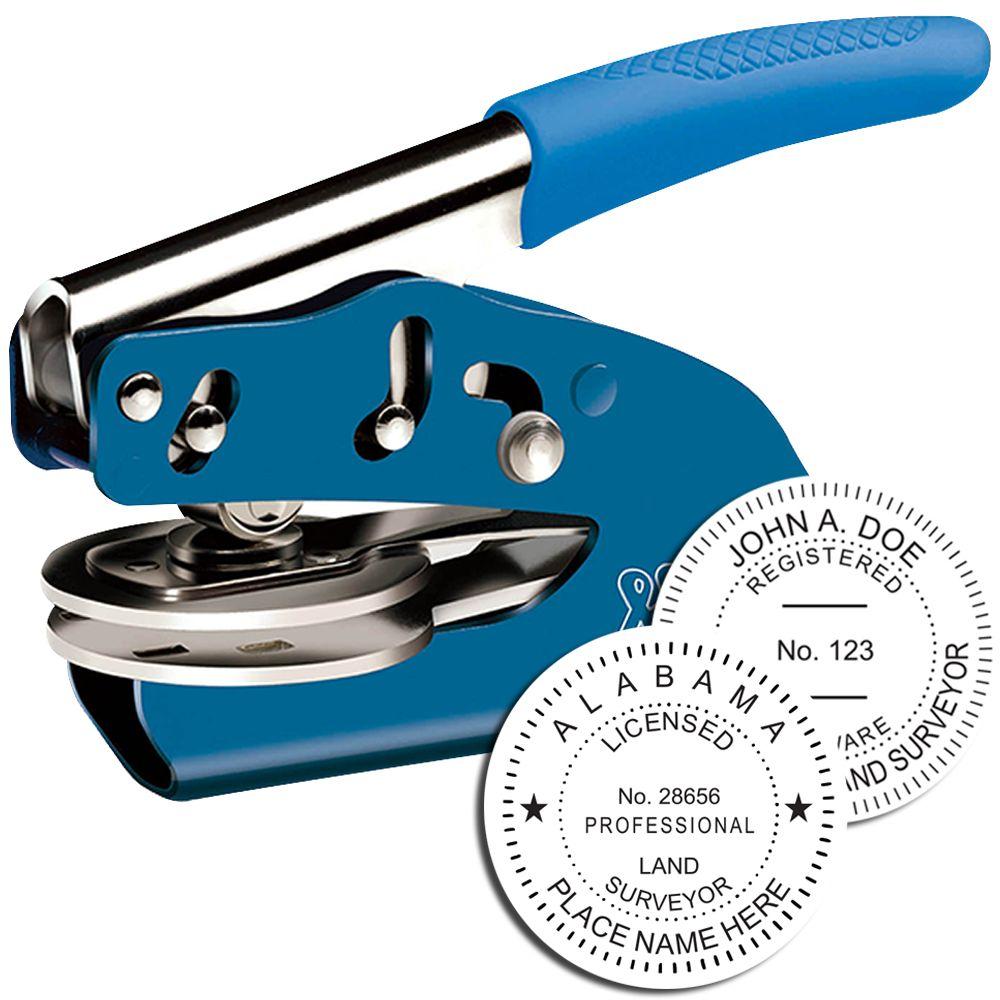
Once you decide an embosser is the way to go, how do you actually pick one? You’ll find several variations on the market, each with a different design or handle. Your main concerns often revolve around comfort, how deeply the embosser can imprint, and the size of your seal.
Desktop vs. Handheld
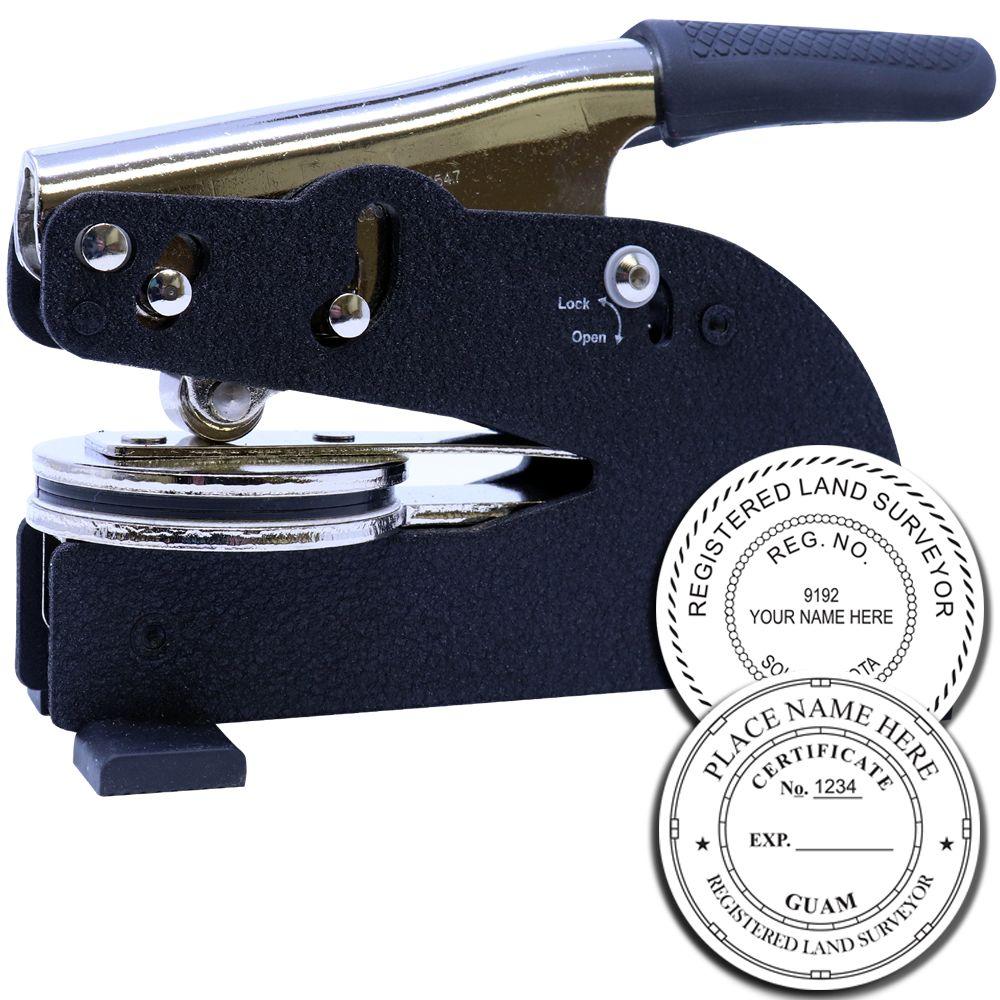
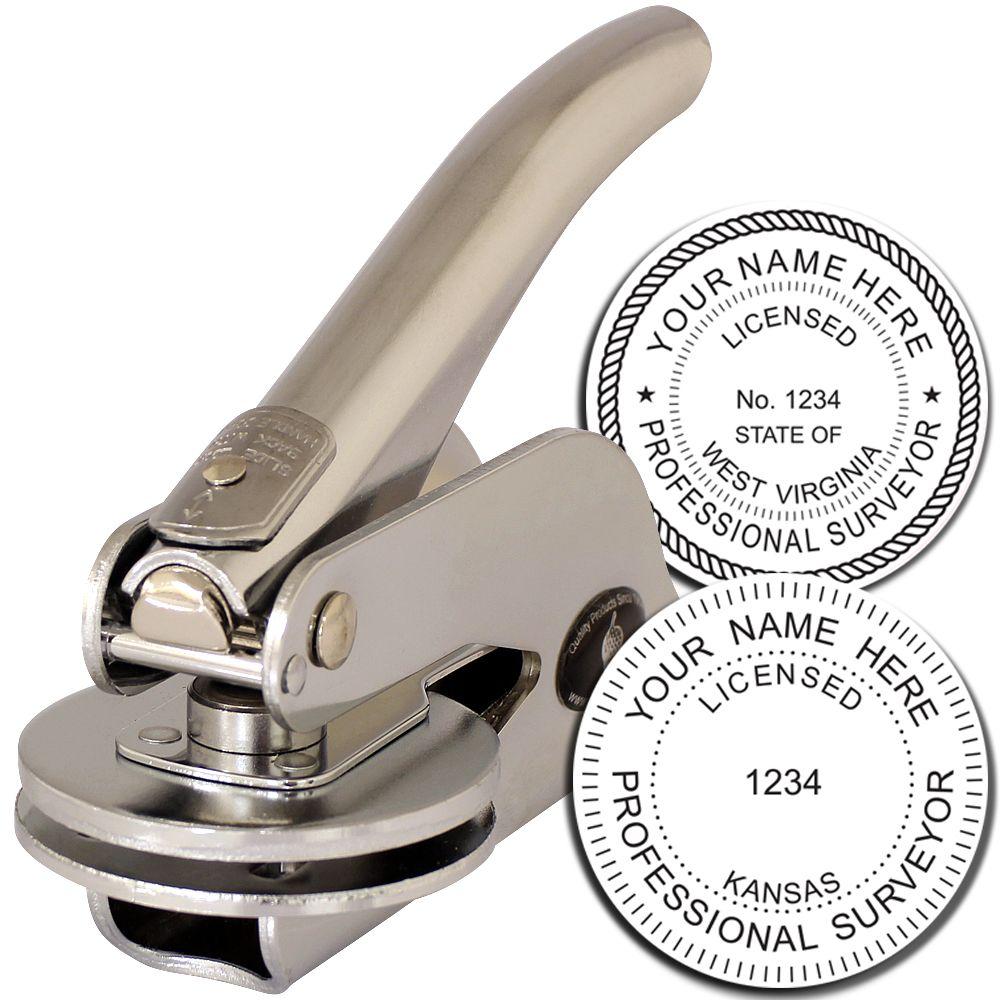
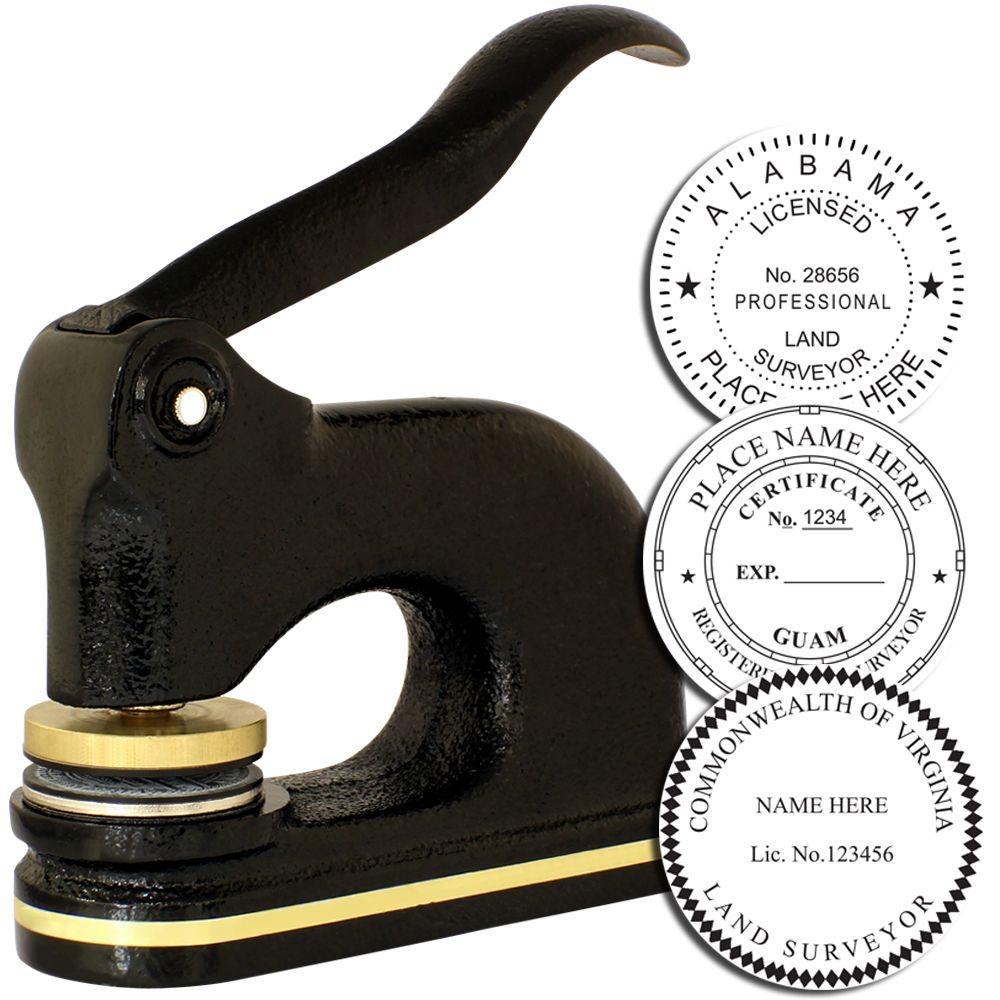
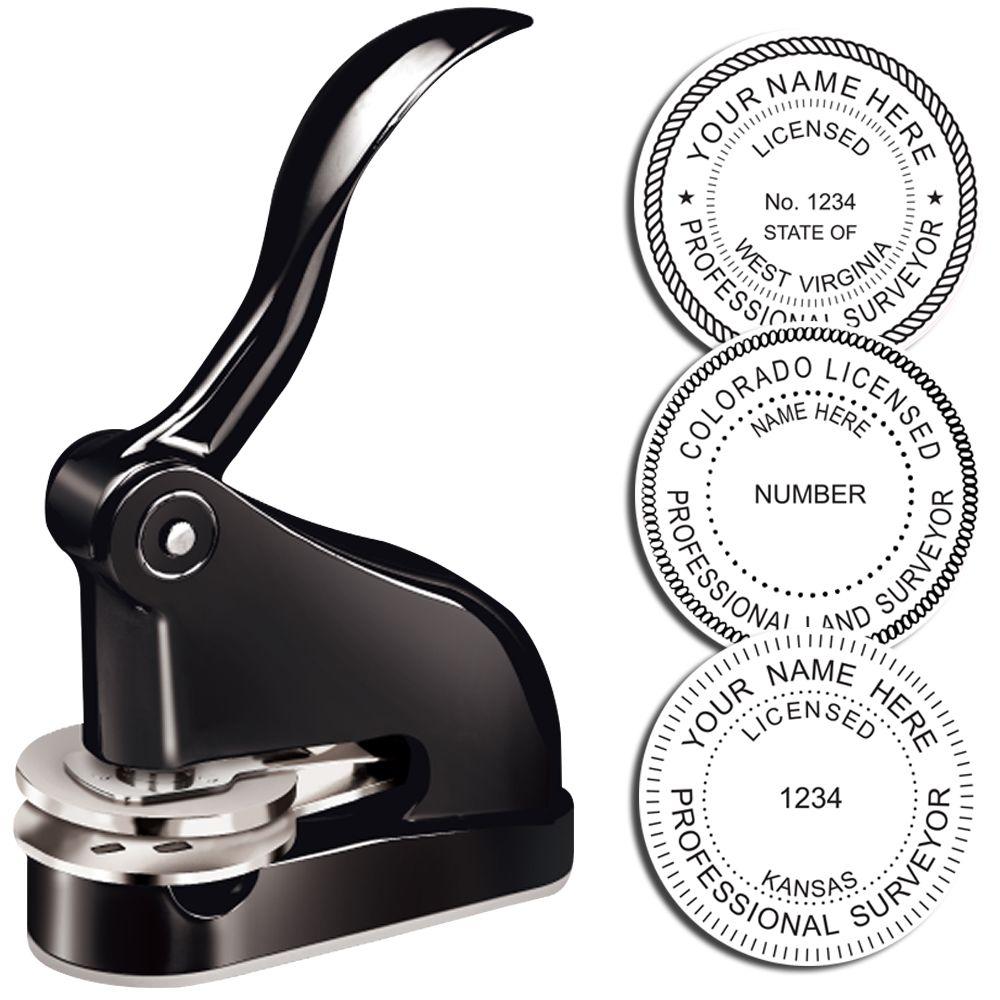
- Desktop Embossers: These models are larger and rest on a flat surface. They often offer solid use for crisper impressions, especially if you’re embossing many documents in a single sitting.
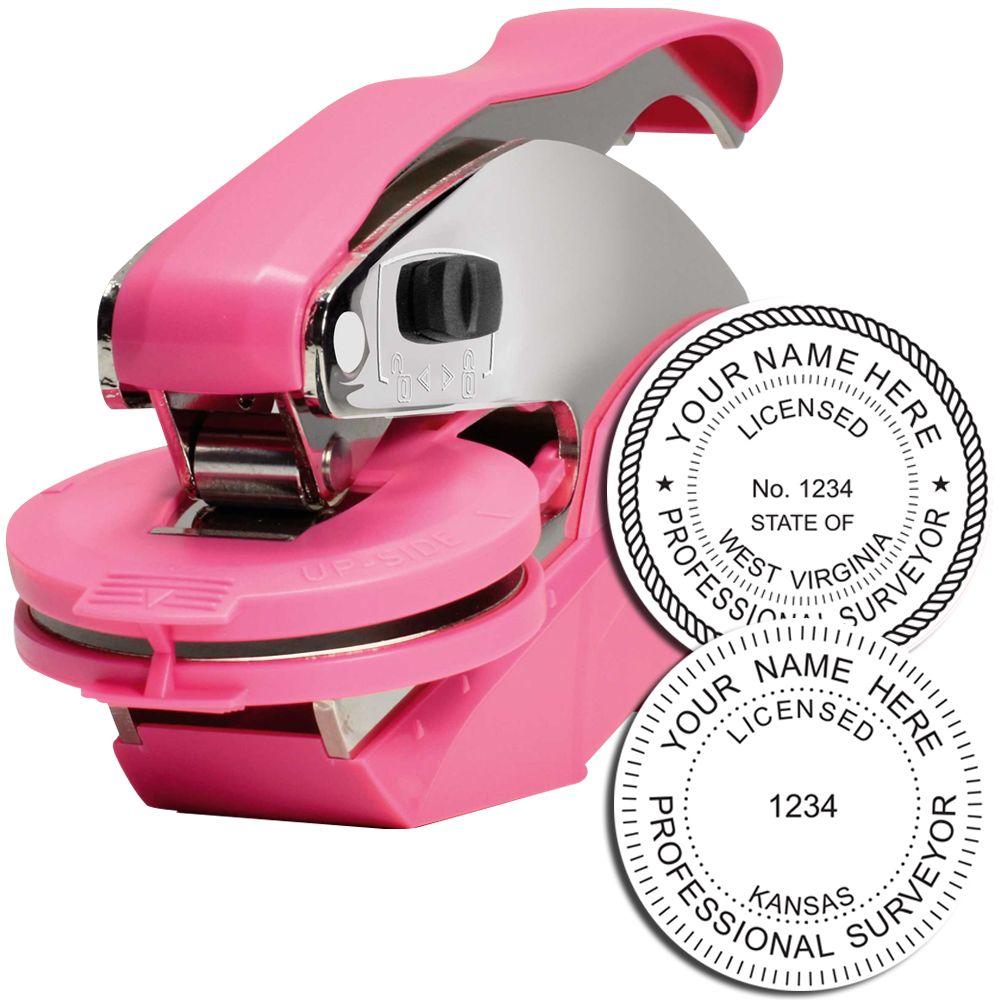
- Handheld Embossers: These are portable and lightweight, which is a big plus if you’re working in multiple locations. They can be slightly more challenging to press evenly on thick paper, but they’re handy if you’re on the move.
Impression Orientation
Pay attention to the orientation of your embosser’s die (the metal plate that creates the raised impression). Some embossers are built so you can position them effectively along any edge of the document. Others work best near a corner. You’ll often see terms like “bottom load” or “top load” orientation. Think about how you typically place your seal on a page. If you need to emboss something in the middle of a sheet, you might need a special design or a long-reach embosser.
Seal Diameter and Layout
Kansas guidelines typically specify the diameter of your seal, so be sure to follow those rules. Double-check the recommended seal size in any official documents (or from your licensing board) and confirm that your chosen embosser can accommodate it. Many embossers come with preset templates for different states, making your purchase simpler. But it’s always good to confirm you’re choosing the correct specification.
Maintain Your Seal Correctly
If you want your Kansas land surveyor seal embosser to keep providing crisp, clean impressions, you’ll need to give it a bit of care. Thankfully, maintenance is minimal and straightforward.

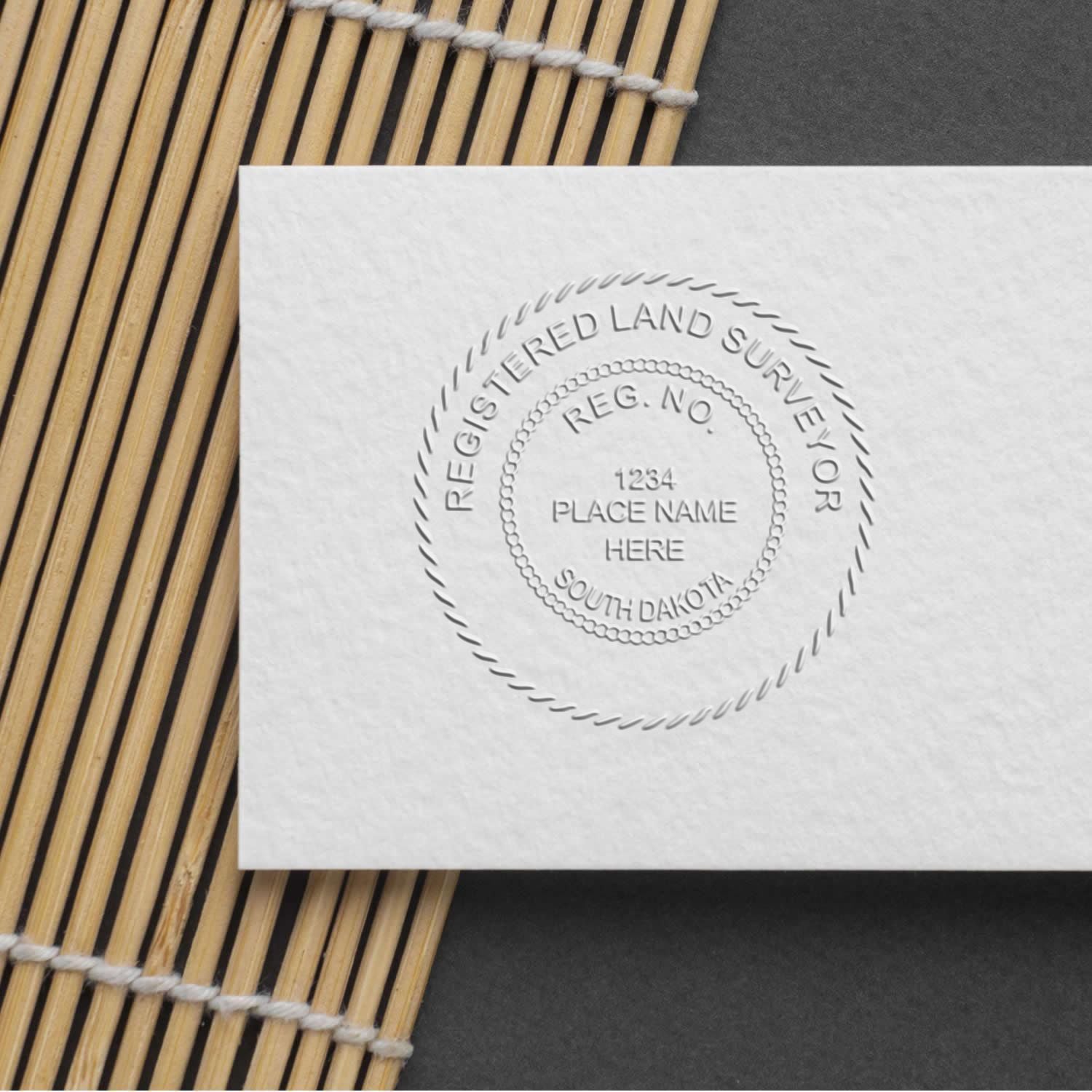
Cleaning the Dies
Dirt or debris can get lodged in the dies over time, especially if you’re embossing in less-than-pristine environments. A quick wipe with a soft, dry cloth usually clears the dust. If you notice any moisture buildup, let the embosser air out or gently dry it with a lint-free cloth. Avoid harsh chemicals that might corrode the metal.
Handling and Storage
Try not to toss your embosser into a bag unprotected. If the handle is continually pressed down by heavy items, it could damage the alignment. For longer-term storage, keep your embosser in a small pouch or case. Some models even come with a protective box for safe transport. It’s worth the extra step to prevent scratching or bending.
Checking Alignment Regularly
Once in a while, do a test emboss on a spare sheet of paper. Double-check that the impression is complete and that all letters and numbers are lined up. If your seal seems faint or off-center, contact your embosser supplier or manufacturer for advice on adjusting alignment.
Use It With Confidence
Confidence in your embosser technique comes with practice. The more you use it, the more second nature it becomes. Usually, you want to place your document on a stable surface, align your embosser exactly where you want the imprint, and then apply firm, even pressure. Release the handle smoothly so the paper doesn’t slip and distort the seal. With a bit of repetition, you’ll get a feel for the perfect amount of force needed for a professional impression, no partial imprints or double impressions.
Avoiding Common Mistakes
- Partial Emboss: If your paper slides or your hand isn’t steady, you’ll get a blurred or incomplete impression.
- Wrong Paper Thickness: Heavily coated or extremely thick cardstock could be difficult to emboss. Test a small area first before stamping an entire batch.
- Overlapping Other Text: You don’t want to obscure critical details in your document. Keep the seal in a clearly visible location.
Consider Acorn Sales Advantages
Now that you know what makes a good Kansas land surveyor seal embosser and how to use it, where do you get one? For many surveyors, that choice boils down to ease of ordering, quality assurance, and trust in the supplier.
At Acorn Sales, we’ve been in business since 1964, providing professional stamps and seals for various industries. We aim to keep the process simple, shipping your embosser with the correct Kansas layout so you’re worry-free. Plus, you get a free digital seal with every order. That’s a big perk if you need to place your seal on electronic documents or files. Once you have your digital seal, you can insert it into PDFs or other design software without scanning or fiddling with extra tools. It’s like having your official mark at the click of a button.
Additional Perks
- Reliable Customer Support: If you have alignment issues or questions about using your new embosser, contact us.
- Quality Materials: Using durable metal ensures that your embosser remains consistent over time, even with frequent use.
- Fast Turnaround: Time is money, particularly when you have tight project deadlines and need your seal now.
Ordering from a company that specializes in professional seals can save you a lot of hassle. You’ll have the confidence that your Kansas seal meets all the required specs and that you’re buying from a provider who’s been around long enough to know what works.
At the end of the day, sealing your documents is no formality; it’s a statement of professionalism. Taking the time to understand the requirements, choose the right embosser, and maintain it properly helps ensure your work stands out as accurate and trustworthy. You’ll take pride in that crisp impression each time you finalize a survey. It’s a small step that makes a big difference for clients, colleagues, and regulatory agencies alike.
By following the guidelines above, you’ll use your Kansas land surveyor seal embosser with confidence and keep your professional reputation shining bright. And if you want an easily sourced seal from a trusted supplier, Acorn Sales is ready to help you check all the boxes, no extra stress required. Happy embossing!
Frequently Asked Questions
Do I Really Need My Own Seal?
Yes. Each licensed surveyor in Kansas needs a personal seal. This is part of maintaining the integrity of your professional work. Even if you work for a firm, the documents that carry your name should also carry your individual seal.
How Often Do I Replace My Seal?
There’s no strict “expiration date,” but you should replace it if any details change, like your name or license status. Additionally, if the impression becomes unreadable, it’s time for a replacement.
Can I Use a Digital Seal Instead of an Embosser?
Kansas typically requires physical seals on certain types of hard-copy documents. However, digital seals might be accepted for electronic files, depending on the recipient’s requirements. At Acorn Sales, you get both: a classic embosser plus a matching digital seal.
How Does an Embosser Differ from the Kansas Land Surveyor Stamp Requirements?
The guidelines for what needs to appear on the seal (like your name and license number) are the same, but the format can vary between a stamp and an embosser. You’ll find additional details in our Kansas Land Surveyor Stamp Requirements. Essentially, both tools display the same official information, but one is raised (embosser) and the other is inked (stamp).








