
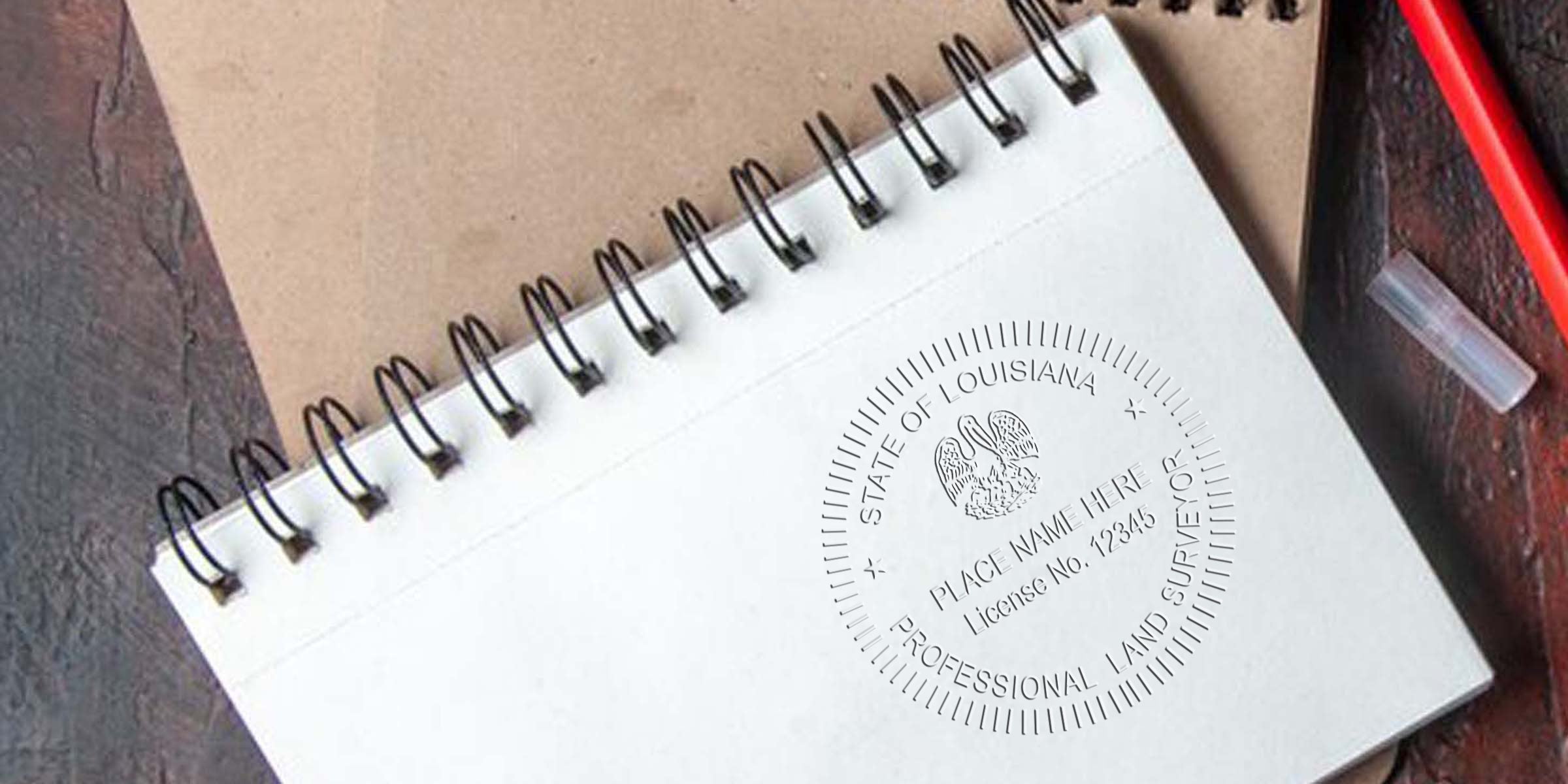
Making sure your documents meet the official louisiana land surveyor seal specifications can feel like a detailed balancing act. You want to stay fully compliant with state regulations, present a professional impression, and ensure your records hold up under scrutiny. Fortunately, once you understand the core guidelines, the entire process becomes much more manageable. By the end of this post, you’ll have a clearer picture of what’s expected and how to check all the right boxes.
Below, you’ll find a straightforward breakdown of what makes a proper Louisiana land surveyor seal, plus tips on choosing the format, storing or maintaining your seal, and keeping everything up to code. Let’s dive in.
Understand The Significance
Why The Seal Matters
Your seal is more than just a tradition. In Louisiana, it’s an official mark attesting to your professional qualifications. It confirms that your work meets the standards set by the state licensing board and helps ensure others can trust your findings. Think of it like your signature on crucial documents: it’s the stamp of approval verifying authenticity.
When you apply your seal, you’re effectively saying, “I stand by these calculations, measurements, and conclusions.” It helps protect the public from fraudulent or poorly done surveying projects. Plus, it’s not an optional extra. State guidelines make it clear that a licensed Louisiana land surveyor must include the correct seal on sealed documents.
When You Need It
Anytime you prepare a final set of survey drawings, legal plats, or field notes for official filing, you’ll typically need to include your seal. That ensures clarity around who completed the survey and that it was completed under legitimate licensure. Some surveyors apply their seal not only to final drawings but also to preliminary submissions—especially if a client specifically requests proof of licensure. If you’re working on boundary surveys, subdivision plans, or topographic mapping that moves through formal channels, you’ll almost certainly break out your seal.
Check The Official Guidelines
Size And Shape
Louisiana’s surveying regulations indicate that your seal should follow certain size, layout, and shape guidelines. Typically, the seal incorporates a circular design, with text elements arranged around the edge. That text usually includes your name, license number, and relevant titles—for example, “Professional Land Surveyor.” The diameter is commonly around 1⅝ to 2 inches, ensuring it’s readable but not overwhelming your documents.
If you want a deeper dive into the state’s stamping rules, take a look at these Louisiana land surveyor stamp requirements. That resource covers specifics on how the licensing board wants you to design and place your seal.
Legibility And Ink Color
You might not think color matters much, but clarity is crucial. An official seal that’s faint or smudged can be rejected for filing. Many professionals use dark ink (like black or blue) for stamped seals because it stands out on various paper types. Embossed seals are also popular, though they can be harder to scan or copy.
If you do opt for an embossing device, place it where the paper won’t fold or crease the raised imprint. This preserves legibility and keeps everything looking crisp. In some cases, surveyors pair an embossed seal with an inked imprint on the same page. That way, you can maintain the authenticity of an embossed impression while ensuring digital and photocopied versions remain legible.
Additional Notations
Beyond standard name and title details, some surveyors also include their firm name or address. Just check whether that aligns with current regulations before adding extra text. Overloading your seal can make it muddled, so if you choose to add items, keep them organized and in a readable typeface.
In many situations, you’ll also sign near the seal or over it, along with adding the date. That signature is another formal acknowledgment of the accuracy of the work. Think of it as the final handshake between you and the regulating authorities.
Choose The Ideal Format
Physical Seals Vs Ink Stamps
Your format depends on your workflow and preferences. A physical hand-embossed seal has a classic feel and demonstrates a tangible, pressed mark. You’ll know by touch that the document is genuine. On the other hand, a simple ink stamp (with the correct layout) is often faster for larger sets of drawings. It can save you time on extensive multi-page plans. Some surveyors even have both versions, using the ink stamp for everyday tasks and the embossing seal for official or commemorative documents.
If your state licensing board permits an ink seal, just confirm that you meet any color or size requirements. The inked impression should be clear, especially if you’re scanning or copying a lot of pages.
Digital Seal Options
An area that’s grown in importance is the use of digital seals. With so many projects moving online, you’ll often share your drawings electronically. Louisiana regulations typically allow a properly encrypted digital seal, as long as it meets the requirements for security and authenticity. Double-check your local board’s guidelines to confirm what’s acceptable in your jurisdiction.
If you haven’t used a digital seal before, you’ll usually apply it through secure PDF software or an approved electronic signature platform. At Acorn Sales, we offer a free digital seal when you purchase a physical device. This way, you can cover both your physical and virtual bases. It’s a handy backup when you need to finalize documents online without printing and scanning.
Trust The Right Supplier
When deadlines loom, the last thing you want is a seal that doesn’t meet the correct specs. That’s where choosing a reliable vendor comes in. At Acorn Sales, we’ve been helping professionals like you get fully customized stamps and seals since 1964. Our team knows the ins and outs of Louisiana’s requirements, which means you can trust us to craft a tool that’s 100 percent up to code.
Beyond the physical stamp or embosser, we also provide a courtesy digital seal as part of your order. It’s one less thing for you to manage, and it simplifies sending documents via email to your clients or authorities. With decades of experience, we’ve developed a knack for balancing clarity, durability, and authenticity. From the moment you place your order to the time the seal arrives at your office, our goal is to make the process as smooth as possible.
Maintain Compliance Reliably
Even if your seal perfectly meets Louisiana land surveyor seal specifications at the outset, it’s essential to stay aware of any rule changes. Periodically, the state may update surveying standards or require additional elements on professional seals. Keep a lookout for any new bulletins or updates issued by the state licensing board. If you discover a new guideline, it’s usually best to update or replace your seal ASAP so you don’t risk noncompliance.
It’s also wise to keep your seal in a safe place when you’re not using it. If someone else were to misuse your seal, you could face disciplinary actions. Securing your embossing tool or ink stamp in a locked drawer or cabinet is typically the best approach. If you have a digital seal, make sure to protect the signature file with a strong password or encryption.
Quick Tips For Ongoing Compliance
- Check for regulation updates at least once a year.
- Keep your stamp or embosser stored securely to avoid unauthorized use.
- Update your seal if you change your name or business details.
- Use consistent ink color and pressure to maintain clarity on all official documents.
- Verify that your signature is readable alongside the seal, especially if you’re scanning documents later.
In the realm of busy land surveyors, your seal shouldn’t be a headache. It’s simply the official method of confirming your expertise. By following the right guidelines, you show clients, government agencies, and fellow professionals that you’ve got everything dialed in. If you’re ever unsure about any requirement, take it as a sign to re-check local regulations or consult with an approved supplier.
When you’re ready to order your seal, remember Acorn Sales has your back. After all, we’ve been in the business since 1964, and we care about making your job easier. With a free digital seal to boot, you can tackle both physical and electronic documents in a snap. Just keep your seal secure, stay up to date on regulations, and you’ll always be on the right side of Louisiana’s land surveyor requirements. If you have extra questions, don’t hesitate to reach out. We’re here to help you seal the deal.
Frequently Asked Questions
Do I need both an embossed and inked seal?
You usually aren’t required to have both. Many surveyors pick whichever one they find most convenient. Just be sure you follow the guidelines on size, shape, and clarity. An embossed seal adds a professional touch, while an ink stamp might be more practical if your workload involves bulk processing.
Can I design my own seal?
You can design the layout as long as it checks off the required elements (name, license number, and so forth). But because the design is so critical, many surveyors prefer working with a reliable supplier who already understands the state standards.
How often should I update my seal?
Generally, you only update when regulations or your personal details (like a name change) shift. Still, it’s wise to keep tabs on modifications to state rules. If something changes, you want to act fast to ensure your documents remain valid.
What if my stamp or embosser wears out?
Seals eventually fade or warp with repeated use. If you notice your seal is no longer producing clear impressions, it’s time for a replacement. A faint or partially legible seal can be a red flag when you’re submitting documents to clients or government agencies.
How does an electronic seal work?
A digital or electronic seal creates a secure signature on electronic documents, adding an extra layer of trust. It’s applied using approved software or digital signature platforms. Many state boards accept it, provided it meets encryption and authenticity requirements. Always confirm with your board to make sure your chosen platform aligns with their standards.








