
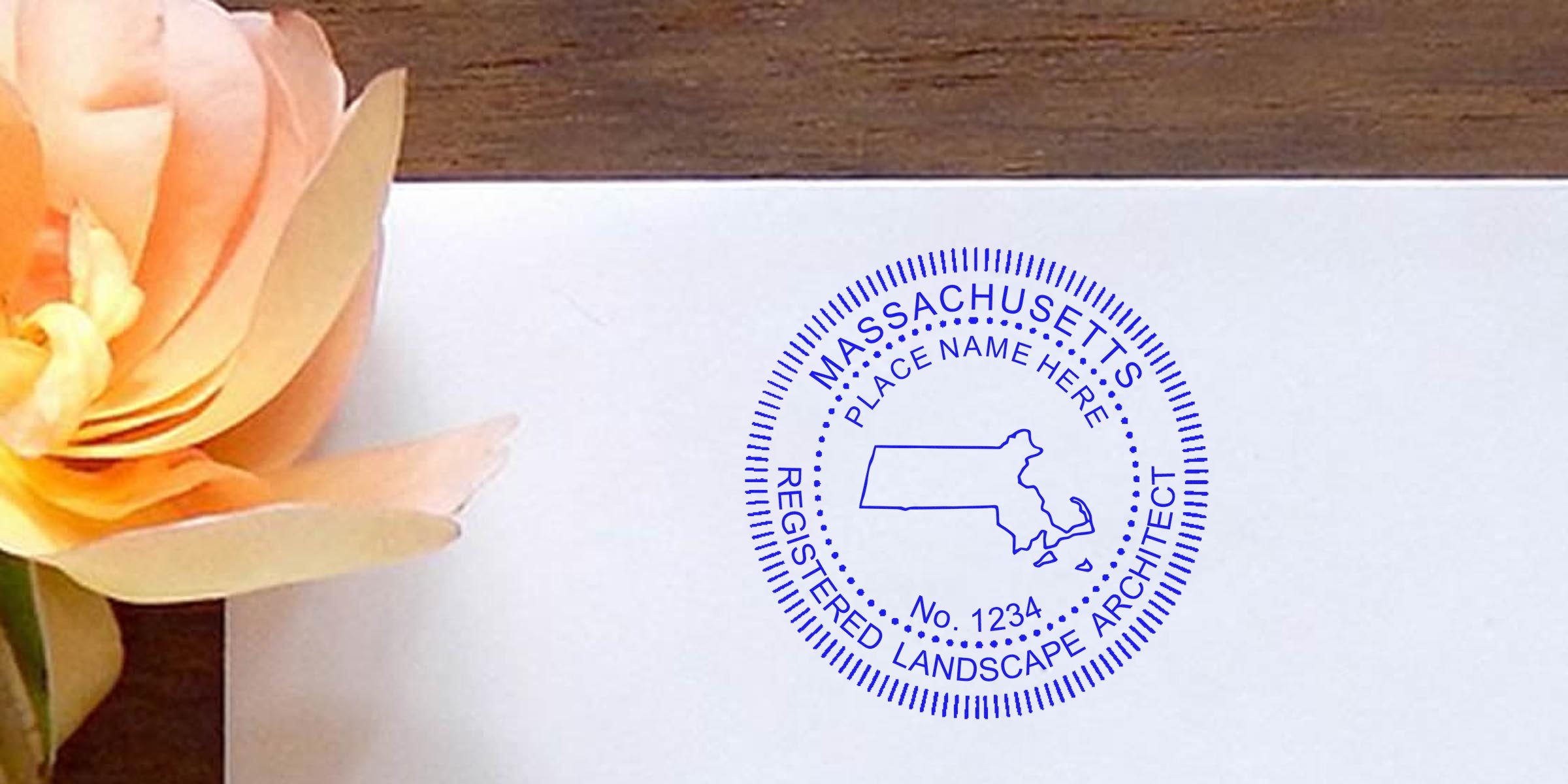
Are you looking to understand Maine Landscape Architect Stamp Design before you order your tools? You are taking an important step in following state guidelines and protecting your professional credibility. Having the right seal on your project documents is often a legal requirement, and it also helps showcase your expertise. Below, you will find a practical guide to the key rules, the basic design elements, and how to choose the best stamp format for your needs. If you are new to the process, do not worry, we will walk you through it in clear terms.
Meet Maine Licensing Standards
Before you think about the physical look of your seal, you need to know the licensing requirements set by Maine’s regulatory board for landscape architects. Typically, you cannot place an official stamp on any drawings or plans unless you hold an active state license. This license confirms you have met all education, exam, and experience prerequisites for professional practice.
Adhering to these requirements ensures your work stands up to regulatory inspections, especially when final project submissions are due for local or state review. In Maine, licensed professionals usually apply their stamp to:
- Final design plans
- Construction documents
- Landscape project specifications
Each of these documents confirms that a qualified expert is backing the work. Something as simple as forgetting to include your stamp can lead to project delays or even disciplinary action. Therefore, it is wise to keep track of the state’s updated guidelines for any rule changes. Check the Maine State Board’s website (or contact them directly) if you ever have questions about new licensing conditions.
Why Requirements Matter
Regulations about stamping exist to protect public health, welfare, and safety. For clients, your stamp is reassurance that:
- You have demonstrated a certain level of training and expertise.
- You are taking responsibility for the final design and any safety implications.
- The work follows relevant state codes and guidelines.
Good news, staying compliant is easier than it may seem once you have an authorized stamp that includes the correct details. Just make sure to keep your license in good standing by renewing on time.
Focus On Maine Stamp Design
Once you have the license, your next step is to confirm the details of the maine landscape architect stamp design. Although the exact format can vary, the state board usually requires a circular or rectangular outline that displays:
- Your name (exactly as it appears on your license)
- Your official license number
- The words “Licensed Landscape Architect”
- The state name, “Maine”
Maine boards might even specify the minimum outer diameter for a circular seal, often around 1 3/4 inches to 2 inches. Double-check those exact measurements so your stamp remains valid. For the text arrangement, many professionals prefer a circular border where the words “Maine” and “Licensed Landscape Architect” are on the rim. Your name and license number typically appear in the center. Make sure any text is neatly spaced and easy to read.
Balancing Aesthetic And Clarity
It can be tempting to pick a fancy script for your name or add extra trim to the border. However, decorative flourishes might reduce legibility. A crisp, professional font is the standard in official seals:
- Include a clear, properly spelled name.
- Use a readable font size.
- Maintain spacing between lines so the text does not crowd the border.
Remember, the stamp’s primary function is to validate documents—if your design is too elaborate, you could run into clarity issues or fail to meet state rules. Stick to a straightforward layout, and you will find it is both accepted by reviewers and easy for contractors or officials to verify.
Ensuring Longevity
In addition to clarity, think about durability. If you plan to stamp many documents, you want a design that will produce consistent impressions over time. Some seal designs may fade or shift alignment with extensive use. That is one factor to keep in mind when choosing a specific stamp type. Materials and construction quality can affect how crisp your seal appears on each page.
Choose The Right Stamp Format
A range of stamp and seal formats exist, from simple hand stamps to embossers that leave a raised impression. When deciding which format to use, consider your document volume, personal style, and typical environment (like whether you work in a home office or on-site).
Here is a quick table that compares popular seal options:
| Format | Features | Pros | Cons |
|---|---|---|---|
| Rubber Stamp | Needs separate ink pad | Typically the most cost-effective | Ink pad can dry out over time |
| Self-Inking | Built-in ink reservoir | Fast and clean impressions in one step | Eventually needs ink cartridge replaced |
| Pre-Inked | Ink infused in stamp’s surface | Unmatched detail, often lasts a long time | Might cost more initially |
| Embosser | Presses a raised impression into the paper | Official look, no ink smudging | Less visible on photocopies or scans |
| Electronic/ Digital | Comes as a file for use on digital documents | Easiest for on-screen plan approvals, no physical contact needed | Not valid if your state specifically requires a physical seal |
Aligning Format With Your Needs
Once you understand these options, ask yourself:
- How many documents do you stamp daily or weekly?
- Do you frequently work off-site, needing a portable stamp?
- Will your clients want a raised seal or is standard ink acceptable?
If you handle only a few physical copies per month, a rubber or self-inking stamp is often enough. If you plan to produce many drawings each week, a self-inking or pre-inked style can speed up the routine and provide crisp impressions. For especially formal applications, or if you want that classic embossed effect, an embosser adds prestige—though it is not always mandatory if your state’s guidelines allow simple ink stamps.
Putting Digital Seals Into Practice
Many landscape architects now include a digital seal on PDF versions of their work. Maine’s guidelines may permit electronic seals for certain submittals, but confirm with local authorities (not all digital submittals are recognized equally). A digital seal is easy to attach, fully legible, and convenient to share with clients or municipalities.
To be safe, keep in mind that some building departments still require physical stamps. If you are sending in official paper plans, be ready to create an original impression. Balancing a digital seal with a compatible physical stamp gives you the best of both worlds.
Trust Acorn Sales For Quality
Designing a valid, professional-looking stamp should not be complicated. Here is where Acorn Sales can step in to make your job much smoother. We have been in business since 1964, serving licensed professionals like you with top-quality seal solutions. We see firsthand that a properly crafted stamp can save you time and ensure your submissions are never rejected for poor impressions or missing data.
Why Acorn Sales Matters
Our team knows the ins and outs of Maine licensing rules. That means when you place your order, we will help confirm that your design lines up with the official requirements. We get that your time is valuable. Let us handle the details about spacing, border shapes, and text placement so you can stay focused on your projects.
We Provide A Free Digital Seal
Many of our solutions come with a digital seal at no extra charge. You can attach this file to any electronic plan or proposal you create. That convenience is a big time-saver if you juggle multiple clients.We Help Ensure Correct Details
We custom-build each stamp to match your license details. You do not have to worry about design mistakes that cause rework.We Offer Quick Turnaround
Thanks to our streamlined process, we strive to fulfill orders quickly, so you can begin stamping sooner.
Finding Your Perfect Product
If you request a standard Maine layout, we can deliver a ready-to-use stamp that meets state guidelines. Or you can ask for a more personalized option, such as:
- Handheld embossers for that raised-texture look
- Self-inking stamps for easy portability
- Desktop embossers for consistent alignment on thicker documents
We also understand you might have unique preferences for brand, color, or impression size. Talk to us about what best suits your workflow. Good news, you do not have to wonder if your order will comply with Maine’s board standards, we will make sure it does.
Ordering With Confidence
When you need an official maine landscape architect stamp, you can place your trust in our long history. Our products are designed to last, so you will get legible, uniform impressions every time. Whether you are just starting in the field or you have been practicing for decades, it is never too late to upgrade your stamp materials so they are comfortable, durable, and fully compliant.
You can request special changes as long as they do not conflict with state licensing rules. We will help verify that custom requests still comply. Adjusting font style or choosing a rectangular seal might be fine if the Maine board allows it. Just ask about your specific needs, and we will make sure your final design is fully acceptable.
Conclusion And Next Step
The state of Maine takes licensing requirements seriously, and so should you. From ensuring you have a valid license to applying the correct seal, each step demonstrates professionalism and legal compliance. Luckily, the process is straightforward when you know your requirements and work with a trusted supplier like Acorn Sales.
- Confirm that you hold an active Maine license.
- Choose a stamp format (ink, embosser, or both) that suits your workflow.
- Keep your design clear, including your name, license number, and “Licensed Landscape Architect.”
- Talk to Acorn Sales about any sizing or digital-seal needs.
By following these steps, you will avoid rejected documents and maintain professional standards. You are helping keep Maine’s landscapes safe, functional, and properly documented, all with a simple yet crucial mark of approval. If you are ready to order, get in touch with us, and we will make sure you have the stamp or seal that serves you best. Enjoy the peace of mind that comes from knowing every page you sign off on is recognized and respected.
Frequently Asked Questions
Do I Need A Seal On All Plans?
In most cases, yes. You should apply your Maine landscape architect seal on final documents used for construction or regulatory approvals. Some preliminary sketches might not need a stamp, but always confirm with your local building department. When in doubt, adding your licensed seal to formally presented designs can head off future disputes.
What Are Maine’s Size Requirements?
Many Maine boards specify a range (usually around 1 3/4 inches to 2 inches in diameter for a round seal). You will want to follow the number of inches they set. We can adjust your stamp design so it fits that exact measurement. Always check the current state rules in case updates occur.
Do I Need A Digital Seal?
Maine may recognize digital seals for electronic file submissions, though not all reviewing bodies accept them. A digital seal is convenient for PDF documents, so we provide one for free to accommodate those scenarios. Should you need a physical impression, keep a self-inking or rubber stamp for the final paper copies.
How Fast Can I Get My Stamp?
Once we have your licensing details right, we usually ship fast. Most standard Maine landscape architect stamps are ready in just a few business days. If you have a more complex request or need expedited production, let us know. We always do our best to accommodate your deadlines.








