
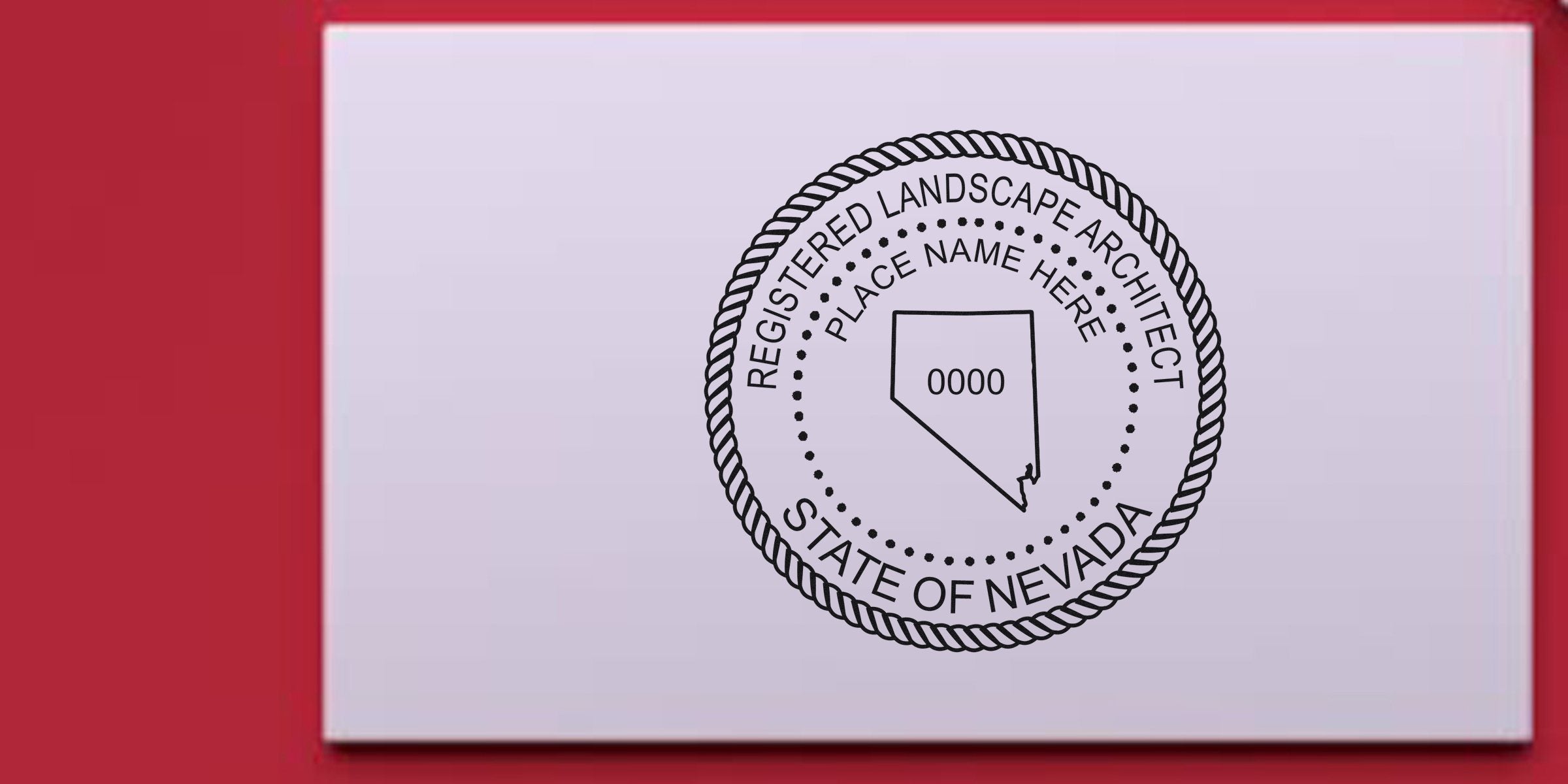
You’ve probably heard that proper Nevada landscape architect stamp size is key to staying compliant with state guidelines. But what does that really mean for you as a practicing or aspiring landscape architect? In Nevada, the details matter. From ensuring the correct diameter for your seal to choosing the best materials to make each impression clear and professional, every step can feel a bit overwhelming if you’re new to the process. Fortunately, there are straightforward ways to navigate these requirements, especially once you know what to look for. By the time you finish reading, you’ll understand how to select a perfect-fitting stamp, where to find reputable suppliers, and how to avoid the most common missteps. Ready to jump in?
Understand the Required Stamp Size
Choosing the correct diameter is crucial when it comes to your official stamp. The state of Nevada, like many others, has specific regulations on how large a landscape architect stamp should be. A properly sized stamp won’t just look neat on your official documents, it will also ensure the relevant authorities recognize that your paperwork is legit.
Why Size Matters
You might wonder, “Does one fraction of an inch really change anything?” In Nevada, the answer is yes. The purpose of a regulated stamp size is to guarantee uniformity across all licensed landscape architects’ documents. This consistency helps agencies quickly confirm that your drawings, plans, and other materials are professionally certified. If your stamp is too big, it might look clunky and take up unnecessary space on your layout. If it’s too small, the details could become illegible. Either way, it could raise questions about the authenticity of your paperwork.
Typical Dimensions in Nevada
While requirements can shift over time, you’ll commonly find that the official Nevada landscape architect seal or stamp needs to fit within a specific diameter—often around 1 5/8 inches or 2 inches, depending on current board rules. It’s always smart to confirm these details with the Nevada State Board of Landscape Architecture before you make your purchase. A quick visit to their website or a phone call to the board office can save you the headache of dealing with a wrong-sized stamp.
Know the Nevada Regulations
So, where do these rules actually come from? In most states, a regulatory board oversees licensure standards for professionals like landscape architects. Nevada is no different. These boards release guidelines that cover everything from the content of your stamp to its exact spacing.
Staying in compliance is important for more than just legal reasons; it also boosts your credibility. Any building department, government agency, or prospective client who sees a well-formatted stamp immediately knows you’re following the rules. That’s an instant trust builder. If your stamp doesn’t match official guidelines, it could delay project approvals or lead to enforcement action. That’s the last thing you want when you’re in the middle of a major project.
Keeping track of the latest laws might sound a bit tedious, but remember, regulations don’t typically change overnight. A quick annual check of the board’s updates does the trick. You’ll stay informed, avoid any guesswork, and make sure each project you work on holds up to state scrutiny.
Consider Your Stamp Materials
Once you know the exact dimensions you need, the next big question is material. Are you looking for something classic and professional, or do you want a modern tool that does half the work for you? There’s no one-size-fits-all answer here. The “best” tool depends on your preferences, your budget, and how frequently you’ll be using the stamp.
Rubber vs Self-Inking
Rubber stamps are often cost-effective and easy to customize. With these, you’ll need a separate ink pad. That can seem like an extra step, but you usually have more color choices and can replace the ink pad on the cheap.
On the other hand, self-inking stamps contain the ink mechanism inside. When you press down, the stamp face meets an internal pad for a quick impression. They’re faster to use, which is a real plus if you’re stamping many sheets in one go. However, you’ll need to refill the ink inside the housing if it starts to run low, and there tends to be a narrower range of color options.
If you’re a firm believer in crisp, consistent images, either option can work well as long as you invest in a high-quality product. In the end, it really comes down to how frequently you plan to stamp and which style you prefer.
Work With Acorn Sales
When you’re ordering a Nevada landscape architect stamp, you want a supplier you can count on. That’s where Acorn Sales comes in. We’ve been in business since 1964, guiding professionals across the country with sturdy, dependable seals and stamps. Whether you’re new to the industry or you’ve been practicing for years, our team takes pride in helping you find exactly what you need.
We offer a free digital seal with your physical stamp purchase, so you can mark up electronic documents without having to hunt for extra software or complicated add-ons. That’s one less thing to stress over when you’re juggling multiple projects at once. And if you’re wondering which stamp format best suits your needs—rubber, self-inking, or even pre-inked—our experienced staff can walk you through the pros and cons.
You can also explore nevada landscape architect stamp right on our site. This resource gives you quick specifics so that you can compare options, check sizes, and ensure you’re ahead of any curveballs from the regulatory board. Plus, you’ll find tips on caring for your stamp, ordering refills, and managing digital seals.
Get Your Official Stamp
By now, you might be wondering, “Okay, so how do I apply for this, and what’s the best way to get my hands on the correct size?” Let’s lay it all out:
-
Check Your Licensing Status
- Make sure you’re fully licensed or well on your way. You’ll typically need an active license number before you can get an official seal.
-
Verify Current Regulations
- Confirm the size requirements and other guidelines through the Nevada State Board of Landscape Architecture. That includes whether they allow electronic seals, if you need an exact design, and if there are any brand-new updates.
-
Choose Your Stamp Style
- Decide whether you’d like a traditional rubber stamp or a self-inking model. Catch yourself stamping dozens of documents a day? A self-inking stamp might save you loads of time.
-
Place Your Order
- Once you know the specs, place your request with a dependable provider. That’s where Acorn Sales shines. Just share your details, and we’ll create your seal according to official Nevada standards.
-
Practice Proper Placement
- A stamp is only as good as its location on the page. Make sure you place it somewhere visible, preferably in a designated stamp box or near your signature. This prevents it from overlapping important text or design elements.
-
Keep an Eye on Ink Levels
- Whether you use a rubber or self-inking stamp, you’ll want consistent, legible impressions. If your stamp starts to fade, it’s time to either re-ink or swap out the pad.
If you’re sending digital documents, don’t forget to use your complimentary digital seal from Acorn Sales. It’s as easy as inserting an image file or embedding a PDF stamp onto your plans. Having both a physical embosser or stamp and an electronic version means you’re covered no matter what the submission requirements might be.
Avoid Common Mistakes
Mistakes can happen, especially if you’re rushing to meet a deadline. The good news is most of them are totally preventable once you know what to watch out for. Here are a few pitfalls landscape architects often face:
Ordering the Wrong Size
If you’re just over or under the required dimensions, your seal could be deemed non-compliant. Always double-check your measurements and the current rules before you order.Fading Ink
A partially stamped impression might look messy or unprofessional. If you notice a faint spot or inconsistent design, change your ink pad or re-ink your stamp right away.Misplacing the Stamp
Keep your stamp in a dedicated spot. If you share an office, label it clearly. You don’t want to lose your official seal, especially when you need to submit urgent documents.Overcomplicating Your Stamp
While the design should match official guidelines, avoid adding extra text or decorative elements that aren’t required. The state board expects to see your name, license number, and the standard design layout. Anything else could slow down the approval process.-
Placing It Incorrectly on Plans
Don’t tuck your stamp away in the corner where no one can see it. Similarly, avoid stamping over text or graphics. Aim for a spot where it’s visible and legible, and remember to sign where indicated.
Taking small precautions now will save you from scrambling later. If you do slip up, just correct it as soon as possible. Most regulatory boards are willing to work with you, especially if it’s your first offense. But repeated errors? That might lead to fines or warnings that could hurt your standing in the professional community.
Wrap Up and Next Steps
By paying attention to the details—especially Nevada landscape architect stamp size—you’re making sure every project you submit is compliant and professional. Much of what we’ve discussed boils down to a little planning and consistent upkeep. From verifying the current rules to choosing a high-quality supplier, getting your stamp right the first time will save you headaches down the road.
Remember to keep your physical stamp safe and your digital seal handy. That balance helps you handle everything from traditional paper submissions to the latest online processes. If you’re feeling unsure about any of these steps, don’t hesitate to talk with a trusted source, whether that’s a representative at the Nevada State Board of Landscape Architecture or a helpful pro at Acorn Sales. After all, having confidence in your tools sets you up for smoother operations and stronger client trust.
By now, you’re in a great position to streamline your stamp selection and stay on top of changing regulations. Whether you plan to order a new seal next week or next year, take a moment to bookmark these tips so you can come back to them whenever you’re ready. Happy stamping!
Frequently Asked Questions
What is the correct size for a Nevada landscape architect stamp?
Nevada’s requirements can change, but most stamps and seals measure around 1 5/8 inches or 2 inches in diameter. Check the latest rules from the Nevada State Board of Landscape Architecture to confirm the exact measurement.
Does Acorn Sales offer a free digital seal?
Yes. Whenever you order a physical stamp from Acorn Sales, you receive a free digital seal. This comes in handy for emailing or electronically submitting your plans and documents, saving you time and extra costs.
How do I maintain a self-inking stamp?
Keep an eye on the ink levels. If impressions start looking faint, it’s time for a refill. Regularly wiping the stamp plate with a soft cloth can also help remove dust or dried ink buildup.
Why should I trust Acorn Sales for my stamp order?
We’ve been in the stamping business since 1964, so we’ve seen just about every type of seal or stamp out there. Our expertise ensures you receive a product that meets state guidelines and stands up to repeated use, all while looking polished and professional.








