
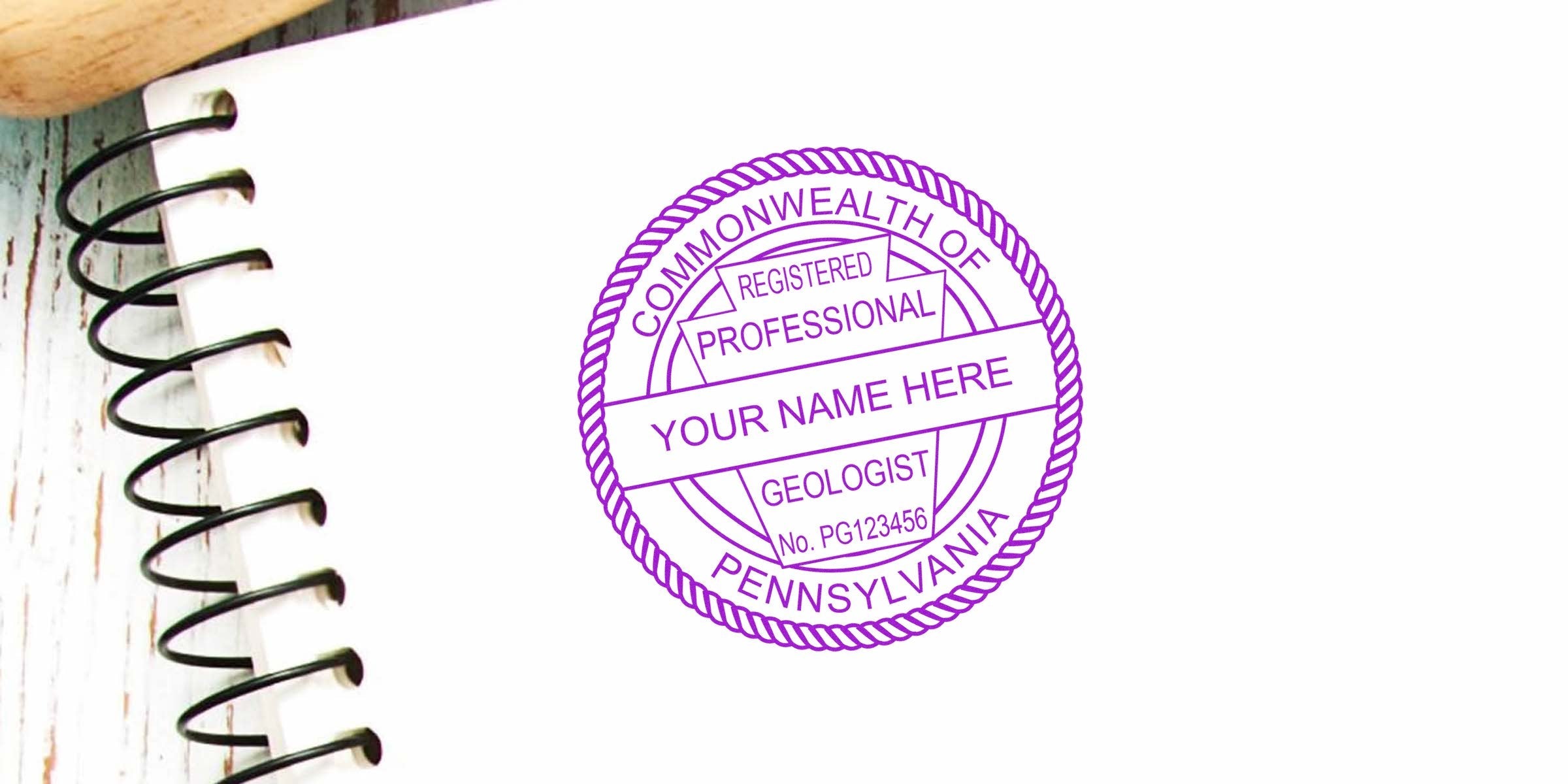
When you need to present your professional credentials as a geologist in Pennsylvania, it’s natural to wonder if your stamp measures up—literally. After all, proper Pennsylvania geologist stamp size specifications can be the difference between an official document and one that might raise eyebrows. In this guide, you’ll find a friendly, step-by-step explanation of what your stamp should look like, how big it should be, and why it matters. You’ll also discover practical tips on choosing a reliable provider, maintaining your stamp, and meeting Pennsylvania’s rules without breaking a sweat.
Before we dive in, here’s the biggest takeaway: with the right stamp size and design, you’ll project professionalism and ensure your paperwork stands on solid ground. Ready to learn more? Let’s get started.
Know The Essential Standards
Understanding exactly what Pennsylvania expects from your official seal is the first step to compliance. While the commonwealth may not seem overly strict, it does have clear guidelines that you shouldn’t ignore.
Why The Standards Exist
Pennsylvania’s regulations for professional geologists are all about maintaining credibility. When clients, employers, or government agencies see your seal, they need to trust that it symbolizes thorough training, competence, and quality assurance. If your stamp is too big, too small, or missing required information, it could reflect poorly on your work—or even cause licensing issues.
Core Elements To Include
At minimum, your stamp should show:
- Your full name as registered.
- The title “Professional Geologist” or its abbreviation.
- Your license number (as issued by Pennsylvania).
- The words “Commonwealth of Pennsylvania” or a close variation if required by the board.
Double-check that all text is spelled correctly and clearly visible in printouts, photocopies, and even digital scans. The best stamps use legible fonts, so no one has to squint or guess at the letters.
Check The Correct Dimensions
Now, let’s focus on the heart of the matter: Pennsylvania geologist stamp size specifications. Although Pennsylvania does issue specific guidelines, the exact diameter (for seals, which are usually circular) can vary slightly based on formatting. Most professionals opt for a stamp that is between 1⅝ inches and 2 inches in diameter, depending on board preferences and document requirements.
Why Size Matters
Every piece of official documentation you sign and seal represents you as a licensed professional. A stamp that’s too large may overwhelm the page, while something too small could be overlooked or deemed non-compliant. The right dimensions make your seal easy to spot and read, but not so big that it dominates the content.
Commonly Accepted Measurements
If you’re trying to pick a standard size that satisfies most Pennsylvania guidelines, consider these points:
- A 1⅝-inch diameter is a popular choice for clarity and balance.
- Some prefer a 1¾-inch diameter for a slightly larger impression.
- Make sure the text and any border design remain crisp, even at smaller diameters.
In many cases, your personal preference and ease of use can guide you. If you tend to sign documents wherever you go, you might prefer a convenient, handheld stamp with a 1⅝-inch seal. If you work in an office and want a bit more emphasis, 1¾ or 2 inches might be just right.
Verify Regulatory Details
You don’t want to rely on guesswork when your professional standing is on the line. Checking (and rechecking) the official regulations is crucial, even if you’ve been using a stamp for years. Rules can change, and it’s easier to adjust your seal than to rectify a compliance headache later.
Consult Pennsylvania Board Guidelines
The Pennsylvania State Board of Professional Engineers, Land Surveyors, and Geologists typically outlines exact specifications in their code or handbook. If you haven’t looked at the official text in a while, consider a quick review. That way, you’re not basing your business decisions on outdated rules. For more on overall stamp regulations, you can also take a look at the pennsylvania geologist stamp requirements.
Keep Your License Current
Your stamp is a reflection of your active status. If your license lapses, you shouldn’t use your seal until you’re properly reinstated. Regularly check your renewal dates, and make sure you complete any continuing education requirements on time. That way, your seal doesn’t end up collecting dust once expiration hits.
Design Tips For A Clear Impression
Beyond just size, you want your seal design to be attractive, legible, and easy to reproduce. The last thing you want is a smudgy or cluttered stamp. Clarity is key, especially when documents are scanned, copied, or archived digitally.
Pick Readable Fonts
Any official seal typically includes a ring of text around the outside. Choose a typeface that remains legible and doesn’t shrink details into an unreadable jumble. Simple serif or sans-serif fonts often work best. Resist the temptation to use overly stylized lettering that might make your seal look trendy but unreadable.
Double-Check Iconography
Some seals or stamps incorporate small symbols or outlines. For Pennsylvania geologists, the state’s outline or a geology-related emblem might be tempting. That’s great if your board (or the standard design) allows it, but confirm it’s not interfering with text. A busy emblem can easily overlap or reduce your name’s clarity if not sized properly.
Choose A Trusted Supplier
Once you’ve got a handle on size and design, it’s time to order. This is where the rubber meets the paper—or the impression meets the page. A reliable supplier can help you confirm that your Pennsylvania geologist stamp size specifications are spot-on. They’ll likely also offer guidance on materials, styles, and additional features.
Why Supplier Matters
A professional stamp maker understands not just the basic specs, but also the practical realities. How well will the stamp hold up to repeated use? Will the grip work comfortably if you’re stamping dozens of documents a day? These details matter for your workflow and image.
Our Recommendation: Acorn Sales
If you’re looking for a supplier that’s been around the block, Acorn Sales has you covered. We’ve been in business since 1964, providing geologists like you with top-notch stamps and seals. We also include a free digital seal with every order so that you can attach your official mark to electronic documents anytime. Having a digital version can save you from last-minute scrambles to stamp physical paperwork, especially if you’re traveling or working remotely.
Consider Ink And Mount Types
A stamp isn’t just about shapes and letters. The right ink and mount type can make a difference in your daily routine and the overall lifespan of your seal. Here are a few considerations to keep in mind.
Self-Inking Vs. Manual
- Self-Inking Stamp: Comes with an internal ink pad, so it quickly re-inks itself after each impression. This option is convenient and typically faster to use.
- Manual Stamp: Requires a separate ink pad. While it might be slightly less convenient, some professionals prefer the control and flexibility it offers.
Pick the style that best fits your workflow. If you’re frequently stamping field reports or multiple-page documents, a self-inking design can save you time.
Ink Color
Most Pennsylvania documents are stamped in black or blue ink. Check if your board has a preferred color for official impressions. In many cases, black is a standard choice because it scans well and stays these clearly on photocopies.
Handle And Grip
Traditional wooden handles can look classic, but ergonomic plastic or metal designs might be more comfortable if you stamp often. If aesthetics matter, you can find a range of handle designs. Just ensure you’re not sacrificing comfort or clarity for style.
Maintain Your Stamp For Longevity
Your geologist seal is a career-long tool, so it’s worth caring for. Proper cleaning and storage will keep your impressions clear and consistent. After all, a smudgy or incomplete seal might cause confusion when you’re signing off on an important geological report.
Storage Essentials
Store your stamp away from direct sunlight and extreme temperatures. Prolonged exposure to heat can dry out the ink pad or cause warping. Dust and debris can also collect on the surface, resulting in lighter or blotchy impressions.
Cleaning Routine
If your self-inking stamp begins to fade, refilling the ink pad or replacing it altogether is generally easy. If you’re using a separate ink pad, keep it covered when not in use to prevent drying. Wiping the surface of your stamp with a damp cloth occasionally clears away any buildup.
Apply The Seal On Documents
Once you’ve got the perfect stamp, it’s time to put it to good use. But how exactly do you get that perfect impression every time?
Position It Well
Placement can vary depending on document format, but generally, your seal belongs near your signature or on a designated section. Keep it out of text-heavy areas so it’s not overlapping any important details.
Use Steady Pressure
To avoid patchy or smeared impressions, press your stamp down evenly and hold for a second or two. Then, lift it straight up without tilting. For large batches of documents, consistency is your friend.
Learn From Practice
If you’re new to stamping, try a few practice runs on scrap paper. This helps you gauge how much pressure to apply and ensures your final documents look professional. Don’t worry, you’ll quickly get the hang of it.
Stay Updated On Licensing
Regulations can change. If Pennsylvania’s rules get updated, you might need to adjust your stamp design or size. Keep an eye on any newsletters or communications your licensing board sends out. Quick updates can save you a lot of hassle in the long run and ensure every impression from your seal remains valid.
Put It All Together
Getting your Pennsylvania geologist stamp size just right may seem like a small detail, but it ties directly into maintaining your hard-earned credential and professional reputation. By confirming the dimensions, ensuring clarity, and working with a trusted manufacturer like Acorn Sales, you’ll stamp every document confidently. You’ll also have peace of mind knowing you’re aligned with Pennsylvania’s expectations. Here’s a quick recap:
- Aim for a circular stamp between 1⅝ inches and 2 inches in diameter.
- Verify your design matches official Pennsylvania guidelines.
- Use legible fonts and avoid overly fussy iconography.
- Consider convenience features like self-inking and ergonomic handles.
- Keep your stamp well-maintained to prevent fading or smudging.
- Track any updates from the Pennsylvania licensing board so you stay compliant.
The more you personalize your stamp to your workflow and style, the easier your day-to-day tasks become. Take a moment to double-check your current seal. If it’s showing wear or doesn’t match updated standards, maybe it’s time for an upgrade. After all, your stamp is a direct extension of your professional standing. You deserve one that meets or exceeds every requirement.
Putting your name on the line—literally—is a big deal. With the right stamp size and style, you’ll convey polish and expertise every time you sign off on a document. If you need help choosing a high-quality impression, Acorn Sales is happy to walk you through the process. Here’s to many years of confident stamping. Go forth and make your mark!
Frequently Asked Questions
What Is The Standard Size For A Pennsylvania Geologist Stamp?
Most geologists find that a 1⅝-inch diameter seal satisfies the state’s guidelines. However, some opt for a 1¾-inch or 2-inch stamp for increased visibility.
Is It Required To Use A Circular Shape?
Although the circular design is common, some states allow variations. Always confirm Pennsylvania’s current policy on shapes if you plan to do something outside the norm.
Do I Need A Digital Version Of My Seal?
It’s not always mandatory, but having a digital seal can be extremely handy for electronic submissions. Companies like Acorn Sales provide a free digital seal with your order.
What Ink Colors Are Acceptable?
Black ink is often preferred because it reproduces well in scans and copies. Blue ink is also popular. Check if Pennsylvania’s board has a stated color preference.
How Do I Stay Compliant With New Rules?
Keep up with communications from the Pennsylvania State Board of Professional Engineers, Land Surveyors, and Geologists. Regularly reviewing the pennsylvania geologist stamp requirements is also a good way to stay informed.








