
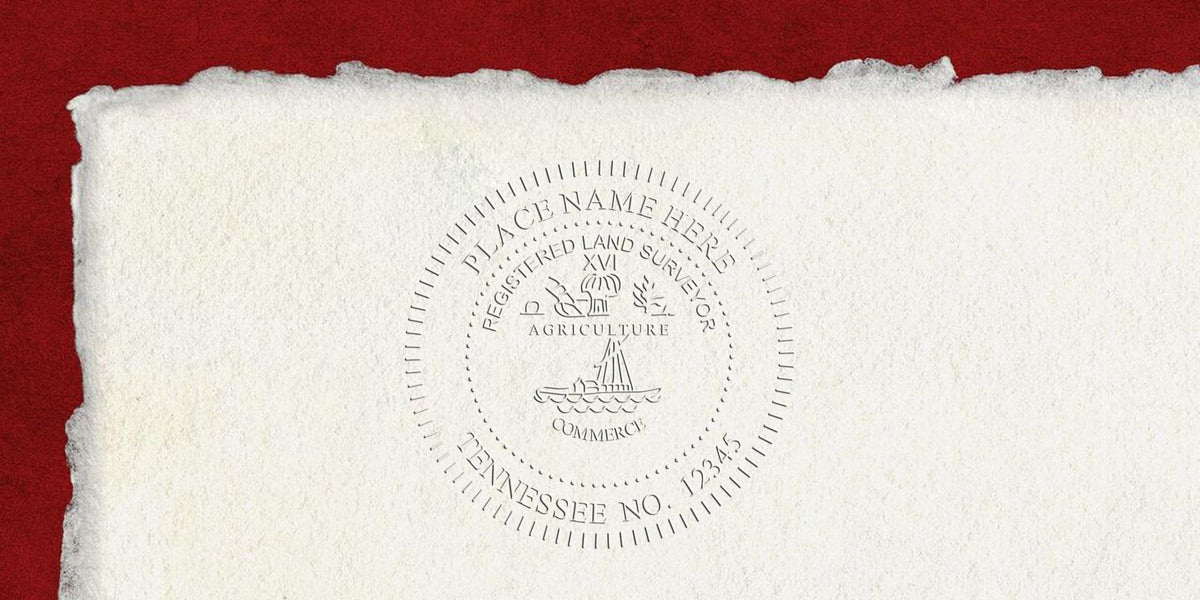
Explore The Tennessee Land Surveyor Seal Embosser
Are you a Tennessee land surveyor looking to make your mark, literally? Then you know that having the right Tennessee land surveyor seal embosser can be the difference between a crisp, professional finish and a barely legible imprint. Seals and stamps are important for validating your work, adding credibility, and ensuring your clients feel secure about the accuracy of your surveys. But what makes an embosser the “right” choice for you? And how can you optimize its usage in day-to-day work? This guide walks you through the fundamentals, from regulatory guidelines to practical tips, so you can get it right every time.
Understand The Purpose Of A Surveyor Seal
You might be wondering why a small imprint can hold so much weight. In Tennessee, your surveyor seal is a formal acknowledgment of professional responsibility and serves as proof that your work meets state standards. Without it, your detailed plans or survey reports might lack the official stamp of approval needed to satisfy local authorities or your clients.
This seal also protects your reputation. When people see a clear, official mark on your drawings, they can trust that you’ve followed the protocols set by the Tennessee Board of Examiners for Land Surveyors. In short, you’re not just stamping a piece of paper, you’re showcasing your expertise and integrity.
Know The Tennessee Requirements
Tennessee has detailed expectations for how licensed land surveyors must use stamps or seals. Maybe you’ve already skimmed the official regulations or heard bits and pieces from colleagues. However, the best way to stay compliant is to review the tennessee land surveyor stamp requirements in full.
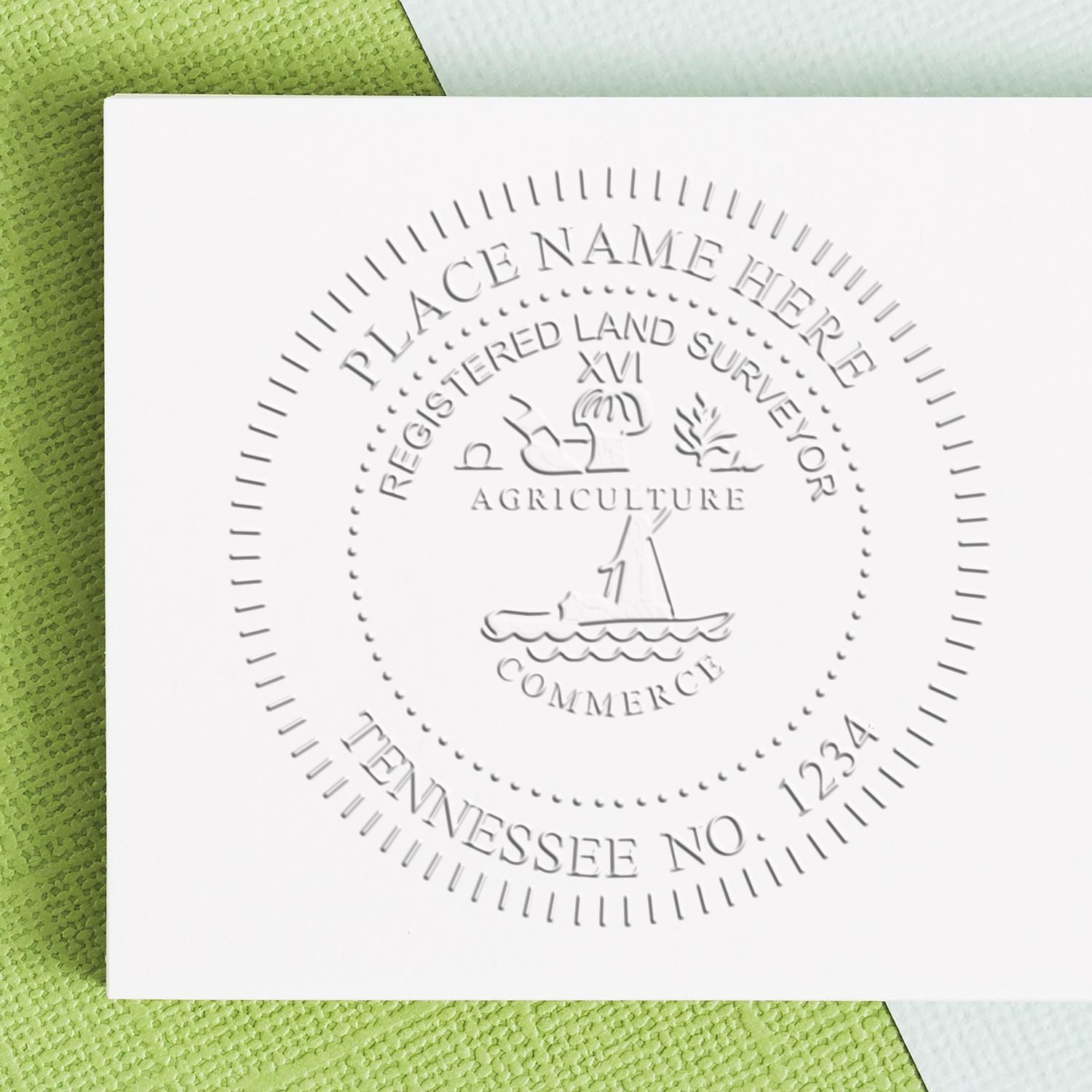
It’s also a good idea to keep an eye on updates from the state board, just in case new guidelines come into play. Typically, these rules specify everything from seal size and format to usage on record documents. They might also demand that your seal include your name, license number, and the phrase “Registered Land Surveyor” or “Professional Land Surveyor.” While these specifics can feel overwhelming at first, they’re designed to protect you, your clients, and the public by ensuring clarity and accountability.
Key Elements For A Compliant Seal
- Clear license number, easily visible.
- Accurate wording referencing your professional title.
- Proper diameter (often around 1.5 to 2 inches, but check current laws).
- Legible text and design that won’t fade into the background.
If you meet these requirements, you’ll feel more confident in every stamp you make. Plus, it helps you present a polished, consistent look across all your professional documents.
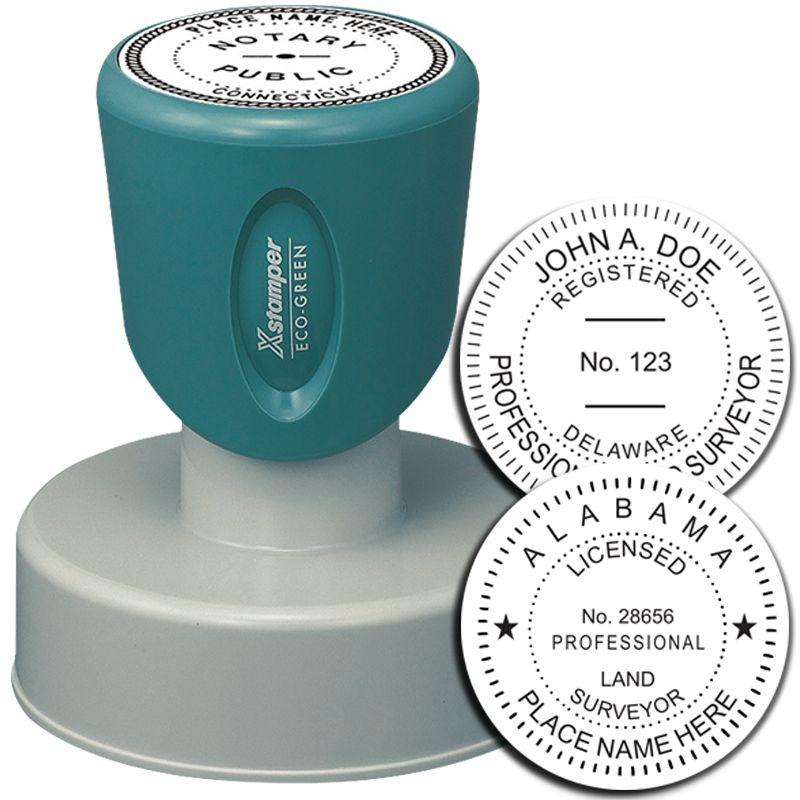
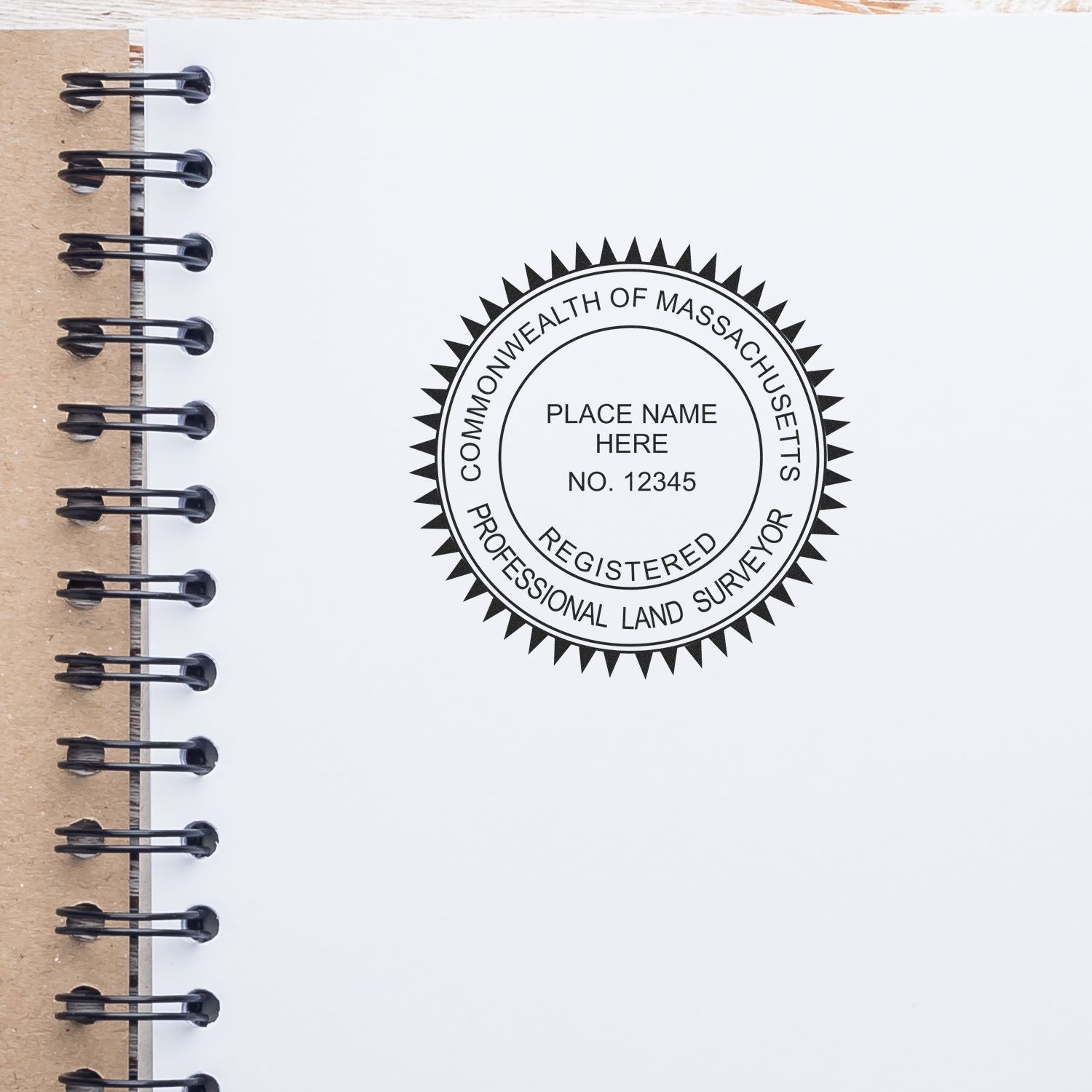


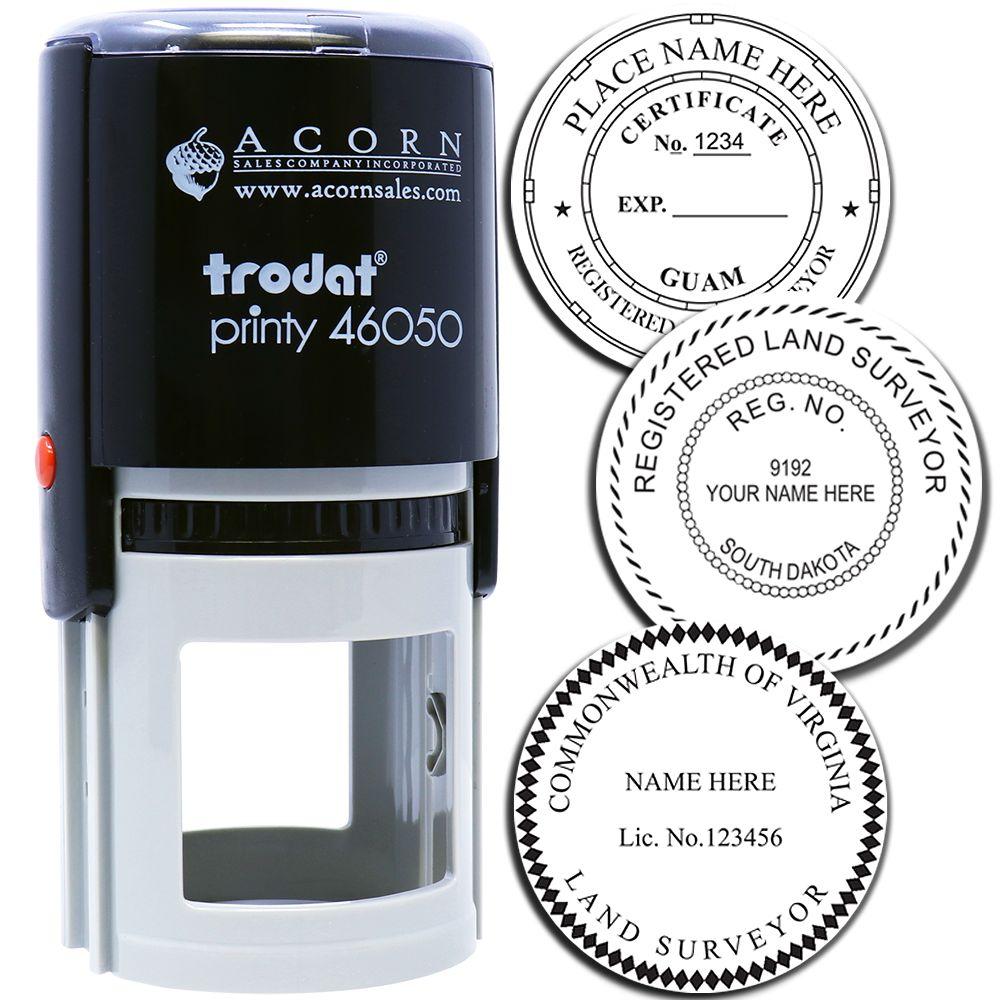

Choose The Right Embosser Style
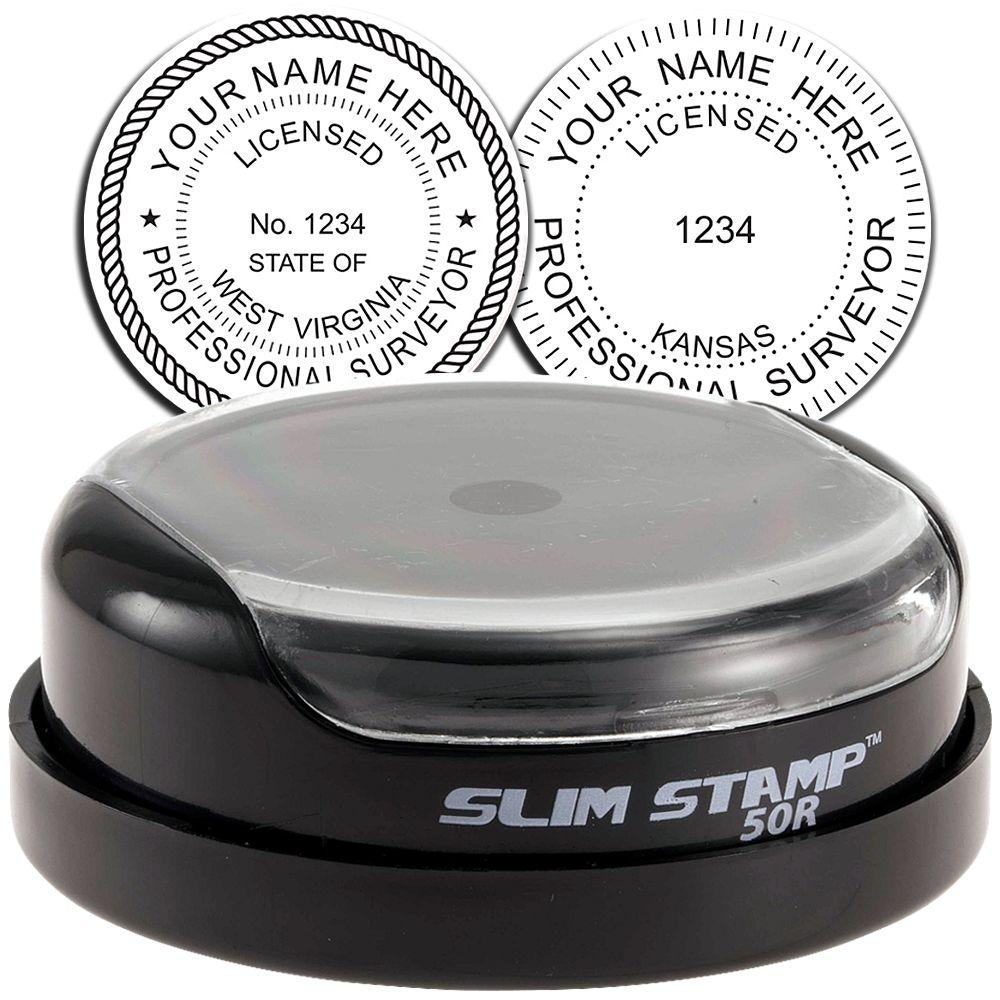
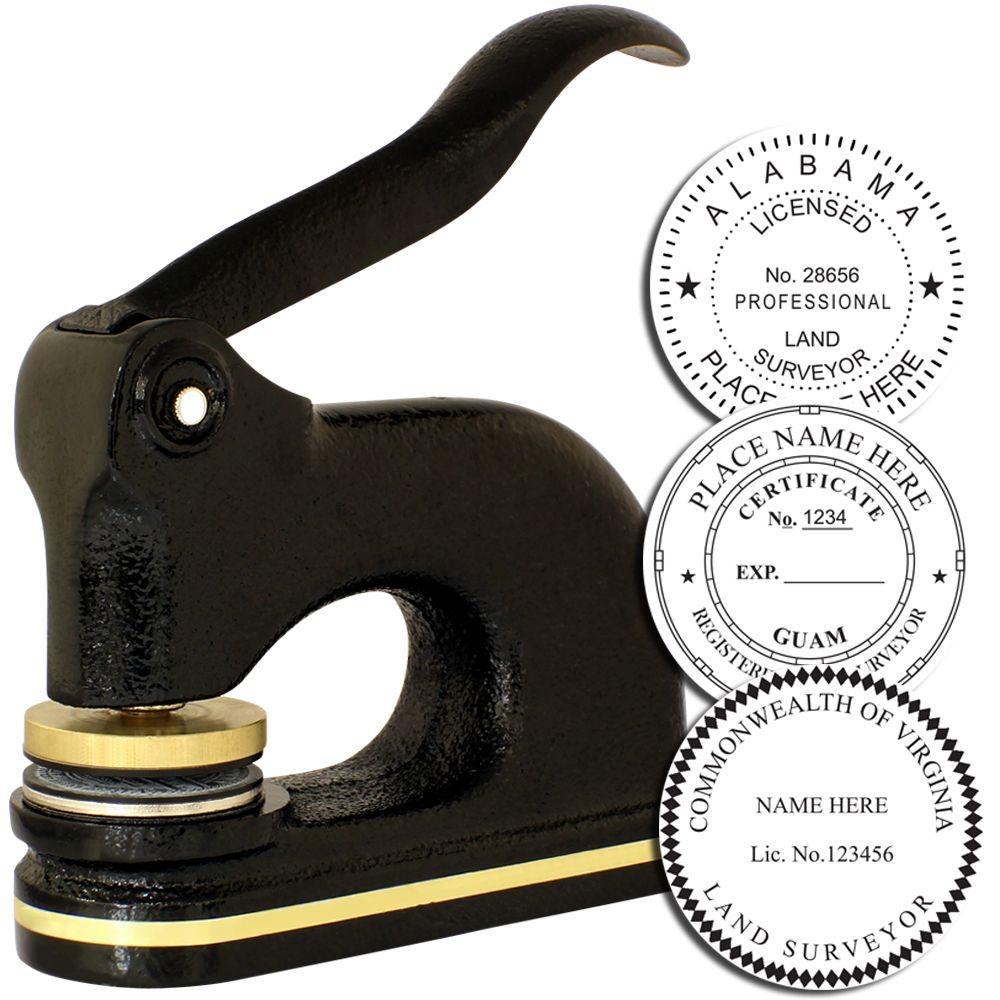
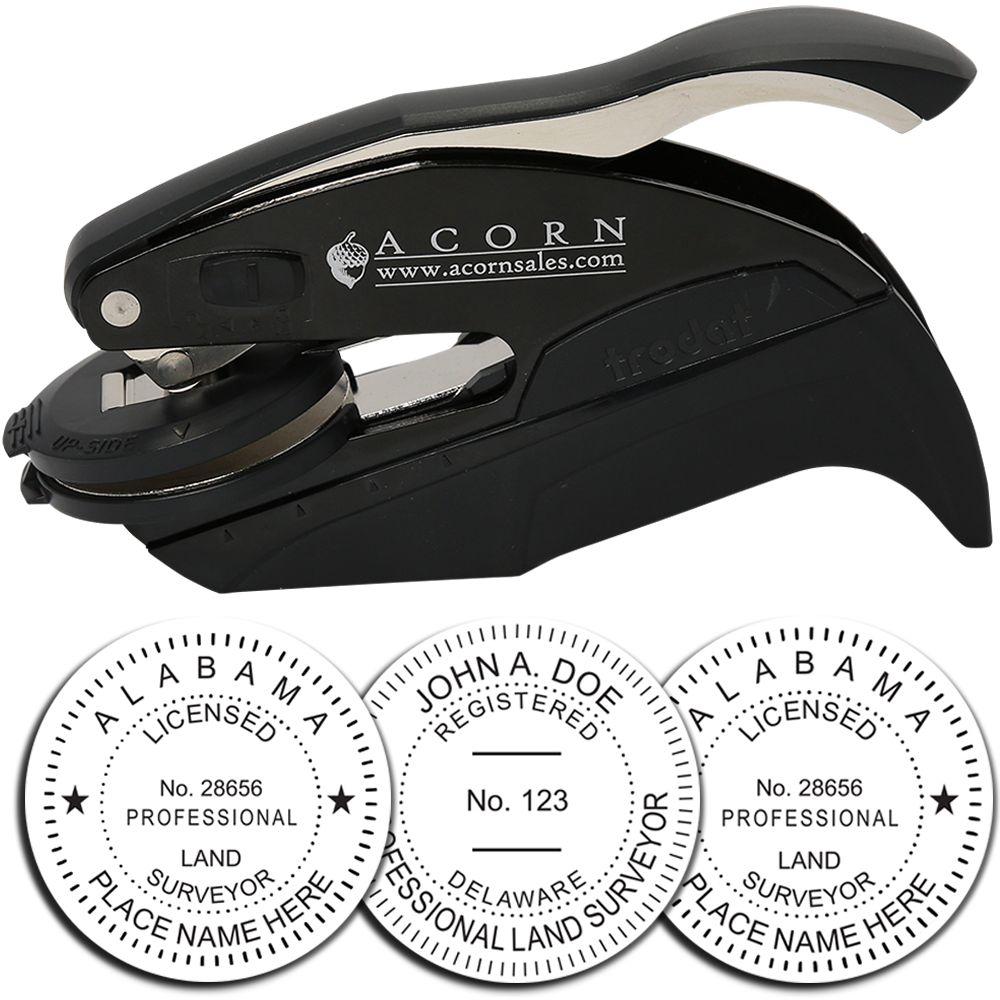
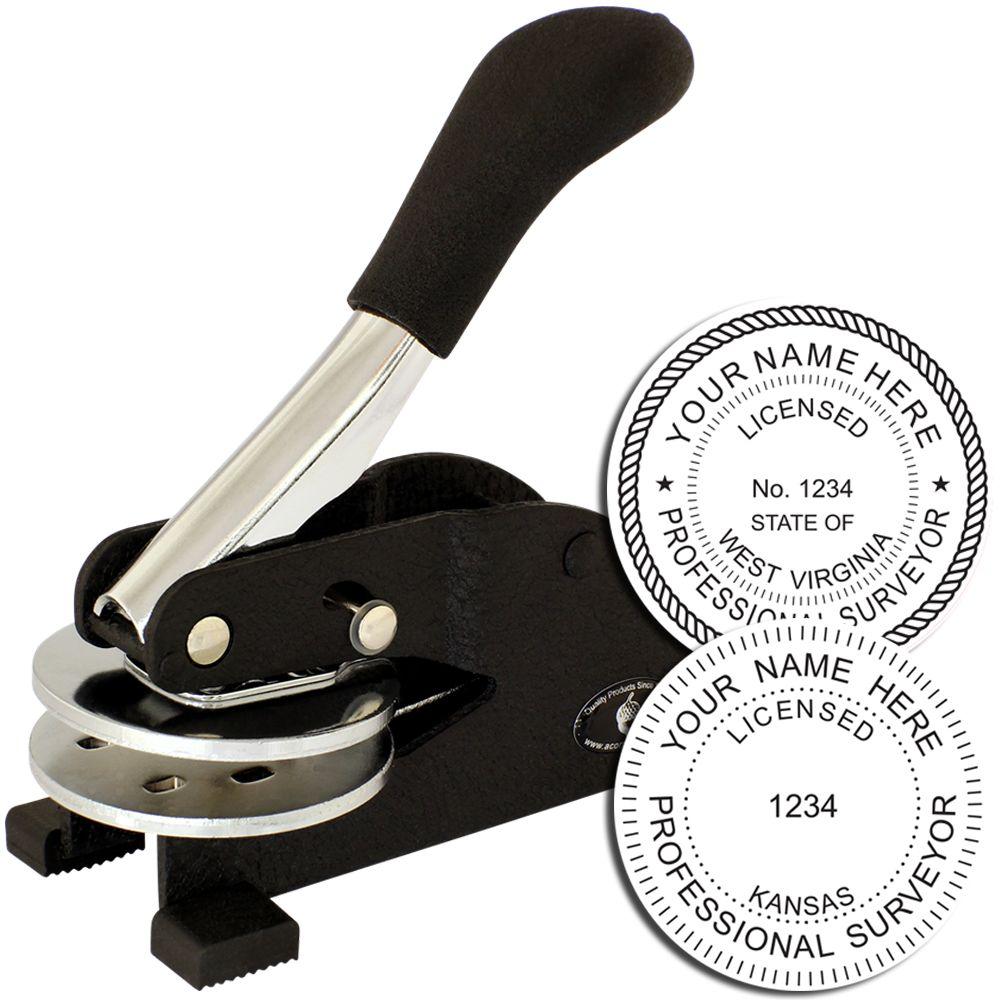
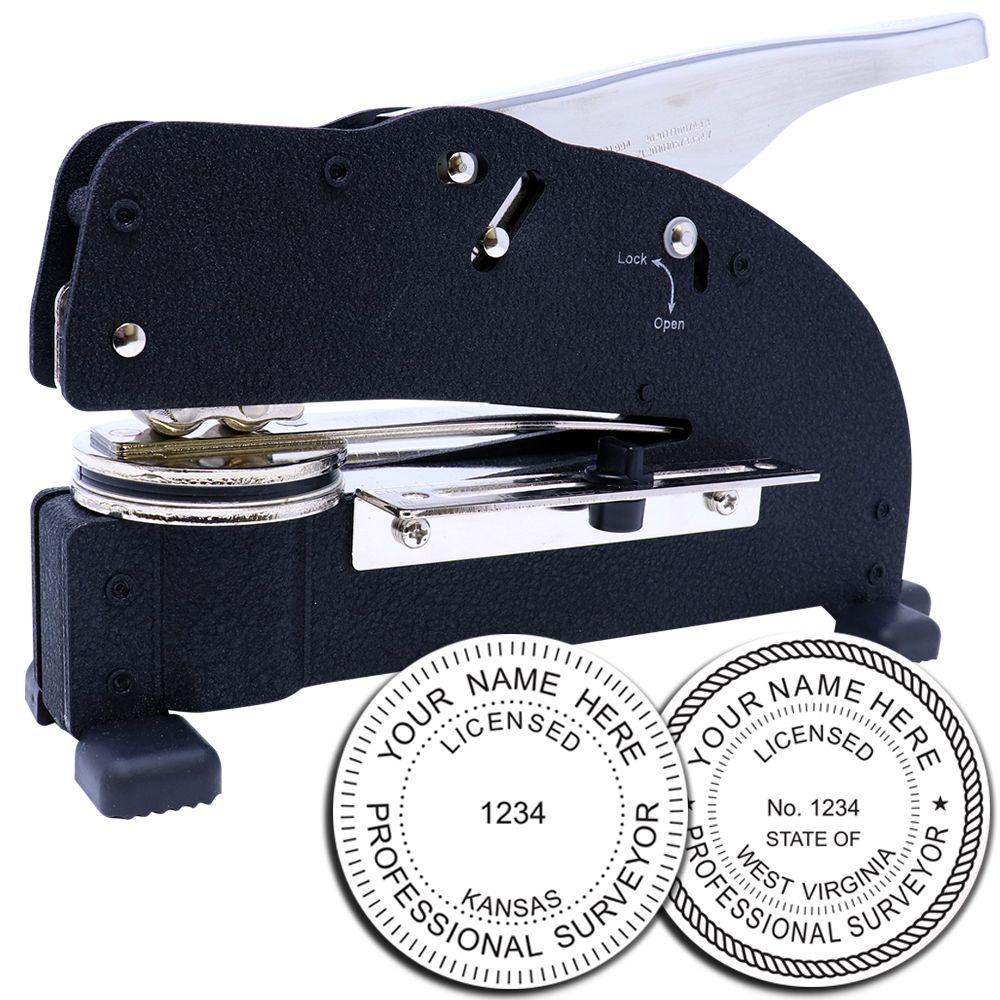
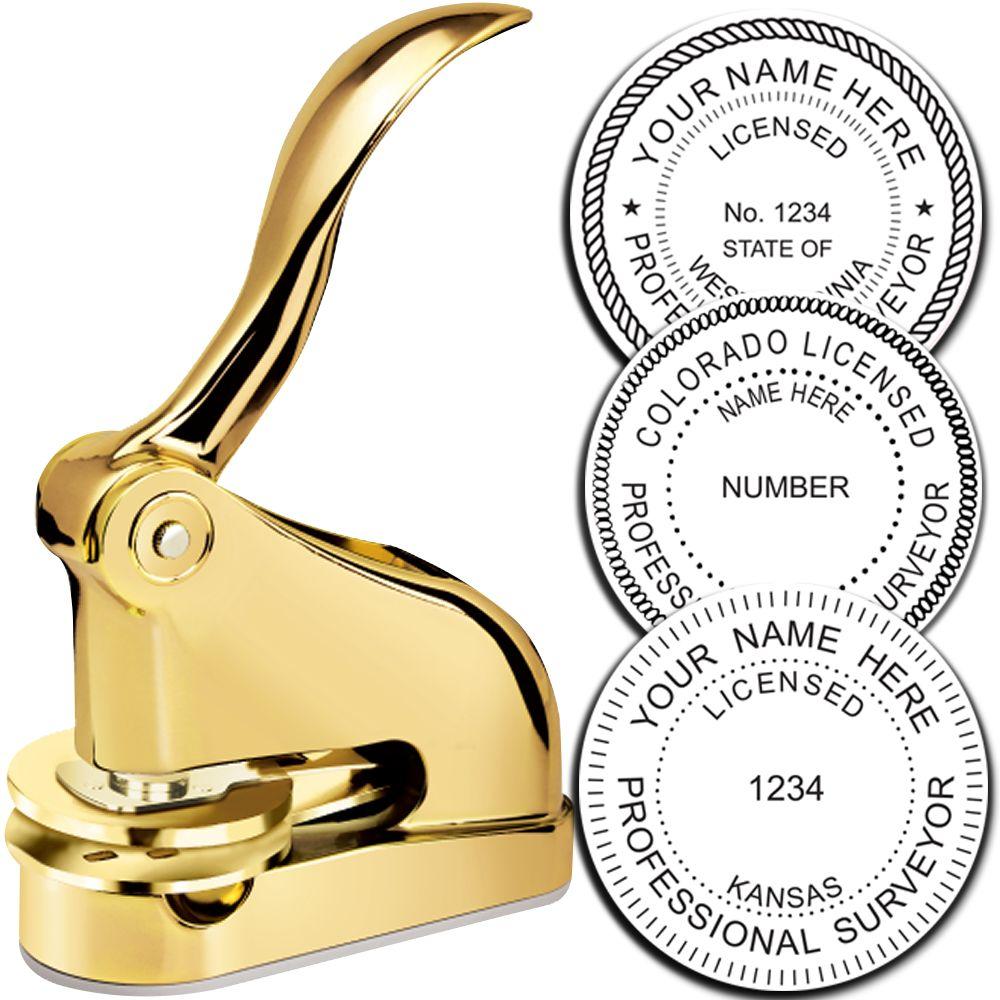
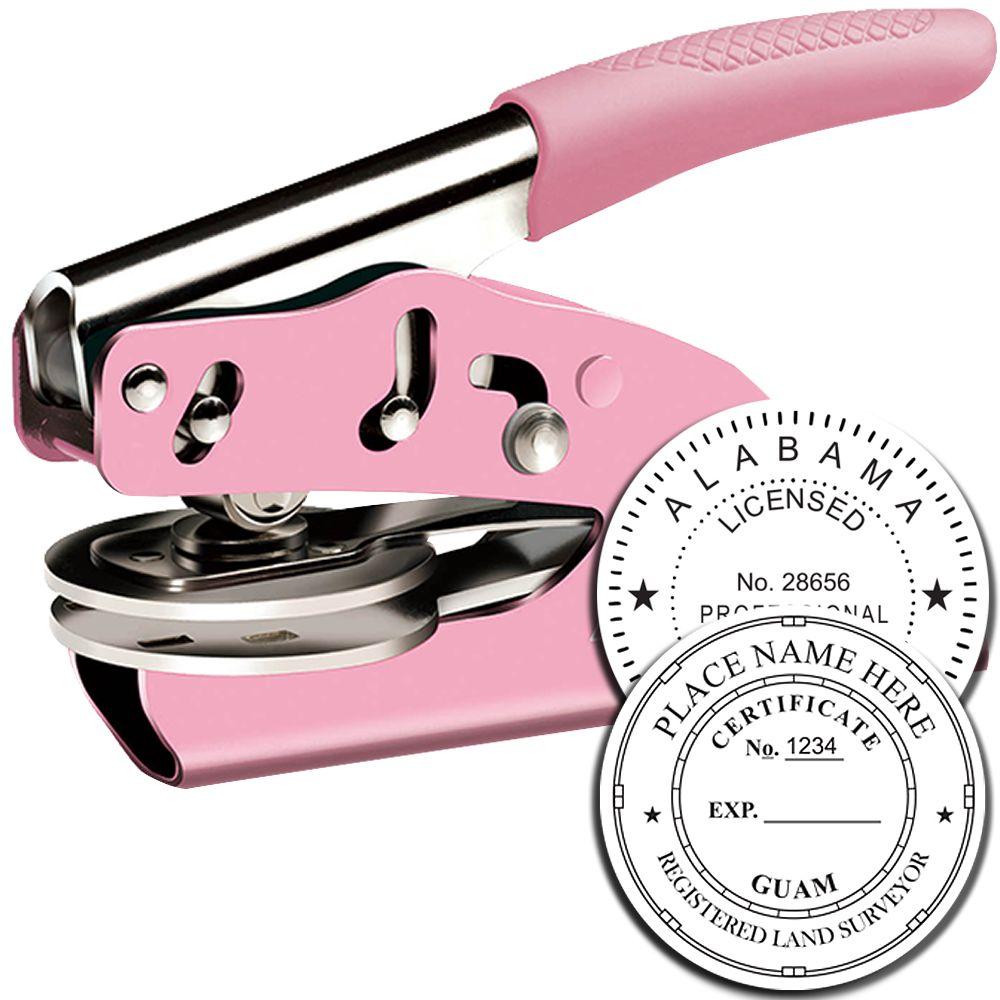
Let’s be honest, not all embossers are created equal. Some are handheld and easy to transport, while others are desk models that offer a more substantial, heavier build. The type you pick often depends on your workflow. If you find yourself working on-site most days, a portable handheld embosser could be your go-to. But if you prefer a steady office environment with large stacks of documents to seal, a desk model might offer the consistency you need.
Materials also matter. High-quality metal embossers tend to produce sharper impressions, ensuring that every line and letter stands out. Plastic handles can be lighter and sometimes more budget-friendly, but they might wear out faster if you’re sealing dozens of documents daily.
Desktop vs Handheld Embosser
-
Desktop Embosser
- Provides uniform pressure.
- Often more durable for high-volume use.
- Takes up space, so best for a dedicated work area.
-
Handheld Embosser
- Lightweight and portable for on-site visits.
- May require extra force to get a clear impression.
- Easy to store when not in use.
Think about your day-to-day tasks to decide which style best fits your workload. There’s no one-size-fits-all, but the right choice can minimize effort and reduce the risk of subpar impressions.
Perfect Your Technique
Getting a crisp seal impression is partly about the tool you use and partly about your technique. If you’ve ever struggled with uneven or faint embosses, you’re not alone. One small change in angle or pressure can make a big difference. Here’s a quick how-to:
- Align your document correctly. Make sure the area you plan to seal is flat and free of creases.
- Place your embosser so the design lines up exactly where you want it.
- Apply steady pressure. A quick, abrupt stamp might result in a partial impression.
- Double-check for clarity. If it’s not up to snuff, you’ll want to adjust your approach or check if the embosser needs maintenance.
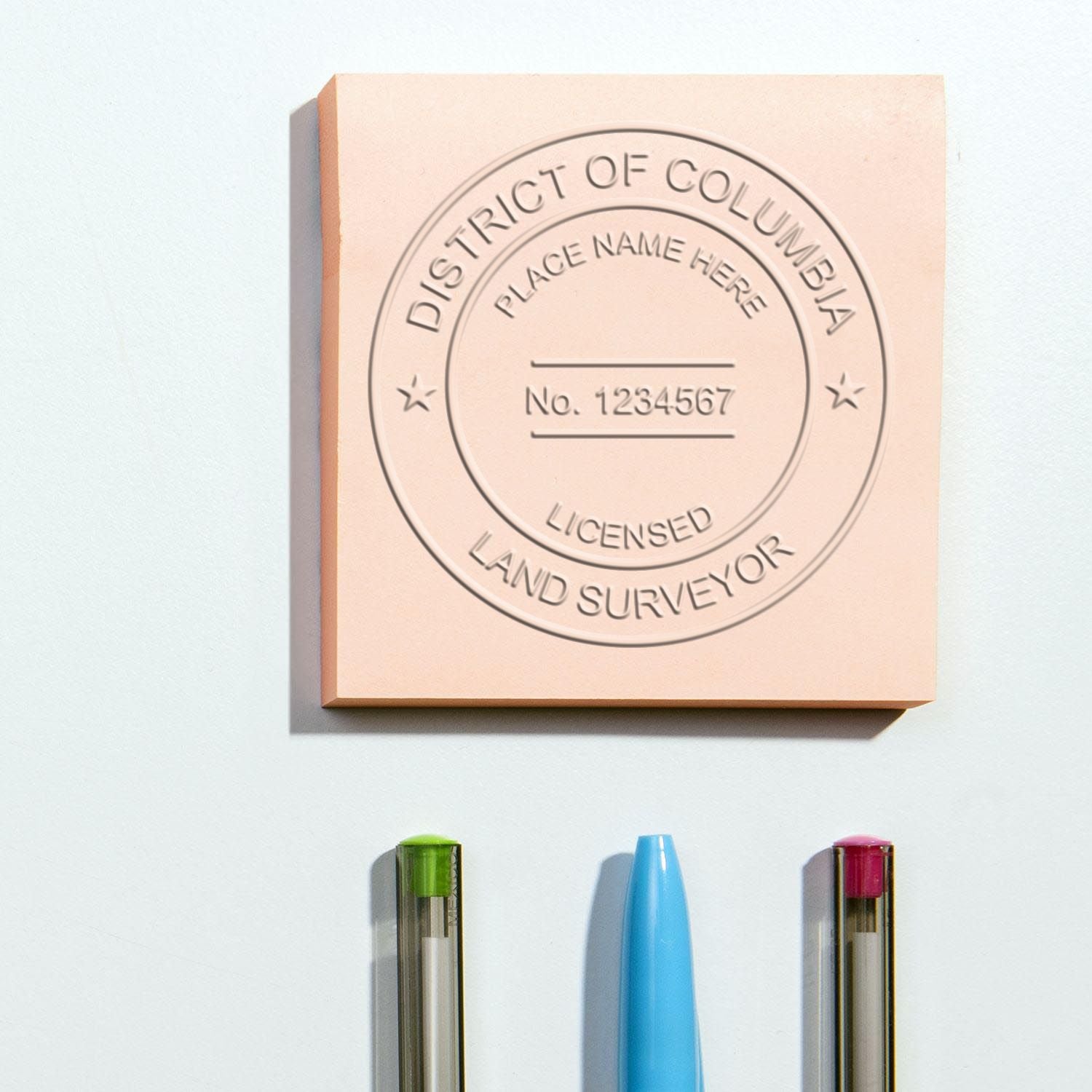
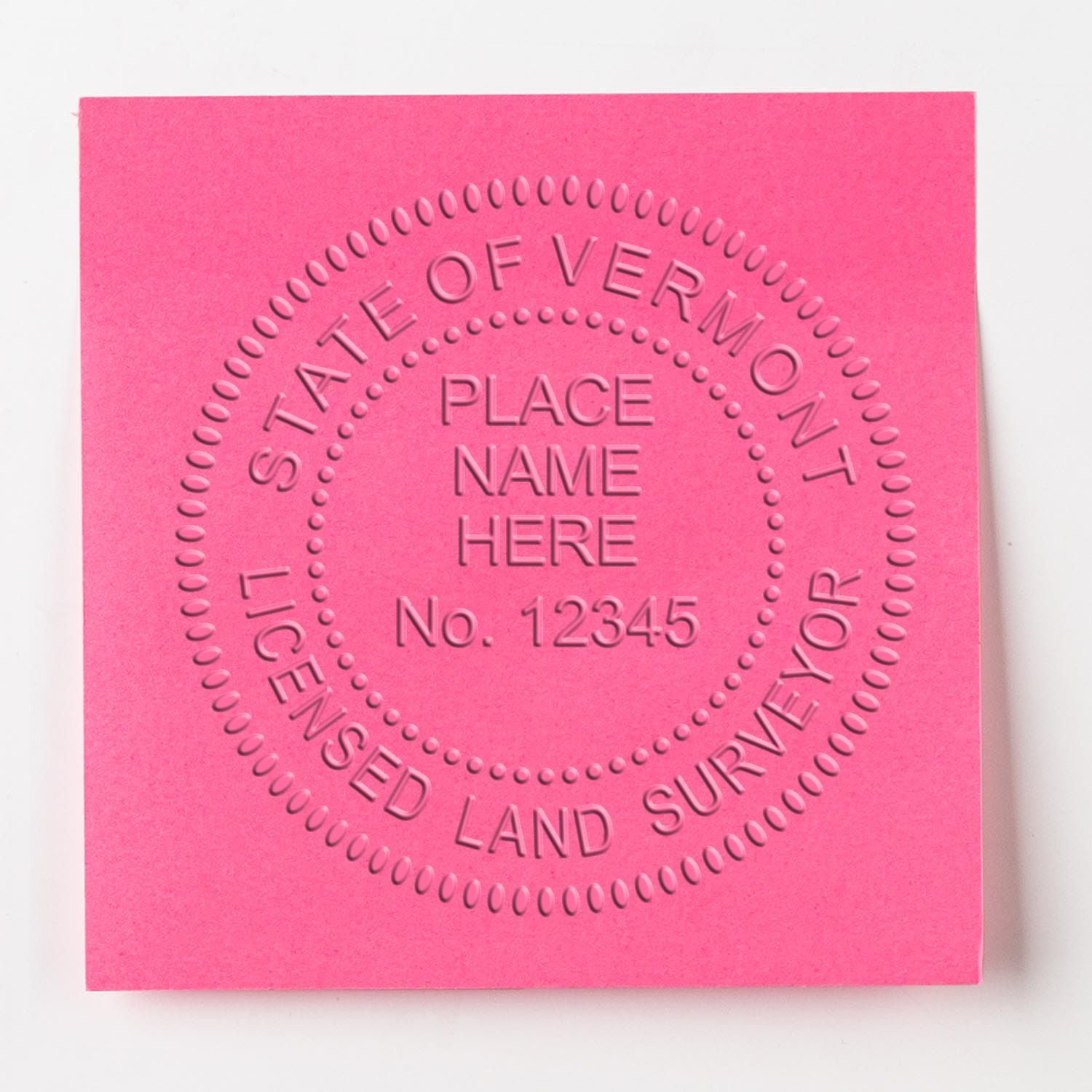
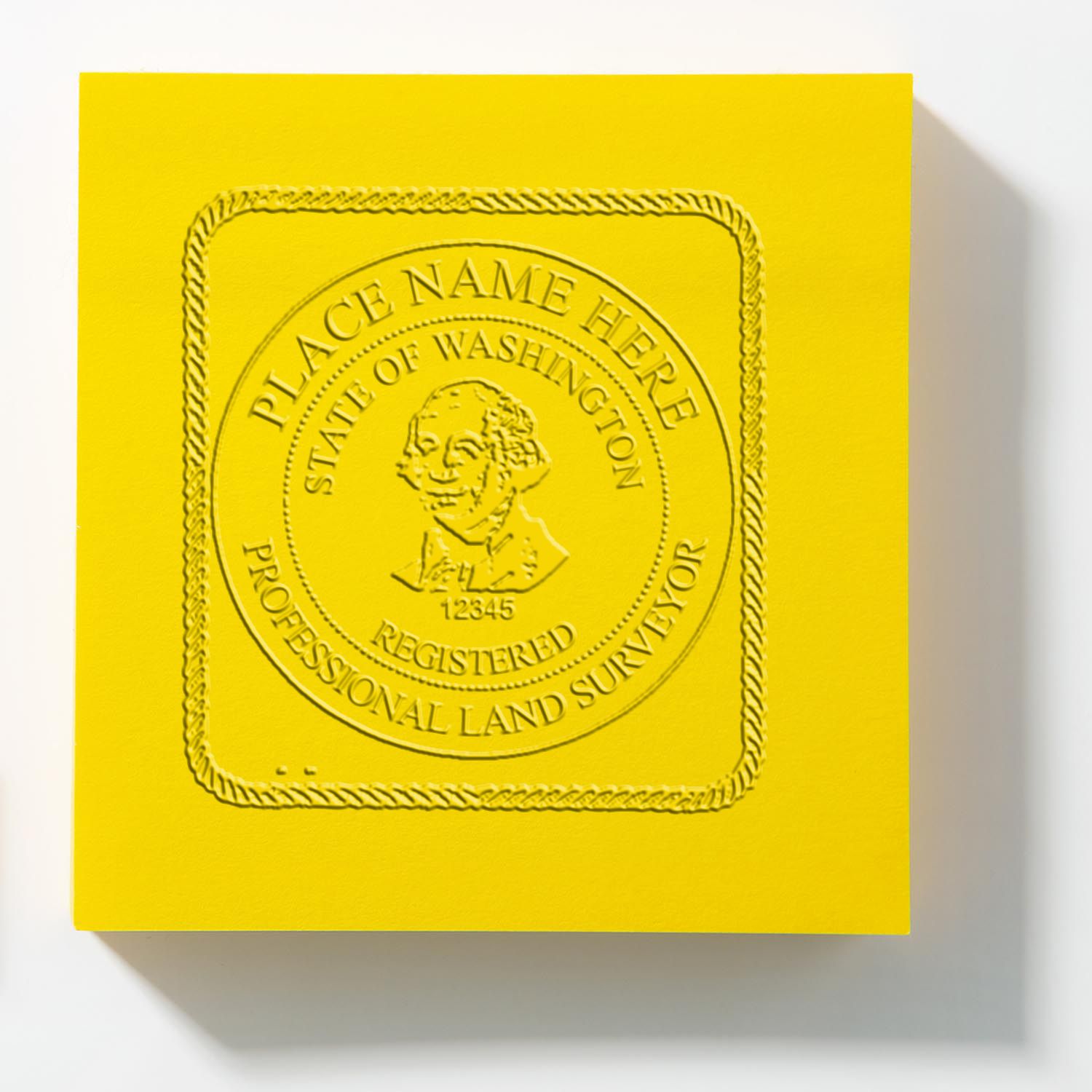
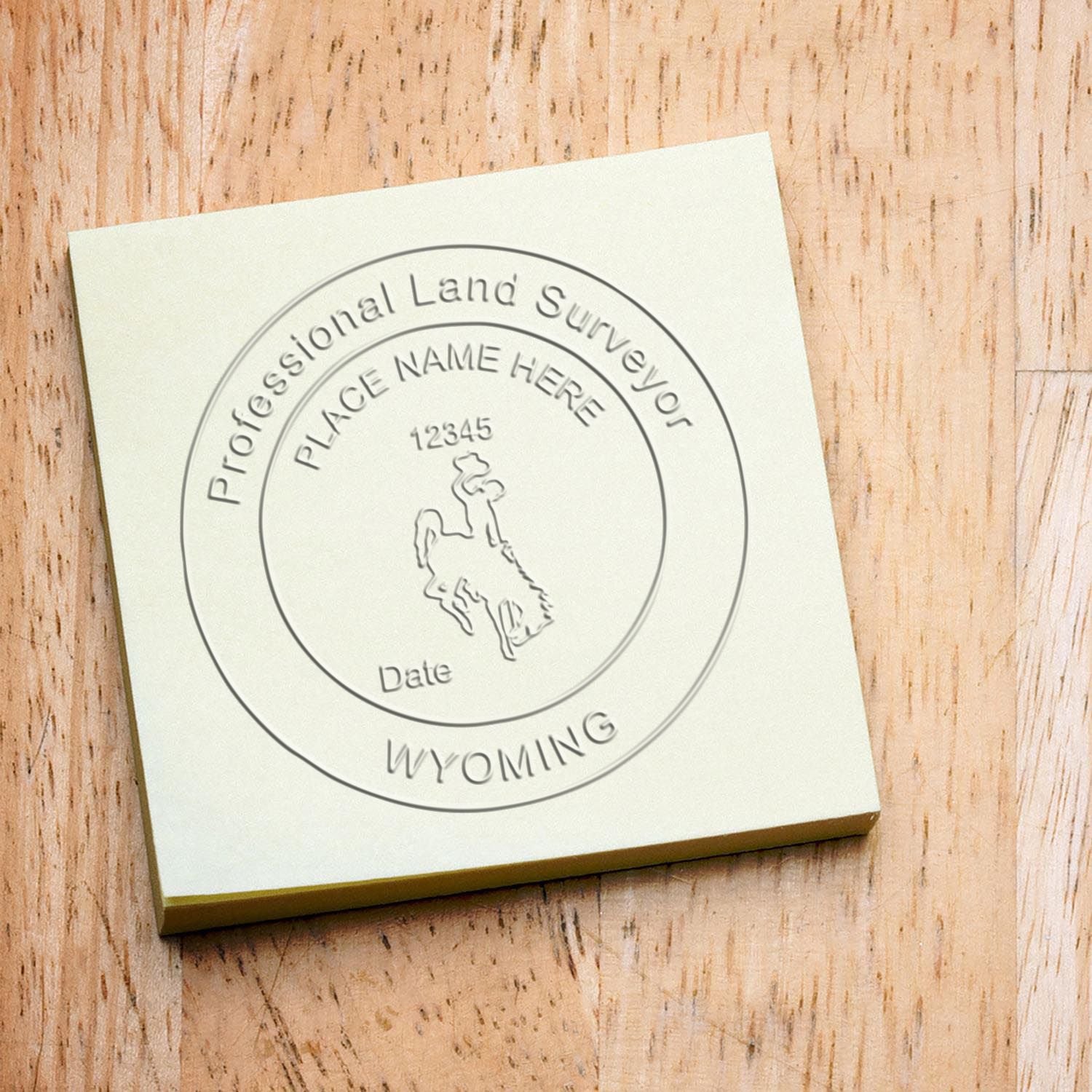
Also, be mindful of the paper’s thickness. Thicker stock requires more force, while extremely thin paper can tear if you press too hard. Practice on sample sheets until you’re confident. You’ll know you have it down when the raised seal looks uniform and easy to read.
Avoid Common Pitfalls
- Over-inking: If you’re using an embosser that doubles as a stamp, too much ink can lead to blurry impressions.
- Poor paper alignment: Crooked seals look unprofessional.
- Misjudging seal placement: Keep margins in mind, and don’t forget local requirements that specify a standard location.
By staying alert to these mishaps, you’ll maintain a professional appearance every time.
Consider Electronic Seals
You might hear about digital-age efficiencies like electronic seals. In some contexts, these are a modern solution for electronic documents, which are especially common nowadays. While not all states fully embrace e-seals, Tennessee does allow certain electronic or digital stamp methods if they meet the board’s security and authenticity standards. They’re not exactly a replacement for your physical embosser, but they can save you time if you frequently share documents online.
At Acorn Sales, we offer a Free Electronic Seal when you purchase a physical Tennessee land surveyor seal embosser. This extra perk means you’re covered both for paper documents and for any digital workflow you might adopt. With everything in one place, you won’t need to juggle multiple suppliers or worry about mismatched designs.
Trust A Long-Standing Supplier
When you’re investing in an important piece of professional equipment, you want to know it’s coming from a reputable source. That’s where Acorn Sales steps in. We’ve been in business since 1964, supplying surveyors across Tennessee with stamps, seals, and embossers. Our long track record is not a date on the calendar; it’s a pledge to consistent quality and outstanding customer service.
From the moment you place your order to the day you receive your embosser, our team stands ready to help. Whether you have questions about state compliance or need guidance on maintaining your tool, we’re happy to walk you through it. The goal is simple: equip you with a reliable embosser that helps you check off every requirement and produce impressively clear marks on your documents.
Maintain And Store Your Embosser
Keeping your seal embosser in tip-top shape doesn’t have to be complicated. A few simple steps can help extend its life and keep your impressions sharp:
- Clean it gently. Avoid harsh chemicals or abrasive pads. A soft, damp cloth is usually enough to wipe away dust.
- Inspect the die often. Check for nicks, dents, or debris that could distort your imprint.
- Store in a dry place. Humidity can cause metal parts to rust or warp over time.
- Use consistent pressure, not excessive force. Over-pressing can damage the embosser mechanism.
If you notice issues, it might be time for a tune-up or a replacement. Don’t wait until your impressions start to fade or look uneven. A poorly maintained seal can undermine the professionalism you’ve worked so hard to establish.
When And Where To Use Your Seal
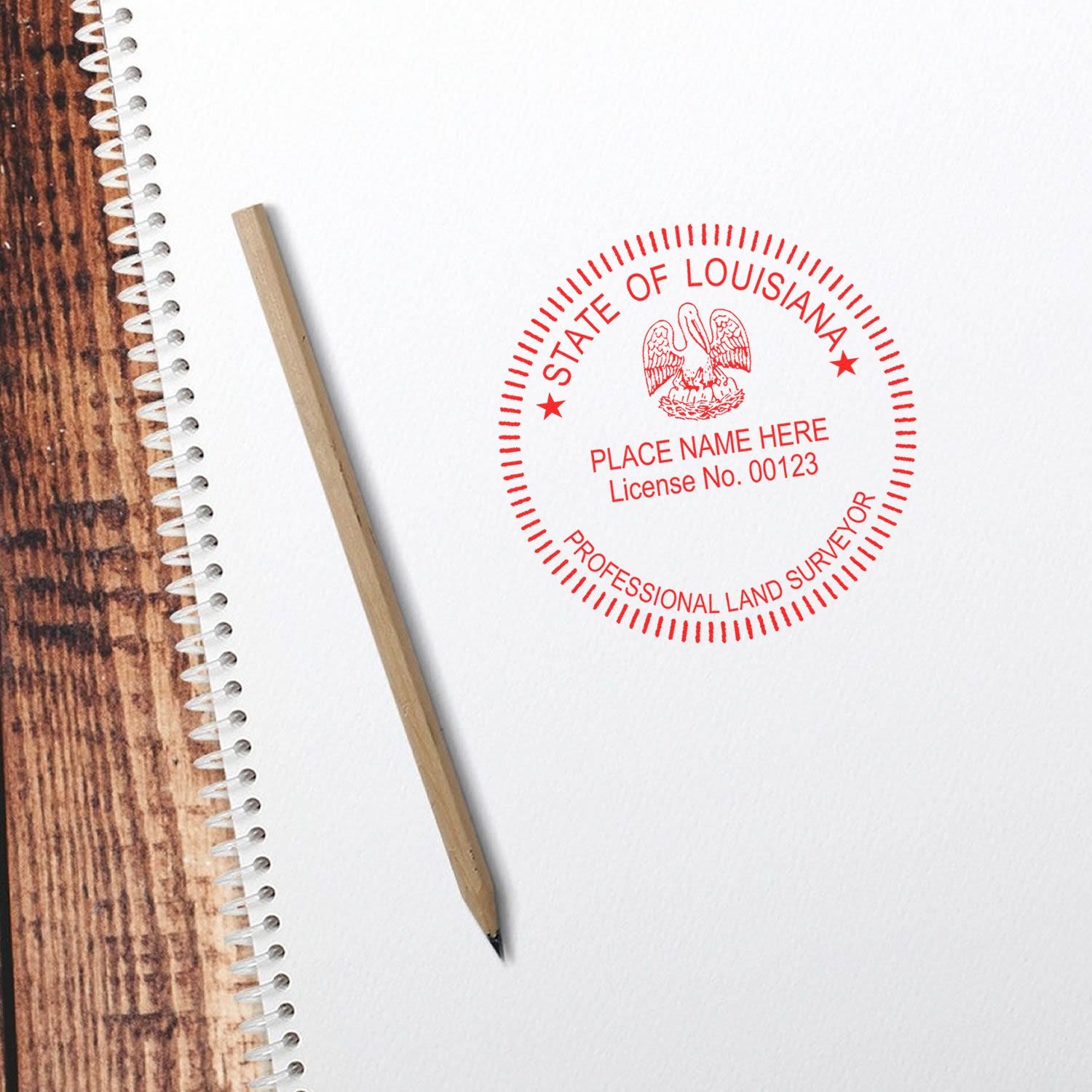
Your Tennessee land surveyor seal applies to more than big projects. In fact, many daily tasks require an official seal to validate their legality and technical accuracy. Common uses include final plans for real estate transactions, boundary surveys for land development, and topographical maps for construction projects. Each sealed document acts as a legally recognized artifact, signaling that the data or design meets state-regulated standards.
Because these sealed documents carry so much weight, organization is key. Keep a record of every document you seal, noting the date and any specific project details. This paper trail can be invaluable if questions arise about your survey in the future. Beyond formal requirements, many clients simply feel more at ease when they see your embossed seal. It tells them you’ve invested in your profession and you care about delivering authorized work.
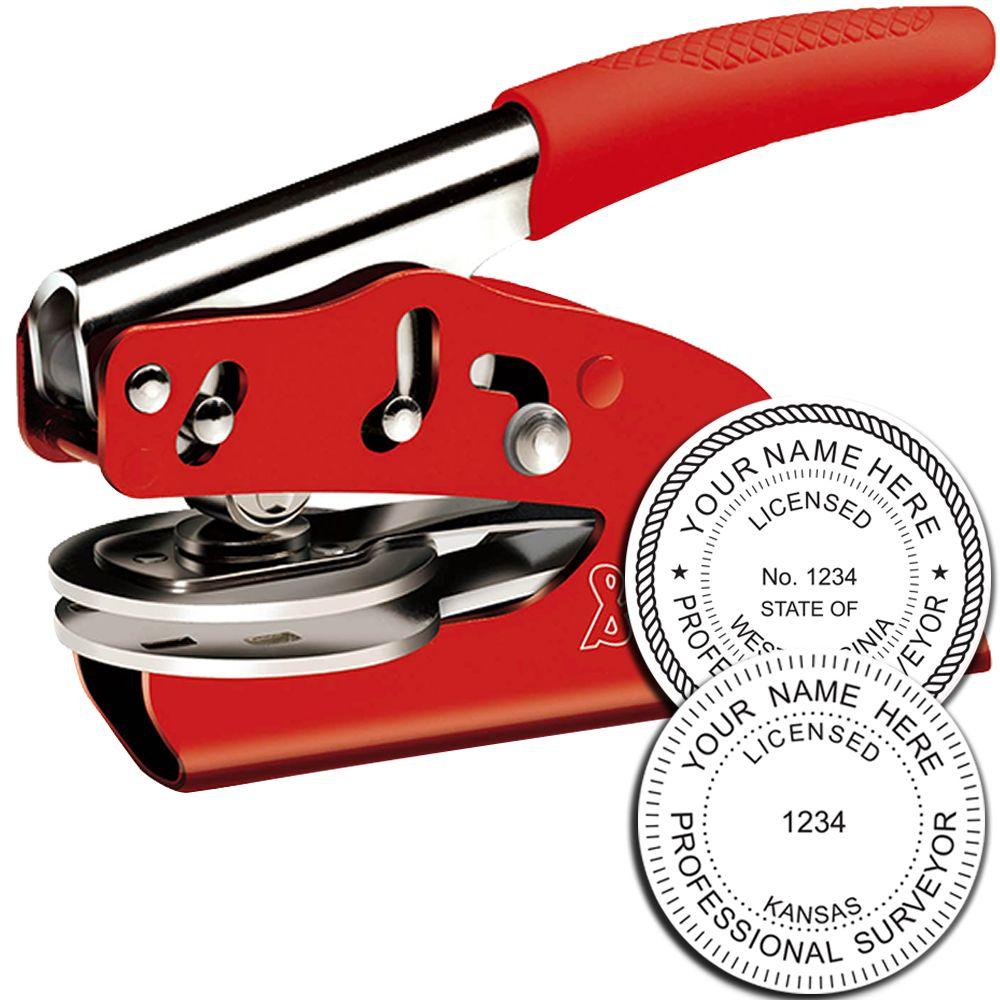
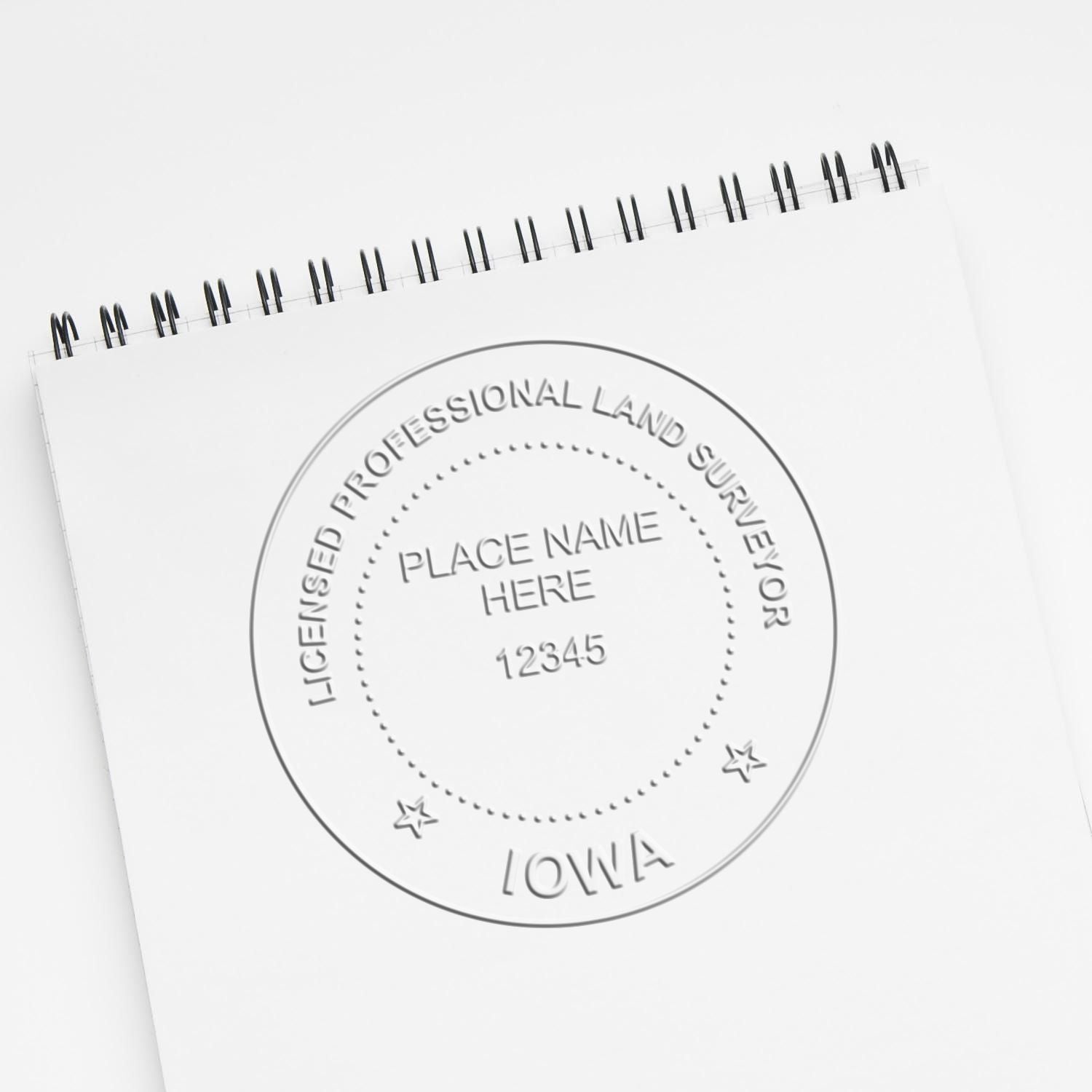
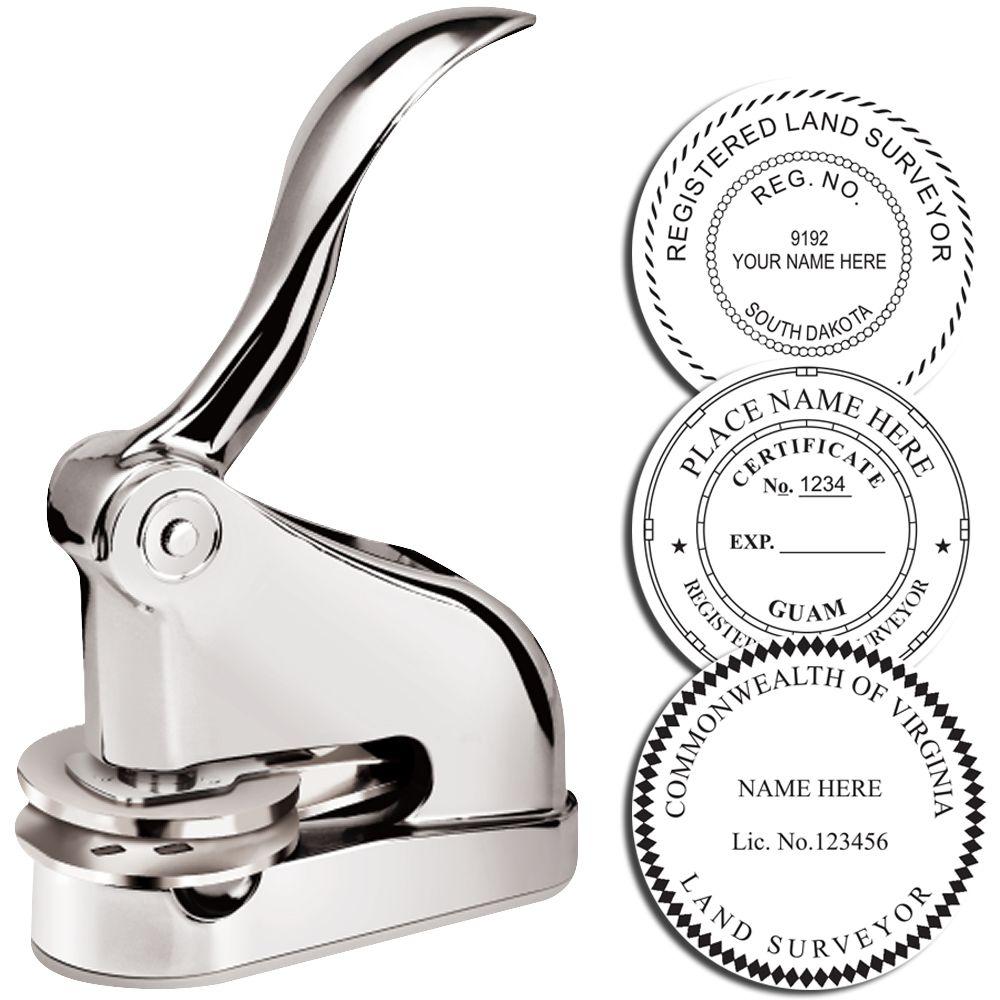
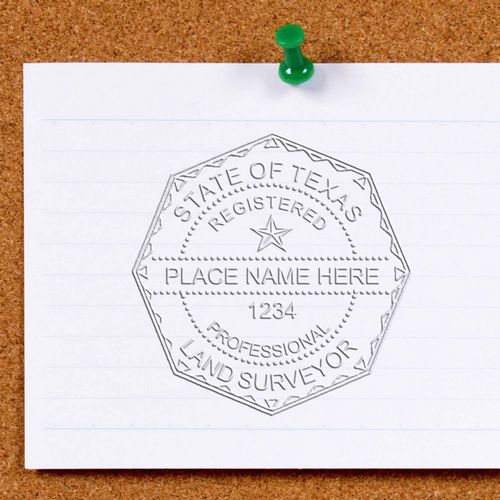
Compare Embossers, Stamps, And Combo Sets
While we’ve focused on the Tennessee land surveyor seal embosser, you might be weighing other options like rubber stamps or self-inking stamps. Each has its own advantages:
- Traditional Rubber Stamp: Often more affordable and simple, but doesn’t create a raised impression.
- Self-Inking Stamp: Speeds up your workflow, but can dry out if not stored correctly.
- Embosser-Stamp Combo: Offers the best of both worlds, giving you an inked imprint and raised seal in one go.
When pressing the seal on official documents, you might rely on the embosser to achieve that professional raised look. Meanwhile, stamps can be handy for drafts or preliminary approvals. If you’re furnishing your office for the first time, or upgrading your current equipment, a combo set might simplify your process. Before buying, consider how often you need each style. Some surveyors prefer a variety of tools on hand to suit different project phases.
Boost Professional Credibility
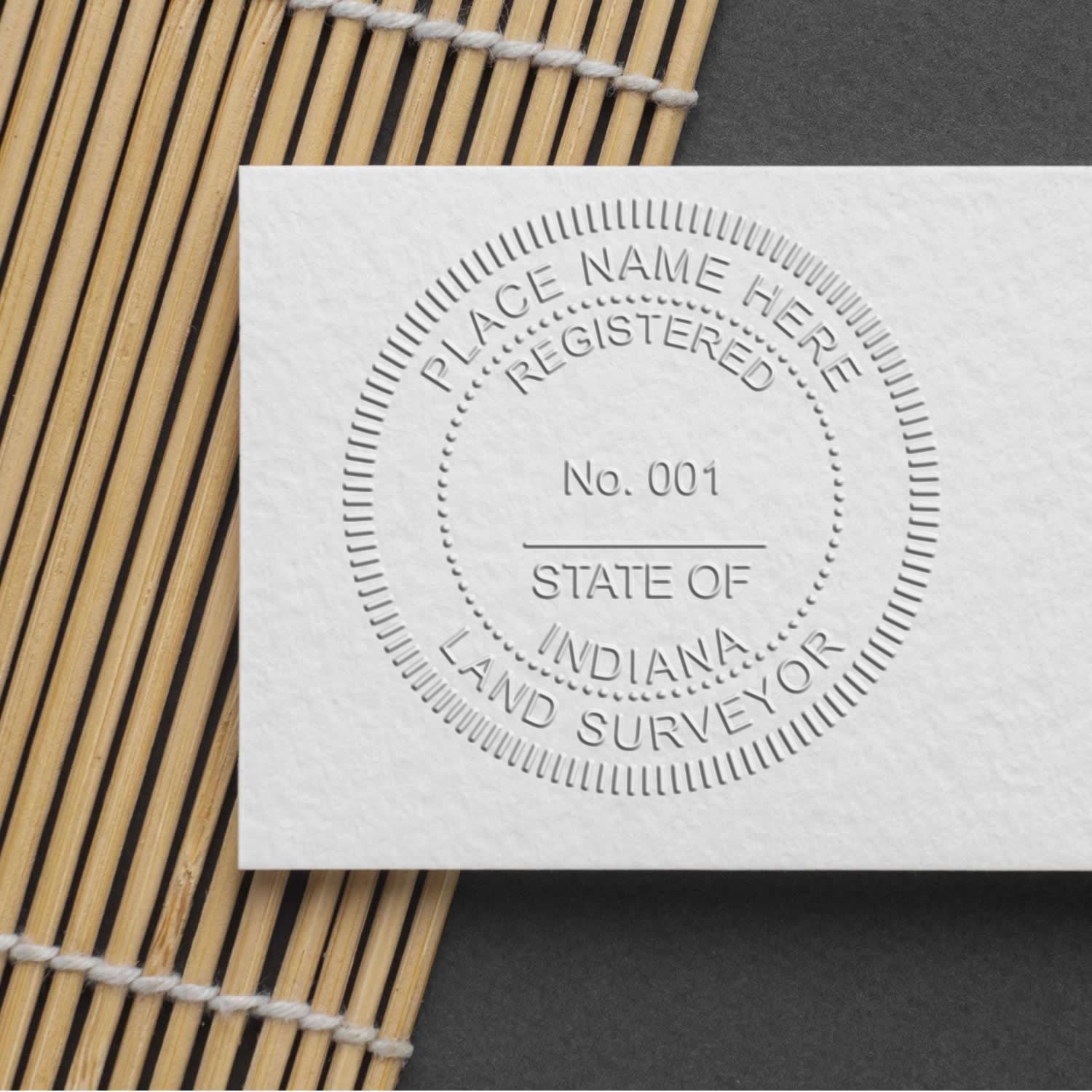
Let’s face it, trust is everything in your line of work. Clients want to feel certain they’re getting accurate maps and data, developers need to rely on your measurements for buildings, and local authorities must confirm you’re operating within the law. By consistently using a well-maintained seal embosser, you send a message that you take precision seriously. The crisp, raised impression offers a touch of authenticity that digital documents alone can’t match.
Additionally, displaying your seal in presentations or proposals demonstrates you’re up to date with regulations. In competitive bids, such professionalism can set you apart. Think of your seal as a subtle marketing tool it quietly says, “I’m the real deal,” without you having to utter a word.
Explore Training And Resources
If you’re still feeling unsure, you’re not the first land surveyor to have questions about sealing regulations and best practices. You can consult the Tennessee Board of Examiners for Land Surveyors or various professional organizations for educational materials. Local chapters of national surveyor associations sometimes host workshops where you can see seal embossing demos. These gatherings often provide hands-on practice and expert advice that can smooth out the learning curve.
You can also reach out directly to product suppliers like Acorn Sales. Our team has talked to countless surveyors looking for guidance on everything from technical specs to design preferences. If you’re a seasoned pro looking to replace old equipment or a brand-new licensee stepping into your first official role, we’ve likely heard your questions before and can point you in the right direction.
Field Tests And Real-World Scenarios
If you’re worried about how your seal will hold up in actual project conditions, you’re absolutely on the right track. Embossers can respond differently to hot or cold environments, dusty job sites, or repeated daily use. That’s why it pays to test your seal in real-world scenarios. For instance, try sealing a few copies of a boundary survey on varying paper stocks. Check the clarity of each impression and note if any are faint or skewed.
Thinking ahead can save you headaches down the line. If you plan to do a large final submission to a municipal office, do a test run to ensure each page meets the standard. This proactive approach helps you dodge last-minute panic and reprinting costs. After all, a professional land surveyor must juggle enough responsibilities, there’s no need to add an avoidable sealing mishap to the list.
Choosing and using your embosser
Your seal is both a symbol and a cornerstone of your professional toolkit. By adhering to Tennessee regulations, selecting an embosser that suits your work style, and investing time in proper technique, you’ll avoid the pitfalls of subpar impressions or non-compliance. And when you buy from a trusted source like Acorn Sales, you add an extra layer of certainty to the process. Because let’s be honest, the last thing you need is to second-guess the integrity of your tools while standing on a job site.
Think of it like this: you wouldn’t head into a survey with outdated measuring instruments, so why settle for a subpar seal? Equip yourself with a well-crafted embosser, put in the practice, and let your raised impression speak volumes about the quality of your work. Once you see that perfect, crisp imprint, you’ll know you’re not just meeting the state’s requirements, you’re surpassing them.
Yes. Typically, Tennessee requires a specific diameter for the seal, usually around 1.5 to 2 inches, but this can change if regulations are updated. Check the latest tennessee land surveyor stamp requirements for the exact dimensions. It’s best to stay aligned with current standards to avoid compliance issues.
Frequently Asked Questions
Do I Need Both A Physical Embosser And An Electronic Seal?
It depends on your workflow. Physical embossers provide official raised impressions on paper, which many clients and authorities prefer. An electronic seal can be beneficial if you share documents online or submit digital plans. Acorn Sales includes a free e-seal with your purchase, so you get both options for maximum flexibility.
How Often Should I Replace My Embosser?
Most land surveyors can use the same embosser for years, provided it’s well maintained. Watch for any signs of wear, such as uneven impressions or difficulty applying pressure. If issues persist, consider getting a replacement die or a totally new embosser to ensure your seal stays crystal clear.
Can I Let Another Licensed Surveyor Use My Seal?
Generally, you should never let anyone else use your personal seal. It’s tied to your license and your reputation. If another professional surveyor in your firm needs a seal, they should obtain their own. Always keep your embosser in a secure place to prevent unauthorized use.








