
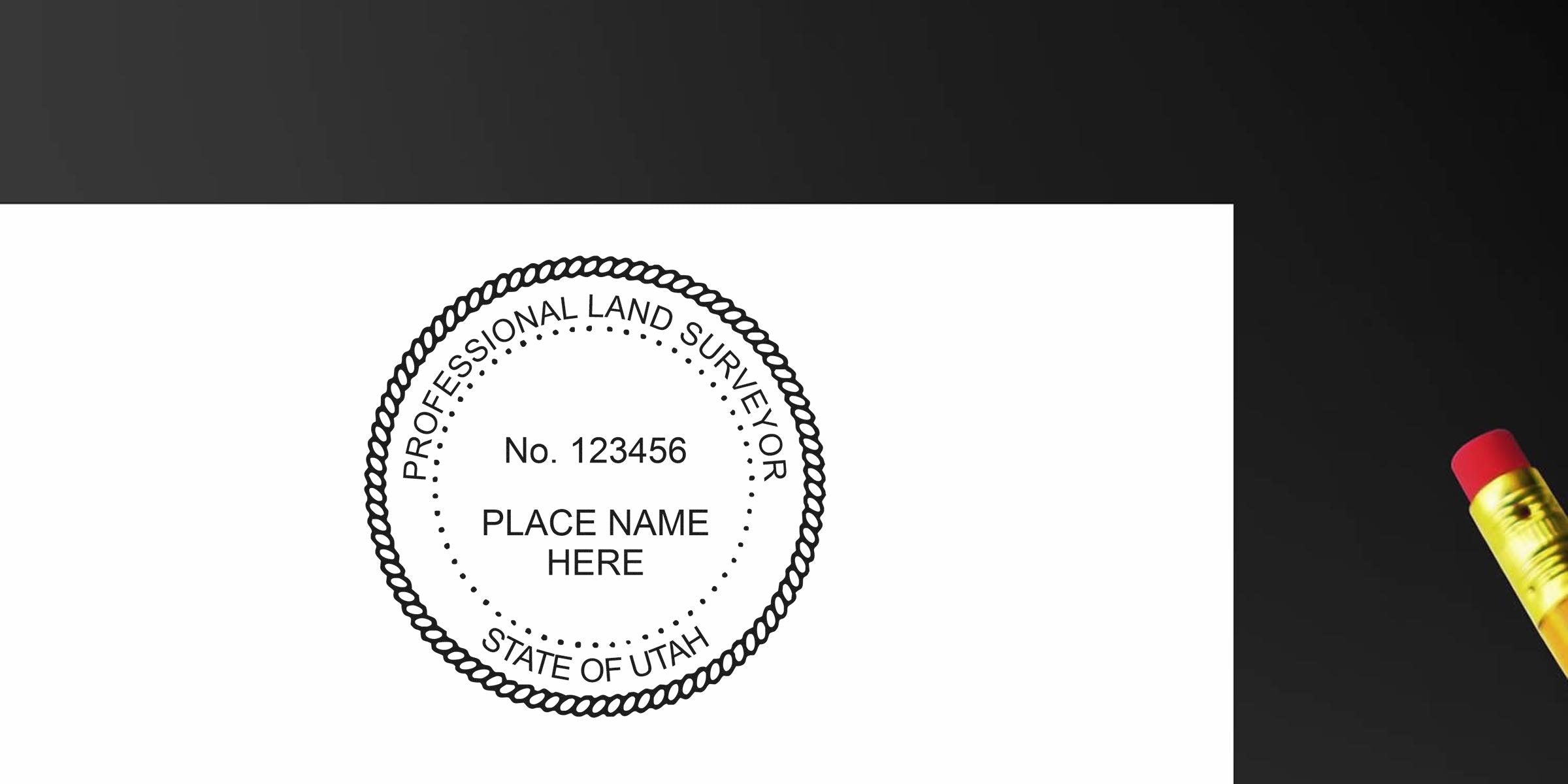
Whether you’re just starting your surveying career or have years of experience under your belt, understanding Utah land surveyor stamp guidelines is essential. You might have questions about how a stamp should look, where to place it, or which regulations matter most. In this article, you’ll find straightforward answers supported by friendly advice, so you can stamp your documents with confidence.
Below, we’ll break down the major points about Utah’s rules for surveyor stamps and seals: why they’re needed, the legal requirements, tips for proper stamping, and the pitfalls you can avoid. Let’s dive in.
Grasp The Basics
Before you start using a land surveyor stamp in Utah, you should first know what it represents. Your stamp isn’t just a fancy signature—it officially validates your surveying work. Think of it as attaching your name and reputation to each document you approve.
Why The Stamp Matters
It’s normal to wonder: do you really need a physical stamp and seal when so much is handled digitally now? Absolutely. A properly applied stamp:
- Demonstrates that your work meets the standards set by Utah’s licensing board.
- Protects the public by verifying that a qualified professional prepared or reviewed the documents.
- Builds your credibility as a land surveyor, giving clients and agencies reassurance.
Utah’s engineering and surveying community places strong emphasis on accountability, and the stamp is a key part of that. If you don’t apply your stamp according to state rules, you could face disciplinary actions, so it pays to be diligent.
Follow The Legal Requirements
Each state has its own guidelines for professional surveyor stamps, and Utah is no exception. While the rules often look similar to those in other states, differences in size, shape, or wording can surprise even experienced surveyors. That’s why it’s smart to keep up with the latest updates from the Utah Division of Occupational and Professional Licensing (DOPL).
Utah Board Specifications
The Utah DOPL outlines specific requirements for how a surveyor seal or stamp should be designed and used. Although details can change—so always verify when you renew your license—the basics usually include:
- Proper Wording: The seal typically contains your name, license number, and a phrase indicating “Professional Land Surveyor” (or a similar professional title).
- Legibility: Every piece of text on the stamp must be readable and not smudged.
- Registered Status: Some states require the phrase “State of Utah” or “Utah” within the seal. Confirm with the board guidelines so you don’t omit crucial details.
For a deeper look into official requirements, check utah land surveyor stamp requirements. Once you’re certain you have the correct format, focus on consistent stamping practices. Even small spelling errors on your seal could invalidate your documents, so regular checks are important.
Format And Placement Explained
Your stamp needs to be placed in a way that’s clear and easy for anyone to understand. This section covers the “how” and “where” of using your stamp so you don’t lose any sleep wondering if you did it right.
Recommended Format And Size
Stamps can come in multiple shapes and sizes, but you’ll often see a circular style—commonly around 1⅝ to 2 inches in diameter. The circle layout usually has text around the perimeter and a center area for your name or license info. If you prefer a rectangular seal, first confirm that it meets state guidelines. The goal is to ensure your license details are front and center.
When it comes to legibility, choose an ink color (commonly black) that appears crisp against standard white paper. Some prefer a blue or red stamp for visibility, but make sure it’s acceptable within your local jurisdiction. A faint, barely-there imprint is as good as no stamp at all.
Where It Should Go
Wondering which part of your document should show the official seal? As a rule, place it near your signature and date. This helps anyone reviewing the paperwork easily see both your signature and your stamp at a glance. For lengthy multi-page plans, it’s common to stamp each page you’re taking responsibility for, typically in a lower corner or near the title block.
If you’re working on a digital plan set, confirm you can also include a digitized or electronically generated version of your seal. Utah, like many states, is gradually integrating e-signatures and e-seals into its administrative processes. Check the latest guidelines for whether scanned or digital stamps are universally acceptable.
Avoid Common Pitfalls
It’s easy to make mistakes when you’re juggling the intricacies of surveying and official documentation. A small oversight can lead to big delays or even legal trouble. Here are common pitfalls you’ll want to steer clear of.
Missing Or Incorrect Information
Nothing’s more frustrating than sending out a completed plan, only to realize your stamp name is off by a letter. Typos, outdated license numbers, or missing text (like “Professional”) can cause confusion. Always double-check:
- Is your full name spelled correctly?
- Is your license number in the correct spot?
- Are any special designations (like “Professional Land Surveyor”) missing?
Taking a few minutes to proofread your seal is far less painful than reprinting an entire set of documents.
Unclear Stamp Impressions
Rushing can lead to a faint or crooked impression. It doesn’t need to look like a museum masterpiece, but it does need to be readable. If your seal smudges or you apply it on a folded portion of the paper, your official documentation might fail a strict review. You’ll save time by stamping on a flat, smooth surface and pressing evenly.
Overusing Or Misusing The Stamp
Using your stamp in the wrong context is another no-no. Only attach your seal to documents you—or another licensed Utah surveyor you’re supervising—actually worked on and verified. Loaning your stamp to another person is a direct violation of state regulations. If you’re not sure whether a plan or drawing qualifies for official stamping, ask the Utah licensing board for guidance rather than taking a risky guess.
Explore Trusted Suppliers
You might think purchasing a stamp is the easy part, but not all stamp makers adhere to the required guidelines. That’s where a reputable provider comes into play. At Acorn Sales, we’ve been specializing in professional stamps and seals since 1964. We understand exactly how important it is to meet every letter of the law.
What Makes A Supplier Trustworthy
If you’re choosing a company to craft your Utah surveyor seal, look for:
- Knowledge Of Utah Regulations: They should confirm your format and text align with local rules.
- High-Quality Materials: The last thing you want is a stamp that wears out after a few uses.
- Options For Digital Seals: More and more, you’ll need digital versions of your seal too.
Acorn Sales offers all of the above, plus a free digital seal with your physical stamp purchase. That means you can stamp your physical documents and sign off digitally on electronic files without missing a beat.
Why A Reliable Stamp Matters
A faulty stamp can invite all sorts of headaches. Poorly printed letters or worn edges will eventually lead to confusion about your credentials. And in the eyes of some agencies, a faint seal may be considered incomplete. With a reliable supplier, you’ll get:
- A crisp, easy-to-read impression
- Durable construction for long-term use
- Compliance with state regulations, so you’re not scrambling every time the rules evolve
In the long run, you’ll save money and avoid aggravation by investing in a quality stamp from the start.
Final Thoughts And Next Steps
Navigating Utah’s land surveyor stamp guidelines might feel like learning a whole new language, but it doesn’t have to be intimidating. As long as you know what’s required by your licensing board, double-check your stamp information, and make sure your impressions are clear, you’ll be in great shape. With the correct stamp on hand, you can keep your focus where it belongs: delivering accurate and dependable surveying services.
When you choose a reputable supplier like Acorn Sales—which has been at it since 1964—you’re getting experience that aligns your stamp with Utah’s regulations. You also get the bonus of a free digital seal to handle electronic processing without extra fuss.
Remember, always stay up to date with local requirements, and if you’re ever uncertain, just refer to the official rules posted by the Utah DOPL or consult a legal professional. Planning to dive deeper into specifics? Once again, check out our resource on utah land surveyor stamp requirements for more details.
Stamp confidently, stay compliant, and keep delivering the quality surveys you’re known for. You’ve got this!
Frequently Asked Questions
Do I need a specific size or shape for my Utah land surveyor seal?
The Utah Division of Occupational and Professional Licensing generally prefers a circular seal around 1⅝ to 2 inches in diameter, but rectangular stamps can be acceptable if they meet the state’s core guidelines. Check whether your design is clearly legible and includes all the required text.
How often can the rules for stamps change in Utah?
Rules can shift every few years or so. Licensing boards sometimes revise the necessary wording or details included in the stamp. Keep an eye on official notices from the Utah DOPL, especially around license renewal time.
Can I use an electronic seal instead of a physical stamp?
Utah is moving toward greater acceptance of digital signatures and seals. However, some agencies still require a physical impression. Confirm the preference or requirement on each project. In many cases, you might need both versions, and that’s why having a reliable digital seal (like the one from Acorn Sales) helps.
Is it okay to reuse my old stamp if my license is renewed?
If your license number remains the same and the necessary text hasn’t changed, you can often keep the same stamp. Just ensure it’s still making a clean impression. If there have been content updates—like new wording requirements—then it’s time for a new stamp.
What if I notice a mistake after I’ve stamped my documents?
If the mistake involves your seal impression (for example, a smudged stamp or an incorrect license number), it’s best to correct the record ASAP. You may need to re-stamp corrected documents. Reach out to the Utah licensing board to confirm you’ve handled the correction properly.








