
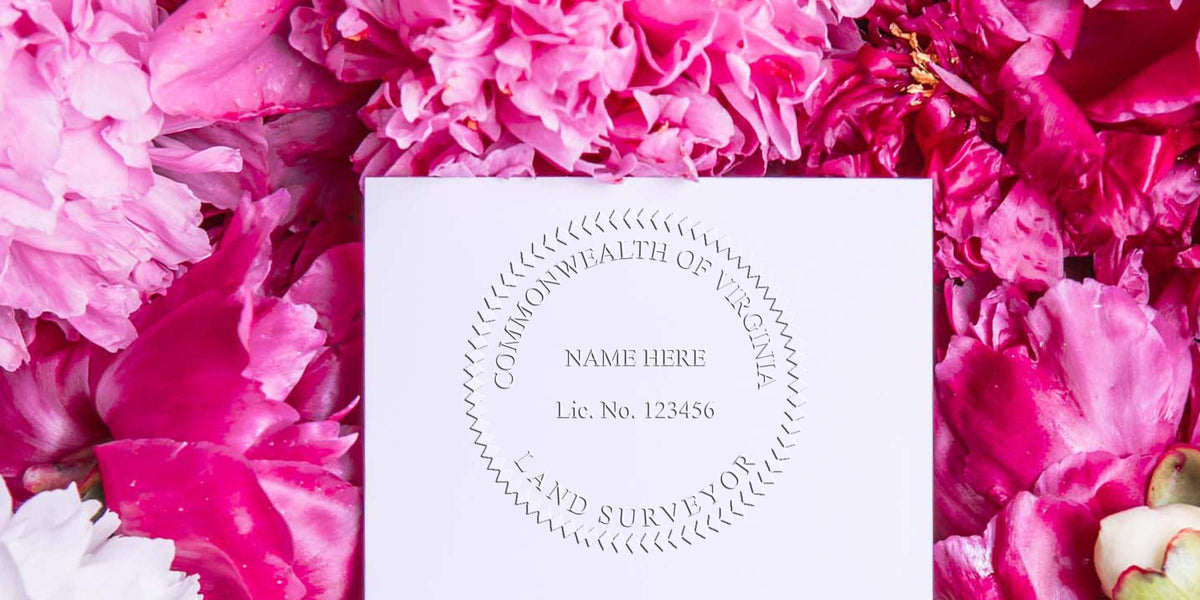
If you’re a Virginia land surveyor, you already know your seal amounts to more than ink or pressed paper: it’s a legal requirement, a mark of your professional integrity, and a critical part of your day-to-day workflow. Choosing a Virginia land surveyor seal embosser that meets state standards can feel a bit intimidating, but it doesn’t have to be. Once you understand the basic rules, you’ll see how this small device can make a big impact. Let’s explore the key steps to getting it right, from choosing the correct embosser to keeping it well-maintained for years to come.
Understand Virginia Requirements
Before you invest in any seal, you need to confirm the official guidelines set by the state of Virginia. These rules exist to ensure uniformity and a high level of professionalism across all registered land surveyors.
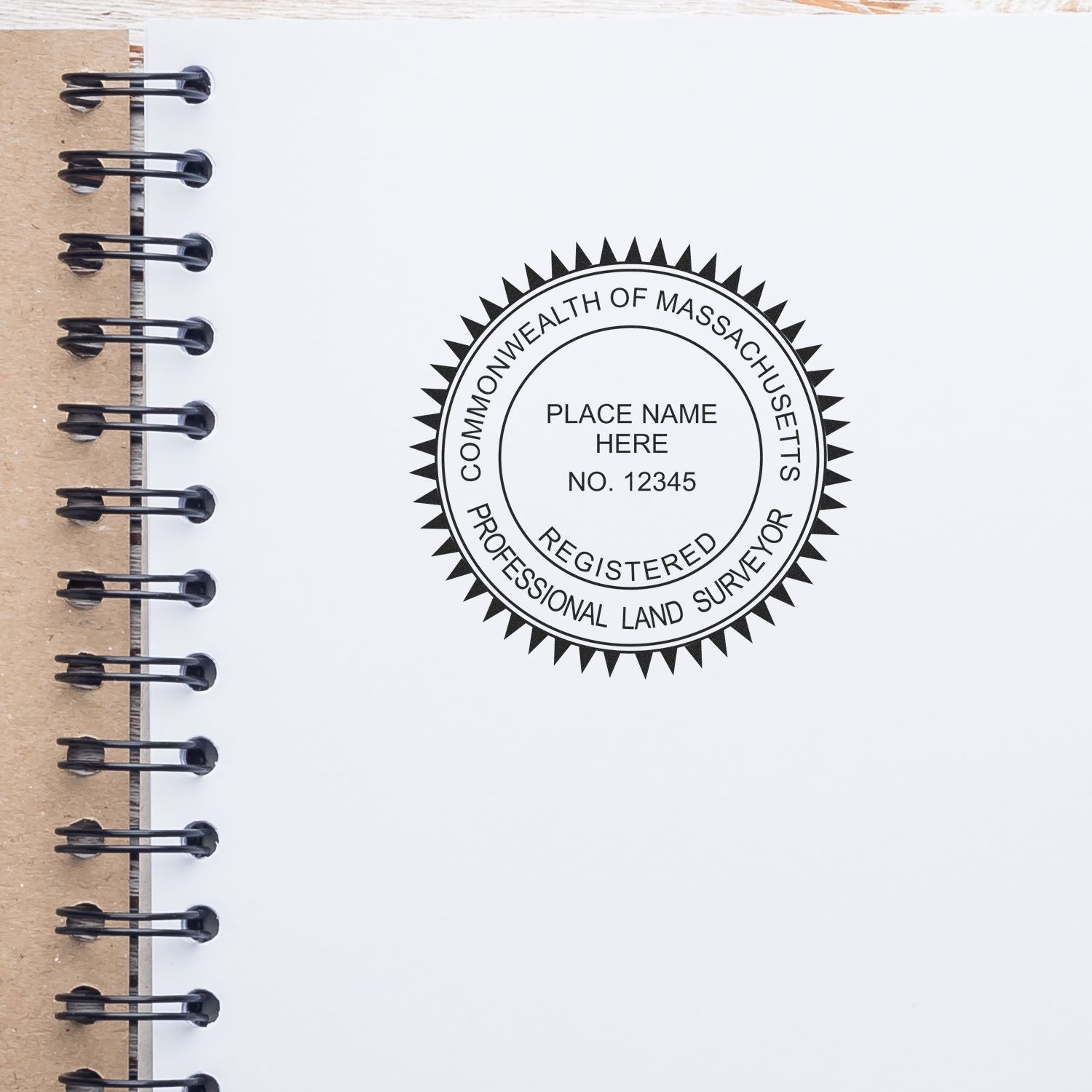
State licensing boards typically decide the size, shape, and content of the seal. In Virginia, that includes specific text around your name, license number, and the words “Professional Land Surveyor.” If you need more detailed instructions, check out the Virginia Land Surveyor Stamp Requirements. That resource covers symbol placement, acceptable fonts, and other regulations in full.
Why Standards Matter
All surveying documents have legal weight, which means the courts, and your clients, rely on your seal for authenticity. By meeting every requirement, you guarantee:
- Proper identification on official drawings and plats.
- Consistency in the format, so agencies instantly recognize its validity.
- Protection against potential legal disputes or charges of non-compliance.
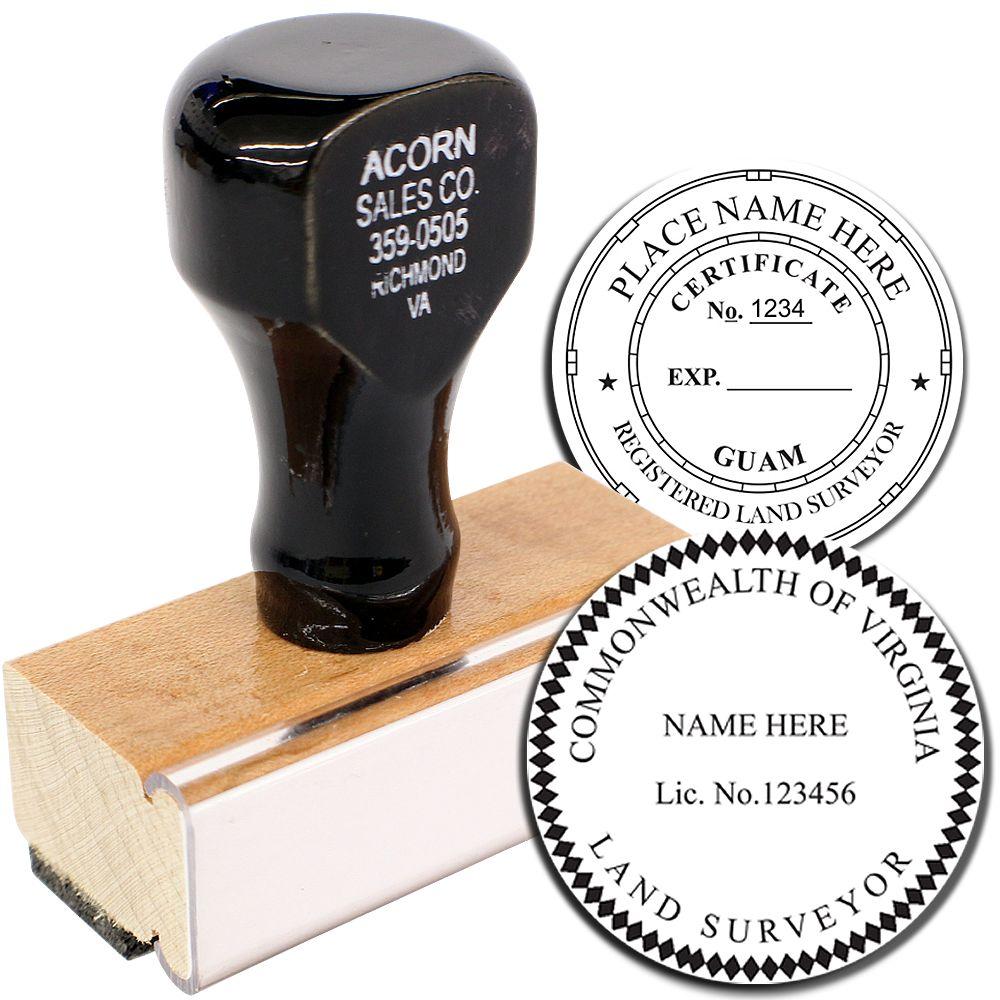
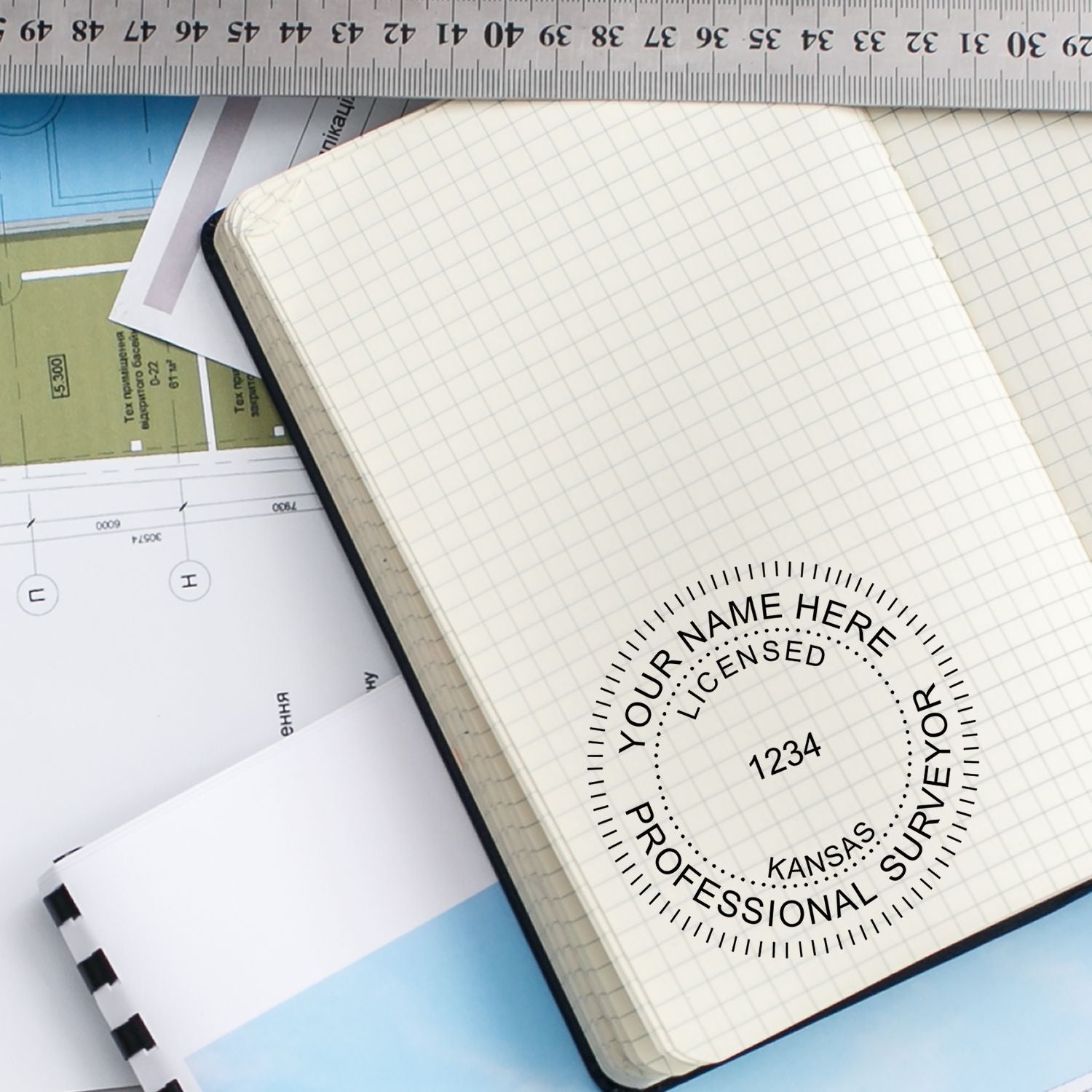
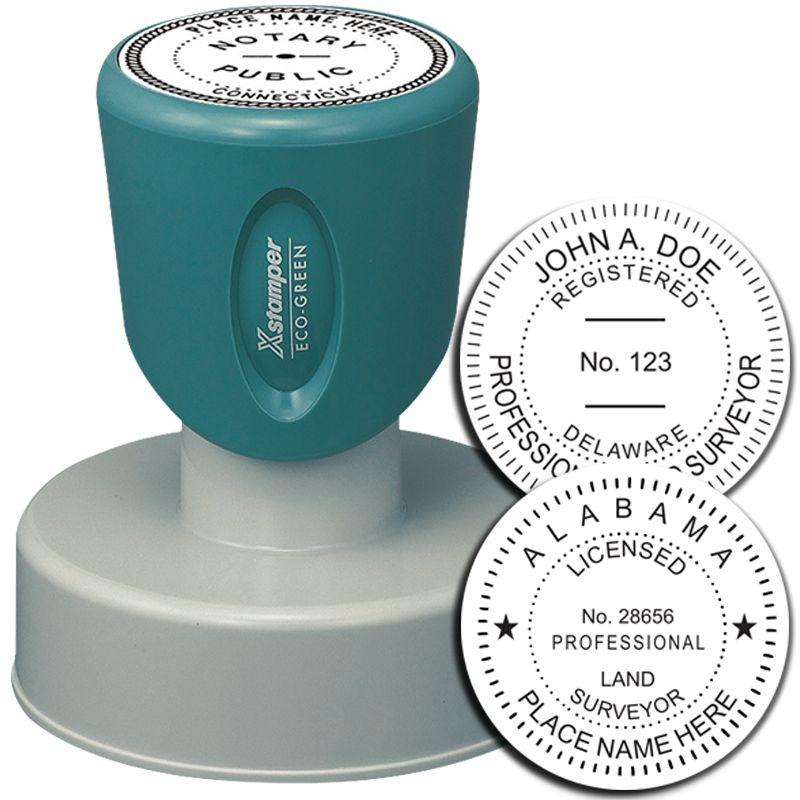



Quick Tip
Keep a digital copy of the seal rules on hand. It helps in double-checking everything if you upgrade your equipment or renew your credentials.
Pick The Right Embosser
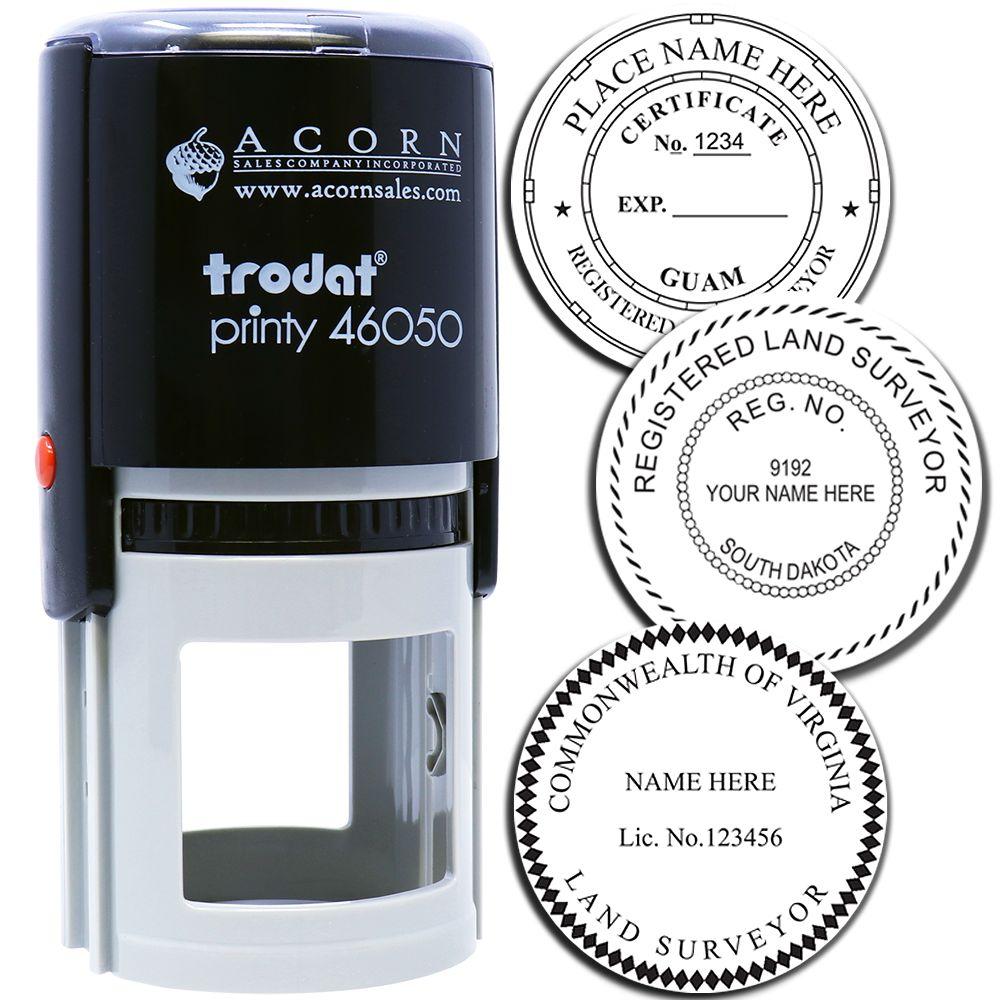
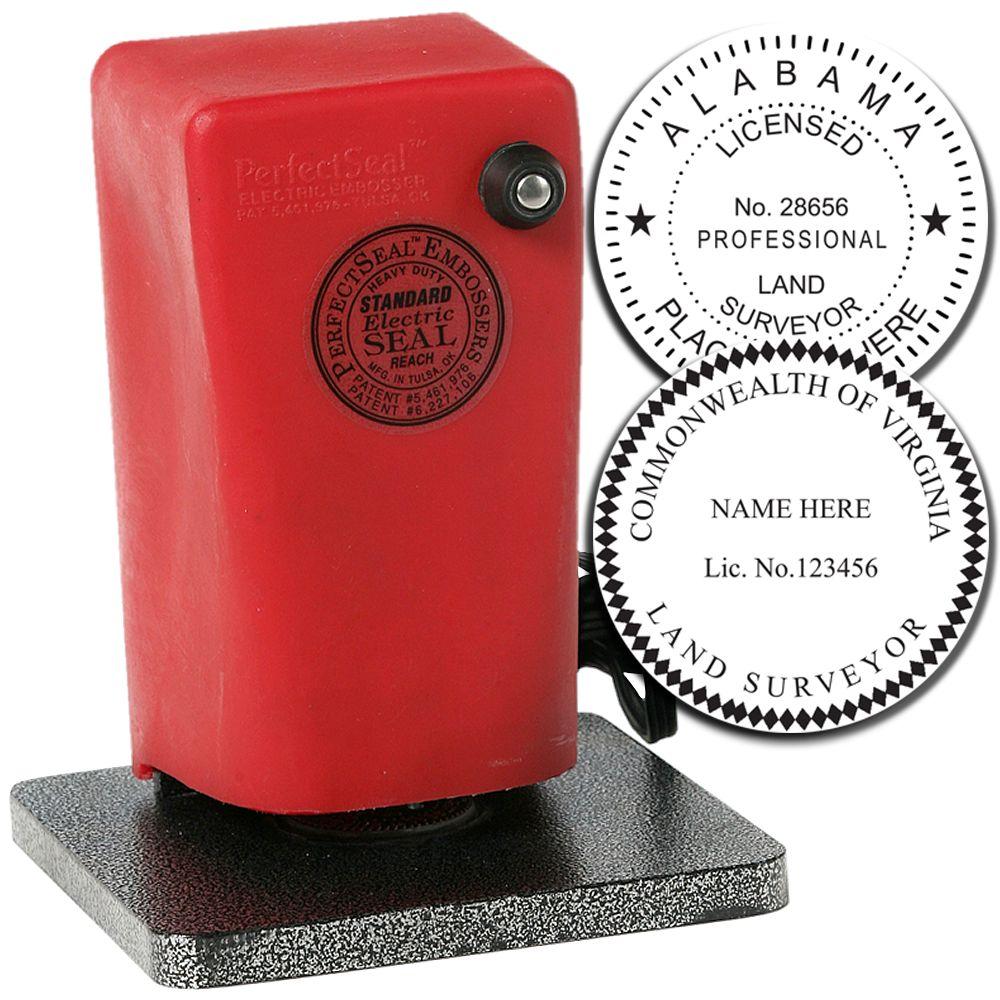
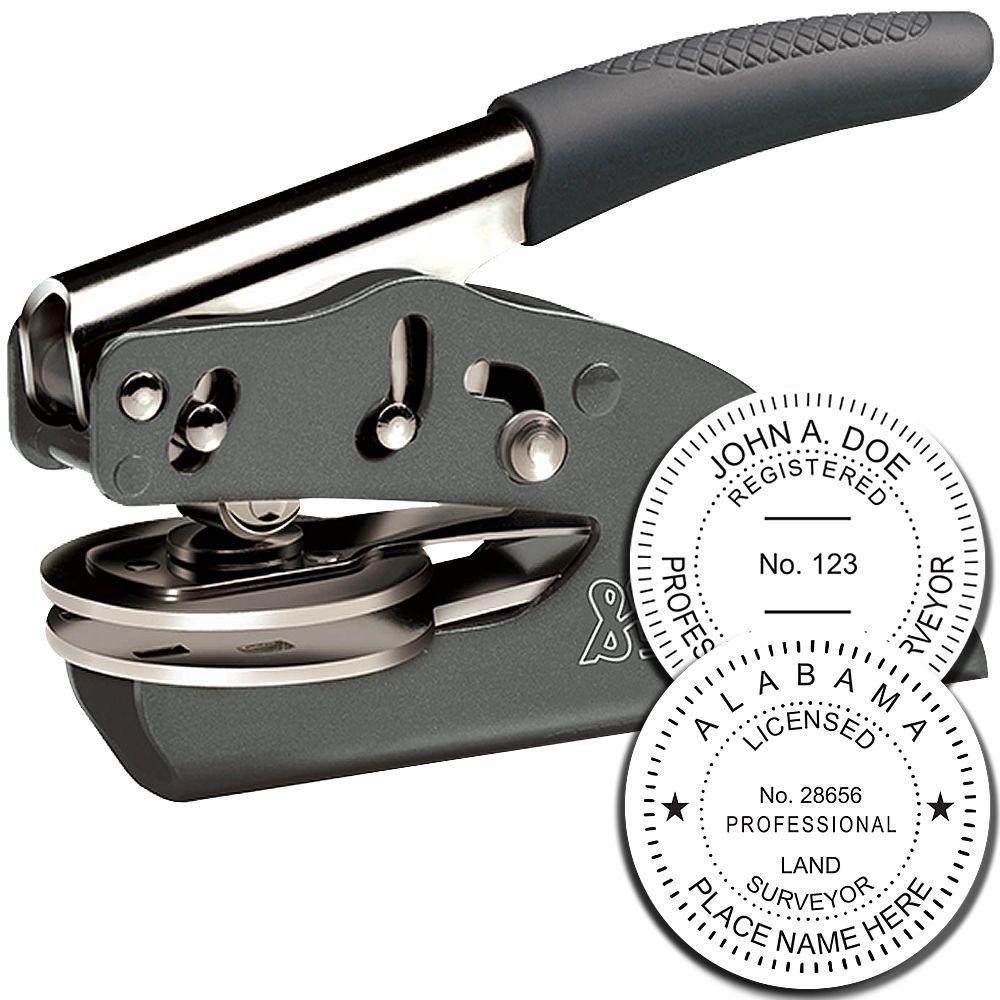
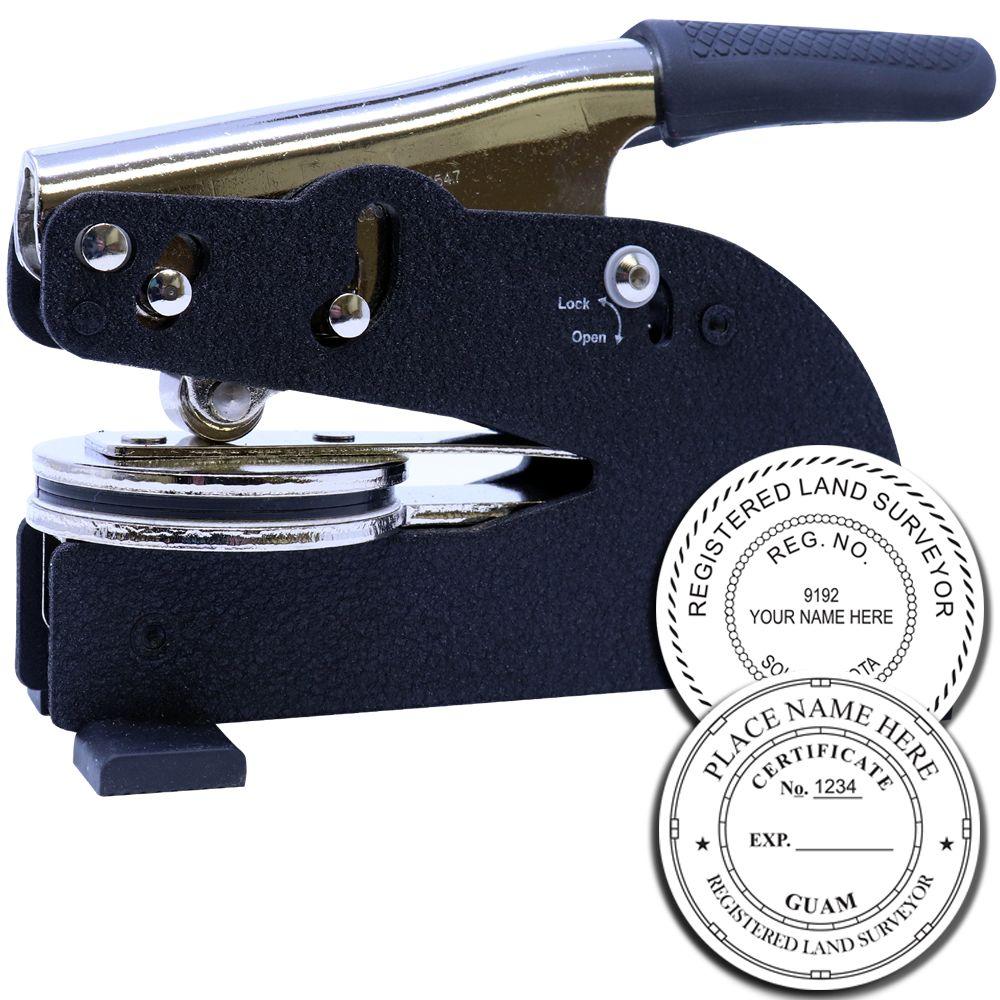
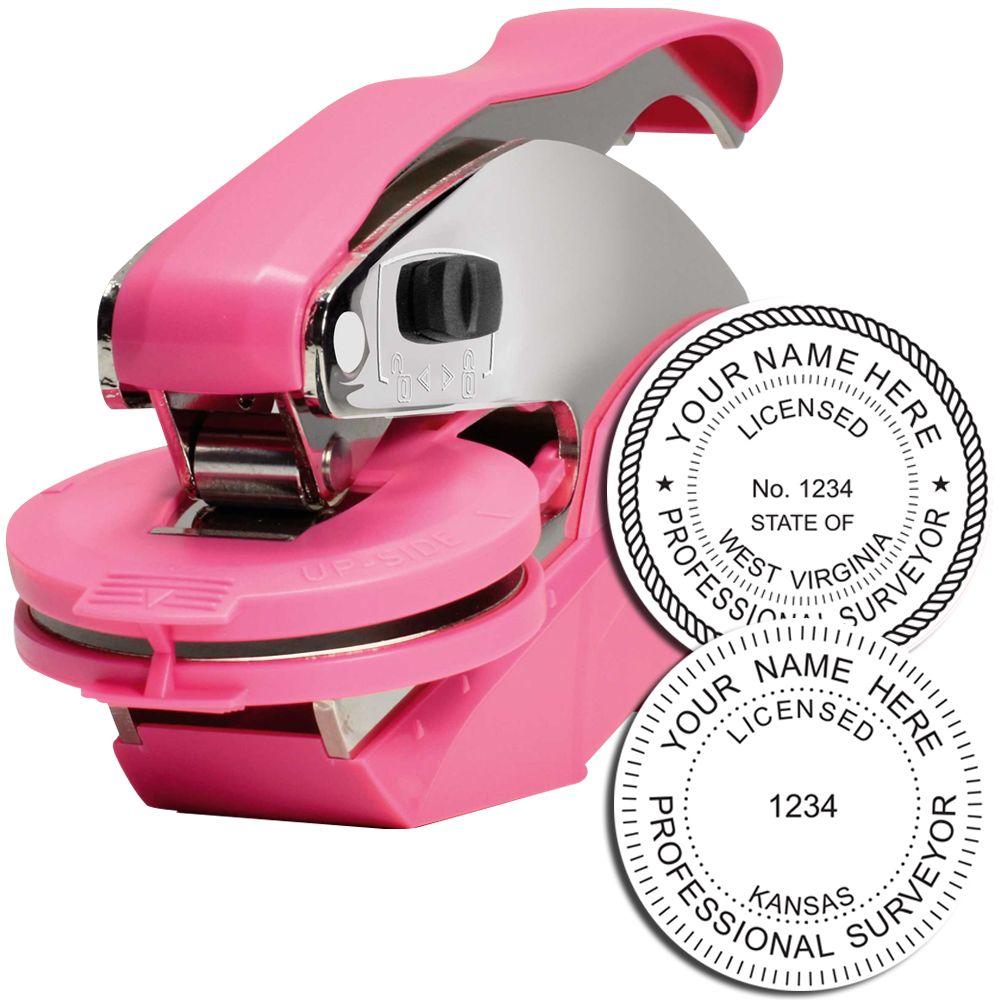
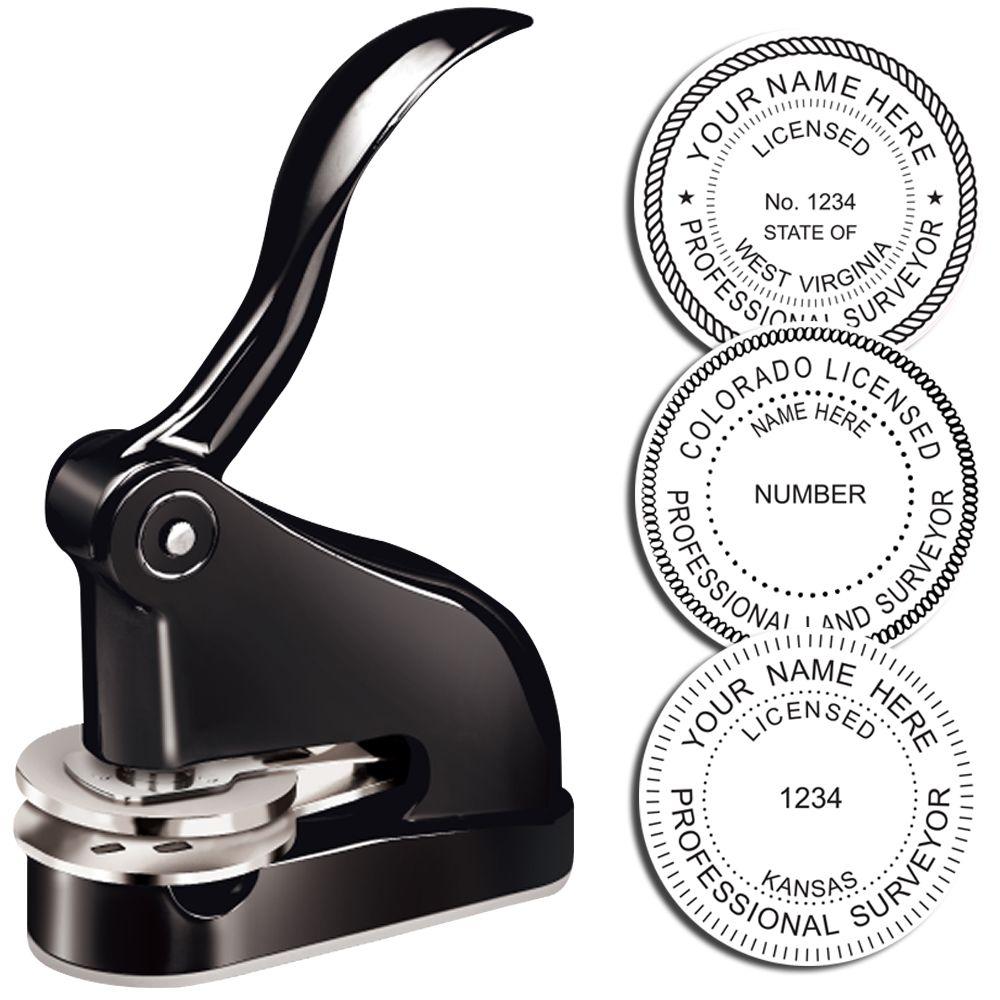
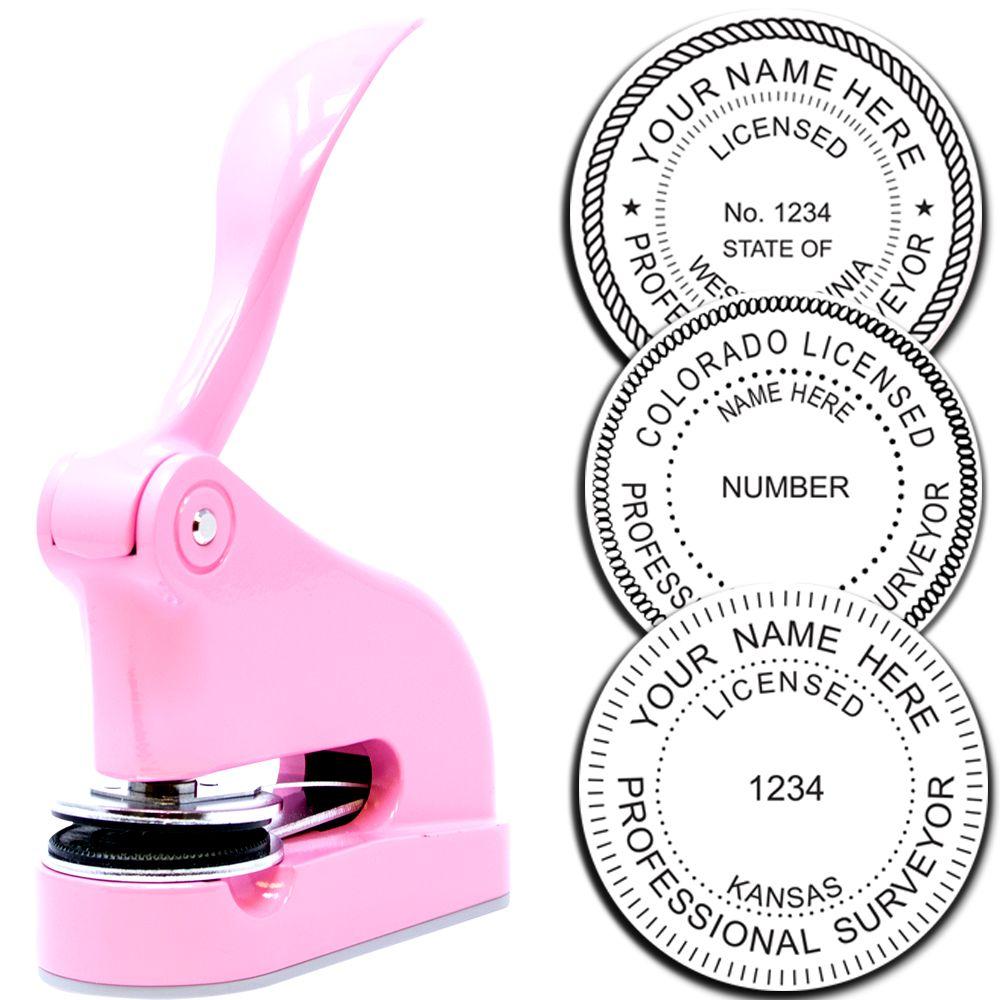
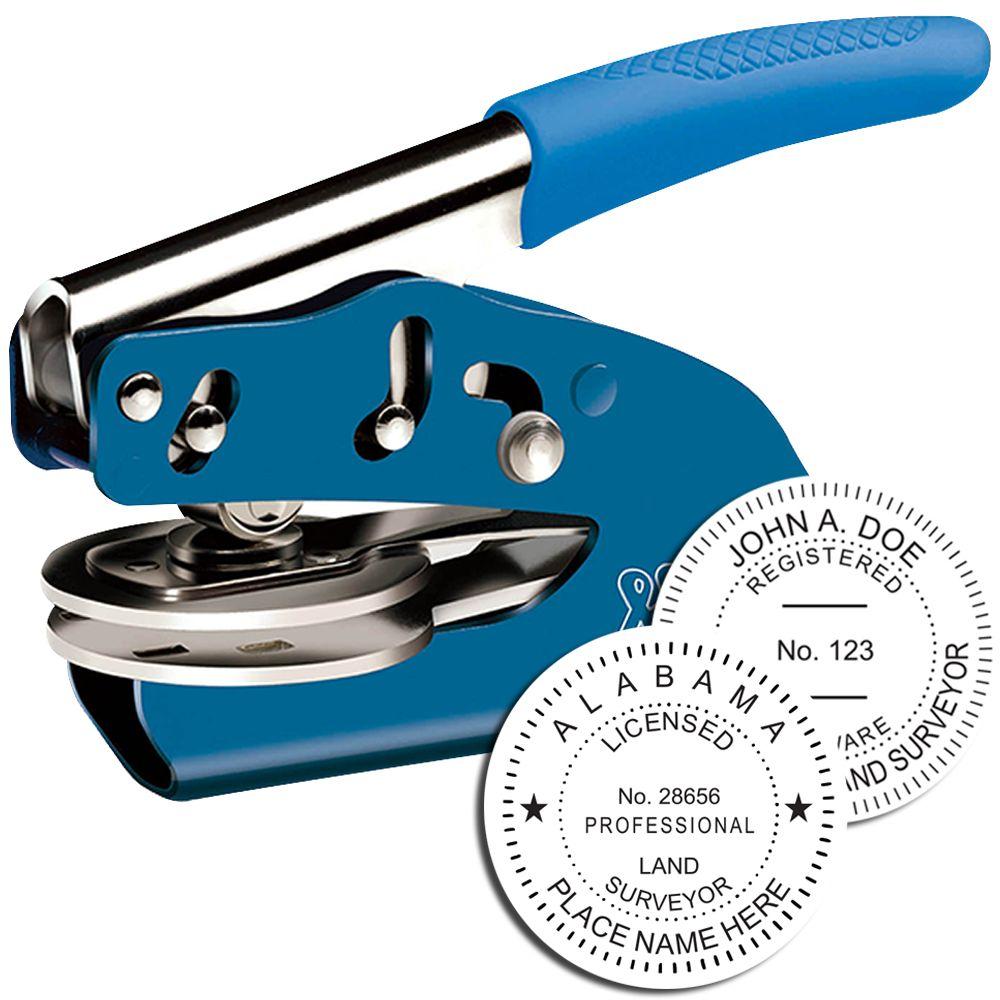
Not all embossers are created equal. You’ll find handheld versions that look like a hole punch, as well as desk embossers that stay put in your office. Each style has its pros and cons, so the key is to choose one that fits your workflow.
Handheld vs Desk Embosser
Here’s a quick comparison to help you weigh the options:
| Embosser Type | Pros | Cons |
|---|---|---|
| Handheld | - Portable, great if you’re on the go | - Might require a bit more hand force |
| - Generally lower cost | - Can be tough on large projects | |
| Desk | - Easier to operate, less manual stress | - Bulkier for travel |
| - Often produces crisper impressions | - More expensive upfront |
Some surveyors keep both on hand, one in the office and another in their field kit. If you travel a lot for client meetings, a portable embosser may serve you better. On the other hand, if you mostly work in a stationary location, the desk version can give you a cleaner and more precise imprint.
Verify The Imprint Quality
Before placing an order, confirm that the manufacturer can deliver a crisp, readable seal that adheres to state guidelines. At Acorn Sales, we’ve been in business since 1964, providing trusted seals and stamps that meet Virginia’s requirements. We also include a free digital seal that you can use for electronic documents.
Follow Proper Usage Steps
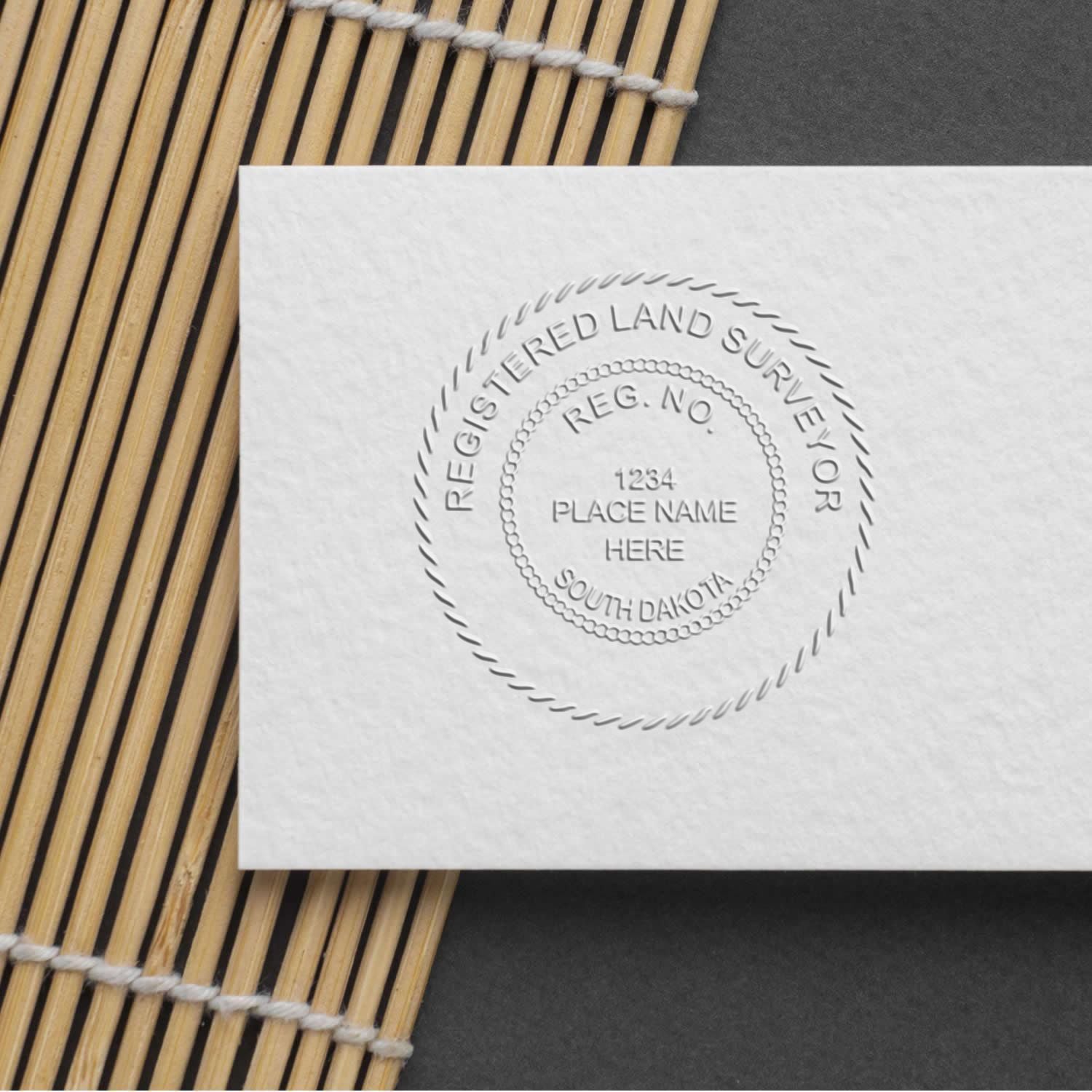
Using a seal embosser effectively isn’t difficult, but a few practical tips make all the difference. A poor impression can render a document invalid or at least raise questions about its legitimacy. Here’s how to make sure your seal looks professional every time.
-
Position Your Document Correctly
Make sure the area of the document where you plan to emboss is flat and accessible. Trying to reach awkward corners might cause smudges or partial impressions. -
Line Up Your Embosser
Center the text on your seal with the exact spot you want to stamp. Angle or misalignment can make the seal difficult to read. -
Apply Steady Pressure
If you have a handheld embosser, squeeze the handles firmly. For a desk model, press down smoothly. Avoid quick, jerky motions, they lead to incomplete impressions. -
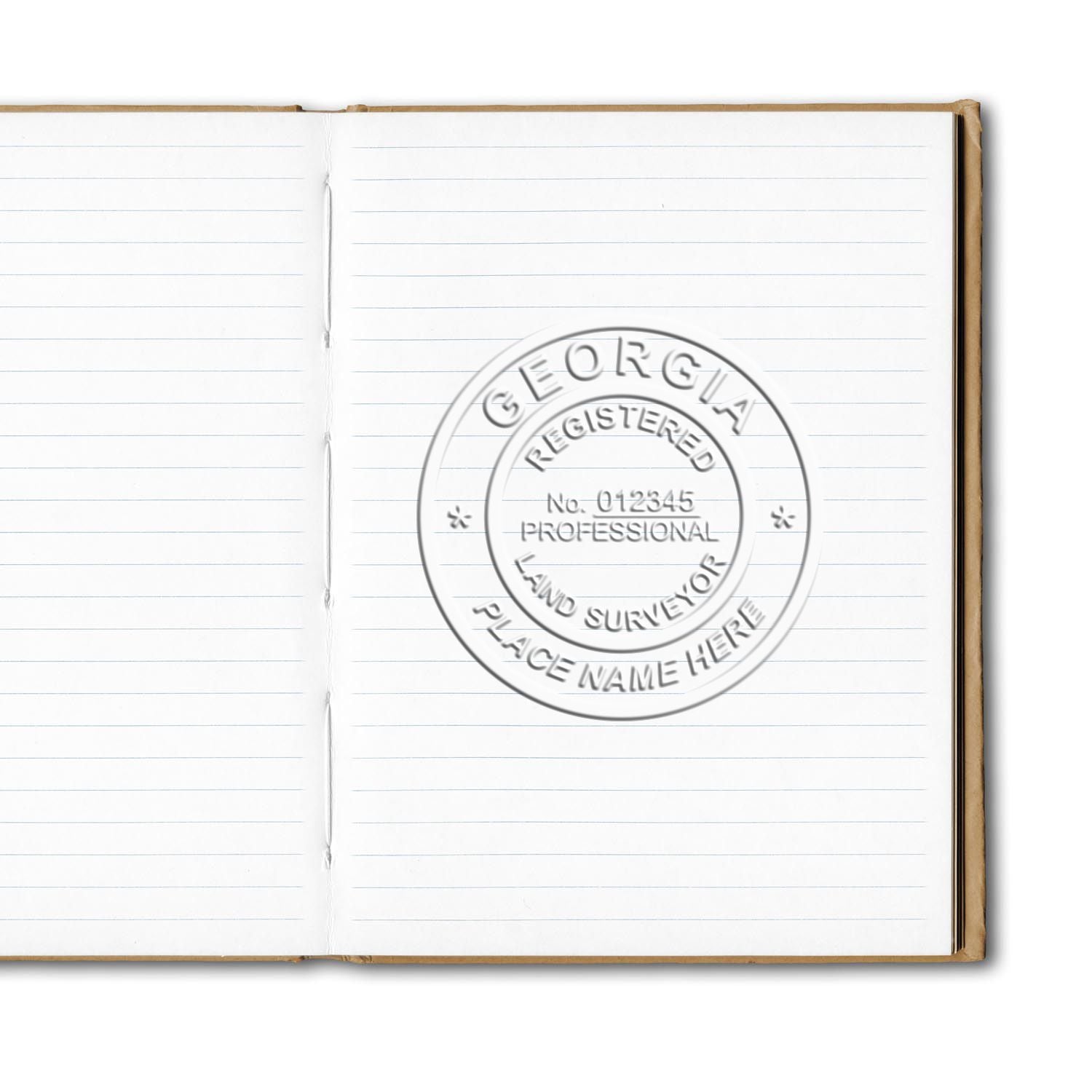
Inspect The Result
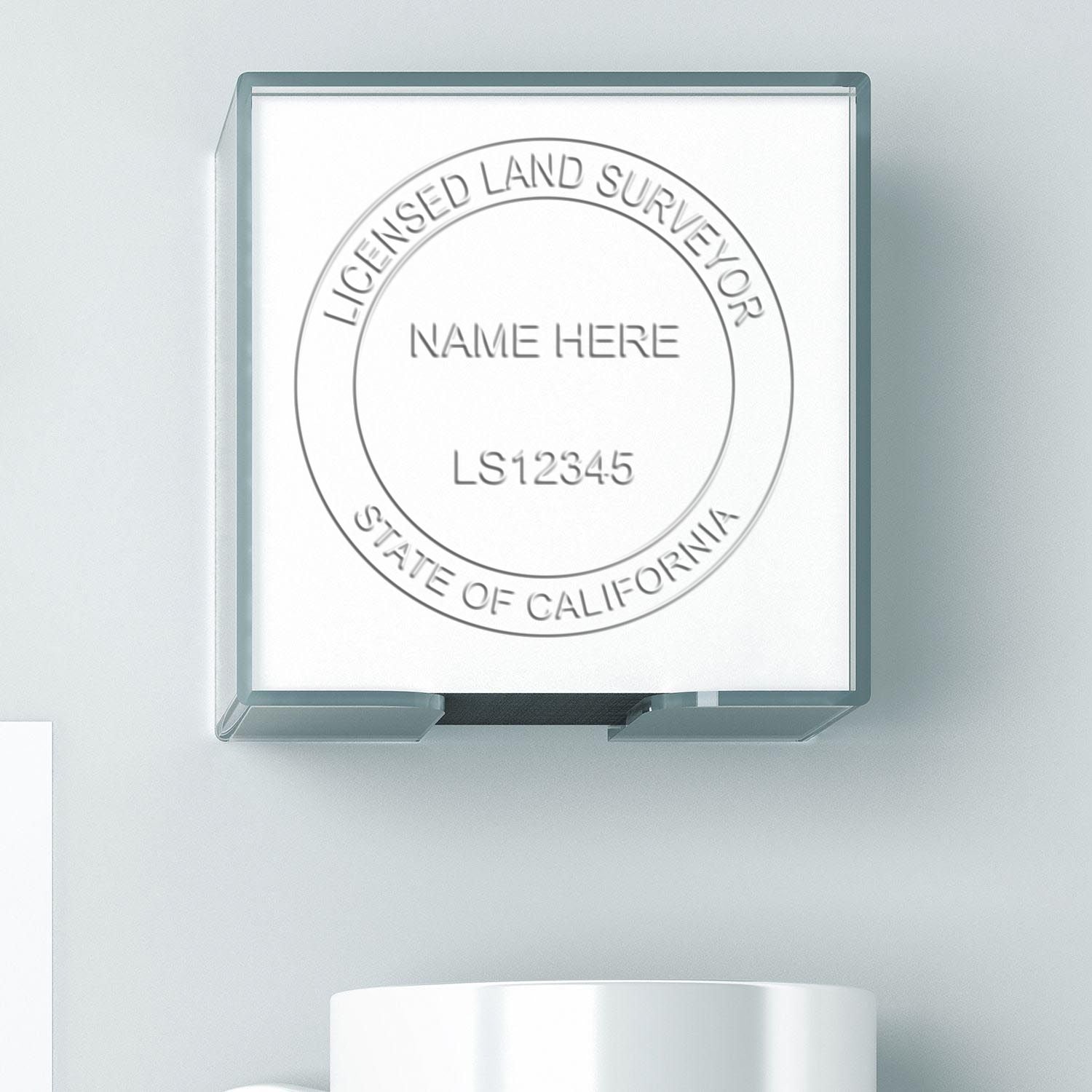
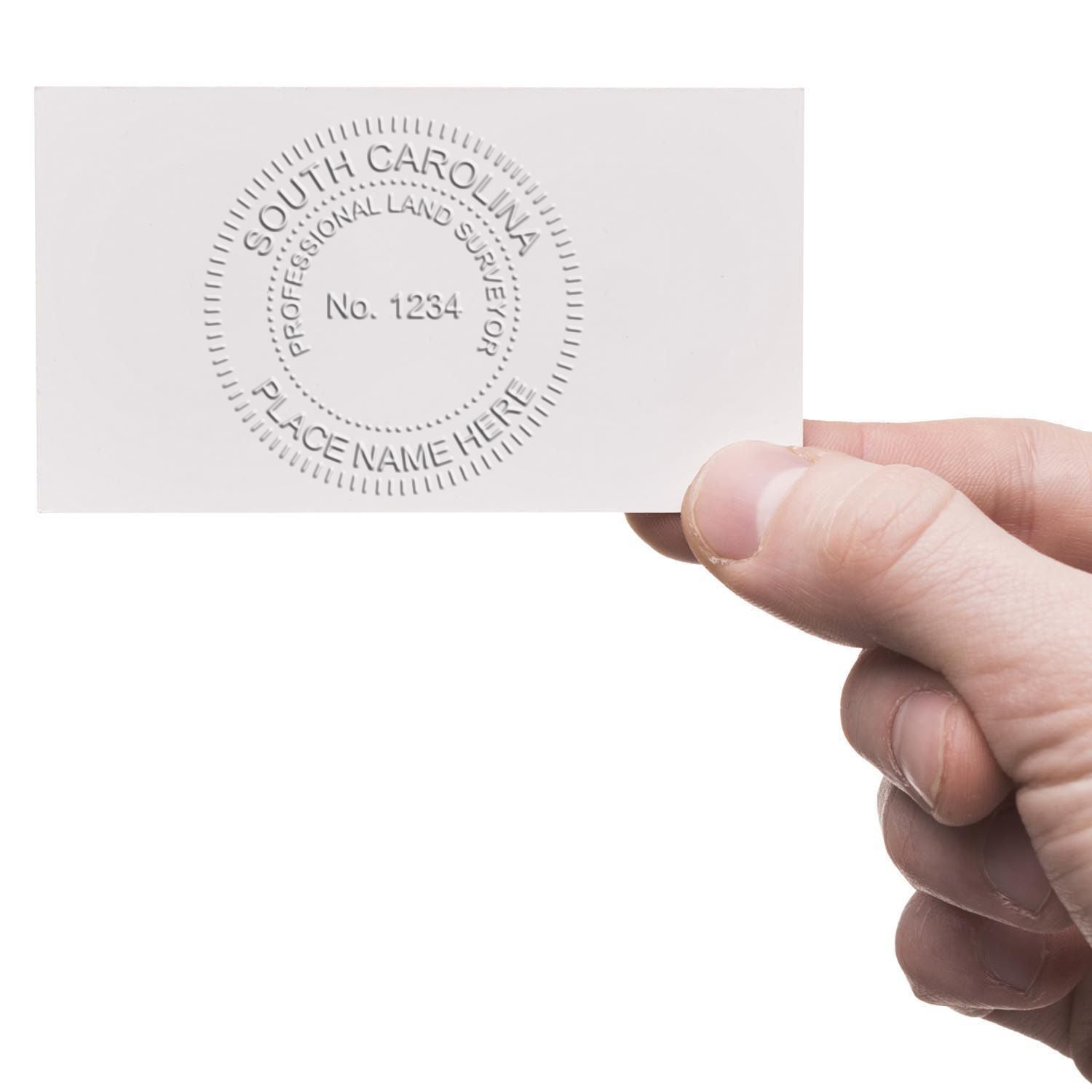
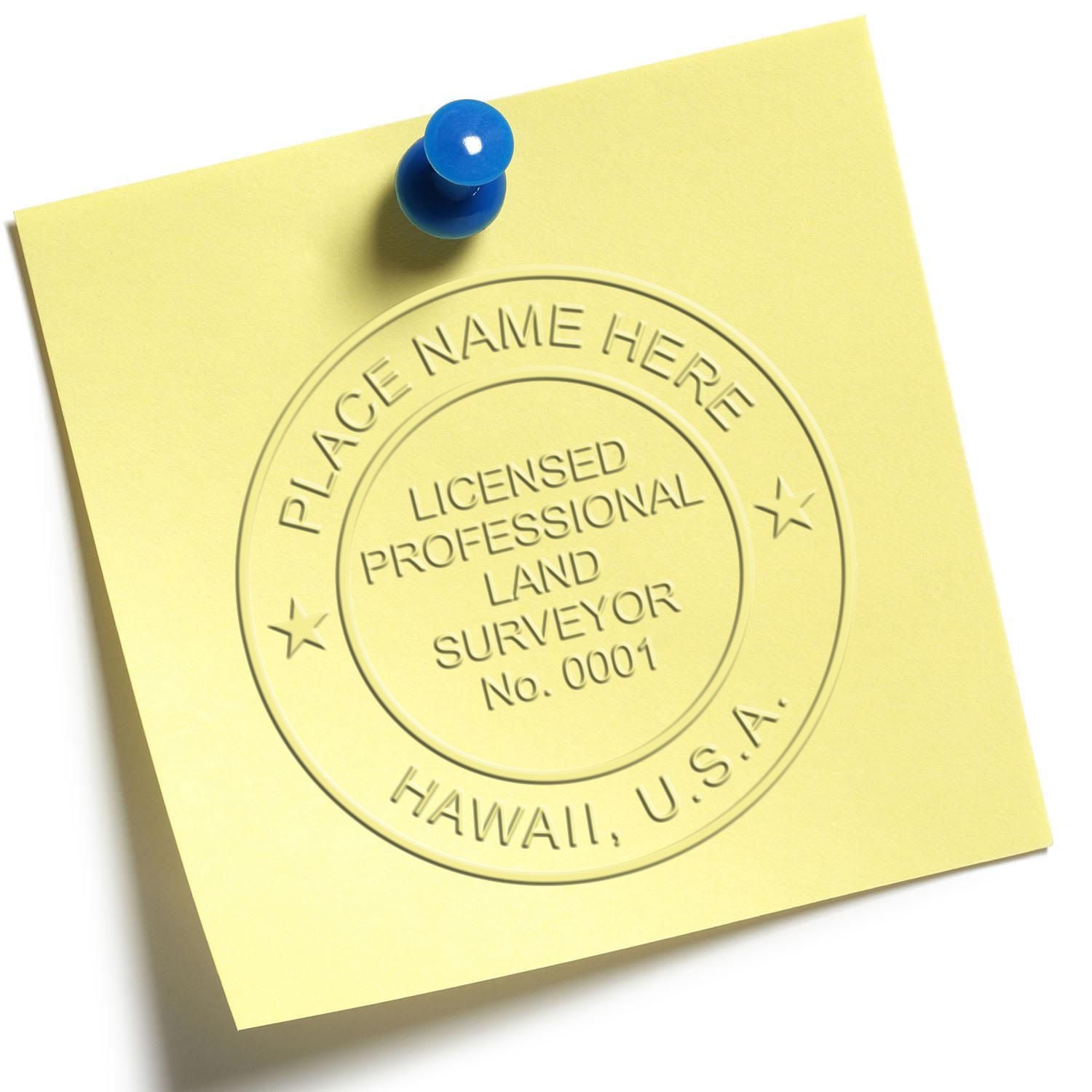
Check that every letter and number is clearly visible. If it looks faint, make sure your embosser is not worn out or misaligned.



The Role Of Digital Seals
Paper isn’t the only place your seal matters. Many more documents are being shared and stored electronically. That’s why Acorn Sales includes a free digital seal with each embosser purchase. A digital seal allows you to sign off on electronic files with the same authenticity as an embossed seal on paper. It’s also handy when you need to swiftly finalize documents without scanning or mailing.
Avoid Common Mistakes
Even experienced surveyors slip up from time to time. Give yourself a quick refresher on a few pitfalls to dodge:
- Using An Outdated Seal: If your license number changes or you relocate, you might need a revised seal. Don’t rely on an old impression that no longer matches current info.
- Stamping Illegible Paper: Some specialized documents have glossy or unusual textures. Test your embosser first to ensure clarity.
- Forgetting To Check The Guidelines: Rules can shift slightly over the years. It’s worth verifying you’re still compliant, especially after license renewals.
- Misplacing Your Embosser: A missing seal poses a security risk. Store it securely in a locked drawer or cabinet. If you lose it, report it right away.

Penalties For Non-Compliance
Accidentally skirting the rules can have serious consequences. Potential outcomes range from fines to license suspension. Even small oversights, like using a slightly smaller diameter than required, could lead to official warnings. Avoid trouble by regularly confirming you’re following up-to-date regulations.
Maintain Your Embosser
Routine maintenance often goes overlooked, but it’s the insurance you need for consistent, reliable seals. An embosser that’s jammed or worn out can ruin documents and cost you precious time.
Simple Care Tips
- Clean Metal Plates: Dust or small debris can compromise imprint quality. Use a soft cloth or compressed air to keep plates clear.
- Store It Properly: Keep your embosser in a cool, dry spot. Avoid leaving it in a vehicle during extreme temperatures.
- Check Tension: Over time, springs in handheld models can weaken. If you notice any slack, it might be time for a replacement or an adjustment.
- Consider Official Servicing: Some manufacturers offer tune-ups. Based on how often you use the embosser, an once-a-year inspection can keep it in peak shape.
When To Upgrade
Even high-quality embossers wear out. You might see partial impressions or have to apply much more force than usual. If repairs or tune-ups aren’t fixing these issues, upgrading might be the most cost-effective route. Acorn Sales is happy to help you explore options, whether you need a brand-new embosser or just fresh plates.
Review Key Takeaways
Let’s recap some of the main points covered:
- Stay Compliant: Know Virginia’s specific requirements before picking your seal.
- Choose Wisely: Decide between a handheld or desk embosser based on portability needs and comfort.
- Use Proper Technique: Center your document, apply consistent pressure, and inspect the impression for legibility.
- Prevent Slip-Ups: Keep tabs on your license info, check for regulation updates, and store your seal securely.
- Maintain Regularly: Clean and service your embosser to ensure crisp stamps. Upgrade when necessary.
With the right embosser in your toolkit, you’ll be confident that every document you sign is both valid and visually sharp. It might seem like a small detail, but your seal speaks volumes about your professionalism.
Feel free to reach out if you have any more questions on getting the right embosser for your day-to-day work. Partnering with a reliable vendor and following the correct steps will not only keep you compliant but also make your life a whole lot easier. And remember, your seal is a reflection of your credibility, so make sure it’s both accurate and easy to read!
Frequently Asked Questions
Do I really need a seal embosser if I have a rubber stamp?
Virginia requires a seal that follows specific guidelines. Rubber stamps can work in some cases, but many surveyors prefer the clarity and authenticity of an embosser. Always confirm which format your local agencies accept.
Can I use a digital seal instead of a physical embosser?
Digital seals are often used alongside physical embossers for electronic documents. While a digital seal is great for emailing or online submissions, most paper documents still require an embossed or stamped seal per state rules.
How often do I need to replace my embosser?
That depends on usage. If you emboss multiple documents daily, it’s wise to check for wear and tear every six months. Light usage might let you go several years before you need a new device.
Is there a specific design or wording I must follow?
Yes. Virginia’s board specifies the size, wording, and layout. You can find a detailed breakdown in the Virginia Land Surveyor Stamp Requirements. Having the exact text and dimensions ensures your seal is always valid.
Where can I buy an approved Virginia land surveyor seal embosser?
Acorn Sales has been a trusted supplier of land surveyor seal in Virginia since 1964. We offer a range of models, from handheld to desk embossers, and every purchase includes a free digital seal. Our products comply with all current state guidelines, so you can order with full confidence.








