
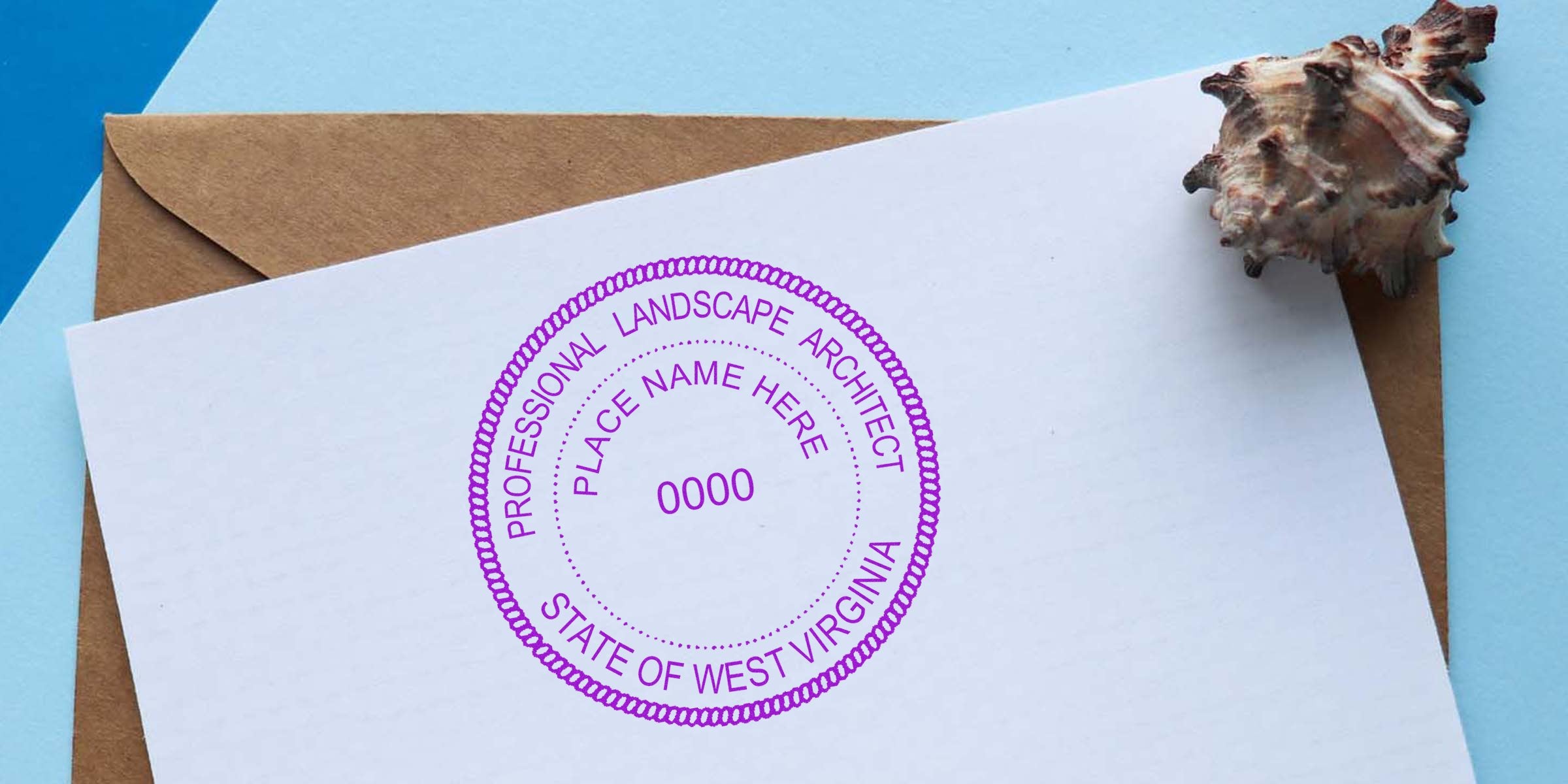
Thinking about West Virginia landscape architect stamp design can feel a bit daunting at first, right? After all, a landscape architect’s seal is more than just a rubber mark. It’s an official statement that stands for precision, quality, and professional compliance. But here’s the good news: you can breeze through the entire process once you know what the state requires and how best to design your stamp for maximum clarity and authority.
In this guide, you’ll find out why the design of your West Virginia Landscape Architect Stamp or seal matters so much, what elements to include, and how to avoid the most common pitfalls. You’ll also pick up strategies for choosing a reliable supplier, along with tips to keep your ordering process straightforward. By the end, you’ll have the tools to create or order a compliant stamp that meets state guidelines, looks sharp, and makes your life easier.
Understand West Virginia Requirements
Before we tackle design specifics, let’s talk about the rules. Why fuss with requirements? Because West Virginia’s licensing board works hard to maintain professional standards for landscape architects. They want to ensure your work represents expertise, safety, and ethical practice.
Licensing Basics
Every registered landscape architect in West Virginia must have a seal or stamp that includes:
- Your name as it appears on your license
- The words “Registered Landscape Architect”
- The state name, “West Virginia”
- Your license number
It’s also important to note any state guidelines around stamp dimensions. Most seals measure around 1.75 to 2 inches in diameter, although exact rules can vary. If you’re unsure, double-check the West Virginia Board of Landscape Architects for their latest specifications. Trust me, that step can save you from surprises later.
The Consequences Of Non-Compliance
If you skip any required element or go rogue with your own design, you may run into issues with the board. At best, you’d have to reorder a compliant stamp. At worst, you risk disapproval of your sealed documents and potential disciplinary action. That’s why it’s best to get it right—no pun intended—the first time.
Why The Design Matters
Feeling tempted to just slap your name and license number on a circle and call it a day? The design quality of your West Virginia landscape architect stamp actually matters for three key reasons.
Readability: You want your stamp to be easy to read, whether it’s on a blueprint, a report, or final construction documents. If the text is tiny or blurry, your client (and the board) may question your professionalism.
Professional Image: Think of your stamp as a small brand statement. Crisp lines, correct spacing, and balanced layout convey that you take your registration seriously. It’s a signal that you care about details.
Compliance Proof: A well-thought-out design avoids confusion about whether you’re meeting all the legal requirements. The clearer your stamp, the simpler it is for someone to confirm your licensure status.
Want an easy tip? Aim for a design that’s balanced, not crowded. That means enough “white space” so each element has room to stand out.
Key Elements Of A West Virginia Landscape Architect Stamp
So what exactly goes into a well-crafted West Virginia Landscape Architect Stamp? Let’s walk through each piece.
Name And License Number
Your full legal name should match your license. Double-check spelling, capitalization, and spacing. Next, place your license number distinctly—some professionals prefer it in the lower part of the stamp so it’s unmistakable. Make sure it’s legible. You don’t want anyone squinting to read your credentials.
Professional Title
Include “Registered Landscape Architect.” Some stamps shorten it to “Landscape Architect,” but the key is reflecting what’s recognized by the state. Also, verify if the board specifically prefers “Registered Landscape Architect” to maintain consistency.
State Identifier
The words “State of West Virginia” or some variation is likely mandatory. You can keep it simple with “West Virginia.” Just remember to maintain a symmetrical look. If you tilt text or place it off-center, the final impression might feel unprofessional.
Circle Or Not?
Most states, including West Virginia, traditionally favor a circular seal. However, rectangular or square layouts are sometimes acceptable if the board permits them. Check official guidelines or review examples from existing West Virginia-registered landscape architects to see which shape is standard.
Border And Fonts
A clear border helps identify the boundary of the seal. Typically, it’s a slightly thicker circular line around the text. Go for easy-to-read fonts. Bold, sans-serif options like Arial or similar styles usually reproduce well on official documents.
Choosing The Right Supplier
You can design a beautiful, precise stamp, but if the manufacturing quality is subpar, you’ll see smudges or incomplete imprints. Here’s the thing: not all suppliers are created equal. That’s where Acorn Sales comes in.
Acorn Sales has been a trusted supplier of professional stamps and seals since 1964. They’re known for accurate designs that comply with state requirements. They also include a free digital seal with every order, which is super handy if you need to email or digitally attach your official seal to documents. Plus, when you’re shopping for your West Virginia Landscape Architect Stamp through Acorn Sales, you can choose from embossers or ink-based stamps for all your project needs.
Embosser Vs. Ink Stamp
Wondering which format suits you best? Here’s a quick comparison:
| Feature | Embosser | Ink Stamp |
|---|---|---|
| Appearance | Raised, embossed impression | Crisp, flat ink impression |
| Visibility | Subtle, best on standard paper | Highly visible, good on multiple paper finishes |
| Ease Of Use | Requires a bit of pressure | Quick and simple to stamp |
| Document Handling | Ideal for certificates or official records | Ideal for drawings, typical office documents |
Either option can work well for your West Virginia seal, but it really depends on your day-to-day usage. If you’re constantly stamping design plans, an ink stamp might save time. If you want that formal, raised finish, consider an embosser.
Common Pitfalls And How To Avoid Them
Let’s face it, we all make mistakes sometimes. But with your official seal, a small slip can lead to big headaches. Below are a few common pitfalls you can dodge:
Skipping A Board Check: Are you absolutely sure you know the sizing or text layout the board requires this year? Requirements can change. A quick scan of the state board website or a phone call ensures you’re up to date.
Overly Complex Designs: More isn’t always better. You’ll need enough space to make your text clear, so skip extraneous flourishes or images that might muddle your information.
Poor Quality Material: Cutting corners on suppliers can result in shallow embossers or cheaply made ink stamps. That can lead to unreadable seals. Invest in a reputable provider to avoid reorders.
Wrong Ink Or Paper: If you’re stamping specialized, glossy paper or even blueprint vellum, test your stamp first. Some inks smear or fail to dry quickly on slick surfaces.
Typos Or Name Errors: Double-, triple-, and quadruple-check your name and license number. The state board certainly will!
Tips For Error-Free Stamping
When it’s time to put that seal to use, consistency is key. You want each document to look professional and uniform.
- Maintain Clean Stamps: If you’re using an ink stamp, wipe away excess ink occasionally. Dust and residue can build up, causing smudges.
- Use Steady Pressure: For both ink stamps and embossers, apply firm but even pressure. Pressing too lightly leads to incomplete impressions, and pressing too hard can blur the details.
- Align Carefully: If your seal needs to appear in a specific spot on the page, mark faint guidelines with a pencil, then erase them afterward.
- Store Properly: Keep stamps in a cool, dry place, away from direct sunlight or extreme temperatures. Heat can warp plastic components, and humidity can degrade rubber over time.
Steps To Order Your Stamp
Let’s walk through a simple checklist to make your ordering process a breeze:
- Verify Requirements: Confirm the rules for West Virginia stamps.
- Gather Your Info: Have your full legal name, license number, and any required text ready to go.
- Pick Your Format: Choose between an embossing seal or ink stamp. Decide on the best size or shape for your documents.
- Place Your Order: Select a trusted supplier like Acorn Sales. Remember, you’ll get a free digital version of your design, too.
- Perform A Final Review: Once you receive the proof (if provided), look it over thoroughly. Check the spelling of your name, your license number, and any spacing details.
- Stamp Away: After receiving the physical stamp, try it on a test paper first. If all looks good, you’re ready to start sealing your professional documents.
How Acorn Sales Supports You
Shopping for a West Virginia Landscape Architect Seal shouldn’t be complicated. With Acorn Sales, you get:
- High-precision crafting since 1964, so you can trust the quality.
- A free digital seal for electronic documentation.
- Multiple stamp and embosser options, letting you choose what fits best.
- Friendly support if you have questions or concerns about state guidelines.
It might feel like a small detail, but saving time and energy on verifying compliance is a big deal. When you know an expert is backing you up, you can focus more on the creative side of your landscape architecture projects.
Final Thoughts
Designing your West Virginia landscape architect stamp is about merging function with compliance. You want a layout that meets state standards, represents your professional identity, and gives a neat, readable impression. That’s why paying attention to every design component, from border thickness to font choice, can make a difference.
If you’re ready to finalize your new or updated stamp, be sure to go with a supplier that understands the ins and outs of West Virginia regulations. A minor detail—like missing a key piece of text—can delay your projects or create unpleasant administrative hurdles. But once everything is set, you’ll have the satisfaction of knowing your seal is as official and reliable as you are.
Want to learn more or pick up your West Virginia stamp soon? Check out your trusted supplier, Acorn Sales, and get started on the simplest path to a professional, fully compliant seal.
Frequently Asked Questions
Do I Need A Digital Seal If I Already Have A Physical Stamp?
You’re not required to have a digital seal, but it’s super convenient for electronic submissions. At Acorn Sales, you get a free digital version, so it’s basically a must-have for modern workflows.
How Often Do West Virginia Requirements Change?
The rules aren’t updated constantly, but changes can happen. Before ordering, give the state board’s website a quick check. If you’re unsure, contact the board or a reputable supplier for the latest guidelines.
Are Ink Stamps Acceptable On Blueprint Paper?
Yes, if you use the right ink. However, some blueprint or glossy papers can smear. Always do a test stamp first to make sure your seal is clean and legible.
Can I Customize The Font Or Border Design?
You can, as long as you don’t violate any board requirements. Keep it clear, readable, and within the state’s layout guidelines. When in doubt, opt for a classic, proven design that won’t cause approval issues down the road.








