
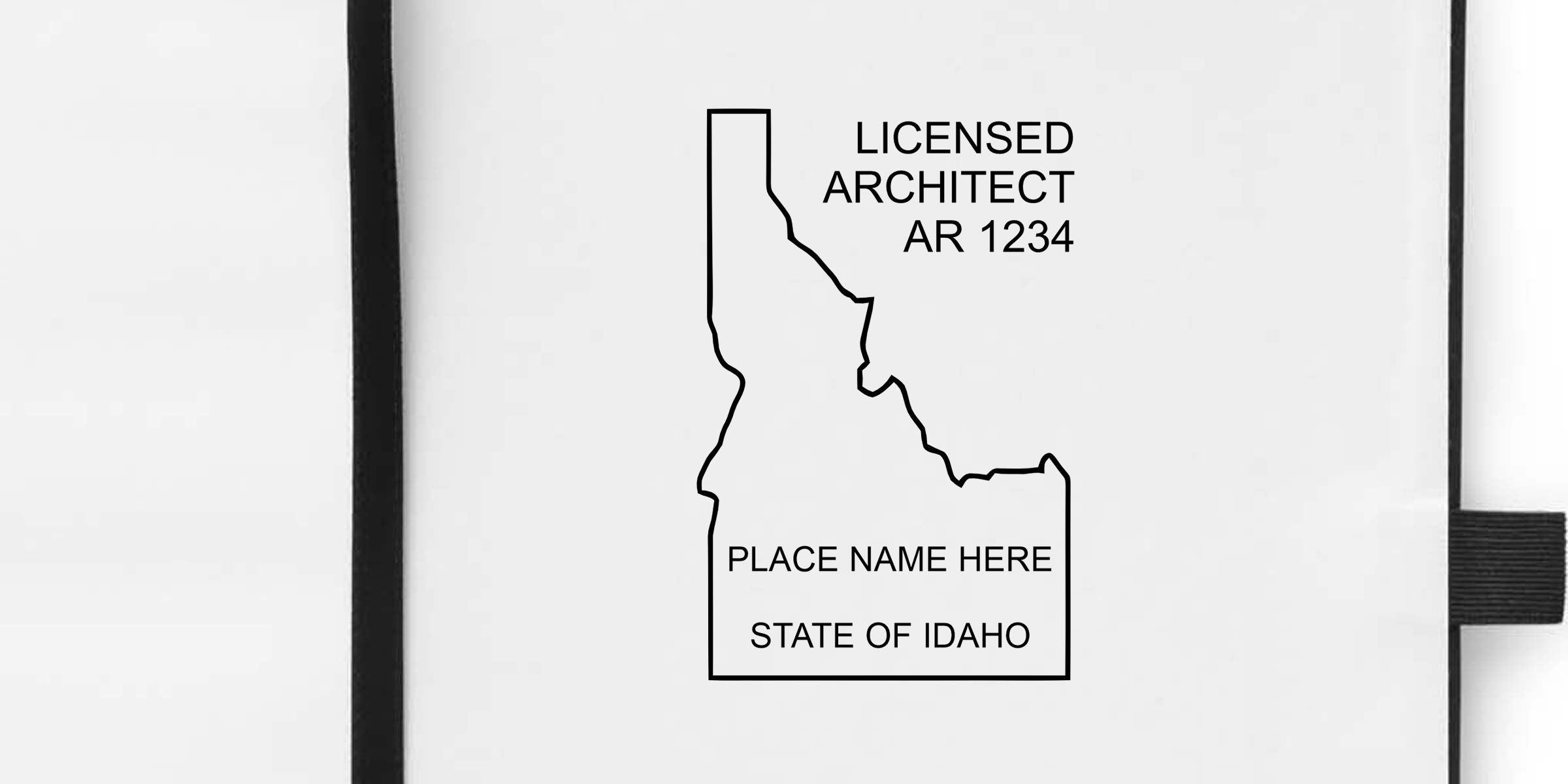
If you’re looking for a professional architect seal that meets all the right requirements, you’re definitely not alone. A precise, compliant seal can make your architectural documents look polished and official, which builds confidence in your work. Let’s walk through a few key points to help you get the best value and avoid common pitfalls.
Understand why you need a seal
An architect’s seal isn’t just a pretty stamp. It’s your professional signature on blueprints, drawings, and official paperwork. By using an authorized seal, you’re showing clients and regulators that you take your work seriously. Here’s the thing: many states require architects to apply a seal before they can submit plans for permits or public records. Missing this step might delay projects or cause confusion for local officials.
Check state board requirements
Each state has its own guidelines on how a seal must look and function. That’s why it’s smart to shop for a seal that is clearly state board compliant. Acorn Sales, in business since 1964, understands these regulations and crafts seals that follow every detail. Because of their long history, you can trust they’ve got the know-how to ensure you won’t run into compliance hiccups.
Pick the perfect design
Your seal style is important for readability and professionalism. Whether you prefer an embosser or a rubber design, keep these points in mind:
- Ensure the text is sharp and easy to read.
- Go for durable materials if you’ll be stamping frequently.
- Look for a design that clearly showcases your name and license number.
Additionally, it’s a good idea to browse an architect seal stamp if that suits your daily workflow. A simple, consistent look instantly adds legitimacy to the documents you create.
Get quick service and extra perks
You don’t want to wait around for weeks when you need to seal a set of plans now. Quick service is everything. That’s why partnering with an experienced provider like Acorn Sales makes sense. Not only can you expect your order to arrive on time, but they also offer a free digital seal with every stamp purchase. This digital perk is a game-changer when you need to submit electronic documents fast.
Put your seal to work
Once you have your professional architect seal, double-check that it matches your license details. Always test it on a scrap page to confirm the impression is crisp. You might need to gently wipe or clean the seal after extended use, but beyond that, it’s a breeze to maintain. Keep it stored safely—nobody wants a coffee spill on their crucial tools.
A well-chosen seal does more than meet legal requirements. It instills trust in your clients and project partners. When they see that stamp, they know they’re working with a pro who values accuracy and professionalism.
Final thoughts
Having the right seal is more than formality. It’s a statement of readiness and authority in your field. Look for a seal that’s built to state specifications, delivered with quick turnaround, and offered by a trusted brand. Thanks to Acorn Sales’ decades of experience, you’ll have the backing of a company that understands architects’ needs, from compliance to convenience. Grab your free digital version along with the physical stamp, and you’ll be all set.
Ready to put your new seal to use? It’s time to approve that next blueprint or plan set, and confidently mark it with your official seal. With the right provider at your side, making a professional impression becomes second nature. Happy stamping!
Frequently Asked Questions
What makes a professional architect seal compliant with state board requirements?
A compliant professional architect seal should match your state board’s specific rules for size, format, wording, license number, and any required registration details. Since requirements vary by state, it’s important to choose a seal made to state specifications so your drawings, plans, and permit documents are accepted without delays.
Should I choose an embosser or a rubber architect seal stamp?
The best choice depends on how you use it. An embosser is ideal for a raised, tactile impression and a more traditional professional look, while a rubber architect seal stamp is often easier for frequent use and produces a clear printed image on documents. If you work with both paper and electronic files, a provider that offers a free digital seal can add extra value.
Why do architects need a seal on plans and drawings?
An architect seal serves as your professional authorization on blueprints, drawings, and official paperwork. In many states, it is required before plans can be submitted for permits or public records. Using a proper seal shows that your work is authenticated, compliant, and ready for review by clients and regulators.
What should I look for when buying an architect seal stamp online?
Look for a seal that is durable, easy to read, and built to your state’s requirements. You should also check that your name and license number are clearly displayed, the materials are made for frequent use, and the supplier has experience with professional compliance. Fast turnaround and digital options are also helpful if you need to send documents quickly.
Can I get a digital architect seal with my stamp purchase?
Yes, some providers include a free digital seal when you buy a physical architect seal stamp. This is especially useful for submitting electronic plans, PDFs, and other digital documents without delaying your workflow. It’s a valuable perk for architects who need both paper and electronic sealing options.
How do I maintain my architect seal so it lasts longer?
To keep your architect seal in good condition, store it safely, clean it regularly if needed, and test it on a scrap page before using it on final documents. Make sure the impression stays crisp and that your seal details still match your current license information. Proper care helps protect both the seal and your professional presentation.








