
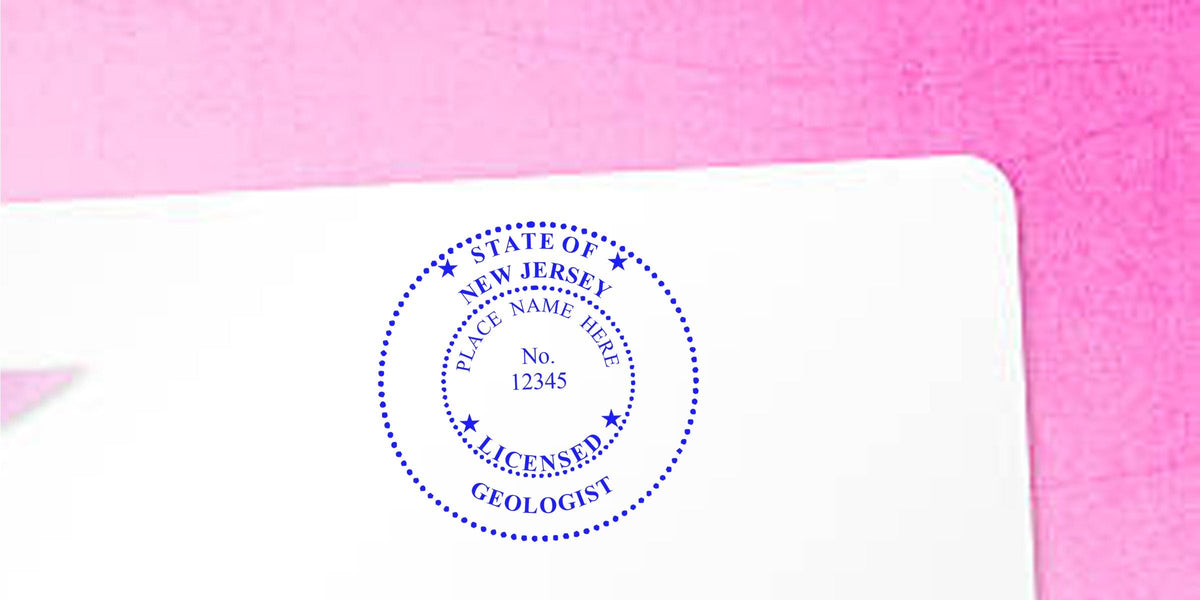
Understand the New Jersey Licensed Geologist Seal
If you’re working toward your licensure as a geologist in New Jersey, you’ve probably heard about the “New Jersey licensed geologist seal.” This official seal is more than just a stamp on paper—it’s a hallmark of professionalism and a requirement set forth by the state. It signals to clients, agencies, and the public that your work adheres to recognized standards. You might be wondering, “Why is this simple tool so important?” Let’s walk through the basics to help you understand what the seal is and why it matters.
The seal typically features your name, license number, and the phrase “Licensed Professional Geologist” or a variation that meets state regulations. Once you affix it to your documents, you’re confirming that your analyses and recommendations meet the expectations for licensed geologists in New Jersey. In other words, it’s a quick way to show your qualifications and add an extra layer of legitimacy to your reports, plans, and surveys.
Why the Seal Matters
Seals have been used throughout history for one core purpose: authenticity. For today’s geologists, the concept remains the same. Your seal is a visual representation of your competence and responsibility. It distinguishes you from non-licensed practitioners who might produce geological documents but may not carry the same level of expertise or accountability.
Think of it like wearing a uniform that confirms you know your stuff. When agencies, clients, or officials see that seal on your report, they know they can trust the professional standing behind it. It’s the kind of reassurance that can mean all the difference when it comes to securing new projects or submitting crucial geological insights to local authorities.
Just as important, failing to use the seal correctly can land you in hot water. While you might think a signature alone is enough to validate a document, New Jersey has regulations that specifically require the official seal for certain types of work. Going without it can result in rejection of your documents or even disciplinary measures. Simply put, the seal matters because it’s an essential step in fulfilling your ethical and professional obligations.
Meeting State Requirements
What exactly does the state expect from you regarding this seal? New Jersey typically requires licensed geologists to use an official seal or stamp that meets specific layout guidelines. The wording, shape, and placement of the seal are usually defined by the state’s Board of Professional Geologists. While this might sound strict, these regulations keep everyone consistent and simplify verification.
Once you have your license, you’re generally expected to procure a seal that matches these guidelines. Think of it as one of the final boxes to check when you become a licensed professional. Although the exact design rules can change occasionally, it’s always wise to review the latest official documentation. If you’re ever unsure about a detail—say, your name formatting or the border design—check the Board’s published regulations for clarity. That way, you’ll avoid any last-minute surprises when submitting important documents.
Because New Jersey places a strong emphasis on credibility, the Board also outlines when and where you should apply your seal. Typically, it appears on final reports, drawings, and certain submissions that outline your professional judgment. Using it on initial drafts can cause confusion, so you’ll want to apply your seal at the end of your process, once you’re confident in the document’s accuracy and completeness. Doing so confirms that every piece of information is up to snuff before it goes into the hands of clients, agencies, or partners.
Choosing Your Seal Format
When it comes to your New Jersey licensed geologist seal, you can choose from different formats that fit your workflow and preferences. While they all serve the same function, each style comes with its own advantages.
-
Embosser
An embosser adds a raised impression to your document without ink. You squeeze the seal handles (like a handheld press) to create a clean, tactile imprint. Some geologists prefer embossers for critical documents because they’re hard to replicate with a simple photocopy. -
Self-Inking Stamp
This type uses an internal ink pad that automatically re-inks your seal after each impression. It offers quick, consistent prints and is especially handy if you have stacks of pages to stamp in a single session. -
Pre-Inked Stamp
Pre-inked stamps hold the ink within the stamp die, transferring a crisp, detailed imprint with minimal effort. They’re known for their excellent precision, making them a great option if you want a sharp, professional look. -
Rubber Stamp
This more classic approach requires a separate ink pad. It’s versatile, and you can use different pads with various ink colors. Though it takes slightly longer per impression, it’s straightforward and budget-friendly.
Below is a quick comparison table to help you decide which seal format might serve you best:
| Format | Key Benefit | Consideration |
|---|---|---|
| Embosser | Tamper-resistant mark | Needs moderate hand pressure |
| Self-Inking | Fast, high volume | Limited color options |
| Pre-Inked | Crisp detail | May need refills over time |
| Rubber Stamp | Flexible ink choices | Requires separate ink pad |
You can pick whichever format lines up with your priorities. If you need to churn out dozens of sealed pages daily, a self-inking stamp might be your best bet. If you’re more concerned with a unique, tamper-resistant look, an embosser could be the way to go.
Steps to Obtain Your Seal
Wondering how to get your hands on this vital piece of your professional toolkit? Here’s a quick rundown:
-
Confirm Your License
Before you order a seal, you first need that official license from the New Jersey Board of Professional Geologists. Double-check that everything’s finalized and your license number is correct. -
Shop from a Trusted Supplier
Look for a company that specializes in professional seals and offers designs meeting New Jersey’s exact specifications. You’re investing in something that you’ll use for years, so quality matters here. -
Provide Your Details
Suppliers will need your name, license number, and sometimes additional info to create a custom die or embossing plate. Make sure you spell everything accurately. One typo at this stage could lead to reordering or delays. -
Check for Digital Seal Options
In many states, digital sealing is becoming more common—even required for certain e-filed documents. If you expect to submit documents electronically, opt for a supplier that includes a free digital seal. This can save you from scanning physical impressions each time you submit online. -
Review a Proof (If Available)
Some manufacturers let you review a digital proof before engraving or producing your stamp. Take a moment to look it over. Any errors here will appear on your final seal, so be thorough. -
Wait for Delivery
After everything is approved, allow for production and shipping time. Once it arrives, test it on a few scrap sheets to see if the impression matches your expectations.
If you need more specific details about choosing a stamp over an embosser, check out the new jersey geologist stamp page. It expands on your options for a professional impression that suits your unique preferences.
Useful Tips for Proper Usage
Having a freshly minted seal doesn’t do much good if you don’t use it correctly. Here are some tips to keep in mind:
-
Mark Only Final Documents
Your seal should only go on documents after you’re satisfied with the content. If major edits happen later, you’ll need to re-seal the revised version. -
Legibility Is Key
Make sure the final impression is clean. If you notice ink smudges, double-check your technique or switch to a fresh pad. Embosser slip-ups tend to happen when you apply uneven pressure, so keep things steady. -
Store Securely
Stamps and embossers can be stolen. Keep your seal locked up or in a safe place. The last thing you want is someone else using your professional credentials. -
Date and Sign
Don’t rely solely on the seal. Your signature and date usually go next to it, indicating exactly when your professional certification of the document took place. -
Stay Updated
Regulations can change, and new guidelines might emerge. It never hurts to keep an eye on official notices from the Board or to confirm your seal design stays in line with the latest standards.
Trust Acorn Sales for Your Seal
Ready to make your New Jersey licensed geologist seal official? With Acorn Sales, you can tick every box. We’ve been in the business of making professional stamps and seals for over 60 years, so you’re partnering with a team that knows precision like the back of our hand.
We also provide a free digital seal with your purchase—perfect for times when an electronic signature is required or simply more convenient. This digital file includes all the details from your physical seal, so you can add it to PDFs or other electronic documents without having to scan anything. It’s a huge timesaver if you regularly submit your work online.
Beyond convenience, Acorn Sales is committed to crafting seals that stand up to regulatory scrutiny and everyday wear. We use sturdy materials and detailed engraving techniques to ensure your seal never fades or blurs prematurely. After all, your stamp or embosser is a long-term investment in your reputation. Let’s be honest: you deserve a seal that represents your hard-earned credentials accurately.
By following the recommendations above, you’ll stand out as a professional who leaves no room for doubt about your qualifications. Whether you choose an embosser, a pre-inked stamp, or go digital, having a reliable seal is a powerful way to confirm your expertise in geology. And when you’re ready to order, Acorn Sales will have your back with high-quality construction, a free digital seal, and a reliable track record of over six decades in the industry.
Give yourself the peace of mind that comes with doing things by the book. By making use of your seal correctly, you’ll be equipped to deliver trustworthy, professional work that meets every New Jersey standard. If you’re still weighing different seal options, remember you can always stop by new jersey geologist stamp and see which product aligns with your needs. Here’s to many years of practicing geology in the Garden State with confidence!
Frequently Asked Questions
Do I Need a Seal if I Only Work on Internal Company Documents?
In many cases, yes. Even if your work remains in-house, some documents might be shared with other stakeholders down the line. It’s always best to stay compliant because your seal confirms your licensed status to anyone reviewing those materials.
Can I Use the Same Seal for Another State’s Requirements?
Every state has its own rules regarding seals and licensure. You’ll generally need a separate seal design if you practice in multiple states. Be sure to verify the exact wording and layout for each region to avoid having your documents rejected.
What if My License Number Changes or I Get a Name Change?
You’ll need a new seal reflecting the updated information. For instance, if your license number changes, that outdated seal might not meet current requirements. Be sure to order a new seal as soon as possible to keep your documents in compliance.
How Often Should I Replace My Stamp or Emobssing Plate?
That depends on usage. Self-inking and pre-inked stamps may require re-inking after a certain number of impressions, and embossers might need new plates if they lose sharpness. A high-quality seal should last years, but routine checks are wise to ensure crisp, readable impressions.








