
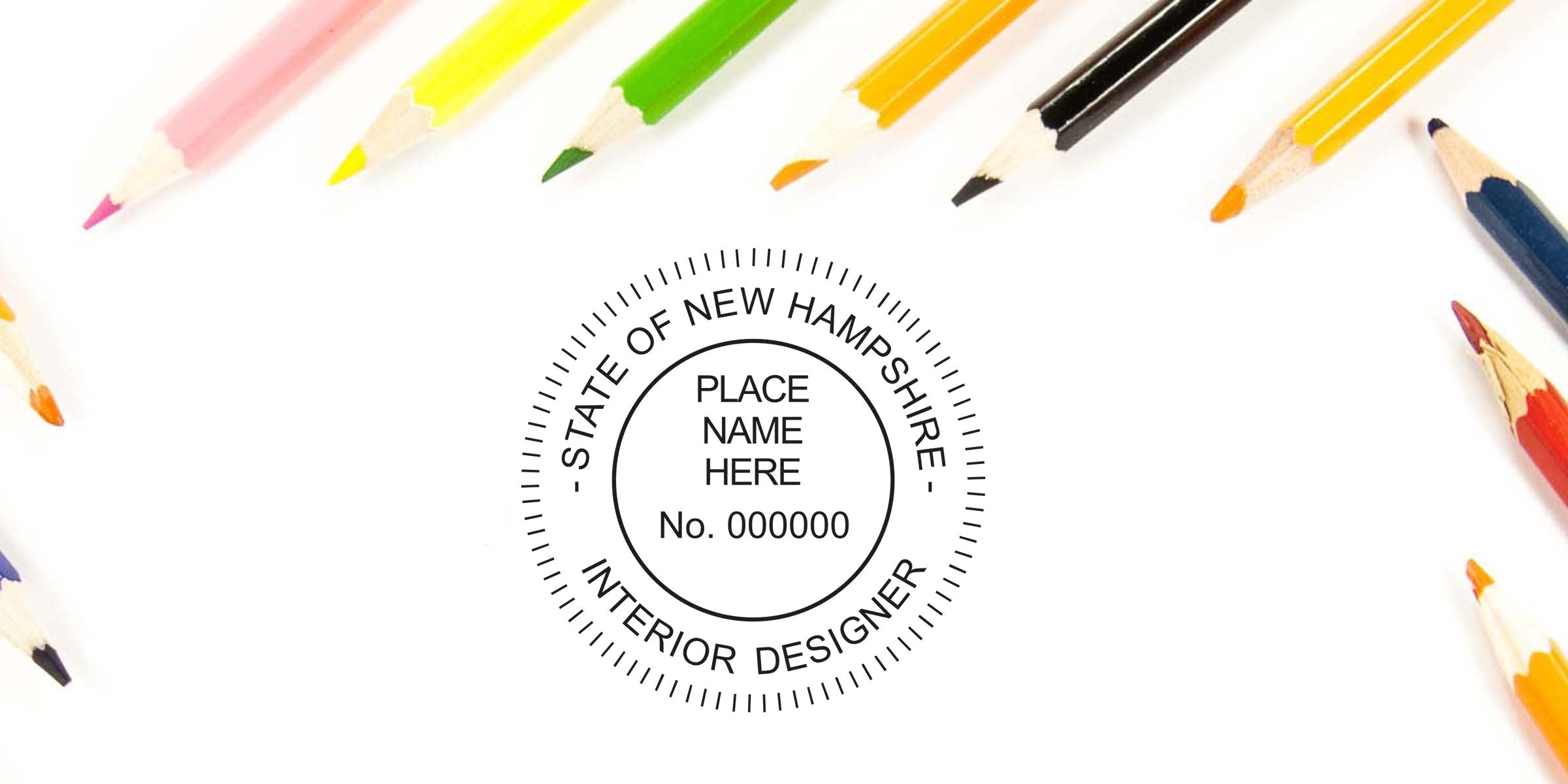
Trying to wrap your head around the official interior designer seal New Hampshire requires? You’re not alone. Whether you’re just starting out in the field or you’ve been designing dream spaces for years, you’ll eventually need the proper tools to validate your creative talents and comply with state regulations. That’s where your seal and stamp come into play. They certify to colleagues, clients, and local authorities that you have the credentials and expertise they’re looking for. More than paperwork, these official items act as a snapshot of your professional standing—so let’s dive into everything you need to know about getting your seal in New Hampshire.
Understand Why You Need The Seal
You might be asking yourself: do I really need an official seal just to practice interior design? In New Hampshire, a seal is a formal marker of credibility. It signals that you’ve met specific educational or experiential standards set by the state. Beyond being a quick identifier of your standing, the seal also helps protect consumers by ensuring that only qualified individuals can stamp certain documents.
It can feel like an extra hoop to jump through, but think of it this way: having the right seal is like having a passport. You want to pass through any official checks quickly, without hassle. When you sign and seal design plans or other project documents, everyone trusts that you’re meeting New Hampshire’s requirements and upholding professional standards.
Recall Key State Requirements
Every state handles its interior design regulations differently. In New Hampshire, you usually have to meet a combination of education and experience criteria before you can call yourself a registered or certified interior designer. Once you clear these steps, you become eligible to apply for your seal.
-
Earn the Right Education
- Complete an accredited interior design program (or a related field).
- Keep transcripts on hand. You might need to show them during the application.
-
Log Practical Experience
- Work under a licensed or registered professional for a set period.
- Document your hours diligently (you never know when you’ll need to verify them).
-
Pass Any Necessary Exams
- Often, states require the NCIDQ (National Council for Interior Design Qualification) exam.
- Double-check if there's an additional local exam or an ethics module specific to New Hampshire.
If you’re unsure about the official process, consult the state’s licensing board website or contact a local professional association. Requirements can change over time, and you’ll want to be up to date before ordering your stamp or seal.
Learn About Seal Designs
Not all seals are created equal. If you’ve browsed potential suppliers already, you know they offer multiple designs, some with ornate artwork and others more straightforward. While it’s tempting to pick the fanciest option, New Hampshire often has specific guidelines about the official seal’s layout. These guidelines aim to keep things consistent and easy for everyone to understand.
-
State Identification
-
Look for a seal that clearly includes “New Hampshire” around the edges.
-
Some designs also reference the relevant board or licensing agency.
-
Personal Information
-
Your name (as registered) must appear exactly as your legal documentation shows it.
-
A license or registration number is typically included if the state issues one.
-
Size Requirements
-
The design might have to fit within a specified circle or rectangular shape.
-
Many boards mention a minimum and maximum size in their regulations.
If you’ve ever seen an architect’s or engineer’s seal, the concept is similar. You want people to spot the official marker and quickly confirm you hold legitimate credentials.
Choose A Reliable Supplier
Between meeting educational requirements and studying for exams, you’ve already done the heavy lifting. Now you just need a trusted supplier to finalize your official seal. Since the whole point of having a seal is to ensure compliance, you’ll want a supplier that understands New Hampshire’s specific regulations.
At Acorn Sales, for example, we’ve been a trusted supplier of stamps and seals since 1964. Because we’ve spent decades creating professional seals for all kinds of regulated fields, we stay informed about the details that matter. That means if New Hampshire updates its layout guidelines, we’ll incorporate those changes so your seal is never out of date. Plus, with every purchase, you’ll receive a free electronic seal too. That can be incredibly handy if you’re submitting digital documents or working remotely.
Many designers wonder if it’s best to look for a stamp or an embosser. Stamps are great for quick use, especially when you have multiple pages to sign. Embossers leave a raised impression on the page, which looks and feels more official. Some professionals prefer to use both, depending on the nature of the project and client expectations. If you’d like a sense of what a traditional stamp might look like, you can check out the New Hampshire Interior Designer Stamp.
Navigate The Ordering Process
Ordering your official seal is pretty straightforward once you know what to look for. You’ll typically provide your name, any required registration number, and your contact details. Occasionally, the supplier may ask for proof of licensure or a scanned copy of state-issued documentation.
-
Gather Documentation
-
Your certification details or licensing paperwork
-
The correct spelling of your name and official license number
-
Pick Your Product
-
Decide between a stamp, an embosser, or a combo set
-
Confirm the size specifications that apply in New Hampshire
-
Submit Your Order
-
Double-check the details to avoid typos
-
Look out for the free digital seal option (it can speed up digital submissions)
Purchasing from a reputable company usually means you’ll receive a mock-up before the final production. Always confirm the details in that proof so you don’t end up with a misspelled name or an incorrect license number on a final product.
Use The Seal In Your Daily Work
Once you have that seal in hand, the question becomes: when should you actually apply it? Typically, you’ll use it in scenarios where clients, local authorities, or code-review bodies need to see evidence of your qualifications.
-
Project Drawings
-
Plans sent to building departments for permits often require an official stamp or seal.
-
If your design changes mid-project, you may need to re-stamp updated pages.
-
Client Presentations
-
Some clients want that added layer of reassurance.
-
Sealed drawings show you’ve met professional standards in your designs.
-
Digital Submissions
-
In many jurisdictions, electronic seals are becoming common.
-
Your free electronic seal can help you stamp digital PDFs quickly and professionally.
The main thing is to avoid “over-stamping”: only use the seal on documents where regulations, clients, or official oversight requires it. If you’re just brainstorming a design concept, you probably don’t need to stamp every single piece of paper.
Keep Compliance Over The Long Haul
It’s one thing to get your seal, but staying in good standing is a continuous process. Just like renewing a driver’s license, you might have to keep up with continuing education or re-certify your license depending on the specific rules New Hampshire enforces.
-
Track Dates
-
Jot down any renewal deadlines or continuing-education schedules in a calendar.
-
If possible, sign up for email updates from the licensing board.
-
Maintain Records
-
Keep a file of your continuing education certificates and professional memberships.
-
This habit ensures you won’t need to scramble for documentation during renewal.
-
Upgrade or Replace Seals
-
If the state updates its design specifications, you’ll want a new seal that complies.
-
A durable seal can last a long time, but always be prepared to replace worn-out parts.
Your seal essentially represents your professional identity, so treating it with care goes a long way toward maintaining a solid reputation. Follow any new laws or guidelines, and your stamp will remain relevant for the duration of your career.
Consider Common Pitfalls
You’d be surprised at how many designers run into small, avoidable complications:
-
Misspelled Names:
Sometimes, professionals use a nickname in daily life, which doesn’t match their official registration. Always make sure your seal’s name aligns with what the state has on record. -
Incorrect Number Formatting:
New Hampshire might add letters or specific prefixes to your registration number. Missing one detail can invalidate the seal. -
Failing To Update:
If New Hampshire modifies its layout rules, your old seal might technically be out of compliance. Regularly check official channels or your supplier’s website to catch any changes. -
Using Another State’s Seal:
Some designers licensed in multiple states may mix up the seals. Make sure you’re applying the correct one for your New Hampshire projects.
Learning from these pitfalls can save you a ton of headaches, not to mention reprint costs. Plus, it keeps your professional image and project approvals on track.
Leverage Your Seal As A Marketing Tool
Interestingly, your official seal can also become part of your brand. While you’ll mostly use it for official documents, you can reference it in marketing materials to highlight your credentials. This approach is especially helpful in competitive markets where clients weigh multiple designers.
-
Showcase On Your Website
-
Mention that you possess a valid New Hampshire interior designer seal.
-
Share a small graphic, if allowed by state guidelines.
-
Social Media Teasers
-
A quick post letting clients know you’re officially recognized can build trust.
-
You could do a mini-introduction about what the seal represents.
-
Client Presentations
-
Briefly explain that your stamp ensures you’ve met certain educational or professional criteria set by the state.
-
Emphasize that regulatory bodies view your work as credible and up to standard.
Be sure to keep any promotional references classy and accurate. Don’t promise something the seal doesn’t guarantee, like future building approvals or shortened construction times. Authenticity is always best for long-term client relationships.
Keep An Eye On Digital Advancements
We’re living in an age of rapid digital transformation. Some states are broadening their acceptance of electronic signatures and seals, especially for remote or online submissions. Since you’ll get a free digital seal when you order from Acorn Sales, it’s worth staying updated on where and how you can use it.
-
Cloud-Based Document Platforms
-
Services like Adobe Acrobat or specialized design software sometimes have extra security layers for official e-seals.
-
Explore their validation tools so you can embed your seal directly in PDFs.
-
Remote Collaboration
-
If you’re working with a team scattered across multiple states, a digital seal can streamline the process.
-
It also saves you from mailing physical copies or dealing with scanning after every revision.
-
State Policy Shifts
-
Keep in mind that digital acceptance will keep evolving.
-
Periodically check with the New Hampshire licensing board to confirm your electronic seal meets their requirements.
Embracing these changes can make life easier and your workflow more efficient. Plus, many clients appreciate the speed of digital approvals, especially on urgent deadlines.
Understand The Cost Of Non-Compliance
It’s undeniably more fun to focus on design concepts and creative inspirations, but the penalty for ignoring official requirements can be steep. Imagine spending months on a project only to have local authorities hold up your permit because you lacked the right stamp or used an outdated seal. You could face:
- Delays in Project Approval
- Potential Fines
- Damage to Your Professional Reputation
Think of adhering to these rules as an investment in a smooth professional journey. When you keep your official seal updated, you avoid last-minute scrambles that can put projects on hold and stress you out. Ultimately, the time and resources you spend getting this part right pay off through better client relationships and more consistent income.
Summarize Your Next Steps
Here’s a quick recap to keep things neat:
- Confirm You Meet State Requirements
- Gather relevant education, experience, and exam credentials.
- Order Your Seal And/Or Stamp
- Choose a reliable supplier, such as Acorn Sales, which offers free digital seals and updated designs.
- Verify The Proof
- Check your name, license number, and size are correct for New Hampshire.
- Use It Strategically
- Apply your seal to official documents, client proposals, and digital plans when appropriate.
- Stay In Compliance
- Mark your calendar with renewal dates. Watch for any new regulations.
With each project you take on, you’ll become more comfortable in how, when, and why you apply your seal. And the more you use it, the more second nature it feels—just like flipping a page in your design book.
Feel free to comment or reach out if you need more insights into mastering your seal usage. Your design projects deserve that official stamp of approval, and it’s one of those details that, once handled, frees you up for the real fun—imagining and creating gorgeous spaces that wow your clients.
Frequently Asked Questions
Do I Need To Be Licensed Before Ordering My Seal?
Yes. You generally need to be licensed (or at least have proof you’re in the process of formal recognition) before you can legally stamp documents in New Hampshire. Always confirm your licensing status to avoid any compliance issues.
Which Is Better: A Stamp Or An Embosser?
It depends on your preferences and the nature of your projects. Stamps are quick and easy, especially for multiple-page submissions. Embossers leave a raised impression that some professionals feel gives a more official touch. Many interior designers keep both on hand.
What If The State Updates Its Seal Requirements Later?
Regulations do evolve. When that happens, most reliable suppliers, including Acorn Sales, update their layouts to ensure full compliance. Check the latest guidelines periodically. If new rules make your current seal obsolete, it’s best to order a replacement as soon as possible.
How Do I Get My Free Electronic Seal?
When you order from Acorn Sales, you’ll receive a free electronic seal to use on digital plans or PDF documents. Typically, instructions on how to download and activate your e-seal are included with your physical order.
Is There A Standard Size For The New Hampshire Seal?
Most states set recommended sizes, like a two-inch diameter (for round seals) or similar. However, requirements can vary. Check with the licensing board or consult your supplier to ensure the seal you purchase meets state guidelines.








