

Start Here Before You Order
If you are planning a South Dakota interior designer stamp purchase, one fact saves you a lot of searching: South Dakota does not license, register or certify interior designers. There is no license number to engrave, no prescribed layout to match and no document in the state that calls for an interior designer's seal.
That sounds like a disappointment for about ten seconds, and then it turns into the good news. You are not trying to satisfy a board. You are choosing a professional mark, which means the wording is yours and the only standard it has to meet is being accurate about you. The whole thing can be done online in an afternoon.
What South Dakota Actually Regulates
The South Dakota State Board of Technical Professions, inside the Department of Labor and Regulation, is a real board with real seal rules. SDCL chapter 36-18A is its statute, and SDCL 36-18A-44 limits the protected titles to Professional Engineer, Architect, Land Surveyor and Landscape Architect. Four credentials. Interior design is not among them.
The seal provisions follow the same line. SDCL 36-18A-45 governs the seals of the people the board licenses, and SDCL 36-18A-45.1 covers electronic versions of those seals. Neither reaches an interior designer, because there is no interior designer for them to reach.
Those four are separate credentials with their own requirements. If you also hold a South Dakota architect license, that is a different credential entirely, with its own rules and its own device; you can see how those are laid out in the architect stamp range. Nothing about an architect's seal rule carries over to an interior designer's stamp.
For the statutory citations and the full reading, see South Dakota Interior Designer Seal: None Exists, and our South Dakota interior designer seal reference page covers the same ground.
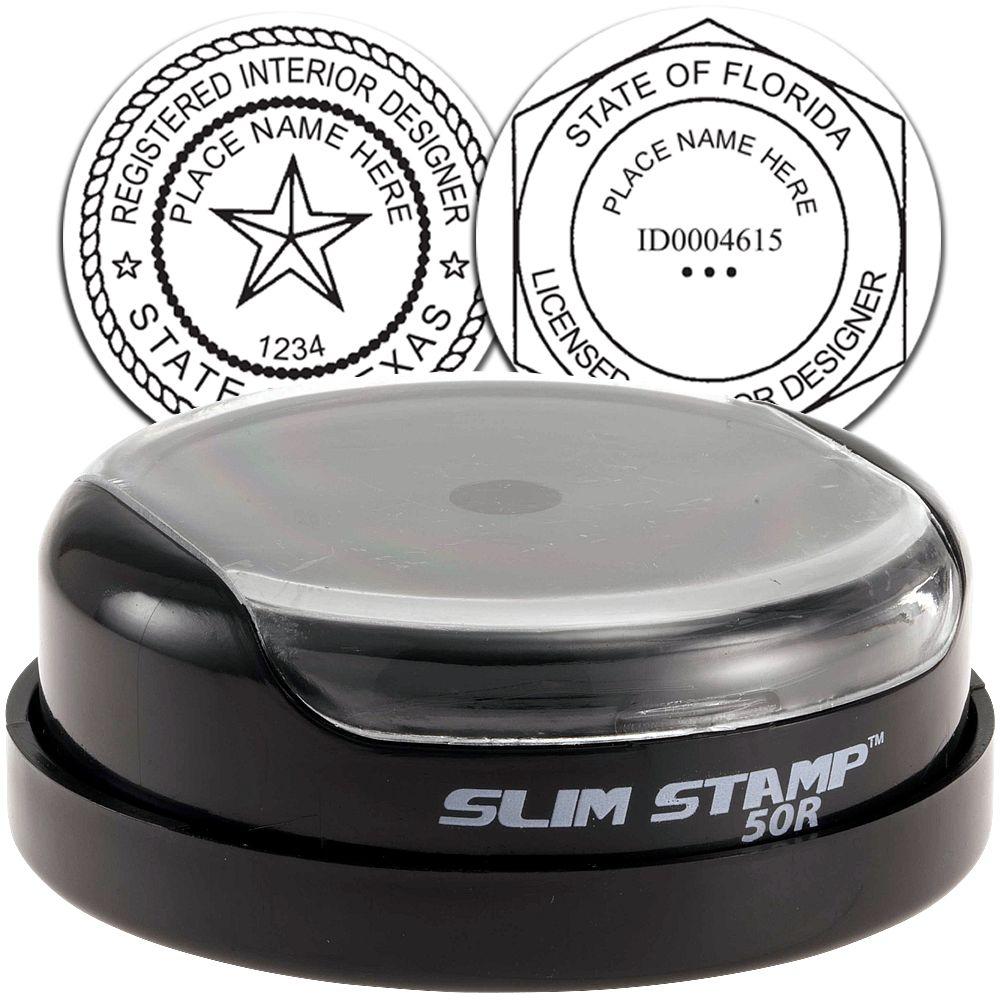
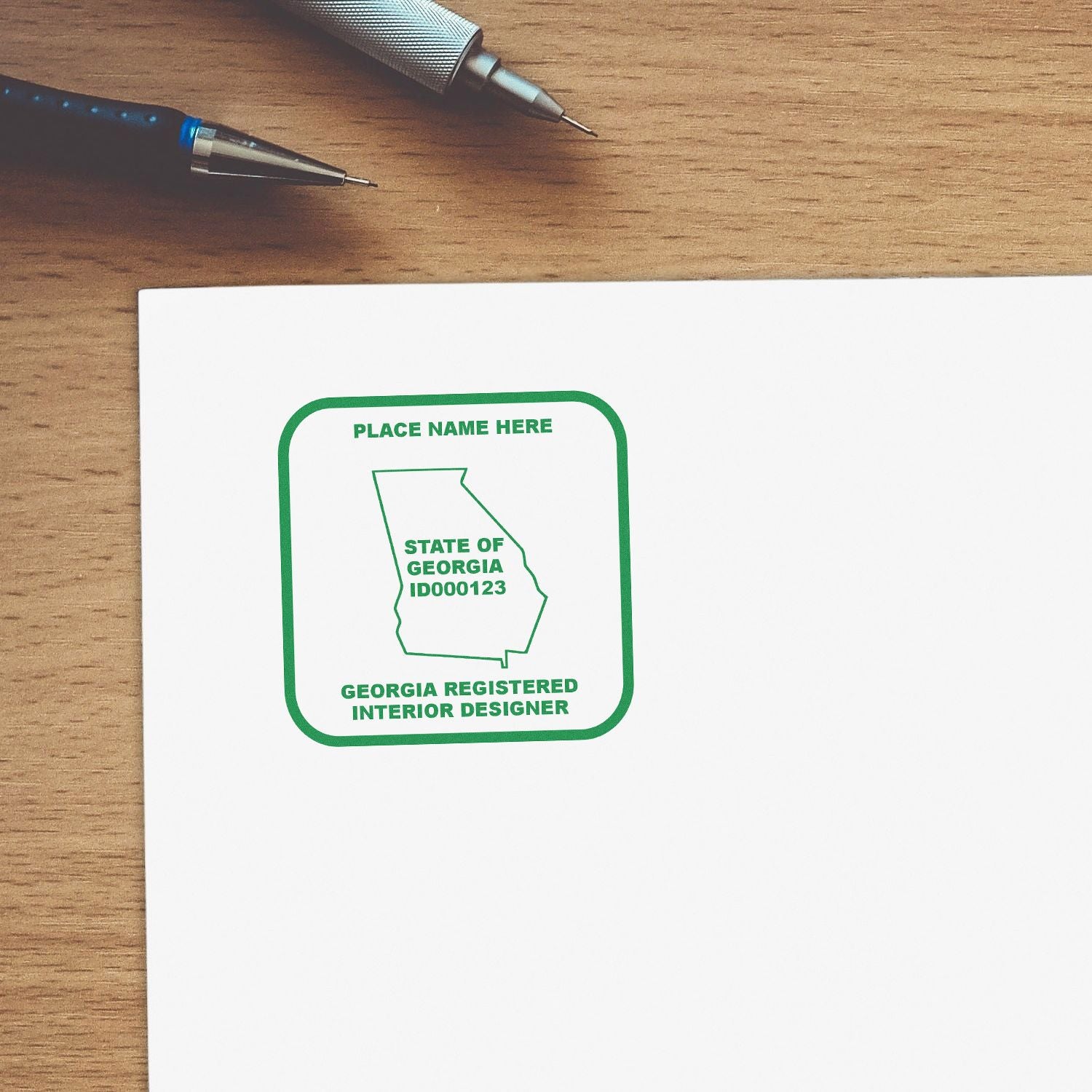
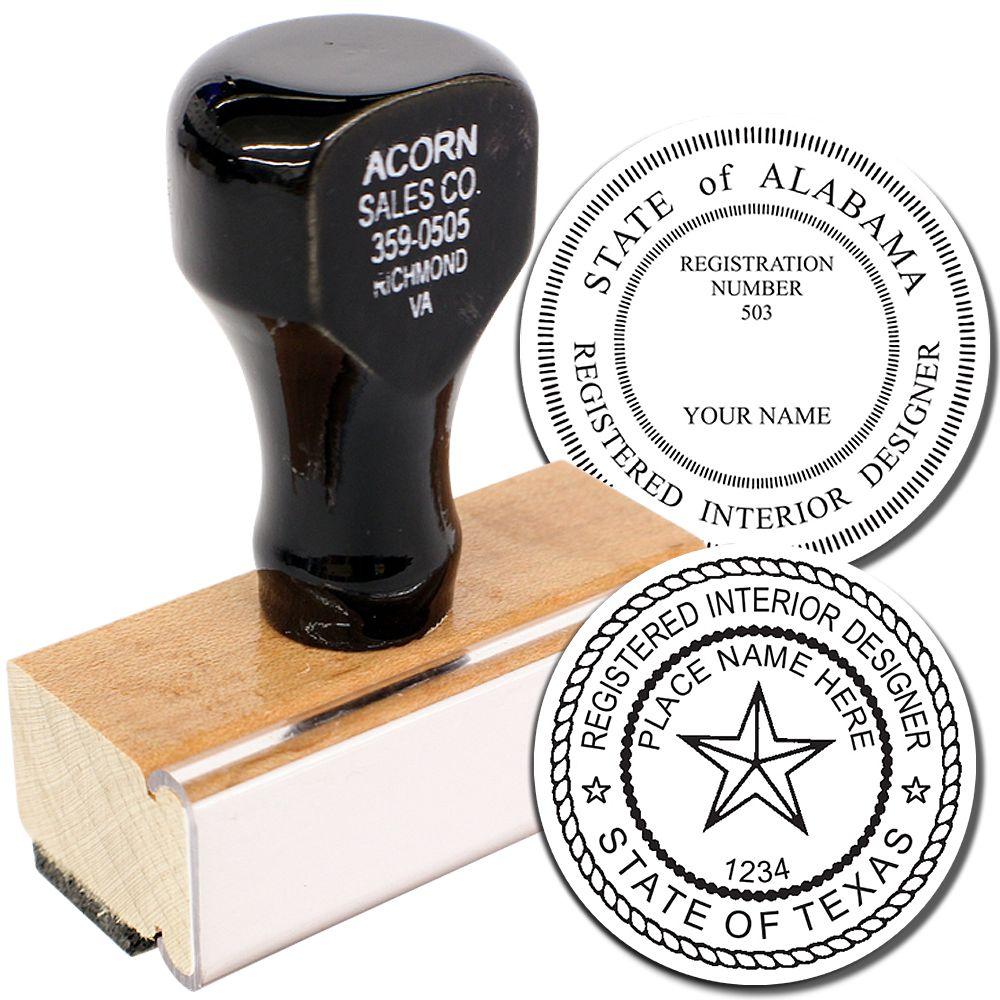

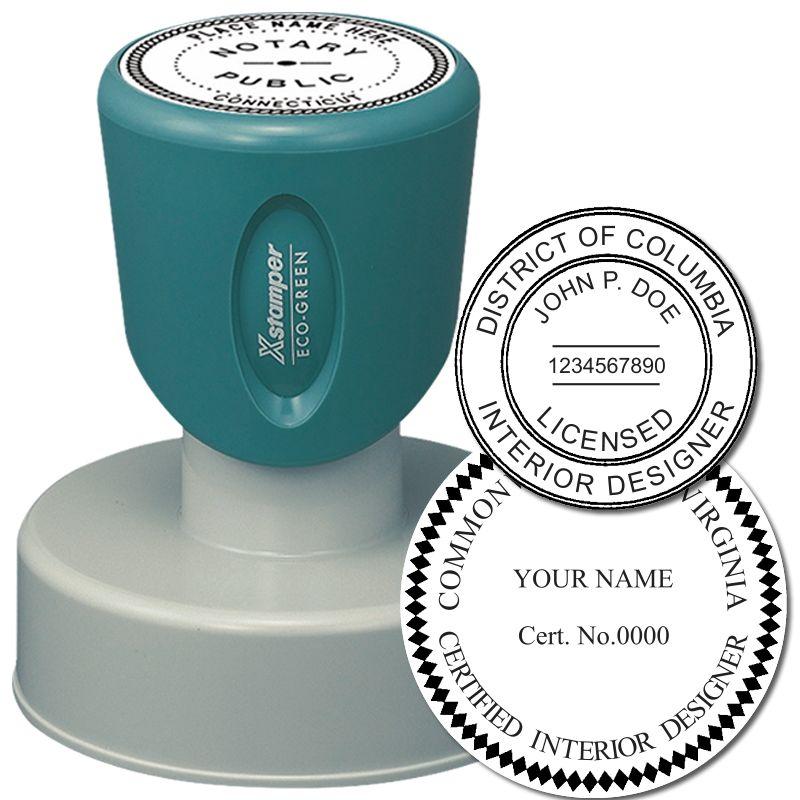



Why Designers Order One Anyway
A mark with no rule behind it still does work, and it is worth being clear about what that work is.
- It names the author. Drawing sets, finish schedules and specifications get copied, scanned and handed on. An impression beside your signature keeps your name on the page through all of it.
- It finishes the document. A signature alone can read as a scribble on a busy sheet. A signature with a clean impression beside it reads as a deliverable someone stood behind.
- It saves rebuilding artwork. No assembling a graphic in a word processor every time a proposal or a transmittal goes out.
- It reads as deliberate. On a client's desk beside two competing proposals, presentation is not a small thing.
That is the honest case, and it is enough of one. Nobody is going to reject your submission for the absence of a stamp, and nobody is going to check the one you use.
Decide What Goes on It
Accuracy is the entire standard here. Every line should be something you can back up.
Use
- Your name, spelled the way you sign it, middle initial or suffix included if you use them.
- Your firm or studio name.
- Interior Design or Interior Designer as a description of your work rather than as a state title.
- Your city, or a contact line, if you want the mark to work on transmittals.
- A credential from a national certifying body, printed in that body's exact wording and only while it is current.
Skip
- A South Dakota license or registration number. None exists for this profession.
- "Registered Interior Designer" or "Licensed Interior Designer" paired with South Dakota.
- Any of the four protected titles, unless you actually hold that separate license.
- Words like approved, endorsed or official. The mark identifies the author; it does not announce that anyone signed off.




Why Acorn Sales
You want a device that comes back the way you drew it and keeps producing a clean impression for years. Acorn Sales has been making stamps and seals since 1964, which is long enough to have worked out the parts that actually matter.
- A layout proof before anything is manufactured, which is the only place an error gets caught when no board is reviewing your artwork.
- Someone who will tell you when a line of text will not read at the size you picked.
- Hardware and materials that hold fine detail instead of filling in after a few hundred impressions.
- A free electronic seal with your order, so the same artwork is ready for PDFs without a separate purchase.
If you want your wording looked over before production, contact us with the text you have in mind.
Ordering Online, Step by Step
- Settle the text. Write out every line exactly as it should appear. Read it once as a stranger would and ask whether each line is true.
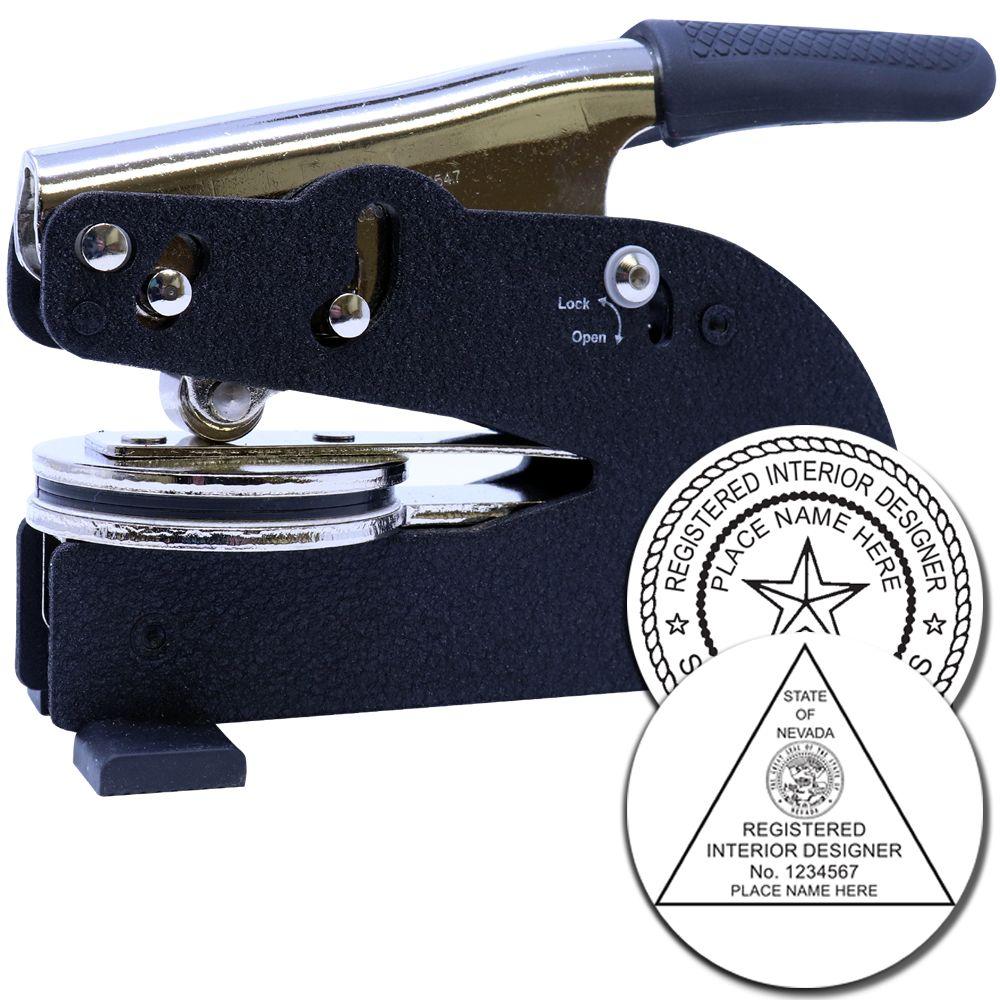
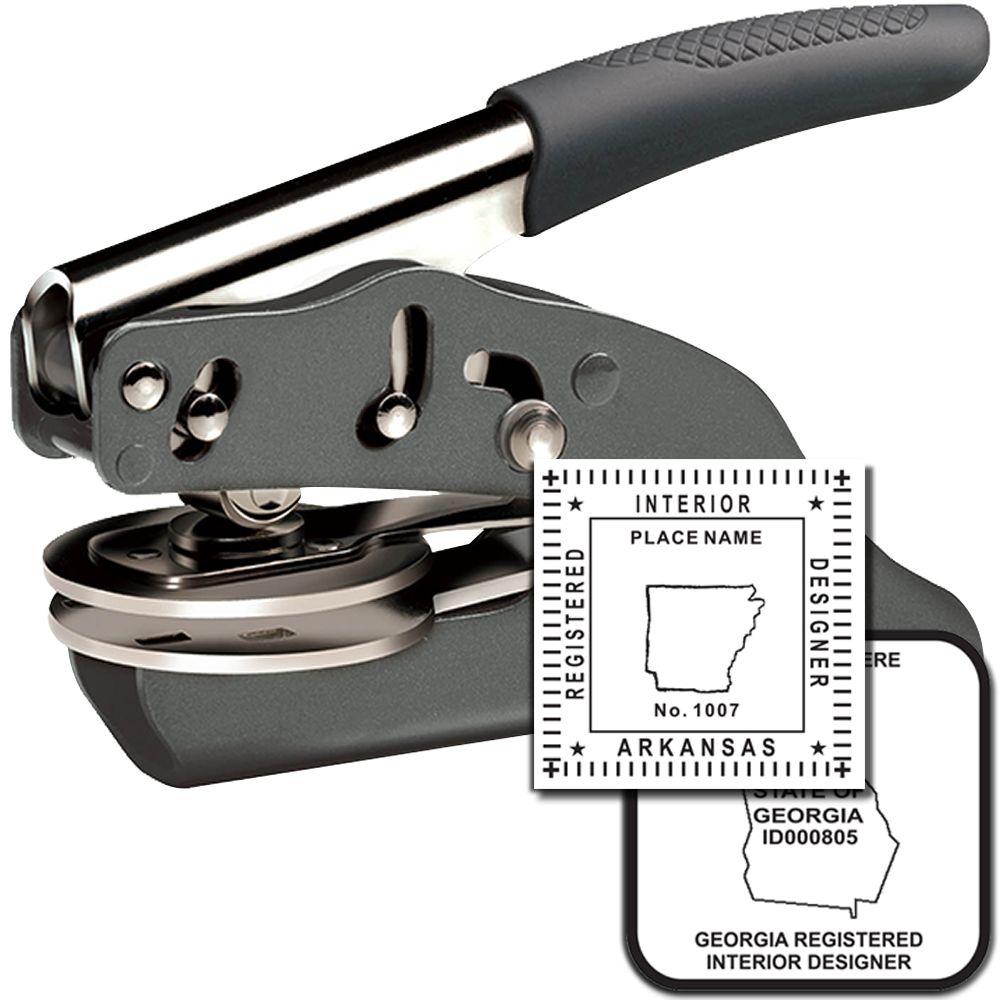
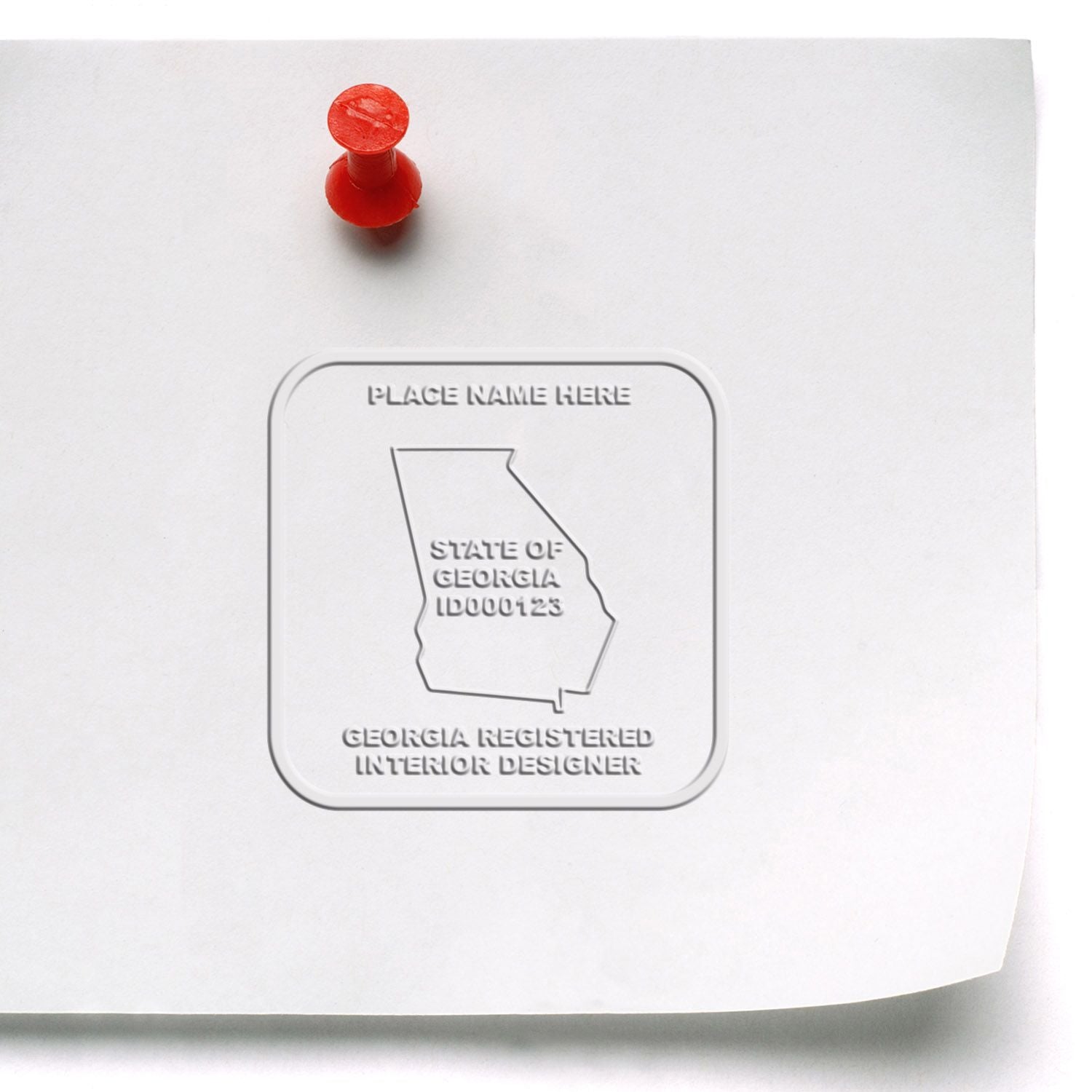
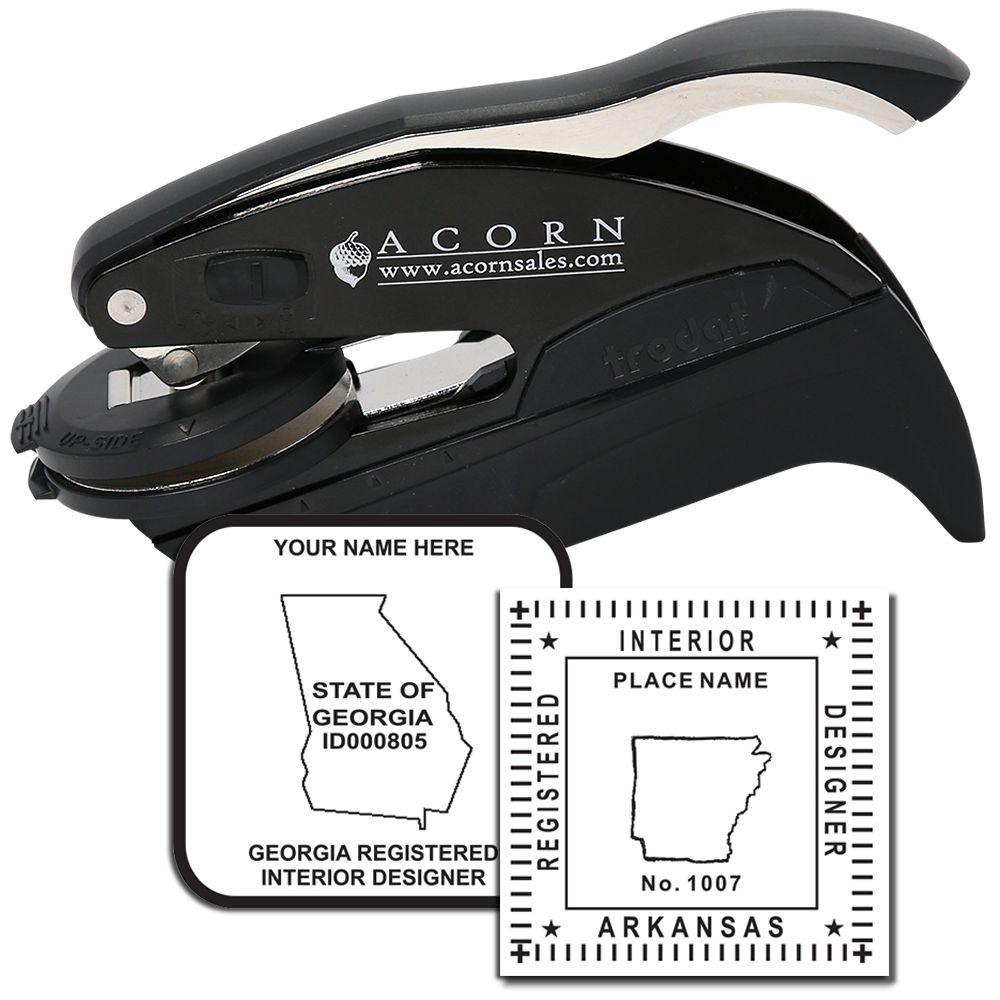
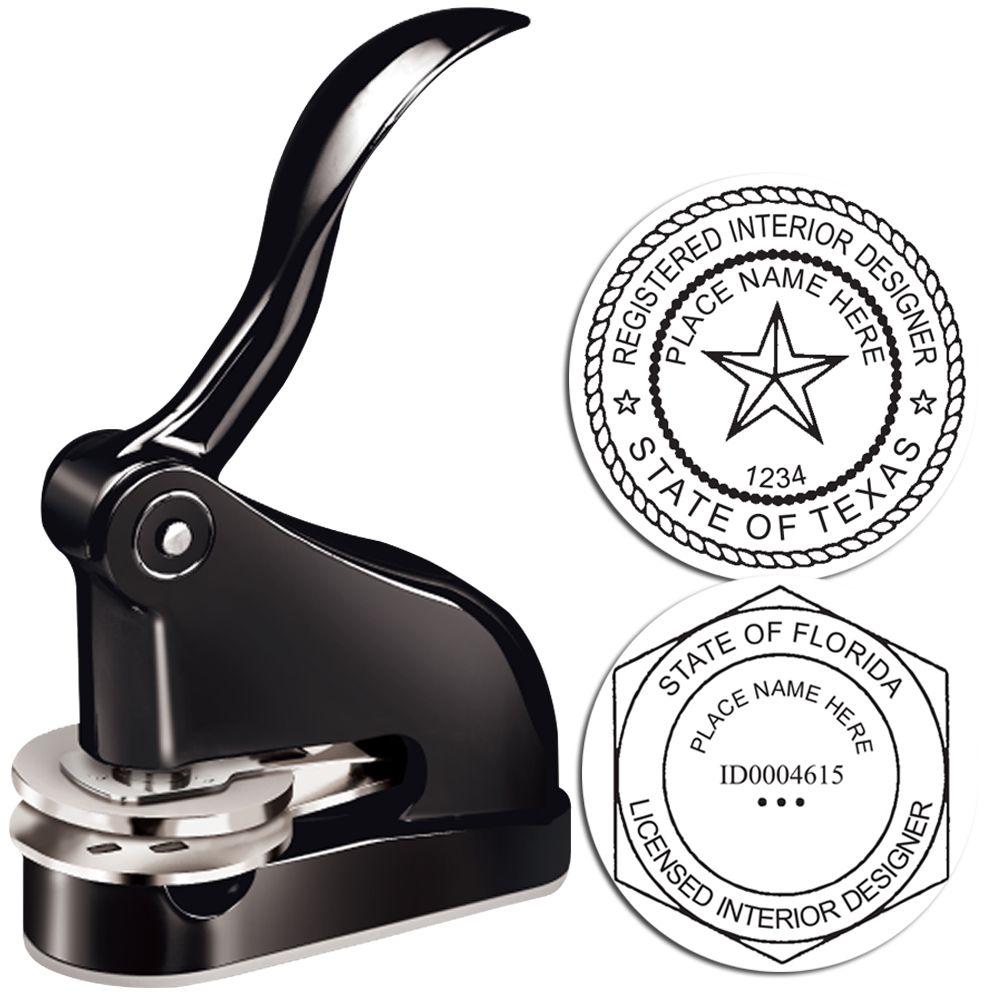
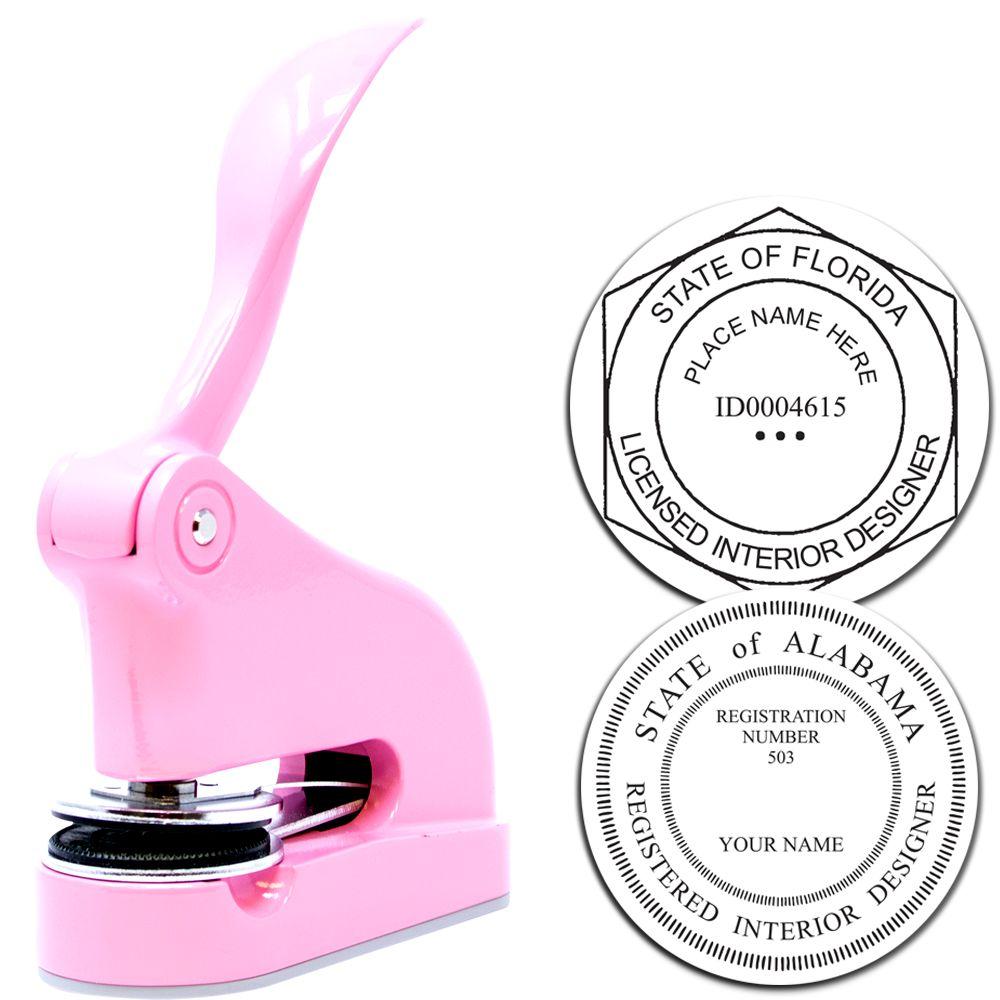
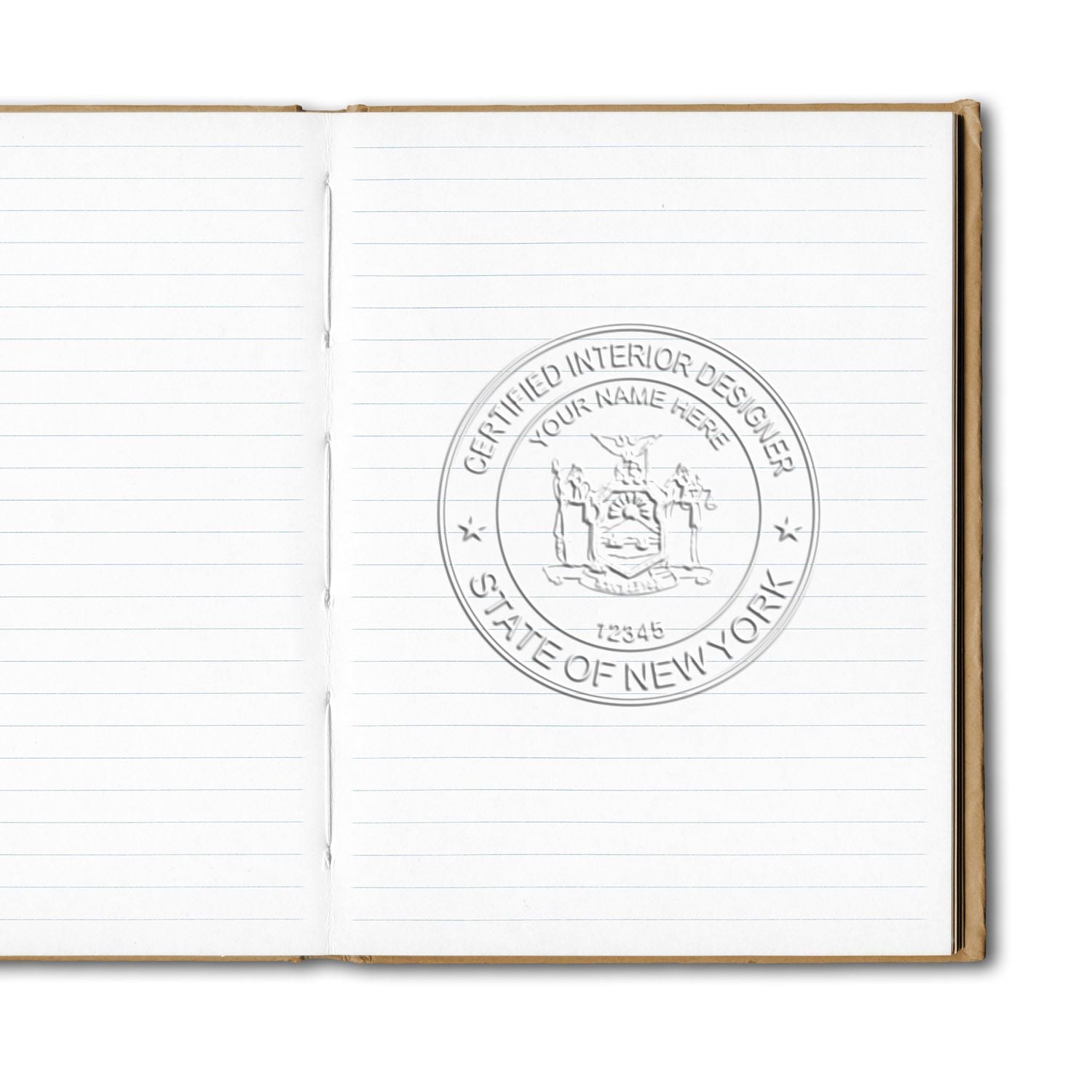
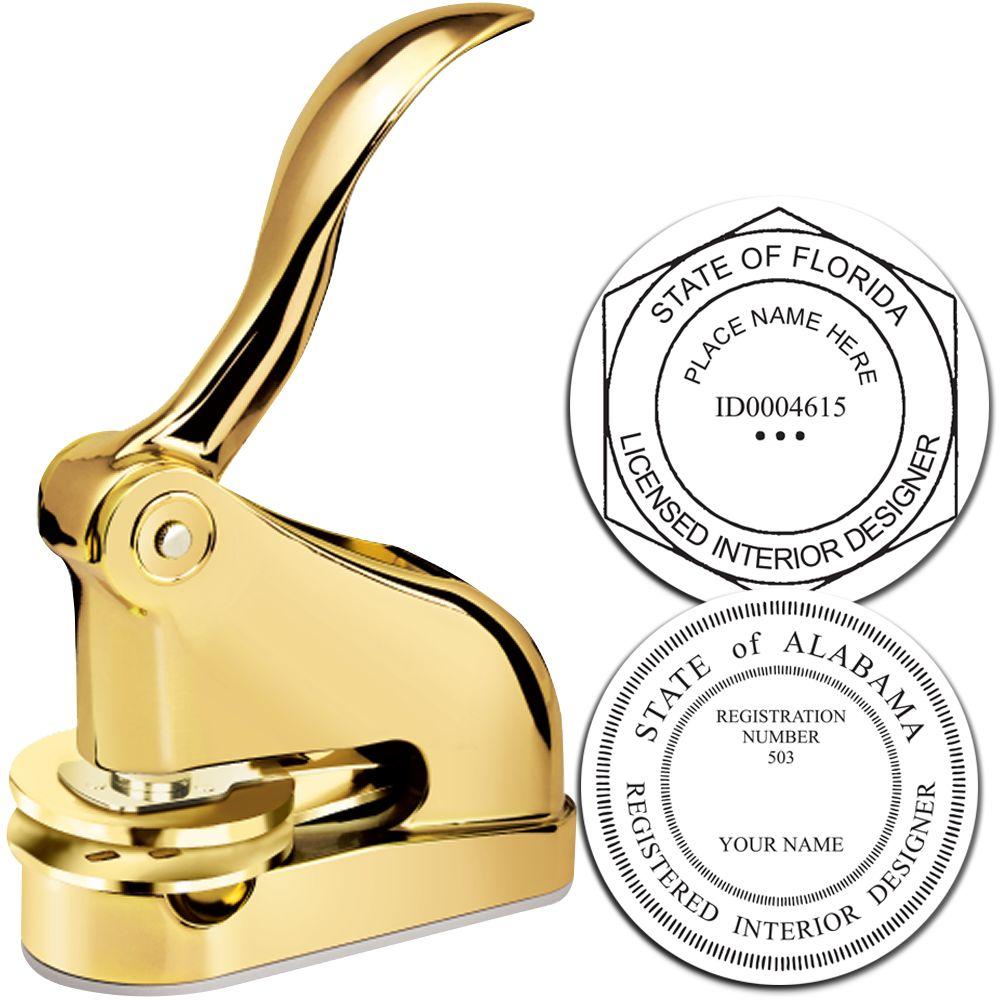
- Pick the format. Pre-inked for the sharpest fine detail, self-inking for fast everyday use with a built-in pad, a traditional handle stamp with a separate pad for occasional sealing, or an embosser for a raised impression that cannot smear.
- Choose the size. Match it to the corner of the sheets you use most, not to the largest option on the page.
- Review the proof. Spelling, spacing, alignment. This is the step people skip and regret.
- Place the order. Confirm shipping, and check that the electronic seal file is included.
- Test it when it lands. A few impressions on scrap paper. You want even coverage and letters that have not closed up.
If a deadline is pressing, check production and shipping times before you order rather than after. Rush options exist, and they are worth using when they are actually needed.




Using It Well
Since South Dakota sets no placement or usage rule for an interior designer's mark, the habits are yours to build. These are the ones worth having.
Keep the Ink Consistent
A self-inking device handles this on its own until the pad runs low. A faint mark reads as carelessness, which is the opposite of what you bought it for.
Stamp on Clean, Flat Paper
Dust and debris leave gaps in the impression. Back the sheet with a hard surface rather than a padded folder, and take a test impression if the device has been sitting unused for a while.
Store It Somewhere Sensible
Keep the device out of direct sun, which dries ink and can warp a housing, and keep it where a visitor or a colleague cannot pick it up in a hurry. Your name is on the impression, so work going out under your mark should be work you prepared.
Mind the Electronic File
An image file is easy to copy. Store it behind a password rather than on a shared drive everyone can reach, and keep it at the resolution you were sent so it stays crisp when it lands on a page.
What It Comes Down To
South Dakota asks nothing of you here. No registration, no license number, no prescribed seal. What you have instead is a decision about how your work presents itself, and a small cost attached to it.
The value is on the page. A drawing set or a proposal that arrives with a clean impression beside the signature tells the client, the contractor and anyone reviewing it who prepared the work, and it keeps telling them years later when the file gets pulled out. Choose the wording, pick the format that suits how often you mark documents, order from a supplier like Acorn Sales who will show you a proof, and get back to designing.
Frequently Asked Questions
Do South Dakota Interior Designers Need a Stamp?
No. South Dakota does not license, register or certify interior designers. SDCL 36-18A-44 limits protected titles to Professional Engineer, Architect, Land Surveyor and Landscape Architect, and no South Dakota document calls for an interior designer's seal. Designers buy one because an impression beside a signature names the author and makes documents look finished.
Do I Need a Separate Stamp for Each State?
Only where a state actually issues you a credential with its own seal rules. Where a state licenses nothing, as here, your mark is your own and it works the same anywhere. If you hold a real credential in another state and want to show it, that wording belongs on a device of its own so the two never get mixed up.
Can I Use an Electronic Stamp Instead of a Physical One?
Yes, and no South Dakota rule limits it either way for this profession. The practical question is what the person receiving the document expects. Acorn Sales includes a free electronic seal with your purchase, so you have both forms of the same artwork.
How Often Should I Replace It?
There is no set timeline. Replace it when the impression goes patchy, or when your name, firm or certification changes and the artwork no longer matches. No rule change will force a redesign, because no rule applies.
What if I Make a Bad Impression on a Document?
Cross it out, note that it was a misprint, and apply a clean one. What matters is that the copy you hand over carries a single legible mark rather than two smudged ones.
Does Acorn Sales Offer Rush Shipping?
In most cases, yes. Expedited production and shipping are usually available, and it is worth confirming what is possible before you finalize the order if a client deadline is close.