
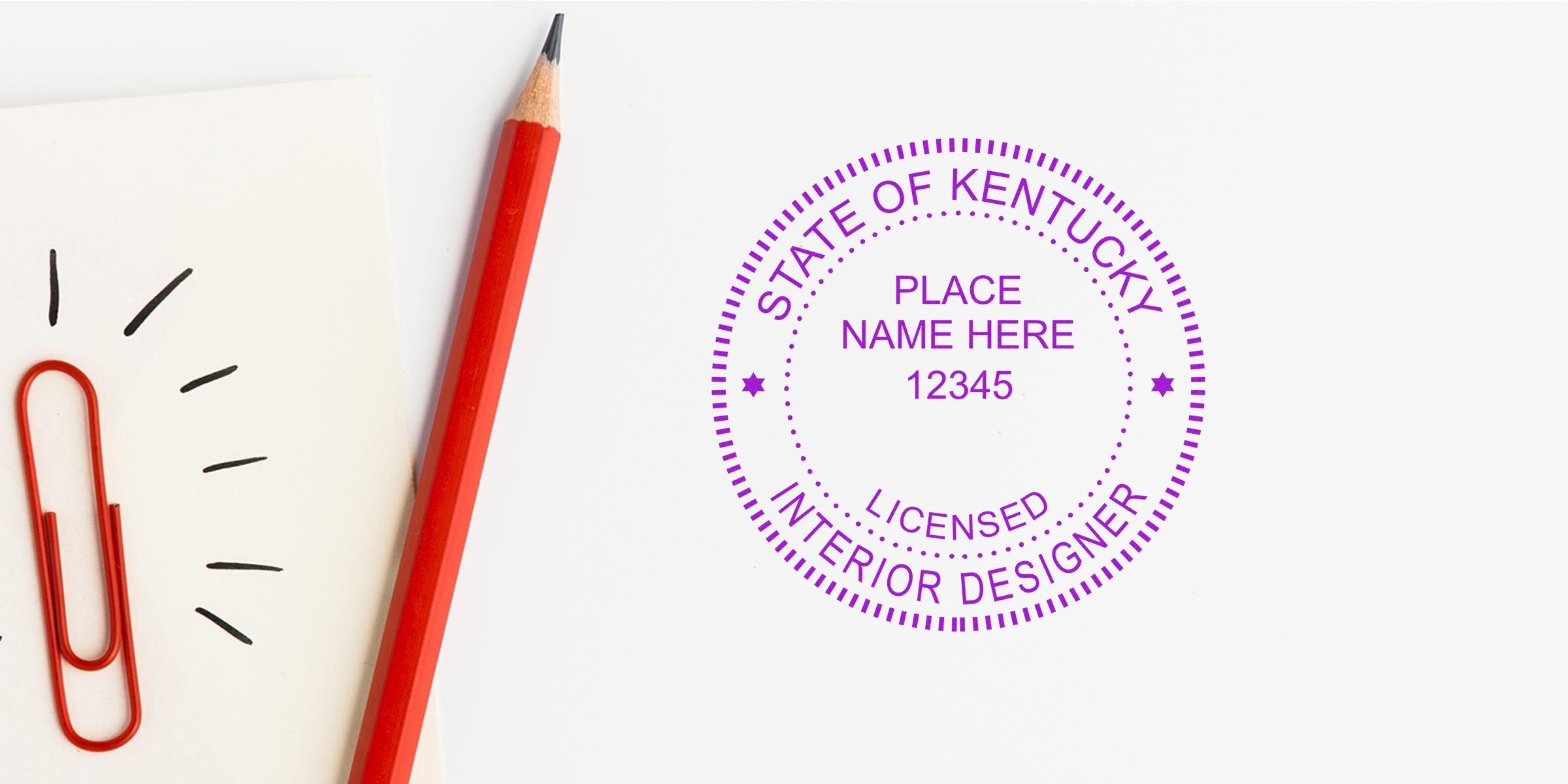
If you’re an interior designer in the Bluegrass State, you know how crucial it is to present yourself as both creative and professional. One tool that may not be on your radar yet, but can make a big difference, is a Kentucky Interior Designer Seal Embosser. With a clean imprint and an official look, an embosser sets you apart by demonstrating credibility, compliance, and attention to detail. Below, you’ll discover everything you need to know about embossers, why you might need one, and how to choose a reliable product that serves your business for years.
Understand the Embosser’s Role
A seal embosser literally leaves an impression of your credentials on paper. In Kentucky, professional interior designers often use embossed seals on important documents such as plan sheets, sketches, or official submissions. It’s a subtle but potent way to verify your work and show others, including clients and authorities, that you take your practice seriously.
The Basics of an Embosser
- An embosser features a customized metal die that, when pressed onto paper, creates a raised, or “embossed,” imprint.
- Seals typically include your name, license number, and relevant wording required by the state board or licensing body.
- Handheld, desk, and electric models offer various levels of convenience depending on your daily volume of stamped documents.
If you’re new to design practice or thinking about upgrading your tools, an embosser can be that finishing touch you didn’t know you needed.
Comply With Kentucky Regulations
Kentucky maintains distinct rules surrounding interior design practice, including guidelines about how you should label and seal your paperwork. To get a better sense of the detailed regulations, take a look at the Kentucky interior designer stamp requirements. You’ll see specifics on what must be included in your seal, how large the imprint needs to be, and when to use it.
Why a Seal?
State regulatory boards require a seal to confirm you’re a properly licensed professional. Placing your seal on drawings, contracts, or formal proposals tells stakeholders — from clients to county offices — that you’ve met (and continue to meet) Kentucky’s compliance standards. Not following these regulations could lead to project delays, fines, or other complications, so it’s best to keep your seal handy and use it correctly.
Boost Professional Credibility
In the design world, reputation matters. Clients want to trust that the people they hire are knowledgeable, prudent, and committed. An official seal can be more than just a legal formality. It can help:
- Demonstrate seriousness and craft to potential new clients.
- Distinguish your proposals from others during competitive bidding.
- Instill confidence in municipal or governmental groups who review your paperwork.
Having a seal is like doubling down on your professional presentation. Instead of tossing a liability statement at the back of a project folder, you can give each page an undeniable stamp of authorization. And that small detail can speak volumes about your integrity and attention to quality.
Common Misconceptions
-
“It’s only for large firms.”
- Not true. Independent designers benefit from seals just as much as big agencies.
-
“It’s too expensive.”
- Relative to the value it brings you, it’s a worthy investment. Most embossers come at varying price points, and even high-quality devices remain affordable.
-
“Nobody looks for a seal anymore.”
- Local governance bodies and regulatory committees still do. Clients who compare designers also appreciate proof that you’re playing by the rules.
Select the Right Product
Whether you’re brand-new or a seasoned designer, choosing the right Kentucky embosser for your needs is key. Different tasks call for different tools, and you’ll want to consider size, material, and ease of use before you purchase.
Manual vs. Electric
-
Manual Embosser:
If you manage a small number of projects or prefer a lightweight, portable option, a manual embosser does the job. Thanks to its handheld design, it’s easy to store in your bag or desk without hogging precious work space. You simply squeeze the handle, and you’re done. -
Electric Embosser:
If you handle a high volume of documents, an electric embosser may speed up your workflow. You just feed your paper into the slot, press a button, and let the machine do most of the work. It’s heavier and typically stays on one desk, offering consistent impressions all day long.
Material Considerations
Embossers come in various materials like cast metal or steel. Generally, you’ll find:
- Sturdy metal designs that have a longer life span but weigh more.
- Lightweight models that are easy to carry but may wear out faster if used frequently.
It’s smart to invest in a product that balances durability with your day-to-day requirements.
Best Practices for Maintenance
You’re likely planning to use your embosser for years, so maintenance habits matter. Without proper care, seals can become misaligned or dull. Luckily, if you follow the tips below, you can keep your embosser crisp, accurate, and ready whenever a new project rolls in.
-
Keep It Clean:
Wipe off dust or paper residue after each use. Tiny bits of fiber can get stuck in the metal dies, reducing the clarity of your next impression. -
Check Alignment Regularly:
Over time, the male and female plates might shift out of place. A quick visual inspection or a test impression helps you spot any issues. If lines appear blurry or partial, realign or consider servicing the device. -
Store in a Dry Area:
Humidity can cause rust or corrosion, especially in cheaper models. Find a secure spot in your office drawer or cabinet where the embosser isn’t exposed to heat, moisture, or direct sunlight. -
Refrain From Forcing It:
If the paper is too thick, don’t apply excessive pressure. That can damage your plates and handle. Instead, choose a lighter paper or switch to an electric machine built for heavier stock.
With these simple habits, your embosser can remain a faithful companion throughout your career, coming in handy every time you finalize plans, submit bids, or sign off on crucial tasks.
Partner With a Proven Supplier
You might wonder where to get a reliable seal embosser that stands the test of time. That’s where Acorn Sales can help. Our company has been in business since 1964, providing stamps, seals, and embossers to professionals across the country. We’ve worked with a wide range of industries and understand the regulations that matter most, especially for Kentucky interior designers.
Why Choose Acorn Sales
- Free Digital Seal: We distribute a no-cost digital version of your official seal, so you can confidently email, upload, or print it when you need quick documents.
- Customized Designs: We tailor your embosser to match Kentucky’s specifications and your personal preference for aesthetic details.
- Industry Experience: Our six decades in the business means we’ve fine-tuned our manufacturing and customer service processes so you receive a high-quality product.
- Comprehensive Support: If you have any questions or need help placing the order, we’re just a phone call or email away.
By collaborating with a trusted supplier, you can ensure your seal is up to the state’s requirements and that it consistently delivers clean, professional imprints. You’ll gain peace of mind, too, knowing there’s a dedicated team ready to back you up if any issues arise.
Recognize the Real Advantages
At first glance, adding another tool to your workflow can feel overwhelming. Maybe you’re already juggling design software, contracts, and budgets. So why add an embosser?
- Efficiency: Rather than scribbling handwritten notations or forging disclaimers, one quick press gives a polished seal.
- Consistency: Every plan, letter, and formal submission maintains the same clear impression. That uniformity reflects well on your business.
- Validation: An official seal is no mere decoration. It proves you’re actively meeting Kentucky’s design regulations, and it helps protect clients by confirming you’re a verified professional.
- Marketing Edge: Impress prospective clients by saying, “Yes, I have a registered seal,” and showcasing it on your portfolio documents or proposals.
Once you experience the difference, you’ll see that a Kentucky embosser isn’t just about compliance. It’s about elevating your brand and how you present your work to the world.
Simplify Your Workflow
Want to save time when finalizing big projects? Whether you’re preparing new floor plans or drafting an interior renovation layout, an embosser supports a streamlined approach:
- You finalize your design, ensuring it meets client specifications.
- You print all necessary documents.
- You emboss each page in seconds, adding that final, authentic touch.
This reduces the back-and-forth of explaining your credentials. The raised seal speaks for itself, reassuring your client, building inspector, or any other reviewer that your work is legit.
Plan for Future Growth
If you intend to scale your business — maybe hire team members, take on bigger design projects, or expand beyond Kentucky — you’ll need to show that you’re thoroughly committed to professional standards. An embosser is an easy piece of that puzzle. As you grow, you could even invest in multiple devices, so each qualified team member can add a seal to their portion of the project. That way, the entire firm stands together in maintaining top-notch presentation and compliance.
Final Thoughts
An embosser is more than a novelty. It’s a confident statement of your skill, your dedication to quality, and your compliance with Kentucky regulations. In an industry where every small detail can either secure or lose a valuable client, an official seal might be the hidden gem that gives you a lasting edge.
Still on the fence? You can get started with a basic handheld model and see how easy it is to incorporate into your workflow. Or go electric if you routinely churn out high-volume documentation. Either way, the clear, raised impression of your credentials will speak louder than words on a page ever could.
By investing in a reliable embosser, you can elevate your professional image, simplify your business process, and reassure clients that you’re fully equipped to handle their dream projects. When you’re ready to stand out — and confirm your legitimacy — an official seal can truly be a game-changer for your design practice.
Remember, all it takes is one well-placed impression to transform any sheet of plain paper into a recognized, compliant, and confidence-boosting document. Why not give it a try?
Frequently Asked Questions
Why Do I Need A Seal At All?
In Kentucky, you’re required to have proper stamps or seals on certain official documents. By embossing your paperwork, you prove you’re authorized to practice interior design and ensure compliance with state regulations.
Does Every Document Require An Embosser?
Typically, you should seal any doc that needs official certification to satisfy county records, building inspectors, or licensing boards. Check with local or state authorities to confirm which documents specifically need the seal.
How Can I Get A Free Digital Version Of My Seal?
Acorn Sales provides a free digital seal when you order your custom embosser. This digital version lets you embed or print a seal on e-docs without needing physical paper copies.
Can A Seal Replace A Stamp?
Seals and stamps serve similar roles, but they’re not necessarily interchangeable. A stamp uses ink, delivering a flat imprint, while an embosser creates a raised impression. In some cases, Kentucky guidelines may require one or the other. Refer to the Kentucky interior designer stamp requirements for full details.








