
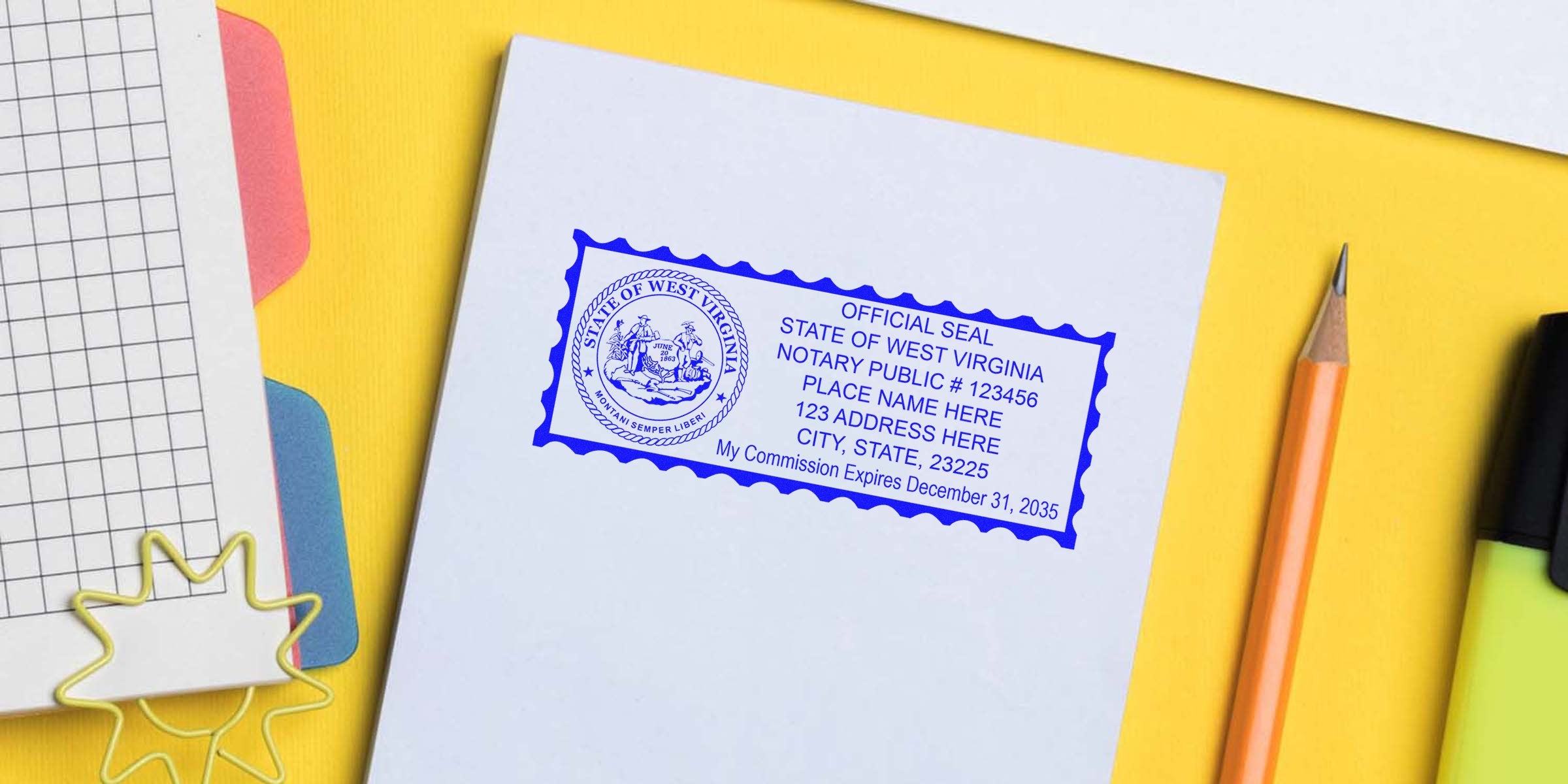
Understand West Virginia Notary Basics
If you’re ready to become a notary in West Virginia and help your community with important document signings, you’ve come to the right place. Think of it as getting your own mini-license to officially validate signatures. The process is straightforward, but it helps to know the steps before you dive in. Let’s walk through the key requirements so you can start strong.
Basic Eligibility
You’ll need to meet a few basic criteria to qualify:
- Be at least 18 years old.
- Live or work in West Virginia.
- Have no felony convictions on your record.
The state wants to ensure you’re trustworthy and reliable. If you fit the bill on these points, you can move on to the official application.
Application Checklist
The West Virginia Secretary of State (the office in charge of notaries) outlines what you need to submit:
- A completed application form with your personal details.
- Your filing fee, which typically covers processing expenses.
- Any additional documentation required, such as proof of a surety bond if applicable.
Once you’ve gathered these items, you’re ready to send in your paperwork and wait for approval.
Submit and Bond
After your application is reviewed and accepted, you’ll be asked to provide a bond. This bond acts like an insurance policy for the people you serve. It covers potential losses from notary errors or omissions, protecting both you and the public.
Fees You Should Expect
You’ll likely pay:
- An application fee.
- The cost of a bond.
- Possible background check fees.
Keep your receipts organized for easy reference when renewing your commission later.
Bond Requirements
A surety bond (sometimes called a notary bond) is mandatory in many states, including West Virginia. The typical bond amount generally hovers around a few thousand dollars. It’s an upfront investment that reassures folks who need their documents notarized. If you’re unsure where to purchase your bond, your county clerk or local insurance agent often has referrals.
Get the Right Supplies
Once you’re officially commissioned, you need a notary stamp, seal, and a record-keeping journal. Having high-quality supplies is critical. You don’t want smudgy or unreadable impressions on someone’s important paperwork.
Why Quality Matters
A crisp seal impression looks professional, but it also ensures your documents meet state guidelines. If your stamp fades or the seal isn’t clear, signers might face legal snags down the road. It’s best to invest in reliable tools that give a clean impression each time.
The Value of a Trusted Supplier
Here’s the thing: sourcing your West Virginia notary supplies from a reputable supplier saves you time and hassle. At Acorn Sales, we’ve been making notary stamps and seals for more than 60 years. We offer quick turnaround and a State Board Guarantee on every seal we produce. If you need West Virginia notary stamps or seals that won’t fail you, see our west virginia notary supplies to find the perfect fit.
Keep Your Commission Active
Becoming a notary is more than a onetime process. Your commission expires after a set period, so mark your calendar to renew before your term ends. Renewing on time helps you avoid lapses, ensuring you can keep serving clients without interruption.
Renewal Essentials
To renew, you’ll repeat select steps from the initial process, including any required fees and updated paperwork. Double-check the Secretary of State’s current guidelines before your term is up to confirm there haven’t been any policy changes.
When you’re equipped with the right knowledge and quality supplies, you’ll find the notary process in West Virginia surprisingly straightforward. If you’re ready to make your mark, go ahead and order the gear you need and start offering official notarizations. Welcome to the notary community!
Frequently Asked Questions
How long does it take to get approved?
It usually depends on how quickly the Secretary of State’s office processes your application. On average, it might take a few weeks, but check the official website for the latest timeframe.
Do I need special training?
While West Virginia doesn’t always require formal classes, it’s wise to research best practices. Free or low-cost notary courses are out there, and they’ll boost your confidence.
What if I move or change my name?
You’ll need to notify the Secretary of State’s office. They’ll update your notary records and instruct you on any needed replacements, such as a revised stamp.
How much does a stamp cost?
Stamp prices vary based on quality and style. Typically, a basic notary stamp costs around $15 to $40. Higher-end options or specialty seals might go above that.








