

Sometimes, choosing a custom landscape architect stamp for Montana requirements can feel overwhelming. After all, you want to meet official state guidelines while ensuring you look professional. In this article, you’ll learn what makes a Montana Landscape Architect stamp or seal stand out, how to pick the right style for your work, and why choosing a trusted supplier matters. New to state stamping rules or just after a refresher, you’ll find everything you need here.
Recognize Montana Requirements
In Montana, your official seal or stamp serves as a clear indicator that your designs, plans, or documents meet professional standards. Although most states have regulations for licensed landscape architects, Montana rules can have a few unique twists. Understanding them before ordering your stamp is important.
Note the Regulatory Basics
Licensure is vital if you plan to practice landscape architecture in Montana. The state board typically sets guidelines for fonts, border styles, and layout details for your stamp. Skipping these specifications can lead to your documents being invalid or questioned by regulatory authorities.
- Review Montana’s official licensure standards.
- Confirm the size requirements for your stamp (often measured in diameter).
- Check if black ink (common for most stamps) is mandated.
Confirm the Purpose of Your Stamp
When you place your Montana stamp on a design, you’re effectively guaranteeing that an authorized landscape architect created and approved the final plans. Doing so helps convey trust to clients, colleagues, and any government entities that review your work. If you have multiple licenses, it’s important to keep each seal or stamp separate to avoid mixing up states.
Understand the Role of Your Stamp
You might already know that stamps and seals represent professional accountability, but it’s smart to consider the broader impact. This custom landscape architect stamp in Montana can also simplify your workflow and keep you organized across various projects.





Improve Document Workflow
Think about how often you distribute design drafts or final plans. Stamping them clearly can mark each as official, saving you time and confusion:
- Mark partial submissions with a “preliminary” stamp (if allowed).
- Use your official Montana seal for the final blueprint or plan.
Reinforce Professional Credibility
Let’s face it, having a properly crafted seal is more than a legal requirement. It looks polished. A crisp stamp signals you’re serious about your craft and attentive to detail. Clients trust your services even more when they see you follow state guidelines to the letter.
Choose the Proper Stamp Format
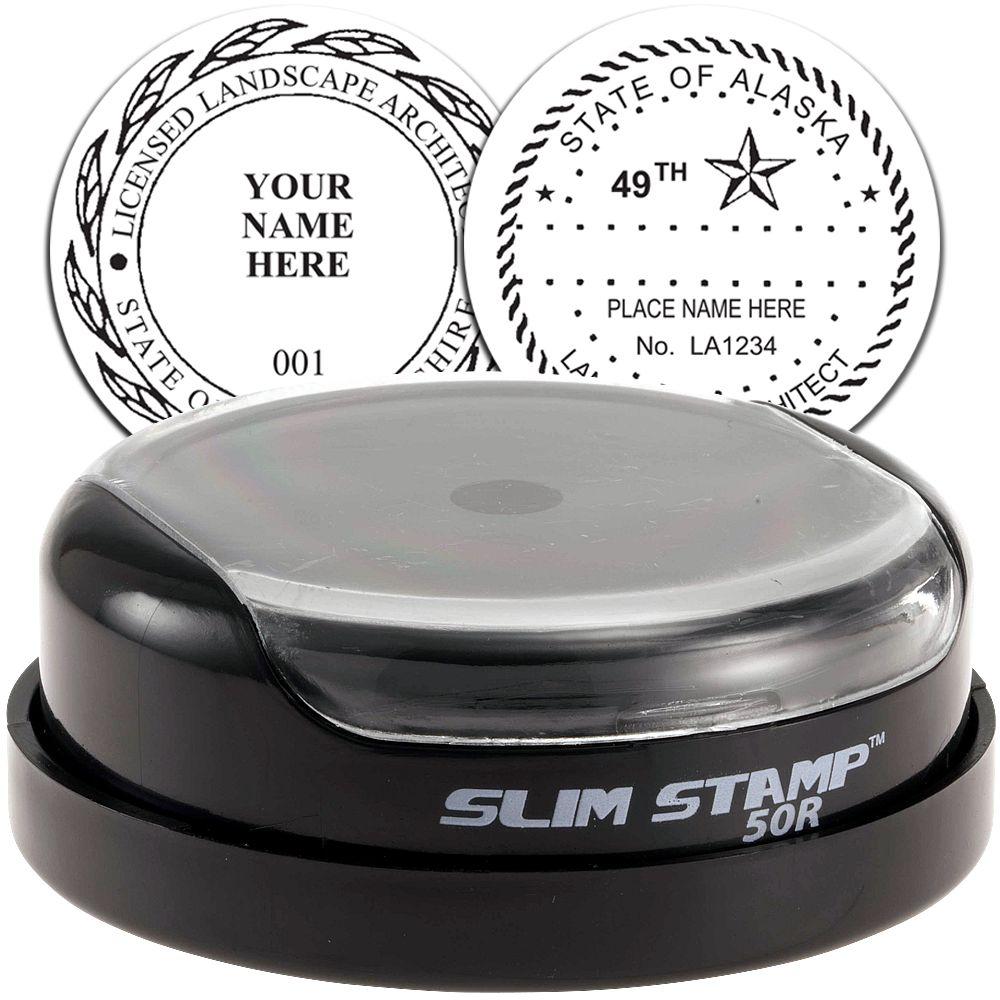
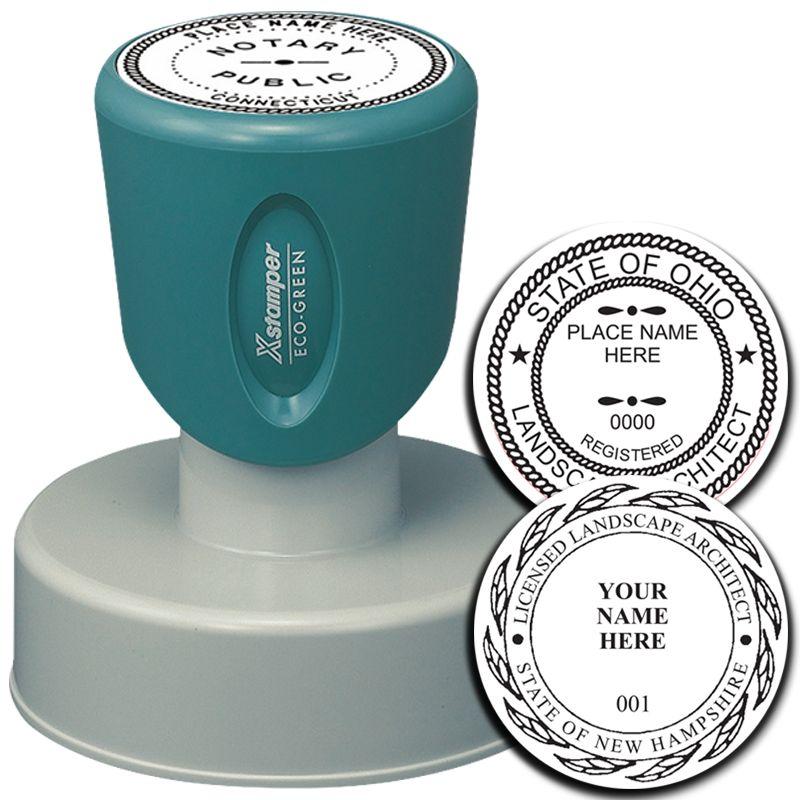
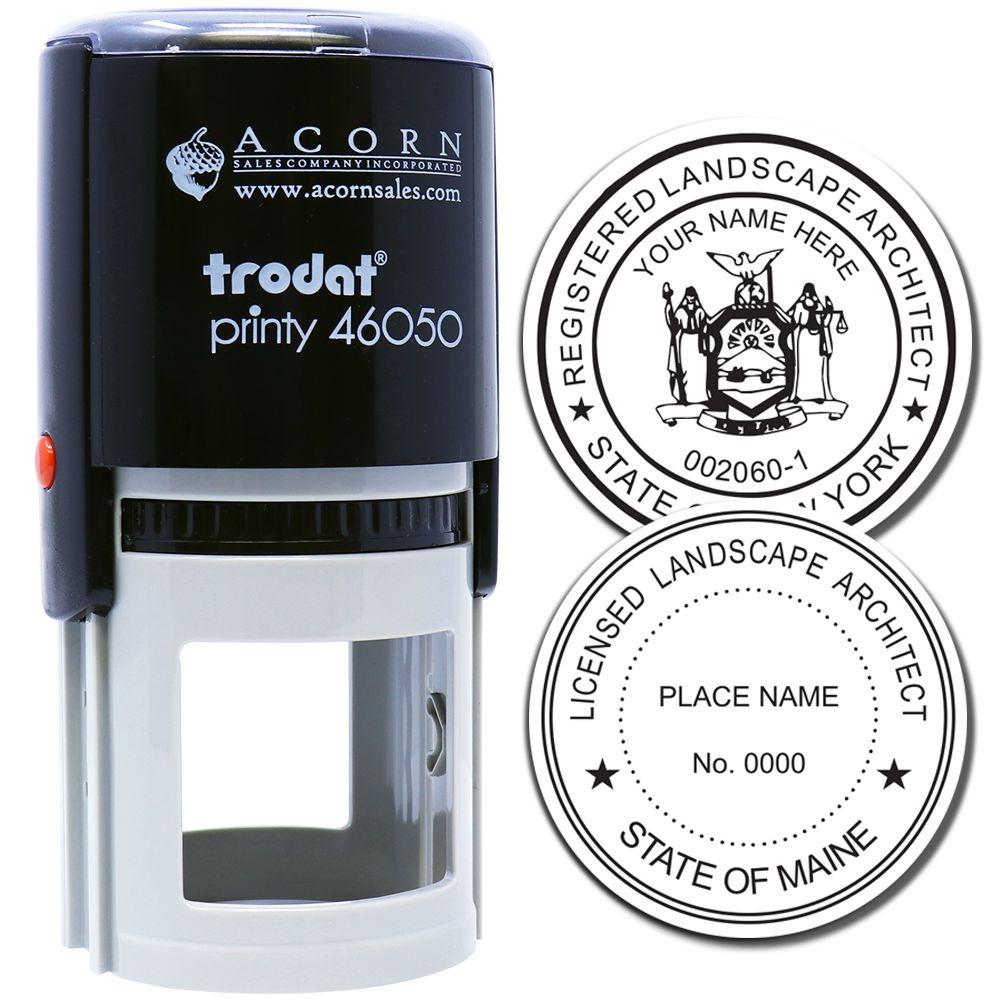
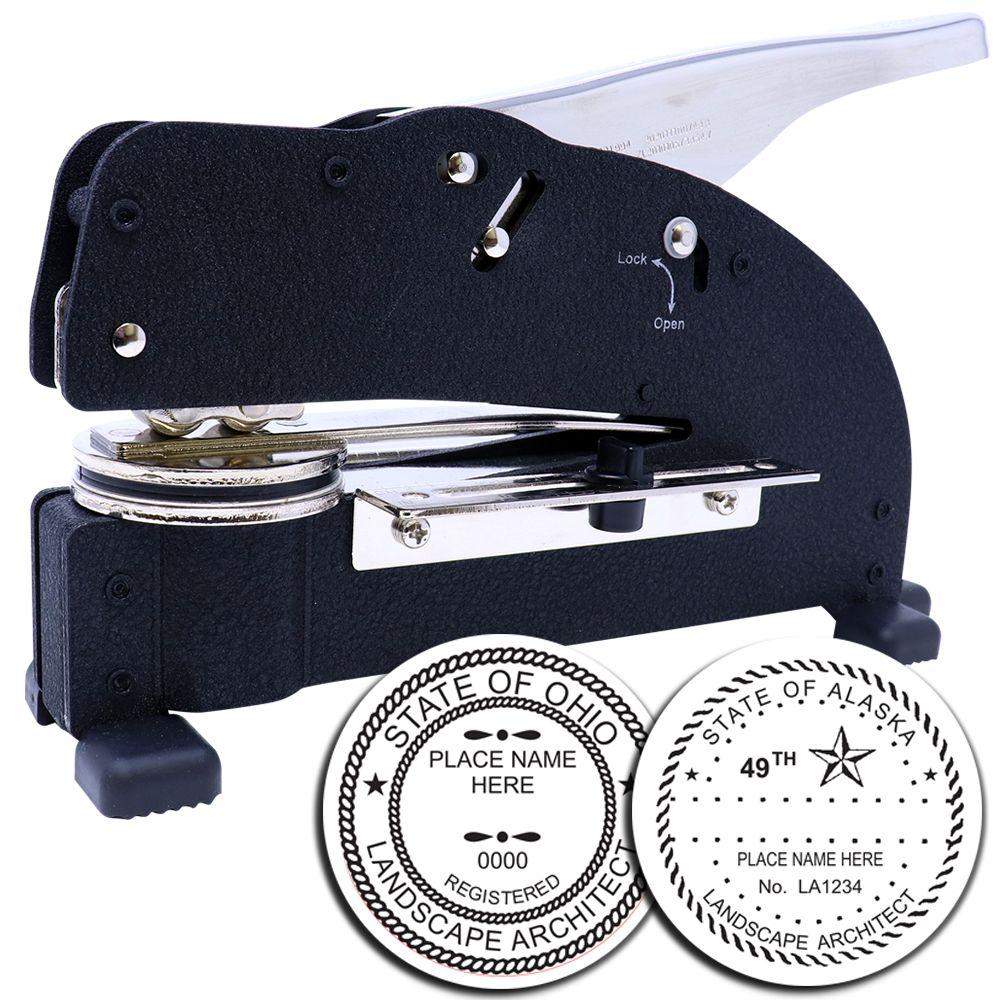
Now that you know why you need a Montana stamp, the next step is figuring out which type fits your lifestyle. Stamps come in several designs, from pre-inked versions to traditional rubber sets.
Compare Stamp Types
Stamp type usually boils down to how the ink is applied and how convenient the device is to store and carry around. Here’s a quick breakdown:
| Stamp Type | Ink Source | Ideal For | Durability |
|---|---|---|---|
| Pre-Inked | Built-in ink | Quick stamping, no separate ink pad needed | High |
| Self-Inking | Internal pad | Fast and consistent impressions | Moderate to High |
| Traditional Rubber | External pad | Budget-friendly, requires separate ink pad | High |
- Pre-Inked: Provides a sharp, consistent impression and can handle high-volume stamping. You don’t have to fuss with an ink pad, making it super convenient for everyday tasks.
- Self-Inking: Similar convenience to pre-inked, but the mechanism has an internal pad that inks the stamp’s surface.
- Traditional Rubber Stamp: Typically cost-effective but requires an external ink pad. If you’re only stamping occasionally, this can be a good fit. Otherwise, lugging around an ink pad might be inconvenient.
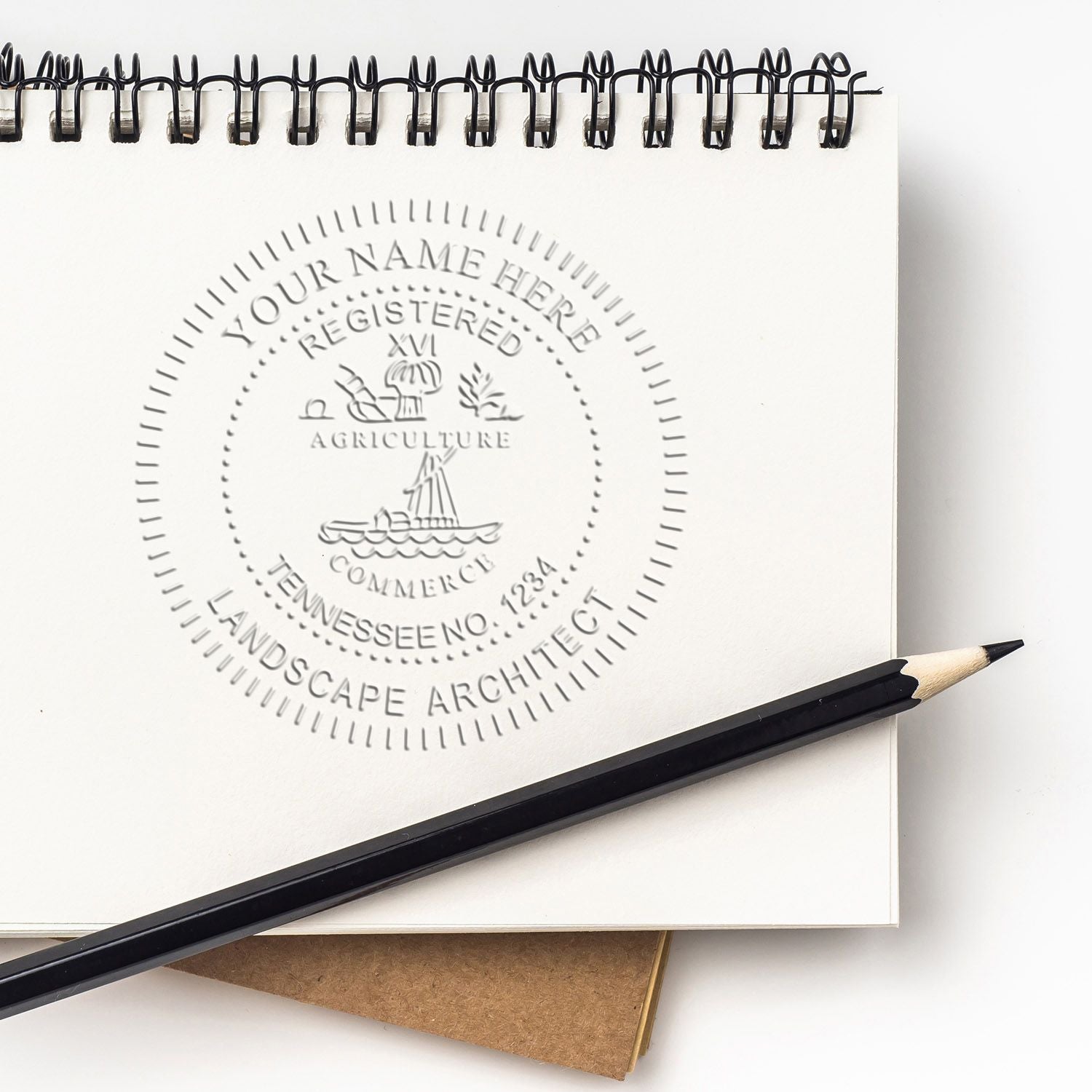
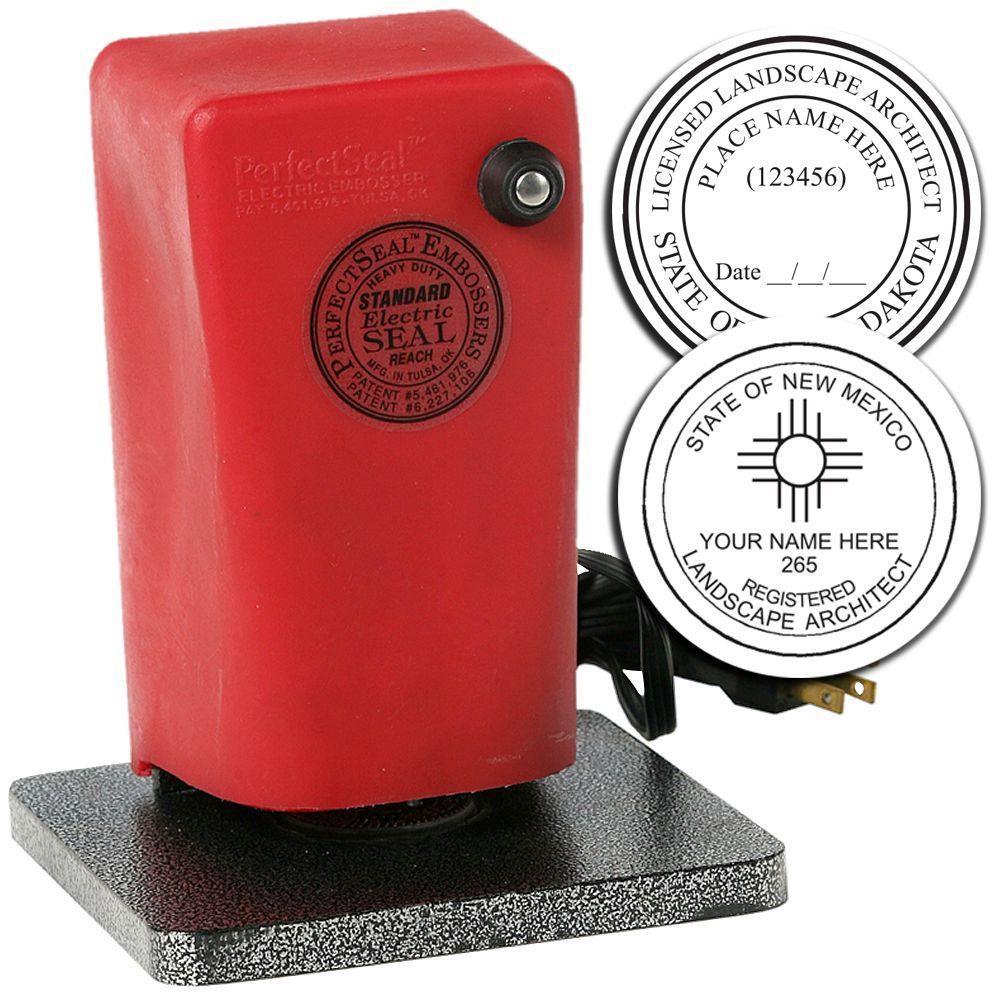

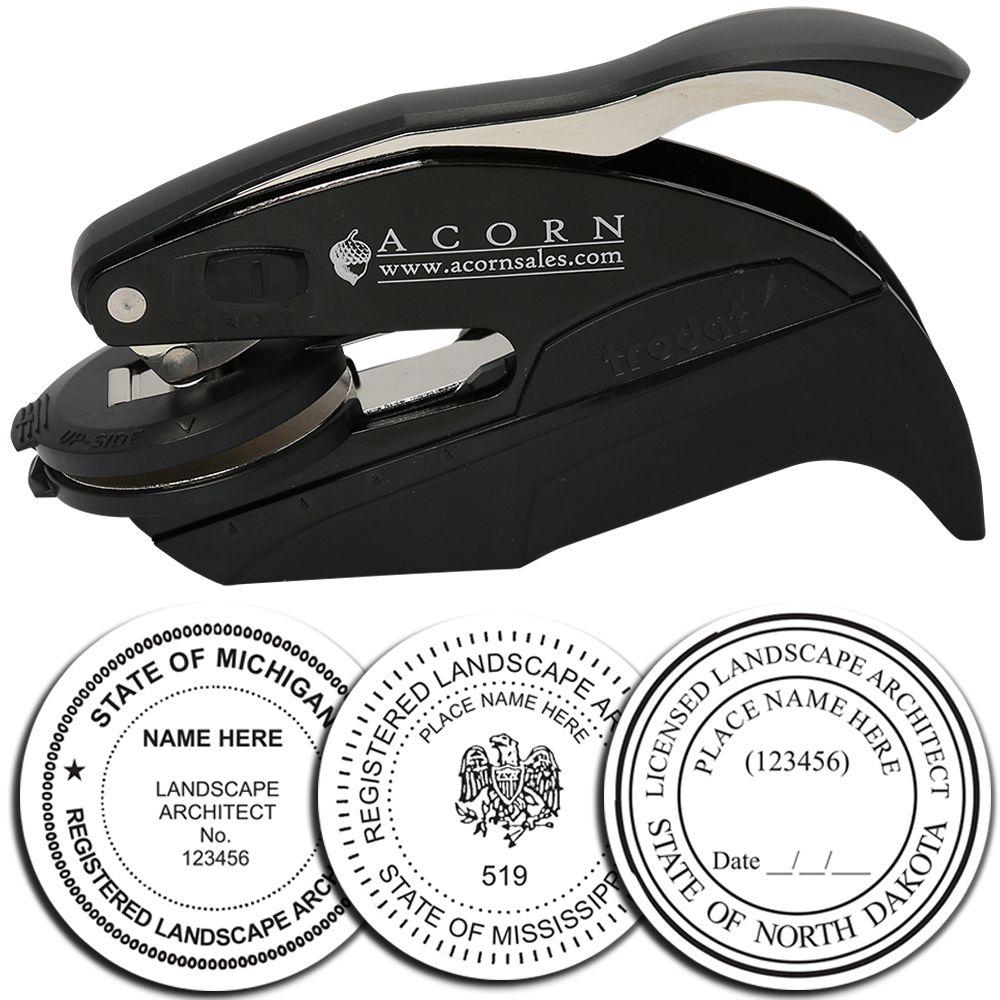

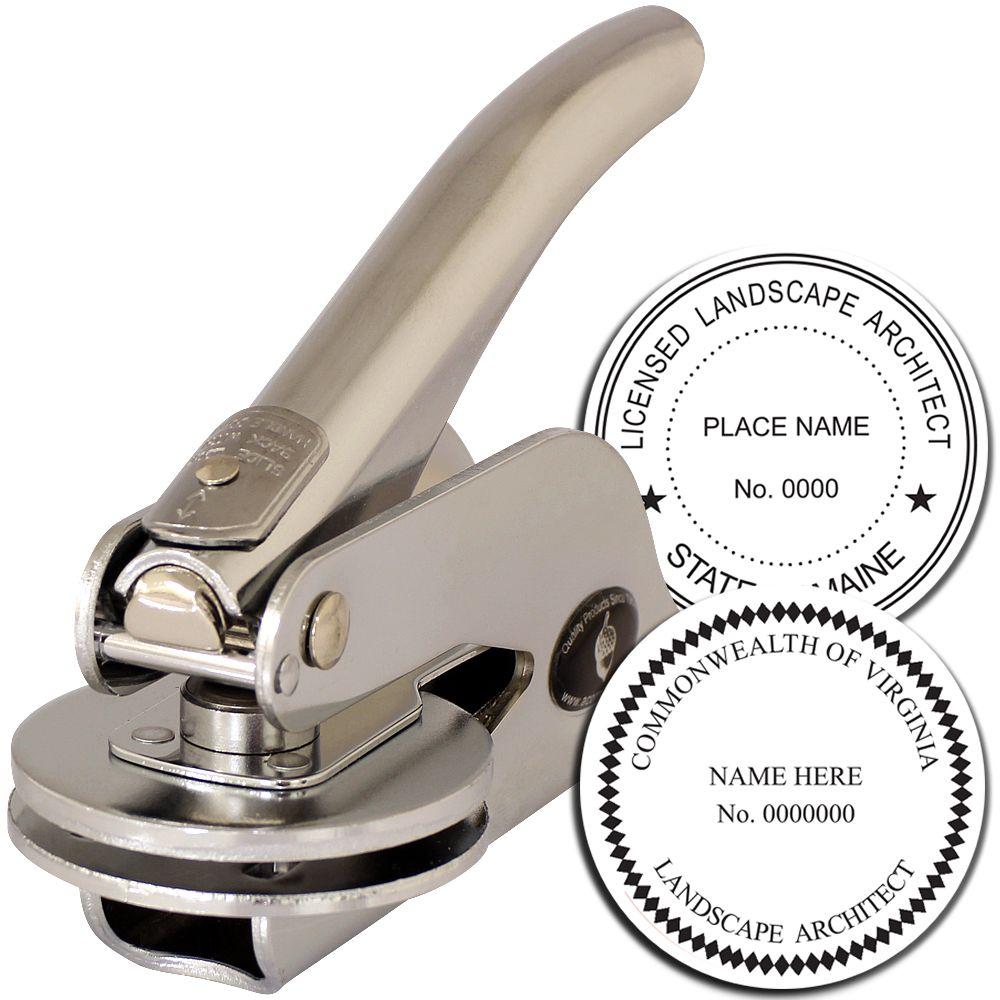
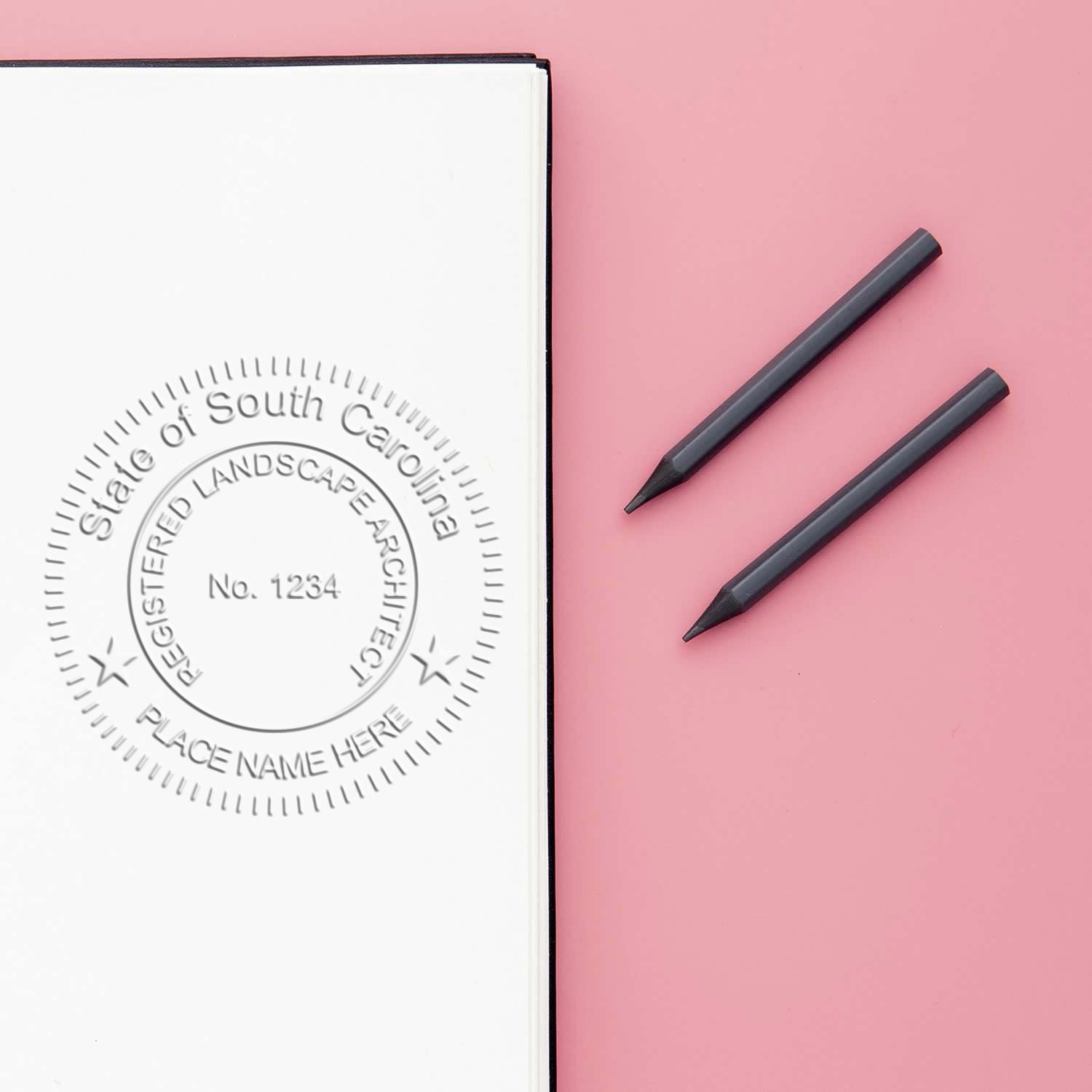
Consider Your Usage Needs
Ask yourself how frequently you’ll be stamping documents and where. Do you keep most of your work at one office desk, or do you travel to client sites? The more you’re on the go, the more a pre-inked or self-inking variety will reduce clutter and speed things up.
Find a Trusted Supplier
Here’s the thing: your seal is only as good as the craftsmanship behind it. A well-made stamp offers clear impressions and remains compliant with regulations. A poorly made one can smudge or distort your professional details, leading to potential confusion or rejections.
Check for Compliance
When you shop, confirm that your chosen supplier follows Montana’s design specs. Ask them:
- Do they follow the state board’s template for border and text?
- Will the stamp clearly show your name, license number, and “Licensed Landscape Architect” or corresponding text?
- Is a free digital seal included?
If they can’t provide clear answers, it might be a sign to keep looking.
Consider the Acorn Sales Difference
Acorn Sales has specialized in professional stamps for over 60 years, building a reputation for reliable service. They offer a wide range of options for Montana requirements, including free digital seals alongside a physical product. That way, you’ll have quick online documentation approvals when needed, plus a tangible stamp for paper documents. If you want to see an example of a design, take a look at our montana landscape architect stamp.
Use Digital Seals
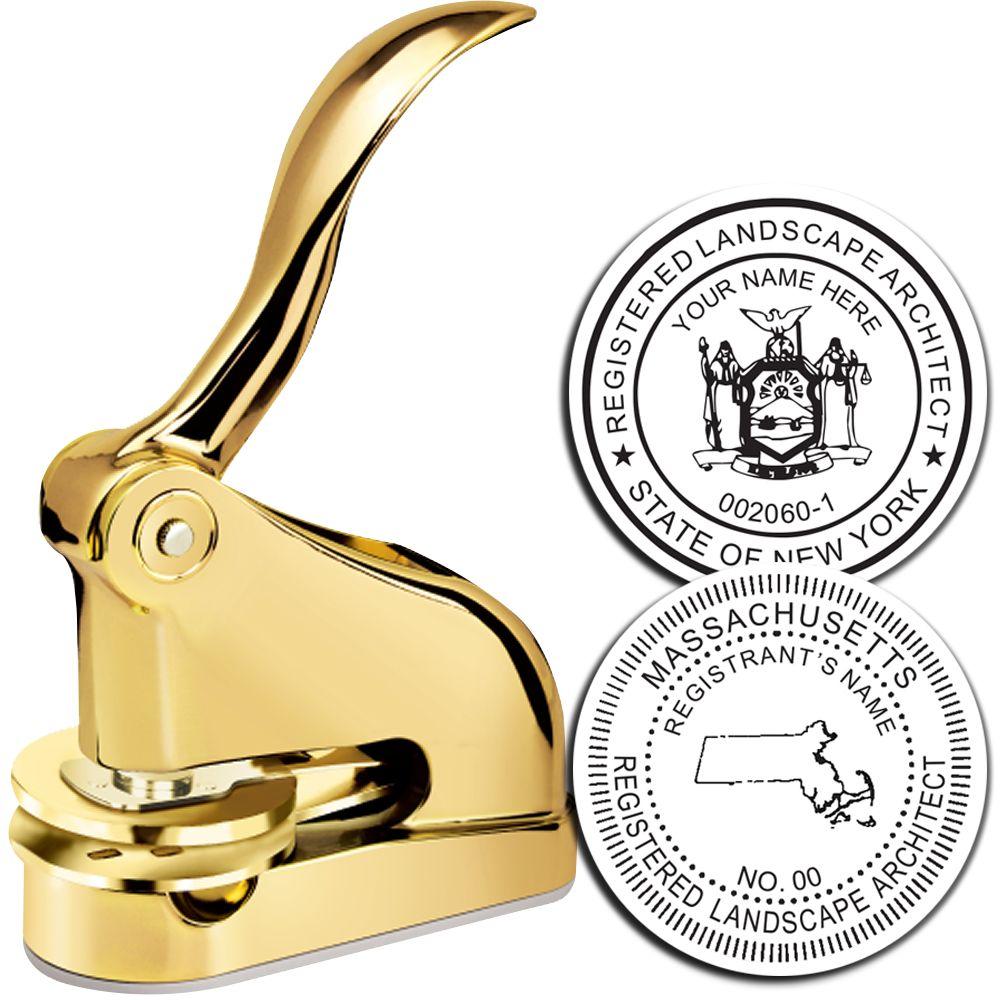
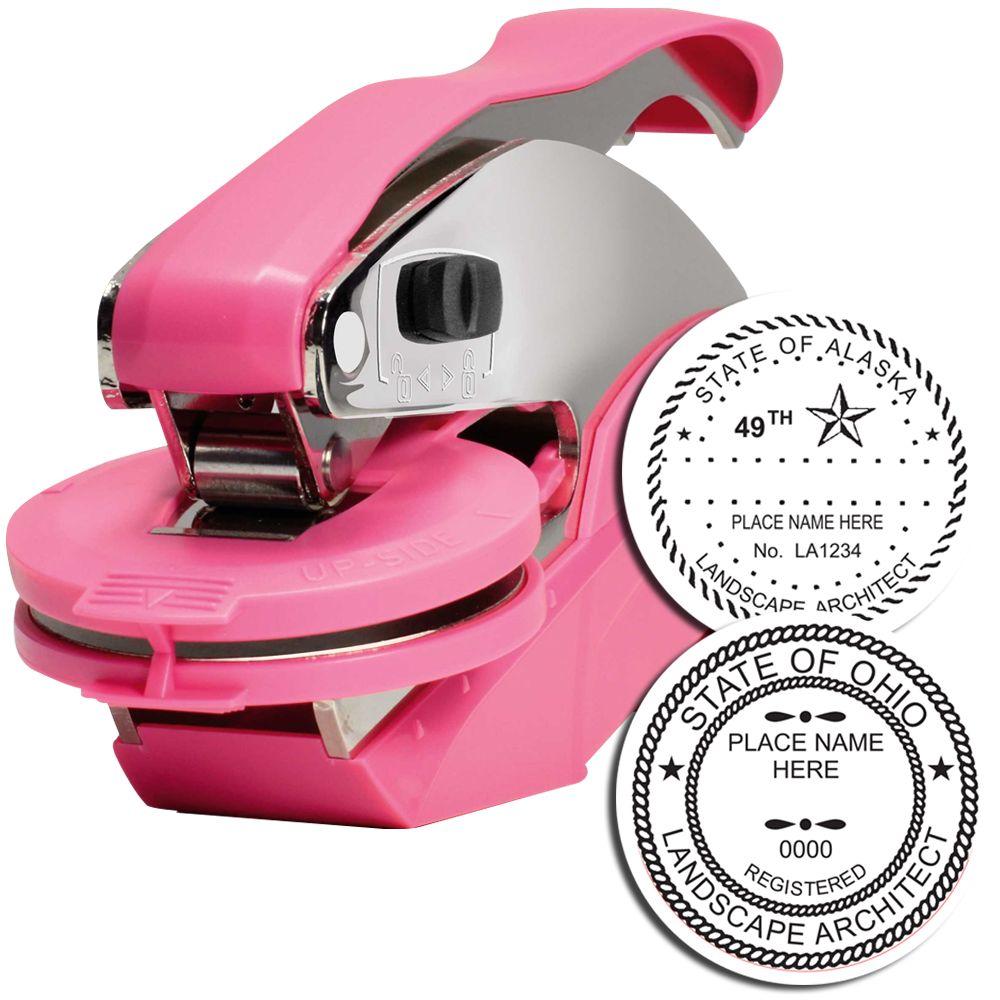
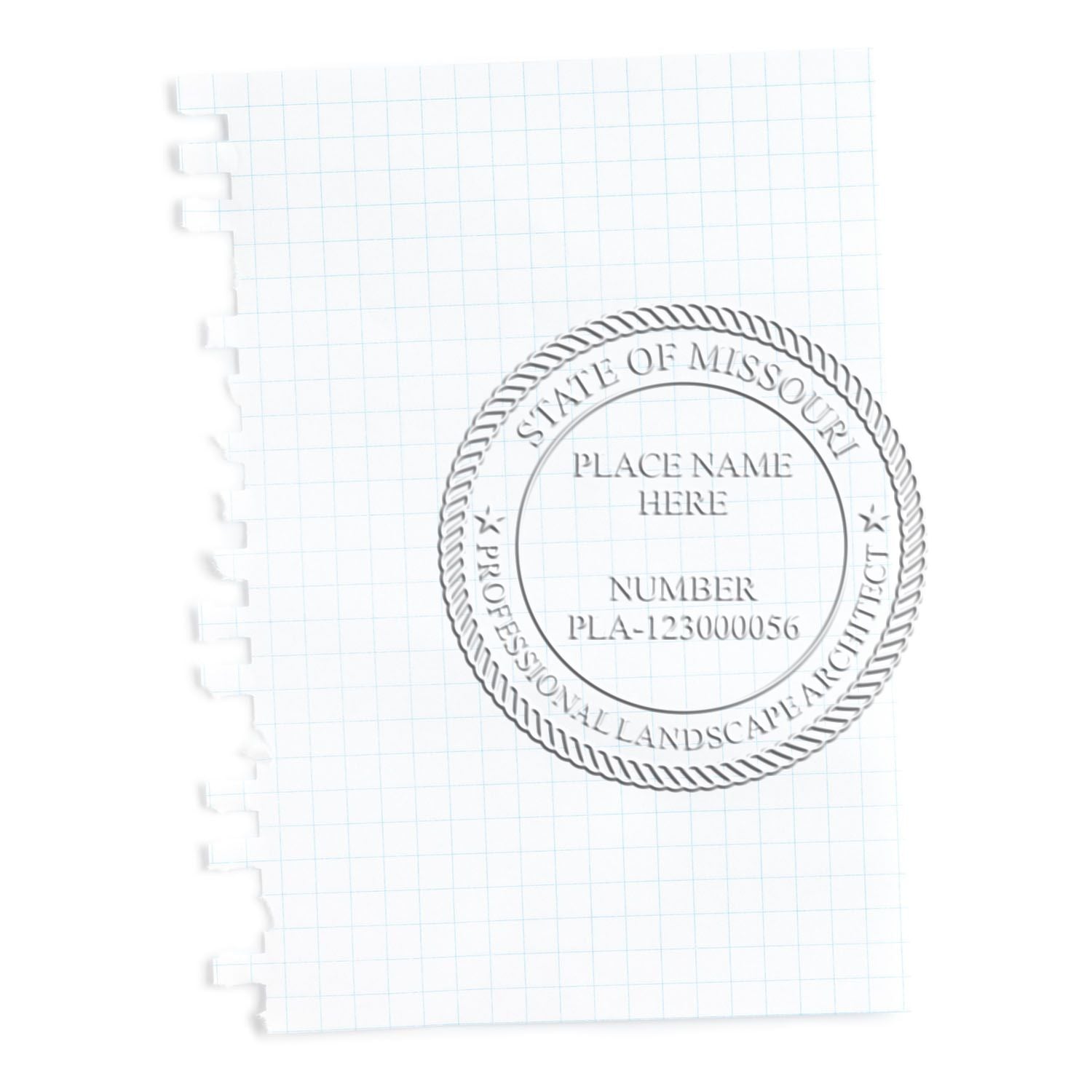
Many boards now allow digital stamps in addition to physical ones. E-seals can be especially handy if you frequently send PDF plans or other electronic documents.





Why Digital Matters
Gone are the days when everything had to be printed before getting your seal. With a digital seal, you can:
- Speed up sign-off on urgent projects.
- Avoid scanning multiple times, which can create extra steps.
- Maintain a clearer archive of your past stamped documents.
Use E-Seals Wisely
Not all states treat digital seals the same. Montana regulations might call for a secure signature process that can’t be easily tampered with. It’s a good idea to confirm how to integrate your e-seal into official platforms. Once approved, it can significantly reduce your paper load.
Steps to Customize Your Stamp
It’s normal to feel a little uncertain about how to move forward once you’ve settled on a supplier and a stamp format. These steps aim to make the process simple.
1. Gather Required Information
Before ordering, double-check that you have:
- Your Montana Landscape Architect license number.
- Accurate spelling of your name (as it appears on state documentation).
- Any additional text required by Montana, such as “Licensed Landscape Architect.”
In Montana, even slight misspellings on your stamp can lead to confusion. Confirm these details to avoid reprints.
2. Submit Your Preferred Design
Most suppliers offer an online form or a guided process to upload your information. If you’re using Acorn Sales, you can easily input your details and request a free digital file. This eliminates the wait time of back-and-forth emails.
3. Review and Approve Your Proof
Once you’ve submitted the info, the supplier typically sends a proof. Examine it carefully for:
- Proper license number
- Correct name spelling
- The right dimension for Montana standards
If any detail is off, ask for a quick revision. You want to be sure that everything is correct before your stamp is finalized.
4. Receive Your Physical or Digital Stamp
After approval, you’ll usually receive your order within a set timeframe, depending on shipping and production. Keep your digital seal handy for electronic submissions. That way, you can pivot effortlessly between paper and online forms.
Maintain and Store Your Stamp
A well-maintained stamp is a solid investment. Proper storage and usage can keep your impressions crisp year after year.
- Store in a cool, dry space to prevent the ink from drying prematurely.
- Clean the stamp face occasionally with a moist cloth (especially if you’re using a separate ink pad).
- Check the stamp’s impression regularly to stay compliant with highly visible details (like your license number).
Once you’ve stamped your drawings or paperwork, check that your complete contact information, signature, and date are included (if required). That, combined with your valid stamp, typically covers Montana’s acceptance criteria. If you have any doubt, consult your state board’s guidelines to confirm you’re doing everything correctly.
By now, you’ve got a better understanding of how to choose the right custom landscape architect stamp in Montana. Focus on compliance, convenience, and credibility. A well-chosen stamp ensures your professional documents hold up under scrutiny, plus it gives you the confidence that your work meets Montana’s standards. Whether you prefer a pre-inked, self-inking, or rubber format, remember to partner with a supplier like Acorn Sales that understands the nuances of Montana regulations. Before you know it, you’ll have an official stamp you’re proud to use on every design. Go ahead, gather your details, order your perfect seal, and enjoy the peace of mind that comes with following the right steps.
Frequently Asked Questions
Do I Really Need a Montana-Specific Stamp?
Yes. If you’re licensed in Montana, you must use a stamp aligned with the state’s exact design and text requirements. Each state has unique guidelines, so relying on a generic seal can cause issues during official reviews.
What if I Want a Digital Version of My Seal?
You’re in luck. Many suppliers, including Acorn Sales, include a free digital seal with your purchase, making it easy to stamp both physical and electronic documents. Just make sure you understand any security measures or software requirements the Montana board might enforce for digital stamps.
Can a Single Stamp Cover Different States?
It’s generally not recommended or allowed for multiple states. Each state typically has its own licensed text, shape, and design standards. Mixing states on one stamp can lead to confusion and might not be admitted by local boards. If you practice across borders, keep separate stamps for each license.








