
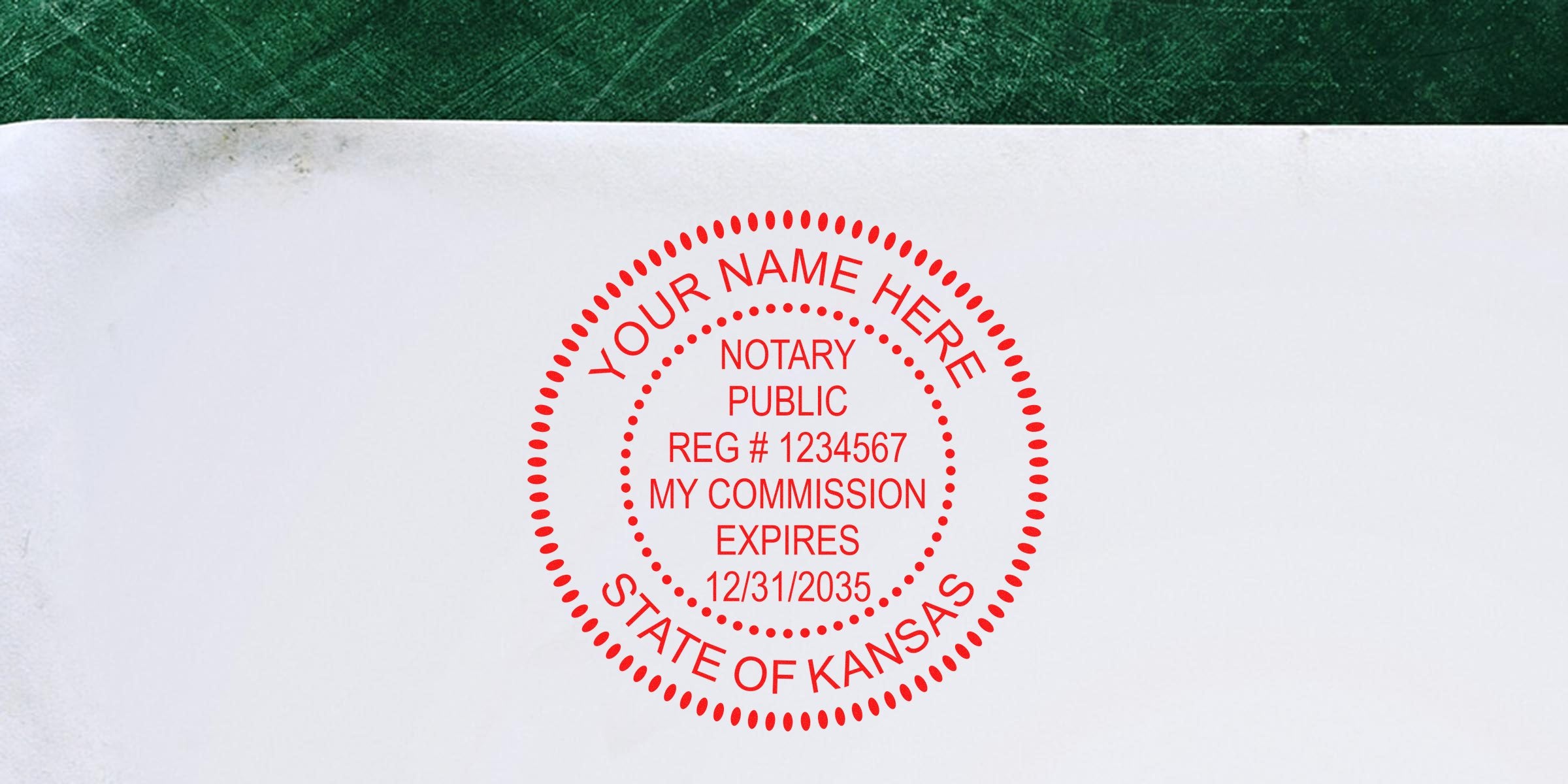
If you’re on the hunt for the right notary stamp for Kansas, you’ve come to the right place. We know how confusing it can feel trying to pick a stamp that meets state guidelines while also fitting your personal preferences. In this post, we’ll walk you through the essentials, from understanding basic requirements to selecting a reliable supplier. Let’s dive in.
Determine Your Stamp Purpose
Before we get into specifics, let’s clarify why you need a notary stamp in the first place. A Kansas notary acts as an impartial witness to important documents, such as affidavits and legal agreements. Your stamp needs to produce a clear imprint to validate these documents properly.
- Ask yourself if you handle documents daily or only now and then.
- Consider the surface and paper type you work with, since this can affect ink penetration.
By thinking about how often and where you’ll use the stamp, you can narrow down whether you need something extra durable (for frequent use) or a simple option for occasional notarial acts.
Review Kansas Requirements
Next, let’s look at state guidelines. Kansas requires that a notary seal must include certain elements, like your name exactly as it appears on your notary commission, along with the words “Notary Public” and “State of Kansas.” It’s crucial to review any recent changes in regulations to ensure full compliance.
- Verify your commission details are spelled correctly.
- Know that Kansas often allows both traditional stamps and embossers, as long as they contain the mandated details.
- Keep track of your commission expiration date to replace your stamp on time.
Never assume the same design you used in another state will work in Kansas. Double-check each element so your seal looks just the way Kansas officials expect.
Explore Stamp Features
Now, let’s talk about the fun part: picking the exact features of your stamp. You can choose from self-inking stamps (which have built-in ink pads), pre-inked models, or traditional rubber stamps that need separate ink pads. Pre-inked or self-inking styles often provide crisp, consistent impressions and are very popular among busy notaries.
Here are a few features we suggest evaluating:
- Stamp size: smaller stamps are easier to carry, while larger ones may create more readable imprints.
- Ink color: black is standard, but some professionals opt for blue to distinguish original documents.
- Reinkability: look for a stamp that’s simple to refill, so you don’t lose precious time tracking down replacement ink pads.
Partner With a Trusted Supplier
Choosing a reputable seller can save you a lot of headaches. We at Acorn Sales have been crafting top-quality stamps and seals for over 60 years, so we know the notary world inside and out. Our team prides itself on quick turnaround times, compliant seals, and reliable customer service.
If you need additional Kansas notary items, take a look at our full line of Kansas Notary Supplies. We designed our products to meet state guidelines, deliver a professional finish, and ensure you can do your job smoothly. After all, you’re busy taking care of important paperwork, and we’re here to make sure you have the right tools.
We hope this helps you pick a Kansas notary stamp that fits all requirements and makes your day-to-day notarizations easier. Our team at Acorn Sales is here to support you as you finalize your decision. With the right stamp in hand, you’ll breeze through signings more confidently than ever. Feel free to reach out anytime for expert advice or to explore our selection of top-quality notary solutions.
Frequently Asked Questions
What happens if my stamp wears out too soon?
We recommend opting for a high-quality stamp with a solid warranty or guarantee. If you notice faint or incomplete impressions, it’s time to reink or replace your stamp.
Can I use a different name on my stamp than what’s on my commission?
Kansas regulations require the name on your stamp to match your commissioned name exactly. Always check your official paperwork before ordering.
Is an embosser necessary in Kansas?
It’s typically optional. An embossed seal can provide additional security, but be sure to confirm that your primary notary stamp meets all mandatory guidelines.
How often do I need to replace my notary stamp?
You should replace it whenever the imprint becomes unclear or if your commission details change. Also, remember your stamp should reflect any updated commission dates.
Can I customize my stamp design?
You can choose certain design elements, like layout or font style, but remember state-mandated information must remain clear and intact.








