
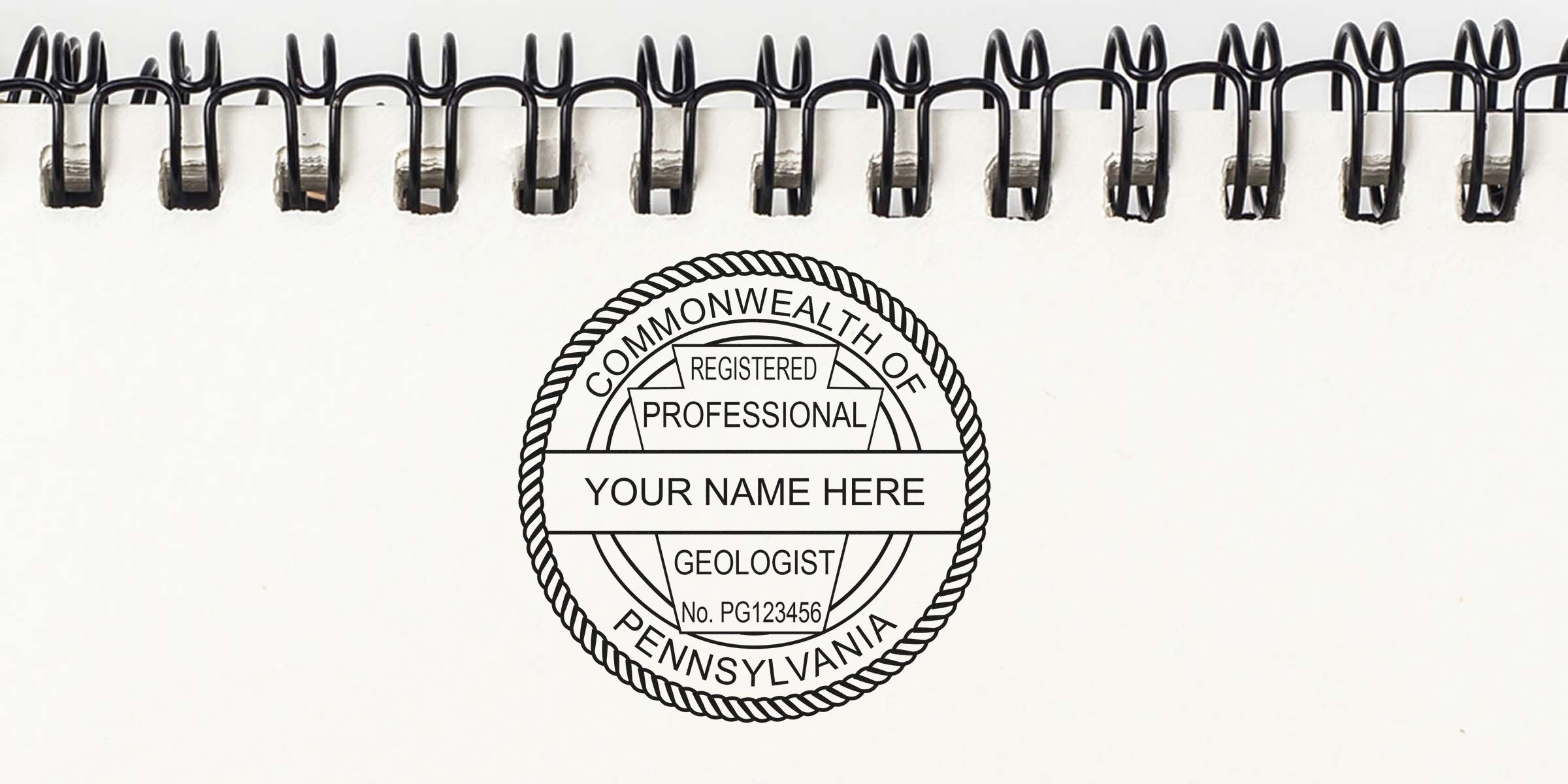
If you need a Pennsylvania geologist stamp for documents, you’re likely aiming to meet state guidelines while also presenting your credentials in a clear and professional way. This stamp or seal shows the world that you hold the proper licensure to practice as a geologist in Pennsylvania. But how do you know which stamp version fits your needs?
Choosing the right option can feel a bit overwhelming, especially if you’re new to ordering professional seals. You might wonder about design, durability, or even how often you’ll use your stamp. Take a deep breath. In this article, you’ll explore everything from the official requirements, to practical tips on picking the right style, materials, and supplier. A reliable geologist stamp you can use on projects of any size or scope.
Below, you’ll discover seven sections breaking down the process. By the end, you should have a handle on Pennsylvania-specific rules, design choices, and best practices for using your stamp in daily work.
Understand The Requirements
Before you purchase anything, it helps to get a clear handle on what the state expects from your stamp or seal. Pennsylvania’s rules for geologist stamps don’t leave much room for guesswork, so you’ll want to follow them as closely as possible. If you haven’t already, it’s a good idea to review the official guidelines set out by the Pennsylvania licensing board.
The Core Elements
At a minimum, your Pennsylvania geologist stamp should include:
- Your full name as it appears on your license.
- Your unique license number, assigned by the state board.
- The words “Professional Geologist” or a similar designation required under Pennsylvania codes.
- The state name or abbreviation, typically represented as “Commonwealth of Pennsylvania.”
Each of these elements ensures consistent display of your credentials. You might be tempted to tweak the design for aesthetic reasons, but keep in mind that the board expects your seal to be uniform and recognizable. If you include extra wording or tweak the layout dramatically, your seal might not be considered valid for official documents.
For a deeper look at precise instructions, you can consult these pennsylvania geologist stamp requirements. That resource clarifies any updates to the necessary text, spacing, and layout so you’re never left guessing.





Common Missteps
Think you might accidentally miss a detail? You wouldn’t be the first. Here are a few pitfalls you’ll want to avoid:
- Adding your middle initial if it’s not on your license record.
- Omitting the phrase “Licensed Professional Geologist” or a required equivalent.
- Forgetting to include “Pennsylvania” or an acceptable abbreviation.
- Submitting a stamp design that reduces the text to an unreadable size.
Double-check those details, and you’re off to a great start.
Consider Design Specifications
After confirming the official requirements, you’ll likely want to think about how your stamp appears both on paper and in scanning or photocopying situations. Is it clear and legible on different surfaces? Does it maintain its precision after many uses?
Layout And Legibility
Legibility might sound obvious, but it’s easy to get carried away with fancy lettering or shapes that don’t translate well. A straightforward, traditional layout is often best. You want:
- Enough space between text areas to avoid smudging.
- A clean circle or border that frames all required text.
- Text size that’s legible in typical print-scale (think 10 to 12 points at least).
Consider testing a proof of your stamp if possible. Some suppliers can provide a preview so you can verify the final look before committing to production.
Digital Versus Physical Stamp
Pennsylvania generally requires a physical seal on certain official documents. However, a digital seal can be handy for electronic submissions or paperwork that never leaves your computer screen. You might opt for both:
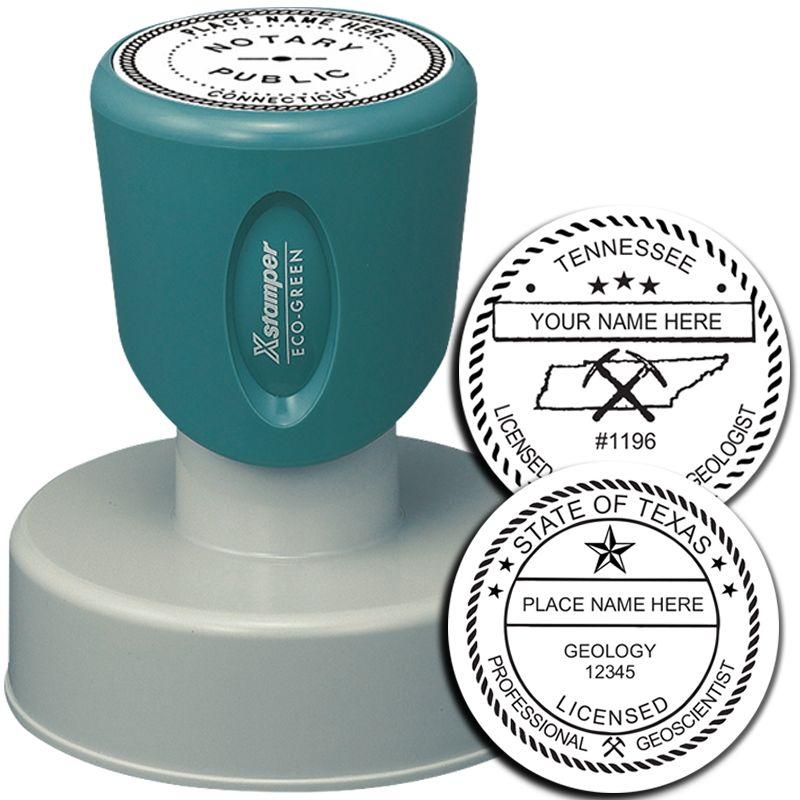
- Physical Embosser or Rubber Stamp: Suited to stamping plans, reports, and other printed documents.
- Digital File (often a PDF or image format): Useful when you submit forms online or email your documentation.
At Acorn Sales, for instance, you get a free digital seal included with every order. That means you can handle both print and digital tasks without juggling multiple vendors.


Compare Stamp Materials
Are you new to geologist stamps and seals? You might wonder which is best: self-inking, pre-inked, or a classic wooden handle with a separate ink pad. Each type has its perks and potential drawbacks.
Self-Inking Stamps
When you invest in a self-inking stamp, the ink pad is built directly into the device. You simply position your stamp, push down, and watch your official geologist seal appear. Benefits include:
- Speed and convenience for repeated use.
- Minimal mess compared to separate ink pads.
- Generally consistent impressions once set up.
However, the ink might wear out faster if you use it very frequently.
Pre-Inked Stamps
Pre-inked stamps typically offer crisp detail and a higher ink density. They’re often made with a special gel or oil-based ink. You might prefer this style if legibility is important and you want super-sharp lines:
- Creates very fine, clean impressions.
- Often quieter and smoother in operation.
- Can deliver thousands of impressions.
The drawback? Pre-inked models can cost a bit more upfront. But if you need top-notch clarity, they’re worth considering.
Wood Handle Stamps
A classic wooden handle stamp involves a separate ink pad. This type gives you extra flexibility in ink color or usage. If you love traditional office supplies or simply don’t need a high volume of stamping, wood handle stamps can be a cost-effective solution. They do require a bit more effort and can be messier than self-inking options. Still, some folks appreciate the tactile feel and vintage charm.
Pick A Reliable Supplier
Not all stamp makers are created equal. You’ll find online vendors, local office supply shops, and specialized providers. If you’re aiming for high-quality, Pennsylvania-compliant stamps, you’ll want to dig a bit deeper into the supplier’s know-how and reputation.
Reputation And Expertise
Look for a supplier who has been around for a while. Here’s why longevity matters:
- They’ve seen design changes and kept up with regulatory shifts.
- They’ve learned to prevent common production errors that could invalidate your seal.
- They stand by their work and have customer support systems in place.
Acorn Sales, for instance, has been in business since 1964. Over those decades, they’ve earned a track record for precision and reliability. Whether it’s a Pennsylvania geologist stamp for documents or another profession’s credential, they know the ins and outs of official seals.


Extra Services
Beyond the basic production of your stamp, see if the company offers:
- Free digital files so you can emboss or stamp electronically.
- Smooth re-orders for when your ink runs dry or you need extra stamps.
- Friendly, fast customer service in case something doesn’t look right.
When you order from a supplier with these add-ons, you won’t feel stuck if your order needs a tweak. You’ll also have a simple way to access your digital seal for online or PDF-based work.
Follow Best Practices For Use
Once you have your brand-new stamp, how do you use it in day-to-day tasks? Is there a best practice for storing it, cleaning it, or stamping it on official forms? Absolutely. Paying close attention to consistency and cleanliness keeps your Pennsylvania geologist seal clear and readable.
Stamping Technique
Rushing a stamp impression can lead to smudges or uneven ink distribution. Take a steady approach:
- Line up the document so your seal appears in the designated spot.
- Press down with moderate, even pressure.
- Lift straight up to avoid blurring the image.
If your stamp has adjustable settings, like a pre-inked device, test it on scrap paper first to confirm the image is crisp. You don’t want your final impression to smear across an important contract or geological report.
Maintenance And Storage
Stamps can last thousands of impressions if you handle them properly. Some quick tips to keep yours in top shape:
- Store it in a dry, room-temperature spot.
- Clean off dust or debris that might collect on the rubber surface.
- Keep the cover (if included) in place to protect the ink or stamping surface.
For an embosser, you’ll occasionally need to wipe down the raised plate to ensure dust doesn’t affect the clarity of your seal. Once a year, examine the plates or rubber for wear and tear, especially if you stamp dozens of documents a week.
Plan For Digital Usage
Ever wonder how to handle electronic submissions or PDFs? In many professional settings, more and more of your resources might be shared entirely online. While the Pennsylvania board might still expect a traditional seal for some official tasks, a digital version can help you cover:
- Electronic structural reports and site plans.
- PDF-based geotechnical documents that require your seal.
- Email consultations or proposal packages.
Having a digital file of your seal lets you embed it exactly where needed. Just ensure the file you attach to electronic documents meets the same guidelines as your physical stamp. That means your name, license number, state, and relevant geologist title are all present. Double-check that you’re allowed to use a digital seal for the specific document in question (some might still require a physical impression).
When you’re shopping for your stamp, pause and recap the essential steps: verify Pennsylvania’s rules, choose a design and layout that meets every requirement, pick a stamp type that fits your workflow, and find a supplier with a track record you can respect. When you do this, you’ll avoid the hassle of returns or rejections and ensure every impression is accurate and clear.
If you’re still on the fence about a self-inking stamp versus a wood handle, take a moment to think about how often you’ll stamp documents, what your budget looks like, and how crisp you want your seal to appear. Given the many choices available, there’s no one-size-fits-all answer. But the tips above should guide you to a decision that aligns with your professional needs.
Now that you know what to look for, you’re all set to choose the Pennsylvania geologist stamp that suits your workflow. For physical reports and electronic documents alike, the right option helps you remain compliant, efficient, and ready to share your geological expertise with confidence. Feel free to reach out to a trusted supplier or check the official board requirements anytime you need clarification. Good luck with your stamp selection, and happy stamping!
Frequently Asked Questions
Do I Need Both a Stamp and an Embosser?
Pennsylvania requirements typically indicate at least one official seal. Whether you choose a stamp or an embosser often comes down to preference. An embosser raises a 3D impression, while a rubber stamp applies ink. Some geologists use both to cover a variety of document types.
Can I Use a Stamp From Another State If I’m Also Licensed There?
Each state board sets its own seal rules, so a stamp from another jurisdiction won’t satisfy Pennsylvania standards. You need a specific seal that matches the Pennsylvania guidelines (name, license number, and state name). Always check if your cross-state license requires a separate stamp.
What If I Need to Update My Name or License Number?
If the name on your license changes, or you must revise your license number, you’ll need a new stamp. Using a stamp with outdated information can lead to invalid or rejected documents. Contact your supplier for help preparing a new design that aligns with your updated license record.
Which Supplier Do You Recommend?
Many geologists trust Acorn Sales, a company that’s been around since 1964 and includes a free digital seal with every order. Reliability, precision, and friendly service are their hallmarks, especially when you need a Pennsylvania geologist stamp for documents that must strictly adhere to state guidelines.








